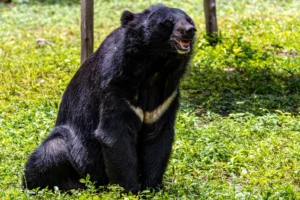
Explore the complete list of India’s state animals with scientific names, conservation status, state-wise tables, recent updates, and exam-friendly facts.
Introduction
India is home to an extraordinary variety of wildlife, ranging from the snow leopard of the high Himalayas to the dugong in tropical coastal waters. To celebrate this natural heritage, every Indian state and most union territories have adopted an official animal that represents their geography, ecology, culture, or conservation priorities.
For many readers, state animals are familiar from school textbooks and competitive examinations. However, these official symbols are more than general knowledge. They help raise awareness about species that define a region’s natural identity, encourage conservation efforts, and highlight habitats that deserve protection.
Some state animals, such as the Asiatic lion of Gujarat and the one-horned rhinoceros of Assam, are closely associated with a single landscape. Others, including the Indian elephant and blackbuck, are shared by multiple states because of their wider distribution and cultural significance. A few, such as the Hangul, Nilgiri Tahr, Red Panda, and Dugong, also represent species facing significant conservation challenges.
This guide brings together the complete list of state animals of India’s 28 states and 8 union territories, along with their scientific names, conservation status, and recent administrative updates. Whether you’re preparing for a competitive examination, teaching wildlife studies, or simply interested in India’s biodiversity, you’ll find an accurate and well-organised reference in one place.
What Are State Animals of India?
State animals are officially designated wildlife species chosen by individual state governments or union territory administrations to represent their natural heritage. Like state birds, trees, and flowers, these animals serve as symbols of regional identity while drawing attention to the importance of wildlife conservation.
The selected species often reflect one or more of the following:
- A species naturally associated with the region.
- An animal of cultural or historical importance.
- A flagship species that supports conservation awareness.
- A rare or threatened species requiring greater public attention.
Unlike India’s national animal—the Bengal tiger—state animals differ from one region to another. Their selection reflects local ecosystems, from Himalayan mountains and northeastern rainforests to deserts, grasslands, wetlands, and coastal waters.
It’s also worth noting that official wildlife symbols can change over time. Administrative reorganisations, updated government notifications, and revised conservation priorities have resulted in changes for some union territories, particularly Jammu & Kashmir and Ladakh. Similarly, recent reporting has highlighted questions regarding the documentation supporting Delhi’s commonly cited state animal.
For this reason, it’s always advisable to refer to updated government information and reliable wildlife references when consulting state symbol lists.
State Animals of India at a Glance
Before exploring the complete state-wise tables, here are a few useful facts:
| Quick Fact | Details |
| States in India | 28 |
| Union Territories | 8 |
| Purpose of state animals | Represent regional biodiversity, culture, and conservation priorities |
| Commonly repeated animals | Blackbuck, Indian Elephant, Gaur, Snow Leopard, Swamp Deer |
| Highly threatened state animals | Hangul, Dugong, Red Panda, Nilgiri Tahr, Snow Leopard |
| Most iconic examples | Asiatic Lion (Gujarat), One-horned Rhinoceros (Assam), Sangai (Manipur), Hangul (Jammu & Kashmir) |
While several species appear as official animals for more than one state, each represents a unique ecological story shaped by local landscapes, conservation history, and cultural significance.
In the next section, we’ll look at the complete state-wise list of all official state animals, followed by the corresponding list for India’s union territories.
Complete List of State Animals of India’s 28 States
The table below provides the official state animals of all 28 Indian states, along with their scientific names, general conservation status, and the reason each species is closely associated with its state.
Note: Conservation status follows the IUCN Red List where applicable. Administrative symbols may occasionally be revised by governments, so readers should refer to official notifications for the latest updates.
| State | State Animal | Scientific Name | IUCN Status* | Why It Represents the State |
| Andhra Pradesh | Blackbuck | Antilope cervicapra | Least Concern | Native to India’s open grasslands and culturally significant across the Deccan Plateau. |
| Arunachal Pradesh | Mithun (Gayal) | Bos frontalis | Data Deficient | An important semi-domesticated bovine deeply woven into tribal culture and traditions. |
| Assam | Indian One-horned Rhinoceros | Rhinoceros unicornis | Vulnerable | Closely associated with Kaziranga National Park and Assam’s floodplain grasslands. |
| Bihar | Gaur (Indian Bison) | Bos gaurus | Vulnerable | India’s largest wild bovine, representing the forests of eastern India. |
| Chhattisgarh | Wild Water Buffalo | Bubalus arnee | Endangered | One of the state’s most important flagship wildlife species and a focus of conservation efforts. |
| Goa | Gaur | Bos gaurus | Vulnerable | Commonly found in Goa’s forested landscapes and protected areas. |
| Gujarat | Asiatic Lion | Panthera leo persica | Endangered | Gujarat is the world’s only natural home of the wild Asiatic lion. |
| Haryana | Blackbuck | Antilope cervicapra | Least Concern | Once widespread across the state’s grasslands and agricultural landscapes. |
| Himachal Pradesh | Snow Leopard | Panthera uncia | Vulnerable | Represents the fragile high-altitude ecosystems of the western Himalayas. |
| Jharkhand | Indian Elephant | Elephas maximus indicus | Endangered | Symbolises the state’s forests and traditional elephant corridors. |
| Karnataka | Indian Elephant | Elephas maximus indicus | Endangered | A flagship species of Nagarhole, Bandipur, and other protected forests. |
| Kerala | Indian Elephant | Elephas maximus indicus | Endangered | Closely linked with Kerala’s forests, wildlife tourism, and cultural traditions. |
| Madhya Pradesh | Swamp Deer (Barasingha) | Rucervus duvaucelii | Vulnerable | Famous for the successful conservation of the hard-ground barasingha in Kanha. |
| Maharashtra | Indian Giant Squirrel | Ratufa indica | Least Concern | An arboreal mammal commonly found in the Western Ghats and central Indian forests. |
| Manipur | Sangai | Rucervus eldii eldii | Endangered | Found only in and around Keibul Lamjao National Park, making it one of India’s most distinctive deer. |
| Meghalaya | Clouded Leopard | Neofelis nebulosa | Vulnerable | A secretive forest predator typical of Northeast India’s evergreen forests. |
| Mizoram | Himalayan Serow | Capricornis sumatraensis | Vulnerable | A mountain-dwelling ungulate inhabiting steep forested terrain. |
| Nagaland | Mithun (Gayal) | Bos frontalis | Data Deficient | Holds immense cultural, ceremonial, and economic importance among Naga communities. |
| Odisha | Sambar Deer | Rusa unicolor | Vulnerable | A widespread deer species inhabiting Odisha’s forests and tiger reserves. |
| Punjab | Blackbuck | Antilope cervicapra | Least Concern | Once abundant across the state’s plains and now protected in several reserves. |
| Rajasthan | Chinkara (Indian Gazelle) | Gazella bennettii | Least Concern | Well adapted to Rajasthan’s dry grasslands and desert habitats. |
| Sikkim | Red Panda | Ailurus fulgens | Endangered | A flagship species of Eastern Himalayan temperate forests and bamboo habitats. |
| Tamil Nadu | Nilgiri Tahr | Nilgiritragus hylocrius | Endangered | Endemic to the Western Ghats and strongly associated with Tamil Nadu’s montane landscapes. |
| Telangana | Spotted Deer (Chital) | Axis axis | Least Concern | A familiar herbivore of dry deciduous forests throughout the region. |
| Tripura | Phayre’s Langur | Trachypithecus phayrei | Endangered | One of Northeast India’s most distinctive primates, inhabiting evergreen forests. |
| Uttar Pradesh | Swamp Deer (Barasingha) | Rucervus duvaucelii | Vulnerable | Closely linked with the Terai grasslands and Dudhwa National Park. |
| Uttarakhand | Alpine Musk Deer | Moschus chrysogaster | Endangered | Represents the alpine forests and meadows of the higher Himalayas. |
| West Bengal | Fishing Cat | Prionailurus viverrinus | Vulnerable | A wetland specialist associated with marshes, mangroves, and river systems. |
Field Note
Several state animals are not unique to a single state. Species such as the Indian Elephant, Blackbuck, Mithun, Gaur, and Swamp Deer have been adopted by multiple states because they are ecologically important across larger regions or hold deep cultural significance.
Complete List of Union Territory Animals
Although union territories receive less attention than states, many have also designated official animal symbols that reflect their local biodiversity.
| Union Territory | Official Animal | Scientific Name | Notes |
| Andaman and Nicobar Islands | Dugong (Sea Cow) | Dugong dugon | A rare marine mammal inhabiting shallow coastal waters and seagrass meadows. |
| Chandigarh | Indian Grey Mongoose | Herpestes edwardsii | A small carnivore commonly found in northern India. |
| Dadra & Nagar Haveli and Daman & Diu | No widely accepted official animal listed in several reference sources | — | Different references vary; readers should consult official government notifications for any updates. |
| Delhi | Nilgai (Blue Bull) | Boselaphus tragocamelus | Widely cited, although recent reporting has questioned whether an official notification exists. |
| Jammu & Kashmir | Hangul (Kashmir Stag) | Cervus hanglu hanglu | Retained following the reorganisation of the former state and remains an important conservation flagship. |
| Ladakh | Snow Leopard | Panthera uncia | Officially adopted after the creation of the Union Territory, reflecting the region’s high-altitude wildlife. |
| Lakshadweep | Butterfly Fish | Family Chaetodontidae | Represents the coral reef ecosystems surrounding the islands. |
| Puducherry | Indian Palm Squirrel | Funambulus palmarum | A familiar small mammal found throughout the union territory. |
Scientific Names and Conservation Status of India’s State Animals
Knowing the official state animal is useful, but understanding its scientific name and conservation status provides a deeper appreciation of India’s wildlife. Many official animals are also flagship species that represent broader conservation efforts within their habitats.
Understanding IUCN Conservation Status
The International Union for Conservation of Nature (IUCN) assesses the extinction risk of species worldwide. The categories mentioned in this guide include:
| IUCN Category | Meaning |
| Least Concern (LC) | Species currently considered at relatively low risk of extinction. |
| Vulnerable (VU) | Faces a high risk of extinction in the wild without continued conservation. |
| Endangered (EN) | Faces a very high risk of extinction and requires significant conservation attention. |
| Data Deficient (DD) | There is insufficient information to accurately assess extinction risk. |
Conservation status can change over time as new scientific data becomes available. Readers should refer to the latest IUCN Red List assessments for the most up-to-date classifications.
State Animals Facing Significant Conservation Challenges
Several official state animals are among India’s highest conservation priorities.
Hangul (Kashmir Stag)
The Hangul, the official animal of Jammu & Kashmir, survives in a very restricted range and has become one of India’s most closely monitored deer species. Its shrinking habitat and fragmented population have made its conservation a national priority.
Snow Leopard
Official animal of Himachal Pradesh and Ladakh, the snow leopard inhabits remote Himalayan mountains. Because it occupies vast territories at high elevations, monitoring populations remains challenging. Conservation programmes increasingly involve local communities that share these fragile landscapes.
Red Panda
Sikkim’s state animal is one of the Eastern Himalaya’s most recognisable mammals. It depends on cool temperate forests with dense bamboo undergrowth, making it particularly sensitive to habitat loss and fragmentation.
Nilgiri Tahr
Endemic to the Western Ghats, the Nilgiri Tahr represents Tamil Nadu’s montane grasslands and rocky slopes. Its restricted range makes long-term habitat protection especially important.
Dugong
The Dugong, official animal of the Andaman and Nicobar Islands, is one of India’s few marine mammal symbols. It depends on healthy seagrass meadows, making coastal habitat conservation essential for its survival.
Fishing Cat
West Bengal’s state animal is strongly associated with wetlands, marshes, and mangrove ecosystems. Protecting these habitats also benefits many other aquatic and semi-aquatic species.
Expert Tip
When visiting a national park, remember that the official state animal may not always be the species visitors are most likely to see. For example, spotting a snow leopard requires specialised expeditions, whereas elephants, chital, or sambar are commonly encountered in many reserves where they occur naturally.
Why Do States Choose These Animals?
Official state animals are selected for reasons that extend well beyond popularity. Most represent a combination of ecological importance, cultural identity, and regional uniqueness.
Reflecting Local Ecosystems
Many state animals are closely associated with habitats that define a region.
Examples include:
- Snow Leopard — Himalayan mountains
- Dugong — Tropical coastal waters
- Nilgiri Tahr — Western Ghats grasslands
- Fishing Cat — Wetlands and mangroves
- One-horned Rhinoceros — Floodplain grasslands
- Chinkara — Arid deserts and semi-deserts
These symbols help connect wildlife conservation with the landscapes where people live.
Celebrating Cultural Heritage
Some animals have long-standing cultural importance.
For example:
- Mithun plays a central role in the traditions of several tribal communities in Arunachal Pradesh and Nagaland.
- The Indian Elephant features prominently in festivals, folklore, and religious traditions across southern India.
- The Asiatic Lion has historical associations with Gujarat and remains a symbol of regional pride.
Supporting Conservation Awareness
Many states deliberately selected species that benefit from increased public recognition.
Using a threatened species as an official emblem helps:
- increase public awareness,
- encourage conservation education,
- strengthen regional identity,
- support habitat protection initiatives.
Although an official designation does not automatically provide legal protection, it can strengthen public support for conservation programmes.
Patterns Among India’s State Animals
One interesting feature of India’s official wildlife symbols is that several animals are shared by more than one state.
This reflects ecological distribution rather than a requirement for every state to choose a unique species.
Animals Shared by Multiple States
| Species | States/UTs |
| Blackbuck | Andhra Pradesh, Haryana, Punjab |
| Indian Elephant | Jharkhand, Karnataka, Kerala |
| Gaur | Bihar, Goa |
| Mithun | Arunachal Pradesh, Nagaland |
| Swamp Deer (Barasingha) | Madhya Pradesh, Uttar Pradesh |
| Snow Leopard | Himachal Pradesh, Ladakh |
Shared symbols usually occur because these animals naturally inhabit multiple regions or possess widespread cultural significance.
Endemic and Range-Restricted State Animals
Some official animals occur within relatively limited geographic areas.
Examples include:
- Nilgiri Tahr — Western Ghats
- Sangai — Manipur
- Hangul — Kashmir Valley
- Red Panda — Eastern Himalaya
- Dugong — Andaman and Nicobar Islands
These species often receive greater conservation attention because they cannot easily expand into new habitats if their existing range declines.
Habitat Diversity Reflected by State Animals
Collectively, India’s state animals showcase nearly every major habitat found in the country.
These include:
- Himalayan alpine regions
- Temperate mountain forests
- Tropical rainforests
- Dry deciduous forests
- Grasslands
- Floodplain wetlands
- Mangroves
- Deserts
- Coastal ecosystems
- Coral reef environments
This diversity illustrates why India is recognised as one of the world’s most biologically varied countries.
Photography Tip
If you’re hoping to photograph a state’s official animal, research its preferred habitat rather than relying solely on the destination. For example, wetlands are the best places to search for Fishing Cats, while alpine expeditions are necessary for any realistic chance of seeing a Snow Leopard.
Recent Administrative Updates
Most state animal lists remain stable for many years, but administrative changes can occasionally create confusion.
Jammu & Kashmir
Following the reorganisation of the former state into two union territories, Hangul continues as the official animal of Jammu & Kashmir. The species remains one of India’s most important conservation symbols.
Ladakh
After becoming a separate Union Territory, Ladakh officially adopted the Snow Leopard as its state animal. The choice reflects the region’s cold desert ecosystem and its importance for high-altitude wildlife conservation.
Delhi
Many educational resources continue to list the Nilgai (Blue Bull) as Delhi’s official animal. However, recent reporting has noted that questions have been raised regarding the availability of an official government notification confirming this designation.
For practical purposes, most current reference lists still include Nilgai, but readers should be aware that documentation has been discussed in recent years.
Responsible Tourism Tip
Learning about a region’s official animal can enrich a wildlife trip, but responsible travel means appreciating entire ecosystems rather than focusing on a single species. Healthy forests, grasslands, wetlands, and mountains support countless plants and animals that together make these emblematic species possible.
Common Mistakes About India’s State Animals
Even though state animals are widely taught in schools and frequently appear in competitive examinations, several misconceptions continue to circulate. Being aware of these helps readers avoid confusion and rely on accurate information.
Mistake 1: Assuming Every State Animal Is Unique
Not every state has a unique official animal. Several species have been adopted by multiple states because they occur naturally across larger regions or hold shared cultural importance.
For example:
- Blackbuck is the state animal of Andhra Pradesh, Haryana, and Punjab.
- Indian Elephant represents Jharkhand, Karnataka, and Kerala.
- Gaur is shared by Bihar and Goa.
- Snow Leopard represents both Himachal Pradesh and Ladakh.
Shared symbols reflect ecological distribution rather than duplication or error.
Mistake 2: Confusing State Animals with the National Animal
India’s national animal is the Bengal Tiger. State animals are separate official symbols chosen by individual state governments and union territory administrations.
A state may choose a species that best represents its own geography, wildlife, or cultural heritage, regardless of the national symbol.
Mistake 3: Believing Every State Animal Is Endangered
While some official animals are threatened, many are not.
Examples of threatened state animals include:
- Hangul
- Snow Leopard
- Red Panda
- Nilgiri Tahr
- Dugong
- Fishing Cat
However, species such as the Blackbuck, Chital, Chinkara, and Indian Giant Squirrel currently face comparatively lower levels of global extinction risk.
Mistake 4: Assuming Official Lists Never Change
Administrative changes can lead to updates in official symbols.
Recent examples include:
- The creation of the Union Territory of Ladakh and its adoption of the Snow Leopard.
- Updated official symbols following the reorganisation of Jammu & Kashmir.
- Ongoing discussion regarding documentation of Delhi’s commonly cited official animal.
For this reason, newer government notifications should always take precedence over older GK books or websites.
Mistake 5: Expecting to See the State Animal on Every Wildlife Trip
Choosing a destination because it is home to a state’s official animal does not guarantee a sighting.
Some species naturally occur at very low densities or inhabit difficult terrain.
Examples include:
- Snow Leopard
- Hangul
- Red Panda
- Dugong
Successful sightings depend on season, habitat, weather conditions, and a measure of good fortune.
Practical Checklist
If you’re using this guide for wildlife travel or exam preparation, remember to:
- ✓ Learn both the common and scientific names.
- ✓ Understand which habitat each species occupies.
- ✓ Note animals shared by multiple states.
- ✓ Remember major conservation species such as Hangul, Snow Leopard, Red Panda, Nilgiri Tahr, and Dugong.
- ✓ Stay updated on administrative changes affecting official symbols.
- ✓ Verify information using official government notifications where available.
Frequently Asked Questions
How many states and union territories have official animals?
India has 28 states and 8 union territories. Most have officially recognised animal symbols, although some union territory entries may differ across reference sources due to administrative changes or documentation.
What is the state animal of Delhi?
The Nilgai (Blue Bull) is widely listed as Delhi’s state animal. However, recent reporting has questioned whether a formal government notification exists, so readers should consult the latest official information.
What is the state animal of Jammu & Kashmir?
The Hangul (Kashmir Stag) is the official animal of the Union Territory of Jammu & Kashmir.
What is the state animal of Ladakh?
The Snow Leopard is the official animal of Ladakh.
Which state has the Asiatic Lion as its state animal?
Gujarat is the only state whose official animal is the Asiatic Lion.
Which state has the One-horned Rhinoceros?
Assam’s official state animal is the Indian One-horned Rhinoceros.
Which state has the Nilgiri Tahr?
Tamil Nadu has chosen the Nilgiri Tahr as its official state animal.
Which state has the Red Panda?
Sikkim’s official state animal is the Red Panda.
Which state has the Sangai?
The Sangai, also known as Eld’s Deer (Manipur subspecies), is the official animal of Manipur.
Which states share the Indian Elephant?
The Indian Elephant is the official state animal of Jharkhand, Karnataka, and Kerala.
Which states share the Blackbuck?
Blackbuck is the official animal of Andhra Pradesh, Haryana, and Punjab.
Which state animal is found only in Gujarat?
The Asiatic Lion is naturally found only in and around Gujarat’s Gir landscape.
Why do some states share the same animal?
States often choose animals that naturally occur within their landscapes or have cultural importance. Since many species have wide geographic ranges, they may represent more than one state.
Are state animals always mammals?
Most official state animals are mammals, although union territories may choose other wildlife, such as Butterfly Fish in Lakshadweep.
Why are scientific names included?
Scientific names provide a universal way to identify species and help avoid confusion caused by regional or local names.
Are all state animals endangered?
No. While several face conservation challenges, others are currently classified as Least Concern or Vulnerable.
Why are official state animals important?
They promote awareness of regional biodiversity, encourage conservation, and strengthen public appreciation of native wildlife.
Are state animals useful for competitive examinations?
Yes. Questions about state animals regularly appear in UPSC, SSC, state PSC, railway, banking, and school-level examinations.
Where can visitors see these animals?
Many state animals can be observed in national parks, wildlife sanctuaries, conservation reserves, and protected forests within their natural range. However, sightings always depend on habitat, season, and chance.
Conclusion
India’s official state animals represent far more than symbols on government documents. Together, they tell the story of the country’s extraordinary ecological diversity—from the Himalayan heights of the Snow Leopard to the coastal waters inhabited by the Dugong, from the floodplain grasslands of the One-horned Rhinoceros to the rocky cliffs of the Nilgiri Tahr.
For students, these animals provide an engaging way to learn about Indian geography and biodiversity. For wildlife travellers, they offer a deeper understanding of the species that define different landscapes. And for conservationists, they serve as ambassadors for habitats that require continued protection.
Whether common or rare, widespread or endemic, each official state animal reflects a unique connection between wildlife, people, and place. Understanding these symbols not only improves general knowledge but also encourages greater appreciation of the ecosystems that sustain them.
As administrative designations and conservation priorities evolve, it’s worth revisiting official sources from time to time. Keeping information current ensures that these wildlife symbols continue to educate, inspire, and support conservation efforts across India.
Author Note & Update Log: Written by the WildlifeSafaris.in Editorial Team. Last Updated: August 2026.
Top Wildlife Destinations : Topics Cluster
- Top 10 Tiger Reserves Ranked by Tiger Sightings
- Top 25 National Parks in India
- Indian Wildlife Bucket List : Top 25 Experiences
- India Wildlife : Top 20 Destinations
- Why India is a world class safari destination?
- Corbett vs Ranthambore
- Kanha vs Bandhavgarh
- Tadoba vs Pench Parks Comparison
- Best Family-friendly Wildlife Destinations
- Best Wildlife Destinations for Couples
Safari Planning : Topics Cluster
- How to book a wildlife safari in India?
- Park by Park Online Safari Booking Guide
- Tiger Safari India Planning Workbook
- Park by Park Safari Permits Guide
- National Parks Permit Guide – Park by Park Guide
- Tatkal Safari Booking Guide – Last Minute Safari Permits Booking
- Tiger Safari in India Cost
- Indian Wildlife Safari Budget Planner
- Jeep vs Canter Safari
- Best time for Tiger Sightings in India
- How far advanced should you book safari permits?
- Can foreigners book Indian Wildlife Safari online?
- Special Permits Guide for Foreigners and Domestic Visitors
- How to book a Safari Permit online in India? 2026 step by step guide
- Senior Citizens Friendly Safari Planning
- Multi Generation Family Safari Planning
- 50 things to know before your first safari in India