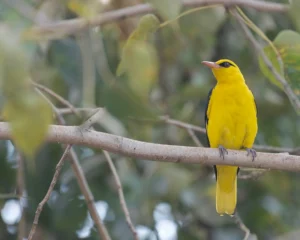
Discover the biodiversity of Ladakh, from snow leopards and alpine wetlands to rare plants, protected areas, conservation challenges, and responsible wildlife travel.
Introduction
Ladakh is often associated with dramatic mountain passes, Buddhist monasteries, and high-altitude roads. Yet beyond these familiar images lies one of India’s most distinctive ecological regions. Stretching across a vast cold desert between the Greater Himalaya and the Karakoram Range, Ladakh supports wildlife and plant communities that have evolved to survive in conditions that would be inhospitable across much of the world.
Low rainfall, long winters, intense solar radiation, and elevations ranging from around 2,700 metres to well above 7,000 metres create an extraordinary variety of habitats. Rocky valleys shelter elusive predators such as the snow leopard, alpine grasslands support herds of bharal and kiang, while wetlands like Tso Moriri and Pangong Tso become important breeding and stopover sites for migratory birds travelling along the Central Asian Flyway. Despite its harsh environment, Ladakh demonstrates that biodiversity is shaped not only by the number of species present but also by their remarkable adaptations and ecological significance.
The region is also becoming a focal point for conservation. Climate change, glacier retreat, increasing tourism, infrastructure expansion, and changing land-use patterns are placing growing pressure on fragile ecosystems. At the same time, community-led conservation, scientific research, and responsible tourism are helping protect many of Ladakh’s unique landscapes and species. Understanding these interconnected challenges is essential for anyone interested in the region, whether as a traveller, wildlife photographer, student, or conservation enthusiast.
This guide explores Ladakh’s major ecosystems, wildlife, protected areas, conservation challenges, and practical ways visitors can experience the region responsibly while appreciating why it remains one of India’s most ecologically important landscapes.
Why Ladakh’s Biodiversity Matters
Many first-time visitors are surprised to learn that a cold desert can support such diverse wildlife. Ladakh does not have dense forests or tropical rainforests, yet it remains one of India’s most important conservation landscapes because it protects specialised species found in few other places on Earth. Its biodiversity is defined less by sheer numbers and more by ecological uniqueness, high-altitude adaptations, and the survival of species that depend on these extreme environments.
A Landscape Shaped by Altitude
Few regions in India experience such dramatic changes in elevation over relatively short distances. As altitude increases, temperature, vegetation, moisture, and oxygen availability change rapidly, creating a mosaic of habitats that includes:
- Cold desert plains
- Rocky mountain slopes
- Alpine meadows
- High-altitude wetlands
- River valleys
- Glacial environments
Each habitat supports its own specialised community of plants and animals, many of which have evolved unique physiological and behavioural adaptations to survive long winters, scarce vegetation, and thin air.
Why Ladakh Is Called the “Third Pole”
Scientists often refer to the Himalayan region, including Ladakh, as part of the “Third Pole” because it contains one of the world’s largest reserves of ice and snow outside the Arctic and Antarctic. Glaciers originating here feed rivers that sustain millions of people downstream, making the region ecologically important far beyond its boundaries. Changes in glacier health, snow cover, and water availability therefore influence not only local biodiversity but also wider ecological and human systems across South Asia.
Biodiversity Beyond Species Counts
Ladakh illustrates an important ecological principle: biodiversity is not simply about having many species. It is also about preserving unique evolutionary lineages, specialised habitats, ecological interactions, and migratory corridors. High-altitude wetlands support internationally significant bird populations, alpine grasslands sustain wild herbivores adapted to extreme conditions, and rugged mountain landscapes provide habitat for one of the world’s most elusive big cats—the snow leopard. Together, these ecosystems contribute to the ecological resilience of the Trans-Himalayan region.
Field Note: Wildlife sightings in Ladakh often require patience rather than luck. Animals are widely dispersed across vast landscapes, and many species have evolved exceptional camouflage to avoid predators or conserve energy in harsh conditions.
Biodiversity Snapshot of Ladakh
| Feature | Overview |
| Biogeographic region | Trans-Himalayan cold desert |
| Approximate elevation | About 2,700 m to over 7,500 m |
| Major habitats | Cold deserts, alpine meadows, wetlands, rivers, glaciers |
| Flagship mammals | Snow Leopard, Bharal, Himalayan Ibex, Tibetan Wolf, Kiang, Himalayan Marmot |
| Important bird habitats | Pangong Tso, Tso Moriri and other high-altitude wetlands |
| Major protected areas | Hemis National Park, Changthang Wildlife Sanctuary, Karakoram Wildlife Sanctuary |
| Key conservation challenges | Climate change, glacier retreat, tourism pressure, infrastructure development, water scarcity |
This snapshot highlights why Ladakh occupies a distinctive place in India’s natural heritage. In the following sections, we’ll examine how these ecosystems function, the wildlife they support, and why conserving them has become increasingly important.
Ecosystems of Ladakh
Understanding Ladakh’s wildlife begins with understanding its landscapes. Unlike tropical forests or grasslands where habitats often blend into one another, Ladakh is a mosaic of sharply contrasting ecosystems created by altitude, geology, water availability, and extreme seasonal temperatures. A drive of just a few hours can take you from willow-lined river valleys to barren scree slopes, alpine pastures, saline lakes, and glacier-fed wetlands.
Each of these habitats supports its own specialised plants and animals. Knowing where different ecosystems occur also helps travellers understand why certain species are found only in particular parts of Ladakh.
Cold Desert Landscapes: The Dominant Ecosystem
The cold desert is the defining landscape of Ladakh. Receiving very little annual precipitation because of the Himalayan rain shadow, much of the region appears barren at first glance. Vegetation is sparse, trees are uncommon outside irrigated valleys, and exposed mountains dominate the horizon.
Despite these seemingly harsh conditions, the cold desert supports a surprisingly intricate food web.
The sparse shrubs and hardy grasses that emerge during the brief summer provide forage for wild herbivores such as bharal, Himalayan ibex, Tibetan gazelle, and kiang. These herbivores, in turn, sustain predators including the snow leopard and Tibetan wolf. Smaller mammals such as Himalayan marmots, pikas, and hares occupy an equally important ecological role by serving as prey for foxes, raptors, and carnivorous mammals.
One striking feature of Ladakh’s cold desert is its openness. Without dense vegetation, wildlife relies more on keen eyesight, camouflage, and the ability to move efficiently across rocky terrain than on concealment within forests.
Field Note: What appears to be a lifeless mountainside often supports numerous species. A patient observer with binoculars may spot bharal standing motionless against grey cliffs or a lammergeier soaring high above the valley, even when the landscape initially seems empty.
Alpine Meadows: Short Summers, Intense Productivity
Above many valleys, especially after snow begins to melt, alpine meadows briefly transform into productive grazing grounds.
For only a few months each year, these grasslands support an abundance of grasses, sedges, herbs, and flowering plants that sustain both domestic livestock and wild ungulates.
These meadows are particularly important because they:
- provide summer forage for Himalayan ibex and bharal
- support pollinating insects during the short growing season
- supply medicinal and aromatic plants used by local communities
- help maintain soil stability and water retention
- act as seasonal grazing areas for pastoral communities
Because the growing season is so short, disturbances such as overgrazing or prolonged drought can have long-lasting ecological consequences. Recovery may take several years in an environment where plant growth is naturally slow.
High-Altitude Wetlands: Ladakh’s Biological Hotspots
Although Ladakh is widely recognised as a cold desert, its wetlands are among the most biologically productive habitats in the region.
Glacier-fed lakes, marshes, streams, and seasonal wetlands create islands of biodiversity within an otherwise arid landscape. These wetlands become critically important during summer, when migratory birds arrive to breed or rest along the Central Asian Flyway.
Some of the most important wetland systems include:
- Tso Moriri
- Pangong Tso
- Tso Kar
- marshes surrounding smaller alpine lakes
- river-fed wetlands across Changthang
These habitats support aquatic plants, insects, amphibian-like invertebrate communities, fish in certain river systems, and an impressive diversity of birdlife.
Among the best-known breeding birds are:
- Black-necked Crane
- Bar-headed Goose
- Ruddy Shelduck
- Brown-headed Gull
- Great Crested Grebe
- various waders and migratory waterfowl
For birdwatchers, these wetlands represent some of India’s finest high-altitude birding locations.
Why Wetlands Matter
Their ecological importance extends far beyond birds.
Wetlands help:
- store seasonal meltwater
- recharge local groundwater
- support insect populations that sustain birds
- regulate local hydrology
- provide grazing during parts of the year
Even relatively small marshes can become essential breeding habitats for sensitive species.
Photography Tip: Early mornings generally offer calmer lake surfaces, softer light, and greater bird activity than the middle of the day, when strong winds often develop across Ladakh’s open valleys.
Rivers and Riparian Corridors
The Indus River and its tributaries create another distinct ecological zone.
Compared with surrounding mountains, river valleys support richer vegetation because of greater water availability. Willow groves, poplar plantations, shrubs, grasses, and cultivated fields create habitat that differs markedly from the surrounding cold desert.
These green corridors provide:
- nesting sites for birds
- shelter for small mammals
- movement corridors connecting wildlife habitats
- habitat for numerous insects and pollinators
- water sources for both wildlife and livestock
Many villages have historically developed along these river systems, making them important landscapes where people and wildlife coexist.
However, increasing tourism, expanding settlements, and changing water use patterns also place additional pressure on these productive habitats.
Glaciers and Snowfields: The Foundation of Ladakh’s Ecology
Although glaciers occupy only part of Ladakh’s landscape, their influence extends across the entire region.
Seasonal snowmelt feeds streams, wetlands, rivers, and alpine vegetation throughout the warmer months. Without this steady supply of meltwater, many ecosystems would struggle to survive.
Scientists have become increasingly concerned about glacier retreat across parts of the Himalaya and Trans-Himalaya. Changes in snow cover and glacial melt influence water availability, vegetation growth, wetland health, and ultimately the wildlife that depends upon these resources. The research brief highlights glacier retreat as one of the major conservation concerns affecting Ladakh’s ecological future.
Rather than affecting only mountain ice, these changes can cascade through entire ecosystems, influencing everything from pasture productivity to breeding habitats for migratory birds.
A Landscape Connected by Seasonal Change
One of the defining characteristics of Ladakh’s biodiversity is that its ecosystems do not function independently.
Snowmelt feeds rivers.
Rivers sustain wetlands.
Wetlands support birds and grazing animals.
Grasslands nourish herbivores.
Herbivores sustain predators such as the snow leopard and Tibetan wolf.
This ecological connectivity means that changes in one habitat—whether caused by climate change, infrastructure development, or unsustainable tourism—can have consequences far beyond the immediate area.
Ecosystem Comparison
| Ecosystem | Main Characteristics | Representative Wildlife | Ecological Importance |
| Cold desert | Rocky terrain, sparse vegetation, low rainfall | Snow Leopard, Bharal, Tibetan Wolf, Himalayan Marmot | Supports specialised high-altitude wildlife |
| Alpine meadows | Seasonal grasslands above valleys | Himalayan Ibex, Bharal, pollinating insects | Summer grazing and plant diversity |
| High-altitude wetlands | Lakes, marshes and seasonal water bodies | Black-necked Crane, Bar-headed Goose, Ruddy Shelduck | Breeding grounds for migratory birds and water storage |
| River valleys | Willow groves, shrubs and cultivated landscapes | Small mammals, passerines, insects | Wildlife corridors and human settlements |
| Glaciers and snowfields | Permanent ice and seasonal snow | Indirectly supports all ecosystems | Source of freshwater and ecological stability |
Expert Tip
When planning wildlife travel in Ladakh, think in terms of habitats rather than destinations. Travellers interested in snow leopards should focus on rugged mountain valleys, while birdwatchers will gain far more by spending time around wetlands such as Tso Moriri or Pangong Tso than by remaining in Leh. Understanding where different ecosystems occur dramatically improves wildlife-viewing opportunities.
Wildlife of Ladakh
The wildlife of Ladakh is shaped by one overriding challenge—survival in an environment where winters are long, food is scarce, oxygen levels are low, and temperatures can fall well below freezing. Rather than supporting large numbers of species, Ladakh is home to a relatively small but highly specialised assemblage of mammals, birds, reptiles, and invertebrates that have evolved remarkable adaptations to life at high altitude.
For wildlife enthusiasts, the appeal lies not only in iconic species such as the snow leopard but also in observing how every animal fits into the fragile ecology of the Trans-Himalayan cold desert.
Mammals of Ladakh
Ladakh supports some of Asia’s most distinctive high-altitude mammals. Many occupy large home ranges, occur at naturally low densities, and are difficult to observe, making every sighting memorable.
Snow Leopard (Panthera uncia)
No species is more closely associated with Ladakh than the snow leopard. Often called the “Ghost of the Mountains,” it is one of the world’s most elusive big cats. Its smoky-grey coat, black rosettes, and exceptionally long tail provide both camouflage and balance while navigating steep, rocky slopes.
Snow leopards primarily prey on wild mountain ungulates, particularly bharal and Himalayan ibex, though they may also hunt marmots, hares, and smaller mammals when opportunities arise. They usually occupy rugged terrain with broken cliffs and rocky escarpments where they can stalk prey unseen.
Where can you see snow leopards?
Ladakh has earned an international reputation as one of the best places in the world to search for snow leopards, especially during winter when the cats descend to relatively lower elevations in pursuit of prey. Areas around Hemis National Park are particularly well known because of long-running conservation programmes, experienced local trackers, and community-managed wildlife tourism. The research brief identifies Hemis National Park as India’s largest protected area for snow leopard habitat.
However, sightings are never guaranteed. Even experienced guides may spend several days scanning cliffs before locating a cat.
Expert Tip: Snow leopard tourism rewards patience rather than speed. Spending several days in one valley with experienced local spotters generally offers better opportunities than trying to cover multiple locations in a short trip.
Bharal (Blue Sheep)
Despite their common name, bharal are neither true sheep nor typical goats. Their combination of agility, camouflage, and preference for steep mountain slopes makes them one of the snow leopard’s most important prey species.
Large herds are often seen grazing on open mountain slopes, particularly during summer when alpine vegetation is abundant.
Watch for:
- bluish-grey coats blending into rocky terrain
- impressive climbing ability
- herds moving cautiously across cliffs
- constant vigilance against predators
Because they spend much of the day feeding in open landscapes, bharal are often among the easiest large mammals for visitors to observe.
Himalayan Ibex
The Himalayan ibex is another spectacular mountain ungulate recognised by its massive backward-curving horns, especially in mature males.
Ibex generally favour steeper and more rugged terrain than bharal, using cliffs both as feeding grounds and refuge from predators.
During the rutting season, males engage in dramatic horn clashes that can echo across mountain valleys.
Wildlife photographers often seek ibex during winter when males carry thick winter coats and descend to relatively accessible elevations.
Kiang (Tibetan Wild Ass)
The kiang is the largest wild equid in Asia and an emblematic species of the Changthang Plateau.
Unlike the cliff-dwelling bharal and ibex, kiang inhabit open grasslands and high-altitude plains where they graze in small groups or loose herds.
Characteristics include:
- chestnut-brown summer coat
- pale underparts
- dark dorsal stripe
- strong social behaviour
- exceptional endurance across open landscapes
Their presence reflects the ecological importance of Ladakh’s alpine grasslands.
Tibetan Gazelle
Smaller and more delicate than the kiang, the Tibetan gazelle inhabits open plains and semi-arid grasslands.
Its pale sandy coat provides excellent camouflage against the surrounding landscape.
Because populations are naturally scattered across vast areas, sightings tend to be infrequent but rewarding.
Tibetan Wolf
The Tibetan wolf occupies the role of apex predator alongside the snow leopard.
It hunts:
- marmots
- hares
- rodents
- young ungulates
- occasionally livestock
The species has adapted remarkably well to thin air and harsh winters.
Although encounters are uncommon, wolves may occasionally be observed traversing open valleys early in the morning or late in the evening.
Himalayan Marmot
Few mammals are as entertaining to watch as the Himalayan marmot.
These large ground squirrels spend much of the brief summer feeding intensively before entering hibernation during winter.
Visitors often notice:
- loud warning whistles
- upright sentry posture
- complex burrow systems
- playful interactions among young marmots
Marmots also play an important ecological role by aerating soil and serving as prey for wolves, foxes, and large raptors.
Photography Tip: Marmots are naturally curious but should never be fed. Remaining still at a respectful distance often allows them to resume their normal behaviour, resulting in more natural photographs.
Pallas’s Cat
One of Ladakh’s least-seen mammals is the Pallas’s cat.
This small wild cat appears surprisingly stocky because of its exceptionally dense fur, an adaptation to severe winters.
It hunts primarily:
- pikas
- voles
- small rodents
- birds
Because of its secretive habits and excellent camouflage, even researchers encounter it only occasionally.
Other Mammals Worth Watching For
Depending on the location and season, visitors may also encounter:
- Red Fox
- Himalayan Woolly Hare
- Mountain Weasel
- Royle’s Pika
- Long-tailed Marmot populations in suitable habitats
- Eurasian Lynx in limited parts of the Trans-Himalaya, where present
Many of these smaller mammals receive less attention than snow leopards but are equally important components of Ladakh’s food web.
Birds of Ladakh
For many visitors, Ladakh’s birdlife comes as an unexpected surprise.
Its wetlands, lakes, river valleys, and alpine slopes support both resident species and migratory birds travelling along the Central Asian Flyway. The research brief identifies Pangong Tso, Tso Moriri, and other high-altitude wetlands as particularly important for migratory waterbirds.
Black-necked Crane
Among Ladakh’s most celebrated birds, the Black-necked Crane breeds in select high-altitude wetlands of Changthang.
Its arrival each summer is significant both ecologically and culturally. Local communities often regard the species with deep respect, and its breeding success serves as an indicator of wetland health.
Because the breeding population is limited and sensitive to disturbance, visitors should observe cranes from a considerable distance using binoculars or spotting scopes.
Bar-headed Goose
The Bar-headed Goose is famous for undertaking one of the highest bird migrations on Earth.
Crossing the Himalaya at extraordinary altitudes, these geese breed around Ladakh’s lakes and wetlands before migrating south.
They are frequently seen:
- grazing beside wetlands
- swimming in alpine lakes
- flying in characteristic V-shaped formations
- nesting near shallow water
Ruddy Shelduck
Known locally for their distinctive orange-buff plumage and loud calls, Ruddy Shelducks are among the most conspicuous waterbirds in Ladakh.
Pairs often remain together throughout the breeding season and can frequently be seen around lakes, marshes, and riverbanks.
Himalayan Griffon
One of Asia’s largest vultures, the Himalayan Griffon relies on soaring flight rather than active hunting.
Using rising mountain thermals, these impressive scavengers search vast areas for carrion, playing an essential ecological role by recycling nutrients and reducing disease risks.
Their wingspan is particularly striking when viewed against Ladakh’s dramatic mountain backdrop.
Lammergeier (Bearded Vulture)
The Lammergeier differs from most vultures by specialising in bones.
Rather than feeding mainly on flesh, it often carries large bones high into the air before dropping them onto rocks to access the nutritious marrow inside.
Watching this behaviour in the wild is one of Ladakh’s most fascinating wildlife spectacles.
Other Notable Birds
Birdwatchers may also encounter:
- Golden Eagle
- Brown-headed Gull
- Great Crested Grebe
- Chukar Partridge
- Snow Pigeon
- Horned Lark
- various wheatears
- accentors
- finches adapted to alpine environments
Species diversity changes considerably with season, particularly as migratory birds arrive during the warmer months.
Reptiles, Invertebrates and Lesser-Known Wildlife
Compared with mammals and birds, reptiles are relatively scarce because of Ladakh’s cold climate.
However, insects, spiders, butterflies, beetles, and numerous soil invertebrates play indispensable ecological roles.
During the short summer growing season they:
- pollinate alpine flowers
- recycle nutrients
- provide food for birds
- contribute to healthy grassland ecosystems
The research brief also notes that many discussions of Ladakh overlook these lesser-known organisms despite their ecological importance.
Wildlife at a Glance
| Group | Representative Species | Typical Habitat |
| Big predator | Snow Leopard | Rocky mountains, cliffs |
| Medium predators | Tibetan Wolf, Pallas’s Cat, Red Fox | Valleys, grasslands, rocky terrain |
| Large herbivores | Bharal, Himalayan Ibex, Kiang, Tibetan Gazelle | Alpine meadows, grasslands, mountain slopes |
| Small mammals | Himalayan Marmot, Pikas, Hares | Meadows, burrows, rocky plains |
| Wetland birds | Black-necked Crane, Bar-headed Goose, Ruddy Shelduck | Lakes, marshes, wetlands |
| Raptors | Himalayan Griffon, Lammergeier, Golden Eagle | Mountain cliffs and open valleys |
Decision Guide: If your primary interest is mammals, plan a winter or early spring visit with a specialised wildlife operator. For birdwatching, late spring and summer are generally more rewarding, when high-altitude wetlands support breeding and migratory species.
Flora of Ladakh, Protected Areas & the Best Wildlife Hotspots
Although wildlife such as the snow leopard and black-necked crane often dominates discussions about Ladakh, the region’s plant life forms the ecological foundation on which its entire food web depends. From hardy alpine grasses that sustain bharal to medicinal herbs adapted to intense cold and short growing seasons, Ladakh’s flora is as specialised as its fauna. Together with an extensive network of protected areas and community-managed landscapes, these habitats make the region one of India’s most significant conservation landscapes.
Flora of Ladakh
At first glance, Ladakh appears almost devoid of vegetation. This impression changes dramatically once you begin looking closely. Plants here are not absent—they are simply adapted to survive where water is scarce, temperatures fluctuate widely, and the growing season lasts only a few months.
Most vegetation emerges rapidly after snowmelt, completing flowering and seed production before winter returns.
Alpine Vegetation
Above the cultivated valleys, alpine meadows and slopes support a diverse assemblage of grasses, sedges, cushion plants, dwarf shrubs, and flowering herbs.
These plants have evolved several adaptations, including:
- compact growth forms that reduce wind exposure
- deep root systems to access limited moisture
- hairy or waxy leaves that minimise water loss
- rapid flowering during the short summer
- tolerance to intense ultraviolet radiation
Although individually small, these plants collectively sustain grazing mammals, insects, and soil organisms throughout the warmer months.
Medicinal Plants of Ladakh
The research brief highlights medicinal and ethnobotanical plants as one of the most overlooked aspects of Ladakh’s biodiversity. Local communities have long relied on alpine herbs in traditional healthcare systems, while researchers continue to study their ecological and medicinal significance.
Many medicinal species face increasing pressure from:
- unsustainable harvesting
- habitat degradation
- climate change
- expanding infrastructure
- changing grazing patterns
Because these plants often grow slowly under extreme conditions, recovery from overharvesting can take many years.
Field Note: In many alpine environments, what appears to be a patch of low-growing vegetation may represent decades of slow plant growth. Remaining on established trails wherever possible helps minimise trampling damage.
Endemic and Specialised Flora
Not every plant found in Ladakh is unique to the region, but many exhibit remarkable adaptations to the Trans-Himalayan environment.
Botanists value these specialised plant communities because they help explain how life evolves under environmental extremes.
The research brief also notes that competitor articles frequently overlook lesser-known plant diversity, focusing almost entirely on charismatic mammals. Including flora provides a more complete understanding of Ladakh’s biodiversity.
Protected Areas of Ladakh
Protected areas form the backbone of biodiversity conservation in Ladakh. They safeguard representative ecosystems while providing habitat for threatened wildlife and supporting long-term ecological research.
Unlike many forested national parks elsewhere in India, Ladakh’s protected areas encompass vast mountain ranges, cold deserts, wetlands, and alpine plateaus.
Hemis National Park
Hemis National Park is the best-known protected area in Ladakh and one of the most important snow leopard landscapes in the world.
The research brief identifies it as India’s largest protected area for snow leopard habitat. Its rugged mountains, steep valleys, and sparsely vegetated slopes provide ideal conditions for snow leopards and their principal prey, particularly bharal and Himalayan ibex.
Why Hemis is Important
Besides snow leopards, Hemis protects:
- Himalayan ibex
- bharal
- Tibetan wolf
- red fox
- Himalayan marmot
- numerous raptors
Equally important is its role in community-based conservation. Local participation in wildlife tourism has demonstrated that protecting predators can also generate sustainable livelihoods through responsible ecotourism.
Changthang Wildlife Sanctuary
Occupying the vast high-altitude plateau of eastern Ladakh, Changthang Wildlife Sanctuary protects a very different landscape from Hemis.
Here, open grasslands, saline lakes, marshes, and rolling plains dominate instead of steep mountain valleys.
Changthang is especially important for:
- Kiang
- Tibetan gazelle
- Black-necked Crane
- Bar-headed Goose
- Ruddy Shelduck
- numerous migratory waterbirds
The sanctuary also encompasses internationally significant wetlands associated with Tso Moriri and nearby lake systems, making it one of India’s premier destinations for high-altitude birdwatching.
Karakoram Wildlife Sanctuary
Situated in the northern part of Ladakh, Karakoram Wildlife Sanctuary protects some of the region’s most remote mountain landscapes.
Its extreme terrain and limited accessibility mean that comparatively little wildlife tourism occurs here. However, from a conservation perspective, these remote habitats remain highly valuable for maintaining ecological connectivity across the Trans-Himalayan region.
Community-Conserved Landscapes
Not all conservation occurs inside officially notified protected areas.
The research brief emphasises the growing importance of community participation in protecting wildlife and natural resources. Traditional grazing practices, local stewardship, and community-led conservation initiatives increasingly complement formal protected-area management.
In several parts of Ladakh, local residents now play an active role in:
- wildlife monitoring
- sustainable tourism
- predator conservation
- habitat restoration
- reducing human-wildlife conflict
These collaborative approaches recognise that long-term conservation depends not only on protecting wildlife but also on supporting the people who share these landscapes.
Protected Areas Comparison
| Protected Area | Primary Habitat | Best Known For | Representative Wildlife |
| Hemis National Park | Rugged mountains and valleys | Snow leopard conservation | Snow Leopard, Bharal, Himalayan Ibex, Tibetan Wolf |
| Changthang Wildlife Sanctuary | High-altitude plateau, wetlands and lakes | Wetland ecosystems and migratory birds | Kiang, Black-necked Crane, Bar-headed Goose, Tibetan Gazelle |
| Karakoram Wildlife Sanctuary | Remote mountain landscapes | High-altitude biodiversity | Snow Leopard, Himalayan Ibex and other mountain wildlife |
Best Wildlife Hotspots in Ladakh
Different parts of Ladakh offer very different wildlife experiences. Choosing the right destination depends largely on your interests.
Hemis National Park
Best for:
- Snow leopard tracking
- Himalayan ibex
- Bharal
- Winter wildlife expeditions
- High-altitude predator photography
This is the preferred destination for travellers hoping to experience specialised snow leopard expeditions led by experienced local trackers.
Changthang Plateau
Best for:
- Kiang
- Tibetan gazelle
- Open grassland ecosystems
- High-altitude landscapes
- Wildlife observation across expansive plains
Unlike Hemis, Changthang rewards visitors interested in wide-open landscapes and grazing mammals rather than cliff-dwelling predators.
Tso Moriri
Tso Moriri is among Ladakh’s finest birdwatching destinations.
Visitors may encounter:
- Black-necked Crane
- Bar-headed Goose
- Ruddy Shelduck
- Brown-headed Gull
- Great Crested Grebe
- numerous migratory waterbirds during the breeding season
The surrounding wetlands also support specialised alpine vegetation and grazing wildlife.
Pangong Tso
Although widely known for its scenic beauty, Pangong Tso is also ecologically significant.
The research brief identifies the lake as an important wetland supporting migratory birds and high-altitude biodiversity. Visitors who spend time quietly observing the shoreline often discover that the lake offers far more than dramatic landscapes.
Nubra Valley
Nubra Valley combines riverine habitats, cold desert landscapes, and mountain ecosystems.
Depending on the season and location, wildlife enthusiasts may observe:
- Himalayan birds
- marmots
- mountain ungulates on surrounding slopes
- diverse desert-adapted vegetation
While many visitors associate Nubra primarily with sand dunes and Bactrian camels, the wider valley also contributes to Ladakh’s ecological diversity.
Choosing the Right Destination
| Your Interest | Recommended Area |
| Snow Leopard | Hemis National Park |
| Mountain mammals | Hemis National Park |
| Wetland birds | Tso Moriri |
| Migratory birds | Pangong Tso and Changthang wetlands |
| High-altitude grasslands | Changthang Plateau |
| Wildlife photography | Hemis (winter) or Changthang (summer) |
| Mixed landscapes | Nubra Valley |
Family Travel Tip: If your family enjoys nature but is not focused solely on spotting rare mammals, combining Leh with Tso Moriri or Changthang often provides a more varied experience. Children are more likely to enjoy frequent sightings of birds, marmots, and grazing herbivores than waiting several days for a possible snow leopard sighting.
Photography Tip: Telephoto lenses are invaluable in Ladakh. Most wildlife is observed at considerable distances to minimise disturbance, particularly around wetlands and during snow leopard tracking expeditions.
Conservation Challenges, Responsible Wildlife Travel, Best Time to Experience Ladakh’s Biodiversity, Common Mistakes, FAQs & Conclusion
Ladakh’s wildlife has evolved over thousands of years to survive one of the harshest inhabited environments on Earth. Today, however, many of the greatest pressures are no longer natural. Rapid tourism growth, changing climate, expanding infrastructure, increasing water demand, and habitat fragmentation are reshaping ecosystems faster than many species can adapt.
Understanding these challenges helps visitors appreciate why responsible travel is an important part of conservation rather than simply a personal choice. The research brief identifies climate change, tourism, infrastructure development, and changing land use among the principal threats facing Ladakh’s biodiversity.
Conservation Challenges Facing Ladakh
Climate Change and Glacier Retreat
Perhaps the most significant long-term threat is climate change.
Glaciers and seasonal snowfields act as natural reservoirs, gradually releasing water throughout the warmer months. As glaciers retreat and snowfall patterns change, wetlands, streams, alpine meadows, and river systems may experience altered water availability.
These changes can affect:
- breeding habitats for migratory birds
- seasonal grazing areas
- flowering cycles of alpine plants
- freshwater availability for wildlife and people
- ecological relationships between predators and prey
Because many high-altitude species already live close to their environmental limits, even relatively small climatic changes can have far-reaching consequences.
Tourism Pressure
Tourism has brought important economic opportunities to Ladakh, but rapid visitor growth has also increased ecological pressure.
The research brief notes rising concerns about waste generation, water consumption, infrastructure expansion, and the carrying capacity of fragile ecosystems.
Potential impacts include:
- disturbance to breeding birds
- off-road vehicle damage to fragile habitats
- plastic and solid waste accumulation
- increased demand for freshwater
- construction in sensitive landscapes
The challenge is therefore not whether tourism should occur, but how it can be managed sustainably.
Infrastructure Development
Improved roads, tourism facilities, and other infrastructure have increased accessibility across Ladakh.
While better connectivity benefits local communities and visitors, infrastructure can also:
- fragment wildlife habitat
- alter natural drainage patterns
- increase disturbance in remote valleys
- facilitate greater human activity in previously isolated areas
Balancing development with ecological protection remains an ongoing conservation priority.
Human–Wildlife Interactions
Large predators occasionally prey on livestock, creating challenges for pastoral communities.
Over the past two decades, conservation organisations, local residents, and government agencies have increasingly worked together to reduce conflict through livestock protection, community participation, and wildlife-based tourism.
These collaborative approaches recognise that conservation succeeds only when local communities also benefit.
Conservation Success Stories
Despite these challenges, Ladakh also offers encouraging examples of community-led conservation.
The research brief highlights the growing importance of local stewardship, participatory conservation, and initiatives that combine ecological protection with sustainable livelihoods.
Some positive developments include:
- community-supported snow leopard conservation
- responsible wildlife tourism providing alternative income
- scientific monitoring of wildlife populations
- increased awareness of wetland conservation
- research on medicinal plants and alpine ecosystems
- local innovations such as Ice Stupas that improve seasonal water availability
These efforts demonstrate that conservation is most effective when local knowledge, scientific research, and responsible tourism work together.
Responsible Wildlife Travel
Every visitor has an opportunity to minimise their impact on Ladakh’s fragile ecosystems.
Wildlife Watching Ethics
Good wildlife watching is based on observation rather than interaction.
Always:
- maintain a respectful distance
- use binoculars or telephoto lenses
- remain quiet around wildlife
- avoid blocking an animal’s movement
- follow your guide’s instructions
Never:
- feed wildlife
- approach nesting birds
- play recorded bird calls to attract animals
- chase wildlife for photographs
- leave marked trails in sensitive habitats without permission
Photography Ethics
A successful wildlife photograph should never come at the expense of an animal’s welfare.
For photographers:
- prioritise natural behaviour over close-up images
- avoid disturbing breeding sites
- do not pressure guides to approach wildlife too closely
- keep drones away from wildlife unless specifically authorised under applicable regulations
- photograph responsibly even if it means missing a shot
Many of Ladakh’s most memorable wildlife images are created through patience rather than proximity.
Supporting Local Communities
Choosing locally owned accommodation, hiring trained local naturalists, purchasing locally produced goods, and respecting traditional customs all contribute to conservation indirectly.
Community-based tourism creates incentives for protecting wildlife and habitats that might otherwise face competing land-use pressures.
Best Time to Experience Ladakh’s Biodiversity
Different seasons offer very different wildlife experiences.
| Season | Highlights | Best For |
| Winter (December–March) | Snow leopard expeditions, winter landscapes, ibex | Mammal enthusiasts and specialised wildlife photography |
| Spring (April–May) | Snowmelt, increasing bird activity, emerging vegetation | Mixed wildlife and landscape photography |
| Summer (June–August) | Alpine flowers, wetlands, migratory birds, active marmots | Birdwatching, flora, general biodiversity |
| Autumn (September–October) | Clear weather, autumn colours in valleys, pleasant trekking conditions | Landscapes, mixed wildlife, photography |
Rather than asking “What is the best season?”, it is more useful to ask “What wildlife do I hope to see?”
A birder planning to observe Black-necked Cranes will choose a very different itinerary from a photographer hoping to search for snow leopards.
Decision Guide
- Snow Leopard: Winter
- Birdwatching: Summer
- Wildflowers: Summer
- General wildlife: Late spring to early autumn
- Wildlife photography: Depends on target species
Practical Checklist
Before travelling to Ladakh:
✔ Research the habitats you wish to visit.
✔ Allow sufficient time for altitude acclimatisation.
✔ Carry binoculars before investing in expensive camera equipment.
✔ Choose experienced local wildlife guides.
✔ Minimise single-use plastics.
✔ Stay on designated roads and trails.
✔ Respect breeding areas and nesting birds.
✔ Support locally owned businesses where possible.
Common Mistakes Visitors Make
Many first-time visitors unintentionally reduce their wildlife-viewing opportunities or increase their environmental impact.
Common mistakes include:
Expecting Frequent Snow Leopard Sightings
Snow leopards are naturally elusive. Even well-planned expeditions involve long periods of observation.
Underestimating Altitude
Altitude affects both visitors and wildlife-viewing plans.
Rushing to higher elevations without proper acclimatisation can shorten your trip and increase health risks.
Focusing Only on Charismatic Mammals
Visitors who look only for snow leopards often overlook Ladakh’s remarkable birds, alpine flowers, wetlands, and smaller mammals.
A broader perspective usually results in a richer wildlife experience.
Disturbing Wildlife for Photographs
Approaching nesting birds, leaving vehicles unnecessarily, or attempting to attract animals for photographs can disrupt natural behaviour.
Ethical photography always takes precedence over obtaining a closer image.
Ignoring Local Knowledge
Experienced local naturalists often recognise subtle signs—tracks, alarm calls, fresh scat, or movement patterns—that visitors would easily miss.
Listening to local expertise significantly enhances both wildlife sightings and understanding of the landscape.
Frequently Asked Questions
Is Ladakh good for wildlife tourism?
Yes. Ladakh is one of India’s premier destinations for high-altitude wildlife, particularly for snow leopards, mountain ungulates, raptors, and migratory birds.
Which is the most famous animal in Ladakh?
The snow leopard is widely regarded as Ladakh’s flagship species and attracts wildlife enthusiasts from around the world.
Which protected area is best for snow leopards?
Hemis National Park is the region’s best-known snow leopard landscape and is recognised internationally for conservation and responsible wildlife tourism.
Where can I see migratory birds?
High-altitude wetlands such as Tso Moriri, Pangong Tso, and parts of the Changthang region are among the most important birdwatching areas.
Does Ladakh have forests?
Most of Ladakh is a cold desert rather than a forested landscape. River valleys support patches of trees and shrubs, while alpine meadows and wetlands provide much of the region’s biological productivity.
Why is Ladakh called the “Third Pole”?
The term refers to the extensive reserves of snow and ice found across the greater Himalayan region, which play a crucial role in supplying freshwater to much of Asia.
What are the biggest threats to Ladakh’s biodiversity?
Climate change, glacier retreat, tourism pressure, infrastructure development, habitat disturbance, and unsustainable resource use are among the major conservation concerns identified in current research.
Can visitors contribute to conservation?
Yes. Travelling responsibly, supporting local communities, reducing waste, respecting wildlife, and hiring trained local guides all contribute positively to conservation efforts.
Conclusion
Ladakh demonstrates that biodiversity is not measured simply by the number of species a landscape contains. Instead, its significance lies in the extraordinary adaptations that allow life to flourish in one of the world’s highest and driest inhabited regions. From snow leopards navigating rocky mountain slopes to black-necked cranes breeding in alpine wetlands and medicinal plants surviving brief summers, every species reflects a delicate balance shaped by altitude, climate, and scarce natural resources.
This balance is increasingly challenged by climate change, expanding tourism, and development. Yet Ladakh also offers reasons for optimism. Community-led conservation, scientific research, responsible wildlife tourism, and growing public awareness are helping protect many of its most valuable ecosystems. These efforts show that conservation is most effective when local communities, researchers, policymakers, and visitors share responsibility for safeguarding the landscape.
For travellers, exploring Ladakh’s biodiversity is about more than adding species to a checklist. It is an opportunity to understand how interconnected mountain ecosystems function, why even seemingly barren landscapes are ecologically rich, and how thoughtful travel can support their long-term survival. Those who approach Ladakh with patience, curiosity, and respect are likely to leave with a deeper appreciation of one of India’s most distinctive natural regions.
Author Note & Update Log: Written by the WildlifeSafaris.in Editorial Team. Last Updated: August 2026.
Himalayas : Topics Cluster
- Himalayan Wildlife Comprehensive Guide
- Wildlife in Ladakh
- Himalayan Pheasants
- Raptors of Himalayas
- Wildlife in Sikkim
- Wildlife in Arunachal Pradesh
- Wildlife in Uttarakhand
- Wildlife in Himachal Pradesh
- Wildlife in Jammu and Kashmir
- Himalayan Black Bear
- Snow Leopard
- Kibber Wildlife Sanctuary Guide
- Great Himalayan National Park
- Khangchendzonga National Park
- Eastern Himalayas