
Andaman and Nicobar Island Wildlife
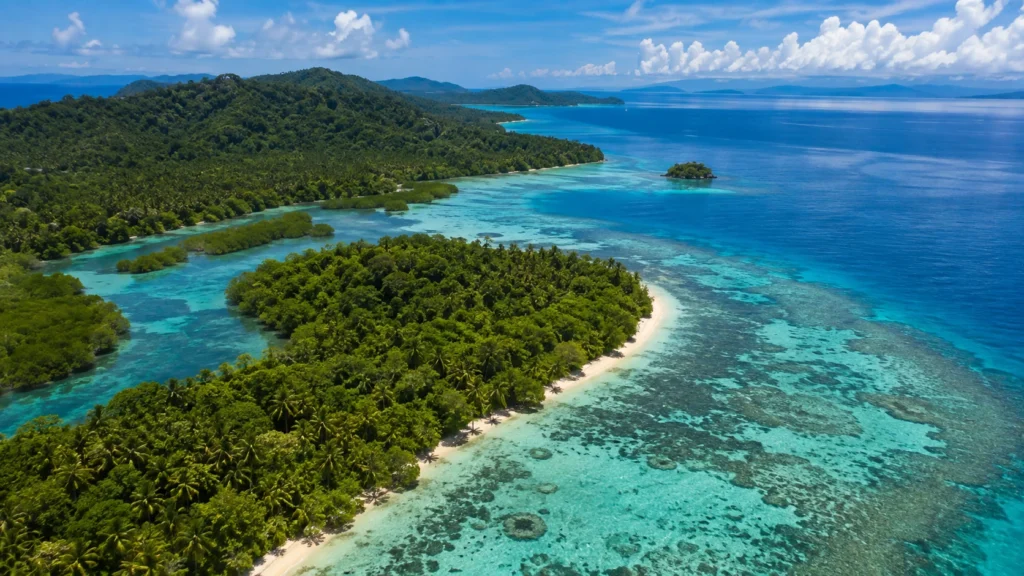
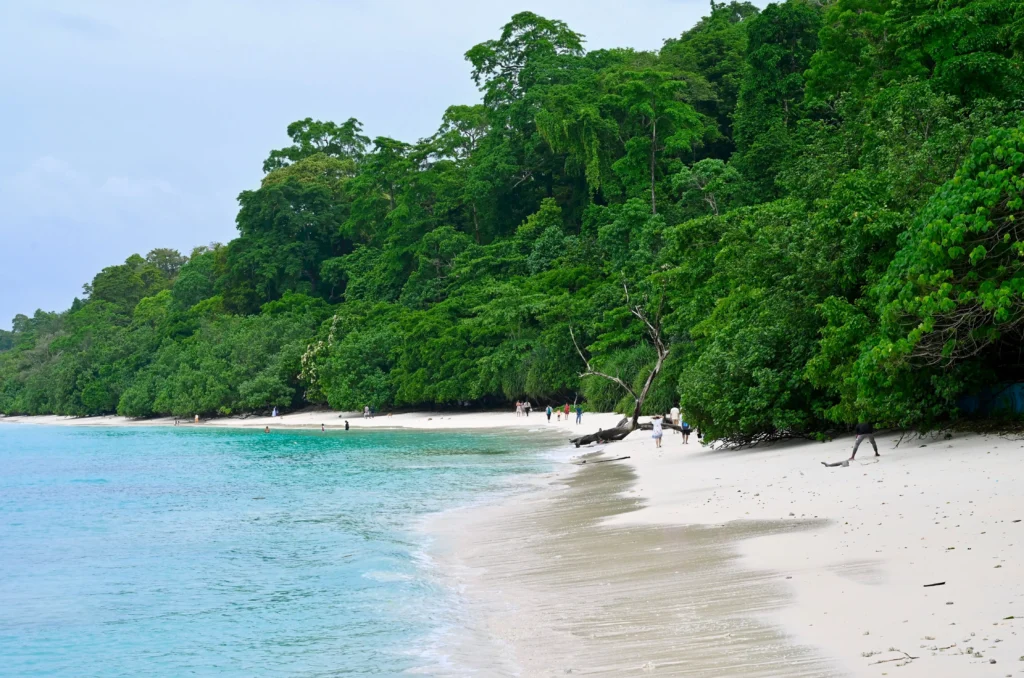
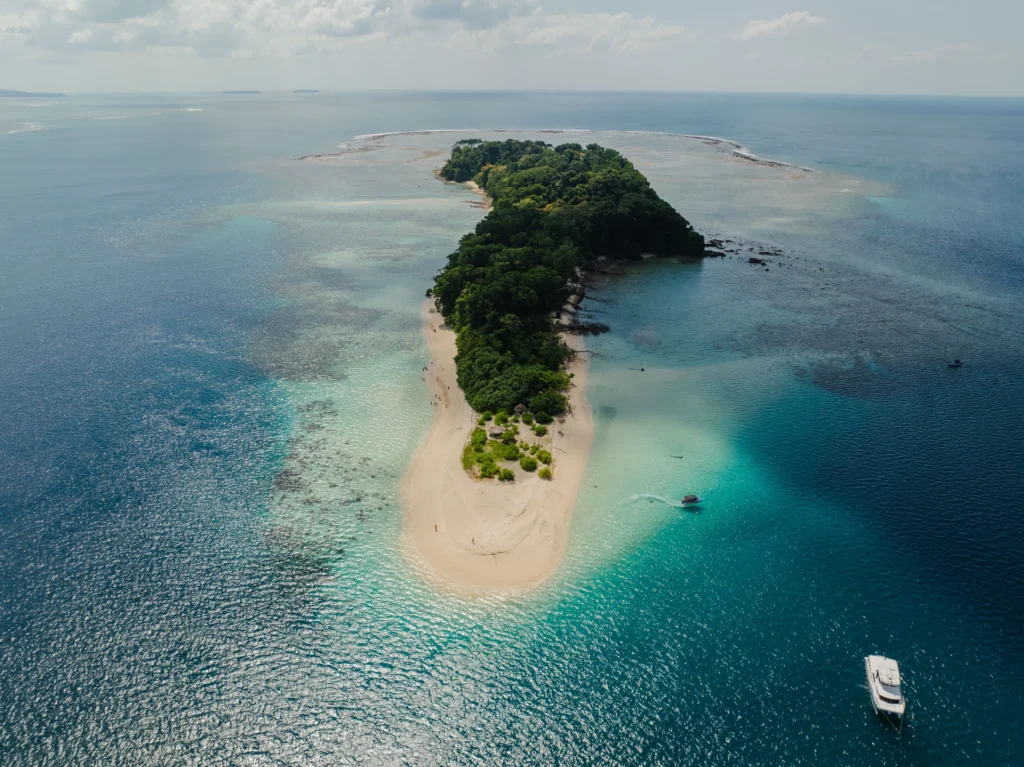
The Andaman and Nicobar Islands, an archipelago situated at the juncture of the Bay of Bengal and the Andaman Sea, represent one of India’s most biologically diverse and ecologically isolated regions. Comprising 572 islands, islets, and rocky outcrops, this Union Territory is characterised by an undulating topography that supports a unique assembly of flora and fauna. The islands fall within two distinct biogeographic zones, exhibiting strong ecological affinities with the Indo-Malayan and Indo-Chinese realms. A tropical coastal climate prevails, nurturing extensive tracts of tropical evergreen, semi-evergreen, moist deciduous, and dense mangrove forests that carpet over eighty per cent of the total landmass.
The geographic isolation of the archipelago has fostered an exceptional degree of endemism, making it a critical repository of evolutionary history. The terrestrial and marine ecosystems function as interconnected networks, featuring rich coral reefs, expansive seagrass beds, and complex mangrove estuaries. These habitats support flagship marine species such as the dugong, saltwater crocodile, and globally significant nesting populations of leatherback, hawksbill, and green sea turtles. The islands’ avifauna is equally remarkable, designated as a major Endemic Bird Area, hosting rare species like the Narcondam hornbill, Nicobar megapode, and the Andaman wood pigeon.
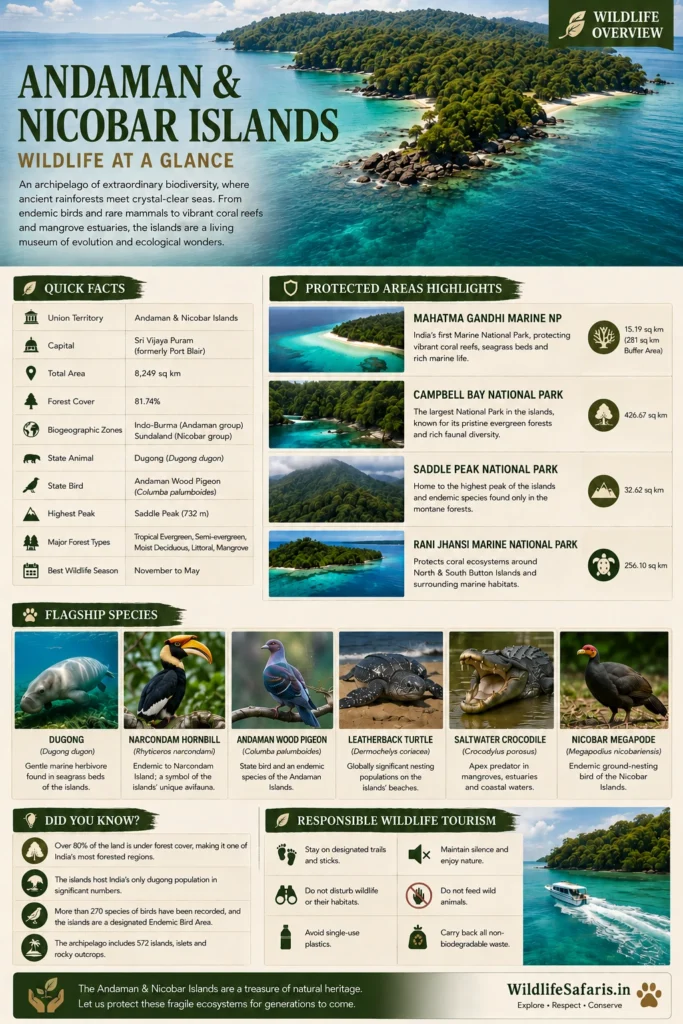
Conservation in the region is anchored by a robust Protected Area network, which includes nine National Parks, nearly one hundred Wildlife Sanctuaries, and the Great Nicobar Biosphere Reserve. Marine protected areas like the Mahatma Gandhi Marine National Park and Rani Jhansi Marine National Park safeguard fragile coral and seagrass ecosystems from anthropogenic pressures. The territory holds immense significance for ecological research and responsible wildlife tourism, offering highly regulated opportunities for marine exploration, birdwatching, and terrestrial safaris. The preservation of these unique island ecosystems remains a high conservation priority for the Ministry of Environment, Forest and Climate Change.
Quick Facts Table
| Category | Details |
| State / Union Territory | Andaman and Nicobar Islands (Union Territory) |
| Capital | Sri Vijaya Puram (formerly Port Blair) |
| Area | 8,249 sq km |
| Population | 380,581 (2011 Census) |
| Forest Cover | 81.74% |
| Official Language(s) | Hindi, English |
| Time Zone | UTC+05:30 (IST) |
| Best Wildlife Season | November to May |
State Wildlife Master Table
| Attribute | Details |
| State / Union Territory | Andaman and Nicobar Islands |
| Capital | Sri Vijaya Puram |
| Geographic Region | Bay of Bengal and Andaman Sea (Archipelago) |
| Total Area | 8,249 sq km |
| Forest Cover | 81.74% |
| State Animal | Dugong (Dugong dugon) |
| State Bird | Andaman Wood Pigeon (Columba palumboides) |
| State Tree | Andaman Padauk (Pterocarpus dalbergioides) |
| State Flower | Pyinma (Lagerstroemia hypoleuca) |
| Highest Peak | Saddle Peak (732 m) |
| Major Rivers | Kalpong River |
| Major Forest Types | Tropical Evergreen, Semi-evergreen, Moist Deciduous, Littoral, Mangrove |
| Biodiversity Hotspot | Sundaland (Nicobar group) and Indo-Burma (Andaman group) |
| UNESCO Natural Sites | None |
| Biosphere Reserves | Great Nicobar Biosphere Reserve |
| Tiger Reserves | None |
| Elephant Reserves | None |
| National Parks | Campbell Bay, Galathea, Mahatma Gandhi Marine, Middle Button Island, Mount Manipur, North Button Island, Rani Jhansi Marine, Saddle Peak, South Button Island |
| Wildlife Sanctuaries | 96 Sanctuaries (including Barren Island, Narcondam Island, Interview Island, Cuthbert Bay, Lohabarrack, Megapode Island) |
| Conservation Reserves | None |
| Community Reserves | None |
| Ramsar Sites | None |
| Important Bird Areas (IBAs) | Narcondam Island, South Sentinel Island, Tillangchong, Great Nicobar |
| Major Wildlife Corridors | Not officially specified (Island ecosystems) |
| Flagship Mammals | Dugong, Andaman Wild Pig, Nicobar Macaque |
| Flagship Birds | Narcondam Hornbill, Nicobar Megapode, Andaman Wood Pigeon |
| Endemic Wildlife | Andaman Crake, Nicobar Treeshrew, Andaman Day Gecko |
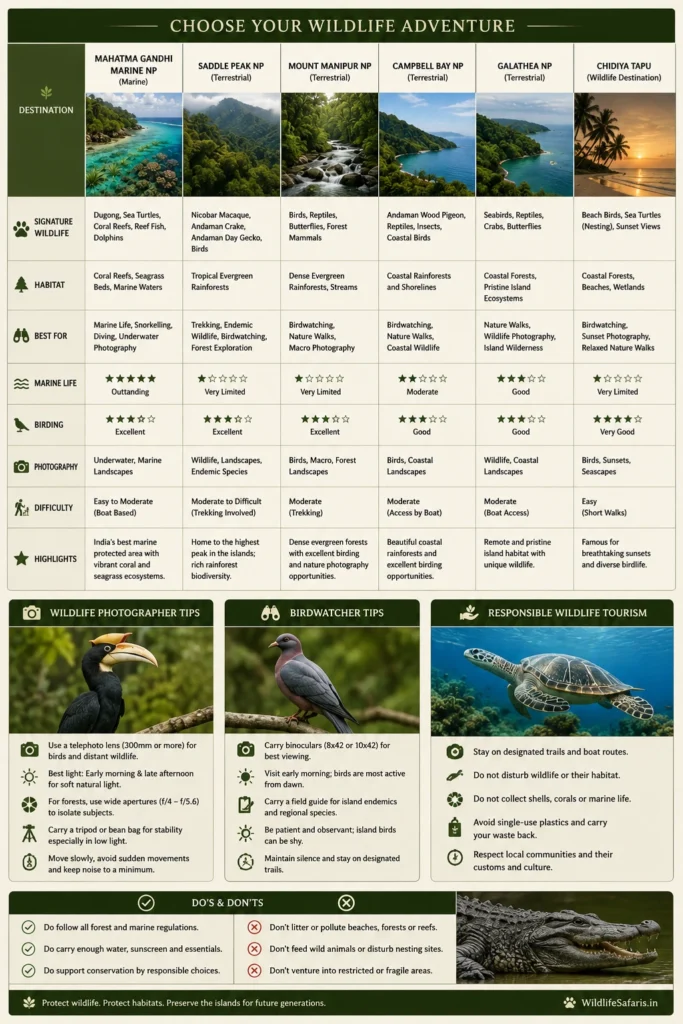
| Best Wildlife Destinations | Mahatma Gandhi Marine NP, Saddle Peak NP, Chidiya Tapu |
| Best Time for Wildlife Tourism | November to May |
| Nearest International Airports | Veer Savarkar International Airport (Sri Vijaya Puram) |
| Official Forest Department Website | https://forest.and.nic.in/ |
Protected Areas Summary Table
Note: The Andaman and Nicobar Islands host a total of 96 Wildlife Sanctuaries, predominantly comprising small, uninhabited islets. The table below details all National Parks and the most ecologically significant Wildlife Sanctuaries.
| Protected Area | Category | District | Area (sq km) | Year Established | Famous For |
| Campbell Bay National Park | National Park | Nicobar | 426.23 | 1992 | Nicobar Macaque, Megapode, Giant Robber Crab |
| Galathea National Park | National Park | Nicobar | 110.00 | 1992 | Leatherback Sea Turtles, Endemic Avifauna |
| Mahatma Gandhi Marine National Park | National Park | South Andaman | 281.50 | 1983 | Coral Reefs, Dugong, Sea Turtles |
| Middle Button Island National Park | National Park | Middle Andaman | 0.44 | 1987 | Coral Reefs, Marine Life |
| Mount Manipur (formerly Mount Harriet) National Park | National Park | South Andaman | 46.62 | 1987 | Andaman Wild Pig, Endemic Birds, Butterflies |
| North Button Island National Park | National Park | Middle Andaman | 0.44 | 1987 | Marine Life, Dugong |
| Rani Jhansi Marine National Park | National Park | Ritchie’s Archipelago | 256.14 | 1996 | Coral Reefs, Mangroves, Saltwater Crocodiles |
| Saddle Peak National Park | National Park | North Andaman | 32.54 | 1979 | Andaman Hill Myna, Tropical Evergreen Forests |
| South Button Island National Park | National Park | South Andaman | 0.03 | 1987 | Shallow Water Coral Reefs, Marine Biodiversity |
| Barren Island Wildlife Sanctuary | Wildlife Sanctuary | North & Middle Andaman | 8.10 | 1977 | Active Volcano Ecosystem, Feral Goats |
| Cuthbert Bay Wildlife Sanctuary | Wildlife Sanctuary | North & Middle Andaman | 5.82 | 1997 | Olive Ridley and Leatherback Turtle Nesting |
| Interview Island Wildlife Sanctuary | Wildlife Sanctuary | North & Middle Andaman | 133.00 | 1985 | Feral Elephants, Coastal Avifauna |
| Lohabarrack Wildlife Sanctuary | Wildlife Sanctuary | South Andaman | 22.21 | 1983 | Saltwater Crocodiles, Mangrove Ecosystems |
| Megapode Island Wildlife Sanctuary | Wildlife Sanctuary | Nicobar | 0.12 | 1985 | Nicobar Megapode |
| Narcondam Island Wildlife Sanctuary | Wildlife Sanctuary | North & Middle Andaman | 6.81 | 1977 | Narcondam Hornbill (Strictly Endemic) |
| South Sentinel Island Wildlife Sanctuary | Wildlife Sanctuary | South Andaman | 1.61 | 1977 | Robber Crabs, Green Sea Turtles |
| Tillangchong Island Wildlife Sanctuary | Wildlife Sanctuary | Nicobar | 16.83 | 1985 | Nicobar Megapode, Endemic Avifauna |
Wildlife Highlights
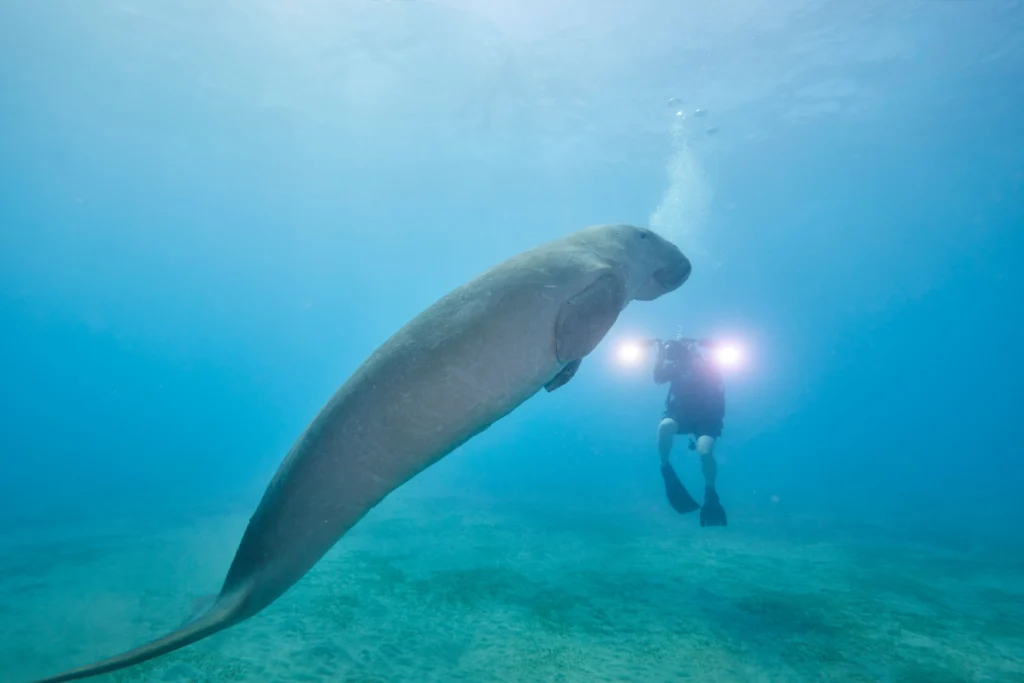
- Top Mammals: Dugong, Andaman Wild Pig, Nicobar Macaque, Nicobar Treeshrew, Feral Elephants (Interview Island).
- Top Birds: Narcondam Hornbill, Nicobar Megapode, Andaman Wood Pigeon, Andaman Crake, Nicobar Pigeon, Andaman Masked Owl.
- Reptiles & Amphibians: Saltwater Crocodile, Leatherback Sea Turtle, Green Sea Turtle, Hawksbill Sea Turtle, Andaman Day Gecko, Andaman Water Monitor.
- Endemic Species: Narcondam Hornbill, Nicobar Megapode, Andaman Wild Pig, Andaman Teal, Nicobar Treeshrew.
- Flagship Flora: Andaman Padauk, Gurjan, Pyinma, Giant Bamboo, diverse Mangrove species (Rhizophora and Avicennia).
- Best Wildlife Experiences: Scuba Diving and Snorkelling (Mahatma Gandhi Marine NP), Birdwatching (Chidiya Tapu), Trekking (Saddle Peak), Glass-bottom Boat Safari, Mangrove Boat Cruises.
Conservation Challenges
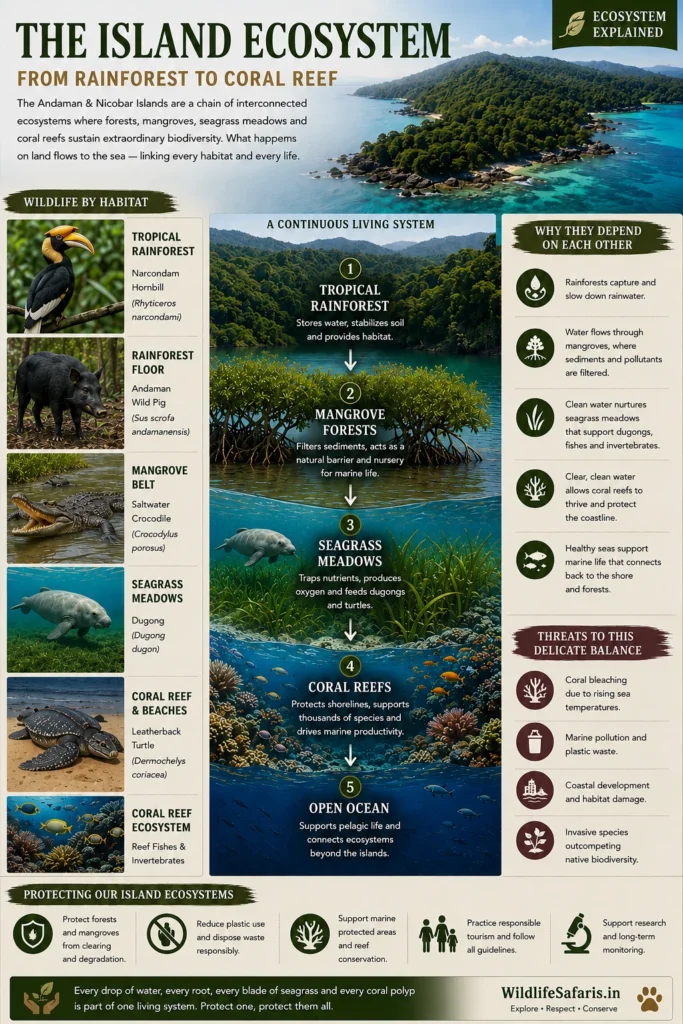
- Climate Change Impacts: Rising sea surface temperatures causing frequent coral bleaching events, and sea-level rise threatening vital coastal turtle nesting beaches.
- Invasive Species: The introduction of feral dogs, cats, and elephants (on Interview Island) poses a severe threat to endemic ground-nesting birds and native vegetation.
- Habitat Fragmentation: Infrastructure development, including port expansions and tourism facilities, increasing pressure on littoral and mangrove ecosystems.
- Marine Pollution: Accumulation of marine debris and plastic pollution impacting coral reefs and posing ingestion hazards to sea turtles.
- Illegal Extraction: Incidents of poaching targeting marine resources, such as sea cucumbers and shark fins, often by foreign fishing vessels traversing the international maritime boundary.
- Tourism Pressure: Unregulated tourist activities in specific pockets leading to coral degradation and disturbance of marine fauna.
Responsible Wildlife Tourism
- Respect Marine Life: Maintain a respectful distance from dugongs, sea turtles, and other marine fauna. Never touch, chase, or crowd aquatic wildlife.
- Protect Coral Reefs: Avoid standing on, touching, or kicking coral reefs while snorkelling or scuba diving, as corals are fragile living organisms.
- Adhere to Permits: Strictly follow forest department regulations and ensure all necessary tribal area and protected area permits are obtained prior to travel.
- Eliminate Single-Use Plastics: The islands have strict regulations against single-use plastics; carry reusable water bottles and ensure zero littering.
- Avoid Feeding Wildlife: Do not feed fish during boat tours or feral animals on the islands, as this disrupts natural foraging behaviours and pollutes the water.
- Use Certified Operators: Engage only with authorised guides and certified dive operators who adhere to established ecological guidelines.
Did You Know?
- South Button Island National Park is the smallest National Park in India, encompassing an area of just 0.03 square kilometres, yet it protects a highly biodiverse shallow-water coral reef ecosystem.
- The Barren Island Wildlife Sanctuary encompasses India’s only confirmed active volcano.
- The Narcondam Hornbill is a globally threatened species found nowhere else on Earth except on the tiny, 6.8 square kilometre Narcondam Island.
- The Robber Crab (or Coconut Crab), recognised as the largest land-living arthropod in the world, is found on South Sentinel and the Nicobar islands and is known to climb trees to harvest coconuts.
- Interview Island hosts a unique population of feral elephants, which are the descendants of working elephants abandoned by a timber company in the 1950s.
- Rather than incubating its eggs with body heat, the Nicobar Megapode builds massive mound nests of sand and rotting vegetation, relying on the heat generated by decomposition to incubate the eggs.
- The Andaman and Nicobar archipelago serves as a critical nesting ground for four globally significant species of marine turtles: the Leatherback, Green, Hawksbill, and Olive Ridley.
Safari Planning : Topics Cluster
- How to book a wildlife safari in India?
- Park by Park Online Safari Booking Guide
- Tiger Safari India Planning Workbook
- Park by Park Safari Permits Guide
- National Parks Permit Guide – Park by Park Guide
- Tatkal Safari Booking Guide – Last Minute Safari Permits Booking
- Tiger Safari in India Cost
- Indian Wildlife Safari Budget Planner
- Jeep vs Canter Safari
- Best time for Tiger Sightings in India
- How far advanced should you book safari permits?
- Can foreigners book Indian Wildlife Safari online?
- Special Permits Guide for Foreigners and Domestic Visitors
- How to book a Safari Permit online in India? 2026 step by step guide
- Senior Citizens Friendly Safari Planning
- Multi Generation Family Safari Planning
- 50 things to know before your first safari in India