
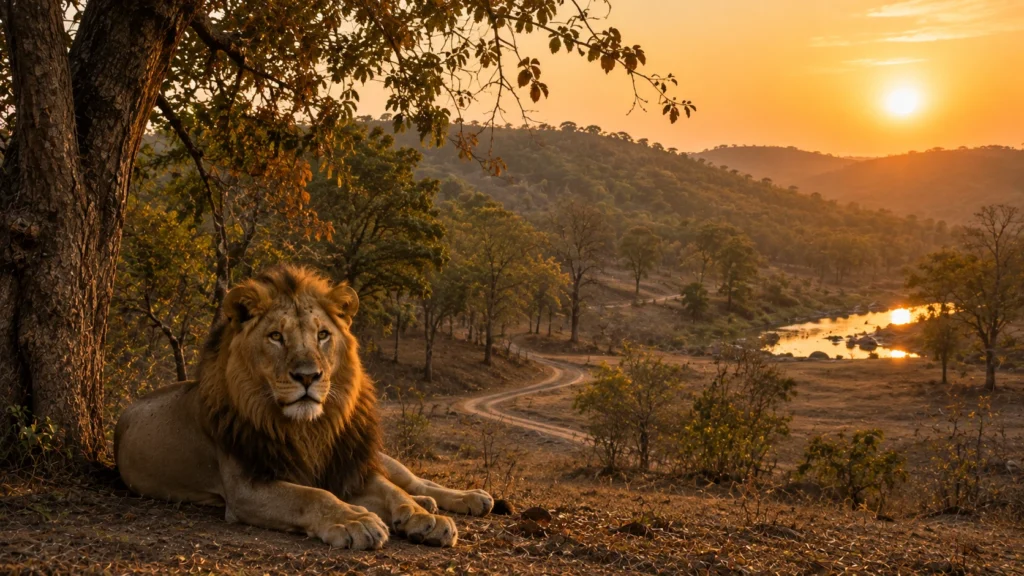
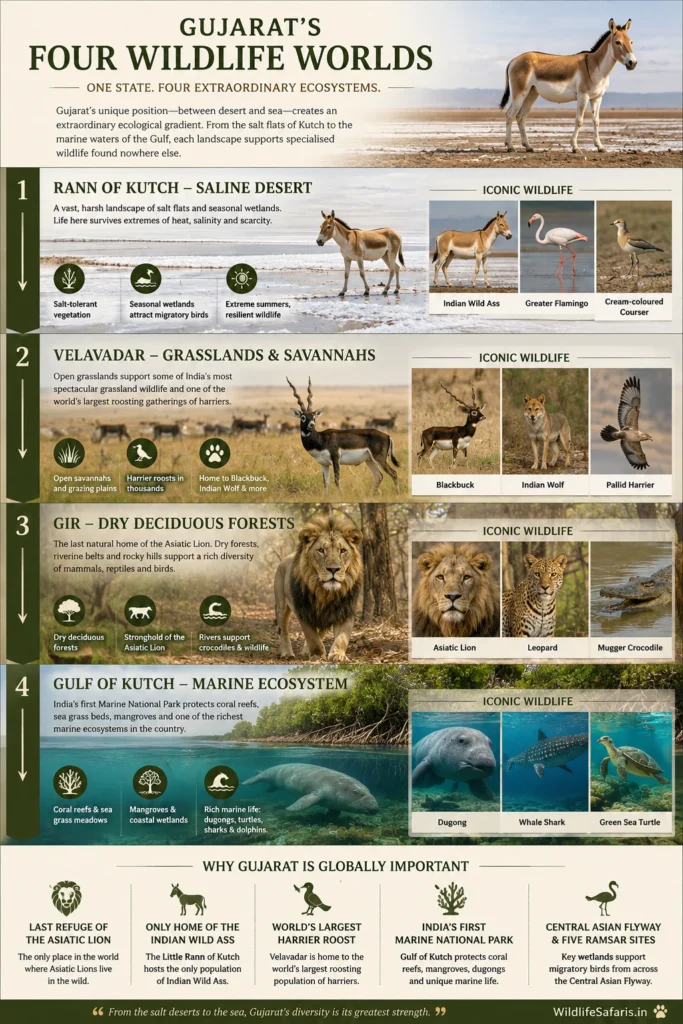
Gujarat, positioned on the western extremity of the Indian subcontinent, boasts the longest coastline in the country and a remarkably diverse physiography. The state’s topography ranges from the saline mudflats of the Rann of Kutch and the arid scrublands of Saurashtra to the moist deciduous forests of the Western Ghats in the Dangs. This stark ecological gradient, influenced by a predominantly arid to semi-arid climate, supports highly specialised flora and fauna. Although Gujarat’s forest cover is relatively sparse, recorded at under eight per cent of its total geographical area, the state acts as an irreplaceable sanctuary for several globally threatened species and unique ecosystems.
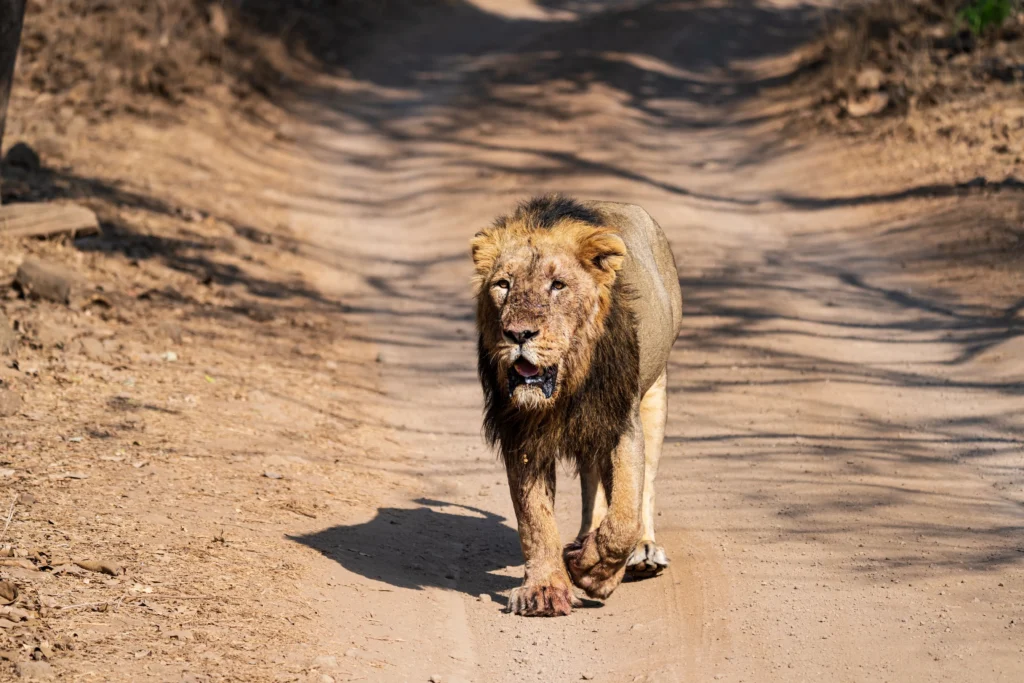
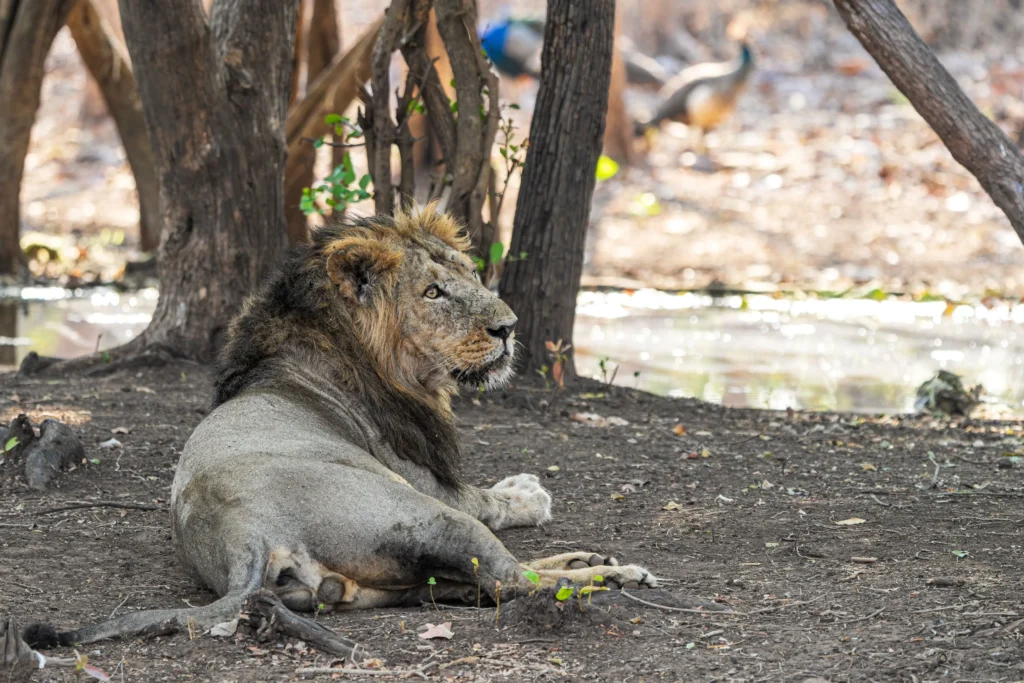
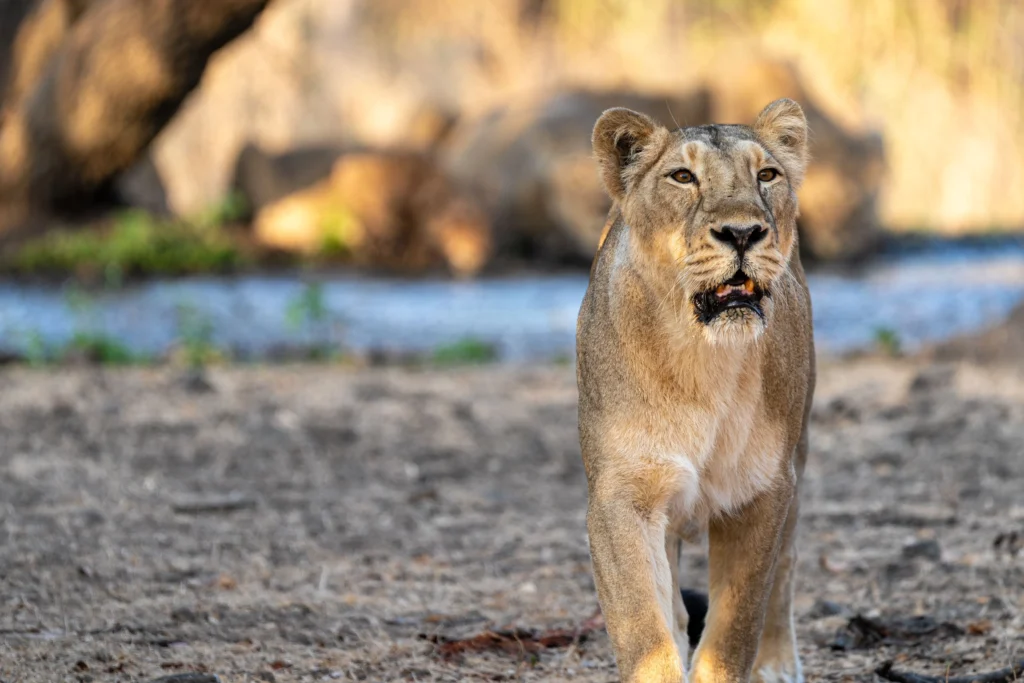
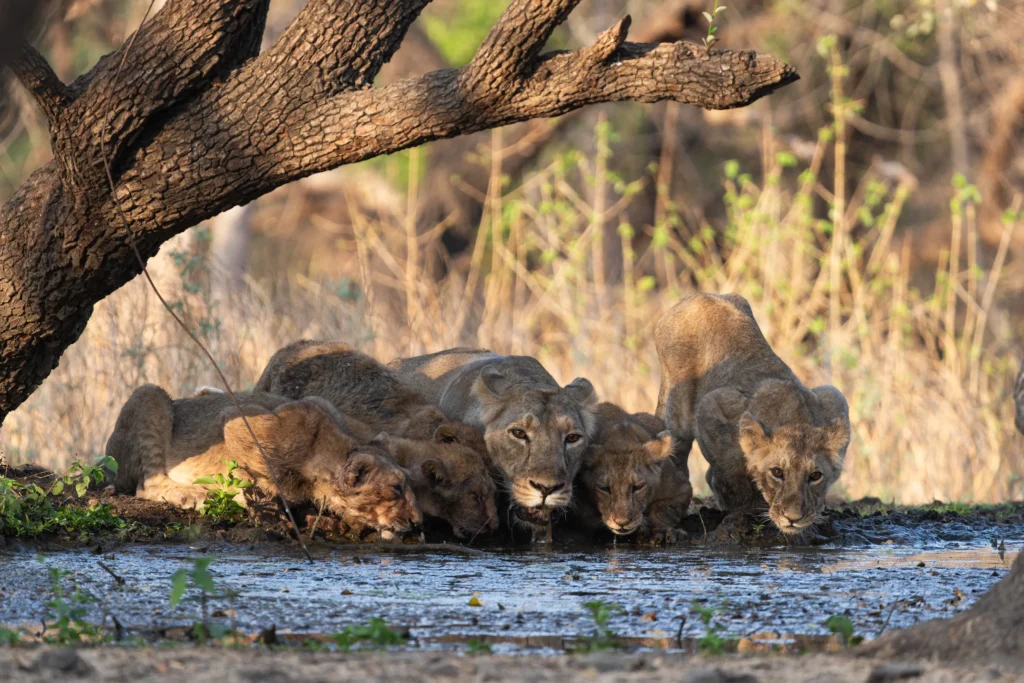
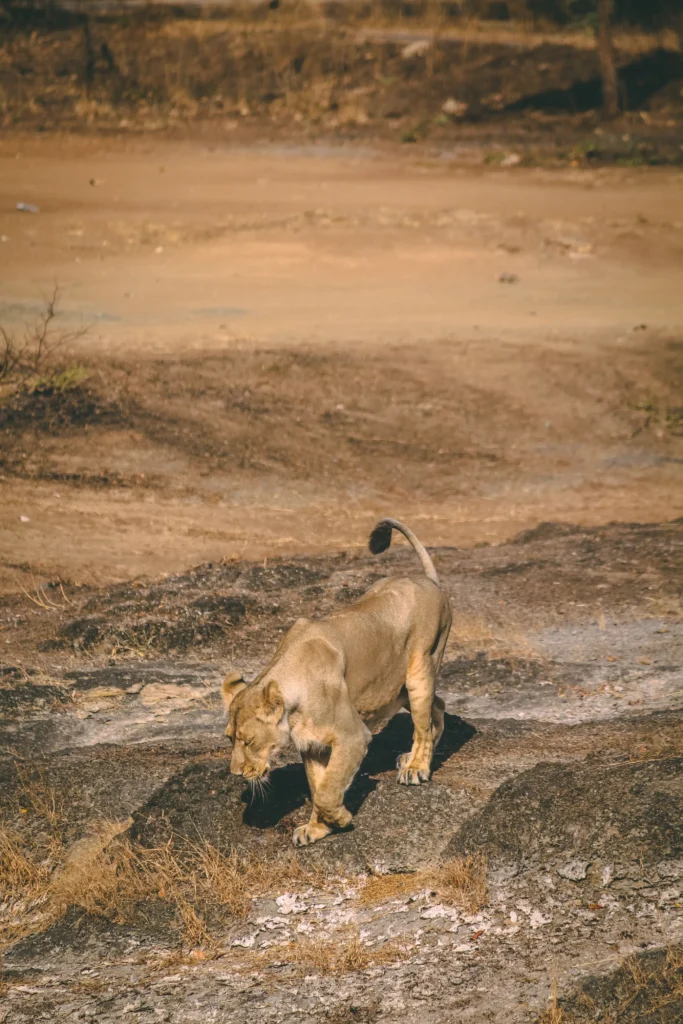
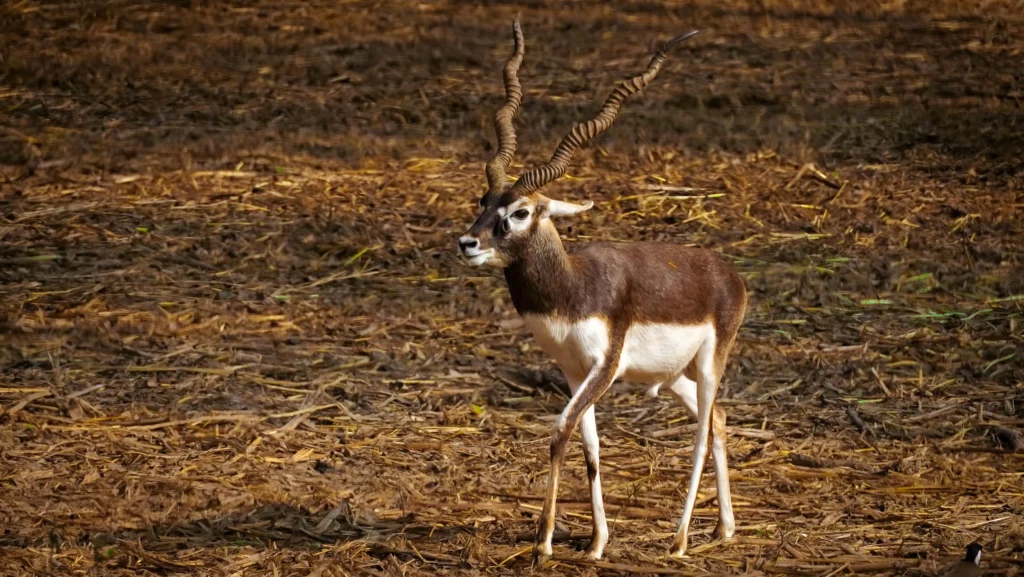
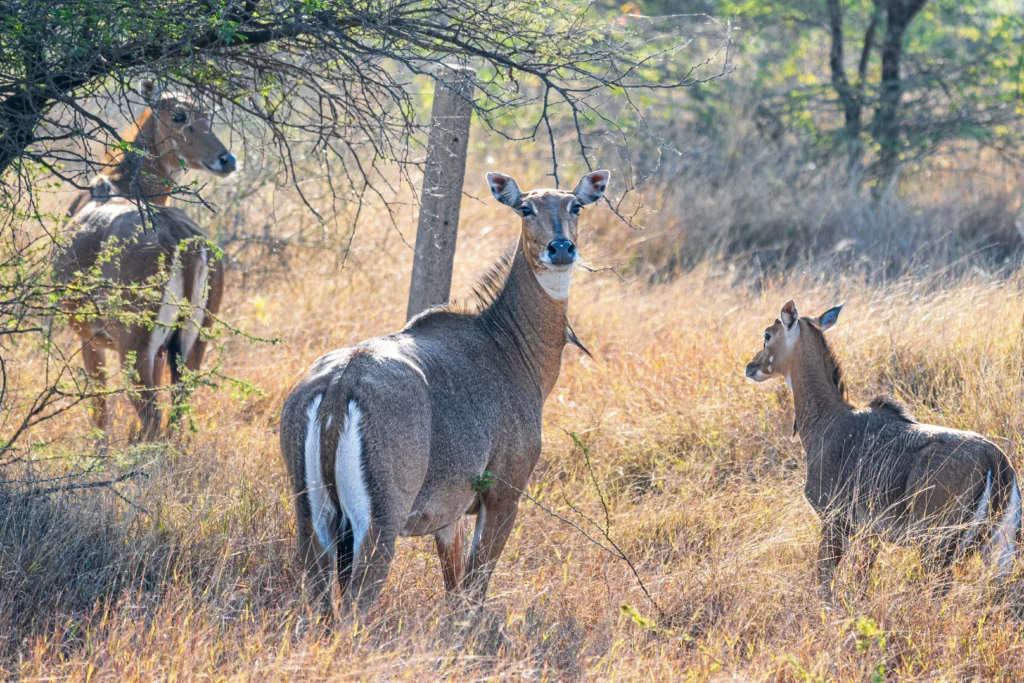
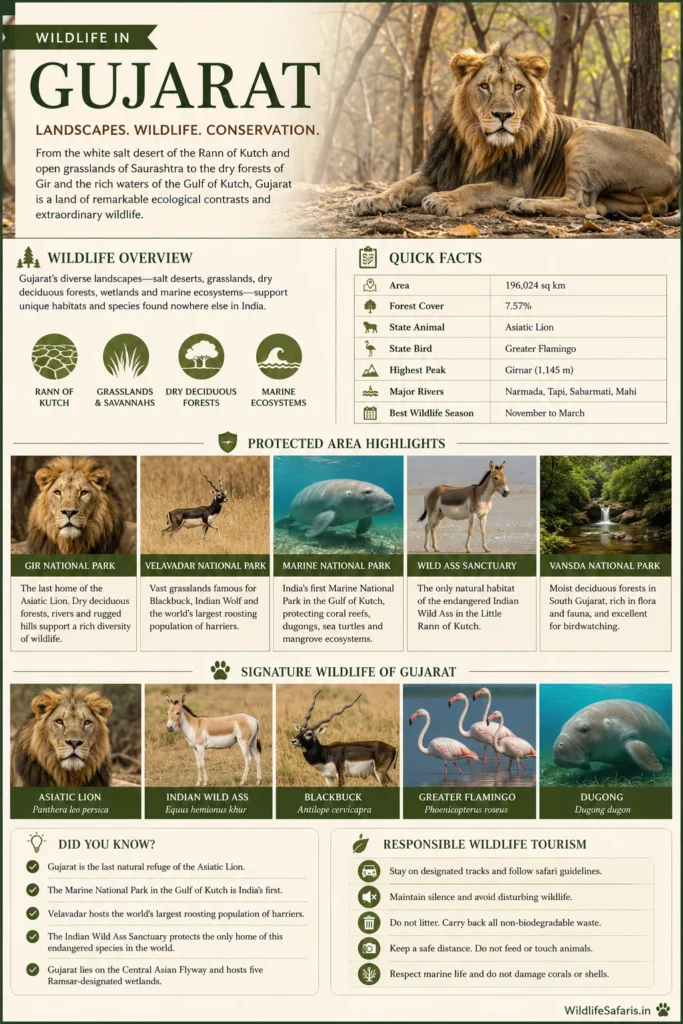
The state holds immense global conservation significance as the last remaining refuge for the Asiatic lion, tightly concentrated within the Gir forested landscape. Similarly, the expansive Little Rann of Kutch operates as the sole habitat for the endangered Indian wild ass. The vast savannahs of Velavadar National Park support the world’s largest roosting populations of harriers and dense herds of the elegant blackbuck. Furthermore, Gujarat’s extensive coastline, particularly the Gulf of Kutch, harbours India’s first Marine National Park, safeguarding fragile coral reefs, dugongs, and expansive mangrove networks.
Gujarat’s avian diversity is extraordinary, positioned strategically along the Central Asian Flyway. The state’s five Ramsar-designated wetlands—including the recently inducted Chhari-Dhand in Kutch, alongside Nalsarovar and Thol lakes—attract massive congregations of wintering waterfowl, highlighted by the state bird, the greater flamingo. Conservation efforts in Gujarat focus intensively on mitigating human-wildlife conflict around the expanding lion habitats, managing the spread of invasive weeds, and balancing rapid industrial development along the coast with the preservation of critical marine and estuarine ecosystems.
Quick Facts Table
| Category | Details |
| State / Union Territory | Gujarat |
| Capital | Gandhinagar |
| Area | 196,024 sq km |
| Population | 60,439,692 (2011 Census) |
| Forest Cover | 7.57% |
| Official Language(s) | Gujarati |
| Time Zone | UTC+05:30 (IST) |
| Best Wildlife Season | November to March |
State Wildlife Master Table
| Attribute | Details |
| State / Union Territory | Gujarat |
| Capital | Gandhinagar |
| Geographic Region | Western Coast, Saurashtra Peninsula, and Kutch |
| Total Area | 196,024 sq km |
| Forest Cover | 7.57% |
| State Animal | Asiatic Lion (Panthera leo persica) |
| State Bird | Greater Flamingo (Phoenicopterus roseus) |
| State Tree | Banyan (Ficus benghalensis) |
| State Flower | Marigold (Tagetes) |
| Highest Peak | Girnar (1,145 m) |
| Major Rivers | Narmada, Tapi, Sabarmati, Mahi |
| Major Forest Types | Tropical Dry Deciduous, Tropical Thorn, Littoral and Swamp (Mangroves) |
| Biodiversity Hotspot | Not officially specified (Southern fringes border the Western Ghats) |
| UNESCO Natural Sites | None |
| Biosphere Reserves | Kachchh Biosphere Reserve (Great Rann of Kutch) |
| Tiger Reserves | None |
| Elephant Reserves | None |
| National Parks | Blackbuck (Velavadar), Gir, Marine (Gulf of Kutch), Vansda |
| Wildlife Sanctuaries | 23 Sanctuaries (including Wild Ass, Nalsarovar, Thol Lake, Jessore, Shoolpaneshwar) |
| Conservation Reserves | Chhari-Dhand (also a Ramsar Site) |
| Community Reserves | Not officially specified |
| Ramsar Sites | Nalsarovar, Thol Lake, Wadhvana Wetland, Khijadia, Chhari-Dhand |
| Important Bird Areas (IBAs) | Nalsarovar, Thol, Velavadar, Chhari-Dhand, Little Rann of Kutch |
| Major Wildlife Corridors | Gir-Girnar Corridor, Greater Gir Landscape |
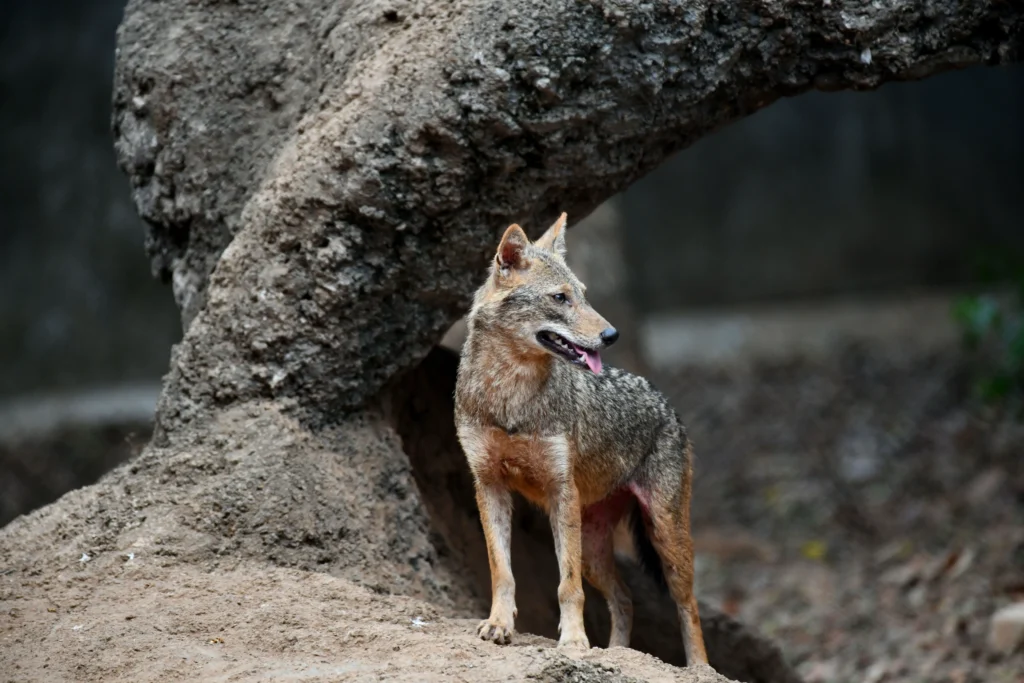
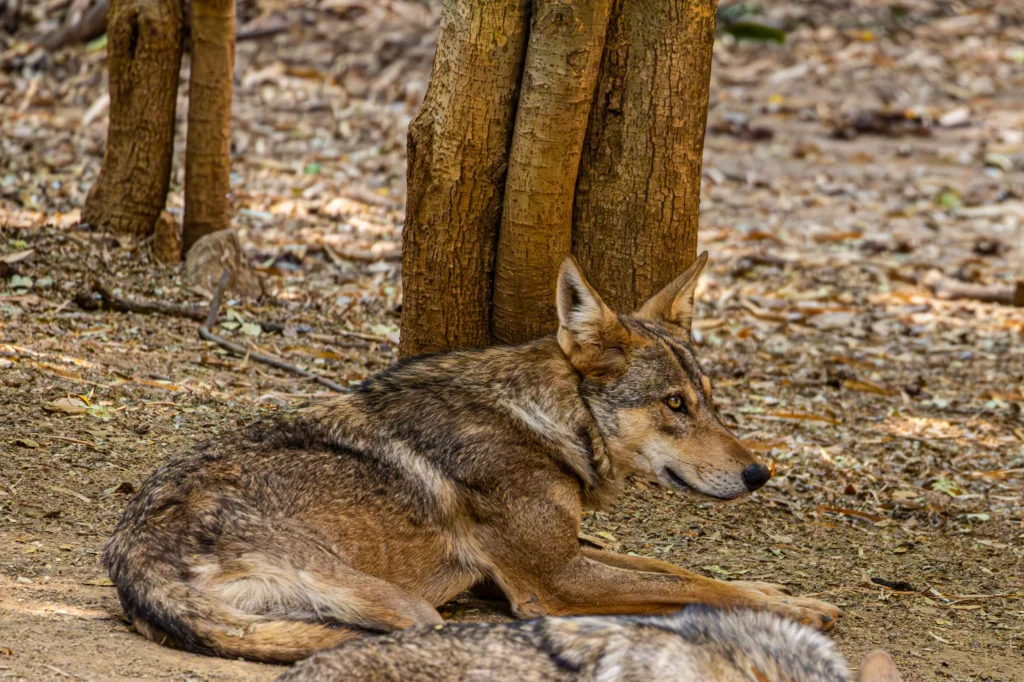
| Flagship Mammals | Asiatic Lion, Indian Wild Ass, Blackbuck, Indian Wolf, Dugong |
| Flagship Birds | Greater Flamingo, Great Indian Bustard, Lesser Florican, MacQueen’s Bustard |
| Endemic Wildlife | Asiatic Lion, Indian Wild Ass (regional endemics) |
| Best Wildlife Destinations | Gir NP, Wild Ass Sanctuary, Velavadar NP, Marine NP |
| Best Time for Wildlife Tourism | November to March |
| Nearest International Airports | Sardar Vallabhbhai Patel International Airport (Ahmedabad) |
| Official Forest Department Website | forests.gujarat.gov.in |
Protected Areas Summary Table
Note: Gujarat hosts 23 Wildlife Sanctuaries; the table below features all National Parks and the most prominent Sanctuaries and Reserves.
| Protected Area | Category | District | Area (sq km) | Year Established | Famous For |
| Blackbuck (Velavadar) National Park | National Park | Bhavnagar | 34.08 | 1976 | Blackbuck, Indian Wolf, Harriers |
| Gir National Park | National Park | Junagadh, Gir Somnath | 258.71 | 1975 | Asiatic Lion, Indian Leopard, Mugger Crocodile |
| Marine National Park | National Park | Devbhumi Dwarka, Jamnagar | 162.89 | 1982 | Coral Reefs, Dugong, Mangroves |
| Vansda National Park | National Park | Navsari | 23.99 | 1979 | Moist Deciduous Flora, Indian Leopard, Dhole |
| Gir Wildlife Sanctuary | Wildlife Sanctuary | Junagadh, Amreli | 1,153.42 | 1965 | Asiatic Lion, Sambar, Chital |
| Wild Ass Wildlife Sanctuary | Wildlife Sanctuary | Surendranagar, Kutch | 4,953.70 | 1973 | Indian Wild Ass, MacQueen’s Bustard |
| Nalsarovar Bird Sanctuary | Wildlife Sanctuary | Ahmedabad, Surendranagar | 120.82 | 1969 | Greater Flamingo, Migratory Waterfowl |
| Shoolpaneshwar Wildlife Sanctuary | Wildlife Sanctuary | Narmada | 607.70 | 1982 | Sloth Bear, Leopard, Teak Forests |
| Thol Lake Wildlife Sanctuary | Wildlife Sanctuary | Mehsana | 6.99 | 1988 | Sarus Crane, Migratory Birds |
| Jessore Sloth Bear Sanctuary | Wildlife Sanctuary | Banaskantha | 180.66 | 1978 | Sloth Bear, Indian Striped Hyena |
| Chhari-Dhand Conservation Reserve | Conservation Reserve | Kutch | 227.00 | 2008 | Seasonal Wetland, Common Crane, Raptors |
Wildlife Highlights
- Top Mammals: Asiatic Lion, Indian Wild Ass, Blackbuck, Indian Wolf, Indian Leopard, Striped Hyena, Sloth Bear, Chinkara (Indian Gazelle).
- Top Birds: Greater Flamingo, Great Indian Bustard, Lesser Florican, MacQueen’s Bustard, Sarus Crane, Pallid Harrier, Common Crane.
- Reptiles & Amphibians: Mugger Crocodile (exceptional density in Gir), Indian Flapshell Turtle, Green Sea Turtle, Spiny-tailed Lizard.
- Marine Life: Dugong, Indo-Pacific Humpback Dolphin, Whale Shark (along the Saurashtra coast), diverse hard and soft corals.
- Flagship Flora: Banyan, Neem, Teak, Khair, extensive Mangroves (Avicennia marina), and native grasses like Dichanthium.
- Best Wildlife Experiences: Lion tracking safaris in Gir, open-jeep safaris across the Little Rann of Kutch salt flats, birdwatching boat rides in Nalsarovar, and coastal reef walks in the Marine National Park during low tide.
Conservation Challenges
- Habitat Saturation: The Asiatic lion population has successfully expanded beyond the carrying capacity of the Gir protected area. Lions now frequently navigate agricultural fields, coastal scrublands, and highways, leading to escalated human-wildlife conflict and vulnerability to zoonotic diseases like Canine Distemper Virus (CDV).
- Invasive Species: The rampant proliferation of the invasive Prosopis juliflora (locally known as Gando Baval) is aggressively choking native grassland ecosystems in the Banni tract and Velavadar, depleting foraging grounds for herbivores.
- Coastal Industrialisation: Heavy maritime traffic, port expansions, and industrial effluent discharge in the Gulf of Kutch pose a severe threat to fragile coral reefs, dugongs, and mangrove networks.
- Linear Infrastructure: Expanding road networks and open irrigation canals frequently act as death traps for dispersing wildlife, particularly lions, leopards, and blackbucks.
- Climate Extremes: The arid regions of Kutch and Saurashtra are prone to severe, prolonged droughts, which periodically decimate the natural prey base and dry up critical waterholes.
Responsible Wildlife Tourism
- Maintain Safari Discipline: When viewing lions in Gir, strictly adhere to the designated gypsy tracks. Never urge drivers to approach the predators too closely or venture off-road.
- Do Not Litter Salt Flats: The Rann of Kutch is a fragile saline desert; ensure zero littering, as plastic waste takes decades to degrade in this arid environment and poses a hazard to the Indian Wild Ass.
- Tread Carefully on Reefs: During reef walks in the Marine National Park, follow the local guide’s exact footsteps to avoid crushing living corals, sponges, and camouflaged marine life.
- Respect Avian Sanctuaries: Use non-motorised boats where mandated in Nalsarovar, and avoid loud noises and flash photography to prevent flushing massive flocks of wintering waterfowl.
- Minimise Speed: Drive with extreme caution on highways passing through the Saurashtra landscape, as lions and leopards frequently cross the roads at night.
Did You Know?
- Gujarat is the only place on Earth where the Asiatic Lion (Panthera leo persica) is found in the wild, having recovered from a population of fewer than 20 individuals in the early 20th century.
- The Wild Ass Wildlife Sanctuary in the Little Rann of Kutch is the largest wildlife sanctuary in India by area, spanning nearly 5,000 square kilometres.
- Blackbuck National Park in Velavadar hosts the world’s largest roosting site for migratory harriers, with thousands of birds congregating in the grasslands every winter.
- Chhari-Dhand in Kutch, a vital seasonal wetland for millions of migratory birds, was officially added as Gujarat’s fifth Ramsar site in 2026.
- The Saurashtra coast is globally recognised for its pioneering, community-led Whale Shark conservation programme, which transformed local fishermen from hunters to active protectors of the gentle giants.
- Gujarat holds the distinction of establishing India’s first Marine National Park in the Gulf of Kutch in 1982.
.
Gir National Park : Topics Cluster
- Gir Detailed Guide
- Gir National Park Quick Guide
- Ahmedabad to Gir Travel Guide
- Best Resorts near Gir National Park
- Asiatic lion
- Wildlife in Gujarat
- Biodiversity in Western India
- Wildlife tourism in Gujarat
- Scrub land ecosystem (upcoming)
- Can foreigners book Indian Safari online?
- Park by Park Online Safari Booking Guide
- Best National Parks for Beginners
Safari Planning : Topics Cluster
- How to book a wildlife safari in India?
- Park by Park Online Safari Booking Guide
- Tiger Safari India Planning Workbook
- Park by Park Safari Permits Guide
- National Parks Permit Guide – Park by Park Guide
- Tatkal Safari Booking Guide – Last Minute Safari Permits Booking
- Tiger Safari in India Cost
- Indian Wildlife Safari Budget Planner
- Jeep vs Canter Safari
- Best time for Tiger Sightings in India
- How far advanced should you book safari permits?
- Can foreigners book Indian Wildlife Safari online?
- Special Permits Guide for Foreigners and Domestic Visitors
- How to book a Safari Permit online in India? 2026 step by step guide
- Senior Citizens Friendly Safari Planning
- Multi Generation Family Safari Planning
- 50 things to know before your first safari in India