
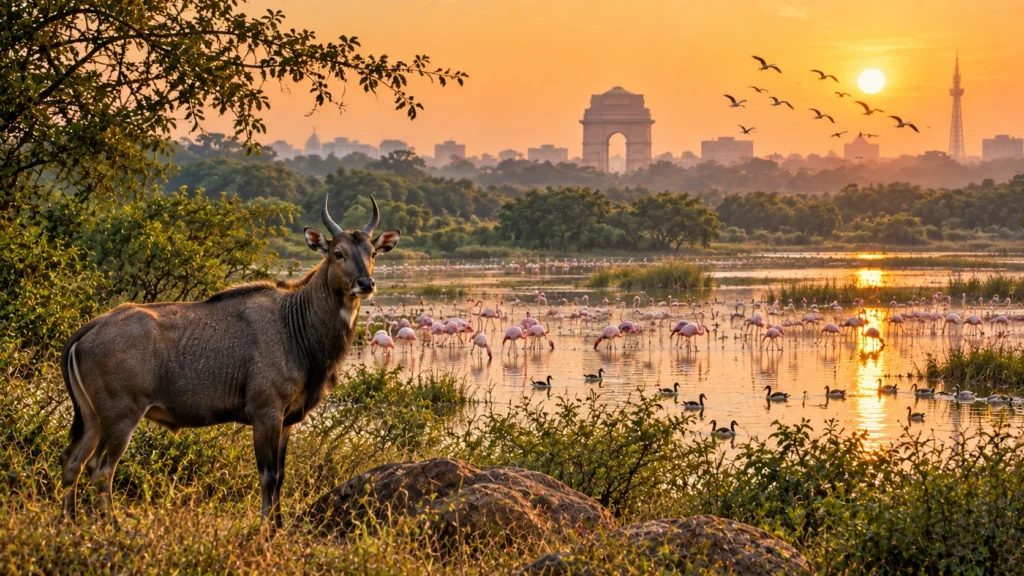
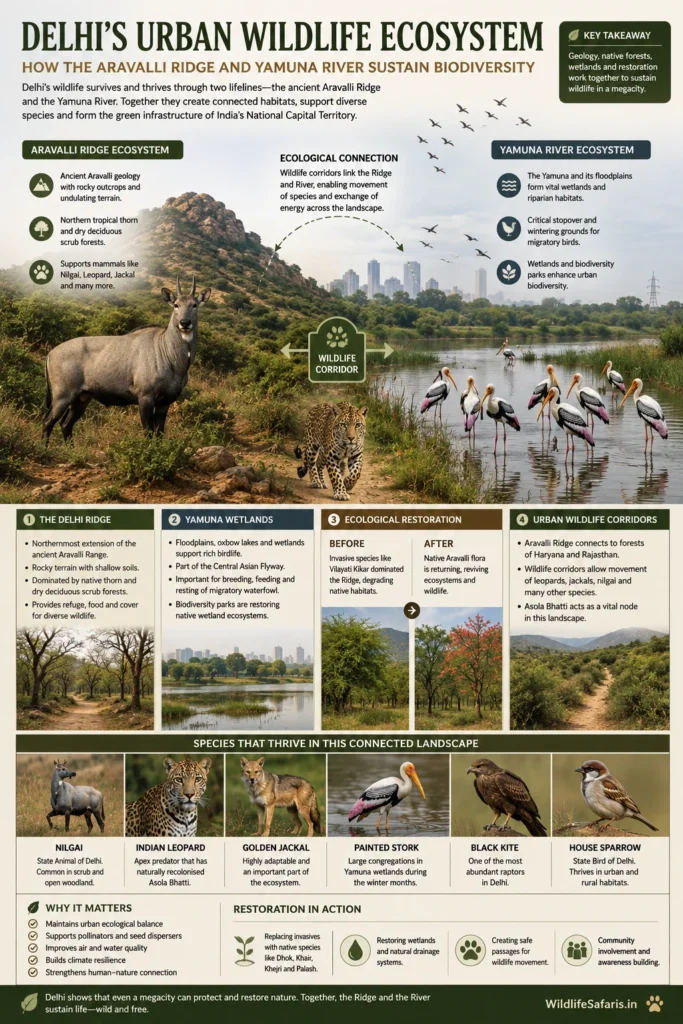
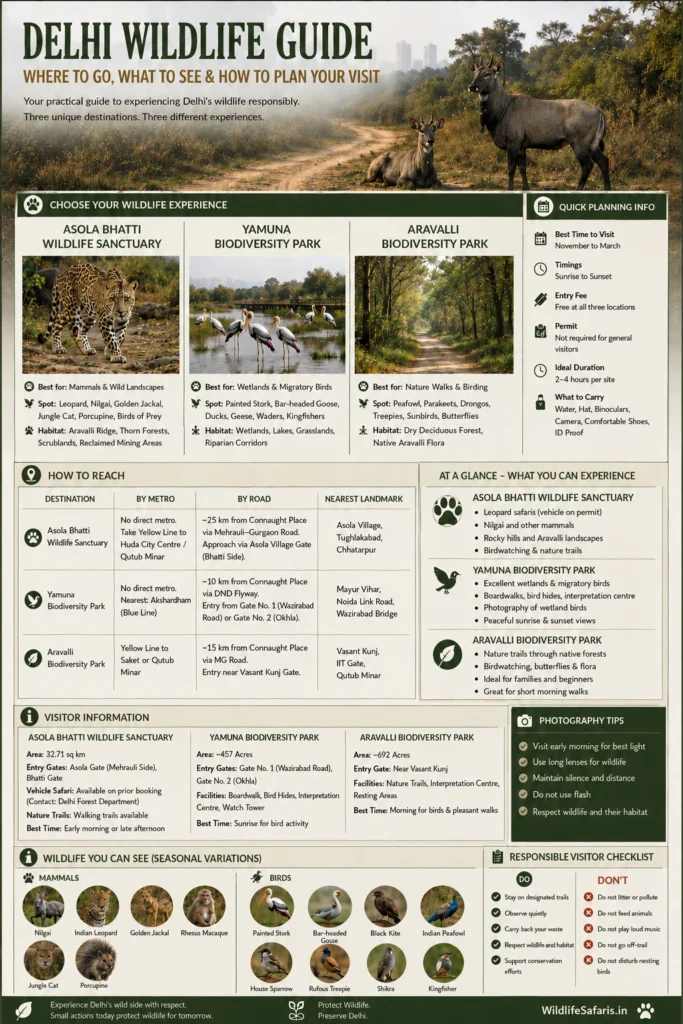
The National Capital Territory of Delhi, though highly urbanised, sustains a surprising resilience of biodiversity, anchored primarily by two foundational geographical features: the Delhi Ridge and the Yamuna River. The Delhi Ridge represents the northernmost extension of the ancient Aravalli Range, functioning as the city’s green lung. This undulating, rocky terrain historically supported dense northern tropical dry deciduous and thorn forests. Concurrently, the Yamuna River and its associated floodplains, despite facing severe ecological degradation, form a vital riparian corridor that intersects the sprawling metropolis. Together, these ecosystems support a complex matrix of urban wildlife, offering a critical refuge for flora and fauna amidst intense human activity.
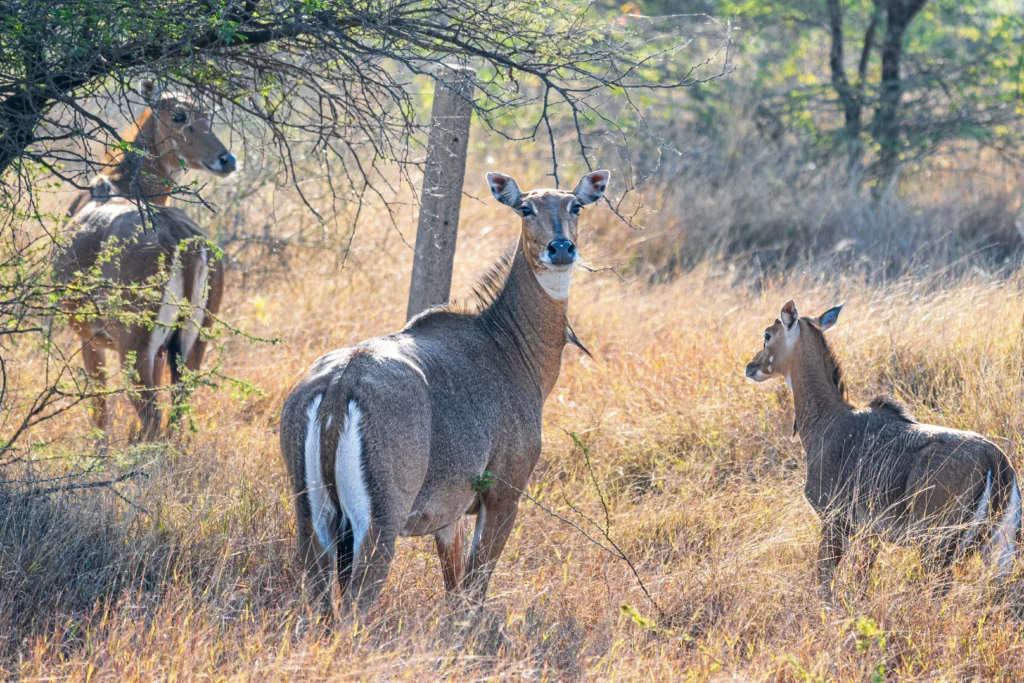
Conservation in Delhi is heavily focused on the Asola Bhatti Wildlife Sanctuary, which encompasses the southern ridge and serves as the capital’s principal protected area. Recent ecological restoration efforts have yielded highly encouraging results, most notably the natural return of the apex predator, the Indian leopard, to the sanctuary. The scrub forests are also a stronghold for the state animal, the nilgai, alongside robust populations of the golden jackal, Indian crested porcupine, and jungle cat. The city’s avifauna is exceptionally diverse, bolstered by a network of meticulously restored biodiversity parks such as the Yamuna Biodiversity Park and Aravalli Biodiversity Park.
The wetlands of Delhi, including the Najafgarh Jheel and the Okhla barrage region bordering Uttar Pradesh, act as critical wintering grounds for migratory waterfowl navigating the Central Asian Flyway. Here, one can observe significant congregations of painted storks, bar-headed geese, and northern shovelers. Delhi’s wildlife management represents a pioneering model of urban ecology, heavily reliant on replacing invasive colonial-era plantations with native Aravalli flora, thereby reviving the natural heritage of the National Capital Region.
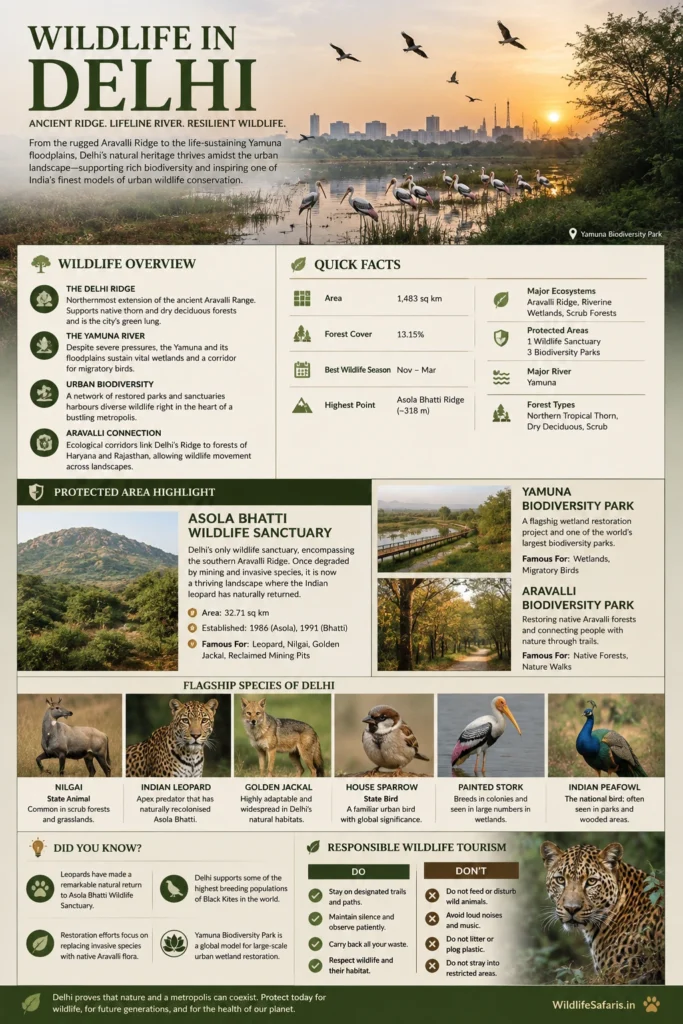
Quick Facts Table
| Category | Details |
| State / Union Territory | National Capital Territory of Delhi |
| Capital | New Delhi |
| Area | 1,483 sq km |
| Population | 16,787,941 (2011 Census) |
| Forest Cover | 13.15% |
| Official Language(s) | Hindi, English, Urdu, Punjabi |
| Time Zone | UTC+05:30 (IST) |
| Best Wildlife Season | November to March |
State Wildlife Master Table
| Attribute | Details |
| State / Union Territory | National Capital Territory of Delhi |
| Capital | New Delhi |
| Geographic Region | Indo-Gangetic Plains and Aravalli Ridge |
| Total Area | 1,483 sq km |
| Forest Cover | 13.15% |
| State Animal | Nilgai / Blue Bull (Boselaphus tragocamelus) |
| State Bird | House Sparrow (Passer domesticus) |
| State Tree | Not officially specified |
| State Flower | Not officially specified |
| Highest Peak | Asola Bhatti Ridge (~318 m) |
| Major Rivers | Yamuna |
| Major Forest Types | Northern Tropical Thorn, Dry Deciduous, Scrub |
| Biodiversity Hotspot | Not officially specified |
| UNESCO Natural Sites | None |
| Biosphere Reserves | None |
| Tiger Reserves | None |
| Elephant Reserves | None |
| National Parks | None |
| Wildlife Sanctuaries | Asola Bhatti Wildlife Sanctuary |
| Conservation Reserves | Not officially specified |
| Community Reserves | Not officially specified |
| Ramsar Sites | None (Okhla Bird Sanctuary borders Delhi in UP) |
| Important Bird Areas (IBAs) | Asola Bhatti, Najafgarh Drain and Jheel, Yamuna River, Okhla (border) |
| Major Wildlife Corridors | Aravalli Ridge Corridor (connecting to Haryana and Rajasthan) |
| Flagship Mammals | Nilgai, Golden Jackal, Indian Leopard, Rhesus Macaque |
| Flagship Birds | House Sparrow, Painted Stork, Black Kite, Indian Peafowl |
| Endemic Wildlife | Not officially specified |
| Best Wildlife Destinations | Asola Bhatti WLS, Yamuna Biodiversity Park, Aravalli Biodiversity Park |
| Best Time for Wildlife Tourism | November to March |
| Nearest International Airports | Indira Gandhi International Airport (New Delhi) |
| Official Forest Department Website | forest.delhi.gov.in |
Protected Areas Summary Table
| Protected Area | Category | District | Area (sq km) | Year Established | Famous For |
| Asola Bhatti Wildlife Sanctuary | Wildlife Sanctuary | South Delhi | 32.71 | 1986 (Asola), 1991 (Bhatti) | Indian Leopard, Nilgai, Golden Jackal, Reclaimed Mining Pits |
Wildlife Highlights
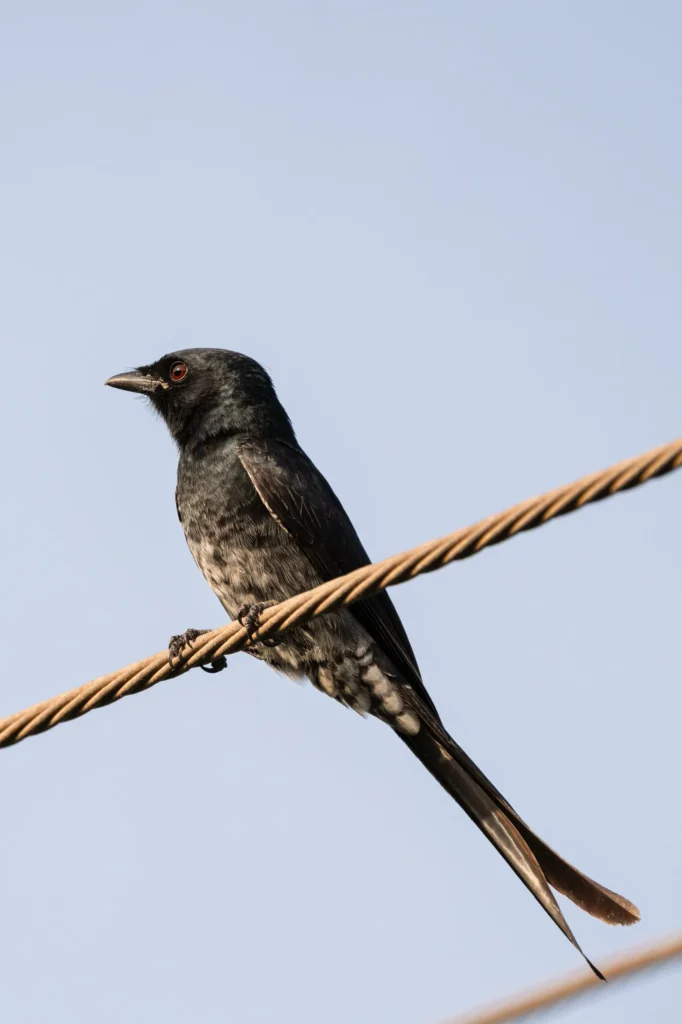
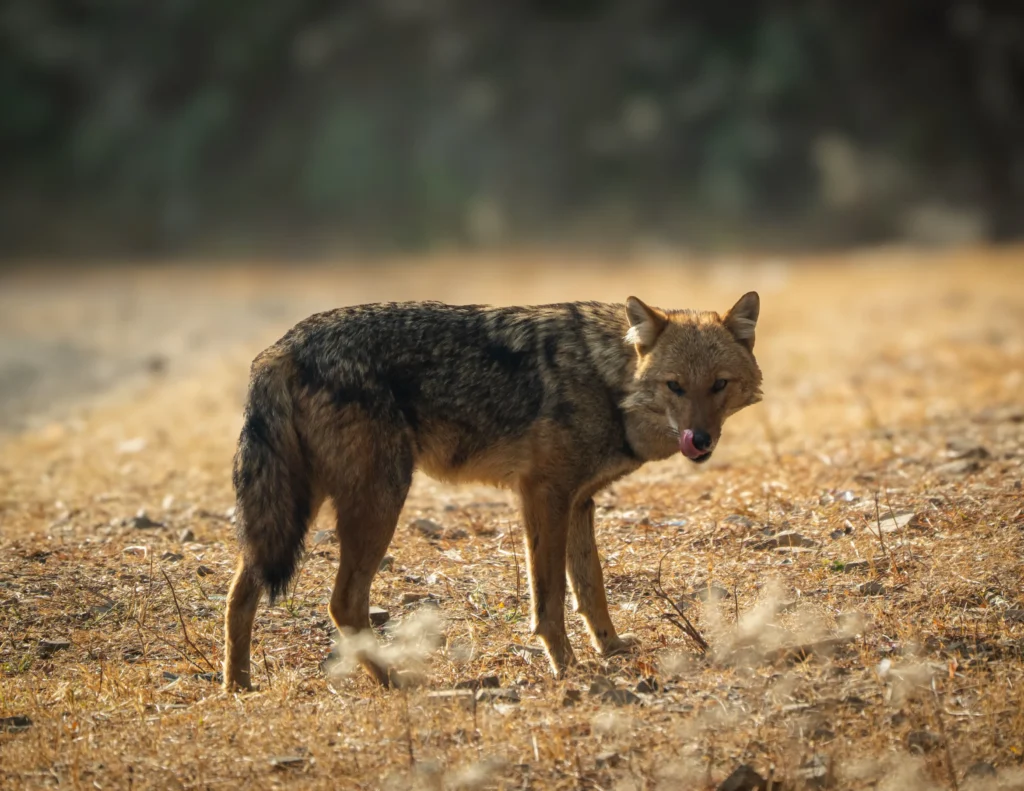
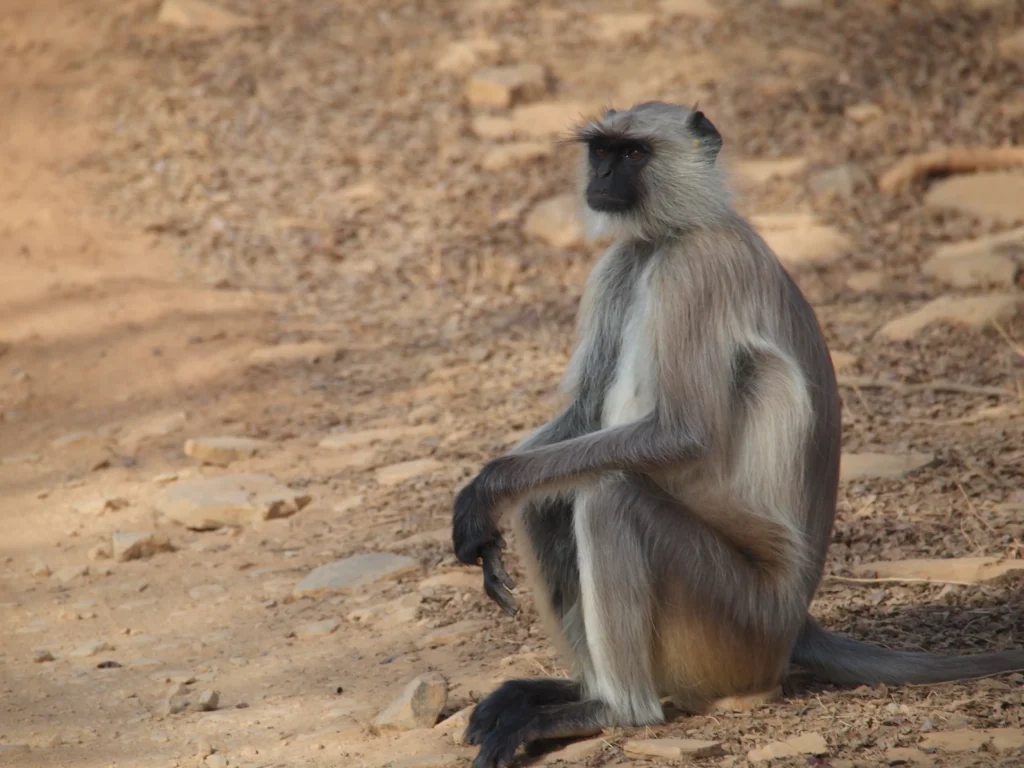
- Top Mammals: Nilgai, Golden Jackal, Indian Leopard, Indian Crested Porcupine, Jungle Cat, Small Indian Civet, Rhesus Macaque.
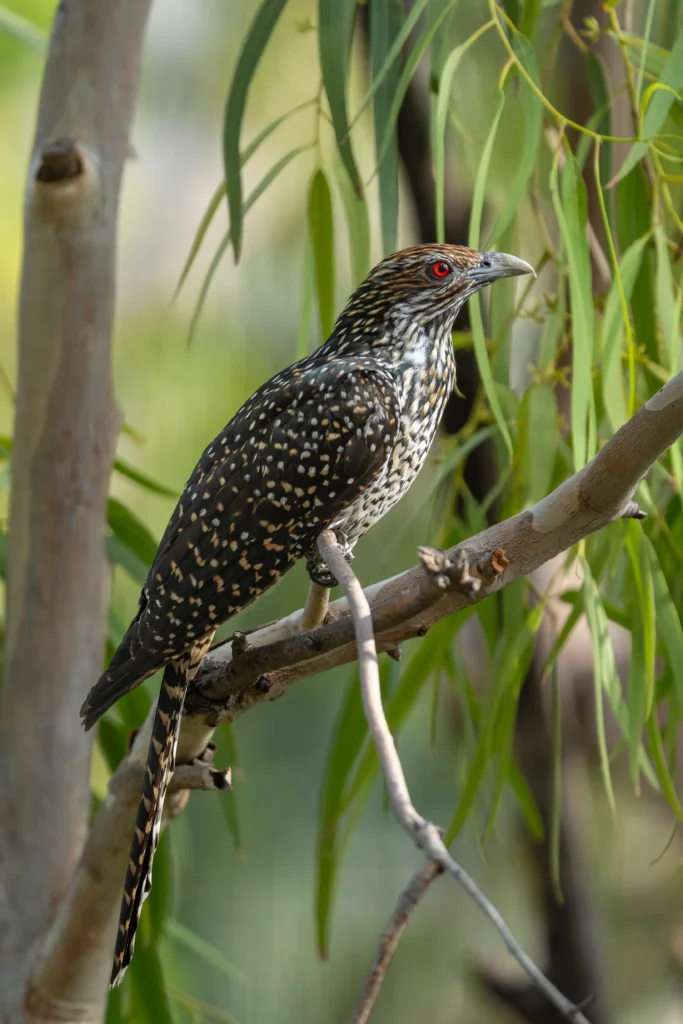
- Top Birds: House Sparrow, Indian Peafowl, Painted Stork, Black Kite, Black Francolin, Rufous Treepie, Shikra, Bar-headed Goose.
- Reptiles & Amphibians: Indian Monitor Lizard, Indian Rock Python, Spectacled Cobra, Common Krait, Indian Bullfrog.
- Flagship Flora: Dhok (Anogeissus pendula), Khejri (Prosopis cineraria), Palash (Butea monosperma), Kareel (Capparis decidua).
- Best Wildlife Experiences: Guided nature walks in the Aravalli Biodiversity Park, birdwatching at the Yamuna Biodiversity Park and Najafgarh Jheel, and exploring the scrubland trails of Asola Bhatti Wildlife Sanctuary.
Conservation Challenges
- Invasive Species: The widespread colonial-era plantation of Vilayati Kikar (Prosopis juliflora) has choked out native Aravalli flora, drastically lowering the groundwater table and degrading the natural food base for herbivores.
- River Pollution: The Yamuna River suffers from extreme pollution due to untreated industrial effluents and domestic sewage, severely compromising the riparian ecology and aquatic life.
- Urban Encroachment: The historical Delhi Ridge faces continuous pressure from illegal settlements, waste dumping, and infrastructural expansion, which fragments crucial wildlife corridors connecting to Haryana.
- Feral Animals: A highly concentrated population of feral dogs poses a severe predatory threat to ground-nesting birds, golden jackals, and nilgai fawns within the sanctuary and biodiversity parks.
- Human-Macaque Conflict: The overpopulation of Rhesus macaques in urban areas, driven by improper waste disposal and public feeding, results in frequent conflicts and public health concerns.
Responsible Wildlife Tourism
- Do Not Feed Monkeys: Strictly avoid feeding Rhesus macaques across the city and near forest edges. Feeding disrupts natural foraging habits, causes aggressive behaviour, and facilitates the transmission of zoonotic diseases.
- Respect Biodiversity Parks: When visiting Yamuna or Aravalli Biodiversity Parks, stay strictly on designated walking trails to avoid trampling sensitive saplings of restored native flora.
- Zero Littering: The Delhi Ridge is highly susceptible to urban waste accumulation. Carry back all personal trash, especially plastics, and dispose of it in municipal bins.
- Silence in Sanctuaries: Maintain low noise levels while walking in Asola Bhatti Wildlife Sanctuary to improve the chances of spotting elusive mammals like the golden jackal or jungle cat.
- Avoid Feral Dog Interactions: Do not feed or encourage stray dogs near forest borders, as this sustains populations that actively hunt native wildlife.
- Observe Safari Timings: Follow the regulated timings and guided routes established by the forest department, particularly given the recent return of leopards to the Asola Bhatti region.
Did You Know?
- The Delhi Ridge is the tail end of the Aravalli Range, one of the oldest mountain systems in the world, predating the Himalayas by hundreds of millions of years.
- After an absence of several decades, the Indian Leopard has naturally repopulated the Asola Bhatti Wildlife Sanctuary, migrating through the contiguous Aravalli forest corridors from Haryana.
- Delhi boasts the highest density of the Black Kite, a bird of prey, than any other city globally, primarily sustained by the city’s massive landfill sites.
- The Yamuna Biodiversity Park is a globally recognised model for urban ecological restoration, having successfully transformed barren, saline floodplains back into functional wetland and riverine ecosystems.
- The ubiquitous Vilayati Kikar tree was introduced to the Delhi Ridge by the British in the 1920s to quickly green the new capital, which inadvertently resulted in an ecological disaster for native flora.
- Delhi declared the House Sparrow its state bird in 2012 as part of a massive public awareness campaign to reverse the sharp decline in the bird’s urban population.
Wildlife in Delhi NCR : Topics Cluster
Safari Planning : Topics Cluster
- How to book a wildlife safari in India?
- Park by Park Online Safari Booking Guide
- Tiger Safari India Planning Workbook
- Park by Park Safari Permits Guide
- National Parks Permit Guide – Park by Park Guide
- Tatkal Safari Booking Guide – Last Minute Safari Permits Booking
- Tiger Safari in India Cost
- Indian Wildlife Safari Budget Planner
- Jeep vs Canter Safari
- Best time for Tiger Sightings in India
- How far advanced should you book safari permits?
- Can foreigners book Indian Wildlife Safari online?
- Special Permits Guide for Foreigners and Domestic Visitors
- How to book a Safari Permit online in India? 2026 step by step guide
- Senior Citizens Friendly Safari Planning
- Multi Generation Family Safari Planning
- 50 things to know before your first safari in India