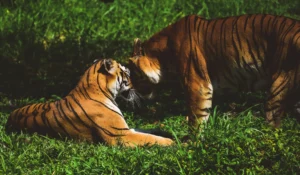
Plan your journey to the Periyar Wildlife Landscape. Learn about the Periyar Tiger Reserve, elephant habitats, zone structures, trails, and practical safari tips.
Introduction
The Periyar Wildlife Landscape is one of the most significant and ecologically contiguous protected regions in southern India. Unlike standard wilderness areas focused solely on safari tourism, Periyar represents a complex intersection of ancient rainforest protection, critical watershed management, and pioneering community-led conservation.
For travelers and researchers alike, understanding this landscape requires moving past the typical safari narrative. Sightings here depend on understanding the terrain, the seasonal movements of wildlife, and the unique history of the forest mosaic. Whether you are planning a multi-day trek or researching Western Ghats biodiversity, mapping out the administrative, geographic, and biological structure of the region is the first step to an informed visit.
What Is the Periyar Wildlife Landscape?
Understanding the distinct designations used for Periyar helps prevent confusion when booking permits, selecting accommodation, or planning field research.
Periyar Tiger Reserve vs. Periyar Wildlife Sanctuary
The terms Periyar Wildlife Sanctuary, Periyar Tiger Reserve, and Thekkady are often used interchangeably by tour operators, but they represent different legal and geographical designations:
- Periyar Tiger Reserve (PTR): This is the definitive legal entity managed under the National Tiger Conservation Authority (NTCA). It spans 925 square kilometers and is subject to strict federal conservation laws.
- Periyar Wildlife Sanctuary: This is the historical designation of the initial protected zone. Today, the sanctuary footprint sits entirely within the broader administrative framework of the Tiger Reserve.
- Thekkady: This is the primary tourism gateway and administrative hub located on the boundary of the reserve. When booking safaris, lodging, or transport, local operations are centered in and around this township.
The 4,078 Square Kilometer Landscape Context
While the immediate tiger reserve covers 925 square kilometers, it does not exist as an isolated island of forest. It anchors a massive, continuous conservation landscape extending over 4,078 square kilometers across the states of Kerala and Tamil Nadu.
This trans-boundary connectivity allows for large-scale genetic exchange and seasonal migrations of long-ranging species like the Asian elephant and Bengal tiger. Looking at Periyar through this regional lens clarifies its role as the primary wildlife stronghold for the southern Western Ghats.
Geography, Terrain, and Hydrology
The physical layout of Periyar shapes both the distribution of its wildlife and the options available to visitors. The landscape is defined by its dramatic elevation changes and vital water systems.
Rivers, Lakes, and the Mullaperiyar Dam
Periyar serves as a critical watershed for southern India. The landscape is drained by two major river systems:
- The Periyar River
- The Pamba River
At the core of the public tourism zone lies Periyar Lake, an artificial reservoir of approximately 26 square kilometers created by the construction of the Mullaperiyar Dam. The decomposition of the forest submerged during the dam’s historic construction left behind iconic, stark tree stumps rising from the water. This lake acts as a permanent water source that pulls wildlife from the dense interior forests down to the open shorelines, making it a central point for wildlife observation.
Elevation and Mountain Terrain
The terrain is distinctly hilly, undulating, and rugged. It features deep valleys, steep ridges, and high-altitude plateaus. The elevation rises sharply from the lower valleys up to a maximum peak of 2,016 meters above sea level. This variation in altitude creates distinct microclimates, allowing tropical lowland species and high-altitude montane specialists to coexist within the same reserve boundaries.
Understanding Park Zoning: Core, Buffer, and Corridors
Periyar’s management strategy relies on strict spatial zoning to balance ecosystem protection with controlled ecotourism and community access.
Why Periyar Uses a Small Buffer Zone
The 925 square kilometer reserve is divided into two distinct zones designed to keep human disturbance away from sensitive wildlife habitats:
- Core / Critical Tiger Habitat: Spanning 881 square kilometers, this area receives the highest level of legal protection. Human entry is heavily restricted here, ensuring an undisturbed landscape where primary ecological processes can occur naturally.
- Buffer Area: Spanning just 44 square kilometers, Periyar’s buffer zone is intentionally small. This design ensures that almost the entire reserve acts as a protected core, while the narrow buffer absorbs the immediate pressures of controlled tourism, administrative infrastructure, and community interaction along the edges.
The Role of Wildlife Corridors
Because Periyar shares borders with forest divisions in both Kerala and Tamil Nadu, its boundaries remain open to wildlife movement. Corridors link the core habitat to adjacent reserved forests, preventing local wildlife populations from becoming genetically isolated. These corridors are essential for maintaining stable populations of large carnivores and herbivores, which require vast home ranges to survive.
Table 1: Spatial Zoning of the Periyar Tiger Reserve
| Zone Designation | Total Land Area | Primary Conservation Function | Permitted Human Activities |
| Core / Critical Tiger Habitat | 881 sq km | Preserving an undisturbed ecosystem and protecting key breeding grounds for flagship species. | Scientific research, forest department anti-poaching patrols, and monitored management actions. |
| Buffer Zone | 44 sq km | Absorbing edge-effect pressures and hosting community-managed ecotourism initiatives. | Controlled visitor movement, ranger-led trekking, and sustainable community resource programs. |
| Broader Landscape Scale | 4,078 sq km | Maintaining regional connectivity across state borders (Kerala and Tamil Nadu) for seasonal migrations. | Interstate conservation coordination, regional forestry management, and collaborative monitoring. |
Habitat Diversity and Botanical Wealth
Before searching for elusive wildlife, understanding the structure of the forest helps set realistic expectations for your visit. Periyar is not a uniform jungle; it is a complex protected botanical hotspot within the Western Ghats. The immense conservation value of the landscape lies in the diverse vegetation that forms the foundation of its food web.
Forest Types: From Rain Forests to Grasslands
The landscape features a mosaic of distinct habitats shaped by steep elevation changes, a network of rivers, and heavy monsoonal rainfall.
- Tropical Evergreen and Semi-Evergreen Forests: These dense, high-canopy habitats dominate much of the reserve. Because the thick canopy blocks sunlight, the forest floor has sparse undergrowth. These tracts are essential for arboreal (tree-dwelling) mammals and specialized bird species. However, the dense foliage makes spotting ground-dwelling wildlife challenging.
- Moist Deciduous Forests: In these transitional zones, trees shed their leaves during the dry season. The resulting openness allows sunlight to penetrate to the forest floor, promoting the growth of shrubs and grasses. This abundance of ground-level food makes deciduous patches prime feeding grounds for large herbivores and, consequently, excellent areas for observing wildlife.
- Grasslands and Transitional Fringe: Open grassy patches serve as vital grazing areas for herds of ungulates, while the transitional evergreen fringes provide crucial cover for ambush predators.
- Plantation Relics: Visitors walking the trails may notice pockets of eucalyptus. These are historical relics from early commercial plantation efforts that occurred long before the landscape was strictly protected for native biodiversity.
Endemic and Threatened Flora of the Western Ghats
The botanical diversity in Periyar places it among the most significant ecological reserves in southern India. While many travelers focus entirely on large mammals, researchers and naturalists study the region for its plant life.
Official biodiversity records document 1,985 species of flowering plants within the landscape. What makes this habitat critical to global conservation is its high rate of endemism—meaning these plants are native to this specific region and found nowhere else on earth. Of the recorded flowering plants, 519 are endemic strictly to the South Western Ghats. Furthermore, 149 of these species currently fall under formal threat categories, underscoring the importance of protecting the core habitat.
Beyond flowering plants, the moist microclimates and steep river valleys support ancient plant lineages. The reserve hosts 150 species of pteridophytes (ferns and their relatives) and four species of gymnosperms.
Field Note: If you book a guided nature walk, take time to study the flora rather than just scanning the tree line for animals. The towering buttress roots, complex strangler figs, and diverse fern species along the streams offer a direct look into the mechanics of a primary rainforest ecosystem.
Wildlife Dynamics (Mammals, Tigers, Elephants, Birds, and Smaller Fauna)
To fully appreciate Periyar, visitors must adjust their expectations away from the wide-open savannah safaris of northern India. The dense foliage of the Western Ghats conceals wildlife effectively, making observation an exercise in patience and acoustic tracking. However, for those who take the time to look closely, the reserve protects a deeply complex and rewarding ecosystem.
Mammals of the Periyar Landscape
Official conservation records list 66 mammal species within the tiger reserve. Observing them requires understanding their habits. While large ungulates graze openly near water sources, the forest’s predators and arboreal species are highly adapted to the dense canopy and thick undergrowth.
Tiger Population and Prey Base Dynamics
Periyar is a critical stronghold for the Bengal tiger in southern India, but it is not a destination for guaranteed sightings. The dense evergreen and moist deciduous forests provide excellent cover for these apex predators, making visual encounters rare.
However, a healthy tiger population thrives here. The National Tiger Conservation Authority (NTCA) noted an estimated population of 38 tigers in 2010, with camera-trap data identifying 46 individual tigers within the reserve. This population is sustained by a robust prey base of large herbivores, specifically gaur (Indian bison), sambar deer, and wild boar.
Expert Tip: Do not plan a trip to Periyar strictly to photograph tigers. The thick vegetation means tigers hear and see approaching vehicles long before visitors spot them. Instead, focus on the landscape’s broader biodiversity; consider a tiger sighting a highly fortunate bonus rather than an expectation.
Elephant Distribution and Herd Movements
Periyar is just as important for pachyderms as it is for big cats. The landscape is officially recognized as a major Asian elephant habitat. Elephant herds shape the physical environment, creating trails through the dense brush and dispersing seeds across vast distances.
Visitor encounters with elephants are heavily influenced by seasonal water levels. During the drier months, herds reliably move out of the interior forests and down to the open shores of Periyar Lake to drink and bathe. This makes the lake’s boat safaris one of the most effective ways to observe wild elephant behavior without disturbing the animals.
Arboreal Mammals and Habitat Specialists
Beyond the flagship species, the reserve supports an array of forest specialists:
- Canopy Dwellers: The high evergreen branches are home to the lion-tailed macaque, the Nilgiri langur, and the Malabar giant squirrel.
- Predators: The forest shelters leopards and wild dogs (dholes), which often hunt in the transitional zones, alongside the reclusive sloth bear.
- High-Altitude Herbivores: In the higher, rocky elevations, visitors might spot the endangered Nilgiri tahr, a mountain ungulate endemic to the Western Ghats. Barking deer are also present in the dense understory.
Avian and Smaller Fauna Diversity
Competitor guides often overlook the smaller fauna, yet birders and herpetologists consider Periyar a premier destination. The region’s microclimates support hundreds of species that rely on pristine rainforest conditions.
Birding Trails and Western Ghats Endemics
With more than 342 recorded bird species, Periyar is a primary destination for serious birdwatching. The dense canopy and proximity to the lake attract a wide variety of species. Notable sightings include the Malabar grey hornbill, Indian pied hornbill, Malabar trogon, white-bellied treepie, drongos, woodpeckers, and various flycatchers.
Photography Tip: Bird photography in Periyar can be challenging due to low light under the dense canopy. Bring a fast lens (f/2.8 or f/4) and be prepared to push your ISO higher than usual to maintain fast shutter speeds for restless forest birds.
Reptiles, Amphibians, and Aquatic Life
The reserve’s network of rivers, streams, and damp forest floors creates an ideal environment for cold-blooded species. Official surveys record 68 species of reptiles and 64 species of amphibians, many of which are highly sensitive to environmental changes and serve as critical indicators of forest health. Additionally, the lake and river systems support 45 species of fish.
Invertebrate Diversity: Butterflies and Odonates
During the post-monsoon months, the forest comes alive with insect activity. Researchers have recorded 262 species of butterflies and 80 species of odonates (dragonflies and damselflies) within the reserve.
Table 2: Faunal Diversity Overview in Periyar
| Taxonomic Group | Recorded Species Count | Notable Examples & Highlights |
| Mammals | 66 | Bengal tiger, Asian elephant, gaur, lion-tailed macaque, Malabar giant squirrel. |
| Birds | 342+ | Malabar grey hornbill, Indian pied hornbill, Malabar trogon, white-bellied treepie. |
| Reptiles | 68 | Diverse forest snakes, lizards, and aquatic species adapted to the Western Ghats. |
| Amphibians | 64 | Includes many endemic tree frogs sensitive to microclimate shifts. |
| Fish | 45 | Native species utilizing the Pamba and Periyar river systems. |
| Butterflies | 262 | High visibility during post-monsoon periods. |
| Odonates | 80 | Dragonflies and damselflies commonly found near the lake margins and forest streams. |
Conservation History and the Periyar Model
Periyar stands apart from many Indian wildlife reserves because its ecological success relies directly on the people living along its borders. Rather than treating local communities as obstacles to conservation, the park’s management has integrated them into the daily protection of the forest.
The Evolution of Local Protection (Since 1934)
The roots of conservation in this landscape date back to 1934, when the area was first formally protected. Over the decades, the management approach shifted significantly. Like many early national parks, it initially relied on strict, exclusionary protection that often created friction with local tribal and fringe communities. However, administrators eventually realized that long-term tiger and elephant conservation required local cooperation, leading to a transition toward an integrated, community-linked conservation framework.
The Periyar Model: Turning Poachers into Protectors
Today, the region operates on what is widely known as the “Periyar Model.” This eco-development approach intertwines tribal community welfare, local employment, and ecotourism directly with biodiversity protection.
The most famous achievement of the Periyar Model is its rehabilitation program, which successfully converted former poachers and timber smugglers into dedicated forest protectors and expert guides. Because these individuals possessed unparalleled knowledge of the deep forest trails and animal movements, employing them provided both a sustainable livelihood and a highly effective anti-poaching patrol force.
Furthermore, the reserve faces immense seasonal foot traffic from pilgrims passing through the forest. The Periyar Model utilizes community structures to manage this pilgrim pressure, ensuring that mass transit through the landscape does not degrade the core habitat.
Responsible Tourism Tip: When you book an official trekking or walking program in Periyar, your guide is often a member of the local tribal community or a rehabilitated forest watcher. The fees you pay go directly back into the local economy, reinforcing the financial incentive to protect the wildlife rather than exploit it.
Modern Frameworks: Eco-Development Committees (EDCs) and Governance
The daily operations of the Periyar Model are facilitated through local Eco-Development Committees (EDCs) and overseen by the Periyar Tiger Conservation Foundation. This foundation remains a highly active governing body, with ongoing activities and governance meetings noted as recently as August 2025.
The reserve is also under the active national-level oversight of the National Tiger Conservation Authority (NTCA). Management relies on real-time monitoring and strict reporting ecosystems to track both wildlife populations and habitat health.
The effectiveness of this model is backed by data and national recognition. In 2023, Periyar received top national rankings for its management effectiveness. More recently, in 2025, the NTCA published an economic valuation report specifically detailing the financial and ecological worth of the reserve, further cementing its status as a premier, well-governed conservation landscape.
Planning Your Visit: Activities, Common Mistakes, and FAQs
Experiencing Periyar requires a different approach than visiting the dry deciduous parks of central or northern India. Because independent driving is not permitted in the core areas, visitors must rely on the structured ecotourism programs managed by the forest department and local communities.
Boating Safaris on Periyar Lake
The most popular way to view wildlife in Periyar is by boat. The 26-square-kilometer artificial lake provides an uninterrupted vantage point of the forest edge.
During the drier months, water sources in the deep forest diminish, prompting herds of Asian elephants, gaur, and sambar deer to move toward the lake shores to drink and bathe. Boating allows visitors to observe these animals safely and quietly without the dust and noise of a vehicle safari.
Guided Nature Walks and Wilderness Trekking
For a closer look at the ecosystem, the reserve offers various ranger-led hiking programs. These range from short, interpretive nature trails near the buffer zone to multi-day wilderness treks and jungle patrols.
These walks are ideal for spotting the reserve’s smaller fauna, such as the Malabar giant squirrel, Nilgiri langur, and endemic bird species like the Malabar grey hornbill. Because you are walking under a dense canopy, these excursions emphasize tracking, listening, and botanical observation rather than long-distance spotting.
Practical Logistics: Access, Clothing, and Timing
- Gateway Town: All travel logistics, accommodation, and booking offices are centered in Thekkady (often referred to interchangeably with the nearby town of Kumily).
- What to Pack: The dense rainforest environment means low light and frequent rain. Bring a good pair of binoculars to scan the high canopy, wear neutral-colored, breathable clothing, and carry rain gear regardless of the season.
- Managing Expectations: Be prepared for varying visibility. The thick undergrowth makes spotting large predators exceptionally difficult; focus on the broader biodiversity of the Western Ghats.
Table 3: Ecotourism Activity Selection Matrix
| Activity Type | Best Suited For | Target Wildlife | Physical Requirement |
| Lake Boating | Families, first-time visitors, and photographers. | Asian elephants, gaur, sambar deer, and water birds. | Very Low (Accessible to all). |
| Guided Nature Walks | Birdwatchers and botanical enthusiasts. | Hornbills, arboreal mammals, butterflies, and flora. | Moderate (2–3 hours of walking). |
| Jungle Patrol / Trekking | Serious wildlife enthusiasts and physically fit travelers. | Deep forest ecology, tracks, and occasional large mammal signs. | High (Full day or multi-day hiking). |
Table 4: Seasonal Wildlife Matrix
| Season | Travel Conditions | Wildlife Visibility Expectations |
| Dry Season (Feb – May) | Warmer temperatures and receding water levels in the interior forest. | High visibility along the lake. Elephants and herbivores congregate near the water banks. |
| Monsoon (June – Sept) | Heavy rainfall, leeches on trails, and lush, dense vegetation. | Low visibility for large mammals. Excellent for amphibians, rainforest flora, and atmospheric landscapes. |
| Post-Monsoon (Oct – Jan) | Cool, pleasant weather. Trails dry out and the canopy is highly active. | Good for birdwatching, butterfly observation, and general ecosystem walks. |
Common Mistakes to Avoid
- Treating Periyar solely as a tiger destination: Many visitors arrive expecting to photograph tigers. While the reserve holds a healthy tiger population (46 identified individuals in the NTCA brief), the dense tropical evergreen habitat makes visual encounters highly unpredictable. Visit Periyar for its elephants, birds, and botanical wealth; view any tiger sighting as a fortunate bonus.
- Skipping the guided walks: Limiting your visit to just the boat ride means missing the micro-ecosystems of the Western Ghats. The true value of Periyar lies in the forest interior, which is best experienced on foot with a local guide.
- Misunderstanding the landscape scale: Periyar is often viewed as a single, isolated tourist park. In reality, it is the anchor of a 4,078-square-kilometer connected conservation landscape. Recognizing this changes how you perceive animal movements and the importance of the reserve’s corridors.
Frequently Asked Questions
Is Periyar Wildlife Sanctuary the same as Periyar Tiger Reserve? Yes, practically speaking. The historical “Wildlife Sanctuary” designation now sits entirely within the modern, legally defined boundaries of the 925-square-kilometer Periyar Tiger Reserve.
Where is Periyar located? The reserve is located in the southern Western Ghats of Kerala, spanning across parts of the Idukki, Pathanamthitta, and Kottayam districts. The primary tourist hub for entry is the town of Thekkady.
Are tiger sightings guaranteed in Periyar? No. Tiger sightings are never guaranteed in Periyar. The dense vegetation and conservation-first management—where a large core area is strictly off-limits to tourists—mean that animals can easily remain hidden from view.
Is Periyar good for family travel? Yes. The availability of boat safaris, well-maintained nature trails, and excellent tourism infrastructure in Thekkady makes Periyar one of the most accessible wildlife destinations in India for families and older travelers.
What makes the “Periyar Model” of conservation unique? The Periyar Model relies on Eco-Development Committees (EDCs) that directly involve local tribal communities in protecting the forest. Most notably, it has successfully turned former poachers into forest protectors by providing them with sustainable livelihoods through ecotourism guiding and anti-poaching patrols.
How does ecotourism support conservation here? Tourism in Periyar is closely regulated. The fees from guided walks, treks, and community-led patrols fund local employment. This creates a direct financial incentive for fringe communities to protect the landscape and its wildlife rather than exploit its resources.
Conclusion
The Periyar Wildlife Landscape represents far more than a typical holiday destination. As a critical stronghold for both the Bengal tiger and the Asian elephant, it anchors the biodiversity of the southern Western Ghats. Its dense rainforests, extensive river systems, and high rate of endemic species make it a living laboratory for naturalists and researchers.
For the modern traveler, Periyar proves that wildlife tourism can be both educational and deeply responsible. By participating in community-led treks and understanding the complex zoning that keeps the core habitat inviolate, visitors actively contribute to one of India’s most successful conservation stories. When planned with realistic expectations and a focus on the broader ecosystem, a visit to Periyar offers a genuine look into the mechanics of a thriving tropical rainforest.
Author Note & Update Log: Written by the WildlifeSafaris.in Editorial Team. Last Updated: August 2026
Periyar National Park : Topics Cluster
- Periyar National Park Safari Guide
- Periyar Detailed Guide
- Best Resorts near Periyar National Park
- Periyar Wildlife Landscape
- Thattekad Bird Sanctuary
- Western Ghats Biodiversity
- Indian Elephant Guide
- Elephant Landscapes of India
- Wildlife in Kerala
- Wildlife Tourism in Kerala
- Mathikettan Shola National Park
- Nilgiri Biosphere Reserve Guide