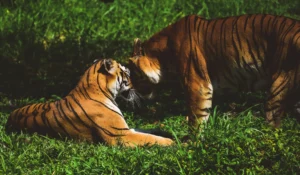
Plan your Bandhavgarh safari with this seasonal guide. Discover the best months for tiger sightings, birdwatching, and ideal weather conditions.
Introduction & Overview
Planning a trip to Bandhavgarh Tiger Reserve requires balancing weather conditions against your specific wildlife goals. There is no single month that suits every traveler perfectly. The park spans a total area of 1,536.93 square kilometers, including a 716.90 square kilometer core area and an 820.03 square kilometer buffer zone. Within this terrain, seasonal changes radically alter the landscape, animal behavior, and tracking conditions.
Understanding how these shifts affect visibility and comfort is the most critical step in scheduling your safari.
Best Time to Visit Bandhavgarh at a Glance
Choosing a Month Based on Your Specific Goal
To get the most out of your trip, you should match your travel dates to what you want to experience in the field:
- For Maximum Tiger Sightings: March to May is the most productive window. As the forest dries out, undergrowth thins and tigers regularly visit the remaining waterholes, making them much easier to track.
- For General Travel Comfort and Families: October to February offers the most pleasant weather. Temperatures are cool, morning drives are crisp, and the forest retains its green canopy.
- For Wildlife Photographers: April and May provide the best subject separation due to the sparse foliage, though the light can be harsh midday. October and November offer beautiful, clean backdrops and lush scenery.
- For Birdwatchers: November to February is the peak window. This period coincides with the arrival of migratory birds, adding to the park’s resident species.
Quick Seasonal Summary
The core tourism zones of Bandhavgarh operate on a strict seasonal calendar, opening on 1 October and closing on 30 June each year. The entire core reserve closes from 1 July to 30 September to accommodate the annual monsoon season.
The park experiences a wide climatic range, with a mean annual temperature of 23°C and an average annual rainfall of 101 centimeters. December stands out as the coldest month of the year, while May brings the highest temperatures, frequently exceeding 40°C. These dramatic shifts mean that a safari in December feels completely different from a safari in May, affecting everything from what you pack to how animals navigate the ecosystem.
Field Note: First-time visitors often assume that the period with the most comfortable weather yields the best wildlife sightings. In a dry deciduous habitat like Bandhavgarh, the opposite is frequently true. Harsher, hotter months force wildlife out of the thick brush and toward predictable water sources, simplifying the tracking process for your guide.
Bandhavgarh by Season: What to Expect
Understanding the seasonal rhythm of a Sal-dominated, dry deciduous forest is essential for setting the right expectations. As the year progresses from post-monsoon lushness to pre-monsoon drought, the landscape undergoes a dramatic transformation that directly influences how you search for wildlife.
October to February: The Green Season and Winter Comfort
When the core zones reopen on 1 October, the forest is thick, green, and well-watered from the recent rains. This period offers the most comfortable daytime temperatures, making it a popular choice for families and general holidaymakers. December is the coldest month, bringing freezing morning temperatures that require serious winter clothing on open safari vehicles.
While the forest is beautiful during these months, the dense vegetation means tigers and leopards have plenty of cover, and abundant surface water means they do not need to visit established waterholes frequently. Tracking requires more patience and relies heavily on listening for alarm calls.
March to May: The Dry Season and Peak Tiger Sightings
As temperatures rise, the forest rapidly dries out. The undergrowth dies back, visibility opens up, and natural water sources evaporate. By May—the hottest month of the year—temperatures routinely exceed 40°C.
Despite the physical discomfort for travelers, this is the prime season for big cat sightings. Tigers and other wildlife become dependent on the remaining permanent waterholes and artificial saucers maintained by the forest department. Guides can predict animal movements with much higher accuracy, making these months the standard choice for serious wildlife enthusiasts and photographers.
June: The Transition and Hottest Weeks
June is a transitional month marked by intense heat and the buildup to the monsoon. Safari conditions are harsh and dusty, requiring high physical endurance. However, the wildlife viewing remains excellent right up until the park closes at the end of the month, as animals are highly concentrated around the last available water.
July to September: The Monsoon Closure
The core zone of Bandhavgarh is officially closed from 1 July to 30 September. August is typically the wettest month. During this time, the heavy rains rejuvenate the ecosystem, wash away the dust, and allow the wildlife to breed and roam without tourist vehicles present. While the core area is inaccessible, it is important to note this closure period when planning, as no standard safaris are permitted.
Month-by-Month Safari Analysis
To help you pinpoint the best time for your trip, the following table breaks down what to expect during the nine months the core reserve is open for tourism.
Bandhavgarh Monthly Weather, Visibility, and Activity Matrix
| Month | Weather & Comfort | Forest Condition | Tiger Visibility | Key Highlights |
| October | Warm days, cool nights | Very thick, lush, and green | Moderate | Clean air, scenic landscapes |
| November | Pleasant days, chilly mornings | Thick vegetation | Moderate | Excellent for early migratory birds |
| December | Coldest month, freezing mornings | Green but beginning to thin | Moderate | Peak comfort for midday safaris |
| January | Very cold mornings, mild days | Slow drying of undergrowth | Moderate to Good | Strong birding season continues |
| February | Warming up, highly comfortable | Noticeably thinner foliage | Good | The perfect shoulder month |
| March | Warm days, pleasant mornings | Dry and brown, open visibility | Very Good | Excellent balance of comfort and sightings |
| April | Hot days, warm mornings | Very dry, sparse vegetation | Excellent | High animal concentration at waterholes |
| May | Hottest month (40°C+) | Parched, maximum visibility | Excellent | Peak tiger tracking and photography |
| June | Extreme heat, pre-monsoon | Dusty and dry | Excellent | High sightings just before park closure |
October and November: Post-Monsoon Recovery
The park is visually striking in October and November. The air is clear, the dust has settled, and the Sal trees are vibrant. Weather is highly manageable, making full-day travel comfortable. Expect beautiful scenery, but be prepared to work harder for big cat sightings due to the dense undergrowth.
December and January: Peak Winter and Cold Mornings
These months represent the peak of the winter tourist season. Midday temperatures are perfect, but the early morning safaris are bitterly cold. The chill factor in a moving, open-top Gypsy should not be underestimated. This is an excellent time for birdwatching, as winter migrants are present in large numbers, but tiger sightings often happen slightly later in the morning when the cats move onto the tracks to sun themselves.
Family Travel Tip: If traveling with young children or elderly family members, December and January offer the safest weather. Just ensure you pack heavy layers, windbreakers, and perhaps a blanket for the first two hours of the morning drive.
February and March: The Ideal Shoulder Months
If you want the best of both worlds, February and March are strong shoulder months. The brutal winter cold has passed, but the intense summer heat has not yet arrived. Travel conditions remain pleasant, while animal visibility improves significantly as the vegetation begins to die back.
April to June: Peak Visibility and Rising Heat
From April onward, Bandhavgarh shifts into high gear for serious wildlife trackers. The heat is punishing, but the rewards are substantial. With water scarce, safaris transition from driving long distances to strategically waiting at known waterholes.
Expert Tip: In May and June, do not overlook the late afternoon safaris. While the heat is at its peak around 3:00 PM when you enter the park, tigers frequently seek out water to cool down before beginning their evening territorial patrols.
Optimizing Your Safari for Specific Wildlife Priorities
Because the park environment shifts so drastically throughout the year, travelers should avoid asking, “When is the best time to go?” and instead ask, “When is the best time for my specific interests?”.
To help frame your decision, consider the fundamental trade-off between physical comfort and tracking ease.
Seasonal Priorities: Comfort vs. Wildlife Sightings
| Season | Temperature & Comfort | Foliage & Backdrop | Tiger Tracking Ease |
| Winter (Nov–Feb) | High comfort, very cold mornings | Dense, green, lush | Moderate (requires patience) |
| Early Summer (Mar) | Pleasant mornings, warm days | Drying out, browning | Good (improving visibility) |
| Late Summer (Apr–Jun) | Low comfort, extreme heat | Sparse, parched, open | Excellent (waterhole dependent) |
The Best Months for Tiger Sightings and Waterhole Activity
If your primary goal is to observe the Royal Bengal tiger, late summer—specifically April, May, and June—is the most productive window.
During these months, the Sal-dominated forest sheds much of its foliage, drastically reducing the natural camouflage available to predators. More importantly, the severe heat dries up ephemeral streams, forcing tigers, leopards, and their prey (such as sambar and chital) to rely on a limited number of permanent waterholes.
Instead of driving endlessly in search of fresh pugmarks, guides will often position your vehicle near these known water sources and wait. This predictable animal movement significantly increases the probability of a sighting. You may also have better luck spotting elusive species like the sloth bear and dhole as they are forced into the open to drink.
Decision Guide: You must be prepared to endure temperatures exceeding 40°C in May to take advantage of these sightings. If you cannot tolerate extreme heat, aim for March. It offers a sensible compromise between the drying vegetation and manageable temperatures.
The Best Months for Birdwatching and Migratory Species
Bandhavgarh is an exceptional, though often underrated, birding destination boasting over 250 avian species. The ideal time for birdwatching does not align with the peak tiger sighting season.
For birders, winter (November to February) is definitively the best time to visit. During these months, the reserve’s resident populations—including the crested serpent eagle, Indian roller, kingfishers, peafowl, and red junglefowl—are joined by a variety of winter migrants. The wetlands and meadows are active with species like the lesser adjutant and sarus crane. Furthermore, the cooler weather means bird activity remains high throughout the morning, rather than dropping off sharply as it does in the summer heat.
The Best Months for Wildlife Photography
Wildlife photographers face a difficult choice when planning a Bandhavgarh safari, as there are two distinct seasons offering completely different photographic styles.
- For Environmental Portraits (October–November): Immediately following the monsoon closure, the forest is dust-free, lush, and vibrant. The lighting is soft, and the rich green backdrops make for stunning environmental portraits. However, capturing these images requires significant luck, as the thick vegetation easily conceals subjects.
- For Subject Separation and Action (April–May): The dry season provides clean sightlines and excellent subject separation from the background. Tigers are frequently photographed lounging in waterholes, offering classic, unobstructed shots. The challenge during these months is managing the harsh midday light and the high levels of dust kicked up by safari vehicles.
Photography Tip: If traveling in May, the golden hour is incredibly brief. Ensure your camera settings are dialed in for rapid action the moment the sun begins to rise or just before it sets, as the midday glare will quickly wash out colors and introduce heavy shadows.
Safari Logistics, Park Closures, and Packing Rules
Timing your visit is only half the equation; you must also navigate the park’s operational rules and limited capacity. Bandhavgarh is a highly regulated tiger reserve, and understanding its logistics is crucial for a smooth trip.
Core Zone Openings and Seasonal Timing Shifts
The core zones of Bandhavgarh (Tala, Magadhi, and Khitauli) operate on a strict annual schedule. The core area opens to tourism on 1 October and closes completely on 30 June. From 1 July to 30 September, the core zone undergoes a mandatory monsoon closure.
Safari hours are not static. The forest department adjusts entry and exit times throughout the year based on sunrise and sunset. In winter, morning safaris start later and evening safaris end earlier due to reduced daylight. In summer, you will enter the forest much earlier in the morning and stay out later in the evening. Always verify the current timings with your lodge a few days before arrival, as they are subject to local management decisions.
Avoiding Permit Bottlenecks and Scheduled Closures
Bandhavgarh has a strict carrying capacity, meaning only a limited number of vehicles are allowed into the core zones for each drive. Safari permits sell out rapidly, particularly for the Tala and Magadhi zones during peak winter holidays (December) and peak tiger-sighting months (April and May).
You must plan your bookings months in advance during these windows. Additionally, note that afternoon safaris are suspended every Wednesday across all core zones, and the park remains closed for certain major festivals, such as Holi.
Practical Checklist: Packing by Season
Packing correctly dictates your comfort in the forest. Dress in muted earth tones (khaki, olive, brown) regardless of the month.
- Winter (Nov–Feb): Layering is essential. Pack a heavy windproof jacket, thermal inner-wear, a beanie, gloves, and a scarf for the freezing morning drives. As the sun rises, you will need to peel off layers to stay comfortable.
- Summer (Apr–Jun): Prioritize heat management. Pack lightweight, breathable cotton clothing, a wide-brimmed hat, polarized sunglasses, and a high-SPF sunscreen. A buff or dust mask is critical to protect your lungs from the severe dust on the tracks. Always carry extra hydration.
- Shoulder Seasons (Oct & Mar): Pack light layers. A light fleece or windbreaker is usually sufficient for early mornings, combined with standard summer wear for the daytime. Adopt a rain-aware attitude in October, as late post-monsoon showers can occasionally occur.
Common Mistakes and Misconceptions
First-time visitors frequently rely on outdated or overly generalized advice when planning their safari. Avoid these common traps:
- “Winter is universally the best time to go.” Winter is the best time for comfort and birding, but it is not the easiest time for spotting tigers because the vegetation is dense and water is abundant everywhere.
- “Summer should be avoided entirely due to the heat.” While the heat is brutal, summer provides the highest probability of sustained big cat sightings around remaining waterholes.
- “Monsoon is just a rainy inconvenience.” Monsoon is a formal closure period for core tourism operations. You cannot simply put on a raincoat and book a core zone safari in August.
- “Birding and tiger safaris share the same prime season.” They do not. Peak birding occurs in the cold winter months with migratory arrivals, while peak tiger tracking occurs in the hot, dry summer.
- “One specific month is definitively the best.” The “best” month depends entirely on whether your priority is comfortable weather, photography, birding, or maximum predator sightings.
Frequently Asked Questions
What is the best time to visit Bandhavgarh National Park? The best time depends on your objective. October to February is best for weather and birdwatching, while March to May is best for tiger sightings.
When is Bandhavgarh closed? The core zones are closed from 1 July to 30 September for the monsoon season. There are also afternoon closures every Wednesday and full-day closures on specific major festivals.
Are April and May better for tiger sightings? Yes. The heat dries up the forest, reducing undergrowth and forcing tigers to visit predictable water sources, significantly improving visibility.
Is winter the best time for families? Yes. December and January offer the safest and most comfortable midday temperatures for children and elderly travelers, though early morning safaris require heavy winter clothing.
When is birdwatching best in Bandhavgarh? Winter (November to February) is the peak season for birding, as the park’s 250+ resident species are joined by winter migrants.
Is June too hot for a safari? June brings extreme heat and severe dust. While the wildlife viewing remains excellent, the physical conditions are punishing and require high endurance.
How early should I book permits for peak season? Because the park has a strict carrying capacity, permits for popular zones sell out quickly. You should book your permits several months in advance, especially for travel in December, April, and May.
Conclusion
Planning a safari to Bandhavgarh Tiger Reserve requires a clear understanding of what you want to get out of the experience. The forest transforms radically from the lush, freezing mornings of December to the parched, sweltering afternoons of May.
If you prioritize comfortable travel, scenic landscapes, and birding, target the winter months between November and February. If your primary goal is observing and photographing tigers, and you are willing to tolerate extreme heat, book your trip between April and June. By aligning your travel dates with your specific wildlife goals, you ensure a highly rewarding and well-prepared safari experience.
Author Note & Update Log: Written by the WildlifeSafaris.in Editorial Team. Last Updated: August 2026.
Bandhavgarh National Park : Topics Cluster
- Bandhavgarh Safari Guide
- Bandhavgarh Safari Guide First time visitors
- Bandhavgarh Safari Costs
- Bandhavgarh Safari Booking Guide
- Best Zones in Bandhavgarh
- Tala vs Magadhi vs Khitauli
- Bandhavgarh Safari Booking Guide
- Best Resorts by Gates in Bandhavgarh National Park
- Best Resorts and Lodges
- Best time to visit Bandhavgarh National Park
- Bandhavgarh Photography guide
- Bandhavgarh 3 Days itinerary
- Bandhavgarh Budget Guide
- Bandhavgarh photography guide
- Wildlife in Madhya Pradesh
- How far advanced should you book safari permits?
- Bandhavgarh luxury wildlife lodges
- Central India biodiversity
- Raptors of Central India