
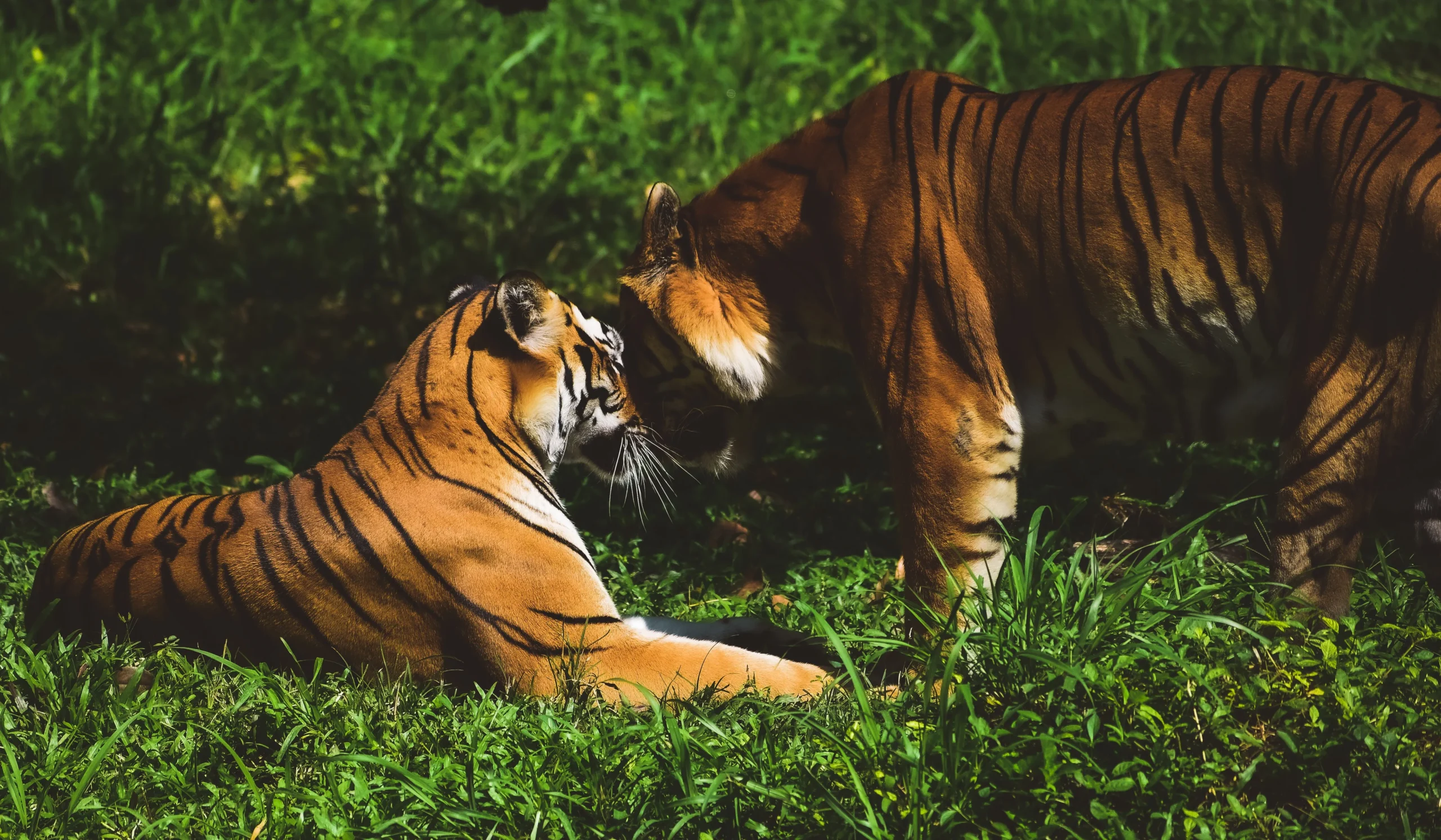
Discover the best time to visit Corbett National Park for tiger sightings, birdwatching, pleasant weather, and safari planning with this detailed month-by-month guide.
Best Time to Visit Corbett National Park
Choosing the best time to visit Corbett depends on what you hope to experience during your safari. There isn’t a single month that’s ideal for every traveller. Someone hoping to photograph a tiger has different priorities from a family planning a comfortable weekend getaway or a birdwatcher searching for winter migrants.
In general, October to February is the best period for pleasant weather, comfortable safaris, and overall wildlife tourism. Cool mornings, clear skies, and the reopening of major safari zones make these months especially popular with first-time visitors.
If your main objective is spotting a tiger, March to June, particularly April and May, often provides better opportunities. As temperatures rise and vegetation becomes thinner, many animals—including tigers—visit water sources more regularly, making them easier to observe. Even so, wildlife sightings are never guaranteed and depend on many factors beyond the season.
The monsoon months present a different experience. Several core safari zones close for conservation and road safety, but year-round zones such as Jhirna, Dhela, and Garjiya may continue operating depending on weather conditions. Visitors choosing this season should remain flexible, as heavy rainfall can affect safari schedules.
Ultimately, the best time to visit Corbett is the one that matches your travel goals. Understanding how wildlife behaviour, weather, and zone availability change through the year makes it much easier to plan a rewarding safari.
Best Time to Visit Corbett at a Glance
| Travel Goal | Best Time |
| Comfortable weather | October to February |
| Tiger sightings | March to June (especially April and May) |
| Birdwatching | November to February |
| Wildlife photography | November to May |
| First-time visitors | October, November, February and March |
| Monsoon wildlife trips | Year-round zones only, subject to weather |
Quick Season Comparison
| Season | What to Expect | Best For |
| Winter | Pleasant temperatures, active tourism, excellent birdwatching, comfortable safaris | Families, first-time visitors, birdwatchers |
| Summer | Hot days, thinner vegetation, wildlife gathers around water sources | Tiger enthusiasts, photographers |
| Monsoon | Lush forests, fewer visitors, limited zone access | Repeat visitors with flexible plans |
Field Note: The “best” season is not the same for every traveller. Comfortable weather usually coincides with larger crowds, while the hottest months often appeal to serious wildlife enthusiasts because animal movement around water sources can become more predictable. Balancing comfort, wildlife goals, and safari availability is the key to choosing the right time for your visit.
Corbett Month-by-Month Guide (January to June)
One of the biggest mistakes travellers make is asking, “Which is the single best month to visit Corbett?” In reality, each month offers different advantages. Weather, wildlife behaviour, crowd levels, and safari zone availability all change through the season, so the right month depends on your priorities.
The guide below focuses on what visitors can realistically expect rather than promising guaranteed sightings.
Month-by-Month Overview (January to June)
| Month | Weather | Wildlife Activity | Crowd Level | Best For |
| January | Cold mornings, pleasant afternoons | Good overall wildlife activity, excellent birdwatching | High | Families, photographers, birdwatchers |
| February | Mild and comfortable | Increasing animal movement | Moderate to high | First-time visitors, wildlife enthusiasts |
| March | Warm days, cool mornings | Wildlife becomes easier to spot | Moderate | Safari enthusiasts, photographers |
| April | Hot and dry | Strong chances of seeing wildlife near water | Moderate | Tiger-focused visitors |
| May | Hottest month | Peak wildlife visibility around water sources | Moderate | Serious wildlife photographers and tiger seekers |
| June | Hot with pre-monsoon showers | Good wildlife activity early in the month; seasonal closures begin | Lower | Flexible travellers |
January
January is among the most comfortable months to explore Corbett. Daytime temperatures are pleasant for long jeep safaris, while mornings can be quite cold, especially inside the forest. Carrying warm layers is essential for early departures.
This is one of the best months for birdwatching. Winter migrants share the park with resident species, making safaris rewarding even when large mammals remain elusive.
Tiger sightings are certainly possible, but colder mornings often mean wildlife becomes more active after the sun has warmed the forest.
Best suited for
- First-time visitors
- Families with children
- Birdwatchers
- Wildlife photographers who enjoy soft winter light
Photography Tip
Early morning fog occasionally creates atmospheric forest scenes. While it may reduce visibility for wildlife photography during the first hour, it can produce beautiful landscape images.
February
February combines comfortable weather with increasing wildlife movement, making it one of the most balanced months for visiting Corbett.
As winter gradually gives way to spring, animals become more active during longer daylight hours. Vegetation is still relatively green, creating attractive photographic backgrounds while allowing reasonably good visibility.
Many experienced visitors consider February an underrated month because it offers an excellent compromise between pleasant weather and improving wildlife viewing conditions.
Why February works well
- Comfortable temperatures throughout the day
- Active wildlife
- Excellent birdwatching continues
- Busy, but generally less crowded than peak holiday periods
Expert Tip: If you’re planning your first Corbett safari and your travel dates are flexible, February is often one of the safest choices because it balances weather, wildlife activity, and visitor comfort exceptionally well.
March
March marks the beginning of the warmer safari season. Temperatures rise steadily, mornings remain comfortable, and vegetation slowly begins to thin.
As natural water availability decreases, herbivores start concentrating around dependable water sources. Predators often follow these prey movements, improving opportunities for wildlife observation.
Although March is warmer than winter, it is still considerably more comfortable than the intense heat of April and May.
March is ideal for
- Visitors looking for a balance between comfort and wildlife sightings
- Wildlife photographers
- Repeat visitors interested in observing seasonal changes
Field Note
March often receives less attention than winter or peak summer, yet many experienced safari travellers appreciate it because forests remain attractive while wildlife becomes increasingly visible.
April
April is when Corbett begins transitioning into its prime wildlife-viewing season.
The forest becomes noticeably drier, grasses begin shrinking, and animals visit waterholes more regularly. These natural changes often improve opportunities to observe mammals during safari drives.
Visitors should also be prepared for significantly warmer afternoons. Carrying sufficient drinking water, wearing light clothing, and protecting yourself from the sun become increasingly important.
Advantages of visiting in April
- Better visibility through the forest
- Increased wildlife movement near water
- Fewer visitors compared to winter holiday periods
- Excellent opportunities for serious wildlife photography
Things to keep in mind
- Afternoon temperatures can be high.
- Morning safaris are usually more comfortable.
- Wildlife sightings remain unpredictable despite favourable conditions.
May
May is widely regarded as one of the strongest months for travellers whose primary objective is observing large mammals, particularly tigers.
By this stage, the forest is at its driest. Vegetation has thinned considerably, and many animals spend more time around permanent water sources to cope with the intense summer heat.
However, the same conditions that benefit wildlife viewing also make safaris physically demanding. Midday temperatures can become uncomfortable, making hydration and sun protection essential.
This month is generally better suited to dedicated wildlife enthusiasts than visitors seeking a relaxed holiday.
Best for
- Tiger-focused safaris
- Experienced wildlife photographers
- Visitors prioritising sightings over weather comfort
Responsible Tourism Tip: During summer, wildlife experiences additional environmental stress. Maintain silence during sightings, avoid asking drivers to pursue animals, and respect the minimum viewing distance throughout the safari.
June
June is a transitional month. The first half of the month can still provide productive wildlife viewing, but changing weather patterns and the approach of the monsoon begin influencing park operations.
According to official seasonal schedules, Dhikala closes from mid-June, while Bijrani closes later in the month, reducing access to some of Corbett’s most sought-after safari areas. Year-round zones continue operating under normal weather conditions, although heavy rainfall can affect daily safari schedules.
Travellers visiting during June should confirm current zone availability before finalising accommodation or safari bookings.
June at a glance
Advantages
- Lower visitor numbers
- Productive safaris early in the month
- Good opportunities in year-round zones
Limitations
- Increasing heat
- Possibility of pre-monsoon rain
- Seasonal closure of major safari zones
- Greater chance of weather-related changes
This completes the January to June guide.
Corbett Month-by-Month Guide (July to December) & Seasonal Analysis
The second half of the year is very different from the first. Monsoon transforms the landscape, several core safari zones close for conservation, and wildlife behaviour changes with the return of rain. By October and November, Corbett enters one of its busiest tourism seasons as major safari zones reopen and pleasant weather returns. The observations below are based on the official seasonal pattern described in the research brief.
Month-by-Month Guide (July to December)
| Month | Weather | Wildlife Activity | Crowd Level | Best For |
| July | Heavy monsoon | Limited safaris in year-round zones | Low | Repeat visitors, nature photography |
| August | Rainy and humid | Green landscapes, fewer wildlife sightings | Very low | Quiet forest experience |
| September | Rain begins easing | Improving road conditions, fresh vegetation | Low | Flexible travellers |
| October | Pleasant after monsoon | Excellent overall wildlife activity | High | First-time visitors |
| November | Cool and comfortable | Strong all-round wildlife viewing | High | Families, photographers, birdwatchers |
| December | Cold mornings, clear days | Active wildlife and winter birds | High | Holiday travellers, birdwatchers |
July
July marks the beginning of the monsoon season. Heavy rainfall changes the character of the forest completely. Dry riverbeds begin flowing again, grasses grow rapidly, and the landscape becomes lush.
This is also when several of Corbett’s core safari zones remain closed for conservation and road safety. Visitors can usually access only the year-round zones, subject to weather conditions and operational decisions.
Wildlife is still present throughout the reserve, but dense vegetation often makes animals more difficult to spot than during the dry months.
July is best suited for
- Visitors who have already experienced Corbett in another season
- Nature photographers interested in monsoon landscapes
- Travellers seeking quieter safaris
Things to consider
- Rain can disrupt travel plans.
- Safari schedules may change at short notice.
- Waterproof clothing becomes essential.
August
August continues the monsoon pattern. Forest streams are full, vegetation is at its densest, and the reserve looks dramatically different from the dry summer months.
Although large mammal sightings may become less frequent due to thick vegetation, this is an interesting time to appreciate the forest itself rather than focusing solely on tigers.
Visitors should expect muddy roads, changing weather, and occasional operational adjustments depending on rainfall.
Field Note: Travellers who judge a safari only by tiger sightings may not enjoy August. Those interested in forest ecology, changing landscapes, and fewer tourist vehicles often find it surprisingly rewarding.
September
September acts as a transition between monsoon and the main tourism season.
Rainfall usually becomes less frequent, roads gradually improve, and the forest remains fresh and green after months of rain.
Some travellers deliberately choose September because visitor numbers remain relatively low while weather conditions become more predictable than in July or August.
However, travellers should still verify current safari zone availability before making bookings.
October
October is widely regarded as one of Corbett’s most balanced months.
Pleasant temperatures return after the monsoon, the forest remains attractive, and visitor facilities begin operating at full pace as seasonal safari zones reopen according to official schedules.
October works well for almost every type of visitor because it combines comfortable weather with good wildlife viewing opportunities.
October is ideal for
- First-time visitors
- Families
- Weekend trips from Delhi NCR
- Wildlife photographers
- General wildlife enthusiasts
Photography Tip
October offers excellent lighting conditions. Fresh post-monsoon vegetation provides attractive backgrounds without making the forest as dense as it is during peak monsoon.
November
November is one of Corbett’s busiest safari months.
Cool mornings, comfortable afternoons, and the reopening of popular safari areas make this an excellent time for longer wildlife trips.
Bird activity also increases as winter visitors begin arriving, making November attractive to both mammal enthusiasts and birdwatchers.
Accommodation demand usually increases significantly during this period, particularly on weekends and public holidays.
Expert Tip: If you’re planning to visit during November, reserve both your accommodation and safari permits well in advance. Popular safari zones and quality resorts often fill quickly.
December
December offers pleasant daytime weather and crisp winter mornings.
Holiday travel increases considerably towards the end of the month, especially around Christmas and New Year, making it one of Corbett’s busiest tourism periods.
Wildlife viewing remains rewarding, and winter birds add further interest to every safari.
Early morning jeep safaris can be quite cold, so warm clothing is essential despite the comfortable daytime temperatures.
December is best for
- Family holidays
- Birdwatching
- Comfortable wildlife safaris
- Multi-generation trips
Understanding Corbett by Season
Instead of choosing a month, many travellers prefer choosing a season. Each season changes not only the weather but also wildlife behaviour, photography conditions, visitor numbers, and safari logistics.
Winter (October/November to February)
Winter is the most popular season because it offers the easiest overall safari experience.
Comfortable daytime temperatures allow visitors to enjoy long safaris without the fatigue associated with summer heat. The reopening of major safari zones also gives visitors more choices while planning their trip. Birdwatchers particularly benefit from the arrival of winter migrants, making almost every safari rewarding even if a tiger remains elusive.
Winter advantages
- Comfortable weather
- Excellent birdwatching
- Wide choice of safari zones
- Suitable for families and senior citizens
- Pleasant conditions for photography
Winter limitations
- Higher visitor numbers
- Popular accommodations book early
- Cold early morning safaris
Summer (March to June)
Summer presents a very different experience.
The heat can be challenging, but it also changes animal behaviour. As natural water becomes scarcer and vegetation becomes thinner, wildlife is often easier to observe around dependable water sources.
This explains why experienced wildlife enthusiasts frequently choose April and May despite the high temperatures.
However, comfort decreases significantly during this period, making proper hydration and sun protection essential.
Summer advantages
- Better wildlife visibility
- Excellent opportunities for tiger-focused safaris
- Fewer crowds than winter holidays
- Good conditions for serious wildlife photography
Summer limitations
- Very hot afternoons
- Less comfortable for young children and elderly visitors
- Greater need for careful trip planning
Monsoon (July to September)
Monsoon is the season that generates the most confusion among travellers.
Many assume Corbett completely closes, but that isn’t accurate. While major core safari zones close during this period, year-round zones such as Jhirna, Dhela, and Garjiya generally continue operating under suitable weather conditions. Actual access always depends on rainfall and operational conditions.
The forest becomes greener than at any other time of year, but thick vegetation naturally makes wildlife more difficult to observe.
Monsoon advantages
- Beautiful green landscapes
- Low visitor numbers
- Peaceful safari experience
- Excellent forest photography
Monsoon limitations
- Limited safari zone availability
- Rain may affect schedules
- Wildlife visibility often decreases
- Flexible travel plans are essential
Season Comparison
| Season | Weather | Tiger Viewing | Birdwatching | Crowd Level | Recommended For |
| Winter | Excellent | Good | Excellent | High | First-time visitors, families |
| Summer | Hot | Often strongest | Moderate | Moderate | Tiger enthusiasts, photographers |
| Monsoon | Wet | More challenging | Moderate | Low | Repeat visitors, nature lovers |
Best Time by Travel Goal, Safari Zone Availability, Safari Timings, and Practical Planning Tips.
Best Time to Visit Corbett Based on Your Travel Goals
The best season depends less on the calendar and more on what you want from your safari. A family looking for pleasant weather will not choose the same months as a wildlife photographer hoping to capture a tiger at a waterhole.
Instead of asking, “When is Corbett at its best?”, ask “What kind of trip do I want?”
For Tiger Sightings
If seeing a tiger is your highest priority, March to June, particularly April and May, generally offers the most favourable conditions.
This doesn’t mean tigers are seen only during summer or that every summer safari results in a sighting. Tigers are present throughout the year, and every safari is unpredictable. However, the dry season often improves visibility because vegetation becomes thinner and animals spend more time around permanent water sources.
Choose these months if you:
- Want to maximise wildlife viewing opportunities.
- Don’t mind high daytime temperatures.
- Can tolerate early morning departures.
- Are prepared for multiple safaris rather than expecting success in a single drive.
Expert Tip: Plan at least three to five safaris if tiger sightings are your main objective. Wildlife viewing depends on timing, luck, animal movement, and the skill of your guide—not simply the season.
For Birdwatching
Winter is the preferred season for birdwatchers.
Between November and February, Corbett supports both resident birds and winter migrants, making almost every safari rewarding even when large mammals remain hidden.
Bird activity is generally highest during the cooler months when pleasant weather also makes longer observation sessions comfortable.
Best months
- November
- December
- January
- February
Birdwatchers often benefit from carrying binoculars throughout the safari rather than waiting for large mammal sightings. Many memorable observations occur along forest roads, riverbanks, and open grasslands.
For Wildlife Photography
Photography requirements differ from general sightseeing.
Good wildlife photographs depend on lighting, visibility, animal behaviour, and weather—not simply the number of animals present.
Winter photography
Ideal for:
- Soft morning light
- Misty landscapes
- Bird photography
- Comfortable full-day shooting
Summer photography
Better suited for:
- Mammal behaviour
- Waterhole activity
- Cleaner backgrounds with reduced vegetation
- Tiger-focused photography
Monsoon photography
Best for:
- Forest landscapes
- Rivers and streams
- Fresh vegetation
- Dramatic skies
Each season rewards a different style of photography rather than one being universally superior.
Photography Tip: Carry a lens cloth throughout the year. Dust becomes a challenge during summer safaris, while moisture is the main concern during the monsoon.
For Families
Families usually enjoy October to February the most.
Cool mornings and pleasant afternoons make long jeep safaris more comfortable for children and older travellers. Most accommodation options also operate at full capacity during this period.
If travelling with young children, avoid the hottest weeks of late April and May unless everyone is comfortable spending long hours in warm conditions.
Recommended months
- October
- November
- December
- February
These months provide a good balance of weather, wildlife viewing, and comfortable travel.
For First-Time Visitors
If this is your first visit to Corbett, choose months that minimise planning challenges.
The research strongly supports October, November, February, and March as balanced choices because they combine pleasant weather with rewarding safari conditions.
These months allow visitors to enjoy the forest without the intense heat of summer or the operational limitations associated with the monsoon.
For Weekend Travellers from Delhi NCR
Many visitors from Delhi NCR plan two- or three-day trips.
For shorter visits, reliability becomes more important than chasing ideal wildlife conditions.
The most dependable months are:
- October
- November
- February
- March
These months reduce the chances of weather-related disruption while providing comfortable safari conditions.
If travelling during a weekend or holiday period, book safari permits and accommodation well in advance, as demand is often high.
Decision Guide: Which Season Should You Choose?
| Your Priority | Recommended Time |
| Highest chance of tiger sightings | April–May |
| Pleasant weather | October–February |
| Birdwatching | November–February |
| First safari | October, November, February or March |
| Family holiday | October–February |
| Landscape photography | July–October |
| Quietest experience | July–September (where operationally possible) |
Safari Zones and Seasonal Access
Understanding seasonal zone access is just as important as choosing the right month.
A common misconception is that the entire park operates throughout the year. In reality, access varies by zone, particularly during the monsoon, when conservation needs and road conditions require temporary closures.
Year-Round Safari Zones
According to the official information referenced in the research brief, these zones generally remain open throughout the year, subject to weather and operational conditions:
- Jhirna
- Dhela
- Garjiya
These zones become especially important during the monsoon because they may continue operating while seasonal zones remain closed.
Seasonal Safari Zones
Some of Corbett’s best-known safari areas operate only during specific parts of the year.
The research brief notes:
- Bijrani: generally open from 15 October to 30 June
- Dhikala: generally open from 15 November to 15 June
These seasonal windows can change based on official management decisions, weather, and road conditions, so travellers should always confirm current availability before booking.
Safari Zone Availability by Season
| Zone | Winter | Summer | Monsoon* |
| Jhirna | Open | Open | Usually open, weather permitting |
| Dhela | Open | Open | Usually open, weather permitting |
| Garjiya | Open | Open | Usually open, weather permitting |
| Bijrani | Open | Open until late June | Closed |
| Dhikala | Open | Open until mid-June | Closed |
*Operational status during the monsoon always depends on weather and official notifications.
Responsible Travel Tip: Avoid making non-refundable accommodation bookings before confirming that your preferred safari zone is operational. Seasonal closure dates and weather conditions can affect access.
Safari Timings Across Seasons
Safari timings are not identical throughout the year.
Because sunrise and sunset change with the seasons, morning and evening safari schedules also change. During summer, safaris typically begin earlier to take advantage of cooler temperatures, while winter departures are slightly later. Exact timings are announced by park authorities and should be checked before travel.
| Season | Morning Safari | Evening Safari | Why It Changes |
| Winter | Starts later | Ends earlier | Shorter daylight hours |
| Summer | Starts earlier | Ends later | Longer daylight hours |
| Monsoon | Weather dependent in operational zones | Weather dependent | Rainfall and road conditions |
Practical Planning Tips
Book Early During Peak Season
October to February attracts the highest number of visitors. Accommodation near popular entry gates and safari permits can sell out well in advance, especially on weekends and public holidays.
Choose Multiple Safaris
One safari offers only a limited snapshot of the forest. If wildlife viewing is your priority, plan several drives across different days to improve your chances of observing varied animal behaviour.
Dress for the Season
- Winter: Warm jacket, gloves, cap for early mornings.
- Summer: Light clothing, hat, sunglasses, sunscreen, reusable water bottle.
- Monsoon: Waterproof jacket, quick-drying clothing, rain protection for cameras and binoculars.
Keep Expectations Realistic
No season guarantees tiger sightings. Every safari depends on wildlife movement, weather, habitat conditions, and a measure of luck. Enjoy the broader experience of the forest rather than focusing on a single species.
Common Mistakes, FAQs & Conclusion
Before concluding, it’s worth addressing a few misconceptions that often lead to disappointing trips. Most aren’t about choosing the wrong safari zone—they’re about having unrealistic expectations or overlooking seasonal differences.
Common Mistakes Visitors Make
1. Assuming Winter Guarantees Tiger Sightings
Winter is Corbett’s most comfortable season, but comfortable weather does not automatically translate into more tiger sightings.
Many experienced wildlife travellers actually prefer the hotter months because animals tend to visit water sources more frequently and vegetation becomes less dense. Regardless of the season, every sighting depends on animal movement, timing, and luck.
2. Believing the Park Is Fully Open All Year
Corbett does not operate with the same safari zones throughout the year.
Several core zones close during the monsoon, while year-round zones generally remain available subject to weather conditions. Checking current zone status before booking is essential.
3. Booking Only One Safari
Many first-time visitors expect a single safari to deliver multiple tiger sightings.
Wildlife doesn’t follow fixed routes or schedules. Planning multiple safaris across different mornings and evenings significantly improves your chances of seeing different species and behaviours.
4. Choosing a Month Without Considering Your Travel Goal
The “best” month varies depending on what matters most to you.
- Comfortable weather?
- Tiger sightings?
- Birdwatching?
- Photography?
- Family travel?
Matching your travel goals to the season usually results in a much better experience than simply choosing the most popular month.
5. Ignoring Seasonal Packing Needs
Early winter safaris can feel surprisingly cold, while April and May require protection from intense heat. During the monsoon, waterproof clothing and protection for cameras become important.
Packing according to the season makes long safari drives much more comfortable.
6. Focusing Only on Tigers
Corbett is far more than a tiger destination.
Elephants, deer, birds, reptiles, river systems, grasslands, sal forests, and countless smaller wildlife encounters make every safari worthwhile—even when a tiger remains hidden.
Visitors who appreciate the complete ecosystem usually leave with richer memories than those focused solely on one species.
Field Note: Experienced naturalists often judge a safari by the quality of wildlife behaviour they observe—not by the number of tigers seen.
Frequently Asked Questions
What is the best time to visit Corbett National Park?
For most visitors, October to February offers the best combination of pleasant weather, comfortable safaris, and broad wildlife viewing opportunities. If tiger sightings are your highest priority, April and May are often preferred despite the heat.
Which month is best for tiger sightings?
The research brief indicates that April and May generally provide favourable conditions because wildlife gathers more frequently around water sources and vegetation becomes less dense. However, sightings are never guaranteed.
Is Corbett worth visiting during the monsoon?
Yes, but expectations should be different.
Several core safari zones remain closed, while year-round zones such as Jhirna, Dhela, and Garjiya may continue operating depending on weather and official decisions. Monsoon is better suited to visitors who enjoy lush landscapes and quieter forests rather than maximising wildlife sightings.
Which season is best for birdwatching?
November to February is generally considered the best period because winter migrants join the park’s resident bird population, making this an especially rewarding season for bird enthusiasts.
Which season is most comfortable?
Winter, particularly October through February, offers pleasant daytime temperatures that make jeep safaris comfortable for families, children, and senior travellers.
Which safari zones remain open throughout the year?
According to the official guidance referenced in the research brief, Jhirna, Dhela, and Garjiya generally operate throughout the year, subject to weather and management decisions.
Do safari timings remain the same throughout the year?
No.
Safari schedules change with sunrise, sunset, and seasonal daylight hours. Summer safaris generally start earlier than winter safaris. Visitors should always verify current timings before travelling.
Is Corbett suitable for children?
Yes. Families usually find October to February the most comfortable because temperatures are pleasant and travel conditions are easier than during the hotter summer months.
Should I visit in winter or summer?
It depends on your priorities.
- Choose winter for comfortable weather, birdwatching, and family holidays.
- Choose summer if your main goal is improving your chances of observing large mammals under dry-season conditions.
Neither season is universally better—they simply offer different experiences.
How many safaris should I plan?
If wildlife observation is your primary objective, planning multiple safaris over two or three days usually provides a much better experience than relying on a single drive. Every safari explores a dynamic forest where wildlife movement changes continuously.
Final Thoughts
There is no single “perfect” month to visit Corbett National Park.
If you value pleasant weather, comfortable safaris, and an excellent all-round experience, plan your trip between October and February.
If your goal is to maximise opportunities for observing tigers and other large mammals, the warmer months of March to June, particularly April and May, are often the better choice despite the heat.
Travellers considering a monsoon visit should understand that the experience is different rather than inferior. While several core safari zones close, selected year-round zones may remain accessible depending on weather conditions, offering quieter forests and dramatically green landscapes.
Ultimately, the most rewarding Corbett trip comes from matching the season to your expectations, planning well in advance, and remembering that every safari is an encounter with a wild landscape where nature—not the visitor—sets the schedule.
Whether you return with photographs of a tiger, a herd of elephants crossing a river, or simply memories of a peaceful morning in the sal forest, Corbett rewards travellers who appreciate the entire ecosystem rather than chasing a single sighting.
- Answer the primary search intent immediately.
- Preserve the key insights from the research brief without introducing unsupported claims.
- Distinguish between weather comfort, wildlife-viewing potential, and seasonal accessibility.
- Include practical decision-making tools, comparison tables, planning advice, FAQs, and common mistakes.
- Maintain an informative, experience-driven tone rather than promotional language.
- Follow EEAT principles by acknowledging uncertainty where appropriate, especially regarding wildlife sightings and seasonal operations.
“By March, the winter grasses begin drying, visibility improves along many forest tracks, and chital herds spend more time feeding in open patches. Morning safaris still feel pleasant, but by late morning the forest is noticeably quieter as temperatures rise.”
- elephants spending longer around riverbeds
- sambar alarm calls becoming easier to hear on quiet mornings
- langurs acting as early warning systems
- drying grass improving visibility
- river crossings becoming easier after winter
- bird activity after sunrise
- mist delaying activity during January mornings
- Ramganga River
- Sal forests
- Chaurs (grasslands)
- Riverine belts
- Mixed deciduous forest
- Himalayan foothill climate
- Elevation differences
- Dhikala grasslands
- Bijrani’s mixed forest
- Jhirna’s dry woodland
By late April, you’ll often notice drivers slowing near permanent waterholes during the last hour of the safari because wildlife movement usually increases as temperatures begin to fall.
- which safari to book first (morning vs evening)
- how many safaris for a 2-day trip
- weekend vs weekday differences
- booking 90–120 days ahead during holidays
- why not to switch zones every safari
- why guides matter more than vehicles
Jim Corbett National Park : Topics Cluster
- Complete Safari Guide (2026)
- Safari Booking Guide: Complete Step-by-step Guide (2026)
- Best Zones in Corbett National Park
- Best time to Visit
- Safari Cost breakdown
- Safari Costs Explained 2026
- Dhikala vs Bijrani vs Jhirna Zones
- Corbett with Family
- Corbett vs Ranthambore
- Delhi to Corbett Travel Guide
- Weekend Trip to Corbett from Delhi 2N/3D
- Best Hotels and Resorts near Corbett
- Luxury Resort near Corbett
- Corbett Birdwatching Guide
- Corbett Photography Guide
- Wildlife in Uttarakhand