
Discover Khangchendzonga National Park in Sikkim with this complete guide covering wildlife, trekking, permits, best time to visit, UNESCO status, and travel planning.
Complete Guide to Khangchendzonga National Park
Introduction
Khangchendzonga National Park is one of India’s most distinctive protected areas because it combines Himalayan wilderness with centuries-old cultural traditions. Located in the state of Sikkim, the park is internationally recognised as a UNESCO Mixed World Heritage Site—an honour awarded for both its outstanding natural landscapes and its cultural significance.
Unlike many national parks that are primarily visited for wildlife safaris, Khangchendzonga is better known for its dramatic mountain landscapes, high-altitude trekking routes, glaciers, forests, alpine meadows, and sacred peaks. The park protects habitats that range from subtropical forests to some of the highest mountain ecosystems on Earth, supporting species such as the red panda, snow leopard, Himalayan black bear, clouded leopard, musk deer, Himalayan monal and blood pheasant.
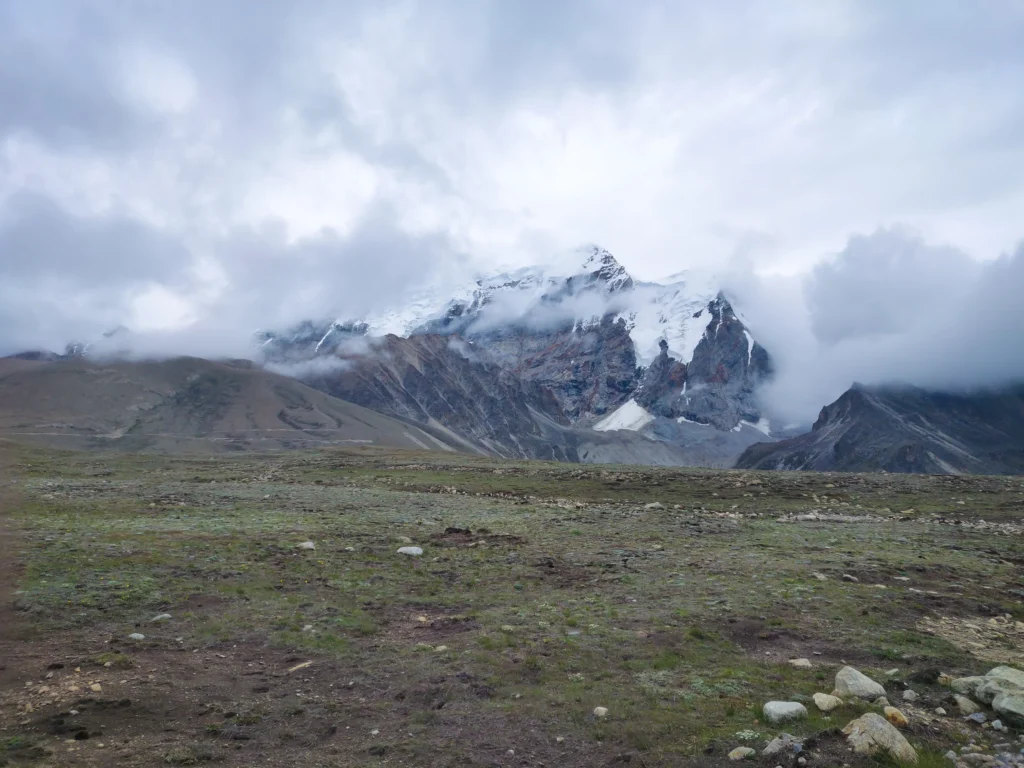
Planning a visit requires more preparation than many other Indian national parks. Access is regulated, permits may be required, and much of the park is explored on foot rather than by vehicle. Understanding the seasons, trekking options, conservation rules and cultural importance will help you make the most of your visit.
This guide brings together everything travellers need to know—from wildlife and ecosystems to permits, trekking routes and responsible travel practices.
What Is Khangchendzonga National Park?
Khangchendzonga National Park is the largest protected area in Sikkim, covering approximately 1,784 square kilometres. Established as a national park in 1977, it protects an enormous altitudinal range extending from about 1,220 metres to 8,586 metres, the summit of Mount Khangchendzonga, India’s highest peak and the world’s third-highest mountain.
This extraordinary elevation range allows visitors to experience an exceptional variety of landscapes within a single protected area. Dense temperate forests gradually give way to rhododendron woodlands, alpine meadows, rocky slopes, permanent snowfields and glaciers.
Why the Park Is Famous
The park is internationally recognised for several reasons:
- UNESCO Mixed World Heritage Site (Natural and Cultural)
- One of India’s largest protected mountain landscapes
- Habitat for many rare Himalayan mammals and birds
- Home to 18 glaciers, including the Zemu Glacier
- Centre of Sikkim’s sacred mountain traditions
- Gateway to some of India’s best-known Himalayan treks
Rather than being known for frequent wildlife sightings, Khangchendzonga is valued for its intact Himalayan ecosystems and its role in conserving species that are naturally elusive.
Field Note: Many visitors come hoping to see a snow leopard or red panda. While both occur within the park, sightings are uncommon because these animals occupy remote habitats and avoid human activity. Treat any wildlife encounter here as a privilege rather than an expectation.
Where Is Khangchendzonga National Park?
Khangchendzonga National Park lies in the northern part of Sikkim, in India’s Eastern Himalaya. The protected area forms part of the larger Khangchendzonga Biosphere Reserve and surrounds the massive Khangchendzonga mountain massif.
Its location places it within one of the world’s most significant mountain biodiversity regions, where sharp changes in altitude create very different habitats over relatively short distances.
Main Gateway Towns
Most visitors reach the park through one of these towns:
- Yuksom – the traditional starting point for the popular Dzongri and Goechala treks.
- Pelling – a convenient base for sightseeing and exploring western Sikkim.
- Gangtok – the state capital and the main transport hub for travellers arriving in Sikkim.
Depending on your itinerary, you may also travel via Bagdogra Airport, Pakyong Airport or New Jalpaiguri Railway Station before continuing by road into Sikkim. Exact travel times vary with road and weather conditions, especially during the monsoon season.
Why the Location Matters
The park’s geography shapes nearly every aspect of a visit. Steep terrain, changing weather, high altitudes and limited road access mean that many of its most rewarding landscapes can only be reached through multi-day treks. At the same time, this relative isolation has helped preserve ecosystems that remain among the most intact in the Indian Himalaya.
Why Is Khangchendzonga National Park a UNESCO Mixed World Heritage Site?
Khangchendzonga National Park is one of the few places in the world recognised by UNESCO for both its natural and cultural significance. It was inscribed as a Mixed World Heritage Site in 2016, acknowledging not only its exceptional mountain ecosystems but also the deep spiritual traditions associated with the landscape.
For visitors, this distinction means the park should not be viewed simply as a trekking destination or wildlife reserve. Mountains, forests, rivers, lakes and glaciers are all part of a living cultural landscape that continues to hold great importance for local communities.
What Does “Mixed World Heritage” Mean?
Most UNESCO World Heritage Sites are recognised for either their natural features or their cultural heritage. Khangchendzonga stands out because it satisfies both criteria.
Its natural value comes from:
- One of the world’s greatest altitudinal ranges within a protected area
- Diverse ecosystems extending from subtropical forests to permanent snow and glaciers
- Habitat for numerous threatened Himalayan species
- Exceptional geological and ecological diversity
Its cultural value comes from:
- Sacred mountain traditions that have shaped local beliefs for centuries
- Indigenous Lepcha cultural heritage
- Buddhist spiritual traditions connected with the landscape
- Ancient myths, rituals and pilgrimage routes that remain part of everyday life.
Unlike archaeological heritage sites that preserve the past, Khangchendzonga represents a living cultural landscape, where traditional beliefs continue to influence how nature is respected and protected.
Mount Khangchendzonga: More Than India’s Highest Peak
At 8,586 metres, Mount Khangchendzonga is India’s highest mountain and the third-highest peak in the world. While climbers admire its technical challenges, local communities have long regarded it as a sacred mountain rather than merely a geographical landmark.
For many people in Sikkim, the mountain represents a protective deity whose presence shapes local identity and traditional customs.
This perspective has influenced conservation for generations. Instead of treating the landscape simply as a resource, many communities regard forests, lakes and mountain valleys as places deserving respect.
Field Note: Visitors may notice prayer flags, monasteries and sacred sites around western Sikkim. These are not tourist attractions alone—they remain active places of worship and should be approached respectfully.
Understanding Beyul and Mayel Lyang
Many travel articles briefly mention these terms without explaining why they matter.
Beyul
In Tibetan Buddhist tradition, a Beyul is a hidden sacred valley believed to provide spiritual refuge during difficult times.
Parts of the Khangchendzonga landscape are traditionally regarded as one such sacred refuge, where the natural environment and spiritual beliefs are closely connected.
Mayel Lyang
For the indigenous Lepcha community, the region is known as Mayel Lyang, often described as their ancestral homeland.
The forests, rivers and mountains are woven into traditional stories, customs and identity rather than existing as separate natural features.
Understanding these concepts helps visitors appreciate why conservation here is about protecting both biodiversity and cultural heritage.
How Culture Supports Conservation
One reason Khangchendzonga has retained much of its ecological integrity is that cultural traditions have historically encouraged careful use of natural resources.
Traditional beliefs have contributed to:
- Respect for sacred forests and lakes
- Protection of important mountain landscapes
- Community stewardship of natural resources
- Continued emphasis on low-impact use of sensitive environments.
Modern conservation is now supported by scientific research and government management, but these older traditions continue to complement formal protection efforts.
Responsible Tourism Tip: When visiting monasteries, sacred lakes or culturally important sites, follow local guidance, avoid littering and ask permission before photographing religious ceremonies or people.
Geography, Ecosystems and Climate
The extraordinary ecological diversity of Khangchendzonga National Park is largely the result of its vast elevation range.
Within a single protected area, visitors can travel from humid forested valleys to alpine meadows, rocky mountain slopes and extensive glaciers. Few protected areas in India contain such dramatic environmental variation.
From Forests to Glaciers
As altitude increases, the landscape changes through several ecological zones.
Subtropical Forests
The lower elevations contain broad-leaved forests rich in plant diversity. These forests provide important habitat for many mammals, birds and smaller wildlife.
Temperate Forests
Higher elevations support oak, maple, magnolia and extensive rhododendron forests.
Spring transforms these forests with colourful rhododendron blooms, making this one of the most attractive seasons for photographers and trekkers.
Subalpine Forests
As trees become shorter and temperatures cooler, forests gradually transition into stunted woodland and shrub vegetation adapted to harsh mountain conditions.
Alpine Meadows
Beyond the tree line lie open alpine grasslands where hardy flowering plants bloom during the short summer season.
These meadows provide grazing habitat for species such as Himalayan tahr and blue sheep (bharal), while also supporting predators including the snow leopard.
Glaciers and Permanent Snow
The highest reaches of the park contain glaciers, icefields and exposed rock.
Among them, Zemu Glacier, approximately 26 kilometres long, is one of the Eastern Himalaya’s best-known glaciers and plays an important role in regional hydrology.
Why Altitude Creates Extraordinary Biodiversity
A climb through Khangchendzonga National Park is almost like travelling across several climatic zones.
Every increase in elevation brings noticeable changes in:
- Temperature
- Rainfall
- Vegetation
- Wildlife communities
- Growing seasons
This environmental diversity allows species with very different ecological requirements to coexist within the same protected landscape.
Instead of supporting just one forest type or one dominant habitat, the park protects an interconnected chain of ecosystems stretching from low valleys to some of the highest mountains on Earth.
Why the Lower Forests Are Just as Important
Many visitors focus on glaciers and high mountains, but the lower forests are equally significant.
These forests:
- Support much of the park’s plant diversity.
- Provide habitat for elusive mammals such as the red panda and clouded leopard.
- Act as ecological corridors connecting higher-altitude habitats.
- Help regulate water flowing into rivers and downstream communities.
This is one reason conservation efforts extend across the park’s full altitudinal range rather than concentrating only on its alpine landscapes.
Quick Facts About Khangchendzonga National Park
| Feature | Details |
| State | Sikkim |
| Protected Area | Approximately 1,784 sq km |
| Established | 1977 |
| UNESCO Status | Mixed World Heritage Site (2016) |
| Elevation | About 1,220 m to 8,586 m |
| Highest Peak | Mount Khangchendzonga |
| Major Glacier | Zemu Glacier |
| Landscape | Forests, alpine meadows, glaciers, lakes and mountain valleys |
Wildlife of Khangchendzonga National Park
Wildlife is one of the main reasons people visit Khangchendzonga National Park, but it is important to set realistic expectations. Unlike many central Indian national parks where visitors explore by vehicle, most wildlife viewing here takes place during treks through dense forests and high-altitude landscapes. Animals are generally elusive, and sightings depend on habitat, season, weather, patience and a good local guide.
Rather than promising frequent sightings, the park offers something different: the opportunity to experience one of the most intact Himalayan ecosystems in India.
Iconic Mammals
The park supports an impressive range of Himalayan mammals, from forest specialists to high-altitude predators.
Snow Leopard (Panthera uncia)
The snow leopard is the park’s most celebrated predator. It inhabits remote alpine and rocky mountain landscapes at high elevations, where it hunts blue sheep and other mountain ungulates.
Although the species is present within the park, sightings by visitors are exceptionally rare due to its secretive behaviour and the rugged terrain it occupies.
Red Panda (Ailurus fulgens)
The red panda is one of the Eastern Himalaya’s flagship species and an important conservation symbol for Sikkim.
It prefers cool temperate forests with dense bamboo undergrowth, spending much of its time in trees. Because it is shy, largely solitary and well camouflaged, even experienced wildlife guides may encounter it only occasionally.
For many wildlife enthusiasts, simply walking through suitable red panda habitat is a rewarding experience.
Photography Tip: If your primary goal is photographing red pandas, plan a longer visit and work with experienced local naturalists. Success usually comes through patience rather than luck.
Clouded Leopard
One of Asia’s least-seen wild cats, the clouded leopard inhabits dense mountain forests.
Its largely nocturnal habits and preference for thick vegetation make sightings extremely uncommon, but its presence highlights the ecological health of the park’s forests.
Himalayan Black Bear
The Himalayan black bear occupies forested slopes across much of the park.
Depending on the season, it feeds on fruits, berries, insects, roots and other natural food sources. Visitors occasionally encounter signs such as claw marks on trees or overturned logs, even when the bears themselves remain unseen.
Himalayan Tahr and Blue Sheep (Bharal)
These agile mountain herbivores are adapted to steep alpine terrain.
They play an important ecological role as prey for snow leopards and are among the characteristic mammals of the park’s higher elevations. Their sure-footed movements across rocky cliffs are one of the memorable wildlife spectacles for trekkers.
Other Mammals Recorded in the Park
The park also supports a diverse mammal community that includes:
- Musk deer
- Himalayan goral
- Serow
- Tibetan wolf
- Golden cat
- Leopard cat
- Jungle cat
- Jackal
- Himalayan pika
Many of these species are naturally elusive, and visitors are more likely to encounter tracks, droppings or other field signs than the animals themselves.
Wildlife Watching: What Can Visitors Realistically Expect?
One of the biggest misconceptions is that wildlife can be seen easily throughout the park.
In reality:
- Dense forests limit visibility.
- Many mammals are nocturnal or crepuscular.
- Trekking routes prioritise landscapes rather than wildlife viewing.
- Weather conditions can influence animal activity.
- Some species occupy very specific altitude ranges.
For most visitors, the highlights are likely to include birds, smaller mammals, mountain scenery and evidence of wildlife rather than guaranteed encounters with iconic species.
Expert Tip: Treat wildlife observations as a bonus rather than the sole purpose of your visit. The park’s landscapes, forests and ecological diversity are rewarding even on days when large mammals remain hidden.
Birdwatching in Khangchendzonga National Park
For many naturalists, birdlife is one of the park’s greatest attractions.
The combination of broad elevational gradients and varied habitats supports an impressive diversity of Himalayan birds, making the park an important destination for birdwatchers visiting Northeast India.
Notable Bird Species
Among the birds associated with the park are:
- Himalayan Monal
- Blood Pheasant
- Satyr Tragopan
- Western Tragopan
- Tibetan Snowcock
- Black-necked Crane (occasionally associated with suitable habitats)
These species occupy different elevations and habitat types, so birdwatching opportunities vary considerably depending on where and when you travel.
Why Pheasants Are Special
The Himalayan pheasants are among the most sought-after birds in the region.
Himalayan Monal
Known for the male’s brilliant iridescent plumage, the Himalayan monal inhabits alpine and subalpine forests.
Early morning is often the best time to look for these birds feeding on open slopes.
Blood Pheasant
Sikkim’s state bird, the blood pheasant is well adapted to cold mountain environments and is frequently associated with rhododendron forests and alpine scrub.
Its subtle colouring provides excellent camouflage against rocky mountain terrain.
Birdwatching Tips
Birdwatching success often depends more on preparation than chance.
To improve your experience:
- Start walking early in the morning.
- Carry binoculars rather than relying solely on a camera.
- Move quietly through forest trails.
- Learn a few common bird calls.
- Allow enough time at different elevations.
Photography Tip: Long telephoto lenses are useful, but a lightweight setup is often more practical during multi-day Himalayan treks where every kilogram matters.
Flora: Forests, Rhododendrons and Orchids
Although wildlife receives most of the attention, the park’s plant diversity is equally remarkable.
Its dramatic altitudinal variation supports an extraordinary sequence of vegetation types, from broad-leaved forests to alpine meadows and glacial landscapes.
Rhododendron Forests
Spring is one of the most colourful seasons in Khangchendzonga National Park.
As temperatures rise after winter, rhododendron forests bloom in shades of red, pink, white and purple, transforming mountain slopes into vibrant landscapes.
These flowering forests also provide valuable habitat for birds, insects and small mammals.
Orchids
The Eastern Himalaya is well known for its orchid diversity, and Khangchendzonga National Park contributes to this botanical richness.
Many orchid species grow in the park’s moist forests, where cool temperatures and high humidity create favourable conditions.
Visitors should admire these plants in their natural habitat and avoid disturbing or collecting them.
Alpine Flowers
Above the tree line, alpine meadows support a different community of hardy flowering plants adapted to short growing seasons, intense sunlight and freezing temperatures.
During the warmer months, these meadows provide colour as well as food for insects and grazing mammals.
Why Plant Diversity Matters
Healthy forests are essential for the survival of the park’s wildlife.
Different vegetation zones provide:
- Food for herbivores.
- Nesting sites for birds.
- Shelter for elusive mammals.
- Watershed protection.
- Habitat connectivity across elevations.
Protecting plant diversity therefore supports the entire Himalayan ecosystem.
Wildlife Highlights at a Glance
| Group | Examples |
| Large Mammals | Snow leopard, Himalayan black bear, clouded leopard |
| Medium Mammals | Red panda, musk deer, serow, goral |
| Mountain Herbivores | Blue sheep (bharal), Himalayan tahr |
| Small Mammals | Pika, leopard cat, golden cat |
| Notable Birds | Himalayan monal, blood pheasant, satyr tragopan, Tibetan snowcock |
| Flora | Rhododendrons, orchids, alpine wildflowers |
Best Time to Visit Khangchendzonga National Park
The best time to visit Khangchendzonga National Park depends on what you want to experience. Most travellers choose spring (March to May) or autumn (October to November) because these seasons generally offer clearer mountain views, comfortable trekking conditions and better opportunities for observing the park’s landscapes and wildlife habitats. Monsoon and winter visits are possible in some areas but present additional challenges.
Unlike lowland national parks, weather in the Himalaya can change rapidly. Even during the recommended seasons, conditions may vary with altitude and local weather patterns.
Spring (March to May)
For many visitors, spring offers the most rewarding combination of scenery and trekking conditions.
Why visit in spring?
- Rhododendron forests are in bloom.
- Temperatures are generally pleasant at lower and middle elevations.
- Snow begins to retreat from many trekking routes.
- Bird activity increases during the breeding season.
- Mountain views are often good during clear mornings.
Spring is especially popular with photographers, birdwatchers and trekkers.
Photography Tip: Early morning often provides the clearest mountain views before clouds build later in the day.
Monsoon (June to September)
The monsoon transforms the forests into lush green landscapes but also creates the greatest travel challenges.
Visitors should expect:
- Frequent rainfall.
- Reduced mountain visibility.
- Slippery trekking trails.
- Higher risk of landslides on mountain roads.
- Possible disruptions to travel plans.
Although forests are vibrant during this period, trekking conditions are generally less favourable.
Autumn (October to November)
Autumn is widely regarded as one of the best seasons for trekking.
Typical advantages include:
- Clear skies after the monsoon.
- Excellent long-distance mountain views.
- Comfortable daytime temperatures.
- Stable trekking conditions in many areas.
- Good opportunities for landscape photography.
Many experienced trekkers choose autumn for routes such as Dzongri and Goechala.
Winter (December to February)
Winter brings snow to higher elevations and colder temperatures throughout the park.
Travellers should be prepared for:
- Snow-covered trails at higher altitudes.
- Cold nights, especially during treks.
- Limited access to some trekking routes.
- Shorter daylight hours.
While winter scenery can be spectacular, it generally requires more preparation and flexibility.
Best Time to Visit by Season
| Season | Suitable For | Things to Consider |
| March-May | Trekking, birdwatching, rhododendrons, photography | One of the best seasons |
| June-September | Lush forests, fewer visitors | Rain, landslides and poor visibility |
| October-November | Trekking, mountain views, photography | Excellent post-monsoon conditions |
| December-February | Snow landscapes, experienced trekkers | Cold weather and possible route closures |
Permits, Entry Rules and Visitor Regulations
Khangchendzonga National Park is a protected area with regulated access. Visitors should not assume that entry procedures are the same as those at other Indian national parks.
Permit requirements, trekking permissions and visitor regulations can change over time. Because different public sources occasionally provide different details, travellers should always verify the latest requirements with official authorities or authorised trekking operators before finalising their itinerary.
Do Visitors Need Permits?
In most cases, access to trekking routes within the park requires appropriate permits.
Depending on your itinerary, requirements may vary according to:
- Trekking route.
- Nationality.
- Protected area regulations.
- Current government policies.
Always confirm the latest rules before travel rather than relying on outdated online information.
Guided Access
Many trekking routes are organised through registered operators and local guides.
This approach helps:
- Improve visitor safety.
- Reduce environmental impacts.
- Support local communities.
- Ensure compliance with park regulations.
Independent travel may not be permitted on all routes.
Visitor Responsibilities
Every visitor has a role in protecting this fragile mountain environment.
Important principles include:
- Carry all non-biodegradable waste back with you.
- Stay on designated trails.
- Respect local customs and sacred places.
- Avoid disturbing wildlife.
- Follow instructions from guides and park authorities.
Responsible Tourism Tip: High-altitude ecosystems recover slowly from disturbance. Even small actions, such as leaving litter or walking off marked trails, can have long-lasting environmental impacts.
Permit Planning Checklist
Before leaving for Sikkim, confirm:
- Passport or identity documents (as applicable).
- Current permit requirements.
- Trek bookings.
- Guide arrangements.
- Weather forecasts.
- Route status.
- Emergency contact information.
Checking these details a few days before departure helps avoid last-minute surprises.
How to Reach Khangchendzonga National Park
Reaching the park usually involves a combination of air, rail and road travel, followed by onward travel to one of the main gateway towns.
Because the park itself has limited road access, most visitors continue on foot for longer excursions.
By Air
The nearest airports commonly used by visitors are:
- Pakyong Airport (Sikkim) – limited flight connectivity.
- Bagdogra Airport (West Bengal) – the most widely used gateway for travellers heading to Sikkim.
From either airport, visitors continue by road into western Sikkim.
By Rail
The nearest major railway station is:
- New Jalpaiguri (NJP)
NJP is well connected with many cities across India and serves as an important transport hub for Sikkim-bound travellers.
By Road
Road travel connects the main gateway towns with the rest of Sikkim.
Popular bases include:
- Gangtok
- Pelling
- Yuksom
Mountain roads may be affected by weather, especially during the monsoon, so it is wise to allow extra travel time.
Major Trekking Routes
Unlike many wildlife destinations, experiencing Khangchendzonga National Park often means trekking through its landscapes rather than exploring by vehicle.
Several trekking routes pass through forests, alpine meadows and high mountain valleys, offering changing scenery with increasing altitude.
Yuksom–Dzongri Trek
This is one of the most popular routes for visitors who want dramatic Himalayan scenery without attempting the full Goechala trek.
Highlights include:
- Rhododendron forests.
- Mountain viewpoints.
- Gradual transition through different ecological zones.
- Opportunities to observe Himalayan birdlife.
Goechala Trek
The Goechala Trek is among India’s best-known high-altitude trekking routes.
It attracts experienced trekkers seeking close views of Mount Khangchendzonga and surrounding Himalayan peaks.
Because of its altitude, the trek requires:
- Good physical fitness.
- Proper acclimatisation.
- Suitable clothing and equipment.
- Awareness of changing weather conditions.
Zemu Glacier Region
The Zemu Glacier is one of the park’s defining geographical features.
Access to this region is more specialised and depends on current regulations, trekking permissions and route conditions. Travellers should verify availability before making plans.
Trek Route Comparison
| Trek | Starting Point | Suitable For | Difficulty |
| Yuksom–Dzongri | Yuksom | First-time Himalayan trekkers with good fitness | Moderate |
| Goechala | Yuksom | Experienced trekkers | Challenging |
| Zemu Glacier Region | Restricted access depending on regulations | Experienced trekkers and researchers | Challenging |
Expert Tip: Spend at least a day acclimatising before beginning a high-altitude trek. Good acclimatisation improves both comfort and safety and reduces the risk of altitude-related illness.
Conservation and Responsible Tourism
Khangchendzonga National Park is more than a protected wilderness. It is also a living cultural landscape where conservation depends on collaboration between government agencies, local communities, researchers and responsible visitors.
Unlike many protected areas where conservation focuses primarily on wildlife protection, Khangchendzonga’s management also seeks to preserve sacred landscapes, traditional knowledge and community stewardship alongside its remarkable biodiversity.
Current Conservation Outlook
The park continues to receive international recognition for its ecological value. According to the research brief, recent assessments highlighted a positive conservation outlook while also recognising the need for continued protection against pressures such as climate change, changing land use and increasing tourism.
However, positive conservation status should not be interpreted as meaning the park faces no challenges.
Important long-term concerns include:
- Climate change affecting glaciers and alpine ecosystems.
- Tourism pressure on popular trekking routes.
- Waste management in remote mountain environments.
- Habitat shifts caused by changing temperatures.
- Maintaining traditional conservation practices alongside modern tourism.
Community Stewardship
One of Khangchendzonga’s strengths is the role played by local communities.
Traditional knowledge, cultural practices and community participation continue to support conservation initiatives across the landscape. Recent efforts have also placed greater emphasis on responsible tourism and community-led waste management.
For visitors, this means that choosing local guides, respecting community rules and supporting responsible tourism businesses contributes directly to the long-term protection of the park.
How You Can Visit Responsibly
Responsible travel is especially important in fragile Himalayan ecosystems.
Do
- Stay on designated trails.
- Carry reusable water bottles.
- Take all non-biodegradable waste back with you.
- Respect wildlife viewing distances.
- Follow your guide’s instructions.
- Support local guides and community-run businesses.
- Respect sacred sites and local customs.
Don’t
- Feed wildlife.
- Collect flowers, orchids or plants.
- Play loud music.
- Leave litter along trekking routes.
- Disturb nesting birds or resting animals.
- Enter restricted areas without permission.
Responsible Tourism Tip: The best wildlife travellers leave no trace of their visit except photographs and memories.
Practical Travel Planning
Choosing Your Base
Your choice of base depends on your itinerary.
| Base | Best For |
| Gangtok | Arrival, transport connections and exploring Sikkim |
| Pelling | Scenic western Sikkim, shorter excursions and sightseeing |
| Yuksom | Starting point for major treks into the national park |
Travellers planning multi-day treks usually spend at least one night in Yuksom before departure.
Suggested Itineraries
3-Day Nature-Focused Visit
Suitable for travellers combining the park with a wider Sikkim itinerary.
- Day 1: Arrive in Yuksom and explore the village.
- Day 2: Short hikes and cultural sites around the gateway region.
- Day 3: Return towards Pelling or Gangtok.
6-8 Day Trekking Itinerary
Suitable for experienced trekkers.
- Arrival and acclimatisation.
- Multi-day trek (such as Dzongri or Goechala, depending on current conditions).
- Return to Yuksom.
- Buffer day for weather or travel delays.
Because Himalayan weather can be unpredictable, building flexibility into your itinerary is always advisable.
Packing Checklist
A successful visit depends on good preparation.
Clothing
- Waterproof jacket.
- Warm insulating layers.
- Thermal base layers (for higher elevations).
- Trekking trousers.
- Gloves and warm hat.
- Good-quality hiking boots.
Equipment
- Backpack.
- Reusable water bottle.
- Trekking poles (if preferred).
- Binoculars.
- Headlamp.
- Sunscreen and sunglasses.
- Personal first-aid kit.
Documents
- Identity documents.
- Permit-related paperwork (where required).
- Travel insurance details.
- Emergency contact numbers.
Photography Tips
Mountain photography presents different challenges from wildlife safaris in central India.
To improve your results:
- Start early for clearer skies.
- Carry spare batteries, as cold weather reduces battery life.
- Pack weather protection for cameras.
- Use binoculars to locate wildlife before raising the camera.
- Respect wildlife and avoid approaching animals for photographs.
Remember that many of the most memorable photographs from Khangchendzonga feature landscapes, forests and changing weather rather than close-up wildlife portraits.
Common Mistakes Visitors Make
Many first-time visitors underestimate the practical challenges of travelling in the Himalaya.
Avoid these common mistakes:
- Expecting guaranteed sightings of snow leopards or red pandas.
- Underestimating altitude and physical fitness requirements.
- Planning an itinerary with no flexibility for weather.
- Assuming online permit information is always current.
- Carrying too much unnecessary gear.
- Ignoring acclimatisation.
- Treating sacred cultural sites as ordinary tourist attractions.
- Leaving waste behind on trekking routes.
Being well prepared makes the experience safer and far more enjoyable.
Frequently Asked Questions
Where is Khangchendzonga National Park?
It is located in the Indian state of Sikkim, in the Eastern Himalaya.
Why is the park famous?
It is recognised for its Himalayan landscapes, rare wildlife, high-altitude ecosystems and UNESCO Mixed World Heritage status.
Is Khangchendzonga National Park the same as Kanchenjunga National Park?
Yes. Both names refer to the same protected area. “Khangchendzonga” is the official spelling used by UNESCO and the Government of Sikkim, while “Kanchenjunga” remains a common alternative spelling.
What animals live in the park?
Notable species include the red panda, snow leopard, clouded leopard, Himalayan black bear, musk deer, blue sheep, Himalayan tahr and several pheasant species.
Can visitors see snow leopards?
Snow leopards occur in the park, but sightings are extremely rare because they inhabit remote high-altitude terrain.
When is the best time to visit?
Spring (March-May) and autumn (October-November) generally provide the most favourable conditions for trekking and mountain views.
Are permits required?
Many routes require permits or regulated access. Because procedures may change, visitors should verify the latest requirements before travelling.
Can families visit the park?
Families can enjoy gateway towns such as Yuksom and Pelling, but many of the park’s core experiences involve trekking at altitude and may not be suitable for young children.
What is the highest point in the park?
Mount Khangchendzonga, at 8,586 metres, is the highest point within the protected area.
Why is the park culturally important?
The landscape is deeply significant to Lepcha and Buddhist traditions and is recognised by UNESCO for both its natural and cultural heritage.
Conclusion
Khangchendzonga National Park is unlike any other protected area in India. It is a place where towering Himalayan peaks, ancient forests, glaciers and alpine meadows exist alongside living spiritual traditions that continue to shape how the landscape is understood and protected.
Visitors who arrive expecting a conventional wildlife safari may miss what makes this destination truly special. The park rewards those who appreciate complete ecosystems rather than individual sightings, who value the journey as much as the destination, and who understand that conservation here is inseparable from culture.
Whether you come to trek to Goechala, search for the elusive red panda, photograph rhododendron forests in bloom or simply experience one of the world’s few UNESCO Mixed World Heritage Sites, careful planning and responsible travel will help ensure your visit leaves a positive impact.
Khangchendzonga National Park is best explored slowly, respectfully and with curiosity. Those who do so will discover not only one of India’s most remarkable mountain landscapes but also a deeper understanding of how nature, culture and conservation can coexist in the Himalaya.
Himalayas : Topics Cluster
- Himalayan Wildlife Comprehensive Guide
- Wildlife in Ladakh
- Himalayan Pheasants
- Raptors of Himalayas
- Wildlife in Sikkim
- Wildlife in Arunachal Pradesh
- Wildlife in Uttarakhand
- Wildlife in Himachal Pradesh
- Wildlife in Jammu and Kashmir
- Himalayan Black Bear
- Snow Leopard
- Kibber Wildlife Sanctuary Guide
- Great Himalayan National Park
- Khangchendzonga National Park
- Eastern Himalayas
Safari Planning : Topics Cluster
- How to book a wildlife safari in India?
- Park by Park Online Safari Booking Guide
- Tiger Safari India Planning Workbook
- Park by Park Safari Permits Guide
- National Parks Permit Guide – Park by Park Guide
- Tatkal Safari Booking Guide – Last Minute Safari Permits Booking
- Tiger Safari in India Cost
- Indian Wildlife Safari Budget Planner
- Jeep vs Canter Safari
- Best time for Tiger Sightings in India
- How far advanced should you book safari permits?
- Can foreigners book Indian Wildlife Safari online?
- Special Permits Guide for Foreigners and Domestic Visitors
- How to book a Safari Permit online in India? 2026 step by step guide
- Senior Citizens Friendly Safari Planning
- Multi Generation Family Safari Planning
- 50 things to know before your first safari in India