
Plan your trip to Sultanpur National Park. Discover the best months for migratory birds, entry fees, exact timings, watchtower locations, and our species checklist.
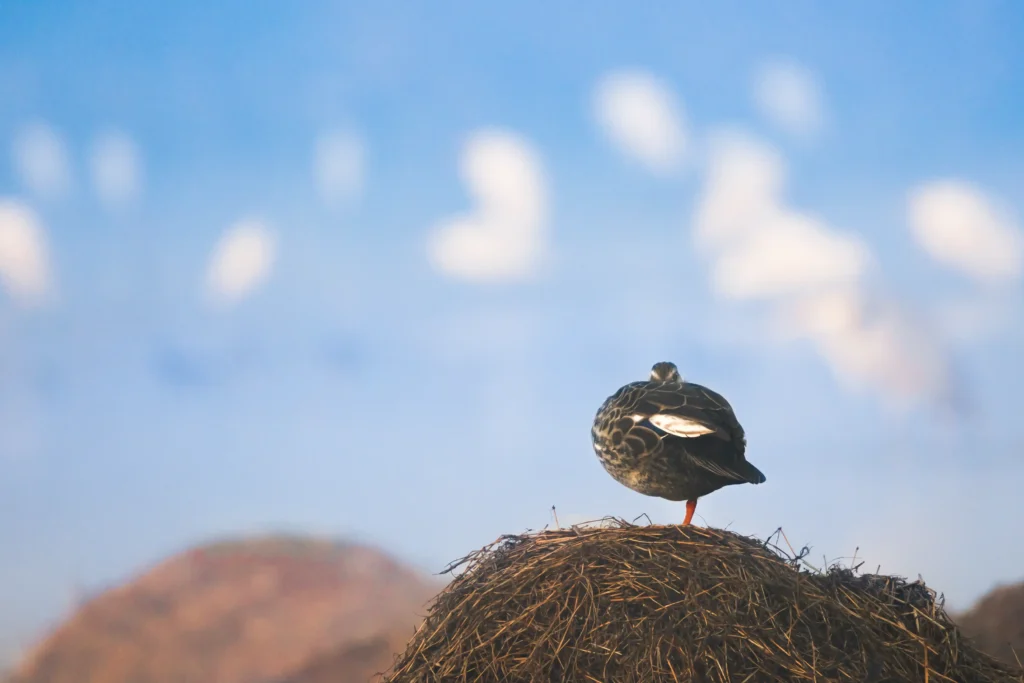
Sultanpur National Park is the best choice for Delhi and National Capital Region (NCR) residents seeking a quick-access birding hotspot. It offers a flat, manageable 4 km circular walking trail, several well-placed watchtowers, and a modern interpretation centre. These amenities make it easy to see waterbirds up close without the long travel times associated with larger national parks.
If your goal is to view migratory waterfowl from Europe and Siberia, plan your visit between October and March, when thousands of birds arrive along the Central Asian Flyway.
Quick Facts at a Glance
Sultanpur is highly compact compared to other Indian national parks, meaning bird densities are often concentrated and easy to observe along the central lake.
Location and Size
The park is located in the state of Haryana, roughly 14 to 16 km from Gurugram and about 35 to 50 km east of New Delhi. It spans an area of approximately 1.42 square kilometres, which consists of a central jheel (shallow lake) surrounded by open wood and marshland vegetation.
Ramsar and Legal Status
Despite its small size, the park holds significant legal protection. It is managed by the Haryana Forest Department and is designated as an Important Bird Area (IBA). To safeguard its international ecological value, it was formally designated as a Ramsar Wetland of International Importance under RIS number 2457.
| Parameter | Details |
| Total Park Area | ~1.42 square kilometres |
| Geographic Location | Near Gurugram, Haryana, India |
| International Status | Ramsar Site (RIS No. 2457) |
| Primary Habitat Type | Shallow freshwater jheel, marshland, and open acacia woodland |
| Core Operating Months | October to May (closed during peak monsoon/breeding months) |
| Nearest Urban Hubs | Gurugram (~14–16 km) / New Delhi (~35–50 km) |
Why Sultanpur Matters for Birds
Sultanpur functions as a critical wintering ground and a geographical refueling stop for birds that cross mountain ranges to escape northern winters.
Key Populations and Flyway Importance
The park sits directly along the Central Asian Flyway. The shallow waters of the central jheel produce an abundance of aquatic plants, plankton, and insects that support large wintering flocks.
Authoritative counts indicate that the park regularly hosts more than 220 species, though long-term seasonal monitoring surveys report up to 320 species depending on annual water coverage.
Sultanpur’s specific value to global bird populations is clear from its waterbird census data. The park regularly supports more than 7% of the entire global biogeographic population of the bar-headed goose (Anser indicus). Additionally, it supports more than 8% of the biogeographic population of the greylag goose (Anser anser).
Biogeographic Population Support:
==================================
[███████░░░░░░░░░░░░░░░░░] 7%+ Bar-headed Goose
[████████░░░░░░░░░░░░░░░░] 8%+ Greylag Goose
Globally Threatened Species Recorded
Sultanpur is more than just a home for common winter ducks; it is a critical refuge for vulnerable and endangered avian species. Ornithologists and researchers have documented multiple globally threatened birds utilizing the park’s diverse shoreline and muddy shallows.
The critically endangered sociable lapwing (Vanellus gregarius) is occasionally recorded in the dry, open peripheral fields during winter. The park also records visits from the endangered Egyptian vulture (Neophron percnopterus) and the saker falcon (Falco cherrug).
Among water-dependent raptors and piscivores, both Pallas’s fish eagle (Haliaeetus leucoryphus) and the black-bellied tern (Sterna acuticauda) rely on the central lake for foraging. This underscores the necessity of strict habitat preservation within the park boundaries.
Field Note: The presence of these apex avian predators and specialized waders indicates a highly productive aquatic ecosystem. When the water levels are well-managed, even a small 1.42-square-kilometre wetland can support complex food webs and globally significant populations.
Wildlife Profiles: What Species You Can Expect to See
Most visitors travel to Sultanpur National Park specifically for the avian life. While the park does support a resident population of mammals and reptiles, the primary draw is the dense concentration of wintering waterfowl and breeding waterbirds. Based on the comprehensive baseline data in our reference document, you can expect a distinct shift in species depending on the month you visit.
Below is a breakdown of the wildlife you are most likely to encounter, categorized by group to help you plan your observations.
Waterfowl and Migratory Ducks/Geese
The central shallow lake (jheel) is the focal point for migratory waterfowl. These species arrive in large numbers during the peak winter months.
- Geese: The bar-headed goose (Anser indicus) and greylag goose (Anser anser) are the signature migrants. They are usually observed grazing on the muddy banks or resting in the shallows.
- Ducks: You will consistently see the northern shoveler and common teal actively feeding in the water. Because the lake is small, these ducks are often much closer to the walking trails than they would be in larger, sprawling wetlands.
Waders, Storks, and Herons
Sultanpur is highly productive for large wading birds. The park’s trees and islands provide secure nesting sites, making it an excellent location to observe breeding behaviors and chick rearing.
- Painted Stork (Mycteria leucocephala): This is one of the most visible species in the park. They form noisy, active breeding colonies in the acacia trees surrounding the lake.
- Other Waders: The black-headed ibis (Threskiornis melanocephalus) and the oriental darter (Anhinga melanogaster) are resident species. Darters are frequently seen perching with their wings spread open to dry after diving for fish.
- Rare Waders: The globally threatened sociable lapwing (Vanellus gregarius) is occasionally recorded here. If you are searching for them, scan the drier, open fields near the park’s periphery rather than the deep water.
Resident Passerines and Raptors
High concentrations of waterbirds naturally attract avian predators. The surrounding woodland also supports various smaller birds throughout the year.
- Raptors: The globally threatened Pallas’s fish eagle (Haliaeetus leucoryphus) and the saker falcon (Falco cherrug) have been recorded in the park. The Egyptian vulture (Neophron percnopterus) is another threatened species known to utilize the airspace over the reserve.
- Terns: The black-bellied tern (Sterna acuticauda) is sometimes seen actively hunting over the lake surface.
Photography Tip: For painted storks and oriental darters, set up your tripod at one of the four designated watchtowers early in the morning. The elevated vantage point helps clear the shoreline vegetation and provides a clean background for flight shots.
Resident Mammals and Reptiles
While birds are the primary focus, the terrestrial habitat around the lake supports several mammals and reptiles that are regularly sighted by quiet walkers.
- Mammals: The nilgai (Boselaphus tragocamelus), or blue bull, is the most common large mammal and is easily spotted grazing in the woodland. The golden jackal (Canis aureus) and the elusive jungle cat (Felis chaus) are present but require patience and early arrival to observe.
- Reptiles: Monitor lizards and various common snake species inhabit the undergrowth and marshy edges. They are most active during the warmer parts of the day.
Signature Wildlife Checklist
Use this table as a practical reference for the park’s most notable species. Authoritative surveys and Ramsar documentation confirm these species rely on the park’s habitat.
| Common Name | Scientific Name | Status (Resident/Migrant) | IUCN Status | Best Months to See |
| Bar-headed Goose | Anser indicus | Migrant | Least Concern | Dec–Feb |
| Greylag Goose | Anser anser | Migrant | Least Concern | Dec–Feb |
| Painted Stork | Mycteria leucocephala | Resident/Breeding | Near Threatened | Oct–Mar |
| Oriental Darter | Anhinga melanogaster | Resident | Near Threatened | Year-round (when open) |
| Sociable Lapwing | Vanellus gregarius | Migrant | Critically Endangered | Peak Winter (Occasional) |
| Egyptian Vulture | Neophron percnopterus | Migrant/Visitor | Endangered | Variable |
| Nilgai | Boselaphus tragocamelus | Resident | Least Concern | Year-round (when open) |
| Jungle Cat | Felis chaus | Resident | Least Concern | Year-round (when open) |
Practical Planning, Timing & Logistics
To get the most out of your visit to Sultanpur National Park, you need to align your trip with the migratory seasons and the daily routines of the birds. Timing is everything, both in terms of the month you choose and the hour you arrive.
Based on the core research data, here is exactly how to plan your visit.
Best Time to Visit (Seasonal Calendar)
The best time to visit Sultanpur National Park is between October and March. Because the wetland relies on seasonal shifts, the park’s ecosystem changes drastically throughout the year.
Peak Winter Months (December–February)
If your primary goal is to see large flocks of migratory waterfowl, plan your trip between December and February. During these months, the central jheel hosts peak numbers of bar-headed geese, greylag geese, and migratory ducks. To see active feeding behaviors, arrive at the gates as soon as they open in the early morning.
Off-Season & Breeding Closure (Monsoon)
You cannot visit Sultanpur National Park year-round. The park undergoes a seasonal closure, typically from June to the end of September. This closure serves a dual purpose: it allows the habitat to recover during the monsoon and provides a disturbance-free environment for resident species to breed. Always check for the latest local notices or contact the park administration before planning a late summer trip, as exact closure dates can fluctuate.
Seasonal Birding Calendar
Use this calendar to understand how the park transitions throughout the year.
| Season | Months | Birding Highlights & Park Status |
| Early Winter | October – November | Early migrants arrive; painted storks actively nesting and rearing chicks. |
| Peak Winter | December – February | Maximum migratory waterfowl density; best time for bar-headed and greylag geese. |
| Late Spring | March – May | Migrants depart; resident waders and woodland birds remain; temperatures rise. |
| Monsoon (Closed) | June – September | Park typically closed to allow for monsoon recovery and breeding undisturbed. |
Getting There and Practical Info
Sultanpur’s proximity to major urban centers makes it highly accessible for day trips, but you should prepare for the specific rules that protect this small ecosystem.
Directions from Delhi and Gurugram
Sultanpur National Park is located approximately 14 to 16 km from Gurugram and about 35 to 50 km from Delhi. The most efficient way to reach the park is by driving or taking a taxi, though travel times will vary heavily depending on NCR traffic. If you are traveling from Delhi, expect the drive to take at least an hour to an hour and a half.
Timings, Fees, Facilities, and Rules
Knowing the logistical constraints will help you avoid delays at the entrance.
- Opening Hours: The park generally operates from early morning to late afternoon (typically 7:00 to 16:30). Arrive at 7:00 AM for the best birding and photography conditions.
- Entry and Camera Fees: Entry fees for Indian nationals are nominal, but you must pay separate, additional fees for parking and bringing in a DSLR or professional camera. Because prices change, verify the current entry and camera rates at the visitor centre upon arrival.
- Facilities: The park is well-equipped for visitors. It features an interpretation centre at the entrance, binocular rentals, and local guides available for hire. Inside the park, there is a flat 4 km circular walking trail that provides access to four elevated watchtowers (machans).
- Food and Picnicking Rules: To protect the wildlife, food is generally not allowed inside the core park area. If you bring food, you must consume it outside the main gate or in the designated garden areas near the entrance.
- Pet Policy: Dogs and other pets are not permitted inside the protected area.
Practical Checklist for Your Visit:
- Verify current opening hours and closure status before leaving.
- Bring cash for parking, camera fees, and local guide hire.
- Pack water, but leave snacks in your vehicle or consume them before entering the core trail.
Birding Routes, Photography Tips & Conservation Insights
To maximize your sightings at Sultanpur National Park, you need a basic understanding of the park’s layout and the specific environmental pressures it faces. Because the reserve is compact, your strategy should focus on vantage points rather than covering large distances.
Birding & Photography Guide (Site Map & Watchtower Guide)
The park infrastructure is built around a single, central shallow lake (jheel). Access is provided via a flat, 4 km circular trail that loops around the water.
Early Morning Route and Vantage Points
For the most productive visit, begin your walk at 7:00 AM. The trail includes four elevated watchtowers (machans) strategically placed along the circuit. These watchtowers are essential for birders because they raise your sightline above the shoreline vegetation, offering clear, unobstructed views of the central waterbody and the surrounding acacia woodland where painted storks breed.
Camera Settings and Ethical Photography Tips
Wildlife photographers should be prepared for varying distances. While some ducks and waders forage close to the trail, large flocks of bar-headed and greylag geese often rest in the center of the lake.
- Equipment: A telephoto lens (400mm to 600mm) is highly recommended. You must pay a specific fee for DSLR or professional cameras at the gate.
- Positioning: Set up your tripod on one of the four watchtowers early to secure a stable shooting platform before the park gets busy.
- Ethics: Never feed the birds or attempt to flush them for a flight photograph. Stay on the designated 4 km trail to avoid disturbing shoreline nests or resting mammals.
Itineraries and Family Tips
Sultanpur’s small size (approximately 1.42 square kilometres) makes it highly manageable, particularly for families or those with limited time. A typical visit lasts between two and four hours.
- 2-Hour Itinerary: If you are short on time or visiting with young children, focus on the interpretation centre near the entrance and walk to the first two watchtowers. This provides excellent views of the water without requiring a long hike.
- Half-Day Itinerary (3–4 hours): Complete the entire 4 km circular trail. This allows you to stop at all four watchtowers and scan the peripheral dry fields for rare species like the sociable lapwing.
- Family Safety & Accessibility: The 4 km trail is flat and generally walkable, making it accessible for elderly visitors and children. However, older visitors and families with young children should plan shorter circuits and avoid the midday heat, as shade can be limited in certain sections.
Nearby Attractions and Where to Stay
There is minimal accommodation inside the park itself. Most visitors base themselves in Gurugram, which offers a wide range of hotels, including nearby options run by Haryana Tourism. If you are planning a multi-site trip, you can easily combine a morning at Sultanpur with an afternoon visit to Damdama Lake, another nearby birding and recreation site.
Wetland Comparison Guide
If you are planning a birding trip in northern India, it helps to understand how Sultanpur compares to other regional options.
| Feature | Sultanpur National Park | Keoladeo (Bharatpur) | Damdama Lake |
| Primary Draw | Quick NCR access, high winter waterfowl density | Vast wetland ecosystem, extreme species diversity | Local recreation combined with birding |
| Walking Distance | 4 km flat circular trail | Extensive (bicycles/rickshaws needed) | Variable shoreline access |
| Logistics | ~14–16 km from Gurugram | ~4-hour drive from Delhi | Very close to Gurugram/Delhi NCR |
Conservation Status and Local Threats
Sultanpur’s transition from historical hunting grounds to a protected sanctuary is a significant conservation success, heavily influenced by early ornithologists like Dr. Salim Ali. Today, it is recognized globally as a Ramsar site (RIS no. 2457).
Ramsar Site Data and Population Percentages
The park’s international importance is quantified by the sheer volume of birds it supports. Sultanpur regularly hosts more than 7% of the biogeographic population of the bar-headed goose and more than 8% of the greylag goose. Protecting this specific 1.42-square-kilometre area is therefore critical to the survival of these species on a continental scale.
Local Threats (Water Management, Urban Pressure)
Despite its protected status, the park faces ongoing challenges. It is highly vulnerable to urban pressure from the rapidly expanding city of Gurugram.
Furthermore, the wetland relies entirely on seasonal water management. Recent academic studies and local surveys emphasize the critical need for consistent year-round water management and the active planting of native trees to support breeding colonies of storks and cranes. The park’s strict seasonal closure from June to the end of September is a direct management response designed to mitigate human impact, allowing the habitat to recover during the monsoon and giving resident birds a quiet breeding season.
Common Mistakes, Frequently Asked Questions & Sources
Even experienced birders can miscalculate their trip to Sultanpur National Park if they rely on outdated information or misunderstand the park’s specific ecosystem. Before you pack your binoculars, ensure you are not making these common visitor errors.
Common Visitor Mistakes to Avoid
- Assuming the park is open all year: Many travelers arrive in July or August only to find the gates locked. The park typically closes from June to the end of September for the monsoon and breeding season.
- Arriving too late in the day: Waterfowl are most active at dawn. Arriving at midday means you will likely see birds resting far out on the water, dealing with heat haze, and harsh lighting for photography.
- Bringing food on the trail: Food is not allowed inside the core wetland area. Feeding the birds or interfering with nests is strictly prohibited and disrupts the natural ecosystem.
- Expecting year-round migrants: Do not expect to see large flocks of bar-headed geese or flamingos in May. These are seasonal winter migrants; peak sightings happen between December and February.
- Relying on old fee structures: Entry fees and camera charges change. Always verify current rates with the visitor centre rather than trusting older online travel blogs.
Frequently Asked Questions
1. What is Sultanpur National Park?
A small protected wetland and national park (approx. 1.42 km2) and Important Bird Area near Gurugram, Haryana.
2. Is Sultanpur a Ramsar site?
Yes; it was designated a Ramsar wetland of international importance (RIS entry).
3. How many bird species are recorded?
Over 220–320 species reported depending on source and surveys; authoritative Ramsar notes >220 species.
4. When is the best time to visit?
October to March (peak winter December–February for migratory waterfowl).
5. Is the park open year-round?
It closes seasonally (typically closed June to end-September for monsoon/breeding) — check latest local notices.
6. What are the opening times and entry fees?
Typical timings are early morning to late afternoon (e.g., 7:00–16:30); nominal entry fees historically low (token Indian rates, DSLR & parking charges apply) — verify current rates at visitor centre.
7. How far from Delhi/Gurugram?
About 35–50 km from Delhi, ~14–16 km from Gurugram (travel time varies with traffic).
8. What facilities are available?
Interpretation centre, 4 watchtowers/machans, a 4 km circular trail, binocular rental and guides at the entrance.
9. Are guided tours available?
Yes; local guides and binocular hire available at the visitor centre (fees apply).
10. Which signature species to expect?
Bar‑headed goose, greylag goose, painted stork, black‑headed ibis, oriental darter; also nilgai and jungle cat occasionally.
11. Are there threatened species?
Yes; the site regularly supports species that are globally threatened, including sociable lapwing and Egyptian vulture among others.
12. Can I bring food or have a picnic inside?
Food is generally not allowed inside the core area; picnicking is usually permitted outside the main gate/gardens.
13. Are dogs allowed?
Typically not permitted in protected areas; confirm park rules at entry.
14. Is photography allowed?
Still cameras are usually allowed for a fee (professional camera/DSLR fees may apply).
15. Are there accommodations inside the park?
Minimal; closest accommodation and resorts are in Gurgaon (Haryana Tourism options nearby).
16. What accessibility for elderly/children?
The 4 km trail is walkable; watchtowers give views — older visitors should plan shorter circuits and avoid midday heat.
17. How long to spend at the park?
2–4 hours is typical for birding and the circuit walk.
18. Is it good for beginner birders?
Yes — interpretation centre, watchtowers and guides make it suitable for beginners.
19. What are nearest attractions?
Damdama Lake and Gurgaon attractions; combine with Delhi city trips.
20. Who manages Sultanpur?
Haryana Forest Department / park administration under state governance; conservation management linked to national Ramsar processes.
Conclusion & How to Help
Sultanpur National Park proves that a wetland does not need to be massive to hold immense ecological value. By visiting responsibly, adhering to designated trails, and paying local fees, you directly support the maintenance of a vital flyway refuge. Visitors interested in deeper involvement should inquire at the interpretation centre about citizen science opportunities, such as submitting sightings for seasonal bird surveys or participating in local tree-planting and cleanup initiatives organized around the park’s periphery.
Sources and Further Reading
To further explore the data and conservation status of Sultanpur National Park, refer to the following authoritative resources:
- Ramsar Information Sheet (RIS): Official documentation for Sultanpur National Park (RIS no. 2457), detailing species percentages and international protections.
- Peer-Reviewed Surveys: Academic journals, including the Asian Journal of Conservation Biology (Singh et al. 2021), covering avian diversity and habitat requirements.
- Haryana Forest Department: Contact the local wildlife administration for real-time updates on seasonal closure dates and exact tariff structures.
(Editor’s Note: Bird populations and visitor rules fluctuate. Always verify operating status with official Haryana Forest Department channels prior to travel.)
Author Note & Update Log: Written by the WildlifeSafaris.in Editorial Team. Last Updated: August 2026
Wildlife in Delhi NCR : Topics Cluster
Safari Planning : Topics Cluster
- How to book a wildlife safari in India?
- Park by Park Online Safari Booking Guide
- Tiger Safari India Planning Workbook
- Park by Park Safari Permits Guide
- National Parks Permit Guide – Park by Park Guide
- Tatkal Safari Booking Guide – Last Minute Safari Permits Booking
- Tiger Safari in India Cost
- Indian Wildlife Safari Budget Planner
- Jeep vs Canter Safari
- Best time for Tiger Sightings in India
- How far advanced should you book safari permits?
- Can foreigners book Indian Wildlife Safari online?
- Special Permits Guide for Foreigners and Domestic Visitors
- How to book a Safari Permit online in India? 2026 step by step guide
- Senior Citizens Friendly Safari Planning
- Multi Generation Family Safari Planning
- 50 things to know before your first safari in India