
Discover the best wildlife tourism near Delhi with national parks, tiger safaris, bird sanctuaries, travel tips, seasons, and responsible planning advice.
Introduction
Delhi is one of the best starting points in India for wildlife travel. Within a few hours by road or an overnight journey, you can reach tiger reserves, bird sanctuaries, river ecosystems, and forested national parks that offer very different wildlife experiences.
The right destination depends less on distance and more on what you hope to see. Some parks are known for tiger safaris, others are better for elephants, migratory birds, crocodiles, or peaceful nature walks. Understanding these differences helps you choose a trip that matches your interests rather than simply visiting the nearest park.
This guide explains the major wildlife destinations near Delhi, who they are best suited for, the best time to visit, and how to plan a responsible trip based on current conservation and tourism guidance.
Why Delhi Is an Excellent Base for Wildlife Tourism
Few major cities in India provide access to such a wide variety of protected landscapes.
From Delhi, travellers can choose between:
- Tiger reserves for jeep safaris.
- National parks with forests and large mammals.
- Wetlands that attract migratory birds during winter.
- River sanctuaries known for gharials, crocodiles, and freshwater dolphins.
- Weekend wildlife escapes suitable for families and first-time visitors.
This variety means wildlife tourism near Delhi is not limited to searching for tigers. A winter birdwatching trip to Sultanpur or Keoladeo offers a completely different experience from a summer safari in Ranthambore or Corbett.
Field Note
Many first-time visitors assume wildlife tourism means seeing a tiger. In reality, every protected area has its own strengths. A successful wildlife trip is one where you appreciate the habitat, birds, mammals, reptiles, and natural behaviour—not just one iconic species.
Understanding the Different Types of Wildlife Destinations
Knowing the difference between protected area categories helps set realistic expectations before planning your trip.
| Type | What to Expect | Best For |
| National Park | Protected ecosystems with regulated tourism and diverse wildlife | General wildlife safaris and nature travel |
| Tiger Reserve | National park or forest landscape managed with additional tiger conservation measures | Visitors hoping to see large mammals, especially tigers |
| Wildlife Sanctuary | Protection focused on wildlife and habitats, often with varied visitor experiences | Birdwatching, nature walks, and regional wildlife |
| Wetland | Water-based habitat supporting resident and migratory birds | Birdwatching and photography |
These categories often overlap. For example, a tiger reserve may include a national park at its core, while wetlands are particularly important during the migratory bird season.
How to Choose the Right Wildlife Destination
Instead of asking, “Which park is the best?”, ask, “Which park is best for my interests?”
A practical way to decide is:
- Choose Jim Corbett or Ranthambore if seeing large mammals is your priority.
- Choose Keoladeo or Sultanpur if you enjoy birdwatching, especially in winter.
- Choose National Chambal Sanctuary if you’re interested in river wildlife such as gharials and freshwater dolphins.
- Choose Rajaji if you would like a forest experience where elephants are among the notable wildlife.
- Choose Sariska if you want a tiger reserve that can fit into a relatively short trip from Delhi.
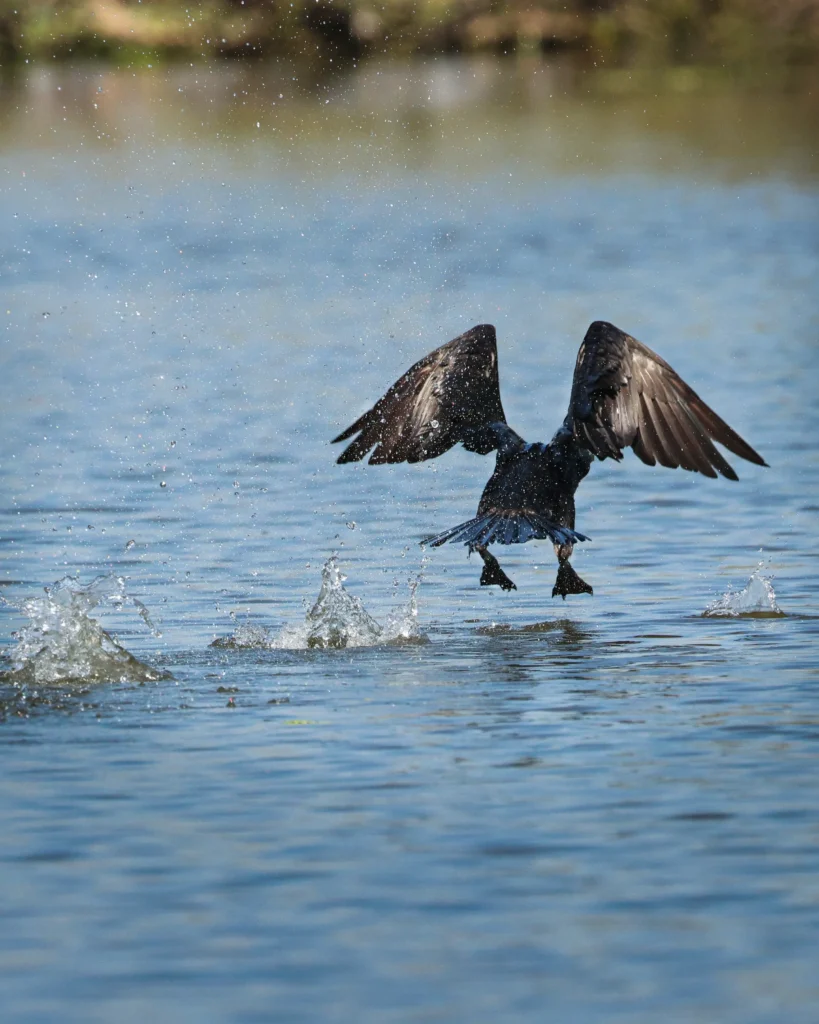
Field Note: Bharatpur Bird Sanctuary near Delhi is one of the most favorite spots for birdwatchers in India especially for water-birds. It is also an excellent place to start your birdwatching journey.
Decision Guide
Before booking, ask yourself:
- Is this a one-day, weekend, or longer trip?
- Am I more interested in tigers, birds, or overall wildlife?
- Will I be travelling with children?
- Which season am I visiting?
- Am I comfortable with multiple safari drives, or do I prefer a relaxed nature holiday?
Answering these questions first will make choosing the right destination much easier than simply selecting the most famous park.
Best Wildlife Destinations Near Delhi
Jim Corbett National Park: Best for First-Time Safari Visitors
Jim Corbett National Park in Uttarakhand is one of the most popular wildlife destinations for travellers from Delhi. As part of the larger Corbett Tiger Reserve, it combines dense forests, grasslands, riverine habitats, and a well-developed tourism infrastructure. It is a strong choice for first-time safari visitors because it offers multiple safari zones, a wide range of accommodation, and opportunities to see a variety of wildlife beyond tigers.
What Makes Corbett Special?
Rather than focusing only on tiger sightings, Corbett offers a complete forest experience. Depending on the safari zone and season, visitors may encounter:
- Bengal tiger
- Asian elephant
- Leopard
- Deer species
- Wild boar
- Numerous birds
- Reptiles along riverbanks
Wildlife sightings are never guaranteed, but the park’s varied habitats make every safari different.
Best For
- First-time safari visitors
- Families
- Wildlife photographers
- Birdwatchers
- Weekend trips from Delhi
Practical Tip
Corbett contains several safari zones, each offering different habitats and visitor experiences. Since booking systems and zone availability may change, always verify current information through official channels before planning your trip.
Photography Tip
Carry both a telephoto lens for wildlife and a wider lens for landscapes. Corbett’s forests and river valleys often provide excellent opportunities for habitat photography, even when large mammals remain hidden.
Ranthambore National Park: Best for Tiger-Focused Safaris
If your main goal is to experience one of India’s best-known tiger reserves, Ranthambore National Park deserves serious consideration. Located in Rajasthan, it combines dry deciduous forests with lakes, rocky hills, and historic fort ruins that create a distinctive safari landscape.
The park is especially popular among wildlife photographers because animals are often seen moving through relatively open terrain compared with denser forests.
Wildlife You May Encounter
Besides Bengal tigers, visitors may see:
- Leopards
- Sambar deer
- Chital
- Nilgai
- Wild boar
- Marsh crocodiles
- Numerous bird species
As with every national park, wildlife movements are unpredictable, and no responsible operator can promise tiger sightings.
Best For
- Tiger enthusiasts
- Wildlife photographers
- Repeat safari visitors
- Longer weekend trips
Best Time to Visit
According to Rajasthan tourism guidance, Ranthambore is generally open from October to June, although seasonal conditions and management decisions can affect access. Always check the latest official updates before travelling.
Expert Tip
If possible, plan multiple safari drives rather than relying on a single outing. Wildlife behaviour changes throughout the day, and multiple drives improve your overall chances of observing different species.
Sariska Tiger Reserve: A Convenient Tiger Reserve from Delhi
Sariska Tiger Reserve in Rajasthan is often chosen by travellers looking for a shorter wildlife getaway from Delhi. While it is known for tiger conservation, the reserve also protects a wider ecosystem of dry forests, rocky hills, and grasslands that support a variety of wildlife.
Visitors who arrive expecting only tiger sightings may overlook the broader wildlife experience. Spending time observing deer, birds, langurs, and the changing landscape often makes the safari more rewarding.
Wildlife Highlights
Depending on the season and luck, visitors may encounter:
- Bengal tiger
- Leopard
- Nilgai
- Sambar deer
- Chital
- Wild boar
- Jackals
- Numerous bird species
Best For
- Short wildlife breaks
- Families looking for a manageable safari trip
- Visitors interested in Rajasthan’s forest landscapes
- Travellers combining wildlife with nearby heritage attractions
Responsible Tourism Tip
Maintain a respectful distance from wildlife, remain quiet during safari drives, and follow your guide’s instructions at all times. Responsible visitor behaviour reduces stress on animals and contributes to a better experience for everyone.
Comparison: Corbett vs Ranthambore vs Sariska
| Feature | Jim Corbett | Ranthambore | Sariska |
| Best Known For | Diverse wildlife and forest landscapes | Tiger safaris | Short wildlife getaways |
| Landscape | Forests, rivers, grasslands | Dry forests, lakes, rocky hills | Dry forests and hills |
| Suitable For | First-time visitors, families, photographers | Tiger-focused travellers | Weekend visitors |
| Photography | Forest and river habitats | Open landscapes with historic backdrops | Forest and landscape photography |
| Ideal Experience | Overall wildlife diversity | Big cat safaris | Relaxed wildlife exploration |
Field Note
Comparing parks only by tiger sightings can be misleading. Corbett offers exceptional habitat diversity, Ranthambore provides distinctive open landscapes, and Sariska appeals through its accessibility and quieter atmosphere. The best choice depends on the kind of wildlife experience you want—not simply the species you hope to see.
More Wildlife Destinations Near Delhi
Rajaji National Park: Best for Forest Landscapes and Elephants
Rajaji National Park, located in Uttarakhand along the Shivalik foothills, offers a different experience from the tiger-focused reserves. The park is known for its forests, river valleys, and healthy elephant habitat, making it an excellent destination for travellers who enjoy observing a wider range of wildlife and landscapes rather than concentrating on a single species.
What Can You See?
Wildlife sightings vary by season and location, but visitors may encounter:
- Asian elephants
- Leopards
- Deer species
- Wild boar
- Langurs
- Numerous resident and migratory birds
As with all protected areas, sightings depend on wildlife movements and natural conditions rather than fixed schedules.
Best For
- Forest lovers
- Birdwatchers
- Wildlife photographers
- Travellers seeking quieter safari experiences
- Repeat visitors looking beyond tiger reserves
Field Note
Rajaji rewards patience. Instead of waiting only for large mammals, spend time observing bird activity, elephant signs, river habitats, and changing forest ecosystems.
Keoladeo National Park: India’s Premier Birdwatching Destination
Formerly known as Bharatpur Bird Sanctuary, Keoladeo National Park is internationally recognised for its wetland habitats and extraordinary birdlife. Unlike traditional jeep safaris, the park is explored at a slower pace, allowing visitors to appreciate birds and wetland ecology.
During winter, migratory birds from Central Asia and other regions join resident species, making this one of North India’s finest birdwatching destinations.
Highlights
Visitors may observe:
- Ducks and geese
- Storks
- Herons
- Egrets
- Pelicans
- Raptors
- Numerous migratory and resident waterbirds
Species vary throughout the year according to migration cycles.
Best For
- Birdwatchers
- Wildlife photographers
- Families
- Nature enthusiasts
- Slow-paced wildlife experiences
Photography Tip
Early morning offers softer light, calmer conditions, and higher bird activity. A telephoto lens is helpful, but binoculars are equally valuable for identifying distant species.
Sultanpur National Park: Ideal for a Day Trip from Delhi
For travellers with limited time, Sultanpur National Park is among the most accessible wildlife destinations near Delhi. The park is a Ramsar wetland of international importance and is especially popular during winter when migratory birds arrive.
Unlike large national parks, Sultanpur is designed around birdwatching rather than safari drives, making it suitable for beginners and families.
What Makes Sultanpur Different?
- Easy access from Delhi NCR
- Walking trails and observation points
- Seasonal migratory birds
- Educational value for children
- Short visits without extensive planning
Best For
- One-day trips
- Beginner birdwatchers
- Families with children
- Weekend nature outings
Family Travel Tip
Children often enjoy Sultanpur because wildlife can be observed at a relaxed pace without spending several hours inside safari vehicles.
National Chambal Sanctuary: A Different Kind of Wildlife Experience
If you’re interested in river ecosystems rather than forests, National Chambal Sanctuary offers one of the most distinctive wildlife experiences near Delhi. Instead of tiger safaris, the sanctuary protects a unique freshwater habitat that supports several aquatic species.
Wildlife Highlights
Depending on the season and location, visitors may see:
- Gharials
- Mugger crocodiles
- Freshwater dolphins
- River turtles
- Waterbirds
- Raptors
This makes Chambal an excellent destination for travellers who have already visited traditional safari parks and want to experience a different ecosystem.
Best For
- Wildlife enthusiasts
- Birdwatchers
- Nature photographers
- Families interested in freshwater ecosystems
Expert Tip
Boat-based wildlife viewing follows strict safety and conservation guidelines. Always use authorised operators and follow instructions from local guides.
Comparison Table: Which Destination Should You Choose?
| Destination | Best For | Main Wildlife | Ideal Season* |
| Jim Corbett National Park | First-time safari visitors | Tigers, elephants, birds | Varies by zone |
| Ranthambore National Park | Tiger-focused safaris | Tigers, leopards, deer | Generally October–June |
| Sariska Tiger Reserve | Short wildlife breaks | Tigers, leopards, deer | Seasonal |
| Rajaji National Park | Forest wildlife | Elephants, leopards, birds | Seasonal |
| Keoladeo National Park | Birdwatching | Migratory and resident birds | Winter |
| Sultanpur National Park | Day trips and birding | Wetland birds | Winter |
| National Chambal Sanctuary | River wildlife | Gharials, dolphins, crocodiles | Seasonal |
*Always verify current opening dates, seasonal access, and booking information with the relevant forest department before travelling, as regulations and timings may change.
Decision Guide
Choose:
- Jim Corbett for an all-round wildlife holiday.
- Ranthambore if your priority is a classic tiger safari.
- Sariska for a shorter tiger reserve getaway.
- Rajaji for elephants and forest ecosystems.
- Keoladeo for serious birdwatching.
- Sultanpur for an easy day trip from Delhi.
- National Chambal Sanctuary for river wildlife and conservation-focused travel.
Which Wildlife Destination Is Right for You?
Choosing the right destination is easier when you begin with your interests rather than the most famous park. Some travellers dream of seeing a tiger, while others prefer birdwatching, photography, or a relaxed weekend in nature. Matching your expectations with the right destination usually leads to a more satisfying trip.
Best for First-Time Wildlife Travellers
If this is your first wildlife trip from Delhi, look for destinations that combine good tourism infrastructure with diverse wildlife.
| Destination | Why It Works |
| Jim Corbett National Park | Wide choice of safari zones, accommodation, and varied wildlife. |
| Sultanpur National Park | Easy day trip for experiencing birds and wetland habitats. |
| Rajaji National Park | Good introduction to forest ecosystems and elephant habitat. |
Recommendation: Corbett offers the most complete introduction to India’s wildlife tourism experience because the journey includes forests, rivers, birdlife, and opportunities to observe a wide variety of mammals—not just tigers.
Best for Tiger Enthusiasts
If your primary goal is to experience a tiger reserve, these destinations should be at the top of your list.
| Destination | Suitable For |
| Ranthambore National Park | Visitors primarily interested in tiger safaris and wildlife photography. |
| Jim Corbett National Park | Travellers seeking both tigers and broader wildlife diversity. |
| Sariska Tiger Reserve | Shorter wildlife escapes with tiger conservation significance. |
Expert Tip
Avoid judging a safari solely by whether you see a tiger. Observing animal behaviour, birdlife, tracks, alarm calls, and changing landscapes often provides equally memorable experiences.
Best for Birdwatchers
North India’s wetlands attract impressive numbers of resident and migratory birds, particularly during winter.
Recommended Destinations
| Destination | Highlights |
| Keoladeo National Park | Extensive wetland habitats and exceptional bird diversity. |
| Sultanpur National Park | Convenient birdwatching close to Delhi. |
| National Chambal Sanctuary | River birds alongside aquatic wildlife. |
Photography Tip
Bird activity is generally highest during the early morning. Arriving soon after sunrise often provides better light and more active wildlife.
Best for Wildlife Photography
Photographers often benefit from destinations that offer different habitats rather than focusing only on large mammals.
Choose Jim Corbett if you want:
- Forest landscapes
- River scenery
- Birds
- Mammals
- Habitat photography
Choose Ranthambore if you want:
- Open landscapes
- Dry forest scenery
- Historic fort backdrops
- Large mammal photography
Choose Keoladeo if you want:
- Bird photography
- Wetland reflections
- Seasonal migration
- Behavioural photography
Best for Families
Families usually benefit from destinations with easier logistics and flexible activities.
Good choices include:
- Sultanpur National Park for half-day or day trips.
- Jim Corbett National Park for longer family holidays.
- Keoladeo National Park for educational birdwatching.
- Rajaji National Park for a forest-based wildlife experience.
Family Travel Tip
Children often enjoy wildlife more when the focus is on discovering tracks, birds, butterflies, insects, and habitats instead of waiting only for large mammals.
Best Time for Wildlife Tourism Near Delhi
Different destinations are at their best during different seasons. Instead of asking for the single “best” time, it is more useful to match your travel dates with the wildlife experience you want.
Winter (November–February)
Winter is generally the preferred season for:
- Birdwatching
- Wetland photography
- Comfortable weather
- Family holidays
- Nature walks
Migratory birds visit wetlands such as Keoladeo and Sultanpur during this period, making winter particularly rewarding for bird enthusiasts.
Summer (March–June)
Although temperatures are much higher, summer can improve visibility around water sources in many forest habitats.
This season is often preferred by visitors hoping to observe larger mammals, provided they are comfortable travelling in warm conditions.
Carry:
- Plenty of drinking water
- Sun protection
- Neutral-coloured clothing
- A hat and sunscreen
Monsoon
Monsoon transforms many forests into lush green landscapes. However, access to some national parks and safari zones may be limited because of seasonal management and conservation requirements.
Always verify current opening schedules before making travel plans.
Seasonal Planning Guide
| Season | Best Experiences |
| Winter | Birdwatching, wetlands, comfortable safaris |
| Summer | Better visibility for many mammals around water sources |
| Monsoon | Green landscapes, quieter nature experiences where parks remain accessible |
Planning Your Wildlife Trip
Good planning improves both your experience and your chances of enjoying wildlife responsibly.
Before You Book
Check:
- Current park opening dates.
- Safari availability.
- Official booking procedures.
- Weather conditions.
- Accommodation availability.
Use official forest department or tourism websites whenever possible, as booking procedures and regulations may change.
What to Pack
A practical wildlife packing list includes:
- Neutral-coloured clothing
- Comfortable walking shoes
- Hat
- Sunglasses
- Binoculars
- Camera with spare batteries
- Water bottle
- Light jacket during winter mornings
- Personal medicines
Safari Etiquette Checklist
✔ Remain quiet during wildlife sightings.
✔ Follow your guide’s instructions.
✔ Stay inside the vehicle unless permitted.
✔ Never feed wildlife.
✔ Avoid littering.
✔ Do not use flash photography around animals.
✔ Respect other visitors’ viewing opportunities.
Responsible behaviour not only protects wildlife but also improves the experience for everyone in the park.
Responsible Wildlife Tourism
Wildlife tourism contributes most when it supports conservation while allowing visitors to appreciate nature responsibly. Every traveller plays a role in protecting habitats, reducing disturbance to wildlife, and supporting local communities.
Respect Wildlife
Remember that national parks and sanctuaries are protected habitats, not zoos. Animals move freely, and sightings depend entirely on natural behaviour.
While on safari:
- Keep noise to a minimum.
- Maintain a respectful distance from wildlife.
- Never attempt to attract an animal’s attention.
- Avoid littering.
- Do not play music inside protected areas.
- Follow all instructions given by forest staff and guides.
Responsible behaviour improves wildlife welfare and creates a better experience for everyone.
Support Local Communities
Responsible wildlife tourism extends beyond the safari itself.
Whenever possible:
- Stay in locally owned accommodation.
- Hire authorised local guides.
- Purchase locally made products.
- Respect local customs and communities.
Community participation is recognised as an important part of sustainable ecotourism and wildlife conservation in India.
Leave Wildlife Undisturbed
Many memorable wildlife sightings happen because visitors remain patient and quiet.
Avoid:
- Feeding animals.
- Chasing wildlife for photographs.
- Using flash photography on nearby animals.
- Asking guides to ignore park rules.
- Pressuring drivers to get closer than permitted.
Wildlife should always come before photographs.
Common Mistakes to Avoid
Planning ahead helps avoid many of the disappointments experienced by first-time visitors.
Expecting Guaranteed Tiger Sightings
No ethical wildlife operator can promise sightings. Wildlife moves freely, and every safari is different.
Choosing a Destination Only by Distance
The closest park is not always the best option. Select your destination based on whether you want tigers, birds, elephants, wetlands, or a general wildlife experience.
Visiting in the Wrong Season
Birdwatching destinations are generally at their best during winter, while some forest experiences differ by season. Always check current conditions before booking.
Ignoring Official Information
Opening dates, safari availability, and booking procedures may change. Always rely on official forest department or tourism websites for the latest information.
Carrying Bright Clothing
Neutral colours help you blend into the environment and minimise disturbance to wildlife.
Focusing Only on Large Mammals
Many visitors overlook birds, reptiles, butterflies, insects, and forest ecology while waiting for a tiger. Appreciating the complete ecosystem usually leads to a richer wildlife experience.
Frequently Asked Questions
Which is the best wildlife destination near Delhi?
There is no single best destination. Jim Corbett is an excellent all-round choice, Ranthambore is popular for tiger safaris, Keoladeo is ideal for birdwatching, and Sultanpur works well for short day trips.
Which wildlife destination is closest to Delhi?
Sultanpur National Park is among the closest protected wildlife destinations for visitors from Delhi NCR.
Which park is best for tiger safaris?
Jim Corbett, Ranthambore, and Sariska are the main tiger-focused destinations covered in this guide. However, sightings can never be guaranteed.
Which destination is best for birdwatching?
Keoladeo National Park is one of India’s leading birdwatching destinations, while Sultanpur National Park offers an excellent option closer to Delhi.
Can I plan a one-day wildlife trip from Delhi?
Yes. Sultanpur National Park is well suited to a day visit, while larger national parks generally require at least a weekend.
What is the best season for wildlife tourism near Delhi?
It depends on your interests. Winter is generally preferred for birdwatching, while summer may improve visibility for some large mammals around water sources.
Are safari bookings required?
Many protected areas require advance safari bookings or permits. Booking systems vary by park, so always check the official website before travelling.
What should I wear during a safari?
Wear comfortable, neutral-coloured clothing, sturdy footwear, a hat, and carry water, binoculars, and weather-appropriate layers.
Is wildlife photography allowed?
Photography is generally permitted for personal use, but park rules may restrict flash photography or commercial filming. Follow the regulations of the protected area you visit.
How can I travel responsibly?
Respect wildlife, follow park rules, avoid littering, support local communities, and never disturb animals for photographs or closer views.
Conclusion
Wildlife tourism near Delhi offers far more than weekend tiger safaris. Within a reasonable journey, you can explore forested national parks, internationally important wetlands, river sanctuaries, and protected landscapes that showcase different aspects of India’s natural heritage.
The best destination depends on your interests. Jim Corbett suits travellers seeking a well-rounded wildlife experience, Ranthambore remains a favourite for tiger-focused safaris, Keoladeo and Sultanpur reward birdwatchers, Rajaji highlights forest ecosystems and elephants, while the National Chambal Sanctuary introduces visitors to unique river wildlife.
Whichever destination you choose, approach your trip with realistic expectations. Wildlife sightings are never guaranteed, but careful observation, patience, and respect for nature often create the most rewarding experiences.
By planning responsibly, following park regulations, and supporting conservation-friendly tourism, your visit can contribute to the long-term protection of India’s remarkable wildlife while giving you a deeper appreciation of its protected landscapes.
Wildlife in Delhi NCR : Topics Cluster