Plan your birding trip near Delhi. Explore Okhla, Sultanpur, Surajpur, Yamuna, and Asola Bhatti with species counts, timings, entry fees, and transit routes.
Birding Around Delhi-NCR: Practical Field Overview
Delhi and the National Capital Region (NCR) sit along the Yamuna River basin and the northern tip of the Aravalli Ridge. This intersection of large water bodies, floodplains, and dry deciduous scrub creates one of the most productive urban and peri-urban birding regions in northern India.
Within a 40-kilometre radius of central Delhi, birders can access five primary protected areas and managed wetlands:
- Surajpur Wetlands (Greater Noida, Uttar Pradesh)
[Yamuna Biodiversity Park]
| (15 km North)
|
[Sultanpur] <——- [Central Delhi] ——-> [Okhla Sanctuary]
(40 km West) | (Delhi-Noida Border)
| |
[Asola Bhatti] v
(South Delhi) [Surajpur Wetlands]
(Greater Noida)
Key Wetland and Woodland Habitats Within 40 Kilometres
The diversity of avifauna in the region is directly tied to three distinct habitat types:
- Riverine Barrages and Open Water: Reservoirs created by barrages along the Yamuna, notably at Okhla and Wazirabad, hold large bodies of slow-moving water that sustain diving ducks, gulls, terns, and cormorants.
- Shallow Rain-Fed and Canal-Fed Wetlands: Sultanpur and Surajpur feature extensive shallow basins, reed beds, and mudflats. These conditions provide ideal feeding grounds for wading birds, dabbling ducks, and long-legged storks.
- Aravalli Scrub and Woodland: Asola Bhatti and the terrestrial peripheries of Sultanpur and Okhla offer thorn scrub, broadleaf trees, and grasslands. These zones support owls, raptors, francolins, and woodland passerines.
Migratory Windows and the Central Asian Flyway
Delhi lies squarely on the Central Asian Flyway. Every autumn, hundreds of thousands of birds travel south from breeding grounds across Central Asia, Tibet, and Siberia to winter in the Indian subcontinent.
- October: Early migrants arrive, including garganey, northern pintail, and small waders.
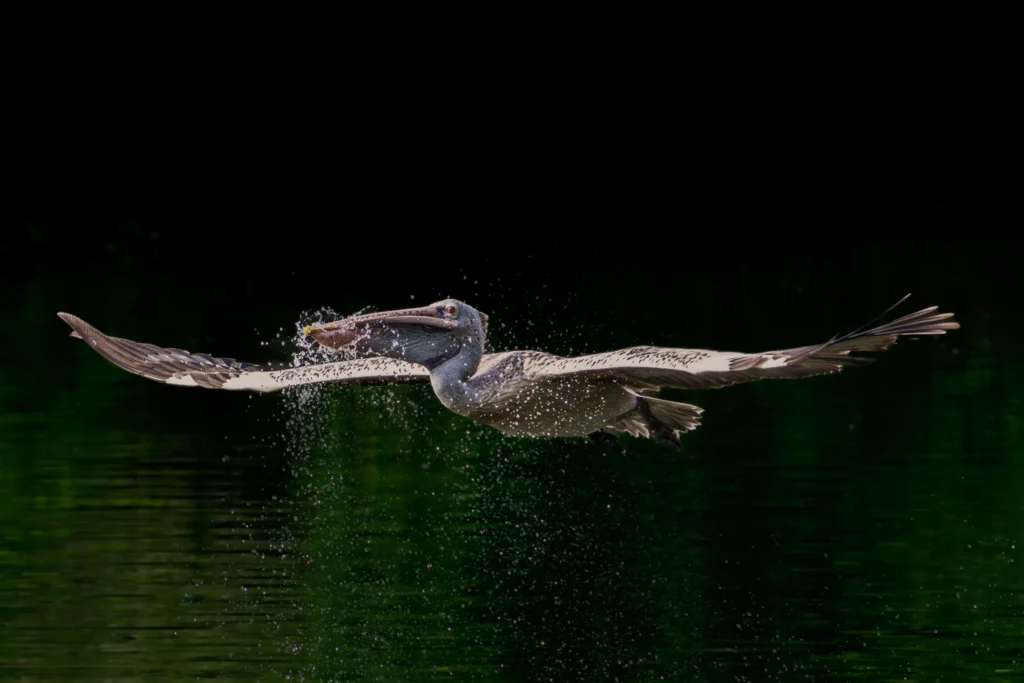
- November to February: The core migratory window. Large populations of water birds, including flamingos, pelicans, bar-headed geese, and Siberian gulls, settle across local water bodies.
- March: Late-winter departure period. Flocks assemble on open water before beginning their northward transit across the Himalayas.
- April to September: Summer breeding period for resident species like kingfishers, owlets, jacanas, and lapwings. Sultanpur National Park remains closed from June 1 through September 30 for habitat restoration and monsoon nesting.
Top 5 Birding Hotspots Near Delhi at a Glance
For birdwatchers with limited time, selecting the correct location depends on transit time, target species, and the specific day of your visit.
| Sanctuary / Hotspot | Distance from Delhi | Species Count | Primary Habitat | Flagship Species |
| Okhla Bird Sanctuary | 40 km (Delhi-Noida border) | 300+ | Riverine wetland, reed beds, woodland | Siberian Gull, Northern Pintail, Black-headed Ibis, Indian Skimmer |
| Sultanpur National Park | 40 km (Gurgaon) | 250–300+ | Shallow lake, marshes, acacia grasslands | Greater Flamingo, Great White Pelican, Common Shelduck |
| Surajpur Wetlands | ~45 km (Greater Noida) | 180 | Natural urban wetland, dense reed beds | Painted Stork, Common Pochard, Northern Shoveler |
| Yamuna Biodiversity Park | 15 km (North Delhi) | Growing register | Restored floodplains, quiet lagoons | Dabbling ducks, White-throated Kingfisher, wetland migrants |
| Asola Bhatti Wildlife Sanctuary | South Delhi Ridge | 193 | Semi-arid scrub, woodland, lake depressions | Black-winged Stilt, Sandpipers, Painted Stork, raptors |
Naturalist Field Note: If your priority is seeing large concentrations of waterfowl and flamingos from well-maintained watchtowers, choose Sultanpur National Park. If you want riverine birds, open water views, and easy metro connectivity from east or south Delhi, head directly to Okhla Bird Sanctuary.
Choosing a Sanctuary Based on Location and Target Species
- For Waterfront Waterfowl and Gulls: Okhla and Sultanpur provide the largest open-water gatherings. Okhla is particularly reliable for large flocks of Siberian gulls resting near the barrage.
- For Mixed Woodland and Scrub Species: Asola Bhatti and the dry wooded belts of Sultanpur and Yamuna Biodiversity Park host strong numbers of warblers, flycatchers, babblers, and birds of prey.
- For a Quiet, Restored Wetland Setting: Surajpur in Greater Noida features less foot traffic than Sultanpur, making it ideal for observing painted storks and pochards without crowded trails.
Okhla Bird Sanctuary: The Yamuna Riverbank Reserve
Okhla is the most accessible major wetland for visitors staying in central or eastern Delhi, offering immediate access to open-water birds and well-maintained walking paths. Located directly on the Delhi-Noida border, it provides reliable sightings of large migratory flocks without requiring a full day trip.
Species Distribution and Notable Sightings
The sanctuary records over 300 bird species across its riverine and woodland habitats. The open water near the barrage is the primary draw during the winter migratory season.
- Winter Migrants (November to February): This is the most reliable location near Delhi to observe large flocks of Siberian gulls and northern pintail ducks. The shallow edges also attract the black-headed ibis.
- Resident Species: The reed beds and peripheral trees support strong resident populations of white-throated kingfishers, common kingfishers, spotted owlets, black drongos, and the greater coucal.
- Specialist Sightings: Patient observers may spot the Indian skimmer, a nocturnal feeder with a highly distinctive lower mandible.
Photography Tip: The Siberian gulls often congregate near the barrage water gates. A 100–400mm telephoto lens is highly recommended for capturing them in flight over the Yamuna.
Seasonal Timings, Entry Fees, and Photography Charges
Sanctuary management adjusts operating hours based on daylight. Unlike many national parks, Okhla remains open all seven days of the week.
- Winter Hours (November–February): 7:30 AM to 5:00 PM.
- Summer Hours (March–October): 7:00 AM to 5:30 PM.
The standard entry fee is ₹30 per person for Indian citizens and ₹350 for foreign nationals. However, photography equipment incurs steep additional costs. Bringing a still camera costs ₹500, while a movie/video camera permit costs ₹1,000.
Watchtowers, Walking Trails, and Non-Avian Wildlife
The sanctuary covers 4 square kilometres (approximately 700 acres) of wetland and surrounding habitat. Visitors navigate via a central raised walking trail flanked by water on both sides. Dedicated watchtowers are positioned along this path to provide elevated, unobstructed views of the water.
While primarily a birding destination, the sanctuary’s terrestrial areas support large mammals. Early morning visitors routinely encounter nilgai (blue bull), Indian peafowl, and occasionally the golden jackal near the denser woodland sections.
Route Planning and Metro Connectivity
Located 40 kilometres from central Delhi, Okhla is highly accessible for Noida and Delhi residents. The most efficient way to reach the gate is via the Delhi Metro. Visitors should exit at the Noida-side stations and take a short auto-rickshaw or taxi ride to the sanctuary entrance.
Sultanpur National Park: Grasslands and Open Water
Sultanpur is the premier destination for observing large wading birds and shallow-water migrants. Situated in Gurgaon, it offers a distinct contrast to Okhla, trading riverine flow for a large, shallow lake basin surrounded by dry acacia scrub and grassland.
Resident Waterfowl and Winter Migratory Flocks
Sultanpur hosts between 250 and 300+ species, depending on the season and water levels.
- Winter Migrants (November to February): The shallow lake acts as a magnet for massive flocks of greater flamingos and pelicans. Common shelducks are also frequently sighted resting in the shallows.
- Resident Species: The surrounding scrubland holds a reliable population of woodland residents, including kingfishers, owlets, drongos, and coucals.
Field Note: The best time for peak bird activity and optimal photography light at Sultanpur is just after sunrise, between 7:00 AM and 9:00 AM, when birds are actively feeding.
Visiting Hours, Gate Rules, and Weekly/Annual Closures
Sultanpur operates under stricter access regulations than Okhla.
- Daily Timings: The park opens at 7:00 AM and closes at 4:00 PM, with final entry permitted up to approximately 5:30 PM.
- Weekly Closure: The park is strictly closed to all visitors every Tuesday to minimize habitat disturbance.
- Annual Closure: Sultanpur closes completely from June 1 through September 30. This allows the ecosystem to rest and recover during the monsoon nesting season.
Entry Costs, Optics Permits, and Family Facilities
The entry fees at Sultanpur are notably lower than other regional parks.
- Entry Fee: ₹5 for Indian adults, ₹2 for Indian children, and ₹40 for foreign nationals.
- Camera Permits: Still camera fees are nominal at just ₹10, making it an excellent budget-friendly choice for amateur photographers. Video camera permits are ₹500.
Family Travel Tip: Sultanpur offers organized picnic packages managed by local tourism authorities. For ₹750 per person, visitors can book a day package that includes a boat ride, a short park safari, and lunch.
The park features multiple observation watchtowers strategically built around the lake perimeter, providing excellent vantage points to observe flamingos without startling them.
Route Planning and Transport from Gurgaon and Delhi
Sultanpur is situated approximately 40 kilometres from central Delhi, in the Gurgaon district of Haryana. The most practical public transport route is taking the Delhi Metro (Yellow Line) to Huda City Centre. From the metro station, visitors must hire a taxi, take a local bus, or share an auto-rickshaw to cover the remaining distance to the park gates.
Surajpur Wetlands: Greater Noida’s Restored Reservoir
For birdwatchers seeking a quieter alternative to Sultanpur or Okhla, Surajpur provides a natural urban wetland environment with significantly less foot traffic. Located near Dadri Tehsil in Greater Noida, it is an excellent destination for observing both woodland and wetland species in a single morning.
Habitat Breakdown and 180 Recorded Species
Surajpur covers 308 hectares (3.08 square kilometres), with 60 hectares dedicated specifically to the central wetland basin. This diverse habitat layout supports a recorded total of 180 bird species.
- Avian Diversity: The sanctuary hosts 82 species of water birds, 99 woodland species, and 49 grassland species.
- Key Sightings: Winter visitors should look for the common pochard and northern shoveler in the open water. The wetlands also reliably attract large painted storks.
- Broader Fauna: Beyond birds, the reserve supports 58 mammal species, 8 reptile species, 13 fish species, and 58 invertebrate species.
Wetland Restoration History and Water Quality Management
Surajpur is a working model of habitat recovery. Since 2010, the Uttar Pradesh Forest Department, WWF-India, and the Greater Noida Industrial Development Authority (IDA) have partnered to restore and manage the site.
The ecosystem is sensitive to urban pressures. In 2022, contaminated water and a delayed winter disrupted the arrival of migratory flocks. However, following a comprehensive effort to weed out invasive water hyacinth, migrant birds successfully returned to winter at the wetlands in November 2023.
Access, Permits, and Field Practicalities
The most productive birding window at Surajpur runs from November through March.
- Transport: The sanctuary is best reached by booking a direct taxi from Greater Noida.
- Entry Requirements: Because the site is actively managed by state authorities, visitors must consult the UP Ecotourism website for current entry fee structures and seasonal access rules prior to travel.
Yamuna Biodiversity Park: Active Ecological Reconstruction
Situated just 15 kilometres from central Delhi in Wazirabad, the Yamuna Biodiversity Park is the closest primary birding site to the city core. Spanning 457 acres, it represents a successful effort to rebuild the native floodplain ecosystems of the Yamuna River.
Recreated Floodplain Ecosystems and Migratory Stopovers
Unlike established reserves, Yamuna Biodiversity Park is a developing ecosystem with a continually growing species register. The park functions as a crucial, undisturbed stopover point for migratory birds navigating the urban corridor.
The park features quiet, restored lagoons that attract various dabbling ducks and grotes (large wading birds) during the winter months. Resident species, particularly common and white-throated kingfishers, are visible year-round along the water edges.
Visitor Logistics and Best Time for Woodland and Water Birds
The peak season for birding here is October to March, aligning with the arrival of winter migrants.
Travel Tip: Due to its North Delhi location, the park is highly accessible. Visitors can take the Delhi Metro toward Wazirabad and complete the journey with a short taxi or auto-rickshaw ride.
Asola Bhatti Wildlife Sanctuary: Southern Ridge Scrub and Lakes
Positioned on the southern ridge of Delhi near Tughlaqabad, Asola Bhatti offers a distinct topographical shift from the riverine floodplains of the other sanctuaries. This is the primary destination for observing semi-arid scrub and woodland avifauna without leaving the metropolitan area.
Ridge Avifauna and Semi-Arid Scrub Species
The sanctuary protects a rugged landscape of dry woodland and old mining pits that have evolved into deep lake depressions. This varied terrain supports 193 recorded bird species.
While woodland birds dominate the terrestrial scrub, the water bodies attract notable wetland species. Visitors can regularly observe painted storks, long-legged stilts, and various sandpipers foraging along the shorelines.
Practical Access Points and Planning Notes
Like the wetland reserves, Asola Bhatti is most productive for birding between October and March. The sanctuary is highly convenient for residents of South Delhi and can be reached directly via taxi from most parts of the city.
Seasonal Birding Calendar: Winter Migrants vs Resident Species
To make the most of birdwatching around Delhi-NCR, timing your visit to match seasonal movements is essential. Water levels, ambient temperature, and trans-Himalayan weather patterns directly influence which species are present across local reserves.
The Peak Migratory Window: November to February
The core birding season in northern India runs from November through February. During this window, migratory populations reach their highest densities across all major wetlands:
- Sultanpur National Park: Primary destination for large flocks of greater flamingos, pelicans, and common shelducks resting in the shallow basins.
- Okhla Bird Sanctuary: Prime open-water habitat for Siberian gulls, northern pintail ducks, and black-headed ibis along the Yamuna barrage.
- Surajpur Wetlands: Winter foraging grounds for diving and dabbling ducks, notably common pochard and northern shoveler, alongside painted storks.
- Yamuna Biodiversity Park: Quiet stopover lagoons holding various dabbling ducks and wading species.
Resident Species and Summer Birdwatching
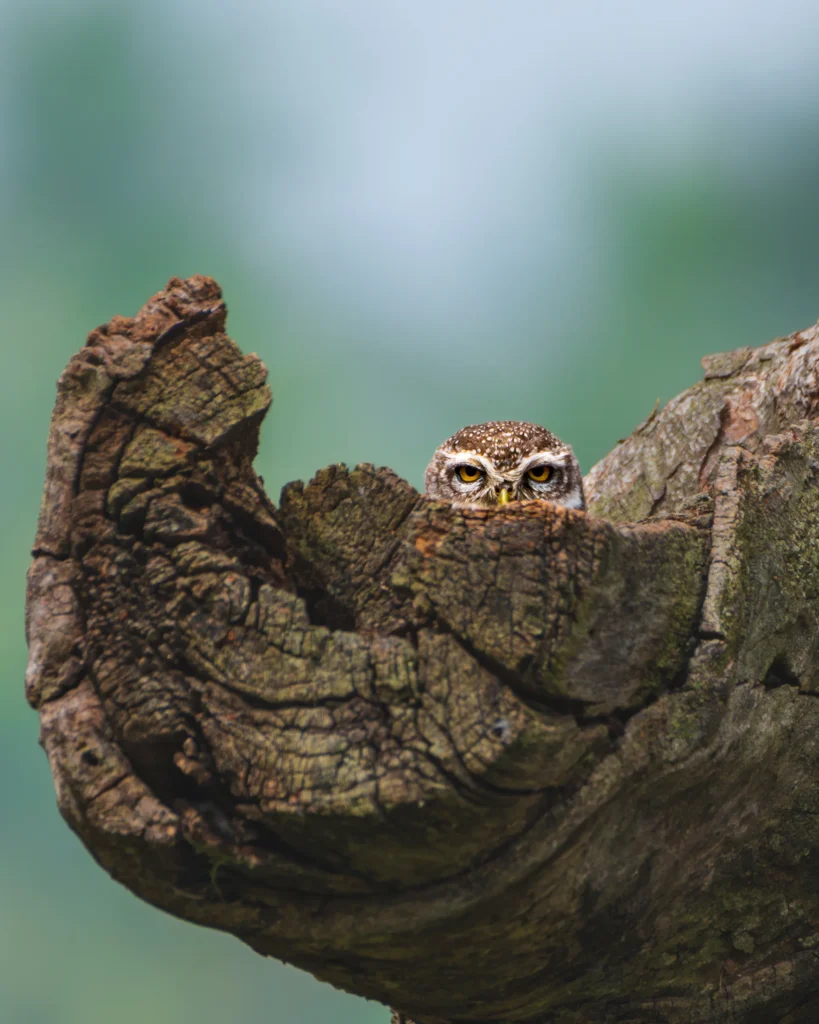
From April to September, migratory waterfowl depart for northern breeding territories. However, resident avifauna remains active throughout the warmer months:
- Terrestrial & Woodland Species: Indian peafowl, spotted owlets, black drongos, and greater coucals are easily observed in the scrub boundaries of Okhla and Sultanpur.
- Water-Edge Residents: White-throated kingfishers and common kingfishers remain resident along the banks year-round.
- Summer Field Note: Sultanpur National Park closes completely from June 1 through September 30 for habitat restoration and local nesting. Okhla remains open throughout the summer, operating from 7:00 AM to 5:30 PM.
Bird Photography: Field Logistics and Gear Advice
Capturing sharp images of active waterfowl requires planning around lighting conditions, distance, and park regulations.
Focal Lengths, Watchtower Strategy, and Light Angles
- Recommended Optics: A 100–400mm telephoto lens (or prime telephoto equivalent) provides the versatility needed for medium-range birds along open wetlands and skittish passerines in the trees.
- Golden Hour Timing: Plan your arrival at gate opening time. The window between 7:00 AM and 9:00 AM offers the softest light and coincides with peak morning feeding activity.
- Utilizing Watchtowers: Both Okhla and Sultanpur feature raised observation watchtowers. These structures provide an elevated sightline over expansive reed beds and open water, allowing you to photograph waterfowl without flushing them.
Complete Regulatory and Cost Reference Tables
Review entry rules and permit costs before departing to prevent unexpected delays at the gates.
Entry and Camera Fee Comparison
| Sanctuary | Indian Adult | Indian Child | Foreign National | Still Camera Fee | Video Camera Fee |
| Okhla Bird Sanctuary | ₹30 | Standard rate | ₹350 | ₹500 | ₹1,000 |
| Sultanpur National Park | ₹5 | ₹2 | ₹40 | ₹10 | ₹500 |
| Surajpur Wetlands | Consult UP Ecotourism | Consult UP Ecotourism | Consult UP Ecotourism | Consult UP Ecotourism | Consult UP Ecotourism |
| Yamuna Biodiversity Park | Managed site access | Managed site access | Managed site access | Managed site access | Managed site access |
| Asola Bhatti Sanctuary | Managed site access | Managed site access | Managed site access | Managed site access | Managed site access |
Operational Schedules and Facility Comparison
| Feature | Okhla Bird Sanctuary | Sultanpur National Park | Surajpur Wetlands | Yamuna Biodiversity Park | Asola Bhatti Sanctuary |
| Winter Timings | 7:30 AM – 5:00 PM | 7:00 AM – 4:00 PM | Daylight hours | Daylight hours | Daylight hours |
| Summer Timings | 7:00 AM – 5:30 PM | Closed annually | Daylight hours | Daylight hours | Daylight hours |
| Closed Days | Open all 7 days | Closed on Tuesdays | Open daily | Contact administration | Contact administration |
| Annual Closure | None | 1 June – 30 September | None | None | None |
| Observation Towers | Available | Multiple towers | Walking trails | Guided trails | Nature paths |
| Parking Available | Yes | Yes | Yes | Yes | Yes |
| Picnic Packages | No | ₹750/person package | No | No | No |
| Total Area | 4 km² (700 acres) | Lake & buffer area | 308 ha (60 ha wetland) | 457 acres | Southern ridge |
Common Field Mistakes to Avoid
- Arriving at Sultanpur on a Tuesday: Sultanpur is strictly closed to the public every Tuesday for reserve maintenance.
- Visiting Sultanpur During the Monsoon: Attempting to visit between June 1 and September 30 will result in a turned-away trip due to the mandatory annual closure.
- Assuming Uniform Camera Permit Fees: Bringing a DSLR or mirrorless kit to Okhla costs ₹500 for a still permit, whereas the same camera permit at Sultanpur costs ₹10. Plan your budget accordingly.
- Late Morning Arrivals: Arriving after 9:30 AM significantly reduces sightings as thermal activity increases, light becomes harsh, and birds seek cover in deeper reed beds.
- Overlooking Non-Avian Wildlife: Visitors focusing solely on water birds at Okhla often miss the nilgai (blue bull) and golden jackals active along the terrestrial brush in the early morning.
Frequently Asked Questions
Which bird sanctuary is closest to central Delhi?
Yamuna Biodiversity Park in Wazirabad is the closest, situated approximately 15 kilometres north of central Delhi. Okhla Bird Sanctuary and Sultanpur National Park are both roughly 40 kilometres from the city centre.
What is the best month for winter birdwatching around Delhi?
The peak period is between November and February, when winter migrants from Central Asia and Siberia settle across local water bodies in large numbers.
Where can I reliably spot flamingos and pelicans near Delhi?
Sultanpur National Park in Gurgaon is the premier location near Delhi for observing winter flocks of greater flamingos and pelicans.
Can I see Siberian gulls at Okhla Bird Sanctuary?
Yes. Large numbers of Siberian gulls winter at Okhla between November and February, frequently gathering near the Yamuna river barrage.
What are the camera fees at Okhla and Sultanpur?
At Okhla, the still camera fee is ₹500 and the movie camera fee is ₹1,000. At Sultanpur, the still camera fee is ₹10 and the video camera fee is ₹500.
Is Sultanpur National Park open year-round?
No. Sultanpur is closed every Tuesday and observes a complete annual closure from June 1 through September 30 for monsoon breeding and habitat restoration.
How do I reach Sultanpur using the Delhi Metro?
Take the Delhi Metro Yellow Line to Huda City Centre station in Gurgaon. From the station, take a direct taxi, shared auto-rickshaw, or local bus to complete the remaining distance to the park gates.
Does Sultanpur National Park offer organized family packages?
Yes. Sultanpur provides a managed picnic package at ₹750 per person, which includes a boat ride, a park safari, and lunch.
Practical Field Checklist
- Optics: 8×42 or 10×42 binoculars for scanning; 100–400mm telephoto lens for photography.
- Permit Cash: Physical cash for entry tickets and camera permits at Okhla (₹30 entry / ₹500 camera) and Sultanpur (₹5 entry / ₹10 camera).
- Schedule Check: Confirm that your travel day is not a Tuesday if heading to Sultanpur.
- Seasonal Window: Plan trips between November and February for maximum migratory waterfowl species counts.
- Appropriate Attire: Neutral-colored clothing (greens, browns, tans) and comfortable walking shoes suitable for flat dirt trails and watchtower staircases.
Delhi-NCR contains five primary protected birding habitats within 40 kilometres of the capital. Whether observing Siberian gulls along the Yamuna at Okhla, tracking flamingos from the watchtowers of Sultanpur, or exploring the restored wetlands of Surajpur, the region provides rich opportunities for naturalists and photographers throughout the winter season.
Wildlife in Delhi NCR : Topics Cluster