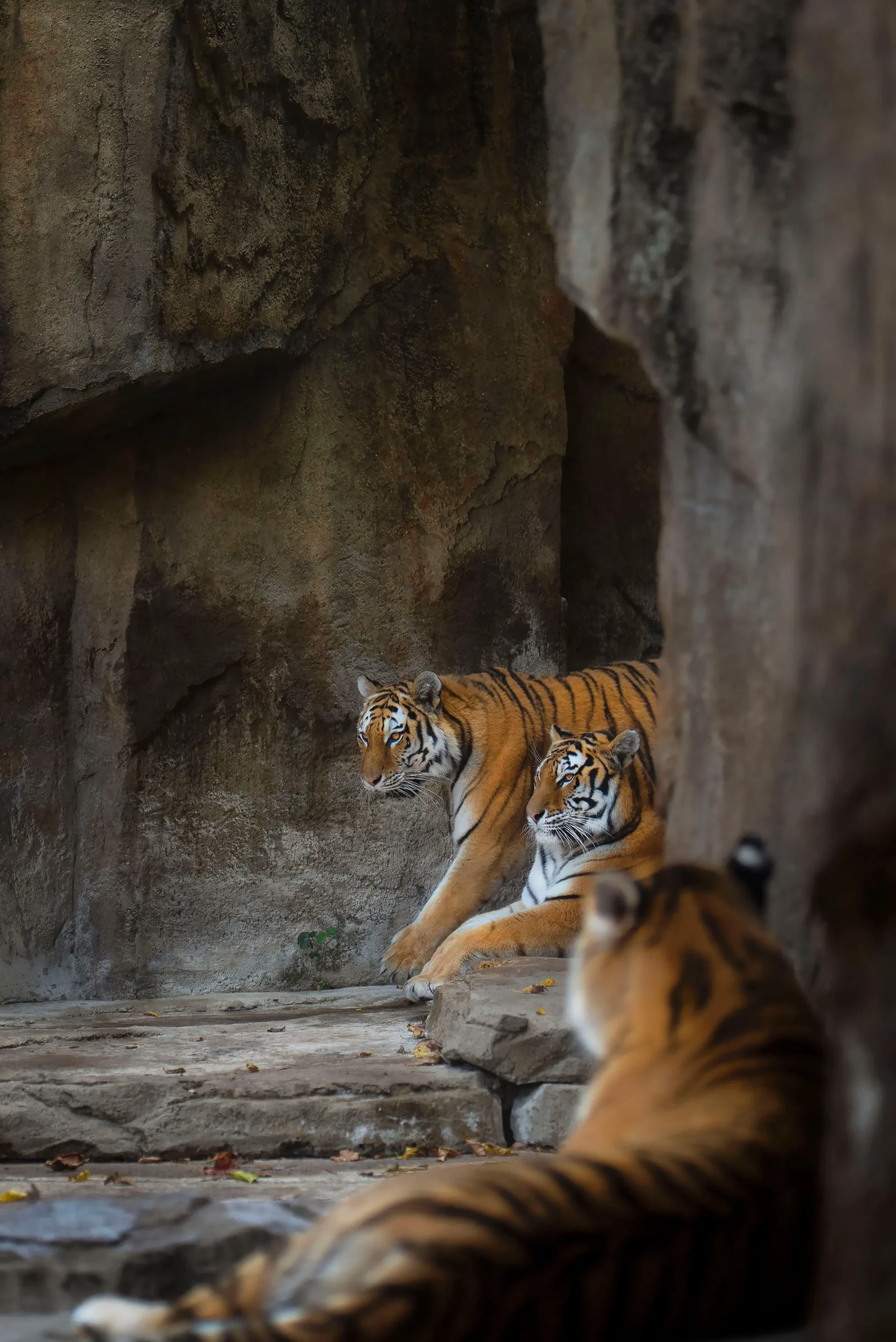
Plan the perfect weekend trip to Ranthambore National Park. Compare 2-night vs 3-night itineraries, optimize safari timings, and maximize tiger sightings.
Introduction, Overview & Planning
Planning a short trip to Ranthambore National Park requires balancing tight travel schedules with unpredictable wildlife dynamics. A successful weekend trip depends entirely on matching your travel times with strict park entry windows, minimizing transit delays, and setting realistic expectations for tiger tracking.
According to the National Tiger Conservation Authority (NTCA), Ranthambore Tiger Reserve spans a total area of 1,411.28 square kilometers, consisting of a 1,113.36 square kilometer core zone and a 297.92 square kilometer buffer zone. While the park is vast, the tourism footprint is highly structured, meaning a poorly timed arrival can cause you to miss a safari slot entirely.
What is the Best Ranthambore Weekend Itinerary?
The best Ranthambore weekend itinerary is a 2-night, 3-day structure that incorporates three distinct safari drives alongside a dedicated visit to the historic Ranthambore Fort. This timeline provides a balanced rhythm between intense wildlife tracking and necessary field rest, ensuring you do not experience safari fatigue.
2 Nights vs. 3 Nights: Choosing Your Trip Length
A 2-night stay is the most practical choice for weekend travelers traveling from nearby urban hubs like Delhi or Jaipur. It allows you to fit in two to three safari drives without taking leaves from work. However, a 3-night stay is better if you want a relaxed travel pace, more lodge downtime, or a backup buffer in case of transit delays.
| Planning Metric | 2-Night Weekend Itinerary | 3-Night Long Weekend Itinerary |
| Total Safari Drives | 2 to 3 drives maximum | 4 to 5 drives maximum |
| Pacing | High-intensity, compressed | Relaxed, balanced downtime |
| Best For | Focused wildlife travelers and road-trippers | Families, photographers, and luxury travelers |
| Core Drawback | Zero margin for train or road delays | Requires an extra day off work |
Which Option Is Better for Tiger Sightings?
A 3-night itinerary gives you statistically better tiger-sighting opportunities simply because it doubles your time in the park. Tiger tracking relies on patience, alarm calls, and guide expertise. Because each standard safari drive lasts approximately 3 to 3.5 hours, increasing your total number of drives from two to four or five gives your guiding team more opportunities to explore different zones and track individual tiger movements across multiple days.
📝 Field Note
Tiger sightings are never guaranteed in any specific zone or drive. Rather than focusing on a single “hotspot” zone, use a multi-drive weekend itinerary to distribute your bookings across different zone categories (such as Zones 1–5 and Zones 6–10) to experience both the historical lake sectors and the rugged outer landscapes.
The 2-Day Ranthambore Weekend Itinerary
This compressed itinerary is designed for travelers who have exactly 48 hours available, typically arriving on a Saturday morning and departing on Sunday afternoon. It prioritizes direct transit, rapid check-ins, and back-to-back wildlife drives.
Day 1: Arrival, Logistics, and Afternoon Safari
- 06:00 AM – 11:30 AM | Transit to Sawai Madhopur: Arrive via the morning train or a direct road transfer. Ensure your transport drops you directly at your lodge rather than the town center to save time.
- 12:00 PM – 01:30 PM | Early Check-In and Safari Briefing: Check into your lodge, eat a light lunch, and meet your naturalist or driver.
- 02:00 PM – 05:30 PM | Afternoon Safari Drive: Your safari vehicle picks you up directly from the lodge. The afternoon drive focuses on areas near permanent water sources like Padam Talao or Rajbagh Lake, where wildlife aggregates during warmer hours.
- 06:30 PM onward | Evening Review: Return to the lodge for tea, review your field notes or camera settings, and rest ahead of the early morning drive.
Day 2: Morning Safari, Fort Exploration, and Departure
- 05:30 AM – 09:30 AM | Morning Safari Drive: The morning drive offers cooler temperatures and peak activity periods for both mammals and the park’s 315 recorded bird species.
- 10:00 AM – 11:30 AM | Breakfast and Mid-Day Check-Out: Return to the lodge for breakfast and finalize your check-out logistics. Pack your bags and leave them securely at the front desk or in a locked vehicle.
- 12:00 PM – 02:30 PM | Ranthambore Fort Visit: Take a dedicated Gypsy or local transport up to the Ranthambore Fort complex. This historic structure sits inside the reserve boundaries, offering an excellent vantage point over the core forest tracks.
- 03:30 PM onward | Onward Departure: Return to the Sawai Madhopur railway station or begin your drive back home, concluding the weekend circuit.
💡 Expert Tip
If your incoming train or road transfer faces a delay on Day 1, do not attempt to rush into the park late. Missing the strict entry gate cutoff means losing your permit payment. Instead, convert Day 1 into a dedicated afternoon trip to the Ranthambore Fort, and shift your primary safari focus entirely to Day 2.
The 3-Day Long Weekend Itinerary and Variations by Traveler Type
The 3-Day Ranthambore Long Weekend Itinerary
A three-day itinerary (typically Friday to Sunday or Saturday to Monday) is the most balanced way to experience Ranthambore. This structure prevents the physical exhaustion that comes from attempting back-to-back travel and wildlife tracking in a compressed 48-hour window. It also provides a necessary buffer for unexpected transit delays and allows you to enjoy the lodge facilities.
Some itinerary guides suggest using the first day entirely for arrival and relaxation, reserving the second day for intensive safaris, and using the third day for a fort visit or a final morning drive before departure.
Day 1: Check-in, Pacing, and Local Sightseeing
- 12:00 PM – 02:00 PM | Arrival and Acclimatization: Arrive at your lodge in Sawai Madhopur. Complete your check-in, have lunch, and use this time to recover from the drive or train journey.
- 03:00 PM – 06:00 PM | Local Exploration: Instead of rushing immediately into a safari, use this afternoon for local sightseeing. Visit the Ranthambore Fort or explore local craft stops. This ensures that even if your arrival is delayed, you do not miss a prepaid safari permit.
- 07:00 PM | Lodge Downtime: Enjoy the hotel amenities, have an early dinner, and prepare your gear for the early morning wake-up call.
Day 2: The Core Safari Day (Morning and Afternoon Drives)
- 05:30 AM – 10:00 AM | Morning Safari: Head into the park for your first safari drive. Morning sessions generally offer the best lighting and high predator movement before the heat sets in.
- 10:30 AM – 02:00 PM | Rest Window: This midday break is critical. Safari drives are dusty and physically demanding. Return to the lodge, eat breakfast, and rest.
- 02:30 PM – 06:00 PM | Afternoon Safari: Head back into a different zone for your second drive. Afternoon safaris focus on water bodies where animals gather to drink as temperatures peak.
Day 3: Ranthambore Fort Visit and Departure
- 06:00 AM – 10:00 AM | Optional Third Safari or Slow Morning: Depending on your energy levels and booking success, use this morning for a third safari drive. Alternatively, sleep in, enjoy a late breakfast, and pack at a relaxed pace.
- 10:00 AM – 12:00 PM | Final Sightseeing: If you did not visit the Ranthambore Fort on Day 1, you can complete this trip now before leaving.
- 12:30 PM onward | Departure: Check out and begin your journey home.
Best Weekend Itinerary by Traveler Type
Generic weekend guides often fail to address the different goals travelers have when visiting a tiger reserve. A schedule that works for a wildlife photographer will likely exhaust a family with young children.
Table 2: Weekend Itinerary Variations by Travel Style
| Traveler Type | Ideal Trip Length | Safari Count | Priority Focus |
| Tiger-First | 2 to 3 Nights | 3 to 4 drives | Maximizing tiger sighting odds across multiple zones. |
| Family | 3 Nights | 1 to 2 drives | Comfortable pacing, pool time, and historical sightseeing. |
| Photographer | 3 Nights | 4 drives | Utilizing both morning and evening light with structured rest. |
| Luxury / Couple | 2 to 3 Nights | 1 to 2 drives | Scenic lodge relaxation, fort views, and a relaxed schedule. |
The Tiger-First Wildlife Traveler
If your primary goal is tracking Bengal tigers, structure your weekend strictly around safari timings. You should aim for a 3-night stay to accommodate at least three or four drives. Prioritize booking both morning and evening slots, as tiger movement patterns change daily. Skip the fort visit entirely if it conflicts with a safari window.
The Family Short Break
Families traveling with children should prioritize comfort over maximizing park time. Pack your weekend with one morning safari and one afternoon safari across two different days. Avoid booking back-to-back drives on the same day, as the 3 to 3.5 hours spent in an open vehicle can quickly lead to fatigue for younger travelers. Use the midday rest windows for hotel pool time.
👨👩👧 Family Travel Tip
If you are traveling with children, book a Canter (a 20-seater open truck) instead of a Gypsy for at least one drive. Canters offer more space to move around, are higher off the ground, and are often easier to secure at short notice.
The Wildlife Photographer
Photographers require a strict morning and evening safari structure to capture the best natural light. A 3-night weekend is essential here. You need the downtime between 10:30 AM and 02:00 PM to offload memory cards, clean dust off your lenses, and rest before the afternoon session. Do not attempt a 2-night compressed itinerary, as the lack of rest will impact your focus in the field.
The Relaxed Luxury Couple
For couples seeking a scenic getaway from the city, the wildlife is often secondary to the lodge experience. A 2-night or 3-night stay works equally well. Limit your itinerary to a single morning safari to experience the forest, and dedicate the rest of your weekend to lodge dining, spa treatments, and a leisurely visit to Ranthambore Fort for sunset views.
Seasonality, Safari Timings, Lodge Location, and Booking Dynamics
Seasonality and Safari Timings for Weekend Visitors
A major mistake weekend travelers make is assuming a Ranthambore itinerary remains identical year-round. The reserve’s core tourism zones are open from 1 October to 30 June. The core zones close completely during the monsoon months.
Because park management ties entry and exit times to sunrise and sunset, exact safari hours change significantly between winter and summer. Your weekend schedule—especially your meal times and rest windows—must adapt to these seasonal shifts.
Managing the Seasonal Safari Shift
In peak winter, morning safaris start later and end later, giving you less time to rest before the afternoon drive begins. Conversely, in summer, morning drives start very early and finish early, creating a long, hot midday gap before the late afternoon safari.
Table 3: Seasonal Safari Adjustments
| Season | Operational Window | Safari Strategy & Pacing | Packing Priority |
| Winter (Nov – Feb) | Morning starts later; shorter midday rest. | Eat a heavy breakfast after the morning drive. Minimize midday activities. | Multiple thick layers, windproof jackets, gloves, and beanies. |
| Summer (Mar – June) | Morning starts very early; long midday rest. | Use the long afternoon gap for lodge rest or pool time before the evening drive. | Breathable cotton, wide-brim hats, sun protection, and dust buffs. |
| Monsoon (July – Sept) | Core tourism closed. | Focus entirely on buffer zone safaris or alternative local sightseeing. | Rain gear and waterproof bags for electronics. |
📸 Photography Tip
If you are visiting during the winter months, the morning light remains softer for longer. However, the thick morning fog can delay visibility. Prepare your camera for low-light conditions during the first hour of a winter morning drive.
Packing, Hotel Selection, and Booking Dynamics
Where you stay and how early you book dictate how smoothly your weekend will run. A compressed weekend timeline leaves no room for administrative delays at the gate or long commutes from distant hotels.
Choosing the Right Lodge Location
Ranthambore offers accommodation spanning from Sawai Madhopur town to the immediate perimeter of the park gates along Ranthambore Road.
- Near the Park Gate (Ranthambore Road): This is the best choice for a 2-day weekend trip. Staying closer to the park reduces transit time in the early morning and gets you back to your room faster during the critical midday rest window.
- Sawai Madhopur Town: Hotels in town are generally more budget-friendly and offer easier access to the railway station. However, you will add 15 to 30 minutes of travel time in an open vehicle before you even reach the park entry gates.
Booking Windows and Permits
Your entire weekend itinerary should be structured around your secured safari permits, rather than booking a hotel first and hoping to find safari slots later.
- Book Safaris First: Safari permits for Ranthambore open well in advance. Weekend slots (Saturday and Sunday) sell out significantly faster than weekday slots.
- Zone Allocation: When booking, you will select either specific zones (like Zones 1–5 or 6–10) or rely on current availability. Secure your permits before finalizing your hotel dates.
- Arrival Day Caution: Never book a morning safari on your arrival day unless you are staying locally the night before. Trains and winter road conditions frequently cause delays, and park gates operate on strict entry cutoffs.
📋 Decision Guide: Should I Book a Gypsy or a Canter?
- Choose a Gypsy (6-seater): If you are a photographer, traveling in a small group, or want a quieter, more maneuverable vehicle for tracking.
- Choose a Canter (20-seater): If you are booking late, traveling with a large family, or visiting on a tight budget. Canters sit higher, offering a good vantage point, but can be noisier.
Common Mistakes, Frequently Asked Questions, and Conclusion
Common Weekend Safari Mistakes to Avoid
Even a well-planned itinerary can fall apart if you misjudge the realities of wildlife travel. Avoid these common errors when structuring your Ranthambore weekend:
- Overpacking the Schedule: Attempting to force three safaris, a fort visit, and local shopping into a single 48-hour window is a mistake. This leads to physical fatigue and significantly reduces your enjoyment of the forest.
- Assuming One Safari is Enough: While a single drive offers a glimpse of the park, booking a second safari often materially improves the overall trip and increases your odds of observing a wider variety of wildlife.
- Ignoring Seasonal Changes: The exact timing of your weekend itinerary must change depending on the month you visit. Safari hours shift according to sunrise and sunset, meaning a winter schedule looks very different from a summer schedule.
- Late Booking: Weekend slots (Saturday and Sunday) are the highest in demand and sell out quickly. Arriving on a weekend without pre-booked safari permits usually means missing out on the core zones entirely.
Frequently Asked Questions
Is a 2-day weekend trip enough for Ranthambore?
Yes, a well-planned 2-night trip can be highly effective. It allows enough time for two to three safari drives and a visit to the Ranthambore Fort. However, you must minimize transit delays and stay close to the park gates to make this compressed timeline work.
Is a 3-day weekend trip better than 2 days?
A 3-night itinerary is generally better because it offers a more relaxed pace and allows you to absorb the experience. It provides opportunities for up to four or five safaris, accommodates necessary midday rest, and offers a buffer in case your arrival is delayed.
Should I book a morning safari or an evening safari?
For the best experience, you should book both. Morning safaris provide excellent lighting and active predator movement in cooler temperatures, while afternoon drives are highly effective around water bodies as animals come to drink.
Can I visit Ranthambore Fort on a weekend trip?
Yes. Travelers commonly combine two safari drives with a dedicated fort visit across a standard 2-night weekend stay. The fort sits inside the reserve and offers an excellent vantage point, making it a highly recommended addition to your itinerary.
How much rest should I keep between safaris?
You should rest completely during the midday window (typically between 10:30 AM and 02:00 PM). Safari drives last roughly 3 to 3.5 hours on dusty, uneven tracks. Returning to your lodge to eat, hydrate, and sleep is critical to avoiding exhaustion before your next drive.
What happens if I visit during the monsoon?
The core tourism zones of Ranthambore are closed during the monsoon months (July through September). If you plan a weekend trip during this time, you will need a backup plan focused entirely on the buffer zones or alternative local sightseeing.
Conclusion
A successful Ranthambore weekend itinerary relies on realistic pacing and proactive planning. Whether you choose a highly focused 2-day wildlife sprint or a balanced 3-day long weekend, prioritize your safari bookings before confirming your hotel. By aligning your expectations with seasonal park timings and allowing for adequate rest between drives, you can experience the best of Ranthambore without the exhaustion commonly associated with short-trip travel.
Sources and References
- National Tiger Conservation Authority (NTCA): Ranthambore brief for reserve facts, total area (1,411.28 sq. km), and biodiversity statistics.
- Official Ranthambore Safari Timings: For seasonal operating windows and monsoon closure dates.
- Current Wildlife Travel Guides: For updated 2-day and 3-day weekend itinerary structures, pacing recommendations, and do-it-yourself travel planning.
Author Note & Update Log: Written by the WildlifeSafaris.in Editorial Team. Last Updated: August 2026.
Ranthambore National Park : Topics Cluster
- Ranthambore Complete Safari Guide
- Best Zones in Ranthambore
- Ranthambore Safari Zones Explained
- Ranthambore Safari Booking Step by Step Guide
- Ranthambore Safari Timings
- Ranthambore : Summer vs Winter
- Ranthambore Safari Costs
- Delhi to Rathambore
- Weekend Itinerary
- Ranthambore Naturalist Guide
- Ranthambore Photography
- How many days are enough?
- Ranthambore Luxury Wildlife Lodges
- Luxury Safari Stays in Ranthambore
- Ranthambore Best Hotels
- Wildlife in Rajasthan
- Ranthambore Common Safari Mistakes
- Ranthambore Foreign Visitors Guide (upcoming)
- Complete Ranthambore Luxury Safari Guide (upcoming)