Avoid critical Ranthambore National Park safari mistakes. Learn how to prevent booking errors, identity document issues, and poor zone selections to protect your trip.
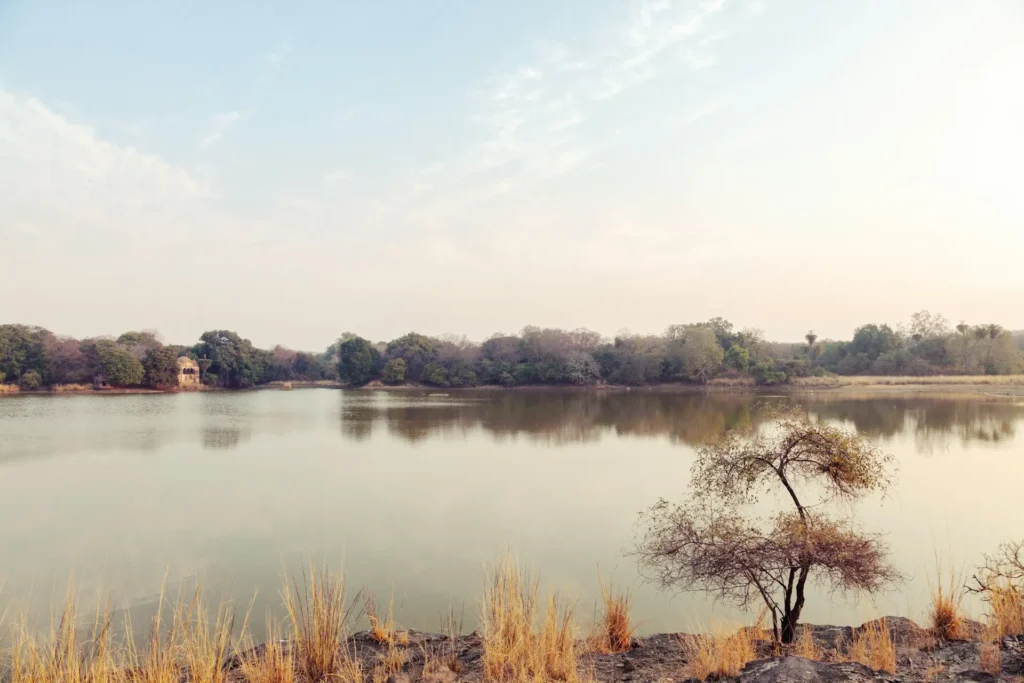
The Reality of Ranthambore: Why Small Errors Ruin Safaris
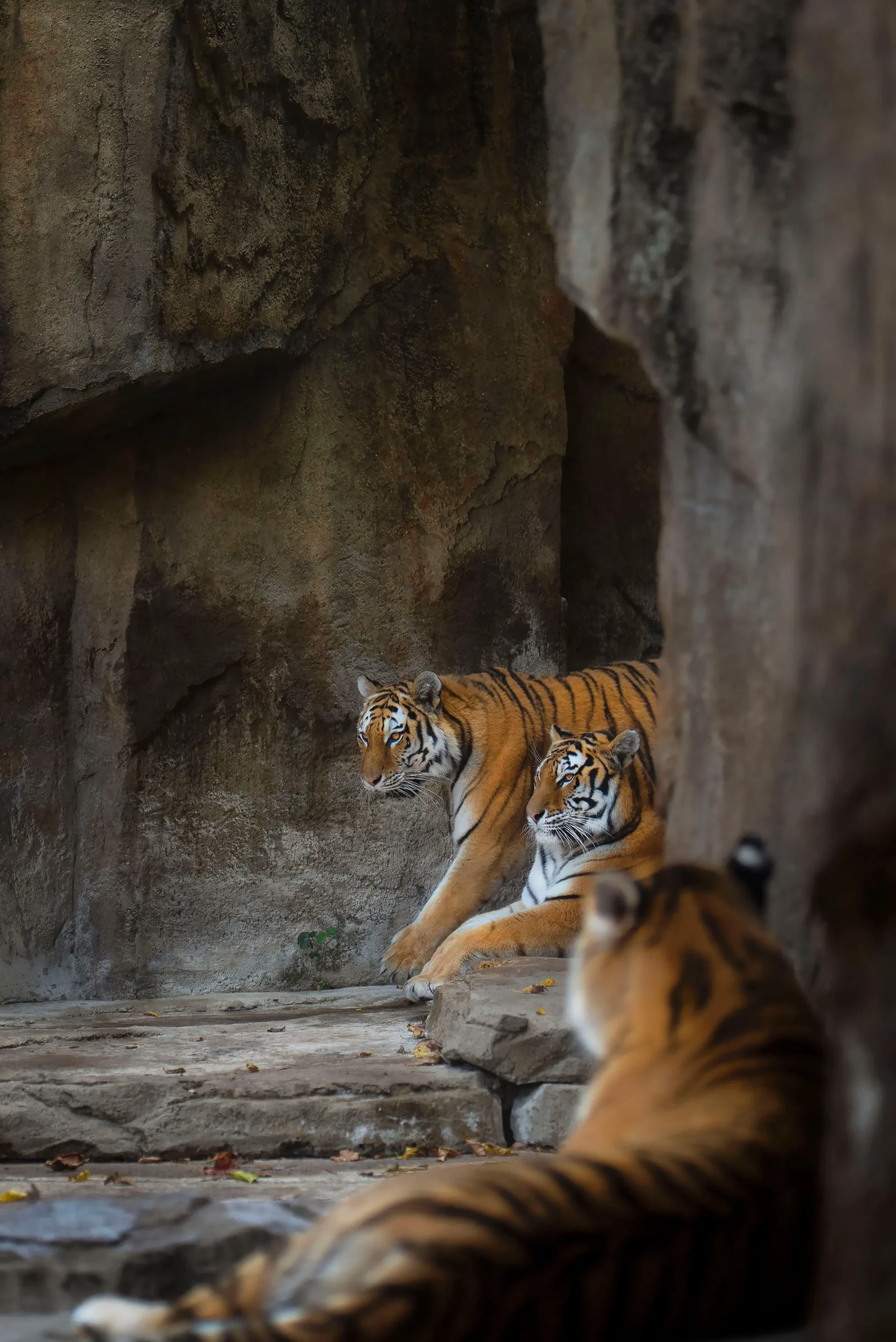
Ranthambore National Park is a highly regulated wildlife reserve operating under the strict guidelines of the National Tiger Conservation Authority (NTCA). Because it is one of India’s most sought-after destinations to observe Bengal tigers, leopards, and sloth bears, park management enforces uncompromising rules regarding vehicle entries, passenger identification, and zone allocations.
For travelers, this strict regulatory structure means that planning errors are rarely forgiven. A simple oversight in paperwork or a delayed booking window will not just cause minor friction; it frequently results in denied entry at the park gates, significantly reduced chances of key wildlife sightings, or steep, unnecessary financial losses. Understanding how the park operates before you clear your calendar is the only reliable way to safeguard your journey.
Pre-Booking and Administrative Mistakes
Last-Minute Booking and Loss of Preferred Access
Waiting to secure your park permits until a few weeks or days before your trip is the most frequent cause of a failed itinerary. Ranthambore safari permits are released online well in advance, and demand consistently outpaces supply—particularly for weekends, holidays, and peak viewing months.
When you delay your booking, you lose access to the most productive zones and preferred morning time slots. Last-minute travelers are regularly left with remaining permits for less productive sectors, or worse, find themselves completely locked out of the park. Furthermore, failing to secure permits early forces travelers into secondary logistical errors, such as booking hotels that sit hours away from their unexpectedly assigned entry gates.
Practical Guide Note: Park permits operate on a non-refundable and non-transferable basis. Once a name or date is locked into the official system, it cannot be modified to correct a scheduling oversight.
Misunderstanding the Zone System (Core vs. Buffer)
Ranthambore National Park is divided into 10 distinct safari zones, and assuming all zones offer identical terrain, access, or sighting opportunities is a major planning pitfall. The park’s geography splits these sectors into two major classifications:
- Zones 1 through 5: These represent the core tourism areas of the reserve, housing historic landmarks like Padam Talao, Jogi Mahal, and the approaches to Ranthambore Fort. These areas feature long-established water sources that naturally concentrate prey species like sambar and chital, making them highly productive for tiger tracking.
- Zones 6 through 10: These serve as the designated buffer zones. While they hold resident wildlife—including specialized terrain favored by sloth bears and leopards—the landscapes differ significantly from the core tracks.
Booking a buffer zone permit under the impression that it mirrors the habitat of the core lake zones leads to immediate disappointment. To experience the full diversity of Ranthambore’s 38 mammal and 315 bird species, visitors must deliberately research zone features rather than leaving allocation to chance.
The Critical Identity Document Mismatch
The single fastest way to face entry denial at the park gates is an administrative mismatch between your booking paperwork and your physical identification. Ranthambore’s forest department checkpoints conduct strict verification before any vehicle enters checkpoints like Singh Dwar.
The specific photo identification document used during the online permit reservation process must match the physical ID carried by the traveler into the field. If you use your passport number to book the safari online but present a driver’s license or an alternative national ID at the gate, the vehicle will be stopped, and your permit will be invalidated on the spot.
Responsible Tourism Tip: Double-check every alphanumeric character on your official booking receipt against your physical documents before leaving for Sawai Madhopur. Typographical errors made by travelers or booking assistants are treated by gate security as unverified identification, resulting in immediate exclusion from the zone.
Trusting Unverified Operators and Forced Hotel Bundles
Navigating Ranthambore’s high demand attracts unverified third-party brokers and unreliable digital agents. A common financial trap involves operators who promise “guaranteed tiger sightings” or “exclusive zone switches” in exchange for highly inflated premium rates. In reality, zone allocations are fixed by official park systems and cannot be altered by agents after issuance.
Another prevalent issue is the forced bundling of accommodation and safari permits. Travelers are often told they cannot secure a safari permit unless they purchase an expensive hotel package through the same provider. This strategy restricts your lodging choices and obscures the true cost of the individual park permits. Always demand itemized breakdowns of permit fees, vehicle costs, and guiding rates to ensure you are paying official rates rather than hidden broker markups.
Logistics, Timing, and Vehicle Selection Mistakes
Choosing the Wrong Vehicle Type for Your Group
The choice between a six-seater open Maruti Gypsy and a 20-seater open Canter truck fundamentally alters how you experience the forest. A frequent mistake is booking whichever vehicle is cheapest or immediately available without considering the specific requirements of your travel companions.
For wildlife photographers, booking a seat on a Canter is a severe logistical error. The elevated seating height of the truck, combined with the restricted mobility and the shared space with 19 other passengers, makes stabilizing and maneuvering long telephoto lenses exceptionally difficult. The lower viewing angle, quieter engine, and maneuverability of a Gypsy make it the superior choice for serious photography and tracking. However, families traveling in large groups may find the Canter practical, provided they understand the trade-offs in flexibility and noise.
Arriving Late and Wasting Scheduled Slots
Safari timings in Ranthambore are dictated by park authorities and are strictly enforced at the entry gates. First-time visitors routinely underestimate the travel time required to navigate from their accommodation to the specific boarding point or park gate designated on their permit.
If you are not ready at your pickup point or arrive late to the gate, the vehicle will leave without you, or you will be denied entry. There is no flexibility for delayed arrivals because the forest department operates on a fixed schedule to regulate the exact number of vehicles inside the reserve at any given time. Failing to manage your morning logistics properly results in a completely wasted permit.
Family Travel Tip: Prepare all safari gear, identification documents, and layers of clothing the night before your morning drive. The transition from waking up to boarding the vehicle happens rapidly in the pre-dawn darkness, leaving little room to search for misplaced items.
Overlooking Seasonal Timing Shifts
Ranthambore’s operational hours are not static; morning and afternoon gate timings shift throughout the year to align with the changing sunrise and sunset. Relying on an outdated timing chart found on an old blog post is a common error that leads to missed safaris.
Furthermore, failing to understand the broader seasonal calendar can completely upend your travel plans. The core tourism areas (Zones 1 through 5) are closed entirely during the monsoon months, and the reserve generally operates its full tourism footprint only from October 1 to June 30. Planning a trip to target the core lakes in August, for example, is a fundamental planning failure based on ignoring the official operating seasons.
On-Safari Field Conduct and Etiquette Errors
Disruptive Behavior and Noise Management
Speaking loudly in the safari vehicle directly reduces your chances of observing wildlife and violates basic park etiquette. Animals such as tigers and leopards are highly sensitive to unnatural human noises.
Constant talking, shouting across the vehicle, or cheering when an animal appears will frequently cause the subject to retreat into the dense brush. To improve both the quality and duration of your sightings, you must practice silent viewing. Keep communication to whispers and avoid sudden, erratic movements that can startle animals resting near the track.
Wearing Inappropriate Clothing and Bright Colors
Wearing bright, unnatural colors is strongly discouraged because it makes you highly visible and can disturb the wildlife you are trying to observe.
First-time visitors often pack standard casual wear without considering the environment. Muted tones such as olive greens, earthy browns, and neutral khakis blend into the dry deciduous forest of Sawai Madhopur. Avoid stark whites, neon colors, and bright reds entirely. Beyond visibility, the dust from the safari tracks will immediately ruin light-colored clothing.
Mobile Phone Distractions and Loss of Situational Awareness
Staring at a mobile phone screen during a drive causes you to miss fleeting wildlife action and breaks the discipline required in a wild tiger reserve. Constant phone use is frequently cited as a major behavioral mistake that negatively impacts the experience.
Wildlife tracking requires situational awareness; leopards and tigers often appear silently and briefly. Keep devices completely silenced and stored away. This ensures you stay focused on the forest and respect the viewing experience of others in your vehicle, who do not want to hear notification chimes in the wilderness.
Skipping the Value of a Professional Guide
Relying solely on the driver without the interpretation of a professional guide significantly reduces the educational and practical value of your trip.
Guides are trained to read the forest. They listen for specific alarm calls from sambar deer and langurs, identify fresh pugmarks on the tracks, and anticipate animal movements based on daily territory patrols. Without their expertise, you will miss subtle behavioral cues and fail to understand the complex ecology of the park, turning a wildlife tracking experience into a simple driving tour.
Technical and Environmental Preparation Mistakes
Photography Errors That Ruin Field Opportunities
Photographers frequently fail when they do not adapt their techniques to the physical constraints of a moving safari vehicle and the strict rules of the park.
The most common errors include poor seating choices—such as booking a heavy, elevated canter instead of a nimble gypsy—and causing disturbances with loud shutter bursts.
Photography Tip: Prepare your equipment before the vehicle approaches an animal. Fumbling with lens changes during a critical sighting creates unnecessary noise and movement, which can disturb the subject and ruin the opportunity for everyone on board.
Failing to Prepare for Seasonal Weather Extremes
Not checking the specific seasonal weather for Ranthambore leaves travelers physically miserable and unable to focus on the environment.
The park experiences a climate of extremes: cold winter mornings from December to February and intense summer heat from April to June. Packing errors, such as forgetting heavy windproof layers for a winter morning drive or lacking adequate sun protection and hydration during the summer months, are highly common mistakes that directly ruin the physical experience of the safari.
Neglecting Post-Safari Rest and Pacing
Failing to rest between morning and afternoon safaris leads to deep exhaustion and reduces your overall enjoyment of the trip.
Waking up in the pre-dawn hours, enduring a bumpy, dusty drive in an open vehicle, and dealing with temperature extremes is physically demanding. A frequent first-timer mistake is attempting to pack the midday gap with shopping, long travel transfers, or extensive hotel activities. Plan for mandatory downtime and physical recovery in the middle of the day to ensure you remain alert and comfortable for the afternoon drive.
Ranthambore Strategic Planning Matrix
To help you organize your planning and avoid the errors discussed in previous sections, use the following operational matrices to make clear, informed decisions.
Table 1: High-Impact Safari Mistakes and Prevention Strategies
| Safari Phase | Common Mistake | Impact Level | Prevention Strategy |
| Pre-Booking | Booking at the last minute | Critical | Book well in advance to secure preferred core zones and morning time slots. |
| Pre-Booking | ID mismatch on permits | Critical | Double-check that your physical photo ID matches your online booking receipt character for character. |
| Logistics | Relying on unreliable agents | High | Demand itemized pricing to avoid hidden markups or forced hotel bundles. |
| Logistics | Arriving late for the gate | High | Prepare gear the night before; understand that gate timings are strictly enforced and late arrivals miss the safari. |
| Field Conduct | Making loud noises in the vehicle | Medium | Practice silent viewing to avoid scaring away sensitive wildlife like tigers and leopards. |
Table 2: Gypsy vs. Canter Decision Matrix
| Feature | Maruti Gypsy (6-Seater) | Canter Truck (20-Seater) |
| Best Suited For | Wildlife photographers, small groups, serious trackers. | Large families, budget-conscious travelers. |
| Viewing Angle | Lower to the ground, ideal for eye-level wildlife photography. | Elevated seating, which restricts maneuvering long telephoto lenses. |
| Mobility & Noise | Highly maneuverable on narrow tracks; quieter engine. | Less maneuverable; noisier engine; shared space with 19 other passengers. |
Table 3: Seasonal Weather and Packing Requirements
| Season | Operational Status | Packing Requirements |
| Winter (Dec – Feb) | Fully Open (Zones 1-10) | Heavy windproof layers, gloves, and beanies for freezing morning drives. |
| Summer (Apr – Jun) | Fully Open (Zones 1-10) | Sun protection, lightweight neutral clothing, and heavy hydration gear for extreme heat. |
| Monsoon (Jul – Sep) | Core Closed (Zones 1-5) | Rain gear and protective covers for optics (Note: Core tourism zones are closed). |
Practical Pre-Departure Checklist
Before you leave for Sawai Madhopur, verify that you have completed the following steps:
- Verify Identification: Ensure the physical photo ID in your bag is the exact document used to book your online permit.
- Confirm Timings: Check the current seasonal gate timings for your specific travel dates.
- Pack Appropriate Colors: Remove bright colors or whites from your safari wardrobe and replace them with olive greens, browns, or neutral khakis.
- Review Zone Allocation: Know whether your permit is for a core zone (1-5) or a buffer zone (6-10) so you have accurate expectations of the terrain.
- Silence Devices: Turn off all mobile phone notifications before boarding the vehicle.
Frequently Asked Questions
What are the most common Ranthambore safari mistakes? The most frequent errors include booking too late, selecting the wrong zone, arriving late to the entry gates, bringing the wrong ID document, and making disruptive noise during the drive.
Is a gypsy better than a canter for Ranthambore? A gypsy is superior for wildlife photography, maneuverability, and a quieter tracking experience. A canter is a practical alternative only if you are traveling with a very large family group or are on a strict budget.
Why does zone selection matter so much? Ranthambore’s 10 zones feature vastly different terrains. Zones 1 through 5 are core areas with established lakes that attract prey and predators, while Zones 6 through 10 are buffer areas with different topography and resident species. Your choice directly impacts what type of habitat you will see.
What happens if my booking details don’t match my ID? You will be denied entry at the park gate. The forest department requires the physical ID presented at the checkpoint to perfectly match the details submitted during the online permit reservation.
Can I change my safari zone after booking? No. Once a permit is issued, it is non-refundable, and the zone allocation cannot be modified or transferred to another person.
What should photographers avoid doing? Photographers should avoid booking seats on a canter due to the elevated height and lack of mobility. They should also avoid changing lenses noisily near wildlife and using loud continuous shutter bursts that disturb the animals.
Conclusion
A successful trip to Ranthambore National Park requires recognizing that it is not a casual tourist attraction, but a highly regulated wildlife reserve operating under strict National Tiger Conservation Authority guidelines. The park does not accommodate administrative oversights, and the forest does not reward poor field etiquette.
By securing your permits early, ensuring your identification matches your booking, choosing the right vehicle, and adhering to silent viewing protocols, you eliminate the planning friction that ruins many trips. Preparing correctly allows you to focus entirely on the tracking experience and the wildlife, which is the true purpose of traveling to Sawai Madhopur.
Author Note & Update Log: Written by the WildlifeSafaris.in Editorial Team. Last Updated: August 2026.
Ranthambore National Park : Topics Cluster
- Ranthambore Complete Safari Guide
- Best Zones in Ranthambore
- Ranthambore Safari Zones Explained
- Ranthambore Safari Booking Step by Step Guide
- Ranthambore Safari Timings
- Ranthambore : Summer vs Winter
- Ranthambore Safari Costs
- Delhi to Rathambore
- Weekend Itinerary
- Ranthambore Naturalist Guide
- Ranthambore Photography
- How many days are enough?
- Ranthambore Luxury Wildlife Lodges
- Luxury Safari Stays in Ranthambore
- Ranthambore Best Hotels
- Wildlife in Rajasthan
- Ranthambore Common Safari Mistakes
- Ranthambore Foreign Visitors Guide (upcoming)
- Complete Ranthambore Luxury Safari Guide (upcoming)