Compare Kaziranga vs Manas National Park to choose the best Assam safari based on rhinos, tigers, birding, accessibility, safari experience, and travel style.
Introduction
If you’re planning a wildlife trip to Assam, the choice often comes down to two famous protected areas: Kaziranga National Park and Manas National Park. Both are UNESCO World Heritage Sites, both support Bengal tigers, Asian elephants, and rich birdlife, and both rank among India’s most important conservation landscapes. Yet they offer noticeably different safari experiences.
For most first-time visitors, Kaziranga is usually the easier recommendation. It has the world’s largest population of the Indian one-horned rhinoceros, open grasslands that often make large mammals easier to spot, good tourism infrastructure, and relatively convenient road access from Guwahati.
Manas appeals to a different kind of traveller. Instead of focusing primarily on rhino sightings, it rewards visitors looking for quieter safaris, diverse habitats, and the possibility of encountering species that are difficult to find elsewhere, including the pygmy hog and golden langur. Its forests, rivers, and foothills create a safari that feels more remote and less commercial.
Neither park is objectively “better.” The right choice depends on what you hope to see, how much time you have, your photography interests, and whether you’re visiting Assam for the first time or returning to explore its lesser-known wildlife areas.
This guide compares the two parks across the factors that matter most:
- Wildlife viewing opportunities
- Rhino and tiger experience
- Rare species
- Birdwatching
- Safari activities
- Accessibility
- Best seasons
- Photography
- Accommodation
- Overall travel experience
By the end, you should have a clear idea of which park matches your travel style—or whether combining both into a single itinerary makes the most sense.
Kaziranga vs Manas at a Glance
For readers who simply want a quick recommendation, the table below summarises the biggest differences.
| Feature | Kaziranga National Park | Manas National Park |
| Best known for | Indian one-horned rhinoceros | Rare species and wilderness experience |
| Landscape | Floodplains, grasslands and wetlands | Forests, rivers and Himalayan foothills |
| Best suited for | First-time visitors, rhino enthusiasts, photographers | Birders, repeat wildlife travellers and rare-species enthusiasts |
| Safari atmosphere | More popular and busier | Quieter and less crowded |
| Signature wildlife | Rhino, tiger, wild water buffalo, swamp deer | Tiger, golden langur, pygmy hog, clouded leopard, hornbills |
| Safari activities | Jeep, elephant safari, selected boat experiences | Jeep safari, river rafting and nature experiences |
| Accessibility | Easier from Guwahati | Longer journey from Guwahati |
Decision Guide
Choose Kaziranga if your priorities include:
- Maximising rhino sightings
- Planning your first Assam safari
- Wildlife photography in open habitats
- Shorter travel time from Guwahati
Choose Manas if you value:
- Fewer vehicles and quieter safaris
- Birdwatching
- Rare mammals
- Forest landscapes and river scenery
- A more remote wildlife experience
Travellers with five to seven days in Assam can also combine both parks for a broader understanding of the region’s wildlife and landscapes.
Understanding the Two Parks
What Makes Kaziranga Unique?
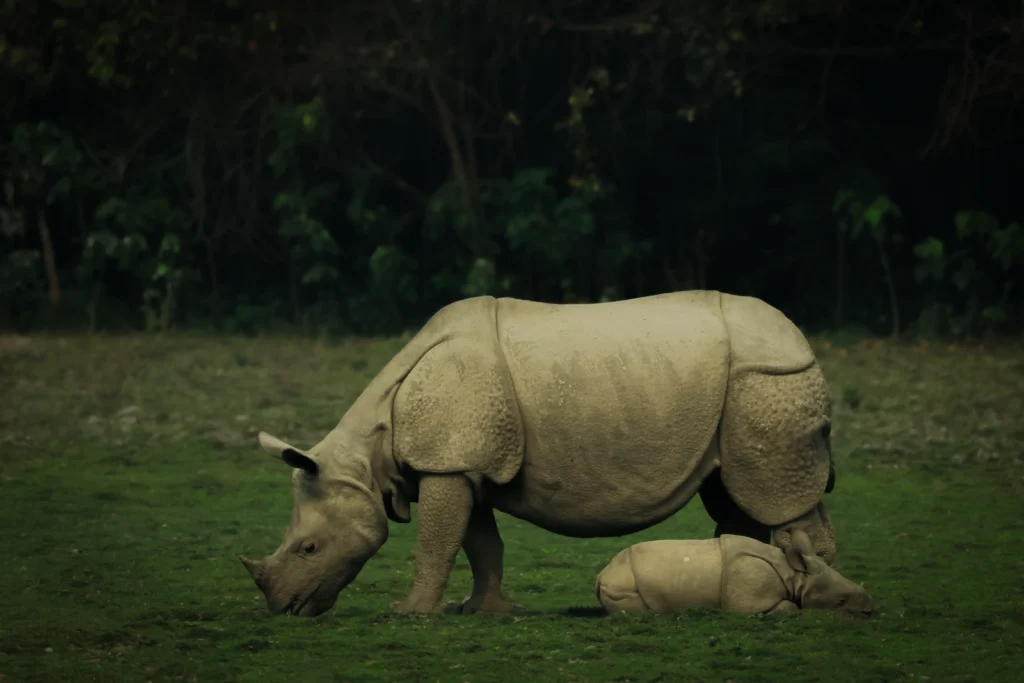
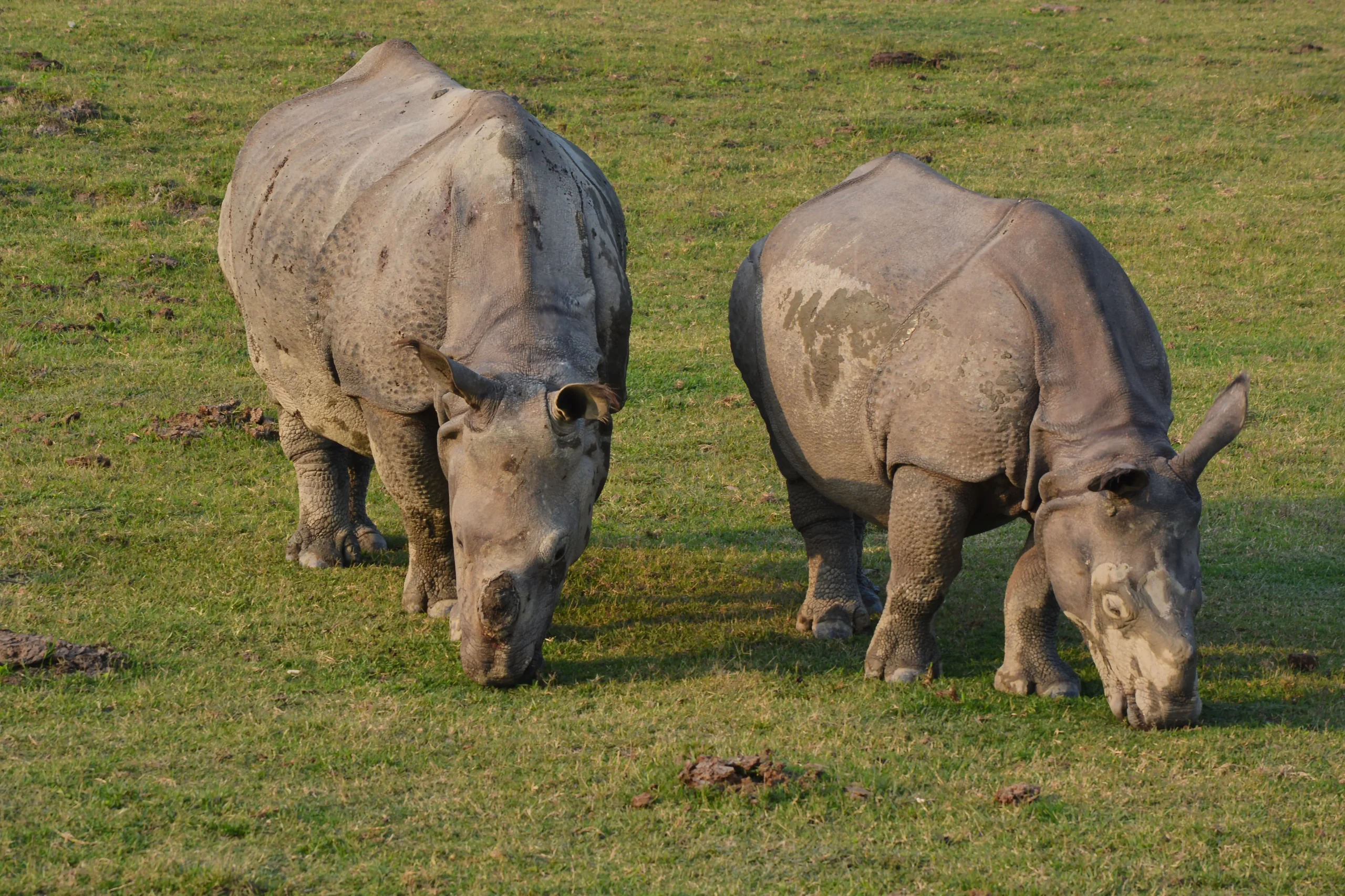
Kaziranga has earned its international reputation because it protects the largest remaining population of the Indian one-horned rhinoceros. The combination of extensive floodplain grasslands, wetlands, and river systems creates ideal habitat for rhinos, wild water buffalo, swamp deer, elephants, and numerous waterbirds. These open landscapes also improve visibility during safaris, making large mammals easier to observe than in many forested parks.
Beyond rhinos, Kaziranga is recognised for supporting healthy populations of Bengal tigers and wild water buffalo, while its wetlands attract hundreds of resident and migratory bird species. The park’s multiple safari ranges also give visitors flexibility when planning several game drives.
Field Note: Kaziranga’s reputation rests not only on the number of rhinos it protects but also on how its grassland habitat often allows visitors to watch animal behaviour for longer periods, rather than catching only brief glimpses through dense forest.
What Makes Manas Unique?
Manas offers a very different wildlife experience. Located along the foothills bordering Bhutan, the park combines forests, riverine habitats and grasslands into one of India’s most biologically diverse protected landscapes.
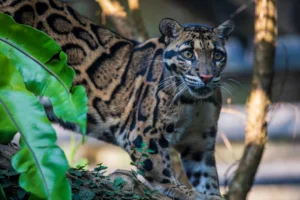
Its greatest appeal lies in species that are difficult to see elsewhere. Conservation efforts have helped restore rhinos after they disappeared during a period of intense poaching, while the park is also closely associated with the pygmy hog, golden langur, clouded leopard, hispid hare and an impressive diversity of hornbills and other birds.
Rather than offering constant sightings of large mammals, Manas rewards patience. Many visitors appreciate the quieter roads, lower visitor numbers and the feeling of exploring a landscape where wildlife remains genuinely elusive.
Why Both Parks Matter
Although travellers often compare Kaziranga and Manas as alternatives, they actually protect different ecosystems and complement each other within Assam’s conservation network.
Kaziranga showcases the wildlife of the Brahmaputra floodplains, while Manas protects forests and foothill habitats connected to Bhutan’s Royal Manas National Park. Together they conserve an extraordinary range of mammals, birds, reptiles and river ecosystems, making Assam one of India’s richest wildlife destinations.
Wildlife Comparison, Landscapes & Photography
Wildlife Comparison: Kaziranga vs Manas
For many travellers, wildlife is the deciding factor when choosing between these two parks. While both support Bengal tigers, Asian elephants, wild water buffalo and hundreds of bird species, they offer very different viewing experiences.
Kaziranga generally provides more consistent sightings of large mammals, thanks to its open floodplain grasslands. Manas, by contrast, offers greater habitat diversity and a stronger chance of encountering rare and elusive species, although sightings often require more patience.
Rhino Experience: Population vs Sighting Opportunity
This is the category where Kaziranga has a clear advantage.
The park supports the world’s largest population of the Indian one-horned rhinoceros, with more than two-thirds of the global population living here. Rhinos are found across several safari ranges, and the open grasslands and wetlands often allow prolonged views from a safe distance.
Manas also has Indian rhinoceroses, but its story is different. Rhinos disappeared from the park during years of heavy poaching associated with the Bodo insurgency. Since 2007, conservation programmes have successfully reintroduced the species, and a small population is now established. Rhino sightings are possible but remain far less frequent than in Kaziranga.
Rhino Comparison
| Factor | Kaziranga | Manas |
| Rhino population | World’s largest | Small reintroduced population |
| Best reason to visit | Reliable rhino viewing | Conservation success story |
| Typical viewing habitat | Open grasslands and wetlands | Mixed forests and grasslands |
| Best suited for | First-time rhino safari | Visitors interested in conservation and biodiversity |
Expert Tip
If seeing Indian one-horned rhinoceroses is your primary goal, allocate more safari drives to Kaziranga rather than splitting your time evenly between the two parks.
Tiger Experience
Tiger sightings are never guaranteed in any Indian national park, and neither destination should be chosen solely because of tiger expectations.
Kaziranga supports an important breeding population of Bengal tigers and benefits from abundant prey species, including swamp deer, hog deer and wild buffalo. Although tall elephant grass can occasionally reduce visibility, the combination of open habitats and prey density gives visitors realistic opportunities to encounter tigers.
Manas has also been a Project Tiger reserve for decades and supports a healthy tiger population within a much larger forest landscape. However, the denser vegetation makes sightings naturally more difficult. Many visitors leave with evidence of tiger presence—tracks, alarm calls or fresh kills—even when they do not see the animal itself.
Field Note
Experienced safari travellers often describe Kaziranga as offering higher visibility, while Manas provides a stronger feeling of exploring genuine tiger habitat. These are different experiences rather than competing ones.
Beyond Rhinos and Tigers
One of the biggest mistakes travellers make is comparing these parks using only rhinos and tigers.
Both protect an impressive variety of mammals, but each has its own strengths.
Wildlife That Makes Kaziranga Special
Besides rhinos and tigers, Kaziranga is well known for:
- Asian elephants
- Wild water buffalo
- Eastern swamp deer
- Hog deer
- Sambar
- Barking deer
- Leopards
- Sloth bears
- Dhole
- Hoolock gibbons
- Assamese macaques
- Rich wetland birdlife
Its populations of wild water buffalo and eastern swamp deer are among the most significant anywhere in the world.
Wildlife That Makes Manas Different
Manas stands out because of species that are genuinely difficult to find elsewhere.
These include:
- Pygmy hog
- Golden langur
- Clouded leopard
- Hispid hare
- Assam roofed turtle
- Himalayan black bear
- Binturong
- Five hornbill species
- Wild water buffalo
- Asian elephant
For wildlife enthusiasts who enjoy searching for unusual mammals rather than simply increasing sighting numbers, Manas offers a distinctly different safari.
Which Park Has Greater Biodiversity?
This depends on how biodiversity is defined.
Kaziranga impresses through the abundance of large mammals living within its floodplain ecosystem. Encounters with herbivores are frequent, and this abundance supports large predators such as tigers.
Manas offers greater ecological variety. Its forests, grasslands, rivers and foothill habitats support species with very different habitat requirements. The park also forms part of a larger transboundary landscape connected to Bhutan’s Royal Manas National Park, allowing wildlife to move across international boundaries.
Decision Guide
Choose Kaziranga if you want:
- Large mammals throughout the day
- Regular rhino encounters
- Productive game drives
- Open habitats
Choose Manas if you enjoy:
- Searching for elusive wildlife
- Forest ecosystems
- Endemic and threatened species
- Slower-paced safaris
Birdwatching Comparison
Birdwatchers can spend several days in either park, but the experience differs.
Kaziranga’s wetlands attract large numbers of resident and migratory waterbirds. Storks, pelicans, geese, ducks, fish eagles and numerous waders are commonly associated with its rivers and marshes. The park is recognised as an Important Bird Area and supports more than 480 recorded bird species.
Manas has recorded more than 450 bird species and is especially attractive for birders interested in forest specialists. It is notable for supporting five hornbill species and one of the largest populations of the critically endangered Bengal florican. Broadbills, pheasants, fishing eagles and numerous woodland birds further enhance its reputation among experienced birdwatchers.
| Birding Interest | Better Choice |
| Waterbirds | Kaziranga |
| Wetland photography | Kaziranga |
| Hornbills | Manas |
| Forest birds | Manas |
| Bengal florican | Manas |
| Mixed bird diversity | Both are excellent |
Photography Tip
Bird photographers should carry a longer telephoto lens regardless of which park they visit. Kaziranga often provides cleaner backgrounds in open wetlands, while Manas rewards patience with forest specialists that are seldom photographed elsewhere.
Landscapes and Wildlife Photography
The landscapes of these parks influence everything from safari pace to photography.
Kaziranga’s Grasslands and Wetlands
Kaziranga lies within the Brahmaputra floodplain. Tall elephant grass, marshes, oxbow lakes (beels), and open meadows dominate much of the landscape.
These habitats allow herbivores to feed in relatively open areas, increasing opportunities to observe natural behaviour. Seasonal flooding also plays a vital ecological role by renewing grasslands and maintaining wetland ecosystems, although it results in park closures during the monsoon.
For photographers, Kaziranga often offers:
- Cleaner backgrounds
- Better light across open grasslands
- Longer viewing distances
- Easier compositions featuring rhinos, buffalo and elephants
Manas’s Forests and River Valleys
Manas presents a more varied landscape.
Dense forests merge into grasslands and riverbanks, while the Himalayan foothills create an attractive backdrop. The Manas River adds another dimension that distinguishes the park from Kaziranga.
Because vegetation is denser, wildlife is often partially concealed, creating more challenging—but sometimes more rewarding—photographic opportunities. Images frequently emphasise habitat as much as the animals themselves.
How Habitat Shapes Safari Expectations
Landscape influences wildlife viewing as much as animal numbers.
Kaziranga’s open terrain generally makes it easier to locate and follow large mammals.
Manas requires visitors to slow down and pay attention to alarm calls, movement in the canopy, bird activity and subtle signs of wildlife. The safari becomes more about observation than simply counting sightings.
This difference explains why travellers sometimes leave Manas feeling they experienced “less wildlife” even though the park supports remarkable biodiversity.
Which Park Is Better for Wildlife Photography?
The answer depends on what you enjoy photographing.
| Photography Goal | Better Choice |
| Rhinos | Kaziranga |
| Large mammals | Kaziranga |
| Action scenes in open habitats | Kaziranga |
| Forest landscapes | Manas |
| Rare mammals | Manas |
| Bird photography | Both |
| Scenic river landscapes | Manas |
| First wildlife photography trip | Kaziranga |
Responsible Wildlife Photography Tip
Avoid judging a safari by the number of photographs you bring home. Ethical wildlife photography values natural behaviour over close approaches. Maintaining a respectful distance benefits both the animals and the quality of the experience.
Safari Experience, Accessibility & Trip Planning
Safari Experience
Although Kaziranga and Manas both offer jeep safaris, the experience on the ground is noticeably different. The routes, habitats, visitor numbers and available activities all influence what a typical day in the park feels like.
If your goal is to maximise wildlife sightings over a short holiday, Kaziranga generally offers the more straightforward safari experience. If you prefer slower exploration and a greater sense of wilderness, Manas often feels more rewarding.
Kaziranga Safari Ranges Explained
Kaziranga is divided into multiple tourism ranges, each protecting slightly different habitats and offering its own safari routes. Booking more than one range over multiple safaris provides a broader understanding of the park and increases the variety of wildlife and landscapes you experience.
Central Range (Kohora)
For many visitors, Central Range is the logical starting point.
It combines good tourism infrastructure with productive grassland and wetland habitats and offers consistent opportunities to see rhinos, elephants, wild buffalo and numerous bird species.
Best for:
- First-time visitors
- Families
- Wildlife photography
- General wildlife viewing
Western Range (Bagori)
Western Range has long been popular with photographers because of its extensive grasslands and frequent large mammal sightings.
Rhinos are commonly encountered here, along with swamp deer, elephants and wild buffalo.
Best for:
- Rhino-focused safaris
- Large mammals
- Photography
- Morning jeep safaris
Eastern Range (Agratoli)
Eastern Range attracts many birdwatchers because of its wetlands and riverine habitats.
Although mammals are certainly present, this range is especially rewarding for travellers interested in birdlife and quieter safari routes.
Best for:
- Birdwatching
- Wetland photography
- Repeat visitors
Burha Pahar and Northern Range
These less frequently visited ranges add habitat diversity to the overall park experience.
Visitors spending several days in Kaziranga may choose these ranges to experience different landscapes and reduce repetition across multiple safaris.
Expert Tip
Rather than booking the same safari range repeatedly, consider exploring different ranges over two or three game drives. Habitat diversity often results in a wider variety of wildlife sightings.
Manas Safari Ranges Explained
Compared with Kaziranga, Manas has fewer tourism ranges, but each covers a large and ecologically varied landscape.
The experience focuses less on moving between numerous zones and more on exploring extensive forest and river habitats.
Bansbari Range
Bansbari is the main tourism gateway and the range used by most visitors.
It provides access to forests, grasslands and the scenic Manas River, making it an excellent introduction to the park.
Many travellers also stay near Mathanguri, close to the Bhutan border, allowing early access to safari routes and river viewpoints.
Best for:
- First visits
- Wildlife viewing
- Scenic landscapes
- Multi-day stays
Panbari Range
Panbari is particularly attractive for birdwatchers and travellers interested in forest wildlife.
The habitat differs noticeably from Kaziranga’s open floodplains, rewarding slower observation and patient searching.
Bhuiyapara Range
The eastern section of Manas receives fewer visitors and provides a quieter safari experience.
Travellers looking to avoid crowds often appreciate this part of the park, although wildlife sightings remain dependent on seasonal conditions and animal movement.
Safari Activities Compared
Wildlife viewing is not limited to jeep safaris.
Both parks provide additional experiences that reflect their landscapes.
| Activity | Kaziranga | Manas |
| Jeep safari | ✔ | ✔ |
| Elephant safari | Available in limited morning slots | Limited availability |
| Boat experiences | Available in selected areas | No regular boat safari |
| River rafting | No | Available on the Manas River |
| Nature walks (where permitted) | Limited | Eco-tourism experiences available |
Kaziranga’s elephant safaris traditionally offered visitors an opportunity to observe rhinos from close range in open grasslands. Availability and operational policies may change over time, so travellers should always verify current arrangements before planning their itinerary.
Manas stands apart through river rafting on the Manas River, which combines scenic landscapes with opportunities to observe birds and riverside wildlife from a different perspective.
Responsible Tourism Tip
Choose safari operators who prioritise ethical wildlife viewing over chasing animals for close photographs. Quiet observation usually results in better wildlife behaviour and a more enjoyable experience for everyone.
Which Park Feels Less Crowded?
For travellers seeking solitude, Manas has a clear advantage.
Kaziranga’s popularity means its well-known safari ranges can become busy during peak holiday periods, especially around weekends and festive seasons. Multiple vehicles may gather when charismatic wildlife is spotted.
Manas generally receives fewer visitors, creating a calmer atmosphere where encounters with other safari vehicles are less frequent. Many experienced wildlife travellers value this slower pace as much as the wildlife itself.
Accessibility and Trip Planning
Logistics often influence park choice just as much as wildlife.
If you have only three or four days available, travel time becomes an important consideration.
Reaching Kaziranga
Kaziranga is the more accessible destination for most domestic travellers.
From Guwahati, the drive to Kohora generally takes around five hours, making it practical even for relatively short itineraries.
Visitors can also access the park via Jorhat Airport, while Guwahati remains the main arrival point for most travellers.
Why this matters
Shorter travel time means:
- More time available for safaris
- Less road travel
- Easier weekend or long-weekend trips
- Better suitability for families
Reaching Manas
Manas requires a longer road journey from Guwahati, typically around six to seven hours to Bansbari.
The nearest railway station is Barpeta Road, which reduces road travel for visitors arriving by train. Guwahati remains the nearest major airport.
Because of the additional travel time, many visitors prefer spending at least two nights in Manas to justify the journey.
Accommodation Comparison
Accommodation around both parks reflects their different tourism profiles.
Staying Near Kaziranga
Kaziranga offers a wider range of accommodation options, including:
- Luxury wildlife lodges
- Boutique resorts
- Mid-range safari hotels
- Budget guesthouses
- Homestays
The concentration of properties around Kohora makes it relatively easy to match different budgets and travel styles.
Staying Near Manas
Accommodation around Manas is generally more limited but often provides a quieter setting.
Many visitors choose lodges near Bansbari or Mathanguri, where the surrounding forests and river create a peaceful atmosphere.
The smaller number of properties means booking well in advance is advisable during the main safari season.
Family Travel Tip
Families with young children or elderly travellers often appreciate Kaziranga’s wider accommodation choices, shorter transfers and greater availability of visitor services.
Which Park Fits a Short Trip Better?
| Trip Length | Recommended Choice |
| 2–3 days | Kaziranga |
| 4 days | Mostly Kaziranga or a dedicated Manas trip |
| 5–7 days | Combine both parks |
| 8+ days | Kaziranga + Manas + another Assam wildlife destination |
Travellers with limited time generally gain more safari opportunities by concentrating on one park instead of attempting to cover both in a rushed itinerary.
Can You Visit Both Parks in One Holiday?
Yes—and for wildlife enthusiasts, this is often the most rewarding option.
Rather than viewing Kaziranga and Manas as competing destinations, think of them as complementary ecosystems.
A combined itinerary allows you to experience:
- Open Brahmaputra floodplain grasslands
- Dense foothill forests
- Wetland birdlife
- Rare endemic mammals
- Two very different safari styles
- A broader understanding of Assam’s wildlife conservation landscape
The research brief recommends a four- to five-day itinerary as a practical way to combine both parks, making this an attractive option for travellers flying into Guwahati and wanting to experience the diversity of Assam’s protected areas.
Practical Planning Checklist
Before finalising your trip:
✔ Decide whether rhinos or rare species are your priority.
✔ Plan at least two jeep safaris in each park you visit.
✔ Stay close to the main safari entry point to reduce early-morning travel.
✔ If visiting Kaziranga, consider exploring different safari ranges instead of repeating the same one.
✔ If visiting Manas, allow enough time to appreciate the slower pace rather than expecting constant wildlife sightings.
✔ Build some flexibility into your itinerary, as weather and wildlife movement can influence safari experiences.
Best Time to Visit, Final Decision Guide, Common Mistakes, FAQs & Conclusion
Best Time to Visit Kaziranga vs Manas
Both Kaziranga and Manas follow a similar tourism season, with the main safari period running from November to April. However, seasonal changes affect the parks differently, influencing wildlife viewing, accessibility and visitor experience.
Rather than asking, “Which park is better?”, it is often more useful to ask, “Which park suits my travel dates?”
Winter (November to February)
Winter is the most popular time to visit both parks.
Cool mornings, comfortable daytime temperatures and good road conditions make this the easiest season for safaris. Migratory birds also increase birdwatching opportunities, particularly around Kaziranga’s wetlands.
Winter Comparison
| Factor | Kaziranga | Manas |
| Weather | Cool and pleasant | Cool and pleasant |
| Wildlife viewing | Excellent | Excellent |
| Birdwatching | Excellent | Excellent |
| Visitor numbers | High | Moderate |
| Best for | First-time visitors | Wildlife enthusiasts |
If this is your first wildlife trip to Assam, winter is usually the safest choice regardless of which park you select.
Summer (March to April)
As temperatures rise, vegetation begins to change and animals often spend more time around remaining water sources.
While afternoons can become warm, early morning safaris remain productive.
Summer also has one practical advantage: visitor numbers are generally lower than during the peak winter holiday period.
Photography Tip
Early morning light during late winter and early summer can produce softer colours and clearer visibility before heat haze develops.
Monsoon (May to October)
Monsoon transforms Assam’s landscapes but also creates significant logistical challenges.
Kaziranga experiences extensive seasonal flooding from the Brahmaputra River, and much of the park remains closed during this period. Flooding is not simply an inconvenience—it is an essential ecological process that renews grasslands, replenishes wetlands and influences wildlife movement throughout the landscape.
Manas also receives heavy rainfall during the monsoon, and some tourism activities may be limited because of road and weather conditions.
Responsible Tourism Tip
Avoid trying to visit protected areas during official closure periods. Seasonal closures are designed to protect wildlife, maintain visitor safety and allow natural ecological processes to occur without disturbance.
Seasonal Summary
| Season | Kaziranga | Manas | Recommendation |
| November–February | Excellent | Excellent | Best overall season |
| March–April | Very good | Very good | Good for repeat visitors |
| May–October | Mostly closed because of flooding | Heavy rainfall and limited access | Generally avoid for safari holidays |
Final Decision Guide
There is no universal winner because the two parks serve different travel goals.
The right choice depends on what matters most to you.
Choose Kaziranga If…
Kaziranga is likely the better choice if you:
- Are visiting Assam for the first time.
- Want the highest chance of seeing Indian one-horned rhinoceroses.
- Prefer open landscapes where wildlife is often easier to observe.
- Have only a few days available.
- Want a wider choice of accommodation.
- Enjoy photographing large mammals.
- Are travelling with children or older family members.
For many first-time wildlife travellers, Kaziranga provides a more straightforward introduction to Assam’s protected areas.
Choose Manas If…
Manas may suit you better if you:
- Have already visited several Indian national parks.
- Enjoy quieter safari experiences.
- Are interested in rare and threatened species.
- Spend time birdwatching.
- Appreciate forest landscapes as much as wildlife sightings.
- Prefer fewer vehicles and a slower pace.
Rather than guaranteeing frequent sightings, Manas rewards patience, careful observation and an interest in the wider ecology of the landscape.
Visit Both If…
If your schedule allows five to seven days, combining the two parks offers the most complete introduction to Assam’s wildlife.
Together they showcase:
- Floodplain grasslands
- Himalayan foothill forests
- Wetland ecosystems
- River landscapes
- Large herbivores
- Rare endemic mammals
- Outstanding birdlife
- Two distinct safari styles
Instead of comparing them as competitors, think of them as complementary destinations that together reveal the diversity of northeastern India’s wildlife.
Quick Decision Matrix
| Traveller Type | Recommended Park |
| First-time safari visitor | Kaziranga |
| Rhino enthusiast | Kaziranga |
| Birdwatcher | Both (Manas for forest birds, Kaziranga for wetlands) |
| Wildlife photographer | Kaziranga |
| Rare mammal enthusiast | Manas |
| Family holiday | Kaziranga |
| Experienced safari traveller | Manas or both |
| Week-long wildlife holiday | Both |
Common Mistakes to Avoid
1. Choosing only by tiger sightings
Both parks have Bengal tigers, but sightings are never guaranteed. Base your decision on the overall wildlife experience rather than expecting to see a tiger.
2. Assuming Kaziranga is only about rhinos
Rhinos are its signature attraction, but Kaziranga also supports elephants, wild water buffalo, swamp deer, rich birdlife and an important tiger population.
3. Assuming Manas has no rhinos
Rhinos were successfully reintroduced after disappearing during a period of poaching. The population is much smaller than Kaziranga’s, but the species is once again part of Manas’ ecosystem.
4. Trying to rush both parks into a short holiday
If you only have three or four days, concentrating on one park generally provides a better experience than spending much of your trip on the road.
5. Expecting identical safari experiences
Kaziranga’s grasslands naturally produce different wildlife encounters from Manas’ forests. Appreciating these differences leads to a more rewarding visit.
6. Judging a safari only by animal numbers
Some of the most memorable moments involve observing behaviour, landscapes, birds or smaller wildlife rather than simply adding species to a checklist.
Frequently Asked Questions
Which park is better for rhino sightings?
Kaziranga is widely regarded as the better choice because it supports the world’s largest population of Indian one-horned rhinoceroses and offers more consistent viewing opportunities.
Which park is better for tiger sightings?
Neither park can guarantee tiger sightings. Kaziranga’s open habitats may improve visibility, while Manas offers extensive tiger habitat within dense forests.
Which park is easier to reach from Guwahati?
Kaziranga is generally easier to reach by road, making it more suitable for shorter trips.
Which park is less crowded?
Manas usually receives fewer visitors and provides a quieter safari experience.
Which park is better for first-time visitors?
For most travellers, Kaziranga is the easier recommendation because of its accessibility, tourism infrastructure and reliable opportunities to see large mammals.
Which park is better for wildlife photography?
If your priority is photographing rhinos and other large mammals, Kaziranga generally offers better opportunities. If you enjoy forest landscapes and rarer species, Manas provides a different photographic experience.
Which park is better for birdwatching?
Both are excellent. Kaziranga is known for wetland birds and migratory waterfowl, while Manas is especially attractive for hornbills, Bengal florican and forest birds.
Can Kaziranga and Manas be combined in one trip?
Yes. A five- to seven-day itinerary allows enough time to experience the distinct habitats and wildlife of both parks without feeling rushed.
Which park is better for families?
Kaziranga is generally more convenient because of its accessibility, accommodation choices and visitor infrastructure.
Are safari sightings guaranteed?
No. Wildlife moves freely within both parks, and every safari is different. Responsible wildlife tourism focuses on experiencing natural habitats rather than expecting guaranteed sightings.
Conclusion
Kaziranga and Manas are often compared because they are Assam’s two best-known protected areas, but they deliver different experiences rather than competing for the same audience.
If your priority is seeing Indian one-horned rhinoceroses, enjoying productive game drives and planning a straightforward wildlife holiday, Kaziranga is usually the stronger choice. Its open floodplain landscapes, well-developed tourism infrastructure and abundant large mammals make it particularly rewarding for first-time visitors.
If you are looking for quieter forests, rarer wildlife and a safari that feels more exploratory, Manas offers something genuinely different. Its conservation story, diverse habitats and species such as the golden langur, pygmy hog and clouded leopard make it one of India’s most interesting parks for experienced wildlife travellers.
For those with enough time, the most rewarding approach is not choosing one over the other but experiencing both. Together they reveal why Assam is considered one of India’s richest wildlife destinations, showcasing two contrasting ecosystems that complement each other in remarkable ways.
Ultimately, the best park is the one that matches your travel goals, available time and wildlife interests—not simply the one with the most famous name.
Kaziranga National Park : Topics Cluster
- Complete Guide to Kaziranga Detailed Guide
- Kaziranga Safari Quick Guide
- Guwahati to Kaziranga Travel Guide
- Best Resorts near Kaziranga National Park
- 4 Days Assam Wildlife itinerary
- Rhinos conservation
- One Horned Rhinoceros
- Grasslands Ecology
- Wildlife in Assam
- Birding Hotspots in Assam
- Wildlife Tourism in Assam
- Wildlife Tourism in Northeast India
- Biodiversity of Northeast India
- UNESCO World Heritage Sites India Wildlife
- Biodiversity hotspots of India
- Kaziranga Elephant Safaris (upcoming)
- Kaziranga Photography Guide (upcoming)
Safari Planning : Topics Cluster
- How to book a wildlife safari in India?
- Park by Park Online Safari Booking Guide
- Tiger Safari India Planning Workbook
- Park by Park Safari Permits Guide
- National Parks Permit Guide – Park by Park Guide
- Tatkal Safari Booking Guide – Last Minute Safari Permits Booking
- Tiger Safari in India Cost
- Indian Wildlife Safari Budget Planner
- Jeep vs Canter Safari
- Best time for Tiger Sightings in India
- How far advanced should you book safari permits?
- Can foreigners book Indian Wildlife Safari online?
- Special Permits Guide for Foreigners and Domestic Visitors
- How to book a Safari Permit online in India? 2026 step by step guide
- Senior Citizens Friendly Safari Planning
- Multi Generation Family Safari Planning
- 50 things to know before your first safari in India