Plan the perfect 4-day Assam wildlife itinerary with Kaziranga and Pobitora, safari tips, travel routes, accommodation, and practical planning advice.
Introduction, Overview & Planning
Why Choose a 4-Day Assam Wildlife Itinerary?
Four days is enough to experience some of Assam’s best wildlife if you focus on a small number of destinations instead of trying to visit every national park. A well-planned itinerary allows you to explore two of the state’s most rewarding protected areas—Kaziranga National Park and Pobitora Wildlife Sanctuary—without spending most of your holiday on the road.
This itinerary is designed for travellers arriving in Assam by air who want to maximise wildlife viewing while keeping transfers practical. It prioritises early morning and late afternoon safari sessions, when animals are generally most active, and avoids unnecessary detours that would reduce your time in the field.
Although Assam is home to several national parks and wildlife sanctuaries, including Manas, Nameri, Orang, Dibru-Saikhowa and Hoollongapar Gibbon Sanctuary, visiting too many places in just four days usually means spending more time travelling than exploring. Concentrating on Kaziranga and Pobitora provides a better balance between wildlife encounters and comfortable travel.
Is Four Days Enough?
For most first-time visitors, yes.
A carefully planned four-day trip offers an excellent introduction to Assam’s wildlife and gives you realistic opportunities to see many of the species for which the state is famous.
Depending on the season and natural conditions, you may encounter:
- Indian one-horned rhinoceros
- Asian elephant
- Wild water buffalo
- Hog deer
- Swamp deer
- Wild boar
- Numerous wetland birds
- Raptors and migratory waterfowl during winter
Tiger sightings are possible in Kaziranga but remain unpredictable. Even experienced naturalists consider them a bonus rather than an expectation, so it is best to plan your trip around the habitats and species you are most likely to observe.
Who Is This Itinerary Best For?
This itinerary works particularly well for:
- First-time visitors to Assam.
- Wildlife photographers looking for reliable rhino sightings.
- Families seeking a manageable safari holiday.
- Birdwatchers visiting during the winter migration season.
- Travellers with a long weekend or limited annual leave.
If you have six or seven days, you can comfortably add destinations such as Manas National Park or Nameri National Park. With only four days available, however, a focused itinerary delivers a far more rewarding experience than trying to cover too much ground.
Assam Wildlife Itinerary at a Glance
| Day | Destination | Main Activities | Overnight |
| 1 | Guwahati → Pobitora | Arrival, drive, afternoon safari | Pobitora |
| 2 | Pobitora → Kaziranga | Morning safari, transfer | Kaziranga |
| 3 | Kaziranga | Morning and afternoon safaris | Kaziranga |
| 4 | Kaziranga | Final safari, departure | — |
This route minimises backtracking while giving you time to experience two distinct wildlife landscapes. Pobitora offers an excellent chance of seeing one-horned rhinos in a compact sanctuary, while Kaziranga provides a broader safari experience across grasslands, wetlands and woodland habitats.
Before You Go: Essential Planning Tips
Best Time to Visit
The most favourable period for wildlife travel in Assam is generally from October to April, when national parks are open and safari operations run regularly. Winter also attracts migratory birds, making this an excellent season for birdwatching alongside mammal sightings. During the monsoon months, many parks close or operate with significant restrictions because of flooding.
Choosing Your Arrival Airport
Most visitors begin their journey at Lokpriya Gopinath Bordoloi International Airport in Guwahati, which offers the best domestic connectivity and straightforward road access to Pobitora and Kaziranga. Travellers focusing on eastern Assam may also consider Jorhat Airport, but for this itinerary, Guwahati is the most practical starting point.
Safari Bookings
Reserve your safari permits well in advance, particularly if you plan to travel between November and February or during holiday periods. Accommodation providers and authorised operators can often assist with bookings, but availability is limited during peak season.
Practical Packing Checklist
Pack light but prepare for changing conditions:
- Neutral-coloured clothing
- Comfortable walking shoes
- Binoculars
- Camera with spare batteries and memory cards
- Hat and sunglasses
- Light jacket for early morning safaris
- Insect repellent
- Reusable water bottle
- Personal medications
- Rain protection if travelling near the start or end of the monsoon
Expert Tip
Avoid trying to visit Kaziranga, Pobitora, Manas and Majuli in a single four-day trip. You’ll spend much of your time travelling and significantly reduce your opportunities for wildlife observation. A focused itinerary almost always provides a better safari experience.
Day 1 & Day 2: Pobitora Wildlife Sanctuary and Journey to Kaziranga
Day 1 — Arrive in Guwahati and Explore Pobitora Wildlife Sanctuary
The first day of your itinerary is designed to make efficient use of your arrival while giving you an introduction to Assam’s floodplain ecosystem. Rather than spending the night in Guwahati, head directly to Pobitora Wildlife Sanctuary. Its proximity to the airport makes it an ideal first stop, and an afternoon safari provides your first opportunity to see Assam’s famous one-horned rhinoceros.
Morning: Arrive in Guwahati
Most domestic flights arrive in Guwahati during the morning, allowing enough time to reach Pobitora before the afternoon safari.
After collecting your luggage:
- Meet your pre-arranged driver or hire a taxi.
- Purchase snacks and drinking water for the journey.
- Keep binoculars and your camera easily accessible.
- Carry cash for small roadside purchases, as digital payments may not always be accepted in rural areas.
If your flight is delayed significantly, check with your safari operator to confirm your reporting time.
Drive to Pobitora Wildlife Sanctuary
The drive from Guwahati passes through villages, agricultural land and wetlands that form part of the Brahmaputra floodplain.
Although the journey is relatively short, leaving the city early helps avoid traffic and provides enough time to check into your accommodation before the safari.
Field Note
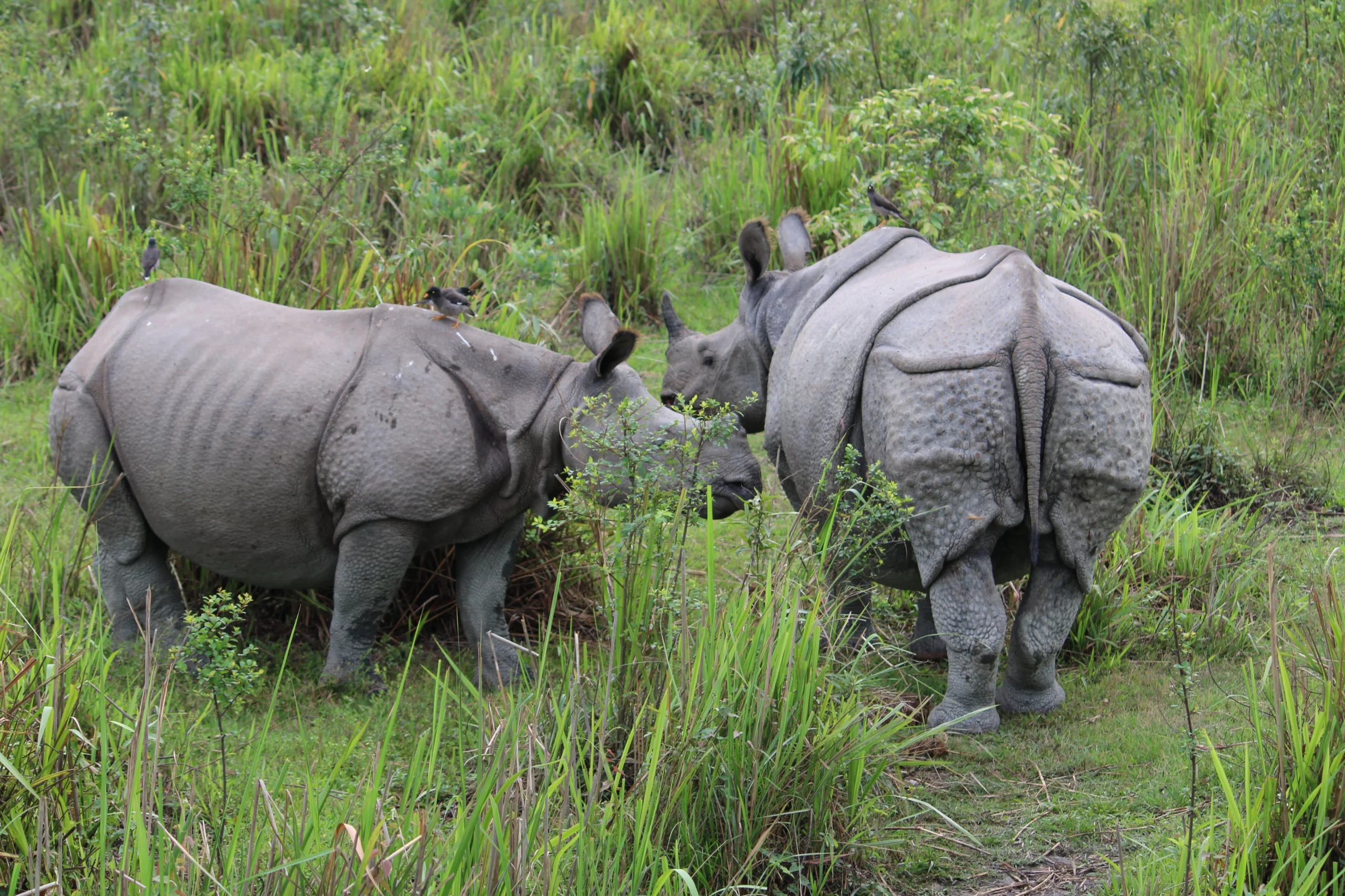
Pobitora may be much smaller than Kaziranga, but its extensive grasslands and wetlands provide ideal habitat for the Indian one-horned rhinoceros. Its compact size allows visitors to cover much of the sanctuary during a single safari, which is one reason it is highly recommended for short wildlife trips.
Afternoon Jeep Safari
Your first wildlife drive introduces you to Assam’s grassland ecosystem.
While sightings always depend on natural conditions, species commonly encountered include:
- Indian one-horned rhinoceros
- Wild water buffalo
- Hog deer
- Wild boar
- Asian elephant (occasionally)
- Numerous wetland birds
- Kingfishers
- Egrets
- Storks
- Raptors
Pobitora is particularly rewarding for photographers because wildlife is often encountered within a relatively short distance from the safari tracks.
Photography Tip
For the best images:
- Use the afternoon light to photograph rhinos feeding in open grasslands.
- Keep your shutter speed high when photographing birds.
- Focus on behaviour rather than close-up portraits.
- Avoid standing up suddenly inside the jeep, as this may disturb wildlife.
A moderate telephoto lens is usually more versatile than an extremely long lens in Pobitora because many animals are seen at relatively close range.
Evening at Your Lodge
After the safari, return to your accommodation and prepare for an early start the next morning.
Many lodges can help with:
- Confirming safari timings
- Wake-up calls
- Packed breakfasts
- Local naturalist information
- Transport arrangements to Kaziranga
Use the evening to recharge camera batteries, clean your equipment and organise clothing for the morning safari.
Responsible Tourism Tip
Remember that wildlife has priority over visitors.
Always:
- Follow your guide’s instructions.
- Remain inside the vehicle unless instructed otherwise.
- Keep noise to a minimum.
- Never attempt to attract wildlife for photographs.
- Dispose of all litter responsibly.
Simple actions like these help reduce disturbance to animals and preserve the sanctuary for future visitors.
Day 2 — Morning Safari and Transfer to Kaziranga National Park
Start your second day before sunrise. Early mornings generally provide the most comfortable temperatures for wildlife viewing and often offer the best opportunities to observe rhinos and other grassland mammals before visitor activity increases.
Morning Safari
Depending on availability, you may choose between a jeep safari or an elephant safari.
| Feature | Jeep Safari | Elephant Safari |
| Area Covered | Larger | Smaller |
| Wildlife Viewing | Wide variety | Excellent for close rhino viewing |
| Photography | Better flexibility | Unique perspective |
| Availability | More frequent | Limited and must usually be booked in advance |
Elephant safaris have traditionally been popular for observing rhinos at close range. However, visitors should also be aware of ongoing discussions regarding animal welfare and consider choosing options that align with their personal values.
Wildlife Highlights
Besides rhinos, keep an eye out for:
- Asian elephant
- Wild water buffalo
- Hog deer
- Wild boar
- Marsh birds
- Eagles
- Storks
- Kingfishers
- Seasonal migratory waterfowl
Every safari is different, and patient observation often reveals interesting behaviour beyond the larger mammals.
Expert Tip
Instead of constantly searching for the next rhino, spend a few minutes watching one individual.
You may observe feeding behaviour, interactions with birds, scent-marking, mud wallowing or movement through the tall grass—details that many visitors miss while rushing from one sighting to another.
Breakfast and Departure
After your safari, return to the lodge for breakfast before beginning the drive to Kaziranga National Park.
Although this transfer takes several hours, it connects two destinations that complement each other well.
While Pobitora offers concentrated rhino sightings, Kaziranga provides:
- Larger landscapes
- Multiple safari ranges
- Greater habitat diversity
- Better opportunities to observe elephants, deer and wild buffalo
- Excellent birdwatching in wetlands and grasslands
Together, they create a balanced introduction to Assam’s wildlife.
Journey Through Rural Assam
The drive passes through the fertile Brahmaputra Valley, offering glimpses of everyday life in Assam.
Along the way, you may see:
- Traditional villages
- Rice fields
- Tea gardens
- Roadside fruit stalls
- Wetlands attracting egrets and other waterbirds
These landscapes are closely connected to the region’s wildlife, as annual flooding replenishes the grasslands and wetlands that support many of Assam’s iconic species.
Arriving at Kaziranga
Aim to arrive by late afternoon.
After checking in:
- Confirm your safari permits.
- Meet your guide if one has been arranged.
- Charge camera batteries.
- Prepare binoculars and lenses.
- Get plenty of rest before the following day’s early safari.
Kaziranga’s morning safaris begin early, and being well prepared allows you to make the most of your limited time in the park.
Decision Guide: Should You Visit Pobitora on a Short Trip?
| Your Priority | Best Choice |
| Maximum chance of seeing rhinos | Include Pobitora and Kaziranga |
| Only one park available | Spend all available time in Kaziranga |
| Wildlife photography | Visit both destinations for greater variety |
| Birdwatching | Consider replacing Pobitora with Nameri if birds are your primary interest |
Day 3 & Day 4: Exploring Kaziranga National Park
Day 3 — A Full Day in Kaziranga National Park
Day 3 is the highlight of this itinerary. Spending an entire day in Kaziranga allows you to experience different habitats during the most productive wildlife viewing hours. Instead of relying on a single safari, combining morning and afternoon game drives significantly increases your chances of seeing a wider variety of mammals and birds.
Why Kaziranga Deserves a Full Day
Kaziranga is one of India’s most celebrated wildlife destinations and a UNESCO World Heritage Site. It protects vast floodplain grasslands, wetlands, woodland patches and riverine habitats along the Brahmaputra River. These diverse ecosystems support an impressive range of wildlife, including the world’s largest population of Indian one-horned rhinoceroses, along with Asian elephants, wild water buffalo, swamp deer and a remarkable diversity of birdlife.
Unlike smaller wildlife sanctuaries, Kaziranga offers multiple safari ranges, each with its own landscape and wildlife viewing opportunities. Visiting more than one range provides a richer understanding of the park.
Early Morning Safari
Leave your lodge before sunrise to reach the safari gate on time. Morning drives offer cooler temperatures, softer light for photography and increased animal activity.
During your safari, you may encounter:
- Indian one-horned rhinoceros
- Asian elephant
- Wild water buffalo
- Eastern swamp deer
- Hog deer
- Wild boar
- Jackal
- Numerous waterbirds
Tiger sightings are possible but remain uncommon. If you see one, consider it a memorable bonus rather than an expectation.
Field Note
Kaziranga’s tall elephant grass can exceed the height of a safari vehicle. During winter, controlled grassland burning in selected areas improves visibility for visitors while also encouraging fresh grass growth for grazing animals. Wildlife movements can therefore vary depending on recent habitat management and seasonal conditions.
Understanding Kaziranga’s Safari Ranges
Kaziranga is divided into several tourism ranges, each offering a slightly different experience.
| Safari Range | Best Known For | Suitable For |
| Central Range | Rhinos, elephants and diverse grasslands | First-time visitors |
| Western Range | Reliable rhino sightings and wetlands | Wildlife photographers |
| Eastern Range | Birds, wetlands and quieter landscapes | Birdwatchers and repeat visitors |
| Burapahar Range | Forest scenery and walking trails (where permitted) | Visitors interested in varied habitats |
The range assigned to your safari depends on permit availability and bookings. If time allows, visiting different ranges during morning and afternoon safaris offers the greatest variety.
Afternoon Safari
After lunch and a short rest, head out for your second safari.
Afternoon drives often reveal different wildlife behaviour. Rhinos emerge from wetlands, elephants move between feeding areas and birds become more active as temperatures begin to fall.
Watch for:
- Rhinos grazing in open grasslands
- Herds of wild buffalo
- Swamp deer feeding near wetlands
- Elephants crossing tracks
- Storks, herons and egrets around water bodies
- Raptors perched on trees overlooking the plains
The changing light also creates excellent photography conditions.
Photography Tip
Kaziranga rewards patience more than rapid shooting.
For stronger wildlife photographs:
- Focus on natural behaviour instead of close-up portraits.
- Include habitat in your compositions.
- Use early morning mist or evening light to create atmosphere.
- Avoid excessive zoom if the surrounding landscape tells the story.
- Keep your camera ready but spend time observing through binoculars as well.
Some of the most memorable photographs are those that show the relationship between wildlife and Kaziranga’s floodplain environment.
Birdwatching Opportunities
Although Kaziranga is famous for its rhinos, birdwatchers should not overlook the park’s exceptional avian diversity.
Depending on the season, you may observe:
- Great hornbill
- Lesser adjutant
- Greater adjutant
- Bar-headed goose
- Spot-billed pelican
- Kingfishers
- Eagles
- Fishing birds along wetlands
- Numerous migratory waterfowl during winter
Even visitors primarily interested in mammals often leave impressed by the variety of birdlife.
Expert Tip
Ask your guide to spend a few minutes at productive wetlands rather than constantly driving.
Stationary observation frequently reveals:
- Birds arriving to feed
- Rhinos emerging from tall grass
- Buffalo interacting within herds
- Raptors hunting over open marshes
Slow wildlife watching often provides more rewarding experiences than trying to cover the greatest possible distance.
Day 4 — Final Safari and Departure
Your final morning offers one last opportunity to experience Kaziranga before returning home.
If your schedule allows, choose a safari range that differs from the one you visited previously. This increases habitat diversity and may introduce you to species you have not yet encountered.
Sunrise Safari
Morning conditions are often ideal for:
- Rhinos grazing in open grasslands
- Elephants feeding quietly
- Herds of swamp deer
- Waterbirds in wetlands
- Mist-covered landscapes for photography
Rather than searching only for new species, spend time appreciating the rhythm of the park. Watching familiar animals in changing light often becomes one of the most memorable parts of a safari.
Optional Cultural Extension
If your onward travel schedule is flexible, you may consider adding a cultural stop before departing Assam.
Possible options include:
- A visit to nearby tea estates.
- Local Assamese handicraft shops.
- Traditional village experiences.
- An extension towards Jorhat and Majuli on a longer itinerary.
However, with only four days available, it is usually better to focus on wildlife rather than adding additional transfers.
Returning to Guwahati or Jorhat
Depending on your departure plans:
- Return by road to Guwahati for flights with wider domestic connectivity.
- Depart from Jorhat if your itinerary has been planned accordingly.
Allow generous travel time, especially during busy tourist seasons or periods of heavy rainfall, when road conditions may affect journey times.
Decision Guide: Which Destination Is Best for You?
| If your priority is… | Best Choice |
| Seeing one-horned rhinos | Kaziranga and Pobitora together |
| Birdwatching | Kaziranga with an extension to Nameri |
| Wildlife photography | Multiple Kaziranga safari ranges |
| Family travel | Pobitora followed by Kaziranga |
| Limited travel time | Focus on Kaziranga alone |
Practical Checklist Before Leaving
Before checking out of your lodge, make sure you have:
- ✓ Camera batteries and chargers
- ✓ Binoculars
- ✓ Mobile phone and power bank
- ✓ Identity documents
- ✓ Safari permits and receipts
- ✓ Reusable water bottle
- ✓ All personal belongings packed
A quick check before departure helps avoid leaving equipment behind after early morning safari starts.
Wildlife Highlights, Accommodation, Practical Tips & Alternative Itineraries
Wildlife You Can Expect to See
Assam’s wildlife is remarkably diverse, but every safari is different. Weather, season, habitat conditions and animal movements all influence what you may encounter. Rather than expecting a checklist of guaranteed sightings, approach each safari as an opportunity to observe how wildlife uses the landscape. This mindset usually leads to a more rewarding experience.
Mammals
The state’s floodplain grasslands and forests support some of India’s most iconic mammals.
The species most visitors hope to see include:
- Indian one-horned rhinoceros
- Asian elephant
- Wild water buffalo
- Eastern swamp deer
- Hog deer
- Wild boar
- Hoolock gibbon (outside this itinerary)
- Golden langur (primarily in western Assam)
Although Bengal tigers occur in Kaziranga, sightings are infrequent because of dense vegetation and the park’s vast size. They should always be viewed as a fortunate bonus rather than the main reason for planning a four-day visit.
Birds
Birdwatchers can enjoy excellent diversity throughout the year, with winter bringing additional migratory species.
Common groups include:
- Hornbills
- Kingfishers
- Eagles
- Kites
- Storks
- Herons
- Egrets
- Pelicans
- Ducks and geese during winter
- Various wetland and grassland birds
Even travellers focused on mammals should carry binoculars, as many memorable sightings occur between larger wildlife encounters.
Reptiles and Other Wildlife
Depending on the season, visitors may also encounter:
- Monitor lizards
- Freshwater turtles
- Various snakes
- Butterflies
- Dragonflies
Although they often receive less attention than large mammals, these species contribute to the ecological richness of Assam’s protected areas.
Wildlife by Destination
| Destination | Main Wildlife Highlights | Best Known For |
| Pobitora Wildlife Sanctuary | One-horned rhino, wild buffalo, wetland birds | High rhino density |
| Kaziranga National Park | Rhino, elephant, swamp deer, wild buffalo, birds | Diverse habitats and flagship mammals |
| Nameri National Park | Hornbills, river birds, butterflies | Birdwatching and river ecosystems |
| Manas National Park | Tiger, elephant, pygmy hog, golden langur | Diverse Himalayan foothill wildlife |
Where to Stay
Your choice of accommodation should depend primarily on safari logistics rather than luxury alone. Staying close to your assigned safari range reduces early morning travel and allows you to maximise time inside the park.
Budget
Suitable for independent travellers and backpackers.
Typically offers:
- Clean rooms
- Basic meals
- Assistance with safari bookings
- Convenient access to safari gates
Mid-range
A good option for most visitors.
Often includes:
- Comfortable rooms
- Restaurant facilities
- Naturalist support
- Better family amenities
- Organised safari arrangements
Premium
Ideal for photographers and travellers seeking a slower-paced experience.
Many premium lodges provide:
- Experienced naturalists
- Spacious grounds
- Quality local cuisine
- Private safari arrangements
- Birdwatching opportunities around the property
Rather than choosing the most luxurious property, prioritise experienced staff who understand wildlife behaviour and local conditions.
Practical Travel Tips
Transport
For a four-day itinerary, hiring a private vehicle with a driver is generally the most practical option.
Benefits include:
- Flexible departure times
- Easier luggage handling
- Comfortable transfers
- Freedom to adjust schedules if required
Packing Checklist
Pack light but be prepared for early mornings and changing weather.
Clothing
- Neutral-coloured shirts
- Lightweight trousers
- Light fleece or jacket
- Comfortable walking shoes
- Hat
Wildlife Equipment
- Binoculars
- Camera
- Spare batteries
- Memory cards
- Lens cleaning cloth
Essentials
- Identity documents
- Reusable water bottle
- Sunscreen
- Insect repellent
- Basic medicines
- Small torch
- Power bank
Health and Safety
During your visit:
- Drink plenty of water.
- Follow your guide’s instructions.
- Stay inside safari vehicles unless instructed otherwise.
- Keep a respectful distance from wildlife.
- Avoid feeding animals.
- Inform your guide if you have any medical concerns before the safari.
Simple precautions help ensure both your safety and the welfare of wildlife.
Responsible Wildlife Tourism
Protected areas exist primarily for wildlife conservation.
You can support conservation by:
- Booking authorised safaris.
- Staying on designated tracks.
- Avoiding loud conversations.
- Not using flash when photographing nearby wildlife.
- Supporting locally owned accommodation where possible.
- Respecting park regulations.
Responsible visitors help protect these landscapes for future generations.
Alternative 4-Day Itineraries
Every traveller has different priorities. If your interests differ from the standard itinerary, consider these alternatives.
For Wildlife Photographers
- Spend three nights in Kaziranga.
- Visit multiple safari ranges.
- Schedule both morning and afternoon drives each day.
- Focus on behaviour and habitat photography.
For Families
- Limit long road journeys.
- Combine Pobitora and Kaziranga.
- Choose accommodation close to safari gates.
- Build time into the schedule for rest between safaris.
For Birdwatchers
Replace Pobitora with Nameri National Park if birds are your primary interest.
This itinerary offers opportunities to observe:
- Hornbills
- Riverine birds
- Forest species
- Seasonal migrants
Although rhino sightings become less likely, bird diversity increases considerably.
Common Mistakes to Avoid
Many first-time visitors make similar planning errors.
Avoid these common mistakes:
- Trying to visit too many parks in four days.
- Expecting guaranteed tiger sightings.
- Booking safaris at the last minute during peak season.
- Wearing brightly coloured clothing.
- Carrying insufficient camera batteries.
- Ignoring birdlife while searching only for mammals.
- Arriving late for morning safaris.
- Choosing accommodation based solely on price rather than location.
A well-planned itinerary almost always results in a better wildlife experience than trying to cover as much ground as possible.
Frequently Asked Questions
Is four days enough for an Assam wildlife trip?
Yes. Four days are sufficient to visit Kaziranga and Pobitora comfortably if your itinerary is well planned.
Which park offers the best chance of seeing one-horned rhinos?
Both Kaziranga National Park and Pobitora Wildlife Sanctuary are excellent choices, with Pobitora particularly well known for its high rhino density.
When is the best time to visit?
October to April generally provides the best wildlife viewing conditions, while many parks close or restrict safaris during the monsoon.
Are tiger sightings guaranteed?
No. Tigers occur in Kaziranga, but sightings are unpredictable and should never be expected on a short visit.
Should I choose an elephant safari or a jeep safari?
Jeep safaris cover more ground and suit most visitors. Elephant safaris may provide closer rhino encounters but are limited in availability and should also be considered in light of current animal welfare discussions.
Can I include Majuli in four days?
It is possible, but adding Majuli usually means reducing your time in Kaziranga or skipping Pobitora. Unless cultural experiences are your priority, focusing on wildlife generally provides a more satisfying four-day itinerary.
Do I need to book safaris in advance?
Yes. Advance booking is strongly recommended, especially during peak travel months and public holidays.
What should I wear on safari?
Choose neutral-coloured clothing, comfortable footwear and a light jacket for cool mornings.
Conclusion
A four-day wildlife journey through Assam is short, but with careful planning it can introduce you to some of India’s finest grassland ecosystems and iconic wildlife. By focusing on Pobitora Wildlife Sanctuary and Kaziranga National Park, you maximise your chances of seeing the Indian one-horned rhinoceros while also experiencing wetlands, floodplain forests and an impressive variety of birds and mammals.
Rather than trying to visit every protected area, allow yourself time to slow down, observe wildlife patiently and appreciate the landscapes that support these remarkable species. Whether you’re a first-time safari traveller, a photographer or a family looking for a memorable nature holiday, this itinerary provides a practical and realistic foundation for exploring Assam responsibly.
With your route planned, safaris booked in advance and expectations grounded in the realities of wildlife travel, you’ll be well prepared to enjoy one of India’s most rewarding short safari adventures.
Kaziranga National Park : Topics Cluster
- Complete Guide to Kaziranga Detailed Guide
- Kaziranga Safari Quick Guide
- Guwahati to Kaziranga Travel Guide
- Best Resorts near Kaziranga National Park
- 4 Days Assam Wildlife itinerary
- Rhinos conservation
- One Horned Rhinoceros
- Grasslands Ecology
- Wildlife in Assam
- Birding Hotspots in Assam
- Wildlife Tourism in Assam
- Wildlife Tourism in Northeast India
- Biodiversity of Northeast India
- UNESCO World Heritage Sites India Wildlife
- Biodiversity hotspots of India
- Kaziranga Elephant Safaris (upcoming)
- Kaziranga Photography Guide (upcoming)
Safari Planning : Topics Cluster
- How to book a wildlife safari in India?
- Park by Park Online Safari Booking Guide
- Tiger Safari India Planning Workbook
- Park by Park Safari Permits Guide
- National Parks Permit Guide – Park by Park Guide
- Tatkal Safari Booking Guide – Last Minute Safari Permits Booking
- Tiger Safari in India Cost
- Indian Wildlife Safari Budget Planner
- Jeep vs Canter Safari
- Best time for Tiger Sightings in India
- How far advanced should you book safari permits?
- Can foreigners book Indian Wildlife Safari online?
- Special Permits Guide for Foreigners and Domestic Visitors
- How to book a Safari Permit online in India? 2026 step by step guide
- Senior Citizens Friendly Safari Planning
- Multi Generation Family Safari Planning
- 50 things to know before your first safari in India
Luxury Safari in India : Topics Cluster