
Plan your visit to Velavadar National Park with this complete guide covering safaris, blackbucks, birdwatching, best time to visit, permits, accommodation, and practical travel tips.
Velavadar National Park: India’s Premier Grassland Wildlife Destination
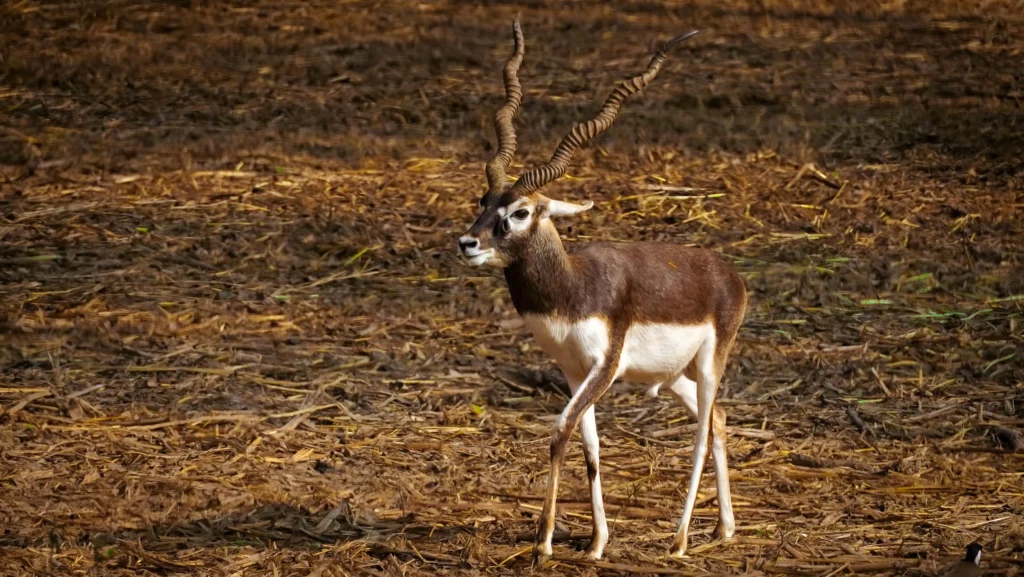
Most visitors associate Indian wildlife with dense forests and tiger reserves. Velavadar National Park offers something completely different. Instead of thick woodland, you’ll find vast open grasslands where large herds of blackbucks graze across the plains, Indian wolves patrol the landscape, and thousands of migratory harriers gather during winter to create one of the world’s largest communal raptor roosts.
Located in Gujarat’s Bhavnagar district, Velavadar is one of India’s finest protected grassland ecosystems. Although much smaller than many famous national parks, it has earned international recognition for conserving species that depend on open habitats, particularly the blackbuck, the endangered lesser florican, and several species of migratory birds.
For wildlife photographers, birdwatchers, and travellers looking beyond India’s well-known tiger destinations, Velavadar offers a rewarding safari experience focused on grassland ecology rather than forest wildlife. The open terrain also makes wildlife easier to observe compared with heavily wooded national parks.
Whether you are planning your first wildlife trip or adding another destination to your safari list, this guide covers everything you need to know—from planning your visit and choosing the right season to understanding the park’s unique wildlife and conservation importance.
Why Visit Velavadar National Park?
Velavadar is best suited to travellers who appreciate wildlife behaviour, birdwatching, and photography rather than simply hoping to spot large predators.
Several features distinguish the park from other wildlife destinations in India:
- One of India’s largest protected tropical grassland ecosystems.
- One of the country’s strongest populations of blackbuck.
- One of the best places to observe Indian wolves in their natural habitat.
- Internationally recognised winter roosts of migratory harriers.
- Important breeding habitat for the endangered lesser florican.
- Excellent opportunities for wildlife photography thanks to open landscapes and unobstructed views.
Unlike forest safaris where animals often disappear behind vegetation, Velavadar’s open grasslands allow visitors to observe grazing behaviour, courtship displays, predator-prey interactions, and bird activity from considerable distances without disturbing wildlife.
Field Note: Grasslands are among India’s most threatened ecosystems. Visiting parks like Velavadar helps raise awareness that wildlife conservation extends beyond forests and tigers.
Velavadar National Park at a Glance
| Feature | Details |
| Location | Bhavnagar district, Gujarat |
| Established | 1976 |
| Approximate Area | About 34 sq km |
| Ecosystem | Tropical grasslands, saline flats, seasonal wetlands and shrubland |
| Famous For | Blackbuck, Indian wolf, harrier roosts, lesser florican |
| Best Time to Visit | November to February for birding; October to March for overall wildlife viewing |
| Closed Season | Typically from mid-June to mid-October during the monsoon breeding season |
Where is Velavadar National Park?
Velavadar National Park lies in the Bhal region of Gujarat, roughly 70 kilometres from Bhavnagar and around 145 kilometres from Ahmedabad by road. Its location makes it an easy addition to a broader Gujarat itinerary that may also include Gir National Park, the Gulf of Khambhat, or the Jain temples of Palitana.
The surrounding landscape consists largely of agricultural land interspersed with natural grasslands and seasonal wetlands. These habitats support both resident wildlife and migratory birds that arrive from Central Asia and other regions during winter.
Because the park occupies relatively flat terrain, visitors can enjoy wide panoramic views that are rarely available in India’s forest reserves.
How to Reach Velavadar National Park
Reaching Velavadar is straightforward, particularly from Ahmedabad or Bhavnagar.
By Air
Bhavnagar Airport is the nearest airport and offers the shortest onward journey by road. Ahmedabad’s Sardar Vallabhbhai Patel International Airport provides better flight connectivity from across India and serves as the preferred arrival point for many travellers.
By Train
Bhavnagar is the nearest major railway station with connections to several cities in Gujarat and western India. From the station, taxis are readily available for the drive to the park.
By Road
Velavadar is well connected by Gujarat’s highway network.
Approximate driving times are:
- Ahmedabad: around 3 hours
- Bhavnagar: around 1.5 hours
- Palitana: about 2 hours
Travellers using private vehicles generally find the roads comfortable throughout most of the year.
Practical Tip: If you’re combining Velavadar with Gir National Park, consider spending a night in Bhavnagar to reduce driving time and begin your morning safari well rested.
Best Time to Visit Velavadar National Park
The ideal time depends on the wildlife you hope to see.
Winter (November to February)
This is the most popular season. Pleasant temperatures attract both wildlife enthusiasts and birdwatchers.
Highlights include:
- Large gatherings of migratory harriers
- Waterbirds around seasonal wetlands
- Comfortable safari conditions
- Active blackbuck herds
- Excellent photography light during mornings and evenings
Summer (March to Mid-JJune)
Temperatures rise considerably, but wildlife can still be rewarding.
Visitors often enjoy:
- Easier observation of mammals in open grasslands
- Clear visibility because vegetation becomes shorter
- Fewer tourists compared with winter
Carry adequate drinking water, sun protection, and lightweight clothing if visiting during this period.
Monsoon (Mid-June to Mid-October)
The park generally remains closed during the monsoon.
This closure protects breeding wildlife, particularly the endangered lesser florican, whose spectacular breeding displays take place during the rainy season. Restricting tourism reduces disturbance during this sensitive period.
Seasonal Wildlife Guide
| Season | Highlights |
| October | Fresh grasslands after monsoon, active herbivores |
| November–February | Peak birdwatching, harrier roosts, comfortable weather |
| March | Good blackbuck sightings with relatively fewer visitors |
| April–Mid-June | Hot weather but rewarding mammal photography |
| Mid-June–Mid-October | Park generally closed for monsoon breeding season |
Safari Planning, Booking & Practical Visitor Information
A little planning goes a long way at Velavadar. Unlike many larger national parks, the safari experience here is relatively straightforward, but visitors should still check official timings, booking availability, and seasonal closures before travelling. Arriving prepared allows you to spend more time enjoying the park and less time dealing with logistics.
Safari Experience at Velavadar National Park
Velavadar is explored through guided vehicle safaris conducted on designated routes. The park’s open grassland habitat means wildlife can often be observed over long distances, creating a very different experience from driving through dense forests.
Instead of searching for animals hidden among trees, visitors spend much of the safari watching wildlife behaviour across expansive plains. Large blackbuck herds, grazing nilgai, hunting raptors, and occasionally Indian wolves may all be visible from the safari track.
Most safaris last a few hours, allowing enough time to explore different parts of the park while minimising disturbance to wildlife.
Expert Tip: Morning and late-afternoon safaris usually provide the most pleasant temperatures and the best light for wildlife photography.
Safari Timings
Safari timings vary slightly with the season because sunrise and sunset change throughout the year.
In general:
- Morning safaris begin shortly after sunrise.
- Afternoon safaris operate later in the day until before sunset.
- Entry is allowed only during designated safari hours.
- Visitors should arrive well before the reporting time to complete ticket verification and vehicle allocation.
Always confirm the latest timings before your visit, as they may be adjusted by the Gujarat Forest Department.
How to Book a Safari
Advance booking is recommended, particularly during weekends, public holidays, and the winter birdwatching season.
The general booking process is straightforward:
- Choose your preferred visit date.
- Check park availability.
- Reserve the required safari permits through the official booking system.
- Carry valid government-issued identification.
- Reach the reporting point before your scheduled safari.
Last-minute availability cannot always be guaranteed during peak season.
Decision Guide: If your travel dates are fixed, book your safari before reserving accommodation. Safari availability is usually the more important factor when planning your itinerary.
Entry Fees and Safari Charges
Safari costs generally include several separate components rather than a single ticket.
Depending on current park regulations, charges may include:
- Park entry fee
- Vehicle fee
- Guide fee
- Camera or filming charges where applicable
- Applicable taxes
Since fees may change periodically, always verify current rates through the official Gujarat Forest Department booking portal before travelling.
| Expense | Notes |
| Entry Permit | Charged per visitor |
| Safari Vehicle | Separate vehicle charge |
| Guide | Usually charged separately |
| Camera Charges | May apply for certain equipment |
| Professional Filming | Requires prior permission |
Avoid relying on unofficial websites for fee information, as prices are updated from time to time.
Photography at Velavadar
Velavadar is considered one of India’s most rewarding parks for wildlife photography because of its open landscapes.
Photographers particularly appreciate:
- Long sightlines across grasslands
- Early morning golden light
- Blackbuck herds in natural settings
- Raptors flying low over the plains
- Dramatic storm clouds during the pre-monsoon period
Recommended Equipment
- Binoculars for general wildlife observation
- 100–400 mm or longer telephoto lens for mammals and birds
- Wide-angle lens for landscapes
- Extra batteries and memory cards
- Lens cleaning cloth to remove dust
Photography Tip: Rather than filling every frame with wildlife, include the surrounding grassland to show the relationship between the animals and their habitat. Environmental photographs often tell a more complete story than close-up portraits.
Responsible Wildlife Viewing
Velavadar’s wildlife depends on relatively undisturbed grassland habitats. Responsible visitor behaviour helps protect both animals and their environment.
Visitors should:
- Remain inside the safari vehicle unless instructed otherwise.
- Keep noise to a minimum.
- Avoid feeding wildlife.
- Never attempt to attract animals for photographs.
- Dispose of all litter responsibly.
- Follow instructions from guides and forest staff.
Maintaining a respectful distance allows animals to behave naturally and provides a better experience for everyone.
Responsible Tourism Tip: Good wildlife photography captures natural behaviour without influencing it. If an animal changes its behaviour because of your presence, you are probably too close.
What to Pack for Your Safari
Packing for Velavadar is simple, but the open grassland environment means sun protection is particularly important.
Essential Items
- Government-issued photo ID
- Booking confirmation
- Drinking water
- Sunglasses
- Sunscreen
- Hat or cap
- Comfortable walking shoes
- Light, neutral-coloured clothing
- Camera and binoculars
- Personal medications
During Winter
Morning safaris can feel surprisingly cool. Carry a light jacket or fleece that can easily be removed once temperatures rise.
During Summer
Choose lightweight, breathable clothing, drink water regularly, and avoid unnecessary exposure to the afternoon sun.
Practical Visitor Information
Before travelling, remember these useful points:
| Information | Details |
| Park Type | National Park |
| State | Gujarat |
| Nearest City | Bhavnagar |
| Best Visit Duration | One to two days |
| Suitable For | Wildlife enthusiasts, birdwatchers, photographers, families |
| Mobile Network | Generally available near the entrance, but coverage may vary inside the park |
| Food | Carry water and snacks; dining options are outside the park |
For most visitors, one morning and one afternoon safari provide a good introduction to Velavadar. Birdwatchers and wildlife photographers may prefer spending two or more days to increase opportunities for observing different species and changing light conditions.
Wildlife, Birdwatching & Conservation
Velavadar National Park is one of India’s best places to understand how a healthy grassland ecosystem functions. Unlike forest reserves where large carnivores dominate attention, the story here revolves around the relationship between grasslands, herbivores, predators, and migratory birds.
Every species found here plays an important ecological role, making Velavadar an excellent destination for visitors interested in wildlife behaviour rather than simply maintaining a species checklist.
Wildlife of Velavadar National Park
Although the park is relatively small, it supports an impressive variety of mammals, birds, reptiles, and grassland specialists.
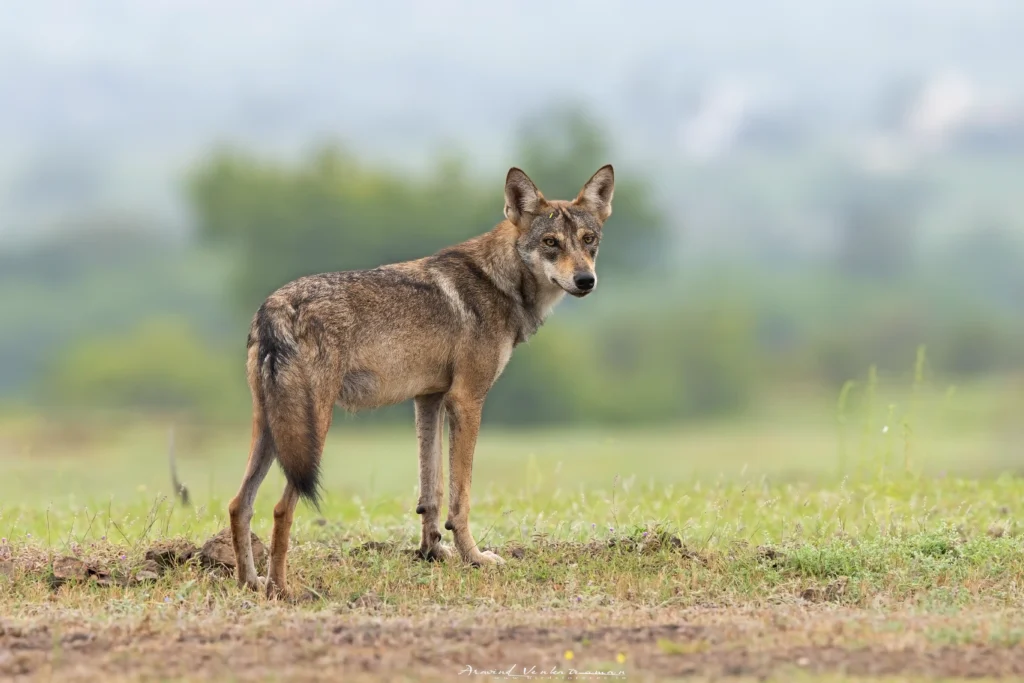
Its most famous resident is undoubtedly the blackbuck, but the park is equally important for Indian wolves, striped hyenas, golden jackals, foxes, and one of the world’s largest winter roosts of migratory harriers.
Blackbuck — The Symbol of Velavadar
Blackbucks are the species most visitors come to see, and Velavadar protects one of India’s most significant populations.
Male blackbucks are immediately recognisable by their dark upper body and elegant spiral horns, while females and young animals have a lighter brown coat without horns.
The open grasslands allow visitors to observe their natural behaviour throughout the safari.
You may see:
- Large grazing herds
- Territorial males defending breeding areas
- Courtship displays
- Young animals playing in small groups
- Sudden bursts of speed when alarmed
Blackbucks are among the fastest mammals in India and rely on speed rather than cover to escape predators.
Because Velavadar’s landscape is largely open, visitors often enjoy prolonged sightings rather than brief glimpses.
Field Note: During the breeding season, dominant males establish territories and frequently chase rival males. Watching these interactions can be just as rewarding as spotting predators.
Indian Wolf
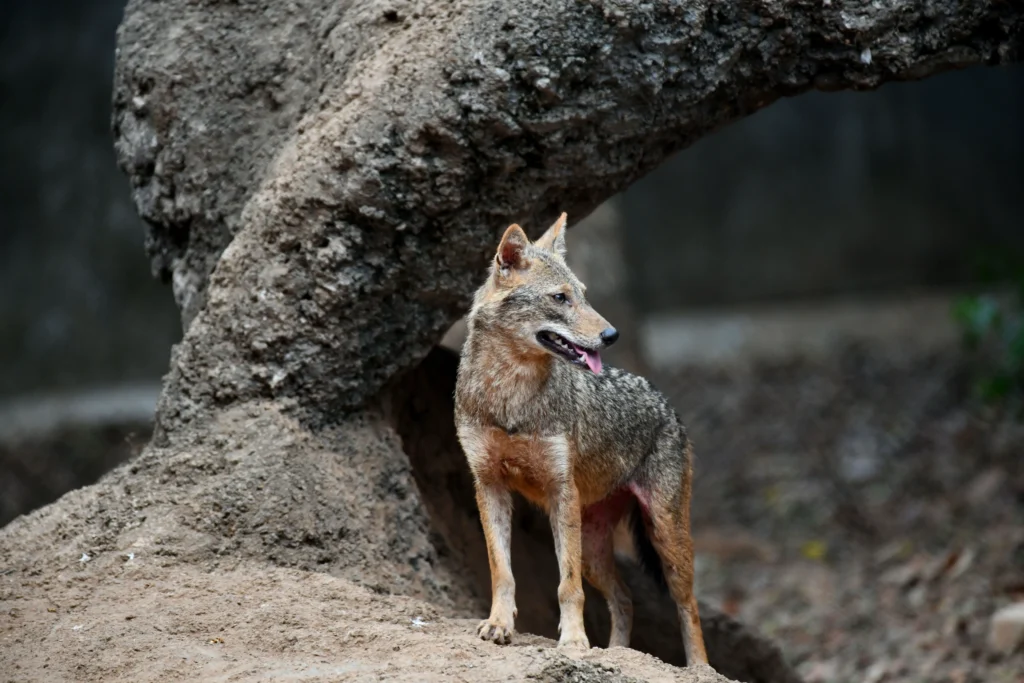
The Indian wolf is one of Velavadar’s most fascinating residents.
Unlike the larger wolves found in colder parts of the world, the Indian wolf is adapted to India’s dry grasslands and semi-arid landscapes.
Velavadar is considered one of the better places in the country to observe this elusive predator, although sightings are never guaranteed.
Wolves here typically prey on medium-sized mammals and occasionally smaller animals.
They usually remain cautious around safari vehicles and are most active during cooler parts of the day.
Patience is essential.
Many visitors complete several safaris before seeing one, while others are fortunate enough to encounter wolves during their first visit.
Striped Hyena
Striped hyenas are primarily nocturnal and therefore less frequently encountered.
Despite their reputation, hyenas are important scavengers that help maintain the health of the ecosystem by consuming animal remains.
Occasionally, visitors may observe them returning to resting areas during early morning safaris.
Nilgai
The nilgai, India’s largest antelope, is another common herbivore found within the park.
Adult males have a bluish-grey appearance, while females are brown.
These large antelopes are often seen feeding alongside blackbucks, although each species occupies slightly different ecological niches.
Their alert behaviour frequently provides early warning of approaching predators.
Other Mammals
Depending on luck and season, visitors may also encounter:
- Golden jackal
- Indian fox
- Jungle cat
- Hare
- Small rodents that support predator populations
Although individually less famous than blackbucks, these mammals contribute to the ecological balance of the grassland.
Birdwatching at Velavadar
Velavadar has earned international recognition among birdwatchers.
More than 140 bird species have been recorded, including resident grassland birds, wetland species, and numerous winter migrants.
Winter transforms the park into one of western India’s premier birdwatching destinations.
The Famous Harrier Roost
One of Velavadar’s greatest wildlife spectacles occurs during winter when migratory harriers gather to roost together.
Species regularly recorded include:
- Montagu’s Harrier
- Pallid Harrier
- Marsh Harrier
Towards sunset, dozens—and sometimes hundreds—of harriers gradually descend into the grasslands after spending the day hunting.
For birdwatchers, witnessing this communal roost is often the highlight of a visit.
It is considered one of the largest known harrier roosts anywhere in the world.
Photography Tip: A fast telephoto lens and continuous autofocus are useful when photographing harriers flying low across the grasslands during the evening.
Lesser Florican
The lesser florican is among India’s most threatened grassland birds and one of Velavadar’s flagship conservation species.
This small bustard is famous for the spectacular breeding displays performed by males during the monsoon.
These dramatic vertical jumps above tall grasses are among the most unusual courtship behaviours seen in Indian birds.
Ironically, visitors rarely witness these displays because the park is generally closed during the breeding season to minimise disturbance.
This seasonal closure plays an important role in protecting nesting birds.
Winter Migratory Birds
Besides harriers, winter attracts many migratory visitors.
Depending on water levels and seasonal conditions, birdwatchers may observe:
- Pelicans
- Cranes
- Storks
- Herons
- Egrets
- Ducks
- Waders
- Raptors
The combination of grasslands and seasonal wetlands creates habitat for birds with very different ecological requirements.
For photographers, early morning often offers the calmest conditions and the softest light.
Understanding Velavadar’s Grassland Ecology
Many people mistakenly assume that grasslands are simply “empty land.”
In reality, they are highly specialised ecosystems that support wildlife unable to survive in forests.
Velavadar demonstrates this perfectly.
Its landscape includes:
- Open grasslands
- Seasonal wetlands
- Saline flats
- Shrub-covered areas
Together, these habitats support herbivores, predators, reptiles, insects, and migratory birds throughout the year.
The abundance of grasses feeds blackbucks and nilgai, which in turn support predators such as wolves.
Small mammals and insects provide food for foxes, jackals, raptors, and numerous bird species.
Every habitat contributes to the park’s ecological balance.
Conservation Importance
Grasslands are among India’s least protected ecosystems.
Historically, many have been converted to agriculture, infrastructure, or industrial development.
Velavadar therefore plays a significant role in conserving wildlife that depends on these disappearing habitats.
Conservation efforts in and around the park have focused on protecting:
- Blackbuck populations
- Lesser florican breeding habitat
- Wintering migratory birds
- Native grassland ecosystems
- Predator populations, including the Indian wolf
Researchers and the Gujarat Forest Department continue to monitor important species, particularly the lesser florican, whose numbers have declined across much of its historical range.
Recent conservation initiatives have included monitoring programmes and other measures aimed at improving understanding of the species and supporting its recovery.
Expert Tip: A visit to Velavadar offers an opportunity to appreciate why conserving grasslands is just as important as protecting forests. Many of India’s most specialised wildlife species depend entirely on these open landscapes for survival.
Wildlife Viewing Guide
| Species | Best Season | Chances of Seeing |
| Blackbuck | October–March | Very High |
| Nilgai | Year-round | High |
| Indian Wolf | Winter & Summer | Moderate |
| Striped Hyena | Early Morning | Low to Moderate |
| Harriers | November–February | Very High |
| Lesser Florican | Monsoon (Park Closed) | Not normally visible to visitors |
Accommodation, Itineraries, Expert Tips, FAQs & Conclusion
Choosing the right place to stay and planning a realistic itinerary can make a noticeable difference to your visit. While Velavadar itself is relatively small, spending at least one night nearby allows you to enjoy both morning and evening safari sessions without feeling rushed.
Where to Stay Near Velavadar National Park
Unlike some national parks that have numerous lodges surrounding their gates, accommodation around Velavadar is relatively limited. Most visitors stay in or around Bhavnagar, which offers options for different budgets.
Budget Accommodation
Suitable for travellers who plan to spend most of their time inside the park.
Typically offers:
- Comfortable rooms
- Basic amenities
- Easy road access to the park
- Affordable rates
Mid-range Hotels
A good choice for families and couples seeking additional comfort.
These generally provide:
- Air-conditioned rooms
- Restaurant facilities
- Parking
- Assistance with local transport
Premium Stays
Visitors looking for a more relaxed holiday can choose higher-end hotels or nature-focused resorts in the wider Bhavnagar region.
These properties may include:
- Larger rooms
- Better dining options
- Landscaped surroundings
- Additional recreational facilities
Planning Tip: During winter weekends and holiday periods, accommodation can fill quickly. Reserve both your safari and hotel well in advance.
Suggested Itineraries
One-Day Wildlife Trip
Ideal for travellers visiting from Ahmedabad or nearby cities.
Morning
- Arrive before the morning safari.
- Explore the grasslands in search of blackbucks and wolves.
Afternoon
- Lunch and short rest.
- Join the evening safari for bird activity and sunset photography.
Two-Day Itinerary
This option provides a more relaxed experience and increases wildlife viewing opportunities.
Day 1
- Morning safari
- Lunch
- Evening safari focusing on birdlife
- Overnight stay near the park
Day 2
- Early morning safari
- Photography around sunrise
- Visit Bhavnagar or continue to Palitana before onward travel
Photography-Focused Itinerary
If photography is your primary interest:
- Spend at least two days.
- Join both morning and evening safaris.
- Carry lenses suitable for mammals and birds.
- Allow time to observe animal behaviour instead of constantly moving between sightings.
Family Travel Tip
Velavadar works well for families because:
- Safari drives are not excessively long.
- Wildlife is often visible in open landscapes.
- The chances of seeing blackbucks are generally good.
- Birdwatching can be enjoyable even for children who are new to wildlife travel.
Remember to carry drinking water, hats, sunscreen, and snacks for younger travellers.
Practical Checklist Before Your Visit
✔ Book your safari in advance.
✔ Verify the latest timings before travelling.
✔ Carry valid photo identification.
✔ Wear comfortable, neutral-coloured clothing.
✔ Bring binoculars if possible.
✔ Carry sufficient drinking water.
✔ Charge camera batteries.
✔ Respect wildlife and follow your guide’s instructions.
Responsible Tourism
Every visitor contributes to the future of places like Velavadar.
Simple actions can make a positive difference:
- Stay on designated safari routes.
- Avoid loud conversations.
- Never request guides to disturb wildlife for photographs.
- Do not leave litter inside the park.
- Support local businesses where possible.
- Respect seasonal park closures that protect breeding wildlife.
Responsible behaviour ensures future visitors can enjoy the same natural experiences.
Common Mistakes Visitors Make
Avoid these common errors when planning your trip:
1. Visiting During the Monsoon Closure
The park is generally closed from mid-June to mid-October.
Always confirm opening dates before finalising travel plans.
2. Expecting Tiger-Like Safaris
Velavadar is a grassland ecosystem.
Its biggest attractions are blackbucks, wolves, grassland birds, and the overall landscape—not large forest predators.
3. Underestimating the Sun
The open terrain offers little shade.
Carry water, sunscreen, sunglasses, and a hat.
4. Booking Accommodation Before Safari Availability
If travelling during peak season, secure your safari reservation first.
5. Expecting Guaranteed Wolf Sightings
Indian wolves are naturally elusive.
A successful visit should be judged by the overall wildlife experience rather than a single species.
Frequently Asked Questions
Is Velavadar National Park worth visiting?
Yes. It is one of India’s finest grassland national parks and is particularly rewarding for wildlife photographers, birdwatchers, and anyone interested in observing blackbucks and grassland ecology.
What is Velavadar famous for?
The park is best known for its large blackbuck population, Indian wolves, winter harrier roosts, and its importance in conserving the endangered lesser florican.
How many safaris should I book?
For most visitors, one morning and one evening safari provide a good introduction. Wildlife photographers and birdwatchers may benefit from two or more days.
Which is the best month to visit?
November to February generally offers the most comfortable weather and the best birdwatching opportunities. October to March is an excellent overall period for wildlife viewing.
Can beginners enjoy Velavadar?
Absolutely. The open habitat makes wildlife easier to observe than in many forest reserves, making it a good destination for first-time safari visitors.
Is Velavadar suitable for birdwatching?
Yes. Winter is particularly rewarding, with numerous migratory species and internationally significant harrier roosts.
Are guides compulsory?
Visitors should follow the latest Gujarat Forest Department regulations regarding guides and safari procedures when booking.
Can I visit during the monsoon?
The park is generally closed during the monsoon breeding season. Always verify current opening dates before travelling.
Which animals are easiest to see?
Blackbucks and nilgai are among the most frequently observed mammals. Bird diversity is highest during winter.
Is two days enough?
Yes. Two days usually allow visitors to experience multiple safari sessions and enjoy the park without rushing.
Conclusion
Velavadar National Park demonstrates that some of India’s most rewarding wildlife experiences take place far from dense forests and famous tiger reserves. Its sweeping grasslands support an extraordinary community of animals specially adapted to open landscapes, from graceful blackbucks and elusive Indian wolves to wintering harriers and the endangered lesser florican.
Rather than offering fast-paced wildlife sightings, Velavadar rewards patience and observation. Watching a herd of blackbucks move across the plains, seeing harriers descend to their evening roost, or simply appreciating the vastness of a healthy grassland provides insights into an ecosystem that is often overlooked in India’s conservation story.
Whether you are an experienced wildlife traveller, a passionate birdwatcher, or planning your first safari, Velavadar offers a distinctive perspective on India’s natural heritage. Visit with realistic expectations, respect the park’s regulations, and take the time to observe the smaller details of the landscape. You are likely to leave with a deeper appreciation for one of the country’s most important grassland ecosystems.
Author Note & Update Log: Written by the WildlifeSafaris.in Editorial Team. Last Updated: August 2026.
Safari Planning : Topics Cluster
- How to book a wildlife safari in India?
- Park by Park Online Safari Booking Guide
- Tiger Safari India Planning Workbook
- Park by Park Safari Permits Guide
- National Parks Permit Guide – Park by Park Guide
- Tatkal Safari Booking Guide – Last Minute Safari Permits Booking
- Tiger Safari in India Cost
- Indian Wildlife Safari Budget Planner
- Jeep vs Canter Safari
- Best time for Tiger Sightings in India
- How far advanced should you book safari permits?
- Can foreigners book Indian Wildlife Safari online?
- Special Permits Guide for Foreigners and Domestic Visitors
- How to book a Safari Permit online in India? 2026 step by step guide
- Senior Citizens Friendly Safari Planning
- Multi Generation Family Safari Planning
- 50 things to know before your first safari in India