
Plan your trip to Parambikulam Tiger Reserve. Discover official safari booking steps, the mandatory Topslip entry route, accommodation options, and wildlife.
Parambikulam Tiger Reserve stands as one of the most structurally intact wilderness areas within the Southern Western Ghats landscape. Managing a travel itinerary here requires distinct planning because the reserve operates under strict ecological regulations and community-based ecotourism models that differ significantly from commercialized safari parks.
For travelers and naturalists, understanding the logistical framework—particularly the fact that road access requires navigating through a neighboring state’s sanctuary—is essential before booking. This guide provides a systematic, data-grounded breakdown of Parambikulam’s habitats, booking steps, safari choices, and biological significance to ensure an effective, responsible journey.
Quick Facts and At-a-Glance Snapshot
Parambikulam is geographically situated within the Western Ghats, functioning as an important ecological bridge between distinct wilderness blocks. The table below outlines the core administrative and geographical data required for initial trip planning.
Table 1: Quick Facts Snapshot
| Metric | Operational Detail / Value |
| Administrative Location | Palakkad and Thrissur districts, Kerala, India. |
| Core / Critical Tiger Habitat | 390.89 sq. kms |
| Buffer Zone Area | 252.77 sq. kms |
| Total Administrative Area | 643.66 sq. kms |
| Primary Access Point | Topslip (via Anamalai Tiger Reserve, Tamil Nadu). |
| Nearest Commercial Town | Pollachi, Tamil Nadu (41 km). |
Why Visit Parambikulam Tiger Reserve
Parambikulam is a practical choice for wilderness travelers who prefer low-density tourism, high-quality naturalist guiding, and diverse habitat types over crowded, commercialized safari routes. Unlike parks dominated by uniform landscapes, Parambikulam contains a complex mosaic of terrain shaped by continuous ridgelines, valleys, and significant freshwater systems.
A primary feature of the reserve is its aquatic ecosystem engine, driven by four man-made reservoirs created by three historical dams. These water bodies provide a permanent hydration source for wildlife during the dry season, creating reliable wildlife gathering points along the shorelines. The reserve is also notable for its exceptionally high density of gaur (Bos gaurus), offering some of the most consistent opportunities in Southern India to observe herd dynamics and natural behaviors up close.
Because the reserve’s tourism model is entirely community-operated, visitors are accompanied by indigenous forest guides who possess deep local tracking knowledge. This focus on low-impact, structured visits makes it an optimal destination for serious wildlife photographers, birders, and field naturalists seeking accurate wilderness insights rather than generic sightseeing.
[ Anamalai Tiger Reserve / Topslip Landscape ]
│
▼ (Only Vehicular Access Route)
[ Parambikulam Checkpost ]
│
┌───────────────────┴───────────────────┐
▼ ▼
[Freshwater Reservoirs] [Terrestrial Habitats]
• 4 Man-made Reservoirs • Evergreen & Shola Forests
• Permanent Hydration Source • High Density Gaur Areas
• Aquatic Edge Birding • Endemic Frog & Plant Sites
Habitats and Vegetation Types
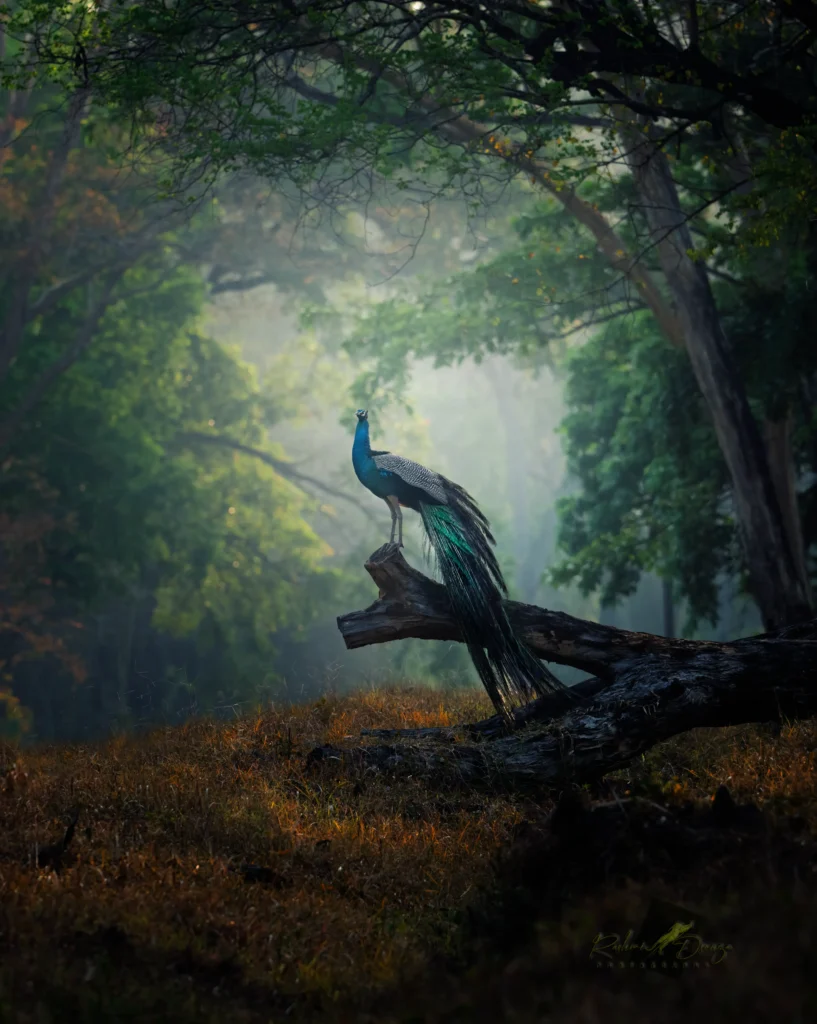
The biological richness of Parambikulam is directly linked to its varied elevation and microclimates. The reserve preserves several distinct forest types classified under the standard Champion and Seth system, providing specific niches for specialized fauna.
- Evergreen and Semi-Evergreen Forests: Found primarily along higher elevations and wet valleys, these areas feature dense, multi-tiered canopies that shelter sensitive species like the lion-tailed macaque and the Nilgiri marten.
- Moist and Dry Deciduous Forests: These zones occupy the mid-to-lower elevations, opening up significantly during the dry spring months, which improves visibility for tracking large herbivores and predators.
- Shola-Grassland Complexes: Restricted to high-altitude ridges, these unique ecosystems consist of stunted evergreen forest patches (sholas) divided by expansive montane grasslands (“vayals”). These marshy alluvial grasslands function as critical grazing areas for deer and gaur, while acting as primary hunting grounds for leopards and tigers.
- Teak Plantations: Historical forestry practices left legacy teak monocultures inside the reserve. Current management plans focus on long-term ecological restoration to systematically convert these back into diverse, native mixed-species forests.
Endemics and Rare Species
Parambikulam is an important refuge for endemic species restricted entirely to the Western Ghats landmass. The reserve serves as a living laboratory where specific, micro-endemic species can be observed in their natural habitats.
The reserve contains a diverse array of flora, encompassing 1,835 flowering plant species across 151 families. Among these, approximately 473 species are strictly endemic to the Western Ghats. Orchidaceae is exceptionally well-represented, with about 110 documented orchid species. Rare plants like Haplothismia exannulata, Coscinium fenestratum, and Utleria salicifolia maintain protected populations within the core zones.
The faunal diversity is similarly concentrated, supported by ongoing scientific checklists.
Table 2: Species Richness Summary
| Faunal Group | Documented Species Count | Notable Examples & Regional Endemics |
| Mammals | ~49 species. | Bengal tiger, Asian elephant, Indian leopard, Nilgiri tahr, lion-tailed macaque, Nilgiri marten, Malabar giant squirrel. |
| Birds | 290 to 336 species. | Malabar grey hornbill, Sri Lanka frogmouth, various Western Ghats forest endemics. |
| Reptiles | ~70 species. | King cobra, Indian rock python, diverse pit vipers. |
| Amphibians | ~34 species. | Parambikulam frog (Tomopterna parambikulamana). |
| Freshwater Fish | ~81 species. | Hump-backed Mahseer, endemic sucker fish (Garra surendranathanii). |
| Insects | 1,049 families. | Diverse forest butterflies, odonates, and micro-endemic beetles. |
🔬 Field Note: The Parambikulam Frog
Naturalists should monitor wet leaf litter and rocky stream edges during the early monsoon transitions. The Parambikulam frog (Tomopterna parambikulamana) is a burrowing amphibian completely micro-endemic to this reserve. Spotting or acoustic monitoring of this species provides researchers with key data on the health of the local forest floor ecosystem.
How to Reach Parambikulam (Route Guide)
The most important logistical detail to understand when planning your trip is the entry route. Although Parambikulam is located in Kerala, you cannot drive directly into the reserve from the Kerala side. All vehicular access must pass through Tamil Nadu via Topslip.
Access via Pollachi and Topslip
The primary approach begins in the town of Pollachi, situated about 41 kilometers from the reserve. From Pollachi, vehicles must travel to the Sethumadai checkpost. This is the official entry point into the Anamalai Tiger Reserve. After clearing this checkpost, you will drive up the ghat road to Topslip before finally crossing into the Parambikulam forest boundary.
Transit Hubs and Local Parking
For travelers arriving from further away, Coimbatore and Palakkad serve as the main transit hubs.
- Nearest Airport: Coimbatore is the closest major airport, located approximately 80 kilometers from the reserve.
- Nearest Railway Stations: Coimbatore and Palakkad both offer major rail connections and sit about 80 kilometers from the reserve.
- Local Transit: If hiring a taxi from Coimbatore or Palakkad, ensure the driver possesses the necessary inter-state permits, as the physical route requires crossing the Tamil Nadu-Kerala border.
🧭 Expert Tip: The Access Myth
A common mistake travelers make is mapping a route directly from central Kerala to Parambikulam. Always route your GPS through Pollachi and Topslip, Tamil Nadu, to ensure you arrive at the correct, functioning entry gate.
Bookings, Permits, and Fees
Access to Parambikulam is strictly regulated to minimize human impact on the core habitat. All safari and accommodation bookings are managed through the official Parambikulam visitor channels.
The Combined Anamalai and Topslip Entry System
Because the only road to Parambikulam cuts through Anamalai Tiger Reserve, a dual-permit and fee system is in place. Visitors are required to pay the applicable entry and vehicle fees at both the Anamalai (Topslip) checkpost and the Parambikulam checkpost. Understanding this combined entry requirement prevents delays and frustration at the gates.
Step-by-Step Booking Workflow
Booking in advance is highly recommended, especially during weekends and the dry season when visibility is highest. The official visitor page lists per-person and vehicle fees, specifying different rates for Indian nationals and foreign visitors.
Follow this standard workflow for securing your visit:
- Check Official Rates: Visit the official Parambikulam visitor info page to confirm current entry fees, vehicle charges, and any seasonal notices.
- Secure Advance Bookings: Reserve your eco-lodge stay or day-safari package online through the official portal prior to your travel date to guarantee entry.
- Prepare for Topslip Entry: When you arrive at the Sethumadai checkpost, present your Parambikulam booking confirmation. You must still adhere to Anamalai/Topslip entry rules and pay their transit fees.
- Clear Parambikulam Checkpost: After driving through Topslip, you will reach the Kerala border checkpost to pay the official Parambikulam entry fees and register your vehicle.
📋 Practical Checklist: Permit & Checkpost Readiness
- Carry printed copies of your booking confirmations, as mobile data networks are highly unreliable near the forest gates.
- Keep exact cash available to smoothly process checkpost fees for both Anamalai and Parambikulam.
- Carry valid, physical government-issued photo identification for all passengers, which is strictly required for entry registration.
Safari Types, Timings & What to Expect
To get the most out of your wildlife viewing, plan your excursions during the early morning or late afternoon hours. Herbivore and predator activity peaks during these cooler periods, making sightings along the edge of the reservoirs and forest clearings much more frequent than during the middle of the day.
Vehicle Safaris, Bamboo Rafting, and Regulated Treks
The reserve provides structured ways to explore the landscape, including forest department vehicle safaris (conducted via jeeps and vans), bamboo rafting, and guided trekking. Vehicle safaris follow designated routes through primary wildlife zones, whereas bamboo rafting takes place on the open waters of the reservoir, giving visitors an alternative look at the shoreline habitats.
Trekking inside the reserve is highly restricted to minimize habitat disturbance. All treks require official permits and must be accompanied by an authorized indigenous forest guide. It is important to note that all wildlife sightings are completely dependent on chance, and no activity guarantees a tiger encounter.
Regarding equipment rules, standard photography is permitted under regulated guidelines, but flying drones is strictly forbidden across all protected areas of the reserve. Visitors traveling with children or elderly family members should note that vehicle safaris are accessible and require minimal physical effort, while the trekking paths feature uneven terrain that requires moderate physical fitness.
Table 4: Safari Activity Matrix
| Activity Type | Optimal Hours | Relative Difficulty | Key Restrictions / Rules | Likely Wildlife Observations |
| Vehicle Safaris (Jeep/Van) | Early morning & late afternoon. | Low | Passengers must remain inside the vehicle at all times. | Gaur, Asian elephants, deer, and regional predators. |
| Bamboo Rafting & Reservoir Activities | Scheduled daytime slots. | Low to Moderate | Mandatory life jackets; compliance with guide instructions required. | Water birds, otters, and herbivores gathering along the shoreline. |
| Regulated Forest Treks | Scheduled morning slots. | Moderate to High | Official permits and native guide mandatory; restricted to designated paths. | Forest birds, butterflies, amphibians, and micro-fauna. |
📸 Photography Tip: Reservoir Lighting
When participating in bamboo rafting or reservoir activities, the early morning light provides the best conditions for capturing water birds and landscape reflections. Ensure your camera gear is secured in waterproof dry bags, as light water splashing occurs during active paddling.
Where to Stay – Inside and Near the Reserve
If your primary goal is to participate in early morning safaris or treks without experiencing transit delays at the border gates, staying inside the reserve is your best option. Choosing an accommodation outside near Pollachi or Topslip is better suited for travelers who prefer flexible check-in times and standard resort amenities.
Government Eco-Lodges vs. Outside Accommodations
Accommodations inside the forest boundary consist of government-managed forest rest houses and authorized eco-lodges. These properties are operated through community-based ecotourism programs and are typically booked as complete packages that bundle your stay with specific meals and outdoor activities. Staying inside requires strict adherence to park timelines, and visitor movement is restricted after dark for safety reasons.
Alternatively, a selection of private lodges and resorts can be found outside the reserve boundaries near Topslip and the town of Pollachi. While staying outside means you must factor in commuting times and clear the checkposts each morning, it offers a broader variety of dining and lodging styles for families and large groups.
Wildlife to Watch For
Tracking wildlife in Parambikulam requires patience and an understanding of the reserve’s specific habitats. While visitors frequently hope to see apex predators, the practical value of this reserve lies in its dense herbivore populations and rare, region-specific species.
Top Mammals to Seek
Parambikulam supports approximately 49 mammal species. The reserve is known for its high density of gaur, which are frequently spotted grazing near the reservoirs and marshy grasslands.
Beyond the gaur herds, visitors should scan the forest edges for Asian elephants and Indian leopards. The varied canopy heights also provide viewing opportunities for arboreal mammals. The Malabar giant squirrel is a common sight in the mid-canopy, while the endangered lion-tailed macaque is restricted to the denser evergreen patches. Patient naturalists may also spot the elusive Nilgiri marten or a sloth bear foraging along the drier slopes. At higher elevations, the Nilgiri tahr navigates the rocky montane ridges.
Top Birds, Butterflies, and Odonata
The avian and insect life here is equally significant. Recent surveys indicate a thriving ecosystem, with a 2023 faunal survey adding roughly 30 new records, pushing the reserve’s overall checklist beyond 500 total species. Depending on the specific survey referenced, the bird count sits between 290 and 336 species. Regional endemics like the Malabar grey hornbill are key targets for serious birders.
The reserve also supports a wide variety of butterflies and odonata, such as dragonflies and damselflies. The wet margins of the four man-made reservoirs provide perfect breeding grounds for these insects, which peak in activity just after the monsoon season.
🔭 Field Note: The Seasonal Shift
Bird and butterfly activity peaks during specific seasonal windows. For the best insect viewing and migratory bird spotting, check the post-monsoon months before the high summer dries out the smaller streams.
Conservation, Research & Management Plan Highlights
Maintaining a stable ecosystem within a $643.66 \text{ km}^2$ boundary requires rigorous management. The administration utilizes a core-buffer strategy, protecting $390.89 \text{ km}^2$ of critical tiger habitat while managing a $252.77 \text{ km}^2$ buffer zone.
Tiger Monitoring and Population Trends
Tiger sightings are never guaranteed, but scientific monitoring proves the population is healthy and growing. In 2010, the National Tiger Conservation Authority (NTCA) estimated the landscape held between 17 and 20 tigers. By 2021, extensive camera-trap surveys successfully identified 35 individual tigers within the reserve. One assessment calculated a tiger density of 2.43 per 100 sq. km., demonstrating the effectiveness of the current protection measures.
Corridor Connectivity, Teak Monocultures, and Threats
No protected area operates in isolation. Parambikulam acts as a vital link within the Peechi–Eravikulam–Anamalai corridor, allowing genetic exchange across the Western Ghats. Maintaining this connectivity is a primary conservation goal.
The reserve faces inherited ecological challenges. Large tracts of the forest were historically converted into teak plantations. This teak monoculture severely limits undergrowth diversity, negatively impacting herbivore grazing. Current management plans focus on addressing the impact of this monoculture—frequently analyzing the stumpage economic metric—and exploring restoration strategies to return these areas to natural forest.
The buffer zone also navigates the human-wildlife interface. Approximately 1,300 people, comprising both tribal and non-tribal communities, live within the reserve. To ensure coexistence, the administration operates a successful community-based eco-tourism model that directly links local livelihoods to conservation success.
📋 Planning Resource
For an in-depth look into the foundational data shaping these conservation and travel insights, you can reference the primary dossier named “Act as a senior SEO strategist, wildlife researche – 2026-07-03T172713.697.docx”.
Common Mistakes to Avoid
Planning a trip to a strictly managed ecosystem requires avoiding several common practical errors that can disrupt your travel itinerary.
- Attempting Direct Entry from Kerala: Many travelers attempt to map a direct driving route from central Kerala. The only vehicular road access is through the Sethumadai checkpost in Pollachi, Tamil Nadu, passing through the Anamalai Tiger Reserve.
- Expecting Guaranteed Tiger Sightings: While the tiger population has shown documented growth, large carnivore sightings are entirely chance-dependent. Visitors who focus only on apex predators often miss the reserve’s dense herds of gaur, diverse birdlife, and unique arboreal mammals.
- Underestimating Habitat Diversity: Treating Parambikulam as a standard, uniform forest track causes visitors to miss its unique features. The reserve is a complex system of montane grasslands, shola patches, and massive freshwater reservoirs that require different tracking approaches.
- Forgetting Cash and Physical Documents: Mobile connectivity at the border checkposts is highly unreliable. Arriving without printed booking confirmations or physical cash to pay the separate transit fees at the Anamalai and Parambikulam gates can cause significant delays.
- Violating Gear Regulations: Attempting to bring or fly a drone inside the reserve borders is strictly prohibited and carries legal penalties under forest protection laws.
Suggested Itineraries
1-Day Sample Itinerary (Day Transit)
- 06:00 AM – 07:30 AM: Drive from Pollachi through the Sethumadai checkpost, pay the transit fees, and cross the Topslip boundary.
- 08:00 AM – 11:00 AM: Arrive at Parambikulam, clear the main checkpost, and board the scheduled forest department vehicle safari for early morning wildlife tracking.
- 11:30 AM – 01:30 PM: Participate in a regulated bamboo rafting session along the reservoir margins to observe aquatic birds and shorelines.
- 01:30 PM – 02:30 PM: Lunch at the community-run visitor center.
- 03:00 PM – 05:00 PM: Join a short, guided nature trail with an indigenous forest guide to observe butterflies and micro-fauna before exiting the park gates prior to evening closure.
2-Day Sample Itinerary (Inside the Reserve)
- Day 1 (Arrival & Orientation): Arrive via the Topslip route by midday. Check into a government-managed eco-lodge inside the reserve. Embark on an afternoon vehicle safari to observe gaur herds gathering near the water bodies as temperatures drop. Attend an evening orientation talk led by a local naturalist.
- Day 2 (Trekking & Departure): Set out at dawn for a permitted, guide-accompanied trek through the moist deciduous tracking paths to spot endemic birds and tracking signs. Return for breakfast, check out of the eco-lodge, and complete a final drive along the reservoir road before exiting the reserve.
3-Day Sample Itinerary (Deep Naturalist Focus)
- Day 1 (Core Geography): Clear the checkposts early, check into your inside accommodation, and dedicate the afternoon to mapping the reservoir ecosystem via vehicle and bamboo raft.
- Day 2 (Specialized Habitat Study): Spend the morning tracking high-altitude species near the shola-grassland complexes under the direction of an indigenous tracker. Dedicate the afternoon to birding and butterfly photography along the wet margins of the reservoirs, focusing on the post-monsoon faunal additions.
- Day 3 (Corridor Mapping & Exit): Use the final morning to explore the legacy teak plantation zones to understand the ongoing forest restoration efforts. Complete data checklists with your guide and exit through the Anamalai gate by afternoon.
Frequently Asked Questions
1. Where is Parambikulam Tiger Reserve located?
The reserve is located within the administrative boundaries of the Palakkad and Thrissur districts in Kerala, Western India.
2. What is the total area of the reserve?
The reserve covers a total area of $643.66 \text{ km}^2$, which includes $390.89 \text{ km}^2$ of protected core habitat and $252.77 \text{ km}^2$ of buffer zone.
3. How many tigers live in Parambikulam based on recent surveys?
A comprehensive camera-trap survey identified 35 individual tigers living within the reserve boundaries, showing a clear increase from earlier landscape estimates.
4. How do I reach Parambikulam from major transit hubs?
You must travel by road via Pollachi and Topslip in Tamil Nadu. The nearest major airport and railway stations are located in Coimbatore, roughly 80 kilometers away.
5. How do I book safari permits and what are the operational timings?
Safaris and entry permits must be secured through the official Parambikulam visitor portal. Activities are generally split into morning and afternoon windows when wildlife is most active.
6. What are the entry fees for Indian and international visitors?
Fees vary based on nationality and vehicle type. You can view the current, exact fee schedules on the official forest department visitor info page.
7. What is the best season to visit for wildlife viewing and birding?
The post-monsoon months into the dry spring season offer the best tracking conditions, as wildlife concentrates around permanent water reservoirs.
8. What animals and birds are most commonly observed?
Visitors frequently see gaur, Asian elephants, sambar deer, Malabar giant squirrels, and regional birds like the Malabar grey hornbill.
9. Which endemic species are found inside the reserve?
Notable regional endemics include the Parambikulam frog (Tomopterna parambikulamana), the sucker fish (Garra surendranathanii), and over 473 species of Western Ghats endemic plants.
10. Is accommodation available inside the forest area?
Yes, the forest department operates community-managed eco-lodges and forest rest houses directly inside the reserve boundaries.
11. Are tribal villages accessible, and is cultural tourism allowed?
Approximately 1,300 community members live inside the reserve. Regulated community ecotourism exists, but all visits must strictly respect local privacy and follow official guidelines.
12. What are the strict park timings and rules?
Vehicular movement is restricted at night, visitors must remain inside designated zones, and littering or carrying plastics is strictly penalized.
13. Are children and elderly individuals allowed on safaris?
Yes, the forest department’s van and jeep safaris are highly accessible and require minimal physical effort.
14. Can you trek inside the reserve, and how do you get permits?
Regulated treks are allowed on designated paths. They require an official forest department permit and must be accompanied by a native guide.
15. Is photography permitted, and can I fly a drone?
Standard wildlife and landscape photography is permitted under clear guidelines, but flying drones is strictly forbidden throughout the reserve.
16. What safety measures protect visitors during wildlife encounters?
All field activities require the presence of trained indigenous forest guides who know local wildlife behaviors and tracking safety protocols.
17. How does Parambikulam contribute to tiger conservation?
The reserve maintains a strictly protected core zone, monitors populations using camera traps, and runs community programs to ensure stable buffer management.
18. Are there boat rides or reservoir activities available?
Yes, regulated bamboo rafting packages are available on the reservoirs, allowing visitors to view wildlife along the water’s edge.
19. Are there seasonal closures that affect travel planning?
Certain trekking routes or low-lying paths may close temporarily during heavy monsoon periods. Always verify active routes on the official site before traveling.
20. What nearby wilderness areas pair well with a Parambikulam itinerary?
The reserve shares direct borders with the Anamalai Tiger Reserve (Topslip) in Tamil Nadu and connects to the wider Peechi-Eravikulam conservation corridor.
References and Further Reading
- National Tiger Conservation Authority (NTCA): Parambikulam Tiger Reserve Management Note and Official Briefing Documents.
- Parambikulam Forest Department Portal: Official Visitor Information, Booking Gateways, and Administrative Rules.
- The Hindu Ecological Reporting: Documented Results of the 2021 Camera-Trap Tiger Survey and the 2023 Faunal Survey Checklist Updates.
Conclusion
Parambikulam Tiger Reserve offers a practical template for sustainable, community-led wildlife travel within the Western Ghats. By structuring your trip around the mandatory Topslip transit route, booking your eco-lodges or day safaris well in advance, and relying on the expertise of native guides, you can ensure a well-organized and responsible wilderness experience. Focus your efforts on observing the reserve’s complex forest habitats, distinct endemics, and healthy herbivore populations to get the most out of this protected ecosystem.
Author Note & Update Log: Written by the WildlifeSafaris.in Editorial Team. Last Updated: September 2026