Plan a realistic wildlife trip in India under Rs 20,000. Learn how to budget for safari permits, local stays, and transport without sacrificing sightings.
Introduction, Realities & The Budget Framework
Can You Plan a Credible Wildlife Trip Under Rs 20,000?
A wildlife trip under Rs 20,000 in India is entirely realistic, provided you build your itinerary around smart logistics rather than premium packaging. The secret lies in understanding that wild animals do not distinguish between a traveler staying in a luxury resort and one staying in a community run homestay. Both step into the exact same forest tracks, hire the same local tracking guides, and share identical chances of encountering wildlife.
To make this budget work, you must transition away from all-inclusive commercial tour packages, which heavily mark up transport and accommodation. By taking direct control of your forest department permit bookings, choosing efficient rail or road routes, and opting for decentralized local hospitality, you can easily experience a multi-day safari itinerary without exceeding your financial limits.
What a Rs 20,000 Budget Realistically Covers
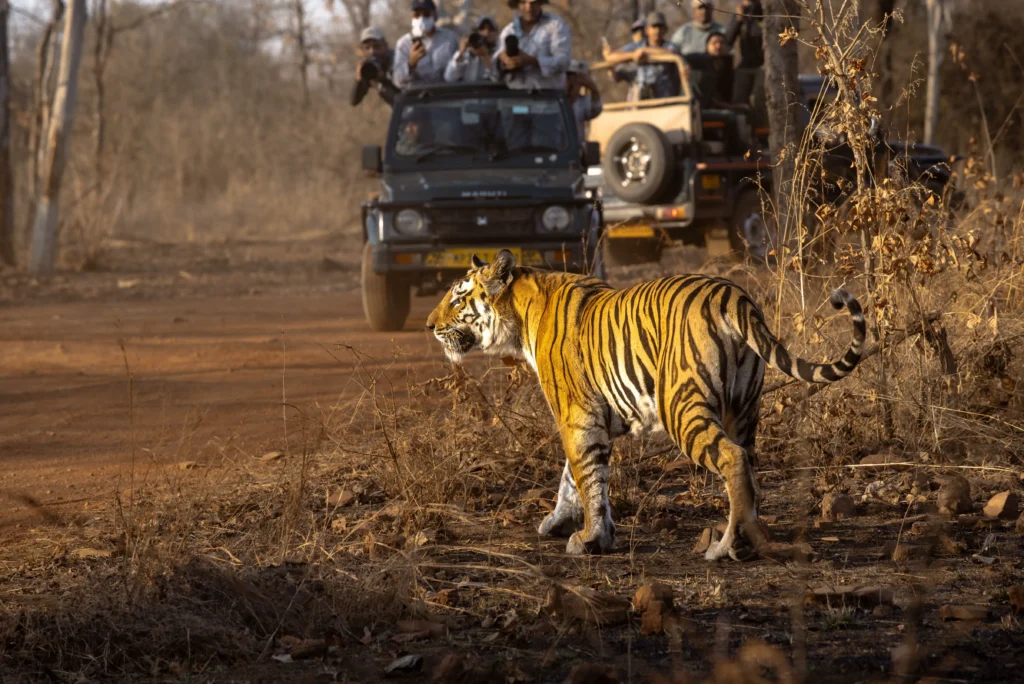
This budget tier easily sustains a well-planned 2 Nights / 3 Days itinerary for a single traveler or a couple sharing core expenses. It is not a backpacker-only survival budget; it comfortably accommodates clean, secure lodging, reliable local meals, all necessary entry fees, and multiple safari drives.
When managed properly, a budget of Rs 20,000 supports:
- Transport: Round-trip AC train travel or public bus transport from a major regional hub to the nearest railhead or park gate.
- Accommodation: A clean, comfortable double room in a local homestay or a registered state forest department lodge for two nights.
- Safaris: Two to three scheduled safari drives, depending on whether you opt for shared canter seats or divide the cost of a private gypsy.
- Permits and Fees: Official forest department entry permits, mandatory vehicle track fees, and local naturalist guide fees.
- Food: Simple, nutritious regional meals sourced from local eateries or provided directly by your homestay hosts.
The Core Expenses: Where the Money Goes
Wildlife travel involves fixed, non-negotiable costs set by statutory authorities like the National Tiger Conservation Authority (NTCA) and state forest departments. Understanding how these costs split prevents unexpected overruns.
[Typical Budget Distribution]
├── Safaris & Permits (Zones, Guides, Vehicles) : ~40%
├── Accommodation (Homestays/Forest Lodges) : ~30%
├── Transport (Rail/Road Connectivity) : ~20%
├── Food & Incidental Costs (Camera Fees, etc.) : ~10%
Unlike regular leisure holidays where accommodation consumes the largest portion of your funds, a successful wildlife trip shifts its financial weight toward the forest itself. Roughly 40% of your money should fund safari permits and vehicle allocations. Another 30% covers your lodging, while the remaining 30% splits between regional transit, food, and minor park fees (such as camera handling charges).
The 2N/3D Budget Allocation Model
To keep your planning grounded in economic reality, you can look at a standard cost breakdown for a solo traveler utilizing a mix of shared safari options and train connectivity.
| Expense Category | Estimated Allocation (Solo Traveler) | Operational Details |
| Transit & Connectivity | Rs 3,500 – Rs 4,500 | Round-trip 3AC train fare plus last-mile local auto/taxi transfers to the park gate. |
| Lodging (2 Nights) | Rs 4,000 – Rs 5,500 | Standard room in a verified community homestay or government eco-lodge. |
| Safaris & Forest Permits | Rs 6,000 – Rs 7,500 | Mixture of 2 core-zone canter/shared safaris or 1-2 coordinated gypsy drives. |
| Food & Refreshments | Rs 2,000 – Rs 2,500 | Locally sourced regional meals breakfasts, lunches, and dinners. |
| Emergency Buffer | Rs 1,000 – Rs 1,500 | Set aside for mandatory naturalist tips, camera fees, or unexpected local transits. |
| Total Project Cost | Rs 16,500 – Rs 20,000 | Fully realized, standalone safari itinerary. |
Field Note
When traveling as a group of two or four, the per-person cost drops significantly. This happens because the fixed costs of a private safari gypsy (which seats up to six tracks) and last-mile taxi transfers are divided equally among group members, opening up more room in your budget for additional safari drives.
High-Value Destinations & The Comparison Matrix
Top Wildlife Destinations Under Rs 20,000
Choosing the right destination is the single most critical decision in keeping your wildlife trip within budget. While famous tiger reserves are heavily marketed, their popularity often drives up the cost of surrounding accommodation and transport. To stay within Rs 20,000, you must select parks based on geographic proximity to reduce travel costs, and prioritize locations that offer officially sanctioned, shared safari vehicles.
Best Options from Delhi and North India
For travelers starting from Delhi or the National Capital Region, avoiding domestic flights is the easiest way to protect your budget. Rail and road routes offer direct access to several premium wildlife habitats.
- Jim Corbett National Park (Uttarakhand): Corbett is easily accessible via an overnight train or a straightforward drive from Delhi, virtually eliminating expensive transit costs. The park operates large, shared canter safaris into high-value zones like Dhikala, which dramatically lowers the per-person entry cost compared to booking a private gypsy. By choosing a local homestay in Ramnagar rather than a resort, a comprehensive itinerary easily fits the budget.
- Ranthambore National Park (Rajasthan): A direct train journey drops you at Sawai Madhopur, the immediate gateway to Ranthambore. The state forest department regulates 20-seater canter safaris across its core and buffer zones, making this one of the most cost-effective tiger reserves for budget travelers and large groups.
- Nainital and Surrounding Forests (Uttarakhand): Often overlooked for dedicated wildlife travel, the forested ridges around Nainital and Pangot offer world-class birding. Because you are not paying high tiger reserve permit fees, your budget stretches much further for transport and comfortable homestays.
Best Value Parks for Tiger Sightings
Tiger-focused trips can quickly become expensive due to the immense demand for core zone permits. However, several reserves offer budget-friendly pathways if you adapt your booking strategy.
- Tadoba Andhari Tiger Reserve (Maharashtra): Reached affordably via train to Chandrapur or Nagpur, Tadoba is renowned for its wildlife. To keep costs under Rs 20,000, budget travelers should target the park’s buffer zones. Buffer zone safaris are significantly cheaper, easier to book, and often less crowded than the core, while still supporting excellent biodiversity.
- Bannerghatta Biological Park (Karnataka): For travelers based in southern cities, Bannerghatta provides a highly accessible wildlife experience. Because it is located near Bengaluru, transit costs are negligible, leaving your entire budget available for state-run safari buses and nearby eco-stays.
Top Choices for Mixed Wildlife and Birding
If you look beyond tigers, India’s protected areas offer incredible financial value. Parks focused on diverse ecosystems often have lower permit fees, fewer crowds, and community-driven lodging options.
- Kaziranga National Park (Assam): Famous for the Greater One-horned Rhinoceros and Asian Elephants, Kaziranga allows highly economical shared jeep safaris. The surrounding areas of Kohora and Bagori feature numerous low-cost, community-run homestays.
- Gir National Park (Gujarat): The only natural habitat of the Asiatic Lion, Gir offers strictly regulated open gypsy safaris. By traveling via train to Junagadh and sharing the gypsy cost with other travelers, you can easily experience the park without overspending.
- Periyar National Park (Kerala): An exceptional choice for family travelers and eco-conscious visitors. Periyar focuses heavily on low-impact ecotourism, offering highly affordable boat safaris and guided community nature walks rather than expensive vehicle tracks.
The Destination Value Matrix
The following table breaks down the realistic costs for a standard 2 Nights / 3 Days trip for a solo traveler utilizing budget transit and shared safari options.
Note: Wildlife sightings are a matter of chance and are never guaranteed. Seasonal conditions and individual booking timelines will affect final costs.
| Destination | Primary Species Likely | Best Season | Typical Travel & Stay Cost Impact | Safari Cost Impact | Total Budget Estimate (2N/3D) |
| Jim Corbett | Bengal Tiger, Asian Elephant, Birds | Winter / Spring | Low: Direct rail from Delhi; plentiful homestays. | Low: Shared Dhikala canter options. | Rs 12,000 – Rs 16,000 |
| Ranthambore | Bengal Tiger, Leopard, Wild Boar | Winter / Spring | Low: Direct rail access to Sawai Madhopur. | Low: 20-seater canter safaris in core/buffer. | Rs 12,000 – Rs 15,000 |
| Gir National Park | Asiatic Lion, Leopard, Birds | Winter / Spring | Moderate: Rail via Junagadh, localized lodging. | Moderate: Gypsy must be shared at the gate. | Rs 15,000 – Rs 18,000 |
| Kaziranga | Rhinoceros, Elephant, Waterfowl | Winter / Spring | Moderate: Requires train/bus from Guwahati. | Low: Highly economical shared jeep zones. | Rs 16,000 – Rs 19,000 |
| Tadoba | Bengal Tiger, Sloth Bear, Leopard | Spring / Winter | Moderate: Train to Chandrapur, fewer cheap stays. | Moderate: Cheaper if using buffer zone permits. | Rs 17,000 – Rs 20,000 |
| Periyar | Asian Elephant, Hornbills, Sambar | Winter / Post-Monsoon | Low: Accessible by bus from major southern hubs. | Very Low: Boat safaris and community walks. | Rs 10,000 – Rs 14,000 |
Decision Guide
If your strict budget is your primary concern, avoid parks that only permit private gypsies. Always check the official state forest department website for a destination to see if they operate shared canters or mini-buses. These larger vehicles represent the single easiest way to halve your safari expenses.
Logistics, Permit Booking & Money-Saving Hacks
Safari Logistics: Permits, Zones, and Vehicle Choices
Managing safari logistics with precision is what separates a successful budget wildlife trip from an expensive logistical failure. In Indian wildlife tourism, entry numbers are strictly regulated by carrying capacity limits established by the National Tiger Conservation Authority (NTCA) and individual state forest departments. If you do not plan these bookings correctly, you risk getting stranded at the park gates, forcing you to rely on last-minute private operators who charge heavily inflated prices.
Navigating Official Permits and Booking Timelines
The most effective way to protect your budget is to book your entry permits directly through official state forest department portals. Private booking sites frequently hide service charges and booking fees under the guise of all-inclusive safari packages.
Most major tiger reserves open their online permit booking systems 90 to 120 days in advance. Because budget-friendly shared slots fill up quickly, you should align your trip dates with these release windows. When booking your permit, ensure that your government-issued identification details exactly match the information on your ticket; any discrepancies will result in the immediate cancellation of your permit at the gate, without a refund.
Core Zones vs. Buffer Zones: Sighting Value vs. Cost
Understanding the zoning system of a protected area helps you balance cost and opportunity.
- Core Zones: These areas represent the central, undisturbed habitat of the park. While core zones are highly sought after, their permits are more expensive, face intense booking competition, and are subject to strict vehicle caps.
- Buffer Zones: These are the multi-use forest areas surrounding the core. Buffer zone permits are significantly cheaper and much easier to secure at short notice. Because wildlife moves freely across these invisible boundaries without recognizing human zones, buffers frequently deliver outstanding wildlife sightings with far fewer tourist vehicles around.
Gypsy vs. Canter: Maximizing Your Spend per Safari
For parks that offer both options, choosing the right vehicle type will fundamentally shape your trip’s total cost.
| Vehicle Parameter | Open Gypsy (4-6 Seats) | Shared Canter (16-20 Seats) |
| Cost Dynamics | High fixed cost; expensive for solo travelers unless split. | Low, fixed per-seat pricing; highly predictable. |
| Photography Options | Excellent; low angles and flexible positioning. | Moderate; higher vantage point but restricted movement. |
| Track Accessibility | High; can easily navigate narrow forest tracks. | Moderate; restricted to wider, primary forest routes. |
| Ideal For | Small groups or travelers dividing expenses. | Solo travelers, couples, and budget families. |
Strategic Cost-Saving Tactics for Wilderness Travel
A successful budget wildlife trip does not require sacrificing comfort or safety. Instead, it relies on making practical choices regarding your transport, lodging, and timing.
Transport Hacks: Transitioning to Rail and Road
Avoiding commercial flights and long-distance private taxis is essential to keeping your transit expenses under control.
- Prioritize the Indian Railways Network: The vast majority of India’s prominent national parks sit within 50 to 80 kilometers of a major railhead. Booking a 3AC train ticket well in advance provides comfortable transit at a fraction of the cost of a road trip.
- Utilize State Transport Links: From the arriving railway station, opt for scheduled state transport buses or shared local autos to reach the park gateway towns, rather than hiring private point-to-point tourist cabs.
Stays and Hospitality: Homestays vs. Forest Department Lodges
Where you sleep and eat will determine roughly one-third of your total expenditure. Avoiding premium commercial resorts opens up highly sustainable alternatives.
- State Forest Department Lodges: Many parks maintain basic, clean rest houses right at the forest edge or within the buffer zones. These rooms can be booked directly through official government portals. They offer simple amenities and unmatched proximity to the wilderness at very low state-regulated rates.
- Community-Based Homestays: Choosing a room in a registered local village homestay directly supports benefit-sharing models outlined in national ecotourism guidelines. These properties provide clean, safe lodging and home-cooked regional meals that are far cheaper than resort dining.
Seasonality Dynamics: Peak, Shoulder, and Monsoon Trade-offs
Timing your trip carefully allows you to leverage seasonal price drops across local lodging markets.
[Seasonal Sighting vs. Budget Matrix]
├── Summer (Peak Sighting / Standard Safari Cost / Lower Resort Rates)
├── Winter (High Demand / Premium Stay Costs / Strict Permit Windows)
├── Monsoon (Low Safari Options / Lower Cost / Great for Specialized Wildlife)
- The Summer Advantage: While the heat can be intense, April and May offer excellent wildlife viewing as animals gather around dwindling water sources. Because general leisure tourism drops during these months, local homestays and budget lodges frequently lower their room rates to maintain occupancy.
- The Shoulder Months: Traveling during the early weeks of October or the closing weeks of June provides a balanced alternative. Stays are easier to negotiate, and the landscape is highly scenic, even though dense foliage can make spotting wildlife more challenging.
Photography Tip
If you choose to travel in a shared canter to save money, request a seat on the outer edge when boarding. The elevated seating position of a canter provides a clean, unobstructed top-down view over low bushes, which can be an advantage when capturing images of large mammals like elephants or rhinos.
Ecotourism Ethics, Common Pitfalls, FAQs & Conclusion
Responsible Wildlife Travel and Ecotourism Rules
Practicing responsible tourism is not just an ethical choice; it is a practical way to keep costs low while protecting the environments you visit. India’s official ecotourism frameworks, overseen by the Ministry of Environment, Forest and Climate Change (MoEFCC), focus heavily on low-impact tourism that actively involves and benefits local communities. By aligning your travel choices with these principles, you ensure that your money directly supports wilderness conservation rather than inflating commercial tourism margins.
Adhering to Low-Impact Ecotourism Frameworks
Protected areas face significant pressure from overcrowding, habitat fragmentation, and pollution. True low-impact tourism means strictly adhering to forest department rules regarding carrying capacity, noise levels, and waste management. Inside the park, you must never encourage your driver to break speed limits or deviate from designated vehicle tracks to chase a sighting. Minimizing your footprint ensures that these delicate ecosystems remain intact, keeping management costs down and allowing parks to maintain affordable entry fees for everyone.
Supporting Local Communities and Benefit-Sharing
Choosing decentralized, community-run accommodations ensures that the economic benefits of wildlife tourism flow directly to the people living along the forest borders.
- Employ Local Talent: Always prioritize hiring certified local guides and drivers from the immediate community. Their tracking skills and deep understanding of the local terrain will greatly improve your safari experience.
- Buy Local Products: Purchase your supplies, handicrafts, and daily meals from village cooperatives and family-run shops rather than large commercial outlets.
- Promote Long-Term Stewardship: When local communities derive direct financial value from live wildlife, they become active partners in anti-poaching and habitat restoration efforts, helping protect the landscape for future visitors.
Common Operational Mistakes to Avoid
- Chasing Low Prices at the Expense of Value: Selecting a destination solely because it has the cheapest entry ticket can backfire if travel distances are long or sighting opportunities are low. A slightly more expensive park that is easily accessible by train often provides much better value overall.
- Relying on Unverified Booking Intermediaries: Buying “all-inclusive budget safaris” from unauthorized websites usually results in hidden fees or permits booked in incorrect zones. Always use official state forest department portals.
- Overlooking Hidden Incidental Fees: Forgetting to account for mandatory local naturalist fees, vehicle track charges, or camera fees at the park gate can quickly disrupt a tight budget.
- Expecting Guaranteed Wildlife Sightings: Pressuring guides or drivers for sightings often leads to unethical tracking behaviors. Approaching each drive with an appreciation for the entire ecosystem makes for a far more rewarding experience.
Frequently Asked Questions
1. Is a wildlife trip under Rs 20,000 genuinely realistic in India?
Yes. By managing your own travel arrangements, choosing clean local homestays, using trains for transit, and opting for shared safaris, a 2-night, 3-day trip can comfortably fit within this budget.
2. Which Indian national parks offer the cheapest safari options?
Parks like Periyar, Jim Corbett, and Ranthambore are excellent budget choices. Periyar offers highly affordable boat safaris, while Corbett and Ranthambore run shared canters that split vehicle costs among larger groups.
3. Can I visit a tiger reserve within a Rs 20,000 budget?
Yes, provided you plan ahead. Choosing direct train routes to gateway stations like Sawai Madhopur (for Ranthambore) or Ramnagar (for Corbett) eliminates expensive road transfers. You can also opt for shared canters or book buffer zone permits to keep costs low.
4. How many safaris can I afford to include within this budget tier?
A solo traveler can typically afford two to three shared safaris within a Rs 20,000 budget. If you are traveling in a small group, splitting the fixed cost of an open gypsy allows you to include more drives.
5. What are the cleanest, low-cost accommodation choices near major parks?
Registered community homestays and state forest department eco-lodges are your best options. They offer clean, safe rooms and simple regional meals at state-regulated prices, avoiding resort markups.
6. How far in advance do I need to book my safari permits to save money?
You should aim to book 90 to 120 days in advance, as soon as the official state forest department portals open their windows. Budget-friendly shared slots sell out quickly, and booking early protects you from expensive last-minute options.
7. What hidden costs usually disrupt a budget wildlife itinerary?
Travelers often forget to budget for mandatory naturalist guide fees, vehicle track fees, camera handling charges, and last-mile auto fares between their lodge and the park gate.
8. Is a shared canter better value than a private gypsy for wildlife viewing?
For solo travelers and couples, the canter offers unmatched value because you pay a fixed, low price per seat. While an open gypsy provides better flexibility for photography, it is only cost-effective if you can split the vehicle fee across a group of four to six people.
9. Which budget destinations are easiest to access from Delhi?
Jim Corbett National Park and Ranthambore National Park are the most accessible options. Both feature direct overnight rail connections from Delhi, which helps keep transit costs low.
10. Can a family of four complete a wildlife holiday within this price bracket?
A family of four can manage a short trip if they share a single homestay room and split the cost of a private gypsy or book shared canter seats, making the per-person cost highly efficient.
Conclusion: Maximizing Value in the Wild
Planning a successful wildlife safari under Rs 20,000 comes down to prioritizing what matters: spending time in the forest rather than staying in a luxury resort. True luxury in wildlife travel is defined by the quality of your wilderness experience—the morning mist rising off a riverbed, the alarm call of a deer, and the skill of a local tracker.
By taking charge of your bookings, choosing sustainable homestays, and respecting the natural rhythms of the wild, you can enjoy an affordable, memorable safari that directly protects India’s incredible natural heritage.
Author Note & Update Log: Written by the WildlifeSafaris.in Editorial Team. Last Updated: August 2026.
Budget Safari : Topics Cluster
- Top 10 Budget Tiger Safaris in India
- Best Budget National Parks
- Affordable Safari Stays
- Budget Wildlife Lodges in India: Parks, Prices & Booking Tips
- Budget Wildlife Trip under ₹20,000
- Cheapest National Parks in India
- How to book Forest Department Guest Houses
- Complete Wildlife Safari Budget Planner
- Hidden Costs of a Wildlife Safari in India
- Group Wildlife Tours
Safari Planning : Topics Cluster
- How to book a wildlife safari in India?
- Park by Park Online Safari Booking Guide
- Tiger Safari India Planning Workbook
- Park by Park Safari Permits Guide
- National Parks Permit Guide – Park by Park Guide
- Tatkal Safari Booking Guide – Last Minute Safari Permits Booking
- Tiger Safari in India Cost
- Indian Wildlife Safari Budget Planner
- Jeep vs Canter Safari
- Best time for Tiger Sightings in India
- How far advanced should you book safari permits?
- Can foreigners book Indian Wildlife Safari online?
- Special Permits Guide for Foreigners and Domestic Visitors
- How to book a Safari Permit online in India? 2026 step by step guide
- Senior Citizens Friendly Safari Planning
- Multi Generation Family Safari Planning
- 50 things to know before your first safari in India
Tiger Safari in India : Topics Cluster
- Tiger Safari Planning Workbook
- Tiger Safari Booking Guide
- Best time for tiger sightings in India
- How to increase chances of tiger sighting?
- Tiger Safari Naturalist Guide
- Tiger Safari India Cost
- How to book a Tiger Safari in India?
- Best Wildlife Tour Operators in India
- Best Destination Cities for Tiger Safaris in India
- Tiger Safari under ₹25000
- Top 10 Budget Tiger Safaris 2026
- Tiger Photography Tips
- Best Tiger Reserves
- Top 10 Tiger Reserves by sighting chances