India is home to some of the most ecologically diverse and globally significant landscapes on Earth. From the high-altitude trans-Himalayan deserts to the dense tropical rainforests of the Western Ghats, the subcontinent supports an extraordinary array of flora and fauna. At the heart of India’s wildlife conservation strategy lies its extensive network of National Parks.
This definitive guide provides an exhaustive overview of the National Parks of India. Whether you are a researcher, a UPSC aspirant, or a traveller planning a wildlife safari in India, this pillar page serves as the ultimate reference for understanding India’s protected areas, their biodiversity, legal frameworks, and ecological significance.
Introduction
A National Park in India is an area strictly reserved for the betterment of wildlife and biodiversity, and where activities like developmental forestry, poaching, hunting, and grazing on cultivation are not permitted. Under the Wildlife (Protection) Act, 1972, state governments are empowered to declare an area as a National Park if it holds adequate ecological, faunal, floral, geomorphological, or zoological significance.
The primary objective of these protected areas is to preserve natural habitats in their pristine state, allowing ecosystems to function without anthropogenic interference. While Wildlife Sanctuaries may allow certain regulated human activities (like limited grazing or minor forest produce collection), National Parks enforce strict prohibition on such activities.
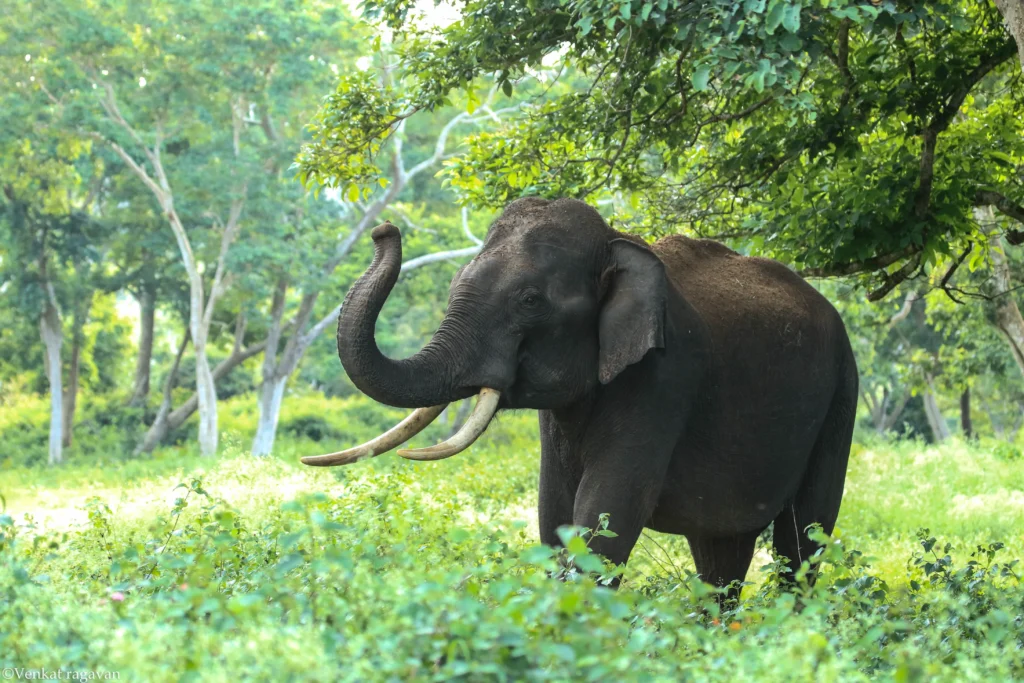
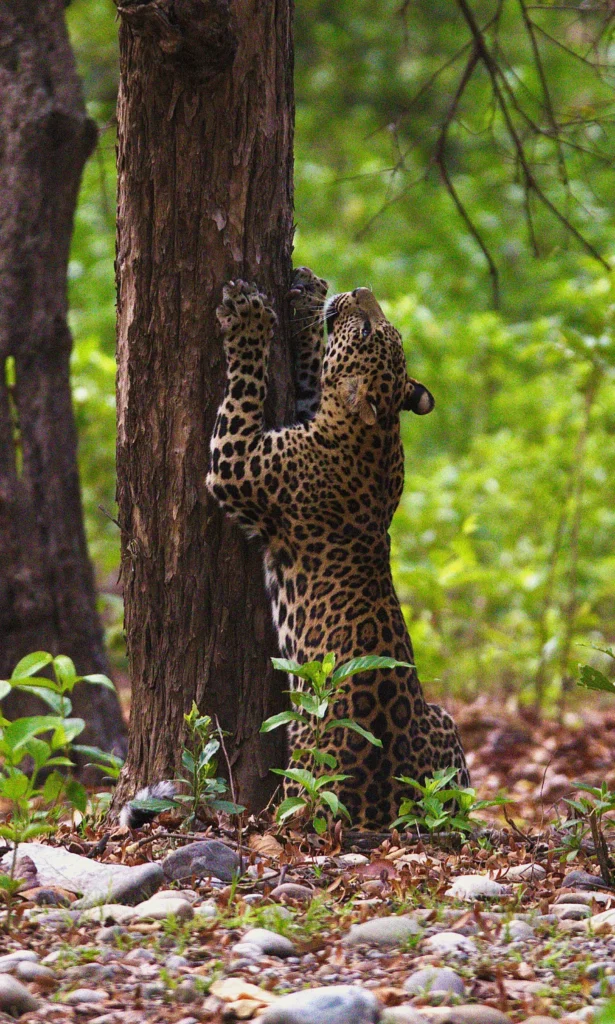
Beyond serving as vital sanctuaries for endangered species like the Bengal Tiger, Asiatic Lion, and One-horned Rhinoceros, Indian National Parks are critical for environmental stability. They play an indispensable role in climate resilience, functioning as massive carbon sinks, protecting vital watersheds, and providing irreplaceable ecosystem services that sustain millions of people living in adjacent landscapes. For the nature traveller, these parks form the backbone of wildlife tourism in India, offering unparalleled opportunities to witness biodiversity in its natural habitat while contributing economically to local conservation efforts.
What is a National Park?
To understand protected areas in India, it is essential to distinguish between the different legal designations. A National Park (equivalent to IUCN Category II) represents the highest level of ecological protection under Indian law.
- Legal Protection: Declared under Section 35 of the Wildlife (Protection) Act, 1972. The alteration of boundaries can only be made by a resolution passed by the State Legislature, and in consultation with the National Board for Wildlife (NBWL).
- Land Ownership: All rights to land inside a National Park are vested in the State Government. Private land ownership is entirely extinguished upon final notification.
- Human Activities: Absolutely no human habitation, private landholding, or commercial activities are permitted within the core boundaries.
- Livelihood Restrictions: Unlike sanctuaries, grazing of livestock and collection of Non-Timber Forest Produce (NTFP) are strictly banned.
- Conservation Objectives: Geared toward the preservation of entire ecosystems—flora, fauna, landscapes, and historical objects—rather than individual species.
Protected Areas Comparison Table
| Feature | National Park | Wildlife Sanctuary | Tiger Reserve | Biosphere Reserve | Conservation / Community Reserve |
| Legal Framework | WPA, 1972 | WPA, 1972 | WPA, 1972 (amended 2006) | UNESCO MAB / MoEFCC | WPA, 1972 (amended 2002) |
| Primary Focus | Entire ecosystem | Specific species / habitat | Bengal Tiger & habitat | Man & biosphere harmony | Buffer zones / community lands |
| Human Activity | Strictly prohibited | Regulated / permitted | Banned in core, allowed in buffer | Allowed in transition zones | Allowed, community-managed |
| Grazing / NTFP | Banned | Regulated | Banned in core | Allowed in specific zones | Allowed |
| Boundary Alteration | State Legislature + NBWL | State Legislature + NBWL | NTCA + NBWL | Government notification | State Government + Community |
Evolution of National Parks in India
The history of Indian National Parks reflects a gradual shift from colonial-era hunting reserves to modern, science-based ecological conservation.
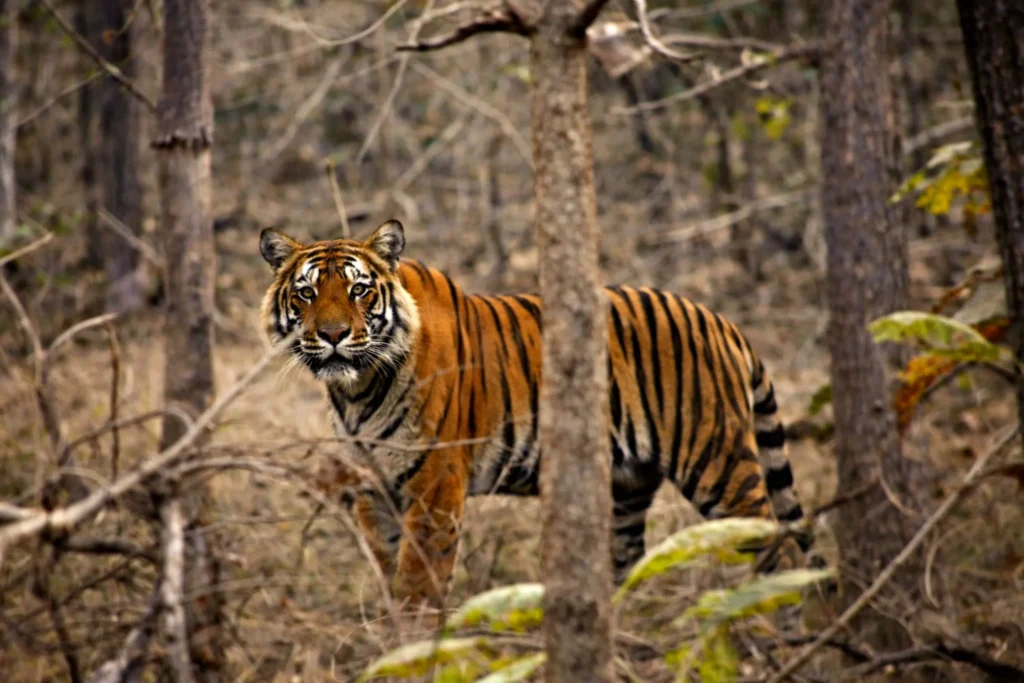
- 1936: India’s first National Park is established. Hailey National Park (later renamed Ramganga, and currently Jim Corbett National Park) is formed in the United Provinces to protect the Bengal Tiger.
- 1970: India has only 5 designated National Parks. Wildlife populations are in steep decline due to habitat loss and rampant hunting.
- 1972: Enactment of the landmark Wildlife (Protection) Act, 1972. This provides a robust legal framework for the creation of protected areas.
- 1973: Launch of Project Tiger at Jim Corbett National Park. This pioneering conservation initiative catalyzes the upgrading of many sanctuaries to National Park status to form inviolate core tiger habitats.
- 1980s–1990s: Rapid expansion of the protected area network. The Forest (Conservation) Act, 1980 further restricts the diversion of forest lands, solidifying park boundaries.
- 2006: The WPA is amended to create the National Tiger Conservation Authority (NTCA), mandating inviolate core areas (mostly National Parks) for Tiger Reserves.
- 2021: Assam notifies Raimona National Park and Dehing Patkai National Park, bringing the national tally to 106.
- Present: The network currently encompasses 106 National Parks, protecting representative ecosystems across all biogeographic zones of the subcontinent.
National Parks at a Glance
- Total Number of National Parks: 106
- Total Protected Area: Approximately 44,402.95 sq km (about 1.35% of India’s total geographical area)
- Largest National Park: Hemis National Park, Ladakh (~4,400 sq km)
- Smallest National Park: South Button Island National Park, Andaman & Nicobar Islands (0.03 sq km)
- Oldest National Park: Jim Corbett National Park, Uttarakhand (1936)
- State with the Most National Parks: Madhya Pradesh (11)
- First Marine National Park: Marine National Park, Gulf of Kutch, Gujarat (1982)
- Only Floating National Park: Keibul Lamjao National Park, Manipur
State-wise National Parks
Andaman and Nicobar Islands (9 National Parks)
The Andaman and Nicobar archipelago is a hotspot for endemic biodiversity, characterized by tropical rainforests, pristine mangroves, and vibrant coral reefs. These islands support unique marine and terrestrial ecosystems, including nesting sites for Leatherback turtles and habitats for the endangered Dugong.
| National Park | Year | Area (sq km) | Flagship Species |
| Campbell Bay | 1992 | 426.23 | Nicobar Megapode, Crab-eating Macaque |
| Galathea Bay | 1992 | 110.00 | Giant Leatherback Turtle, Robber Crab |
| Mahatma Gandhi Marine (Wandoor) | 1983 | 281.50 | Coral Reefs, Dugong, Sea Turtles |
| Middle Button Island | 1987 | 0.44 | Spotted Deer, Marine life |
| Mount Harriet (Mount Manipur) | 1987 | 46.62 | Andaman Wild Pig, Saltwater Crocodile |
| North Button Island | 1987 | 0.44 | Dugong, Dolphin |
| Rani Jhansi Marine | 1996 | 256.14 | Dugong, Corals, Mangroves |
| Saddle Peak | 1987 | 32.54 | Andaman Hill Myna, Imperial Pigeon |
| South Button Island | 1987 | 0.03 | Corals, Snappers, Barracuda |
Andhra Pradesh (3 National Parks)
Andhra Pradesh features dry deciduous forests, scrublands, and the Eastern Ghats. The state’s parks are crucial for protecting endemic flora and specialized avifauna.
| National Park | Year | Area (sq km) | Flagship Species |
| Papikonda | 2008 | 1012.86 | Bengal Tiger, Indian Gaur, Rusty-spotted Cat |
| Rajiv Gandhi (Rameswaram) | 2005 | 2.40 | Sand Boa, Scorpion, Peafowl |
| Sri Venkateswara | 1989 | 353.62 | Slender Loris, Golden Gecko, Yellow-throated Bulbul |
Arunachal Pradesh (2 National Parks)
Located in the Eastern Himalayas, Arunachal Pradesh boasts immense altitudinal variation, resulting in incredibly diverse habitats ranging from tropical evergreen forests to alpine meadows.
| National Park | Year | Area (sq km) | Flagship Species |
| Mouling | 1986 | 483.00 | Red Panda, Takin, Serow |
| Namdapha | 1983 | 1807.82 | Snow Leopard, Clouded Leopard, Tiger, Hoolock Gibbon |
Assam (7 National Parks)
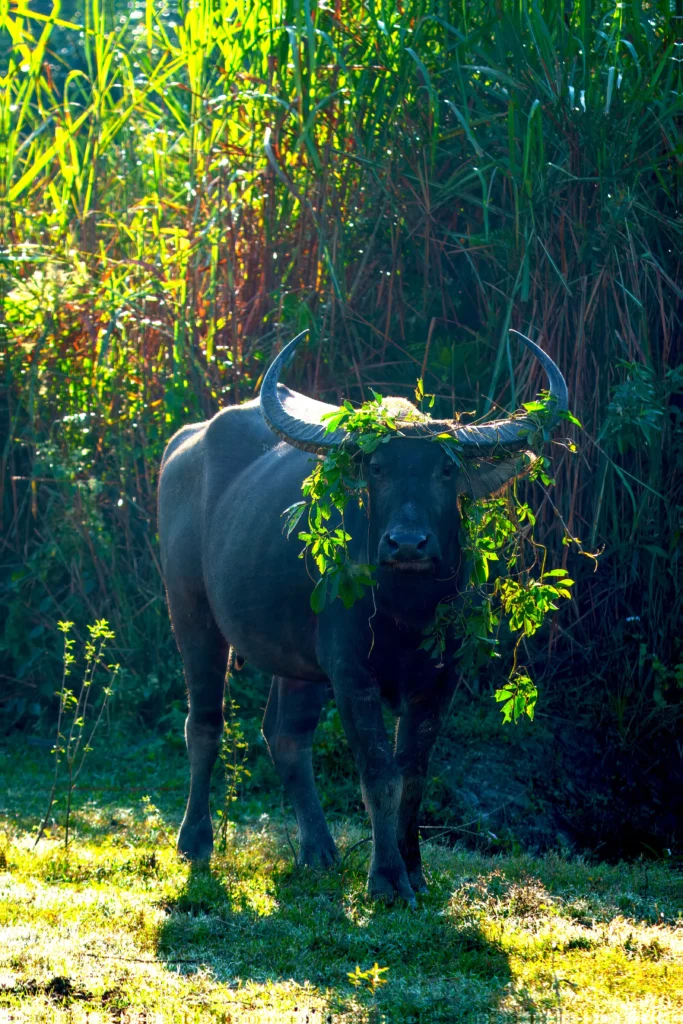
Assam is synonymous with Indian biodiversity. Situated in the Brahmaputra valley, its alluvial grasslands and semi-evergreen forests are the global stronghold for the Greater One-horned Rhinoceros and Wild Water Buffalo.
| National Park | Year | Area (sq km) | Flagship Species |
| Dibru-Saikhowa | 1999 | 340.00 | Feral Horse, White-winged Wood Duck |
| Kaziranga | 1974 | 858.98 | One-horned Rhinoceros, Tiger, Swamp Deer |
| Manas | 1990 | 500.00 | Pygmy Hog, Hispid Hare, Golden Langur |
| Nameri | 1998 | 200.00 | White-winged Wood Duck, Elephant, Tiger |
| Orang (Rajiv Gandhi) | 1999 | 78.81 | One-horned Rhinoceros, Tiger |
| Dehing Patkai | 2021 | 231.65 | Elephant, Hoolock Gibbon, Malayan Sun Bear |
| Raimona | 2021 | 422.00 | Golden Langur, Asian Elephant, Clouded Leopard |
Bihar (1 National Park)
Bihar’s single National Park is nestled in the foothills of the Himalayas, representing the Terai-Bhabar ecological zone.
| National Park | Year | Area (sq km) | Flagship Species |
| Valmiki | 1989 | 335.65 | Bengal Tiger, Indian Flying Fox, Sloth Bear |
Chhattisgarh (3 National Parks)
Central India’s Chhattisgarh features dense, undulating tracts of Sal and Teak forests, offering pristine habitats for significant populations of wild ungulates and big cats.
| National Park | Year | Area (sq km) | Flagship Species |
| Guru Ghasidas (Sanjay) | 1981 | 1440.71 | Tiger, Leopard, Nilgai |
| Indravati (Kutru) | 1981 | 1258.37 | Wild Water Buffalo, Tiger, Hill Myna |
| Kanger Valley | 1982 | 200.00 | Bastar Hill Myna, Flying Squirrel, Mouse Deer |
Goa, though small, is part of the Western Ghats global biodiversity hotspot, characterized by moist deciduous and tropical evergreen forests.
| National Park | Year | Area (sq km) | Flagship Species |
| Mollem (Bhagwan Mahavir) | 1992 | 107.00 | Black Panther, Malabar Giant Squirrel, Slender Loris |
Gujarat (4 National Parks)
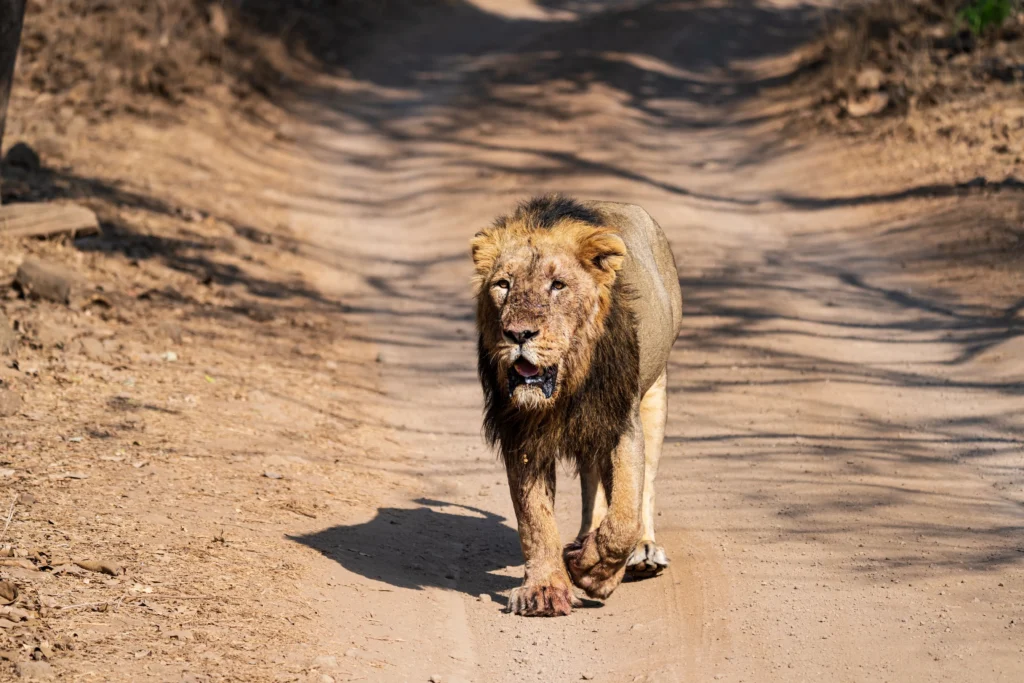
Gujarat offers incredibly unique habitats, from the coastal marine ecosystems of the Gulf of Kutch to the dry deciduous forests of Saurashtra, famously home to the world’s only wild population of Asiatic Lions.
| National Park | Year | Area (sq km) | Flagship Species |
| Blackbuck (Velavadar) | 1976 | 34.08 | Blackbuck, Indian Wolf, Lesser Florican |
| Gir | 1975 | 258.71 | Asiatic Lion, Leopard, Chousingha |
| Marine (Gulf of Kachchh) | 1982 | 162.89 | Coral Reefs, Dugong, Green Sea Turtle |
| Vansda | 1979 | 23.99 | Leopard, Rusty-spotted Cat, Pangolin |
Haryana (2 National Parks)
Haryana’s parks primarily serve as crucial wintering grounds for migratory birds and protect the remnant semi-arid scrub forests of the Aravalli and Siwalik ranges.
| National Park | Year | Area (sq km) | Flagship Species |
| Kalesar | 2003 | 46.82 | Leopard, Sambar, Red Junglefowl |
| Sultanpur | 1989 | 1.43 | Siberian Crane, Greater Flamingo, Black-headed Ibis |
Himachal Pradesh (5 National Parks)
Encompassing the Western Himalayas, Himachal Pradesh protects breathtaking high-altitude ecosystems, alpine meadows, and the elusive wildlife of the cold deserts.
| National Park | Year | Area (sq km) | Flagship Species |
| Great Himalayan | 1984 | 905.40 | Snow Leopard, Western Tragopan, Himalayan Tahr |
| Inderkilla | 2010 | 104.00 | Brown Bear, Leopard |
| Khirganga | 2010 | 710.00 | Snow Leopard, Himalayan Brown Bear |
| Pin Valley | 1987 | 675.00 | Snow Leopard, Siberian Ibex, Tibetan Wolf |
| Simbalbara | 2010 | 27.88 | Goral, Sambhar, Chital |
Jammu and Kashmir (3 National Parks)
Note: Following the 2019 reorganization, Hemis National Park is now in the UT of Ladakh. J&K is renowned for its temperate forests and the protection of the critically endangered Hangul.
| National Park | Year | Area (sq km) | Flagship Species |
| City Forest (Salim Ali) | 1992 | 9.07 | Hangul, Musk Deer, Himalayan Serow |
| Dachigam | 1981 | 141.00 | Hangul (Kashmir Stag), Himalayan Black Bear |
| Kazinag | 2000 | 160.00 | Markhor, Musk Deer, Snow Leopard |
Jharkhand (1 National Park)
Located on the Chota Nagpur Plateau, Jharkhand’s single National Park is known for its historic tiger census and rich floral diversity.
| National Park | Year | Area (sq km) | Flagship Species |
| Betla | 1986 | 226.33 | Elephant, Tiger, Sloth Bear, Gaur |
Karnataka (5 National Parks)
Karnataka forms the core of the Nilgiri Biosphere Reserve in the Western Ghats. It hosts one of the largest contiguous populations of wild Asian Elephants and Bengal Tigers in the world.
| National Park | Year | Area (sq km) | Flagship Species |
| Anshi | 1987 | 417.34 | Black Panther, Bengal Tiger, Malabar Hornbill |
| Bandipur | 1974 | 874.20 | Tiger, Asian Elephant, Dhole (Indian Wild Dog) |
| Bannerghatta | 1974 | 260.51 | Asian Elephant, Leopard, Sloth Bear |
| Kudremukh | 1987 | 600.32 | Lion-tailed Macaque, Malabar Giant Squirrel |
| Nagarhole (Rajiv Gandhi) | 1988 | 643.39 | Tiger, Elephant, Indian Leopard, Gaur |
Kerala (6 National Parks)
Famed for its Shola-grassland ecosystems and dense evergreen canopies, Kerala is critical for endemic species of the Western Ghats, particularly the endangered Nilgiri Tahr.
| National Park | Year | Area (sq km) | Flagship Species |
| Anamudi Shola | 2003 | 7.50 | Nilgiri Tahr, Grizzled Giant Squirrel |
| Eravikulam | 1978 | 97.00 | Nilgiri Tahr, Neelakurinji flora |
| Mathikettan Shola | 2003 | 12.82 | Asian Elephant, Nilgiri Langur |
| Pambadum Shola | 2003 | 1.32 | Nilgiri Marten, Indian Wild Dog |
| Periyar | 1982 | 350.00 | Asian Elephant, Bengal Tiger, Lion-tailed Macaque |
| Silent Valley | 1984 | 89.52 | Lion-tailed Macaque, Great Hornbill |
Ladakh (1 National Park)
Ladakh holds the title for India’s largest National Park, protecting the immense, rugged expanses of the trans-Himalayan cold desert.
| National Park | Year | Area (sq km) | Flagship Species |
| Hemis | 1981 | 4400.00 | Snow Leopard, Tibetan Wolf, Eurasian Brown Bear, Argali |
Madhya Pradesh (11 National Parks)
The “Tiger State of India” possesses the highest number of National Parks. The Central Indian landscape here is a mix of Sal and Teak forests, immortalized by Rudyard Kipling’s The Jungle Book.
| National Park | Year | Area (sq km) | Flagship Species |
| Bandhavgarh | 1968 | 448.85 | Bengal Tiger, Leopard, White Tiger (historic) |
| Dinosaur Fossils | 2011 | 0.897 | Plant and Dinosaur Fossils |
| Fossil | 1983 | 0.27 | Plant Fossils |
| Indira Priyadarshini Pench | 1975 | 292.85 | Bengal Tiger, Leopard, Indian Wolf |
| Kanha | 1955 | 940.00 | Barasingha (Hard-ground Swamp Deer), Tiger |
| Kuno | 2018 | 748.76 | African Cheetah (introduced), Leopard, Chinkara |
| Madhav | 1959 | 375.22 | Leopard, Nilgai, Crocodiles |
| Panna | 1981 | 542.67 | Tiger, Leopard, Ghariyal, Vultures |
| Sanjay | 1981 | 466.76 | Tiger, Sloth Bear, Leopard |
| Satpura | 1981 | 524.37 | Sloth Bear, Tiger, Indian Giant Squirrel |
| Van Vihar | 1979 | 4.45 | Captive/Rescued wildlife (Tiger, Lion, Bear) |
Maharashtra (6 National Parks)
Maharashtra’s protected areas span the Western Ghats (Sahyadris) and the central Indian plains, providing vital corridors for tiger dispersal and protecting endemic flora.
| National Park | Year | Area (sq km) | Flagship Species |
| Chandoli | 2004 | 317.67 | Bengal Tiger, Leopard, Indian Bison (Gaur) |
| Gugamal | 1975 | 361.28 | Tiger, Leopard, Sloth Bear |
| Nawegaon | 1975 | 133.88 | Leopard, Sloth Bear, Migratory Birds |
| Pench (Jawaharlal Nehru) | 1975 | 257.26 | Bengal Tiger, Wild Dog, Leopard |
| Sanjay Gandhi (Borivilli) | 1983 | 86.96 | Leopard, Rusty-spotted Cat, Atlas Moth |
| Tadoba | 1955 | 116.55 | Bengal Tiger, Sloth Bear, Mugger Crocodile |
Manipur (1 National Park)
Manipur hosts a globally unique ecosystem—the floating phumdis (biomass) of Loktak Lake.
| National Park | Year | Area (sq km) | Flagship Species |
| Keibul Lamjao | 1977 | 40.00 | Sangai (Brow-antlered Deer) |
Meghalaya (2 National Parks)
The “Abode of Clouds” features incredibly dense tropical rainforests and subtropical pine forests, acting as a refuge for unique primate species.
| National Park | Year | Area (sq km) | Flagship Species |
| Balphakram | 1985 | 220.00 | Asian Elephant, Clouded Leopard, Marbled Cat |
| Nokrek Ridge | 1986 | 47.48 | Red Panda, Hoolock Gibbon, Pig-tailed Macaque |
Mizoram (2 National Parks)
Mizoram’s highly inaccessible hilly terrain preserves pristine stretches of bamboo forests and montane evergreen habitats.
| National Park | Year | Area (sq km) | Flagship Species |
| Murlen | 1991 | 100.00 | Hume’s Pheasant, Hoolock Gibbon, Leopard |
| Phawngpui Blue Mountain | 1992 | 50.00 | Blyth’s Tragopan, Serow, Asiatic Black Bear |
Nagaland (1 National Park)
Located on the India-Myanmar border, Nagaland’s single National Park is a crucial biodiversity hotspot for avian and mammalian species of the Indo-Malayan realm.
| National Park | Year | Area (sq km) | Flagship Species |
| Intanki | 1993 | 202.02 | Hoolock Gibbon, Golden Langur, Hornbills |
Odisha (2 National Parks)
Odisha offers a contrast of deep estuarine mangroves on the coast and thick deciduous forests inland, crucial for marine and terrestrial conservation.
| National Park | Year | Area (sq km) | Flagship Species |
| Bhitarkanika | 1988 | 145.00 | Saltwater Crocodile, King Cobra, Water Monitor |
| Simlipal | 1980 | 845.70 | Melanistic Tiger, Asian Elephant, Gaur |
Rajasthan (5 National Parks)
From the arid Thar Desert to the ancient Aravalli ranges, Rajasthan’s national parks protect a striking variety of wildlife adapted to extreme environments.
| National Park | Year | Area (sq km) | Flagship Species |
| Desert | 1992 | 3162.00 | Great Indian Bustard, Desert Fox, Chinkara |
| Keoladeo Ghana | 1981 | 28.73 | Siberian Crane (historic), Migratory Waterfowl |
| Mukundra Hills | 2006 | 200.54 | Tiger, Leopard, Gharial |
| Ranthambhore | 1980 | 282.00 | Bengal Tiger, Leopard, Caracal |
| Sariska | 1992 | 273.80 | Bengal Tiger, Leopard, Striped Hyena |
Sikkim (1 National Park)
Dominated by Mount Khangchendzonga (the third highest peak in the world), Sikkim’s high-altitude biosphere is globally recognized for its untouched alpine and sub-alpine habitats.
| National Park | Year | Area (sq km) | Flagship Species |
| Khangchendzonga | 1977 | 1784.00 | Snow Leopard, Red Panda, Himalayan Tahr |
Tamil Nadu (5 National Parks)
Spanning the Western Ghats, Eastern Ghats, and the Coromandel coast, Tamil Nadu’s parks range from marine biosphere reserves to high-altitude shola-grasslands.
| National Park | Year | Area (sq km) | Flagship Species |
| Guindy | 1976 | 2.82 | Blackbuck, Spotted Deer, Jackal |
| Gulf of Mannar Marine | 1980 | 6.23 | Dugong, Coral Reefs, Dolphins |
| Indira Gandhi (Annamalai) | 1989 | 117.10 | Lion-tailed Macaque, Bengal Tiger, Elephant |
| Mudumalai | 1990 | 103.23 | Bengal Tiger, Asian Elephant, Leopard |
| Mukurthi | 1990 | 78.46 | Nilgiri Tahr, Royal Bengal Tiger |
Telangana (3 National Parks)
Telangana’s parks, primarily situated around the Deccan plateau and the capital city, provide green lungs and refuge for scrubland species.
| National Park | Year | Area (sq km) | Flagship Species |
| Kasu Brahmananda Reddy | 1994 | 1.43 | Pangolin, Peafowl, Jungle Cat |
| Mahavir Harina Vanasthali | 1994 | 14.59 | Blackbuck, Porcupine, Short-toed Eagle |
| Mrugavani | 1994 | 3.60 | Chital, Sambar, Wild Boar |
Tripura (2 National Parks)
Tripura contains unique semi-evergreen and moist deciduous forests that protect a high diversity of primate species.
| National Park | Year | Area (sq km) | Flagship Species |
| Clouded Leopard | 2007 | 5.08 | Clouded Leopard, Phayre’s Leaf Monkey |
| Bison (Rajbari) | 2007 | 31.63 | Indian Gaur, Hoolock Gibbon |
Uttar Pradesh (1 National Park)
Uttar Pradesh’s sole National Park is a critical part of the Terai Arc Landscape, featuring tall wet grasslands and Sal forests.
| National Park | Year | Area (sq km) | Flagship Species |
| Dudhwa | 1977 | 490.29 | Tiger, Swamp Deer, One-horned Rhinoceros |
Uttarakhand (6 National Parks)
Home to India’s first National Park and several UNESCO sites, Uttarakhand represents the pinnacle of Himalayan and sub-Himalayan biodiversity.
| National Park | Year | Area (sq km) | Flagship Species |
| Corbett | 1936 | 520.82 | Bengal Tiger, Asian Elephant, Gharial |
| Gangotri | 1989 | 2390.02 | Snow Leopard, Blue Sheep (Bharal) |
| Govind | 1990 | 472.08 | Snow Leopard, Himalayan Snowcock |
| Nanda Devi | 1982 | 624.60 | Snow Leopard, Himalayan Musk Deer |
| Rajaji | 1983 | 820.00 | Asian Elephant, Tiger, Leopard |
| Valley of Flowers | 1982 | 87.50 | Endemic Alpine Flora, Asiatic Black Bear |
West Bengal (6 National Parks)
From the world’s largest mangrove forest (Sundarbans) to the foothills of the Himalayas, West Bengal offers an immense variety of habitats.
| National Park | Year | Area (sq km) | Flagship Species |
| Buxa | 1992 | 117.10 | Elephant, Tiger, Clouded Leopard |
| Gorumara | 1992 | 79.45 | One-horned Rhinoceros, Gaur, Elephant |
| Jaldapara | 2014 | 216.51 | One-horned Rhinoceros, Elephant, Leopard |
| Neora Valley | 1986 | 88.00 | Red Panda, Clouded Leopard, Himalayan Tahr |
| Singalila | 1992 | 78.60 | Red Panda, Himalayan Black Bear, Pangolin |
| Sundarbans | 1984 | 1330.10 | Royal Bengal Tiger, Estuarine Crocodile |
Complete List of National Parks (Master Table)
For ease of reference, here is the consolidated master list of all 106 Indian National Parks. Due to space constraints, “Area” is in sq km, and “TR” stands for Tiger Reserve.
| National Park | State / UT | Year | Area | Habitat | Flagship Species | TR | UNESCO | Nearest City |
| Campbell Bay | A&N Islands | 1992 | 426.23 | Tropical Evergreen | Nicobar Megapode | No | No | Port Blair |
| Galathea Bay | A&N Islands | 1992 | 110.00 | Tropical Evergreen | Leatherback Turtle | No | No | Port Blair |
| Mahatma Gandhi Marine | A&N Islands | 1983 | 281.50 | Marine/Coral Reef | Dugong | No | No | Port Blair |
| Middle Button Island | A&N Islands | 1987 | 0.44 | Tropical Evergreen | Spotted Deer | No | No | Port Blair |
| Mount Harriet | A&N Islands | 1987 | 46.62 | Tropical Evergreen | Andaman Wild Pig | No | No | Port Blair |
| North Button Island | A&N Islands | 1987 | 0.44 | Tropical Evergreen | Dolphin, Dugong | No | No | Port Blair |
| Rani Jhansi Marine | A&N Islands | 1996 | 256.14 | Marine/Mangrove | Dugong, Corals | No | No | Port Blair |
| Saddle Peak | A&N Islands | 1987 | 32.54 | Tropical Evergreen | Andaman Hill Myna | No | No | Port Blair |
| South Button Island | A&N Islands | 1987 | 0.03 | Marine/Coral Reef | Corals | No | No | Port Blair |
| Papikonda | Andhra Pradesh | 2008 | 1012.86 | Dry Deciduous | Bengal Tiger | No | No | Rajahmundry |
| Rajiv Gandhi | Andhra Pradesh | 2005 | 2.40 | Scrubland | Sand Boa | No | No | Kadapa |
| Sri Venkateswara | Andhra Pradesh | 1989 | 353.62 | Dry Deciduous | Slender Loris | No | No | Tirupati |
| Mouling | Arunachal Pradesh | 1986 | 483.00 | Broadleaf Forest | Red Panda | No | No | Pasighat |
| Namdapha | Arunachal Pradesh | 1983 | 1807.82 | Evergreen/Alpine | Snow Leopard | Yes | No | Miao |
| Dibru-Saikhowa | Assam | 1999 | 340.00 | Wet Evergreen/Grass | Feral Horse | No | No | Tinsukia |
| Kaziranga | Assam | 1974 | 858.98 | Floodplain Grassland | Rhino, Tiger | Yes | Yes | Golaghat |
| Manas | Assam | 1990 | 500.00 | Semi-Evergreen | Pygmy Hog | Yes | Yes | Barpeta |
| Nameri | Assam | 1998 | 200.00 | Semi-Evergreen | White-winged Duck | Yes | No | Tezpur |
| Orang | Assam | 1999 | 78.81 | Floodplain Grassland | Rhino, Tiger | Yes | No | Tezpur |
| Dehing Patkai | Assam | 2021 | 231.65 | Lowland Evergreen | Elephant | No | No | Dibrugarh |
| Raimona | Assam | 2021 | 422.00 | Moist Deciduous | Golden Langur | No | No | Kokrajhar |
| Valmiki | Bihar | 1989 | 335.65 | Terai-Bhabar | Bengal Tiger | Yes | No | Bettiah |
| Guru Ghasidas | Chhattisgarh | 1981 | 1440.71 | Sal Forest | Bengal Tiger | Yes | No | Baikunthpur |
| Indravati | Chhattisgarh | 1981 | 1258.37 | Mixed Deciduous | Wild Water Buffalo | Yes | No | Jagdalpur |
| Kanger Valley | Chhattisgarh | 1982 | 200.00 | Moist Peninsular Sal | Bastar Hill Myna | No | No | Jagdalpur |
| Mollem | Goa | 1992 | 107.00 | Moist Deciduous | Black Panther | No | No | Panaji |
| Blackbuck | Gujarat | 1976 | 34.08 | Grassland | Blackbuck | No | No | Bhavnagar |
| Gir | Gujarat | 1975 | 258.71 | Dry Deciduous | Asiatic Lion | No | No | Junagadh |
| Marine | Gujarat | 1982 | 162.89 | Marine/Mangrove | Dugong, Corals | No | No | Jamnagar |
| Vansda | Gujarat | 1979 | 23.99 | Moist Deciduous | Leopard | No | No | Navsari |
| Kalesar | Haryana | 2003 | 46.82 | Dry Deciduous | Leopard | No | No | Yamunanagar |
| Sultanpur | Haryana | 1989 | 1.43 | Wetland | Migratory Birds | No | No | Gurugram |
| Great Himalayan | Himachal Pradesh | 1984 | 905.40 | Alpine/Temperate | Snow Leopard | No | Yes | Kullu |
| Inderkilla | Himachal Pradesh | 2010 | 104.00 | Sub-alpine | Brown Bear | No | No | Kullu |
| Khirganga | Himachal Pradesh | 2010 | 710.00 | Alpine Meadows | Snow Leopard | No | No | Kullu |
| Pin Valley | Himachal Pradesh | 1987 | 675.00 | Cold Desert | Snow Leopard | No | No | Kaza |
| Simbalbara | Himachal Pradesh | 2010 | 27.88 | Sal Forest | Goral | No | No | Paonta Sahib |
| City Forest | J&K | 1992 | 9.07 | Alpine | Hangul | No | No | Srinagar |
| Dachigam | J&K | 1981 | 141.00 | Temperate Forest | Hangul | No | No | Srinagar |
| Kazinag | J&K | 2000 | 160.00 | Coniferous | Markhor | No | No | Baramulla |
| Betla | Jharkhand | 1986 | 226.33 | Dry Deciduous | Elephant, Tiger | Yes | No | Daltonganj |
| Anshi | Karnataka | 1987 | 417.34 | Moist Deciduous | Black Panther | Yes | No | Dandeli |
| Bandipur | Karnataka | 1974 | 874.20 | Dry Deciduous | Tiger, Elephant | Yes | No | Mysore |
| Bannerghatta | Karnataka | 1974 | 260.51 | Scrub/Deciduous | Elephant, Leopard | No | No | Bengaluru |
| Kudremukh | Karnataka | 1987 | 600.32 | Shola/Grassland | Lion-tailed Macaque | No | No | Kalasa |
| Nagarhole | Karnataka | 1988 | 643.39 | Moist Deciduous | Tiger, Elephant | Yes | No | Mysore |
| Anamudi Shola | Kerala | 2003 | 7.50 | Shola Forest | Nilgiri Tahr | No | No | Munnar |
| Eravikulam | Kerala | 1978 | 97.00 | Shola/Grassland | Nilgiri Tahr | No | No | Munnar |
| Mathikettan Shola | Kerala | 2003 | 12.82 | Shola Forest | Asian Elephant | No | No | Munnar |
| Pambadum Shola | Kerala | 2003 | 1.32 | Shola Forest | Nilgiri Marten | No | No | Munnar |
| Periyar | Kerala | 1982 | 350.00 | Moist Evergreen | Elephant, Tiger | Yes | No | Thekkady |
| Silent Valley | Kerala | 1984 | 89.52 | Tropical Evergreen | Lion-tailed Macaque | No | No | Palakkad |
| Hemis | Ladakh | 1981 | 4400.00 | Cold Desert | Snow Leopard | No | No | Leh |
| Bandhavgarh | Madhya Pradesh | 1968 | 448.85 | Sal/Mixed Deciduous | Bengal Tiger | Yes | No | Umaria |
| Dinosaur Fossils | Madhya Pradesh | 2011 | 0.897 | Fossils | Plant/Dinosaur Fossils | No | No | Dhar |
| Fossil | Madhya Pradesh | 1983 | 0.27 | Fossils | Plant Fossils | No | No | Dindori |
| Indira Priyadarshini | Madhya Pradesh | 1975 | 292.85 | Teak Forest | Bengal Tiger | Yes | No | Seoni |
| Kanha | Madhya Pradesh | 1955 | 940.00 | Sal/Meadows | Barasingha, Tiger | Yes | No | Mandla |
| Kuno | Madhya Pradesh | 2018 | 748.76 | Dry Deciduous | African Cheetah | No | No | Sheopur |
| Madhav | Madhya Pradesh | 1959 | 375.22 | Dry Deciduous | Leopard | No | No | Shivpuri |
| Panna | Madhya Pradesh | 1981 | 542.67 | Dry Deciduous/Teak | Tiger, Vultures | Yes | No | Panna |
| Sanjay | Madhya Pradesh | 1981 | 466.76 | Sal Forest | Tiger | Yes | No | Sidhi |
| Satpura | Madhya Pradesh | 1981 | 524.37 | Moist Deciduous | Sloth Bear, Tiger | Yes | No | Pachmarhi |
| Van Vihar | Madhya Pradesh | 1979 | 4.45 | Ex-situ conservation | Tiger (Captive) | No | No | Bhopal |
| Chandoli | Maharashtra | 2004 | 317.67 | Moist Deciduous | Bengal Tiger | Yes | No | Sangli |
| Gugamal | Maharashtra | 1975 | 361.28 | Dry Deciduous | Tiger | Yes | No | Amravati |
| Nawegaon | Maharashtra | 1975 | 133.88 | Mixed Deciduous | Leopard | Yes | No | Gondia |
| Pench | Maharashtra | 1975 | 257.26 | Dry Deciduous | Bengal Tiger | Yes | No | Nagpur |
| Sanjay Gandhi | Maharashtra | 1983 | 86.96 | Semi-Evergreen | Leopard | No | No | Mumbai |
| Tadoba | Maharashtra | 1955 | 116.55 | Dry Deciduous | Bengal Tiger | Yes | No | Chandrapur |
| Keibul Lamjao | Manipur | 1977 | 40.00 | Floating Biomass | Sangai | No | No | Imphal |
| Balphakram | Meghalaya | 1985 | 220.00 | Tropical Deciduous | Elephant | No | No | Baghmara |
| Nokrek Ridge | Meghalaya | 1986 | 47.48 | Tropical Evergreen | Red Panda | No | No | Tura |
| Murlen | Mizoram | 1991 | 100.00 | Sub-tropical | Hoolock Gibbon | No | No | Champhai |
| Phawngpui | Mizoram | 1992 | 50.00 | Montane Sub-tropical | Blyth’s Tragopan | No | No | Saiha |
| Intanki | Nagaland | 1993 | 202.02 | Semi-Evergreen | Hoolock Gibbon | No | No | Dimapur |
| Bhitarkanika | Odisha | 1988 | 145.00 | Mangrove/Estuary | Saltwater Crocodile | No | No | Kendrapara |
| Simlipal | Odisha | 1980 | 845.70 | Moist Deciduous | Melanistic Tiger | Yes | No | Baripada |
| Desert | Rajasthan | 1992 | 3162.00 | Desert Scrub | Great Indian Bustard | No | No | Jaisalmer |
| Keoladeo Ghana | Rajasthan | 1981 | 28.73 | Wetland/Marsh | Migratory Birds | No | Yes | Bharatpur |
| Mukundra Hills | Rajasthan | 2006 | 200.54 | Dry Deciduous | Tiger | Yes | No | Kota |
| Ranthambhore | Rajasthan | 1980 | 282.00 | Dry Deciduous | Bengal Tiger | Yes | No | Sawai Madhopur |
| Sariska | Rajasthan | 1992 | 273.80 | Dry Deciduous | Bengal Tiger | Yes | No | Alwar |
| Khangchendzonga | Sikkim | 1977 | 1784.00 | Alpine/Glacial | Snow Leopard | No | Yes | Gangtok |
| Guindy | Tamil Nadu | 1976 | 2.82 | Dry Evergreen | Blackbuck | No | No | Chennai |
| Gulf of Mannar | Tamil Nadu | 1980 | 6.23 | Marine/Coral | Dugong | No | No | Rameswaram |
| Indira Gandhi | Tamil Nadu | 1989 | 117.10 | Moist Deciduous | Lion-tailed Macaque | Yes | No | Pollachi |
| Mudumalai | Tamil Nadu | 1990 | 103.23 | Dry Deciduous | Bengal Tiger | Yes | No | Ooty |
| Mukurthi | Tamil Nadu | 1990 | 78.46 | Shola/Grassland | Nilgiri Tahr | No | No | Ooty |
| Kasu Brahmananda | Telangana | 1994 | 1.43 | Scrub/Urban | Pangolin | No | No | Hyderabad |
| Mahavir Harina | Telangana | 1994 | 14.59 | Dry Scrub | Blackbuck | No | No | Hyderabad |
| Mrugavani | Telangana | 1994 | 3.60 | Dry Scrub | Chital | No | No | Hyderabad |
| Clouded Leopard | Tripura | 2007 | 5.08 | Semi-Evergreen | Clouded Leopard | No | No | Agartala |
| Bison (Rajbari) | Tripura | 2007 | 31.63 | Moist Deciduous | Indian Gaur | No | No | Agartala |
| Dudhwa | Uttar Pradesh | 1977 | 490.29 | Terai/Sal Forest | Tiger, Swamp Deer | Yes | No | Palia Kalan |
| Corbett | Uttarakhand | 1936 | 520.82 | Moist Deciduous | Bengal Tiger | Yes | No | Ramnagar |
| Gangotri | Uttarakhand | 1989 | 2390.02 | Alpine | Snow Leopard | No | No | Uttarkashi |
| Govind | Uttarakhand | 1990 | 472.08 | Alpine/Coniferous | Snow Leopard | No | No | Uttarkashi |
| Nanda Devi | Uttarakhand | 1982 | 624.60 | Alpine Meadows | Snow Leopard | No | Yes | Joshimath |
| Rajaji | Uttarakhand | 1983 | 820.00 | Moist Deciduous | Asian Elephant | Yes | No | Haridwar |
| Valley of Flowers | Uttarakhand | 1982 | 87.50 | Alpine Flora | Alpine Flora | No | Yes | Joshimath |
| Buxa | West Bengal | 1992 | 117.10 | Moist Deciduous | Elephant, Tiger | Yes | No | Alipurduar |
| Gorumara | West Bengal | 1992 | 79.45 | Terai Grassland | One-horned Rhino | No | No | Jalpaiguri |
| Jaldapara | West Bengal | 2014 | 216.51 | Tall Riverine Grass | One-horned Rhino | No | No | Alipurduar |
| Neora Valley | West Bengal | 1986 | 88.00 | Sub-tropical | Red Panda | No | No | Kalimpong |
| Singalila | West Bengal | 1992 | 78.60 | Alpine/Temperate | Red Panda | No | No | Darjeeling |
| Sundarbans | West Bengal | 1984 | 1330.10 | Mangrove | Royal Bengal Tiger | Yes | Yes | Canning |
National Parks by Habitat
The strength of India’s biodiversity lies in its varied ecosystems. National Parks are strictly zoned to preserve these specific habitats:
- Tropical Evergreen Forests: Found in the Western Ghats and North-East. Characterized by high rainfall and dense multi-tiered canopies. Examples: Silent Valley, Namdapha, Dehing Patkai.
- Tropical Deciduous Forests: The most common habitat in Central and Southern India (Sal and Teak forests). Shed leaves in dry seasons. Examples: Kanha, Bandhavgarh, Bandipur.
- Dry Deciduous & Scrub Forests: Arid regions with stunted trees and thorny vegetation. Examples: Ranthambhore, Gir.
- Desert & Arid Environments: Extremely sparse vegetation adapted to severe heat and low water. Examples: Desert National Park.
- Grasslands (Terai & Shola): Tall riverine elephant grass (Terai) or high-altitude montane rolling hills (Shola). Examples: Kaziranga, Dudhwa, Eravikulam.
- Mangroves: Salt-tolerant coastal forests with complex root systems. Examples: Sundarbans, Bhitarkanika.
- Marine & Coral Reefs: Submerged ecosystems vital for ocean health. Examples: Mahatma Gandhi Marine, Gulf of Mannar.
- Alpine & Sub-Alpine Meadows: High Himalayas above the tree line. Examples: Valley of Flowers, Nanda Devi.
- Cold Desert: Trans-Himalayan high-altitude arid zones. Examples: Hemis, Pin Valley.
National Parks by Biogeographic Zone
India is divided into 10 distinct biogeographic zones by the Wildlife Institute of India (WII). The National Park network ensures representative protection across all 10:
- Trans-Himalaya: Hemis, Pin Valley.
- Himalaya: Great Himalayan, Nanda Devi, Khangchendzonga, Namdapha.
- Desert: Desert National Park.
- Semi-arid: Gir, Ranthambhore, Sariska.
- Western Ghats: Eravikulam, Silent Valley, Kudremukh, Anshi.
- Deccan Peninsula: Kanha, Bandhavgarh, Tadoba, Nagarhole, Bandipur.
- Gangetic Plains: Dudhwa, Valmiki.
- North-East: Kaziranga, Manas, Keibul Lamjao, Nokrek.
- Islands: Saddle Peak, Campbell Bay, Galathea.
- Coasts: Sundarbans, Gulf of Mannar, Marine (Gulf of Kutch).
National Parks by Flagship Wildlife
Flagship species are charismatic animals chosen to represent an environmental cause, helping to garner support for the conservation of their entire ecosystem.
- Bengal Tiger: Corbett, Kanha, Bandhavgarh, Ranthambhore, Sundarbans, Tadoba, Nagarhole.
- Asiatic Lion: Gir National Park.
- One-horned Rhinoceros: Kaziranga, Orang, Jaldapara, Gorumara, Dudhwa.
- Asian Elephant: Periyar, Bandipur, Rajaji, Manas.
- Snow Leopard: Hemis, Gangotri, Great Himalayan, Khangchendzonga.
- Red Panda: Singalila, Neora Valley, Nokrek, Mouling.
- Nilgiri Tahr: Eravikulam, Mukurthi.
- Hangul (Kashmir Stag): Dachigam.
- Sangai (Brow-antlered Deer): Keibul Lamjao.
- Great Indian Bustard: Desert National Park.
- Dugong: Gulf of Mannar, Mahatma Gandhi Marine.
- Saltwater Crocodile: Bhitarkanika, Sundarbans.
- Lion-tailed Macaque: Silent Valley, Kudremukh.
UNESCO National Parks
UNESCO World Heritage status is granted to places of outstanding universal value to humanity. India possesses several National Parks globally recognized for their irreplaceable biodiversity and ecological processes.
- Kaziranga National Park (Assam): Recognized for holding the world’s largest population of One-horned Rhinos and untouched Brahmaputra floodplain ecology.
- Manas National Park (Assam): A crucial trans-boundary ecosystem spanning into Bhutan, noted for endemic species like the Pygmy Hog and Golden Langur.
- Keoladeo National Park (Rajasthan): A man-made wetland that is one of the most important wintering areas for Palearctic migratory waterfowl.
- Sundarbans National Park (West Bengal): The largest contiguous mangrove forest on Earth, and the only mangrove habitat supporting a significant tiger population.
- Great Himalayan National Park (Himachal Pradesh): Celebrated for its outstanding altitudinal gradients and exceptional high-altitude biodiversity.
- Nanda Devi and Valley of Flowers National Parks (Uttarakhand): Recognized jointly for incredibly rugged, inaccessible mountain terrain shielding pristine alpine meadows and globally threatened fauna.
- Khangchendzonga National Park (Sikkim): India’s first “Mixed Heritage” site (cultural and natural), featuring unique glaciers, ancient Buddhist significance, and sub-tropical to arctic wildlife.
Marine National Parks
India has a coastline of over 7,500 km, yet marine ecosystems are among the most fragile. Marine National Parks protect vital coral reefs, seagrass beds, and intertidal zones.
- Gulf of Mannar Marine National Park: Protects a string of 21 islands off the Tamil Nadu coast, crucial for the endangered Dugong (sea cow) and diverse coral species.
- Mahatma Gandhi Marine & Rani Jhansi Marine (A&N Islands): Protect spectacular coral reefs, undisturbed mangrove creeks, and marine life unaccustomed to human interference.
- Marine National Park, Gulf of Kutch (Gujarat): India’s first marine park, known for extensive mudflats, coral reefs exposed at low tide, and a high density of octopuses, pufferfish, and sea turtles.
Mountain National Parks
Mountain ecosystems are highly sensitive to climatic shifts. These parks protect vital watersheds and highly specialized flora and fauna adapted to low oxygen and freezing temperatures.
- Trans-Himalayan: Hemis National Park represents the pinnacle of high-altitude conservation, forming the global stronghold of the Snow Leopard.
- Western & Central Himalayas: Gangotri, Govind, Great Himalayan, Nanda Devi, and Valley of Flowers protect vast pine, deodar, and rhododendron forests, graduating into alpine meadows that shelter the Himalayan Brown Bear and Blue Sheep.
- Eastern Himalayas: Khangchendzonga and Namdapha feature immense vertical gradients, allowing tropical rainforests and alpine glaciers to exist within the same protected area boundaries.
Desert National Parks
Desert ecology is defined by scarce rainfall, extreme temperature fluctuations, and highly adapted, specialized wildlife.
- Desert National Park (Rajasthan): Despite its harsh conditions, this park is teeming with life. It is the last great refuge for the critically endangered Great Indian Bustard. The landscape consists of craggy rocks, compact salt lake bottoms, and shifting sand dunes, supporting desert foxes, chinkara (Indian gazelle), and unique reptilian fauna.
Wetland and Mangrove National Parks
Wetlands are the kidneys of the landscape, filtering water, buffering against floods, and providing breeding grounds for aquatic life and avifauna. Several Indian NPs are inextricably linked to Ramsar Sites.
- Keoladeo National Park: A shallow, managed wetland critical for migratory birds on the Central Asian Flyway.
- Bhitarkanika National Park: The second-largest mangrove ecosystem in India, serving as the largest nesting ground for Saltwater Crocodiles.
- Sundarbans National Park: An immense tidal, estuarine mangrove delta buffering inland regions against catastrophic cyclones while providing a uniquely adapted habitat for swimming tigers.
- Keibul Lamjao National Park: A unique wetland ecosystem defined by phumdis (floating decomposed plant material), crucial for the survival of the Sangai deer.
Role in Conservation
The National Park network is the cornerstone of Indian biodiversity conservation. Without these inviolate spaces, several species would have faced imminent extinction in the 20th century.
- Tiger Conservation: By providing inviolate core zones under Project Tiger, parks like Corbett, Kanha, and Bandipur have facilitated the remarkable recovery of the Bengal Tiger.
- Megaherbivore Protection: Parks like Kaziranga have brought the One-horned Rhinoceros back from the brink of extinction (from fewer than 200 in 1900 to over 2,600 today).
- Climate Resilience & Carbon Storage: Mature, undisturbed forests inside National Parks sequester millions of tons of carbon dioxide.
- Watershed Protection: Parks in the Western Ghats and Himalayas are the birthplaces of major rivers (e.g., Gangotri is the source of the Ganges), ensuring water security for billions.
- Ecological Connectivity: Parks act as vital source populations. Surplus wildlife disperses from these parks into surrounding buffer zones and corridors, maintaining genetic diversity.
Threats
Despite stringent legal protection, National Parks of India face severe and escalating threats.
- Habitat Fragmentation: Linear infrastructure projects (highways, railways, canals) sever critical wildlife corridors connecting parks, leading to isolated gene pools and roadkills.
- Human-Wildlife Conflict (HWC): As animal populations grow inside successful parks, they often spill over into densely populated agrarian buffer zones, resulting in crop damage, livestock lifting, and retaliatory killings.
- Invasive Species: Exotic weeds like Lantana camara, Parthenium, and Prosopis juliflora are choking native grasses, reducing food availability for wild herbivores.
- Poaching and Illegal Wildlife Trade: Driven by international demand for tiger parts, rhino horn, and pangolin scales.
- Climate Change: Rising temperatures and erratic monsoons threaten sensitive ecosystems like high-altitude alpine meadows and coastal mangroves (sea-level rise).
- Tourism Pressure: Unregulated, massive influxes of tourists can cause noise pollution, habitat degradation, and behavioral changes in wildlife.
Responsible Tourism
Wildlife tourism in India plays a dual role: it generates crucial conservation revenue and local employment, but poorly managed tourism can be destructive. Visitors to National Parks must adopt strict ethical standards.
- Safari Ethics: Maintain silence on safaris. Never pressure guides or drivers to chase, corner, or get uncomfortably close to wildlife.
- Photography Etiquette: Avoid the use of flash. Do not prioritize a photograph over the comfort and natural behavior of the animal.
- Waste Management: National Parks are strictly zero-waste zones. Never leave behind plastics, food wrappers, or any non-biodegradable materials.
- Supporting Local Communities: Opt for eco-lodges owned by or employing local indigenous communities. The survival of the park depends on the economic prosperity of the people living on its fringes.
- Adhering to Rules: Never alight from vehicles unless at designated spots. Follow the timings, routing, and instructions of the Forest Department explicitly.
Frequently Asked Questions
How many National Parks are there in India?
As of the latest data from the MoEFCC, there are 106 officially notified National Parks in India.
Which is the largest National Park in India?
Hemis National Park in Ladakh is the largest, covering approximately 4,400 sq km of trans-Himalayan habitat.
Which is the smallest National Park in India?
South Button Island National Park in the Andaman and Nicobar Islands is the smallest, at just 0.03 sq km.
Which is the oldest National Park in India?
Jim Corbett National Park in Uttarakhand, established in 1936 as Hailey National Park, is the oldest.
Which National Park has the most tigers?
Jim Corbett National Park currently holds the highest density and total number of wild Bengal Tigers in India.
Which National Parks are UNESCO World Heritage Sites?
Kaziranga, Manas, Keoladeo, Sundarbans, Great Himalayan, Nanda Devi, Valley of Flowers, and Khangchendzonga are UNESCO natural (or mixed) World Heritage Sites.
Which National Parks are best for birdwatching?
Keoladeo (Bharatpur), Mangalajodi (near Chilika/Bhitarkanika region), Sultanpur, Eravikulam, and Dibru-Saikhowa are highly renowned for avian diversity.
Which are marine parks?
Gulf of Mannar, Mahatma Gandhi Marine, Rani Jhansi Marine, and Marine National Park (Gulf of Kutch) are the primary marine parks.
Which parks are open year-round?
Most Central and Northern parks close during the monsoon (July–September). However, some parks in Southern India (like Bandipur and Periyar) and high-altitude parks (like Hemis) often remain open year-round or have different seasonal restrictions. Always check official state forest department websites before planning.
Which are best for first-time visitors?
Ranthambhore, Kanha, Bandhavgarh, and Corbett offer excellent tourism infrastructure, easy accessibility, and high probabilities of megafauna sightings, making them ideal for first-time safari goers.
Further Reading
To dive deeper into India’s protected area network and plan your next journey, explore our detailed guides:
- National Parks State Pages (Explore deep dives into Madhya Pradesh, Assam, Karnataka, etc.)
- Individual National Park Guides (Corbett, Kanha, Kaziranga, Ranthambhore)
- Tiger Reserves of India (Understanding core and buffer dynamics)
- Wildlife Sanctuaries vs National Parks (Legal frameworks explained)
- Biosphere Reserves of India
- Ramsar Sites of India
- Elephant Reserves of India
- Conservation Reserves & Community Reserves
- Ultimate Wildlife Safari Guide India
- Wildlife Photography Guide for Indian Safaris
Safari Planning : Topics Cluster
- How to book a wildlife safari in India?
- Park by Park Online Safari Booking Guide
- Tiger Safari India Planning Workbook
- Park by Park Safari Permits Guide
- National Parks Permit Guide – Park by Park Guide
- Tatkal Safari Booking Guide – Last Minute Safari Permits Booking
- Tiger Safari in India Cost
- Indian Wildlife Safari Budget Planner
- Jeep vs Canter Safari
- Best time for Tiger Sightings in India
- How far advanced should you book safari permits?
- Can foreigners book Indian Wildlife Safari online?
- Special Permits Guide for Foreigners and Domestic Visitors
- How to book a Safari Permit online in India? 2026 step by step guide
- Senior Citizens Friendly Safari Planning
- Multi Generation Family Safari Planning
- 50 things to know before your first safari in India
Tiger Safari in India : Topics Cluster
- Tiger Safari Planning Workbook
- Tiger Safari Booking Guide
- Best time for tiger sightings in India
- How to increase chances of tiger sighting?
- Tiger Safari Naturalist Guide
- Tiger Safari India Cost
- How to book a Tiger Safari in India?
- Best Wildlife Tour Operators in India
- Best Destination Cities for Tiger Safaris in India
- Tiger Safari under ₹25000
- Top 10 Budget Tiger Safaris 2026
- Tiger Photography Tips
- Best Tiger Reserves
- Top 10 Tiger Reserves by sighting chances