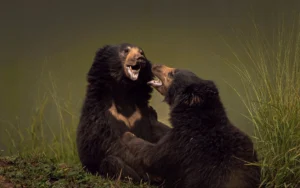
Planning a trip to Betla National Park? Discover safari options, wildlife, best time to visit, how to reach, nearby attractions, accommodation and practical travel tips.
Complete Guide to Betla National Park (2026): Safari, Wildlife, Best Time to Visit & Travel Tips
Introduction
Betla National Park is one of eastern India’s oldest protected forests and remains one of Jharkhand’s best places to experience wildlife. As part of the larger Palamau Tiger Reserve, it combines forests, grasslands, rivers, waterfalls and historic forts within a single destination. Unlike many better-known tiger reserves, Betla offers a quieter safari experience where visitors can appreciate not only wildlife but also the region’s natural and cultural heritage.
The park is home to Bengal tigers, Asian elephants, leopards, gaur, several deer species, sloth bears and more than 180 reported bird species. While tiger sightings are never guaranteed, Betla rewards patient visitors with diverse wildlife, scenic landscapes and relatively uncrowded safaris.
This guide explains everything you need to know before planning a visit, including the best time to travel, safari options, wildlife, accommodation, nearby attractions and practical travel advice.
Betla National Park at a Glance
| Feature | Details |
| State | Jharkhand |
| Part of | Palamau Tiger Reserve |
| National Park Status | 1986 |
| Project Tiger | Since 1974 |
| Approximate Core Area | 226–232 sq km |
| Main Entry | Betla Village |
| Nearest Airport | Ranchi |
| Nearest Railway Stations | Daltonganj, Barwadih |
Visitors should verify current timings, fees and permit requirements with the park authorities before travelling, as these may change seasonally.
Why Visit Betla National Park?
Betla stands out for several reasons:
- It forms part of one of India’s earliest Project Tiger reserves.
- The landscape supports a wide variety of mammals, birds and forest habitats.
- Visitors can combine wildlife safaris with visits to the historic Palamau Forts.
- Nearby attractions such as Lodh Falls and the North Koel River make it suitable for two- or three-day trips.
- Compared with many popular tiger reserves, Betla generally offers a quieter safari experience.
Field Note: Betla should not be viewed only as a tiger destination. Even if you do not see a tiger, elephants, gaur, deer, birds, forests and historical sites make the visit worthwhile.
Where is Betla National Park?
Betla National Park is located in Jharkhand’s Latehar and Palamu region. The main tourist entry is through Betla village, while the park lies roughly 170 km from Ranchi by road. Daltonganj serves as the nearest major railway station, making the park reasonably accessible from different parts of eastern India.
The park occupies part of the Chota Nagpur Plateau and is characterised by undulating terrain, sal forests, bamboo patches, open grasslands and riverine habitats along the North Koel River. This variety of habitats supports a broad range of wildlife throughout the year.
Why Betla Matters in India’s Conservation History
Betla occupies an important place in Indian wildlife conservation. The surrounding Palamau Tiger Reserve became one of the country’s first tiger reserves under Project Tiger in 1974. The national park itself was officially notified in 1986.
This long conservation history has helped preserve forests that continue to support tigers, elephants and many other native species while also protecting an important landscape shared with local tribal communities.
Planning Your Visit
Best Time to Visit Betla National Park
The best time to visit Betla National Park depends on what you hope to experience. Comfortable weather, wildlife sightings and birdwatching opportunities vary through the year.
For most travellers, November to March offers the most pleasant conditions for safaris and sightseeing. The cooler temperatures make long drives enjoyable, and this period is also ideal for visiting nearby attractions such as the Palamau Forts and Lodh Falls.
If your main goal is wildlife photography, particularly large mammals, April to June can be rewarding despite the heat. As water sources become limited and vegetation thins, animals are often easier to observe around waterholes and open areas. However, tiger sightings are never guaranteed and should not be the sole reason for visiting.
The monsoon season generally brings heavy rainfall. Many official sources indicate that tourist activities are suspended or significantly restricted during this period, so travellers should always confirm the latest opening dates with the park authorities before making plans.
Season-wise Guide
| Season | What to Expect | Best For |
| November–February | Pleasant weather and lush forests | First-time visitors, families, sightseeing |
| March–April | Warm days with increasing wildlife activity | Wildlife viewing and photography |
| May–June | Hot conditions but improved visibility in forests | Experienced wildlife enthusiasts |
| July–September | Monsoon; visitor access may be restricted | Generally not recommended unless officially open |
Decision Guide: If this is your first visit, plan your trip between November and February for the most comfortable overall experience.
How Long Should You Stay?
Although Betla can be visited as a day trip, spending two to three days allows enough time to appreciate both its wildlife and historical attractions.
One-Day Visit
Suitable if you’re already travelling in Jharkhand.
Typical itinerary:
- Morning safari
- Visit Palamau Forts
- Lunch near Betla
- Evening safari or birdwatching
Two-Day Visit
Recommended for most travellers.
Allows time for:
- Two or three safaris
- Exploring the Palamau Forts
- Visiting nearby viewpoints
- Relaxed wildlife photography
Three-Day Visit
Ideal for photographers, birdwatchers and nature enthusiasts.
An additional day provides opportunities to:
- Experience different safari timings
- Observe changing wildlife activity
- Visit nearby attractions such as Lodh Falls
- Spend more time exploring the forest at a slower pace
This duration also reduces the pressure of trying to see everything in a single day.
How to Reach Betla National Park
Despite its relatively remote setting, Betla is well connected by road, rail and air.
By Air
The nearest airport is Birsa Munda Airport, Ranchi, approximately 170 km from Betla.
From Ranchi, visitors can hire taxis or continue by road to the park.
By Rail
The closest railway stations are:
- Daltonganj (Medininagar) – approximately 25 km
- Barwadih Junction – approximately 12 km
Both stations offer convenient access by taxi or local transport.
By Road
Betla is connected by road to several cities in Jharkhand and neighbouring states.
Common road connections include:
- Ranchi
- Daltonganj
- Latehar
- Netarhat
Road conditions may vary seasonally, particularly during the monsoon, so checking local conditions before departure is advisable.
Entry, Permits and Safari Bookings
Visitors should expect separate charges for:
- Park entry
- Safari vehicle
- Guide services
- Camera fees (where applicable)
- Elephant safari (if operating)
Fee structures and booking procedures can change, and different charges may apply for Indian and international visitors. For this reason, it is always best to verify the latest information directly with the park authorities before travelling.
Expert Tip: Avoid relying on fee charts published on older travel blogs. The research brief recommends confirming the latest charges, safari quotas and booking procedures through official park sources before your visit.
Practical Planning Checklist
Before leaving for Betla National Park, make sure you have:
- □ Confirmed that the park is open
- □ Verified safari timings
- □ Checked current entry fees
- □ Reserved accommodation in advance during peak season
- □ Carried sufficient cash if travelling to remote areas
- □ Packed binoculars, a camera and drinking water
- □ Kept valid identification for permits and accommodation check-in
Safari Experience & Wildlife
Safari Experience at Betla National Park
A safari in Betla National Park is about much more than searching for a tiger. The park’s mixed deciduous forests, grassy clearings, riverine habitats and rolling terrain support a wide variety of wildlife, making every drive different. Patience and careful observation often lead to rewarding sightings of elephants, gaur, deer, birds and smaller mammals, even if the larger predators remain elusive.
Unlike some heavily visited tiger reserves, Betla generally offers a quieter atmosphere, allowing visitors to spend more time appreciating animal behaviour, birdlife and the forest itself.
Jeep Safari
For most visitors, the jeep safari is the primary way to explore the park.
Safaris are conducted on designated forest routes with park-approved guides. The exact routes, timings and number of vehicles may vary depending on weather, wildlife movement and park regulations. Visitors should always follow instructions from forest staff during the drive.
A typical jeep safari offers opportunities to observe:
- Asian elephants
- Gaur (Indian bison)
- Sambar deer
- Chital
- Nilgai
- Langurs
- Sloth bears (occasionally)
- Numerous bird species
If fortunate, visitors may also encounter signs of larger carnivores such as pugmarks, alarm calls or scratch marks, even when the animals themselves remain hidden.
Morning vs Evening Safari
Both safari timings have their advantages.
| Morning Safari | Evening Safari |
| Cooler temperatures | Warm golden light for photography |
| Active birdlife | Good opportunities to observe mammals moving towards water |
| Comfortable during summer | Pleasant during winter afternoons |
Wildlife movement depends on many factors, including season, weather and habitat conditions. Neither session guarantees better sightings.
Field Note: Experienced naturalists often pay as much attention to alarm calls, fresh tracks and animal behaviour as they do to direct sightings.
Elephant Safari
Betla is one of the few protected areas where elephant safaris have traditionally been offered.
These rides provide a different perspective of the forest and may access areas that are difficult for vehicles to reach. However, elephant safaris usually operate under limited quotas and may not be available throughout the year. Availability depends on operational and management decisions taken by the park authorities.
Before planning your visit specifically around an elephant safari, confirm:
- Whether the activity is currently operating
- Booking procedures
- Age or safety restrictions
- Reporting time
- Applicable charges
Watchtowers and Nature Observation
In addition to vehicle safaris, Betla has watchtowers and designated viewpoints that allow visitors to quietly observe the forest.
These locations can be particularly rewarding for:
- Birdwatching
- Observing deer grazing
- Watching elephants from a safe distance
- Photography during early morning or late afternoon
Remaining quiet and avoiding sudden movements often increases the chances of seeing wildlife.
Responsible Safari Behaviour
Every visitor contributes to the park’s conservation.
Follow these simple guidelines:
- Maintain silence during the safari.
- Stay inside the vehicle unless instructed otherwise.
- Never attempt to feed wildlife.
- Do not request drivers to chase animals.
- Avoid playing music.
- Dispose of all waste responsibly.
- Respect speed limits inside the park.
Responsible behaviour reduces stress on wildlife and improves the experience for everyone.
Responsible Tourism Tip: A successful safari is measured by observing wildlife behaving naturally—not by getting as close as possible to an animal.
Photography Tips
Betla offers rewarding opportunities for wildlife, landscape and heritage photography.
For better results:
- Carry binoculars as well as your camera.
- Use longer focal lengths rather than approaching animals.
- Keep your camera ready before entering the park.
- Photograph behaviour rather than only portraits.
- Early morning and late afternoon usually provide softer natural light.
Photography Subjects Beyond Tigers
Many visitors focus only on big cats, but Betla offers numerous photographic opportunities:
- Elephant herds
- Gaur
- Deer in forest clearings
- Colourful birds
- Forest landscapes
- Palamau Forts
- Lodh Falls
- Sal forests during different seasons
These subjects often create a more complete photographic story of the park.
Wildlife of Betla National Park
Betla protects a diverse assemblage of mammals, birds and forest ecosystems within the Palamau Tiger Reserve landscape. Its varied habitats support both large mammals and smaller woodland species, making it an attractive destination for wildlife enthusiasts throughout much of the tourist season.
Mammals
Some of the park’s most notable mammals include:
| Species | Likelihood of Sighting* |
| Chital | Common |
| Sambar Deer | Common |
| Gaur | Fairly Common |
| Asian Elephant | Occasional |
| Nilgai | Occasional |
| Hanuman Langur | Common |
| Sloth Bear | Occasional |
| Leopard | Rare |
| Bengal Tiger | Rare |
These are general visitor expectations based on the research brief and should not be interpreted as guaranteed sighting probabilities.
Bengal Tiger
Betla forms part of the historic Palamau Tiger Reserve, one of India’s earliest Project Tiger landscapes.
Although tigers inhabit the reserve, sightings are relatively infrequent compared with some of India’s more tourism-focused tiger reserves. Visitors should approach their safari with realistic expectations and appreciate the broader diversity of the forest rather than focusing solely on one species.
Asian Elephant
Elephants are among Betla’s most sought-after sightings. Depending on the season, they may be encountered moving through forests, feeding in clearings or visiting water sources.
Observing elephants from a respectful distance is essential, as they are highly intelligent wild animals whose behaviour can change quickly.
Gaur
The Indian gaur, often called the Indian bison, is one of the park’s largest herbivores.
These powerful animals are frequently seen grazing in open areas and forest edges, particularly during cooler hours of the day.
Birdwatching
Betla is also an excellent destination for birdwatchers.
More than 180 bird species have been reported from the wider landscape, although seasonal variation should be expected.
Birdwatchers may look for:
- Indian peafowl
- Hornbills
- Kingfishers
- Indian pitta (seasonal)
- Raptors
- Woodland songbirds
Early morning is generally the most productive time for birdwatching.
Photography Tip: Carry a pair of binoculars even if your primary interest is photography. Many birds are first detected by movement or calls before they become visible.
Flora and Habitat
The park is dominated by sal forests, interspersed with mixed deciduous woodland, bamboo patches and riverine vegetation along the North Koel River. These diverse habitats support the park’s wildlife while also creating varied scenery throughout the year.
Different habitats attract different species, making every safari route slightly different depending on the season and local conditions.
Accommodation, Nearby Attractions & Suggested Itineraries
Where to Stay Near Betla National Park
Choosing the right accommodation depends on your travel style, budget and how much time you want to spend inside or near the park. Most visitors prefer staying close to the main entrance to minimise travel time for early morning safaris.
Accommodation options are relatively simple compared to India’s larger wildlife destinations, so booking well in advance is advisable during the peak tourist season.
Forest Rest Houses
Government-operated forest rest houses are among the most popular choices for wildlife enthusiasts.
Suitable for:
- Birdwatchers
- Wildlife photographers
- Nature lovers
- Visitors seeking a quieter stay
Advantages include:
- Close proximity to safari departures
- Natural surroundings
- Basic but functional facilities
- Easy access to park activities
Availability can be limited, so advance reservations are recommended.
Private Hotels and Lodges
Private accommodation is available in and around Betla, while a wider range of hotels can be found in nearby Daltonganj (Medininagar). These options generally offer more modern amenities and may suit families or travellers looking for additional comfort.
Accommodation Comparison
| Type | Best For | Advantages | Considerations |
| Forest Rest House | Wildlife enthusiasts | Closest to the park, peaceful setting | Limited rooms and basic amenities |
| Private Lodge | Families and couples | More facilities and comfort | May require a short drive to the park |
| Hotel in Daltonganj | Business travellers or those arriving late | Wider choice of accommodation | Longer commute for safaris |
Expert Tip: If you plan to join the first morning safari, staying close to the park entrance makes the day much more relaxed.
Food and Dining
Dining options around Betla are generally straightforward rather than extensive.
Visitors can expect:
- Simple Indian meals
- Local vegetarian dishes
- Basic non-vegetarian options
- Tea and snacks near the tourist area
If you have specific dietary requirements, it’s worth informing your accommodation in advance.
Carrying reusable water bottles and light snacks for long safari days is also a good idea.
Nearby Attractions
One of Betla’s strengths is that it combines wildlife with history and scenic landscapes. Spending an extra day allows you to explore several nearby attractions beyond the safari.
Palamau Forts
Located within the protected landscape, the Palamau Forts are among Betla’s most distinctive attractions.
These historic forts add a cultural dimension to a wildlife trip and provide insight into the region’s past. Many visitors combine a safari with a visit to the forts on the same day.
Why Visit?
- Historic architecture
- Forest setting
- Scenic viewpoints
- Excellent photography opportunities
Lodh Falls
Lodh Falls is one of Jharkhand’s best-known waterfalls and makes an excellent excursion from Betla.
The surrounding forests and rocky landscape create a refreshing contrast to the safari experience, particularly after spending several hours searching for wildlife.
During the monsoon and shortly afterwards, water flow is generally stronger, although visitors should always prioritise safety around slippery rocks and fast-moving water.
North Koel River
The North Koel River is an important feature of the Betla landscape.
Besides supporting wildlife, it contributes to the park’s diverse habitats by sustaining riverine vegetation and providing water for many animal species throughout the year.
Netarhat
Visitors with additional time often combine Betla with Netarhat, a hill station known for its cooler climate and scenic viewpoints.
Together, the two destinations create a well-rounded Jharkhand itinerary featuring wildlife, forests, waterfalls and landscapes.
Suggested Itineraries
One-Day Itinerary
Ideal for travellers already staying nearby.
Morning
- Early jeep safari
- Breakfast
Late Morning
- Visit Palamau Forts
Afternoon
- Lunch
- Rest
Evening
- Birdwatching or second safari (if available)
Two-Day Itinerary (Recommended)
Day 1
- Arrival
- Afternoon safari
- Overnight stay near Betla
Day 2
- Morning safari
- Visit Palamau Forts
- Explore nearby viewpoints
- Depart
This itinerary suits most first-time visitors and provides enough time to experience both wildlife and heritage.
Three-Day Itinerary
Day 1
- Arrival
- Evening safari
Day 2
- Morning safari
- Photography
- Visit Palamau Forts
Day 3
- Excursion to Lodh Falls or Netarhat
- Birdwatching
- Departure
This itinerary is particularly suitable for photographers and birdwatchers who benefit from multiple safari sessions under different lighting and weather conditions.
Conservation and Responsible Tourism
Betla National Park is part of the Palamau Tiger Reserve, one of the original reserves established under Project Tiger in 1974. The park plays an important role in conserving forests, wildlife and the ecological health of the region.
The surrounding landscape is also home to indigenous communities, including the Oraon and Munda tribes, whose cultural connection with the forests forms an important part of the area’s identity. Visitors should respect local customs and support responsible tourism practices wherever possible.
How You Can Travel Responsibly
- Stay on designated safari routes.
- Avoid disturbing wildlife for photographs.
- Never feed animals.
- Carry reusable water bottles instead of single-use plastics.
- Support local guides and community businesses where appropriate.
- Leave no litter behind.
- Respect all instructions issued by forest staff.
Responsible Tourism Tip: A memorable wildlife trip is measured by how little impact you leave on the forest—not by how many animals you see.
Practical Tips, Common Mistakes, FAQs & Conclusion
Practical Travel Tips
A little preparation can make your visit to Betla National Park smoother and more enjoyable.
Packing Checklist
Carry the following essentials:
- □ Government-issued photo ID
- □ Booking confirmations (if applicable)
- □ Binoculars
- □ Camera with spare batteries and memory cards
- □ Neutral-coloured clothing (olive, brown, grey or khaki)
- □ Comfortable walking shoes
- □ Hat and sunglasses
- □ Sunscreen
- □ Reusable water bottle
- □ Personal medicines and a basic first-aid kit
- □ Light jacket for winter morning safaris
Avoid wearing bright colours or strong perfumes, as these may disturb wildlife.
Family Travel Tips
Betla is suitable for families when visits are planned responsibly.
For a comfortable trip:
- Choose morning safaris during warmer months.
- Carry snacks and drinking water for children.
- Explain safari etiquette before entering the park.
- Keep children seated and quiet during wildlife sightings.
- Confirm age restrictions if planning an elephant safari.
Photography Checklist
To make the most of your visit:
- Use longer lenses instead of approaching wildlife.
- Keep your camera settings ready before the safari starts.
- Photograph behaviour rather than disturbing animals for close-ups.
- Respect guide instructions at all times.
- Remember that landscapes, forests, birds and historic monuments are just as rewarding as large mammals.
Photography Tip: Some of Betla’s most memorable images are often of elephants walking through sal forests or morning light filtering through the trees—not necessarily tiger sightings.
Safety Tips
Betla is generally a safe destination when visitors follow park rules.
Remember to:
- Stay inside the safari vehicle unless instructed otherwise.
- Do not feed or approach wildlife.
- Keep a safe distance from elephants and other large mammals.
- Follow the guide’s instructions at all times.
- Check weather and road conditions before travelling during the monsoon.
- Mobile network coverage may be inconsistent in some forested areas, so inform family or friends about your travel plans in advance.
Common Mistakes Visitors Make
Many first-time visitors arrive with unrealistic expectations or insufficient preparation. Avoid these common mistakes:
Expecting Guaranteed Tiger Sightings
Although Betla is part of the Palamau Tiger Reserve, tiger sightings are never guaranteed. Enjoy the forest as a complete ecosystem rather than focusing on a single species.
Visiting Without Checking Current Park Information
Safari timings, fees, seasonal closures and elephant safari availability may change. Always confirm the latest information through official park authorities before your trip.
Ignoring the Weather
Summer temperatures can be high, while the monsoon may affect visitor access. Pack appropriately for the season.
Booking Accommodation Too Late
Rooms near the park are limited. During holidays and the peak season, advance reservations are recommended.
Rushing Through the Park
A single safari rarely reveals everything Betla has to offer. Spending two or three days provides a better chance to appreciate its wildlife, landscapes and historical attractions.
Frequently Asked Questions
Where is Betla National Park located?
It is located in Jharkhand’s Latehar and Palamu region, with Betla village serving as the main tourist entry point.
What is Betla National Park famous for?
It is known for being part of the historic Palamau Tiger Reserve, its elephant population, sal forests, Palamau Forts and diverse birdlife.
What is the best time to visit Betla National Park?
November to March offers the most comfortable weather, while April to June can provide improved wildlife viewing because vegetation is thinner.
Are tiger sightings guaranteed?
No. Tigers occur in the reserve, but sightings are never guaranteed.
Which animals can be seen?
Visitors may encounter elephants, gaur, sambar, chital, nilgai, langurs, sloth bears, leopards and numerous bird species.
Is elephant safari available?
Elephant safaris have traditionally been offered, but availability depends on current park operations and should be confirmed before travel.
How many days should I spend in Betla?
A two- to three-day stay is ideal for combining multiple safaris with visits to nearby attractions.
Can families visit Betla National Park?
Yes. Families can enjoy jeep safaris, birdwatching and visits to historical sites, provided they follow park safety guidelines.
Which nearby attractions should I include?
The Palamau Forts, Lodh Falls, the North Koel River and Netarhat are among the most popular places to combine with a Betla trip.
Should I book safaris in advance?
Whenever possible, yes. Booking ahead helps avoid disappointment during busy travel periods.
Conclusion
Betla National Park offers a different kind of wildlife experience from India’s more heavily visited tiger reserves. While tigers remain one of its flagship species, the park’s appeal extends well beyond big-cat sightings. Ancient sal forests, herds of elephants, gaur, rich birdlife, historic forts and nearby waterfalls together create a destination that rewards visitors who appreciate nature as a whole.
A well-planned two- or three-day visit allows enough time to experience multiple safaris, explore the region’s history and enjoy the quieter pace that distinguishes Betla from many other protected areas. By travelling responsibly, respecting wildlife and supporting local conservation efforts, visitors also contribute to the long-term protection of this important landscape.
Whether you’re a first-time safari-goer, a wildlife photographer or someone exploring Jharkhand’s natural heritage, Betla National Park offers an opportunity to experience one of eastern India’s oldest and most significant protected forests.
Author Note & Update Log: Written by the WildlifeSafaris.in Editorial Team. Last Updated: August 2026.
Safari Planning : Topics Cluster
- How to book a wildlife safari in India?
- Park by Park Online Safari Booking Guide
- Tiger Safari India Planning Workbook
- Park by Park Safari Permits Guide
- National Parks Permit Guide – Park by Park Guide
- Tatkal Safari Booking Guide – Last Minute Safari Permits Booking
- Tiger Safari in India Cost
- Indian Wildlife Safari Budget Planner
- Jeep vs Canter Safari
- Best time for Tiger Sightings in India
- How far advanced should you book safari permits?
- Can foreigners book Indian Wildlife Safari online?
- Special Permits Guide for Foreigners and Domestic Visitors
- How to book a Safari Permit online in India? 2026 step by step guide
- Senior Citizens Friendly Safari Planning
- Multi Generation Family Safari Planning
- 50 things to know before your first safari in India