
Start birdwatching in India with practical field advice. Discover the best 8×42 binoculars, field guides, identification apps, top habitats, and seasonal timing.
What Is Birdwatching and How to Start in India
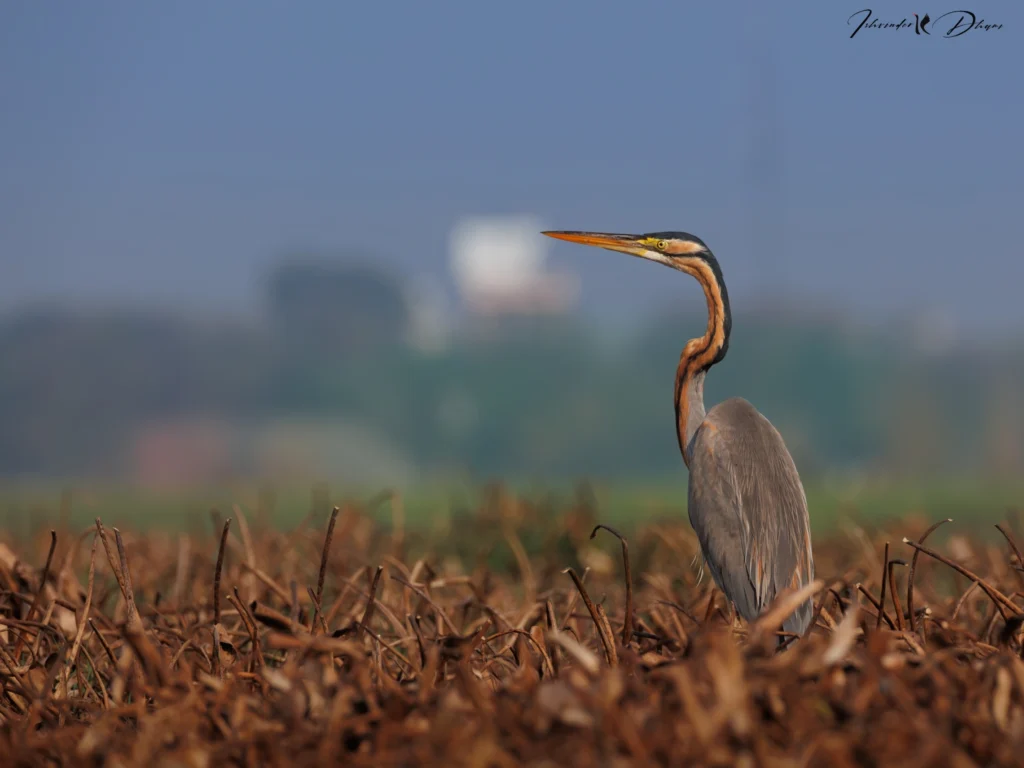
Birdwatching is the observational study of wild birds in their natural habitats. It requires patience, systematic looking, and an understanding of habitat context. India supports 1,396 documented bird species—roughly 12% of the world’s total avian diversity—including 84 species endemic to the subcontinent. You do not need to travel to a remote tiger reserve or high-altitude pass to begin; meaningful birding starts in everyday surroundings.
[ Home & Balcony ]
(Pigeons, Sparrows, Sunbirds)
│
▼
[ Local Parks ]
(Barbets, Parakeets, Tailorbirds)
│
▼
[ Wetlands & Scrublands ]
(Egrets, Lapwings, Kingfishers)
│
▼
[ Sanctuaries & Reserves ]
(Endemics, Migratory Waders, Raptors)
The Progression: From Balconies and City Parks to Sanctuaries
The most reliable way to build observation skills is to follow a progressive path rather than jumping straight into complex wetland or forest environments:
- Home and Balcony: Begin by watching birds from your window, terrace, or balcony. Pay attention to feeding behaviors, landing postures, and flight patterns of resident urban birds.
- Local Urban Parks: Move to neighborhood gardens, municipal parks, or university campuses. These spaces hold mature trees, flowering shrubs, and water features that attract canopy feeders and ground foragers.
- Peri-Urban Wetlands and Scrublands: Explore village tanks, agricultural edges, and lake margins on the outskirts of your city to practice observing waterbirds and waders.
- Declared Bird Sanctuaries and National Parks: Once you are comfortable handling optical gear and recognizing basic bird families, visit dedicated conservation reserves where high species density allows you to practice comparative identification.
Common Resident Species to Practice On First
Before trying to identify rare migratory warblers or raptors, learn the behavior, calls, and field marks of common resident birds:
- Indian Robin (Copsychus fulicatus): Commonly seen in dry scrub, gardens, and open ground. Males are black with a white shoulder patch and a chestnut-red undertail covert that they flash by cocking their tails upright.
- House Sparrow (Passer domesticus): A social seed-eater found around human habitations. Males show a bold black throat bib and grey crown, while females are dull sandy-brown with a pale buff eyebrow stripe.
- Common Tailorbird (Orthotomus sutorius): An active warbler of urban gardens. Identified by its olive-green upperparts, loud metallic chivik-chivik call, and habit of cocking its long tail while hopping through low shrubbery.
- Great Egret (Ardea alba): A large, long-necked heron found near urban waterbodies, canals, and flooded fields. Distinguished by its all-white plumage, black legs, and yellow bill (which turns blackish during breeding).
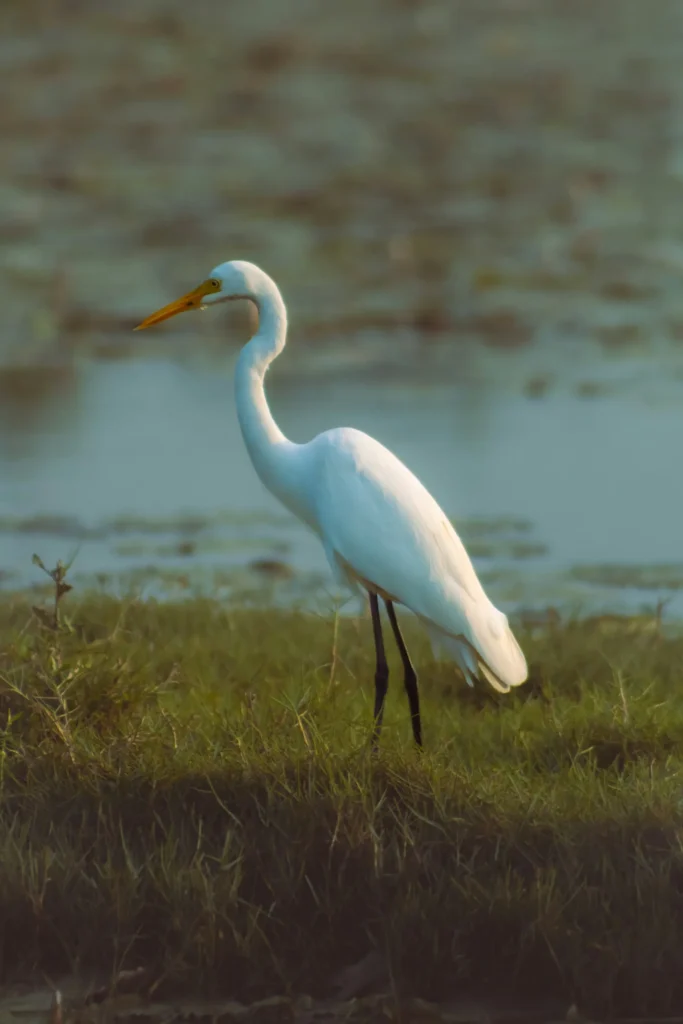
Field Note: Do not rush to identify every bird to species level right away. First, determine the bird family (e.g., barbet, bulbul, flycatcher, heron). Understanding family characteristics makes field guide lookup faster and more intuitive.
Essential Equipment for Beginner Birders
Birding has a low barrier to entry. While high-end spotting scopes and super-telephoto camera lenses exist, all a beginner genuinely needs to start is a reliable pair of binoculars, a trustworthy regional field guide, and a field-logging app.
┌────────────────────────────────────────────────────────┐
│ THE BEGINNER BIRDING KIT │
├───────────────────┬──────────────────┬─────────────────┤
│ OPTICS │ REFERENCES │ DIGITAL │
├───────────────────┼──────────────────┼─────────────────┤
│ • 8×42 Binoculars │ • Grimskipp │ • Merlin ID │
│ • Neck Strap │ • Ripley Guide │ • eBird Mobile │
│ • Lens Cloth │ • Field Notebook │ • Indian Birds │
└───────────────────┴──────────────────┴─────────────────┘
Binoculars: Choosing the 8×42 Configuration and Proper Calibration
For birdwatching in India, an 8×42 roof-prism binocular is the standard recommendation.
- Magnification (8×): An 8× magnification brings the subject eight times closer without amplifying hand tremors. A 10× binocular provides more reach across open water or mudflats, but it narrows the field of view, darkens the image in dim forest canopies, and exaggerates handshake.
- Objective Lens Diameter (42 mm): The 42 mm front lens lets in ample light during dawn and dusk—the two peak windows of avian activity—while keeping the overall unit light enough to carry on several-hour walks.
- Water Resistance: Indian field conditions range from humid monsoon forests to dusty scrub. Prioritize nitrogen-purged, water-resistant, or waterproof models with rubber armouring to prevent internal fogging and optical damage.
Step-by-Step Binocular Calibration
Most beginners fail to get sharp images because they have not calibrated their binocular’s diopter to their personal eyesight. Calibrate your optics before every field outing:
- Adjust Interpupillary Distance: Bend the central hinge of the binocular until the two circular images merge into a single, clean circle of view.
- Focus the Left Eye: Close your right eye (or cover the right objective lens). Look at a stationary, high-contrast subject (like a tree branch) roughly 15–20 meters away. Rotate the central focusing wheel until the subject is razor-sharp.
- Adjust the Diopter for the Right Eye: Close your left eye and look through the right eyepiece with your right eye. Do not touch the central focusing wheel. Instead, rotate the diopter adjustment ring (usually located on the right eyepiece barrel) until the subject comes into sharp focus.
- Lock and Go: Both barrels are now calibrated to your eyes. Moving forward, use only the central wheel to adjust focus for subjects at varying distances.
Expert Tip (The Spotting Technique): Never raise your binoculars to your eyes and then scan the trees looking for the bird. You will lose the bird almost every time. Instead, locate the bird with your naked eyes, keep your head completely still, lock your gaze on the bird, and bring the binocular eyepieces straight up to your eyes.
Binocular Configurations for Indian Birding
| Specification | Field of View | Low-Light Performance | Hand Stability | Primary Use Case |
| 8×42 (Recommended) | Wide (approx. 7.5°–8.2°) | Excellent (5.25 mm exit pupil) | High; minimal shake | All-round birding: dense forest, scrub, wetlands, dawn walks. |
| 10×42 | Moderate (approx. 6.0°–6.5°) | Moderate-Good (4.2 mm exit pupil) | Moderate; requires steady hand | Open wetlands, coastal shorebird observation, raptor watching. |
| 8×25 / 10×25 (Compact) | Narrow (approx. 5.0°–5.5°) | Poor (2.5 mm exit pupil) | Low; prone to jitter | Casual hiking, backup pair; poor for dark forest understories. |
Field Guides: Comparing Grimskipp, Ripley, Collins, and Sálim Ali
A comprehensive field guide is essential for learning taxonomic relationships, range maps, and seasonal plumage variations.
┌──────────────────────────────────────────────────────────────┐
│ FIELD GUIDE COMPARISON │
├──────────────────────┬───────────────────┬───────────────────┤
│ Field Guide │ Key Strengths │ Best For │
├──────────────────────┼───────────────────┼───────────────────┤
│ Grimskipp │ Accurate plates, │ Everyday primary │
│ (Grimmett et al.) │ clear range maps │ field standard │
├──────────────────────┼───────────────────┼───────────────────┤
│ The Ripley Guide │ Deep taxonomic │ Advanced research │
│ (Rasmussen/Anderton) │ notes, vocal data │ and verification │
├──────────────────────┼───────────────────┼───────────────────┤
│ Collins Handguide │ Depicts birds in │ Quick visual │
│ (Woodcock) │ habitat context │ field reference │
├──────────────────────┼───────────────────┼───────────────────┤
│ Book of Indian Birds │ Classic text, │ Natural history │
│ (Dr. Sálim Ali) │ behavioral notes │ reading at home │
└──────────────────────┴───────────────────┴───────────────────┘
- Birds of the Indian Subcontinent (Grimmett, Inskipp, and Inskipp — commonly called “Grimskipp”): The standard field guide for Indian birders. It illustrates male, female, juvenile, and morph plumages alongside concise identification pointers, vocalization descriptions, and range maps. The paperback field edition fits easily into daypacks.
- Birds of South Asia: The Ripley Guide (Pamela C. Rasmussen and John C. Anderton): A rigorous two-volume set. Volume 1 contains field plates, while Volume 2 contains detailed taxonomic analyses, vocalization sonograms, and distribution records. It is best kept as a home reference for verifying challenging identifications.
- Collins Handguide to the Birds of the Indian Sub-continent (Martin W. Woodcock): An accessible guide featuring illustrations of birds placed directly within their typical habitat settings. It is helpful for beginners who benefit from visual habitat associations.
- The Book of Indian Birds (Dr. Sálim Ali): A foundational classic of Indian ornithology. While newer taxonomy has evolved, its detailed natural history essays, regional names, and behavioral observations remain valuable for beginner naturalists.
Smartphone Apps: Merlin Bird ID, eBird, and Regional Tools
Digital tools streamline field identification and species tracking. Download offline databases before heading into sanctuaries with weak cellular connectivity.
┌────────────────────────────────────────────────────────┐
│ PRIMARY BIRDING APPS │
├──────────────────────────┬─────────────────────────────┤
│ MERLIN BIRD ID │ eBIRD MOBILE │
│ • Photo ID & Audio ID │ • Real-time checklists │
│ • Offline India Pack │ • Hotspot discovery │
├──────────────────────────┼─────────────────────────────┤
│ INDIAN BIRDS (NatureWeb) │ VANNYA │
│ • Regional language names│ • Subcontinental bird calls │
│ • 100k+ downloads │ • Photographic field plates │
└──────────────────────────┴─────────────────────────────┘
- Merlin Bird ID (Cornell Lab of Ornithology): A free identification app with a dedicated India Pack. It offers three identification modes: a five-question visual selector (location, date, size, color, activity), photo identification using machine vision, and real-time audio identification that listens to calling birds in the field and suggests matches.
- eBird Mobile (Cornell Lab / Bird Count India): The primary digital notebook and citizen science platform. It lets you record species counts, track your walking path via GPS, and submit standardized checklists. It also lets you explore local birding hotspots and see what other birders are reporting near you in real time.
- Indian Birds (Nature Web): A widely downloaded Indian reference app (over 100,000 downloads). It provides photographic plates, descriptions, and vernacular bird names across multiple regional Indian languages.
- Vannya: A dedicated field-companion app covering subcontinental birds, offering side-by-side photo comparisons, distribution ranges, and high-fidelity audio recordings.

Field Note : Today’s high powered technology including AI helps to identify birds easily. e.g Google lens can be commonly used to identify a species.
Best Bird Sanctuaries for Beginners in India
India’s diverse geography offers an array of habitats, but not all are suited for beginners. The ideal starting locations offer clear lines of sight, well-maintained walking trails, and high densities of approachable species.
Northern India: Keoladeo National Park, Pangot, and Sattal
- Keoladeo National Park (Bharatpur), Rajasthan: This UNESCO-listed wetland is widely considered the finest beginner birding destination in India. The park’s paved trails and cycle tracks make navigation easy. From November to March, it transforms into a wintering ground for migratory waterfowl, pelicans, painted storks, and the Siberian crane.
- Pangot, Uttarakhand: Located just 15 kilometers from Nainital, this quiet hill station provides an excellent introduction to Himalayan birding. With over 250 recorded species, you can easily walk the forest roads to spot the ultramarine flycatcher and the cheer pheasant.
- Sattal, Uttarakhand: The mixed oak and pine forests surrounding the seven interconnected lakes of Sattal are highly productive. Beginners can observe colorful species like the red-billed leiothrix, Himalayan woodpecker, and blue-throated barbet with relatively little trekking.
Southern India: Thattekad Bird Sanctuary and Kerala Wetlands
- Thattekad Bird Sanctuary, Kerala: Founded by Dr. Sálim Ali, this lowland forest on the Periyar River banks is southern India’s most celebrated sanctuary. Its dense evergreen canopy requires a bit more patience, but it offers high rewards, including trogons, frogmouths, and numerous regional endemics.
Western India: Great Rann of Kutch and Ujani Dam
- Great Rann of Kutch & Little Rann, Gujarat: The expansive Banni grasslands and salt marshes offer unobstructed views, which is highly advantageous for beginners learning to identify raptors and ground-dwelling birds. It is a premier destination for winter birding.
- Ujani Dam, Maharashtra: A highly accessible wetland that supports over 230 resident and winter migratory species. The open water margins allow beginners to comfortably practice identifying ducks, waders, and flamingos from a distance.
Eastern and North-Eastern India: Kaziranga and Sub-Himalayan Foothills
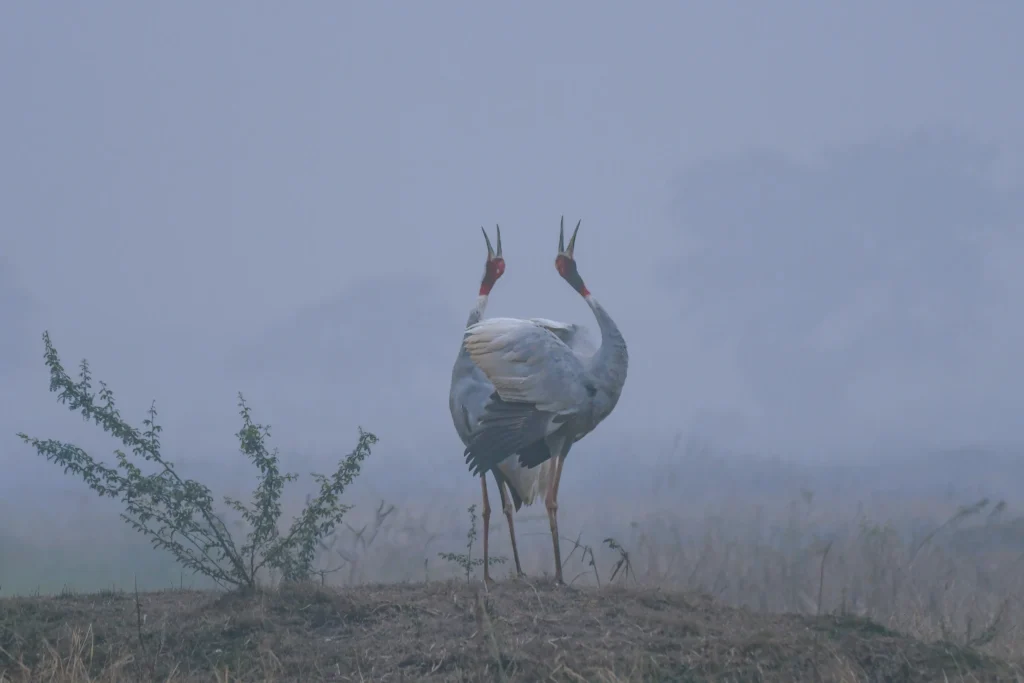
- Kaziranga National Park, Assam: While globally renowned for rhinos, Kaziranga’s tall elephant grass and wetlands support immense avian diversity, including hornbills, swamp francolins, and the sarus crane.
- Corbett National Park, Uttarakhand: Bridging the north and east Himalayan foothills, Corbett provides accessible riverine and forest birding, allowing beginners to spot fish eagles, broadbills, and large flocks of parakeets.
Table: Top Beginner Birding Sanctuaries
| Sanctuary/Location | Primary Habitat | Ideal Visiting Season | Key Beginner Species to Spot |
| Keoladeo (Bharatpur) | Wetland & Scrub | Nov – Mar | Painted Stork, Pelicans, Wintering Waterfowl |
| Pangot & Sattal | Himalayan Oak/Pine | Oct – Jun | Himalayan Woodpecker, Red-billed Leiothrix, Blue-throated Barbet |
| Thattekad | Evergreen Lowland | Nov – Feb | Malabar Trogon, Ceylon Frogmouth, Regional Endemics |
| Rann of Kutch | Grassland & Salt Marsh | Dec – Mar | Raptors, Cranes, Larks |
| Kaziranga | Floodplain & Tall Grass | Nov – Apr | Hornbills, Sarus Crane, Turkeys |
Verification Note: Always check the latest local sanctuary timings and entry fee requirements before traveling, as public access rules and seasonal closures frequently change.
When to Birdwatch in India: Seasons and Migration
Bird activity fluctuates significantly with the seasons. Understanding these seasonal shifts helps you know which habitats to visit and what behaviors to expect in the field.
Winter Migration (November–March): Waterfowl, Waders, and Raptors
Winter is traditionally considered the peak birding season in India. As temperatures drop in Central Asia, Siberia, and Europe, millions of birds cross the Himalayas to winter in the subcontinent.
- What to expect: Freshwater lakes and coastal mudflats fill with migratory arrivals like the greylag goose, pelicans, painted storks, and the Siberian crane.
- Field conditions: Crisp weather, minimal rain, and clear skies offer the best lighting for observation and photography. Foliage is also less dense in deciduous forests, making canopy birds much easier to spot.
Monsoon Magic (August–December): Breeding Displays and Resident Activity
Many beginners overlook the monsoon, but it is a highly rewarding time for local birding. The monsoon dictates the breeding cycle for many resident Indian species.
- What to expect: Monsoon-fed wetlands brim with life. You will see resident birds exhibiting vibrant breeding plumages and engaging in complex courtship displays. Towards the end of this period, the first migratory arrivals begin slipping into the lush landscapes.
- Field conditions: High humidity and regular downpours require waterproof gear for your optics. Leeches and mosquitoes are common in forest habitats, necessitating proper field clothing.
Month-by-Month Indian Birding Calendar
- January – February: The absolute peak for migratory species across India. This is also the period for major citizen science events like the Great Backyard Bird Count (GBBC).
- March – April: The spring transition. Winter migrants begin their long journey north. Resident forest birds become highly vocal as they establish breeding territories.
- May – June: Summer residents dominate. This is an excellent time for high-altitude Himalayan birding before the mountain monsoons arrive.
- July – September: The peak monsoon breeding season. Focus on local wetlands, agricultural edges, and heronries where resident waterbirds nest in large colonies.
- October – December: The landscape is lush green. Post-monsoon breeding concludes, and the new waves of winter migratory arrivals appear.
How to Identify Birds in the Field
Field identification is a process of elimination based on four observational pillars: silhouette and structure, plumage field marks, vocalizations, and habitat context. Rather than trying to match an entire bird to a field guide plate all at once, break your observation down into distinct physical markers.
[ FIELD IDENTIFICATION ]
│
┌────────────────┬───────┴────────┬────────────────┐
▼ ▼ ▼ ▼
[Silhouette] [Plumage] [Vocalisation] [Habitat/Niche]
• Bill shape • Eye-stripes • Contact calls • Canopy layer
• Tail structure • Wing bars • Songs • Understory
• Posture/Gait • Rump patches • Sonograms • Water margins
Visual Identification: Silhouettes, Beak Shapes, and Plumage Patterns
Experienced field naturalists can often identify birds from 100 yards away using silhouette alone. Before checking colors, observe the bird’s overall shape, posture, and proportions:
- Bill Morphology: The beak reveals a bird’s diet and family.
- Conical and stout: Seed-eaters (e.g., sparrows, finches, munias).
- Slender and down-curved: Nectar feeders and mud-probers (e.g., sunbirds, curlews).
- Hooked and sharp: Carnivores and raptors (e.g., shikras, falcons, eagles).
- Flat and broad with bristles: Aerial insectivores (e.g., flycatchers, drongos).
- Tail Structure: Note the shape and movement. Does the tail end in a clean square, a fork (like a drongo), or a long wedge? Notice whether the bird frequently cocks its tail upright (like an Indian robin) or wags it up and down (like a wagtail).
- Key Plumage Field Marks: Focus on contrasting zones that distinguish closely related species:
- Head patterns: Eye-rings, superciliums (eyebrow stripes), and crown stripes.
- Wing markers: Wing bars, primary feather extensions, and wing patches visible in flight.
- Underside and Rump: Streaking on the breast, belly coloration, and contrasting rump patches (such as the red vent of a red-vented bulbul).
[ Crown / Crest ]
┌────────┴────────┐
[ Supercilium ] [ Eye-ring / Eye-stripe ]
│ │
▼ ▼
(—o———————————)
\ \ /
\ [ Throat / Bib ] / <– [ Mantle / Back ]
\ /
\___[ Breast ]______________/__ [ Wing Bars / Coverts ]
\ /
\__[ Flanks / Belly ]/____ [ Rump Patch ]
\ /
\__[ Vent ]__/_______ [ Tail / Undertail Coverts ]
Vocal Identification: Recognizing Contact Calls, Songs, and Sonograms
In dense scrub and forest canopies, you will hear far more birds than you see. Many species are virtually identical in plumage and can only be reliably distinguished by voice.
- Contact Calls vs. Territorial Songs: Contact calls are short, functional chips or chirps used by flocks to stay together while foraging. Songs are longer, structured vocal sequences used by males to defend territory or attract mates during the breeding season.
- Using Digital Tools: Use the Merlin Bird ID app’s audio tool in the field to narrow down calling birds. For deep verification, consult the Xeno-Canto open-source archive to listen to subcontinental call variations.
- Reading Sonograms: Field guides like The Ripley Guide include sonograms—visual graphs displaying sound frequency (pitch) against time (duration). Learning to read whether a call rises sharply, drops, or wavers helps you distinguish difficult groups like warblers and cuckoos.
Habitat-Based Context: Forest Canopy, Scrub, Grassland, and Wetland
Birds occupy specific ecological niches. Cross-referencing what you see with the exact vegetation layer and habitat type prevents misidentifications:
- Wetland & Water Margins: Open water (ducks, grebes), shallow muddy edges (sandpipers, plovers, egrets), and reed beds (crakes, bitterns, warblers).
- Grassland & Open Scrub: Low ground or perches on fence lines and bush tops (larks, pipits, stonechats, grey francolins).
- Forest Canopy: High branches and fruiting trees (hornbills, barbets, green pigeons, minivets).
- Forest Understory & Ground Litter: Dense thickets and leaf litter (babblers, pittas, thrushes, spurfowl).
Naturalist Tip: If you spot a bird that resembles a species found exclusively in high-altitude Himalayan pine forests while you are standing in a dry deciduous plain in central India, check its range map. Habitat and geographical range are just as definitive as feather color.
Citizen Science: Contributing via GBBC and eBird
Modern birdwatching directly powers global ornithological research. By recording your sightings on open-access platforms, you generate baseline population and distribution data for researchers and conservationists.
┌────────────────────────────────────────────────────────┐
│ THE CITIZEN SCIENCE WORKFLOW │
├────────────────────────────────────────────────────────┤
│ 1. Pick a Location (Garden, Campus, Wetland, Reserve) │
│ 2. Watch & Count Birds (Minimum 15 minutes) │
│ 3. Identify & Record (Full counts or partial IDs) │
│ 4. Submit Checklist via eBird Mobile / Merlin │
└────────────────────────────────────────────────────────┘
Great Backyard Bird Count (GBBC): How to Participate
The Great Backyard Bird Count (GBBC) is an annual global event organized in India through Bird Count India and the Cornell Lab of Ornithology.
- Timing & Format: The event runs annually in mid-February (the GBBC 2026 took place February 13–16).
- Participation Requirements: You only need to count birds anywhere you choose—a balcony, public park, or sanctuary—for at least 15 minutes on one or more days during the event window.
- Partial Identification is Welcome: Beginners often hesitate to participate out of fear of making mistakes. You do not need to identify every bird to species level; logging only the birds you can confidently recognize provides valuable scientific data.
- Subcontinental Scale: Indian birders documented 1,086 species during GBBC 2026, ranking India 2nd globally in participation and species totals.
Logging Checklists on eBird Mobile
eBird is the primary recording database used across India. Setting up the free mobile app turns your smartphone into a field journal:
- Download the App: Install eBird Mobile and set your default common names to English (India) to reflect regional subcontinental taxonomy.
- Start a Checklist: Tap “Start Checklist” when you begin your walk. The app tracks your route, time elapsed, and distance covered via GPS.
- Log Counts: Enter the number of individual birds seen or heard for each species. If you see 4 Indian robins and 12 house sparrows, record the exact count rather than simple checkmarks.
- Complete and Submit: When finished, indicate whether you are submitting a “Complete Checklist” (meaning you made an effort to record all species you were able to identify) and tap submit.
Campus Bird Counts for Students and Local Groups
The Campus Bird Count (CBC) runs concurrently alongside the GBBC across India. It encourages universities, schools, research institutes, and botanical gardens to document the avian life within their institutional boundaries.
┌──────────────────────────────────────────────────────────────┐
│ CAMPUS BIRD COUNT (CBC) │
├────────────────────────┬─────────────────────────────────────┤
│ Target Participants │ Colleges, schools, campus youth │
│ Primary Focus │ Mapping urban institutional greenery│
│ Event Window │ February (Runs alongside GBBC) │
│ Key Value │ Generates multi-year urban data │
└────────────────────────┴─────────────────────────────────────┘
Led primarily by students and youth naturalists, the CBC monitors green islands within expanding urban centers, tracking long-term shifts in resident populations.
Ethical Birding: Code of Conduct and Field Etiquette
The welfare of the bird and the preservation of its habitat must always supersede your desire to observe or photograph it. Ethical birding relies on minimizing disturbance to both wildlife and local residents.
┌─────────────────────────────────────────────────────────────────┐
│ FIELD ETHICS CHECKLIST │
├──────────────────────────┬──────────────────────────────────────┤
│ ACCEPTABLE PRACTICES │ HARMFUL BEHAVIORS TO AVOID │
├──────────────────────────┼──────────────────────────────────────┤
│ • Wearing muted colors │ • Feeding birds for photography │
│ • Staying on marked paths│ • Approaching active nests │
│ • Keeping voices low │ • Using playback during breeding │
│ • Packing out all trash │ • Handling eggs or young chicks │
└──────────────────────────┴──────────────────────────────────────┘
Nesting, Roosting, and the Hazards of Audio Playback
Maintaining a respectful distance is critical, particularly around nesting sites and winter roosts.
- Avoid Audio Playback: Playing recorded bird calls from a smartphone to draw out hidden birds is a controversial practice. Beginners should avoid it entirely, especially during the breeding season. Using playback can cause extreme stress, tricking territorial males into believing a rival has entered their area, which can ultimately lead to nest abandonment.
- Do Not Disclose Nest Locations: If you discover an active nest, move away quickly. Do not share the exact coordinates on social media or public eBird checklists, as this can draw crowds of photographers and poachers, causing fatal disturbance to the breeding pair.
- Do Not Bait: Never use food to lure birds closer for observation or photography, as it alters their natural foraging behavior and increases their vulnerability to predators.
Community Etiquette, Village Privacy, and Trail Discipline
Much of India’s best birding happens on the periphery of agricultural lands, village tanks, and tribal hamlets.
- Respect Privacy: Never point binoculars or telephoto lenses toward homes, private agricultural fields, or women working near water sources. Always ask for permission before crossing private property or taking photographs in rural areas.
- Minimize Habitat Impact: Stay on established trails to avoid crushing ground-nesting birds, rare flora, and insect habitats.
Common Beginner Mistakes and How to Avoid Them
Even enthusiastic beginners can inadvertently hinder their own progress. Avoid these common field errors:
- Wearing Bright Clothing: Birds have excellent color vision. Avoid white, bright red, or neon colors. Wear muted tones like olive green, brown, or grey to blend into the background.
- Scanning with Binoculars: Do not swing your binoculars across the treeline hoping to find a bird. Always spot the movement with your naked eye first, lock your vision on the subject, and bring the binoculars straight up to your eyes.
- Moving Too Quickly and Loudly: Birds scare easily. Walk slowly, pause frequently to listen, and keep conversations to a whisper. Turn your mobile phone on silent mode before entering a trail.
- Expecting to Identify Everything: No birder identifies 100% of what they see. Trying to force an identification often leads to recording the wrong species. It is perfectly acceptable to record a sighting simply as “unidentified warbler” or “unknown raptor”.
- Not Studying Local Species Before Departure: Entering a sanctuary without first skimming the relevant section of your field guide wastes valuable field time. Familiarize yourself with the common residents of the specific habitat before you arrive.
Finding Birding Communities, Clubs, and Free Courses
Learning from experienced naturalists drastically reduces the beginner learning curve. India has a robust network of digital communities and structured amateur courses.
City-Based Groups and Mailing Lists
Join local birding walks to practice field techniques and share equipment.
- WhatsApp and Facebook Communities: Search for regional groups on Facebook, such as “Indian Birds” or “Ask IDs of Indian Birds,” which are highly active.
- Mailing Lists: Legacy regional mailing lists, such as Delhibirdpix (Delhi-NCR) and Bngbirds (Bangalore), remain excellent platforms for tracking local sightings and connecting with veteran birders.
Online Courses and Foundation Programs
Several organizations offer structured learning for beginners and citizen naturalists:
- WWF-India “ABC of Birdwatching”: A free, self-paced online course comprising five modules covering morphology, habitat, and identification basics.
- Early Bird (NCF): Focuses heavily on youth education, offering free pocket guides, activity booklets, and online courses tailored for children and young adults.
- Naturalist Schools: For those wanting immersive field training, organizations like Pugdundee Safaris and The Naturalist School run comprehensive citizen naturalist certification courses.
Frequently Asked Questions
What is birdwatching and how do I start? Birdwatching is the observation of wild birds in their natural environment. Begin by observing common birds from your balcony or local park before progressing to nearby wetlands and dedicated wildlife sanctuaries.
What binoculars should I buy for birdwatching in India? An 8×42 roof-prism binocular is ideal for beginners in India. It provides a wide field of view, excellent low-light transmission, and is easy to hold steady in dense forests or open wetlands. Ensure the model is water-resistant.
Which field guide is best for Indian birds? Birds of the Indian Subcontinent by Grimmett, Inskipp, and Inskipp (commonly called “Grimskipp”) is the standard primary field guide, offering clear plates and distribution maps.
What are the best bird sanctuaries for beginners in India? Keoladeo National Park (Rajasthan), Pangot (Uttarakhand), Thattekad (Kerala), and the Little Rann of Kutch (Gujarat) offer excellent infrastructure, open sightlines, and high species density for beginners.
When is the best time to birdwatch in India? Winter (November–March) brings millions of migratory birds to India’s wetlands. However, the monsoon (August–December) is equally vital for observing the breeding displays and active nesting of resident species.
What apps work best for bird identification in India? The Merlin Bird ID app (with the India pack downloaded) is excellent for photo and sound identification. The eBird app is the standard for logging sightings, while the Indian Birds app offers regional language names.
How do I participate in the Great Backyard Bird Count (GBBC)? During the mid-February event window, simply spend a minimum of 15 minutes observing birds in any location, count the individuals you can confidently identify, and submit your list via eBird or Merlin.
Is it acceptable to use bird call playback to attract birds? Using recorded calls is heavily discouraged for beginners and should never be used during the breeding season, as it causes severe stress to territorial males and can lead to nest abandonment.
Are there free birding courses available online? Yes. WWF-India offers a free, self-paced “ABC of Birdwatching” course, and the Early Bird program provides excellent free digital resources and pocket guides for youth and beginners.
Summary and Next Steps for New Birders
With 1,396 documented species—including 84 endemics—India is one of the world’s premier birding landscapes.
You do not need expensive optics or deep wilderness access to begin. Download a free digital field guide like Merlin, calibrate your binoculars, and spend 15 minutes scanning your local neighborhood park. By participating in citizen science initiatives like the Great Backyard Bird Count and logging your daily sightings on eBird, your newfound hobby will directly contribute to the conservation of India’s avian heritage.