
Complete List of State Animals of India’s 28 States
The table below provides the official state animals of all 28 Indian states, along with their scientific names, general conservation status, and the reason each species is closely associated with its state.
Note: Conservation status follows the IUCN Red List where applicable. Administrative symbols may occasionally be revised by governments, so readers should refer to official notifications for the latest updates.
| State | State Animal | Scientific Name | IUCN Status* | Why It Represents the State |
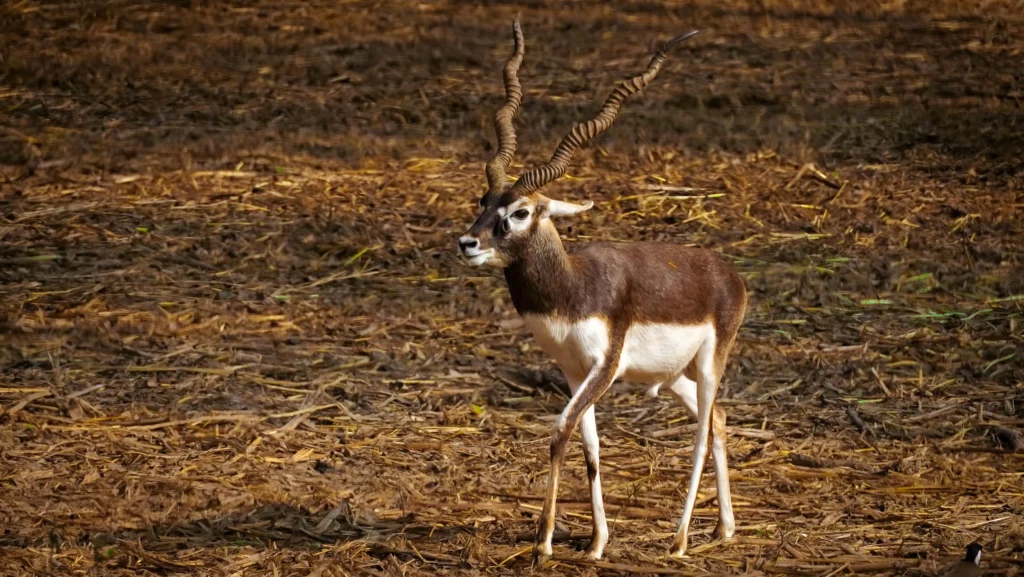
| Andhra Pradesh | Blackbuck | Antilope cervicapra | Least Concern | Native to India’s open grasslands and culturally significant across the Deccan Plateau. |
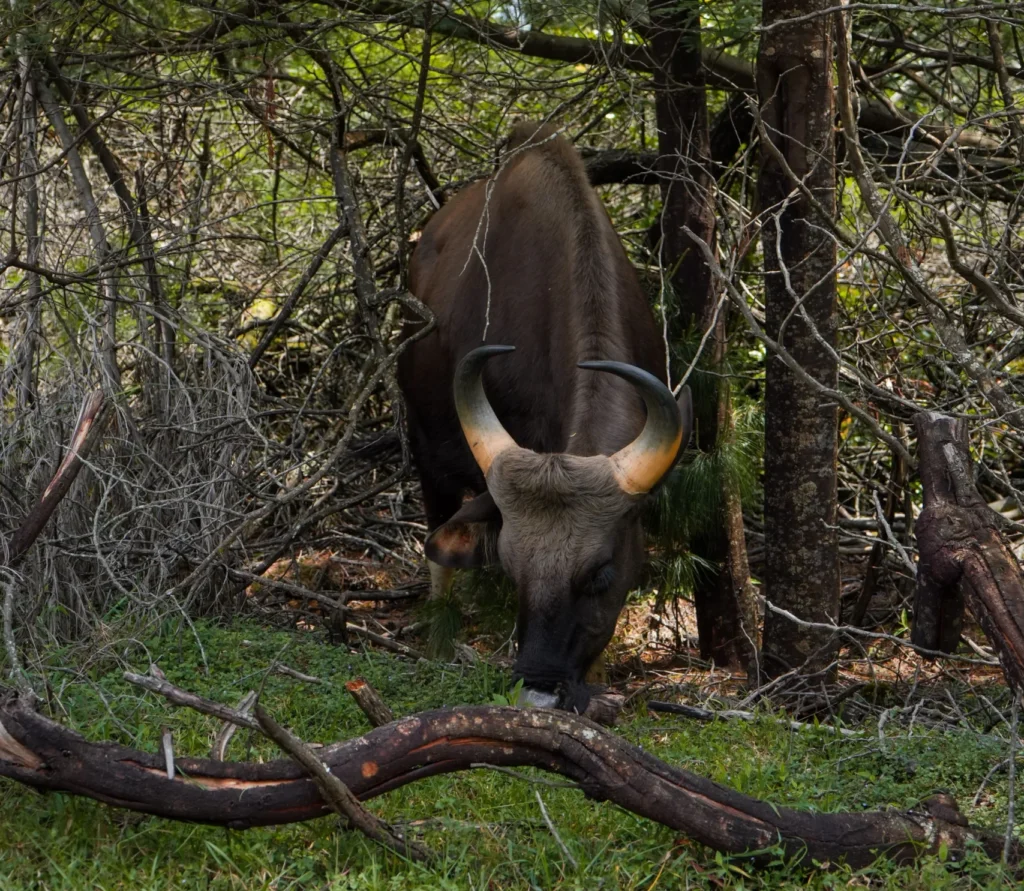
| Arunachal Pradesh | Mithun (Gayal) | Bos frontalis | Data Deficient | An important semi-domesticated bovine deeply woven into tribal culture and traditions. |
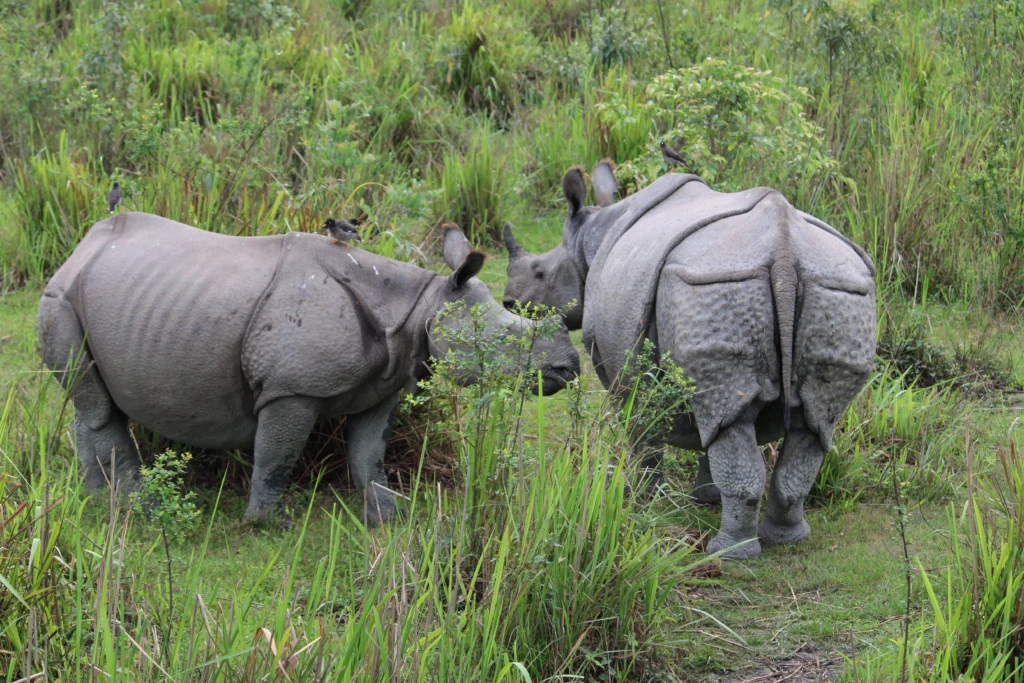
| Assam | Indian One-horned Rhinoceros | Rhinoceros unicornis | Vulnerable | Closely associated with Kaziranga National Park and Assam’s floodplain grasslands. |
| Bihar | Gaur (Indian Bison) | Bos gaurus | Vulnerable | India’s largest wild bovine, representing the forests of eastern India. |
| Chhattisgarh | Wild Water Buffalo | Bubalus arnee | Endangered | One of the state’s most important flagship wildlife species and a focus of conservation efforts. |
| Goa | Gaur | Bos gaurus | Vulnerable | Commonly found in Goa’s forested landscapes and protected areas. |
| Gujarat | Asiatic Lion | Panthera leo persica | Endangered | Gujarat is the world’s only natural home of the wild Asiatic lion. |
| Haryana | Blackbuck | Antilope cervicapra | Least Concern | Once widespread across the state’s grasslands and agricultural landscapes. |
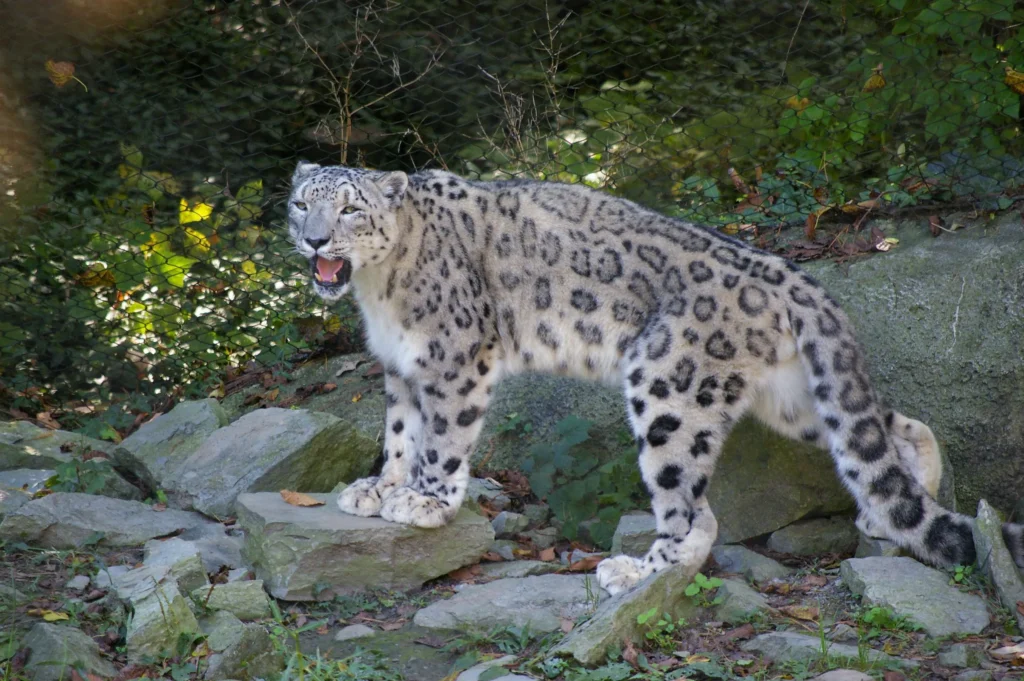
| Himachal Pradesh | Snow Leopard | Panthera uncia | Vulnerable | Represents the fragile high-altitude ecosystems of the western Himalayas. |
| Jharkhand | Indian Elephant | Elephas maximus indicus | Endangered | Symbolises the state’s forests and traditional elephant corridors. |
| Karnataka | Indian Elephant | Elephas maximus indicus | Endangered | A flagship species of Nagarhole, Bandipur, and other protected forests. |
| Kerala | Indian Elephant | Elephas maximus indicus | Endangered | Closely linked with Kerala’s forests, wildlife tourism, and cultural traditions. |
| Madhya Pradesh | Swamp Deer (Barasingha) | Rucervus duvaucelii | Vulnerable | Famous for the successful conservation of the hard-ground barasingha in Kanha. |
| Maharashtra | Indian Giant Squirrel | Ratufa indica | Least Concern | An arboreal mammal commonly found in the Western Ghats and central Indian forests. |
| Manipur | Sangai | Rucervus eldii eldii | Endangered | Found only in and around Keibul Lamjao National Park, making it one of India’s most distinctive deer. |
| Meghalaya | Clouded Leopard | Neofelis nebulosa | Vulnerable | A secretive forest predator typical of Northeast India’s evergreen forests. |
| Mizoram | Himalayan Serow | Capricornis sumatraensis | Vulnerable | A mountain-dwelling ungulate inhabiting steep forested terrain. |
| Nagaland | Mithun (Gayal) | Bos frontalis | Data Deficient | Holds immense cultural, ceremonial, and economic importance among Naga communities. |
| Odisha | Sambar Deer | Rusa unicolor | Vulnerable | A widespread deer species inhabiting Odisha’s forests and tiger reserves. |
| Punjab | Blackbuck | Antilope cervicapra | Least Concern | Once abundant across the state’s plains and now protected in several reserves. |
| Rajasthan | Chinkara (Indian Gazelle) | Gazella bennettii | Least Concern | Well adapted to Rajasthan’s dry grasslands and desert habitats. |
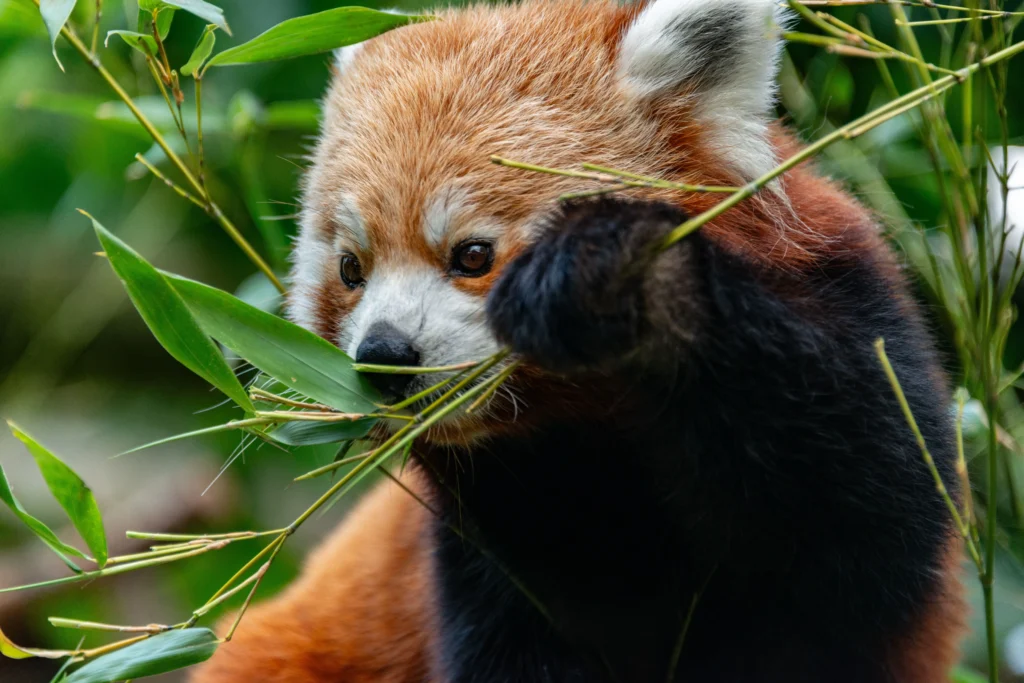
| Sikkim | Red Panda | Ailurus fulgens | Endangered | A flagship species of Eastern Himalayan temperate forests and bamboo habitats. |
| Tamil Nadu | Nilgiri Tahr | Nilgiritragus hylocrius | Endangered | Endemic to the Western Ghats and strongly associated with Tamil Nadu’s montane landscapes. |
| Telangana | Spotted Deer (Chital) | Axis axis | Least Concern | A familiar herbivore of dry deciduous forests throughout the region. |
| Tripura | Phayre’s Langur | Trachypithecus phayrei | Endangered | One of Northeast India’s most distinctive primates, inhabiting evergreen forests. |
| Uttar Pradesh | Swamp Deer (Barasingha) | Rucervus duvaucelii | Vulnerable | Closely linked with the Terai grasslands and Dudhwa National Park. |
| Uttarakhand | Alpine Musk Deer | Moschus chrysogaster | Endangered | Represents the alpine forests and meadows of the higher Himalayas. |
| West Bengal | Fishing Cat | Prionailurus viverrinus | Vulnerable | A wetland specialist associated with marshes, mangroves, and river systems. |
Field Note
Several state animals are not unique to a single state. Species such as the Indian Elephant, Blackbuck, Mithun, Gaur, and Swamp Deer have been adopted by multiple states because they are ecologically important across larger regions or hold deep cultural significance.

Complete List of Union Territory Animals
Although union territories receive less attention than states, many have also designated official animal symbols that reflect their local biodiversity.
| Union Territory | Official Animal | Scientific Name | Notes |
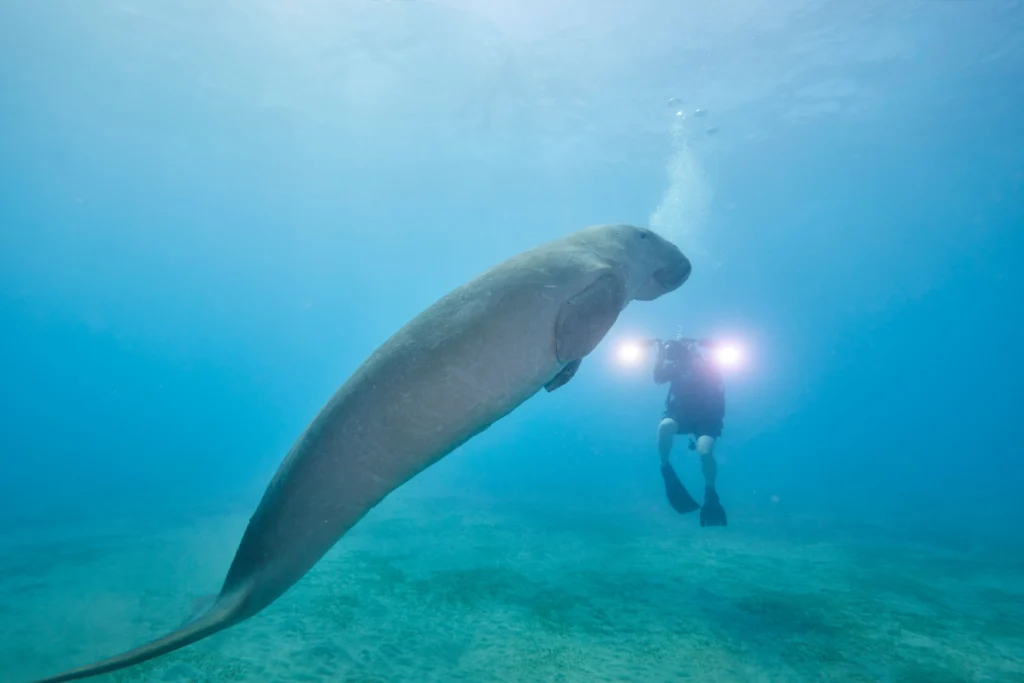
| Andaman and Nicobar Islands | Dugong (Sea Cow) | Dugong dugon | A rare marine mammal inhabiting shallow coastal waters and seagrass meadows. |
| Chandigarh | Indian Grey Mongoose | Herpestes edwardsii | A small carnivore commonly found in northern India. |
| Dadra & Nagar Haveli and Daman & Diu | No widely accepted official animal listed in several reference sources | — | Different references vary; readers should consult official government notifications for any updates. |
| Delhi | Nilgai (Blue Bull) | Boselaphus tragocamelus | Widely cited, although recent reporting has questioned whether an official notification exists. |
| Jammu & Kashmir | Hangul (Kashmir Stag) | Cervus hanglu hanglu | Retained following the reorganisation of the former state and remains an important conservation flagship. |
| Ladakh | Snow Leopard | Panthera uncia | Officially adopted after the creation of the Union Territory, reflecting the region’s high-altitude wildlife. |
| Lakshadweep | Butterfly Fish | Family Chaetodontidae | Represents the coral reef ecosystems surrounding the islands. |
| Puducherry | Indian Palm Squirrel | Funambulus palmarum | A familiar small mammal found throughout the union territory. |