

Discover India’s four biodiversity hotspots, endemic wildlife, conservation challenges, protected areas, and practical travel tips in this comprehensive guide.
Biodiversity Hotspots of India: Complete Guide to Regions, Endemic Species, Conservation & Responsible Wildlife Travel
Introduction
India occupies only a small share of the world’s land area, yet it supports an extraordinary variety of plants, animals, and ecosystems. This biological richness ranges from tropical rainforests and mountain forests to island ecosystems and alpine landscapes. Some of these regions are internationally recognised as biodiversity hotspots because they contain exceptional numbers of endemic species while also facing significant habitat loss.
India contains parts of four globally recognised biodiversity hotspots:
- Western Ghats
- Himalaya (including the Eastern Himalaya)
- Indo-Burma
- Sundaland (represented in India by the Nicobar Islands)
These regions are among the country’s highest conservation priorities because they support species found nowhere else on Earth while providing essential ecosystem services such as freshwater security, climate regulation, soil protection, and livelihoods for millions of people.
For wildlife travellers, biodiversity hotspots offer opportunities to observe distinctive landscapes, endemic wildlife, and diverse habitats. For students, researchers, and conservation enthusiasts, they provide valuable insights into evolution, ecology, and conservation biology.
This guide explains what biodiversity hotspots are, where India’s four hotspots are located, the wildlife they protect, the conservation challenges they face, and how visitors can explore them responsibly.
What Is a Biodiversity Hotspot?
A biodiversity hotspot is a region identified as a global conservation priority because it combines two important characteristics:
- It supports an exceptionally high number of endemic plant species.
- It has lost most of its original natural vegetation due to human activities.
In simple terms, a biodiversity hotspot is a place where unique wildlife survives despite significant habitat loss. Protecting these areas helps conserve species that cannot simply relocate to another region.
Origin of the Concept
The biodiversity hotspot concept was developed to help conservation organisations identify areas where limited conservation resources could have the greatest impact. Rather than focusing only on species richness, the approach prioritises regions with both high endemism and high levels of threat.
Global Criteria
To qualify as a global biodiversity hotspot, a region must satisfy two internationally accepted criteria:
| Criteria | Requirement |
| Endemic plant diversity | At least 1,500 endemic vascular plant species |
| Habitat loss | At least 70% of the original natural vegetation already lost |
These criteria ensure that hotspot designation focuses on areas where conservation action is especially urgent.
Why Biodiversity Hotspots Matter
Conserving biodiversity hotspots helps:
- Protect endemic species.
- Preserve genetic diversity.
- Maintain healthy watersheds.
- Support pollinators and ecosystem services.
- Reduce biodiversity loss.
- Improve climate resilience.
- Sustain local communities that depend on natural ecosystems.
India’s Four Biodiversity Hotspots at a Glance
India’s biodiversity hotspots span very different landscapes, from tropical mountain forests to remote island ecosystems.
| Biodiversity Hotspot | Broad Region in India | Known For |
| Western Ghats | Western Peninsular India | High plant, amphibian and mammal endemism |
| Himalaya | Northern and Northeastern India | Mountain ecosystems and diverse altitudinal habitats |
| Indo-Burma | Northeast India | Rich bird, reptile, amphibian and freshwater diversity |
| Sundaland (Nicobar Islands) | Nicobar Islands | Island endemism and globally important marine ecosystems |
Although each hotspot has unique ecological characteristics, all share two important features: exceptional biodiversity and significant conservation challenges. Understanding these differences helps wildlife travellers appreciate why each region requires different management approaches and responsible visitor practices.
Western Ghats Biodiversity Hotspot
The Western Ghats are India’s best-known biodiversity hotspot and one of the world’s most important centres of endemism. Stretching parallel to the western coast of the Indian peninsula for around 1,600 km, this mountain chain influences rainfall, river systems, climate, and ecological processes across southern India. It is recognised globally for its exceptional concentration of endemic plants, amphibians, reptiles, birds, and mammals, many of which occur nowhere else on Earth.
For wildlife travellers, the Western Ghats offer the greatest diversity of protected areas in India, ranging from evergreen rainforests and shola-grassland mosaics to moist deciduous forests and montane habitats.
Geography and Landscape
The Western Ghats extend through six Indian states:
The mountain chain acts as a natural barrier to the southwest monsoon, creating high rainfall on the western slopes while influencing climatic conditions across peninsular India. Numerous rivers, including the Godavari, Krishna, Cauvery, and Periyar, originate in or are fed by these mountains, making the region important not only for biodiversity but also for water security.
The landscape includes:
- Tropical evergreen forests
- Semi-evergreen forests
- Moist deciduous forests
- Montane shola forests
- High-altitude grasslands
- River valleys and wetlands
This variety of habitats supports an equally diverse range of wildlife.
Why the Western Ghats Are Globally Important
The Western Ghats satisfy the international criteria for biodiversity hotspot designation because they combine exceptional endemism with extensive historical habitat loss. Thousands of plant species occur here, alongside many endemic amphibians, reptiles, freshwater fishes, insects, and mammals.
Many species have evolved in isolation over millions of years due to the region’s varied elevations, rainfall patterns, and fragmented mountain landscapes.
Field Note
Many visitors expect large mammals to define the Western Ghats, but its greatest biological significance lies in its smaller wildlife. Frogs, reptiles, freshwater fish, orchids, and flowering plants contribute substantially to the region’s global conservation importance.
Flagship Wildlife
Some of India’s most distinctive wildlife species are closely associated with the Western Ghats.
Notable mammals include:
- Lion-tailed macaque
- Nilgiri tahr
- Asian elephant
- Bengal tiger
- Leopard
- Gaur
- Sloth bear
- Dhole
The region is equally important for:
- Endemic amphibians
- Rare reptiles
- Hornbills
- Malabar trogon
- Nilgiri flycatcher
- Malabar grey hornbill
- Numerous endemic freshwater fishes
Many amphibian species occupy extremely small ranges, making them especially vulnerable to habitat disturbance and climate change.
Important Protected Areas
The Western Ghats contain one of India’s largest networks of protected landscapes.
Some of the most significant include:
| Protected Area | Importance |
| Nilgiri Biosphere Reserve | India’s first biosphere reserve and a major conservation landscape |
| Silent Valley National Park | Preserves one of the finest remaining tropical evergreen forests |
| Periyar Tiger Reserve | Important for elephants, tigers, and watershed conservation |
| Eravikulam National Park | Stronghold of the Nilgiri tahr |
| Anamalai Tiger Reserve | Diverse habitats supporting elephants and large carnivores |
| Kudremukh National Park | Extensive montane forests and grasslands |
Together, these protected areas help maintain ecological connectivity across large parts of the mountain chain.
Conservation Challenges
Despite its global importance, the Western Ghats face several long-term conservation pressures.
Major threats include:
- Habitat fragmentation
- Expansion of plantations
- Infrastructure development
- Hydroelectric projects
- Invasive plant species
- Climate change
- Human-wildlife conflict in some landscapes
Because many endemic species occupy small geographical ranges, even local habitat changes can have significant ecological consequences.
Responsible Wildlife Travel
Visitors can contribute positively by:
- Choosing certified naturalists and local guides.
- Remaining on designated trails.
- Avoiding disturbance to wildlife.
- Supporting community-operated eco-tourism initiatives.
- Respecting park regulations.
- Avoiding litter and single-use plastics.
Photography Tip
The dense forests of the Western Ghats often produce low-light conditions. A telephoto lens, higher ISO settings, and patience generally produce better wildlife photographs than attempting to approach animals closely.
Eastern Himalaya Biodiversity Hotspot
The Eastern Himalaya represents one of Asia’s most biologically diverse mountain landscapes. Dramatic elevation changes—from subtropical forests to alpine meadows and snow-covered peaks—create a wide range of habitats within relatively short distances. These environmental gradients support exceptional species diversity and high levels of endemism.
Unlike the Western Ghats, where tropical forests dominate, the Eastern Himalaya contains ecosystems that change rapidly with altitude, allowing very different plant and animal communities to coexist across the region.
Geographic Extent
Within India, the Eastern Himalaya includes parts of:
These landscapes connect with neighbouring Himalayan ecosystems across Nepal, Bhutan, and Tibet, creating one of the world’s most important mountain biodiversity regions.
Habitat Diversity
The Eastern Himalaya supports:
- Tropical forests
- Subtropical broadleaf forests
- Temperate forests
- Bamboo forests
- Rhododendron forests
- Alpine meadows
- High mountain ecosystems
Temperature, rainfall, and vegetation change significantly with altitude, resulting in remarkable ecological diversity.
Wildlife Highlights
The Eastern Himalaya is known for many rare and specialised species.
Important mammals include:
- Red panda
- Himalayan black bear
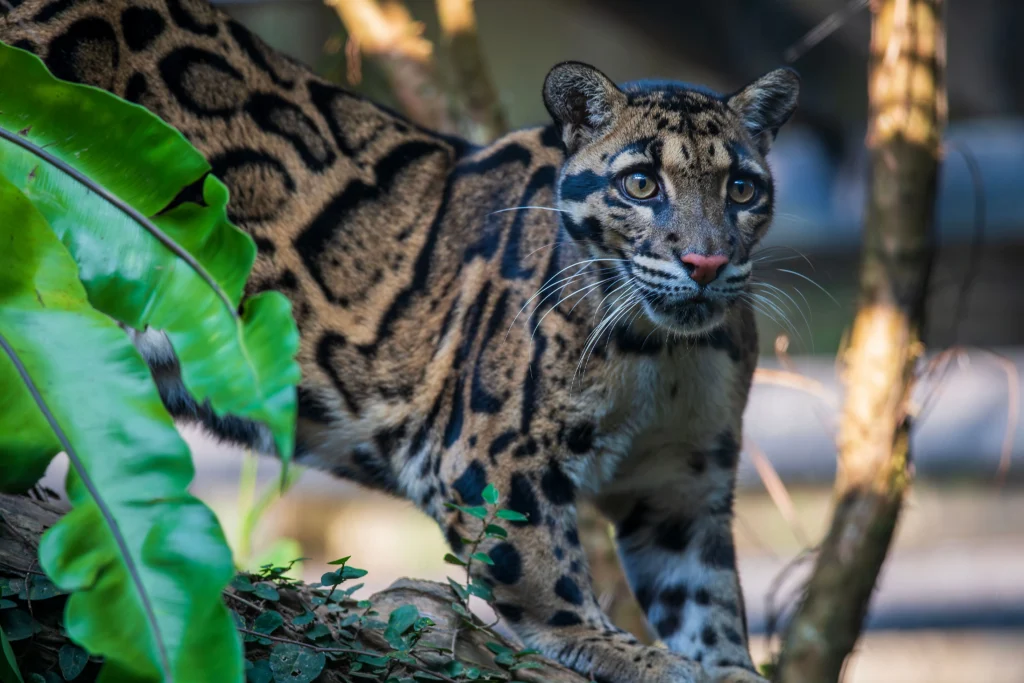
- Clouded leopard
- Takin
- Musk deer
Birdlife is equally diverse, with numerous pheasants, laughingthrushes, babblers, hornbills, and high-altitude specialists. The region also supports a rich diversity of reptiles, amphibians, butterflies, and flowering plants.
Many rivers originating in these mountains support freshwater ecosystems that are vital for both biodiversity and downstream communities.
Major Protected Areas
Several nationally significant protected areas safeguard the Eastern Himalayan ecosystem.
Examples include:
- Namdapha National Park
- Khangchendzonga National Park
- Singalila National Park
- Neora Valley National Park
These protected landscapes help conserve large forest blocks while supporting ecological connectivity across international boundaries.
Conservation Challenges
The Eastern Himalaya faces a combination of natural and human-induced pressures.
These include:
- Habitat fragmentation
- Infrastructure expansion
- Unsustainable land-use change
- Climate change affecting mountain ecosystems
- Pressure on freshwater habitats
Conservation efforts increasingly recognise the importance of involving local communities in sustainable landscape management and biodiversity protection.
Expert Tip
Weather conditions in the Eastern Himalaya can change rapidly, especially at higher elevations. Wildlife travellers should keep flexible itineraries and allow additional time for changing road conditions and mountain weather.
Indo-Burma Biodiversity Hotspot (Northeast India)
The Indo-Burma Biodiversity Hotspot extends across much of mainland Southeast Asia and includes large parts of Northeast India. Within India, it covers ecologically diverse landscapes that support tropical forests, wetlands, river systems, and hill ecosystems. This hotspot is internationally recognised for its remarkable diversity of birds, reptiles, amphibians, freshwater fish, and flowering plants.
For wildlife enthusiasts, the Indo-Burma hotspot offers experiences that differ from the Western Ghats and the Himalaya. Dense forests, floodplain grasslands, bamboo landscapes, and river valleys create habitats for species that are rarely seen elsewhere in the country.
Geographic Extent
The Indian portion of the Indo-Burma hotspot includes much of Northeast India, particularly:
- Assam
- Meghalaya
- Nagaland
- Manipur
- Mizoram
- Tripura
- Parts of Arunachal Pradesh
Many ecosystems continue across international borders into Myanmar and Southeast Asia, making conservation cooperation between neighbouring countries especially important.
Habitat Diversity
The hotspot includes a wide range of ecosystems:
- Tropical evergreen forests
- Semi-evergreen forests
- Moist deciduous forests
- Bamboo forests
- Floodplain grasslands
- Freshwater wetlands
- Riverine ecosystems
These habitats support an exceptional variety of wildlife and contribute significantly to regional freshwater resources.
Wildlife Highlights
The Indo-Burma hotspot is especially important for its diversity of vertebrates and freshwater species.
Some notable wildlife includes:
- Asian elephant
- Bengal tiger
- Clouded leopard
- Hoolock gibbon
- Golden langur
- Indian rhinoceros (within overlapping landscapes)
- Numerous hornbill species
- Rich amphibian diversity
- Freshwater turtles and fishes
The region is also one of India’s finest birdwatching destinations, with forests and wetlands supporting resident as well as migratory birds.
Field Note
While large mammals often attract visitors, Northeast India’s greatest biological significance lies in its extraordinary diversity of birds, amphibians, orchids, butterflies, and freshwater life.
Important Protected Areas
Several nationally significant protected areas lie within or overlap this hotspot, including:
| Protected Area | Importance |
| Kaziranga National Park | Globally known for the greater one-horned rhinoceros and floodplain ecosystems |
| Manas National Park | UNESCO World Heritage Site supporting tigers, elephants, and grassland wildlife |
| Dibru-Saikhowa National Park | Riverine forests and wetland biodiversity |
| Nokrek Biosphere Reserve | Rich forests and endemic plant diversity |
| Dampa Tiger Reserve | Extensive forest habitat in Mizoram |
Together, these landscapes protect representative ecosystems while maintaining habitat connectivity for wide-ranging wildlife.
Conservation Challenges
Major conservation issues include:
- Habitat fragmentation
- Expansion of roads and infrastructure
- Unsustainable land-use change
- Illegal wildlife trade
- Invasive species
- Climate-related changes affecting wetlands and forests
Because many ecosystems extend beyond national borders, effective conservation often requires international cooperation and community participation.
Responsible Wildlife Travel
Visitors can reduce their ecological impact by:
- Hiring trained local naturalists.
- Respecting community-managed forests.
- Following park regulations.
- Avoiding disturbance during bird breeding seasons.
- Supporting locally owned accommodation where available.
Nicobar Islands (Sundaland Biodiversity Hotspot)
India’s fourth biodiversity hotspot is represented by the Nicobar Islands, which form the Indian component of the globally recognised Sundaland Hotspot. Unlike the mainland hotspots, the Nicobar Islands are oceanic islands where long periods of geographic isolation have resulted in the evolution of many endemic species.
Island ecosystems are often highly sensitive because many endemic plants and animals occupy very limited geographical ranges.
Island Ecology
The Nicobar Islands support:
- Tropical evergreen forests
- Coastal forests
- Mangroves
- Coral reefs
- Seagrass beds
- Sandy nesting beaches
These interconnected terrestrial and marine ecosystems make the islands important for both biodiversity conservation and coastal ecosystem health.
Endemic Wildlife
Several species found here occur nowhere else in the world.
Important examples include:
- Nicobar megapode
- Nicobar pigeon
- Endemic reptiles
- Endemic plants
- Numerous island invertebrates
The surrounding marine ecosystems are equally significant, supporting coral reef biodiversity and important nesting beaches for leatherback sea turtles.
Conservation Importance
The Nicobar Islands illustrate how terrestrial and marine conservation are closely connected.
Healthy coral reefs, mangroves, beaches, and forests together support:
- Coastal protection
- Marine productivity
- Bird breeding habitats
- Turtle nesting sites
- Fisheries
Protecting one ecosystem often benefits several others simultaneously.
Visitor Restrictions
Unlike many mainland protected areas, access to parts of the Nicobar Islands is restricted.
These restrictions help:
- Protect fragile ecosystems.
- Safeguard indigenous communities.
- Reduce disturbance to sensitive wildlife.
- Maintain ecological integrity.
Travellers should always verify current regulations before planning any visit, as access policies may change over time.
Responsible Tourism Tip
The most responsible way to appreciate the Nicobar Islands is to respect access restrictions. Sensitive island ecosystems can be affected by even small increases in human activity.
Comparing India’s Four Biodiversity Hotspots
| Feature | Western Ghats | Eastern Himalaya | Indo-Burma | Nicobar Islands |
| Landscape | Mountain chain | High mountains | Forested hills, floodplains & wetlands | Tropical islands |
| Major Strength | Plant and amphibian endemism | Altitudinal diversity | Bird, reptile and freshwater diversity | Island endemism and marine ecosystems |
| Representative Species | Lion-tailed macaque, Nilgiri tahr | Red panda, clouded leopard | Hoolock gibbon, golden langur | Nicobar megapode, leatherback turtle |
| Major Conservation Issues | Fragmentation, plantations | Climate change, habitat loss | Infrastructure, habitat fragmentation | Island vulnerability, restricted ranges |
| Visitor Experience | Safari, trekking, birding | Mountain wildlife, trekking | Birdwatching, rainforest exploration | Highly restricted nature tourism |
Decision Guide: Which Biodiversity Hotspot Should You Explore?
| Interest | Recommended Hotspot |
| Endemic mammals | Western Ghats |
| Mountain ecosystems | Eastern Himalaya |
| Birdwatching | Indo-Burma |
| Island ecology | Nicobar Islands |
| Amphibians and reptiles | Western Ghats |
| Freshwater biodiversity | Indo-Burma |
| High-altitude flora | Eastern Himalaya |
| Marine biodiversity | Nicobar Islands |
Each hotspot contributes differently to India’s natural heritage. Together, they represent an extraordinary range of ecosystems, evolutionary histories, and conservation priorities. Understanding these differences helps travellers appreciate why no single hotspot can represent the country’s biodiversity as a whole.
Major Threats Facing India’s Biodiversity Hotspots
Although India’s biodiversity hotspots differ greatly in geography and wildlife, they face several common conservation challenges. Habitat loss remains the primary reason these regions qualify as global biodiversity hotspots, and continued human pressures make long-term conservation an ongoing priority.
Habitat Loss and Fragmentation
Expansion of agriculture, infrastructure, urban development, plantations, and other land-use changes has reduced and fragmented natural habitats across many hotspot landscapes.
Fragmentation affects wildlife by:
- Isolating animal populations.
- Restricting seasonal movements.
- Reducing genetic diversity.
- Increasing human-wildlife interactions.
- Making ecosystems less resilient to environmental change.
Species with small geographic ranges are particularly vulnerable because they have limited opportunities to relocate when habitats are altered.
Climate Change
Climate change adds further pressure to already vulnerable ecosystems.
Potential impacts include:
- Shifts in species distributions.
- Changes in flowering and breeding seasons.
- Altered rainfall patterns.
- Increased frequency of extreme weather events.
- Stress on freshwater ecosystems.
Mountain ecosystems in the Himalaya and island ecosystems in the Nicobar Islands are considered especially sensitive because species often have limited options to move to suitable habitats.
Invasive Species
Non-native plants and animals can outcompete native species, alter habitats, and disrupt ecological processes.
Managing invasive species has become an important component of conservation programmes in several protected landscapes across India’s biodiversity hotspots.
Human-Wildlife Conflict
As natural habitats become fragmented, interactions between people and wildlife may increase in some areas. Crop damage, livestock predation, and competition for resources can affect both local livelihoods and wildlife conservation.
Successful conservation increasingly depends on solutions that benefit both biodiversity and local communities.
Conservation Initiatives and Government Protection
India has developed an extensive network of protected areas, biosphere reserves, wildlife sanctuaries, and national parks that help conserve biodiversity hotspots. These efforts are complemented by scientific research, habitat restoration, community participation, and national biodiversity policies.
Protected Areas
Protected landscapes within the four hotspots include:
- National Parks
- Wildlife Sanctuaries
- Tiger Reserves
- Biosphere Reserves
- Conservation Reserves
Many of these areas safeguard representative ecosystems while also protecting endemic and threatened species.
Community Participation
Modern conservation recognises that long-term success depends on the involvement of local communities.
Community participation can include:
- Sustainable livelihoods.
- Community-managed forests.
- Eco-tourism initiatives.
- Wildlife monitoring.
- Habitat restoration.
- Environmental education.
These approaches help balance biodiversity conservation with local economic and social needs.
Scientific Research
Researchers continue to discover new plant, amphibian, reptile, and insect species from India’s biodiversity hotspots.
Ongoing scientific work supports:
- Species monitoring.
- Habitat management.
- Climate impact assessment.
- Restoration planning.
- Conservation policy development.
Because ecological knowledge continues to evolve, conservation priorities are regularly refined using new research findings.
How to Visit Biodiversity Hotspots Responsibly
Responsible tourism helps minimise environmental impacts while supporting conservation and local communities.
Practical Checklist
Before your visit:
✔ Choose authorised guides whenever possible.
✔ Follow all protected-area regulations.
✔ Stay on designated roads and walking trails.
✔ Maintain safe distances from wildlife.
✔ Avoid feeding animals.
✔ Carry reusable water bottles and minimise plastic waste.
✔ Respect local customs and indigenous communities.
✔ Support locally owned accommodation and services where appropriate.
✔ Keep noise levels low during wildlife observation.
✔ Leave natural objects exactly where you find them.
Photography Tip
Ethical wildlife photography always prioritises animal welfare over getting a close photograph. If your presence changes an animal’s behaviour, increase your distance immediately.
Family Travel Tip
When visiting biodiversity-rich forests with children, focus on observing insects, birds, butterflies, plants, and forest sounds rather than expecting sightings of large mammals. This creates a more enjoyable and educational experience for young visitors.
Expert Tip
Each biodiversity hotspot offers different experiences throughout the year. Before planning a trip, check the official information provided by the relevant state forest department or protected-area authority for seasonal access, weather conditions, and visitor regulations, as these may change.
Common Mistakes
Visitors and readers often misunderstand biodiversity hotspots. Avoid these common mistakes:
- Assuming hotspots simply contain the largest number of species rather than understanding the importance of endemism and habitat loss.
- Confusing biodiversity hotspots with national parks or wildlife sanctuaries.
- Expecting every hotspot to offer similar wildlife-viewing opportunities.
- Disturbing wildlife in pursuit of photographs.
- Ignoring local regulations or access restrictions.
- Assuming all endemic species are easy to observe in the wild.
- Overlooking the importance of smaller organisms such as amphibians, reptiles, insects, and plants in maintaining ecosystem health.
Frequently Asked Questions
How many biodiversity hotspots are found in India?
India contains parts of four globally recognised biodiversity hotspots: the Western Ghats, Himalaya, Indo-Burma, and Sundaland (represented by the Nicobar Islands).
Which biodiversity hotspot has the highest number of endemic species?
Each hotspot is known for different groups of endemic organisms. The Western Ghats are particularly recognised for endemic plants, amphibians, and reptiles, while the Eastern Himalaya and Indo-Burma are notable for their diverse mountain and forest wildlife.
Are biodiversity hotspots the same as protected areas?
No. Biodiversity hotspots are large biogeographic regions identified using international criteria. They may include protected areas, agricultural landscapes, community forests, and human settlements.
Can tourists visit all four biodiversity hotspots?
Many protected areas within the Western Ghats, Himalaya, and Indo-Burma are open to visitors under regulated conditions. Access to parts of the Nicobar Islands is restricted to protect sensitive ecosystems and indigenous communities.
Why are endemic species important?
Endemic species occur naturally in only one particular region. Their loss would represent a permanent reduction in global biodiversity because they do not exist elsewhere.
Which hotspot is best for wildlife photography?
The answer depends on your interests:
- Western Ghats — endemic mammals, amphibians, and rainforest birds.
- Eastern Himalaya — mountain wildlife and alpine landscapes.
- Indo-Burma — birds, wetlands, and rainforest biodiversity.
- Nicobar Islands — island ecosystems and marine biodiversity (subject to visitor regulations).
Conclusion
India’s four biodiversity hotspots represent some of the country’s most valuable natural landscapes. From the rainforests of the Western Ghats to the mountain ecosystems of the Himalaya, the forests and wetlands of Northeast India, and the isolated island ecosystems of the Nicobar Islands, each hotspot contributes uniquely to global biodiversity.
These regions are more than collections of rare species. They protect freshwater sources, regulate climate, support local communities, preserve evolutionary history, and maintain ecological processes that benefit millions of people.
For wildlife travellers, biodiversity hotspots provide opportunities to experience India’s ecological diversity beyond traditional safari destinations. For students, researchers, and conservation enthusiasts, they offer valuable insights into ecology, evolution, and sustainable conservation.
Understanding why these regions matter is the first step toward protecting them. Responsible travel, informed decision-making, scientific research, and community participation all contribute to ensuring that India’s biodiversity hotspots continue to support wildlife and people for generations to come.
Safari Planning : Topics Cluster
- How to book a wildlife safari in India?
- Park by Park Online Safari Booking Guide
- Tiger Safari India Planning Workbook
- Park by Park Safari Permits Guide
- National Parks Permit Guide – Park by Park Guide
- Tatkal Safari Booking Guide – Last Minute Safari Permits Booking
- Tiger Safari in India Cost
- Indian Wildlife Safari Budget Planner
- Jeep vs Canter Safari
- Best time for Tiger Sightings in India
- How far advanced should you book safari permits?
- Can foreigners book Indian Wildlife Safari online?
- Special Permits Guide for Foreigners and Domestic Visitors
- How to book a Safari Permit online in India? 2026 step by step guide
- Senior Citizens Friendly Safari Planning
- Multi Generation Family Safari Planning
- 50 things to know before your first safari in India