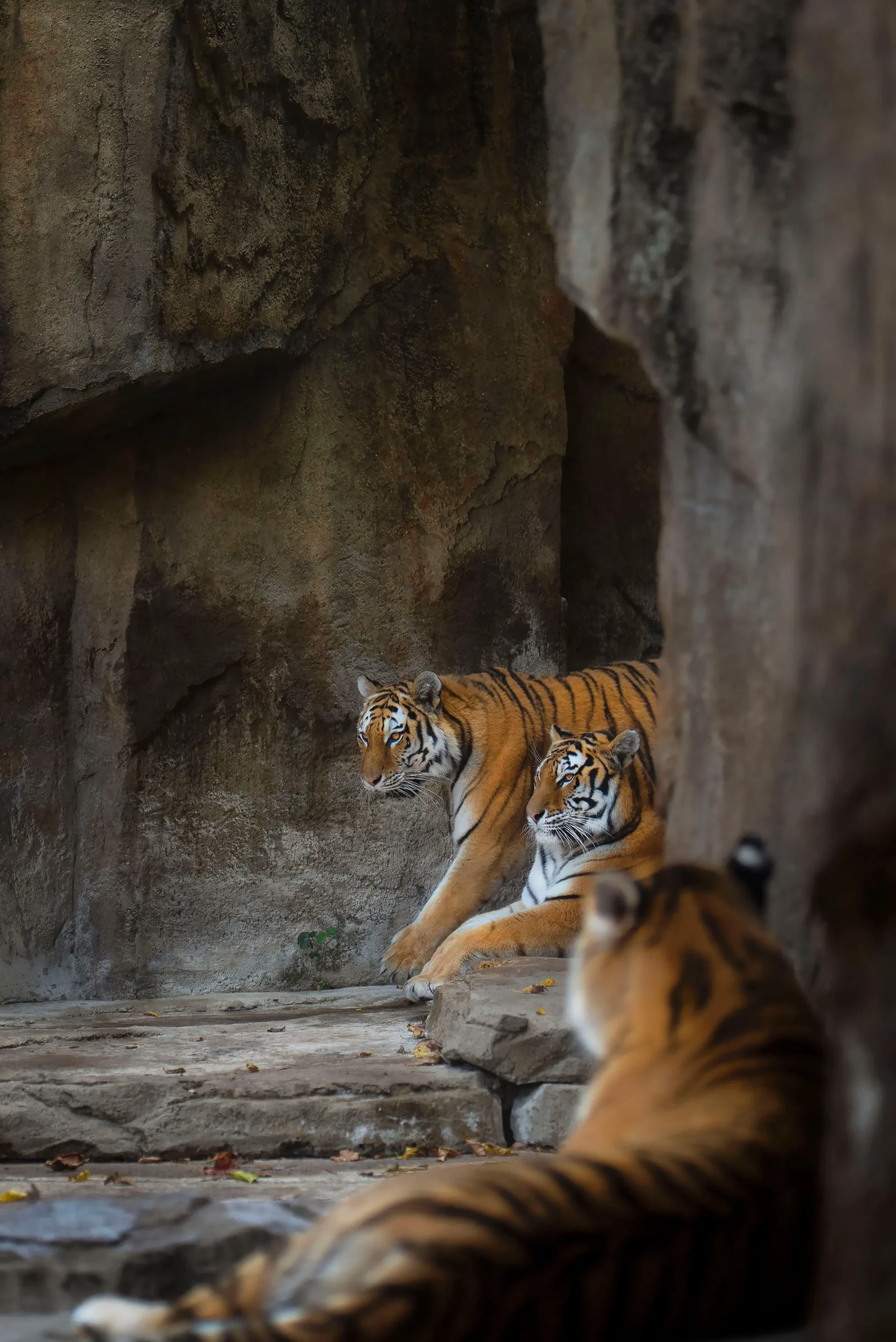
Learn how to improve your chances of seeing a tiger in Pench with expert advice on safari gates, seasons, timings, tracking signs, and practical safari planning.
Pench Tiger Sighting Guide: How to Maximize Your Chances
Seeing a tiger in the wild is one of the main reasons people visit Pench Tiger Reserve. While Pench has a healthy tiger population and a strong prey base, no safari can guarantee a sighting. Your chances depend on several factors working together, including the safari gate you choose, the season, the time of day, current animal movement, and how well your guide reads signs in the forest.
The good news is that thoughtful planning can improve your odds. Choosing the right gate, visiting during favourable months, booking more than one safari, and understanding how tigers use their habitat all increase the likelihood of a rewarding safari. Even when a tiger remains out of sight, Pench offers opportunities to observe leopards, dholes, gaur, deer, and a wide variety of birds.
Quick Facts
| Feature | Information |
| Best known for | Tigers, leopards, dholes and healthy deciduous forests |
| Park season | Generally open from 1 October to 15 June |
| Best months for tiger sightings | March to May, with good wildlife viewing also in November and December |
| Daily safari sessions | Morning and afternoon |
| Main tourism gates | Turia, Karmajhiri and Jamtara |
| Also worth considering | Maharashtra-side gates such as Sillari and Khursapar |
Field Note: A successful safari is not measured only by seeing a tiger. Watching alarm calls spread through the forest, tracking fresh pugmarks, or observing a pack of wild dogs can be equally memorable and offers a deeper understanding of Pench’s ecology.
How Good Are Tiger Sightings in Pench?
Pench is widely regarded as one of Central India’s leading tiger reserves because it supports a healthy population of large predators alongside abundant prey. Recent wildlife monitoring in the Maharashtra portion of the reserve recorded a gradual increase in adult tiger numbers and rising prey density, indicating that the habitat continues to support a stable predator–prey relationship.
For visitors, these figures are encouraging, but they should not be interpreted as a promise of frequent sightings. Tigers roam across large territories, and their daily movements are influenced by water availability, prey, breeding behaviour, and human disturbance. A tiger may be photographed repeatedly in one area for several days and then disappear into another part of its territory for weeks.
Why Prey Density Matters
Many safari discussions focus only on tiger numbers, but experienced naturalists also pay close attention to prey animals.
Pench supports populations of:
- Chital (spotted deer)
- Sambar
- Gaur
- Wild boar
- Nilgai
- Langur
These animals form the primary food base for tigers. Areas where prey regularly congregates—especially near water during the dry season—often become important hunting grounds. Rather than searching randomly, guides look for places where prey behaviour suggests that a predator may be nearby.
Expert Tip: If your guide suddenly becomes attentive to repeated deer alarm calls or fresh pugmarks on the road, remain quiet. These signs often indicate recent tiger movement, even if the animal is not immediately visible.
What Determines Your Chances of Seeing a Tiger?
Many first-time visitors assume tiger sightings are purely a matter of luck. In reality, several practical factors influence the outcome of a safari.
1. Choosing the Right Safari Gate
Each gate provides access to different parts of the reserve. Some are better suited to first-time visitors, while others may appeal to photographers or travellers looking for quieter routes. Choosing a gate that matches your travel plans can make your safari more efficient.
2. Season
As water sources shrink during summer, wildlife often becomes more concentrated around remaining waterholes, making animals easier to locate. During cooler months, tigers may move throughout the forest for longer periods, creating different viewing patterns.
3. Safari Timing
Morning and afternoon drives each have advantages. Light conditions, temperature, and animal behaviour vary throughout the day, so booking both sessions provides a broader opportunity to encounter wildlife.
4. Guide Experience
Experienced guides do far more than drive along forest roads. They interpret alarm calls, identify fresh tracks, monitor recent sightings shared over the wireless network, and understand how seasonal conditions influence animal movement.
5. Number of Safaris
One safari offers only a brief snapshot of a vast forest. Booking two or more safaris—ideally across different gates or time slots—reduces the impact of chance and exposes you to different habitats and wildlife activity patterns.
Decision Guide: What Improves Tiger Sighting Chances?
| Factor | Influence |
| Multiple safaris | High |
| Choosing the appropriate gate | High |
| Visiting in favourable seasons | High |
| Skilled guide and driver | High |
| Morning and afternoon combination | Moderate to High |
| Weather and recent animal movement | Variable and beyond visitor control |
Best Safari Gates for Tiger Sightings
Choosing the right safari gate is one of the few decisions you can control before your trip. Every gate provides access to a different part of Pench, and each has its own character. No gate can guarantee tiger sightings, but some are better suited to certain types of visitors or travel plans than others.
Rather than asking, “Which gate always has the most tigers?”, a better question is, “Which gate best matches my priorities?” Your choice should depend on where you’re staying, how many safaris you plan to take, and whether your focus is tiger tracking, photography, or a quieter forest experience.
Turia Gate
Turia is the most popular entry point into the Madhya Pradesh side of Pench and is often the first choice for visitors making their first trip.
Its popularity comes from practical reasons rather than guaranteed sightings:
- Good tourism infrastructure
- Large selection of nearby resorts
- Easy road connectivity
- Frequent choice by experienced safari operators
- Convenient for travellers arriving from Nagpur
Because many visitors stay near Turia, safari demand here is also higher. During peak holiday periods, vehicles can gather quickly when a tiger is reported nearby.
Who Should Choose Turia?
Turia is ideal for:
- First-time visitors
- Families
- Travellers staying for only one or two safaris
- Visitors who want the widest choice of accommodation
Family Travel Tip: Staying within a short drive of your safari gate makes early morning departures much easier, especially when travelling with children.
Karmajhiri Gate
Karmajhiri provides access to another important section of the reserve and is often appreciated by visitors looking for a slightly quieter safari experience.
Instead of focusing only on tiger sightings, many experienced travellers value Karmajhiri because the overall safari often feels less crowded while still offering opportunities to encounter major wildlife.
Depending on current animal movement, guides may track:
- Tigers
- Leopards
- Gaur
- Wild dogs (dholes)
- Sambar
- Chital
- Rich birdlife
Because wildlife moves freely across the landscape, recent sightings matter far more than historical reputation.
Best For
- Repeat visitors
- Wildlife enthusiasts
- Photographers seeking fewer vehicles
- Visitors spending several days in Pench
Field Note: Some of the most memorable sightings occur when only a handful of vehicles are present. A quieter road can often provide a more relaxed wildlife encounter than a crowded sighting.
Jamtara Gate
Jamtara receives fewer visitors than Turia but offers access to a different part of the reserve.
It appeals to travellers who prefer:
- Less traffic
- Peaceful forest drives
- A slower safari pace
Jamtara should not be viewed as a “backup” gate. Wildlife movement changes continually, and excellent sightings can occur from any gate when conditions are favourable.
If you’re planning multiple safaris, including one through Jamtara can expose you to different habitats and increase the diversity of your overall experience.
Maharashtra-side Gates
The Maharashtra section of Pench has developed steadily over recent years and includes gates such as:
- Sillari
- Khursapar
- Chorbahuli
- Kolitmara
- Khubala
- Surewani
These gates provide access to landscapes that support healthy populations of tigers, leopards and prey species. Recent wildlife monitoring from the Maharashtra reserve indicates stable predator numbers and an increasing prey base, highlighting the ecological importance of this side of Pench.
Visitors staying near Nagpur often find these gates particularly convenient because travel times may be shorter than reaching some Madhya Pradesh gates.
Which Gate Should You Choose?
There is no universally “best” gate.
Instead, choose according to your travel goals.
| Traveller Type | Recommended Choice |
| First-time visitor | Turia |
| Family holiday | Turia |
| Multiple safari itinerary | Combine Turia with Karmajhiri or Jamtara |
| Wildlife enthusiast | Karmajhiri or Maharashtra gates |
| Photographer | Any gate with recent wildlife movement and experienced guides |
| Staying near Nagpur | Consider Maharashtra-side gates |
Expert Tip: If your itinerary allows three or four safaris, avoid booking every drive through the same gate. Different zones expose you to different habitats and improve your chances of encountering varied wildlife.
Best Time to See Tigers in Pench
Tiger sightings in Pench are influenced more by animal behaviour than by the calendar. However, seasonal changes affect where wildlife concentrates, making some months more favourable for observation.
The park is generally open from 1 October to 15 June and remains closed during the monsoon season to allow habitat recovery and road maintenance.
Summer (March to June)
For many experienced naturalists, summer offers the best opportunity to observe tigers.
As temperatures rise:
- Water sources become limited.
- Prey animals gather around permanent waterholes.
- Tigers visit these areas more regularly.
- Forest vegetation becomes less dense, improving visibility.
Although afternoon temperatures can be demanding, wildlife activity near water often rewards patient observers.
Why Summer Works
- Better visibility through drier forests
- Increased wildlife concentration
- Easier tracking using fresh pugmarks on dusty roads
- More predictable movement near water
Winter (October to February)
Winter is the most comfortable season for visitors and remains an excellent time for wildlife viewing.
The landscape is greener after the monsoon, bird activity is high, and daytime temperatures are pleasant.
However, because water is widely available throughout the forest, wildlife is more dispersed than in late summer.
Winter is especially suitable for:
- Families
- Birdwatchers
- First-time safari travellers
- Visitors combining wildlife with sightseeing
Monsoon Closure
Pench normally remains closed from 1 July to 30 September.
Heavy rainfall makes many forest roads unsuitable for tourism while giving vegetation and wildlife an opportunity to recover with minimal disturbance.
Month-by-Month Expectations
| Period | What to Expect |
| October | Fresh green forests, pleasant weather, wildlife gradually becoming easier to locate |
| November–December | Comfortable safaris, excellent birdwatching, good overall wildlife activity |
| January–February | Cool mornings, enjoyable conditions, steady wildlife sightings |
| March | Increasing tiger activity around water sources |
| April | Strong opportunities for observing large mammals near water |
| May–Mid June | Warmest period but often among the most rewarding months for tiger enthusiasts |
| July–September | Park generally closed during monsoon |
Photography Tip: March to May often provides cleaner backgrounds and better visibility through thinner vegetation, while November offers attractive green landscapes after the rains.
Morning vs Afternoon Safari
Both safari sessions can produce excellent sightings, and neither consistently outperforms the other.
Experienced visitors often recommend booking one morning and one afternoon drive rather than choosing only one slot.
| Feature | Morning Safari | Afternoon Safari |
| Temperature | Cooler | Warmer |
| Light | Soft early light | Golden evening light |
| Animal activity | High after sunrise | Active near sunset and waterholes |
| Birdwatching | Excellent | Good |
| Photography | Soft natural light | Warm colours and dramatic shadows |
Decision Guide: If your schedule allows only one safari, choose the slot with the best recent sighting reports. If you’re booking two or more safaris, combine both morning and afternoon sessions for a more balanced wildlife experience.
How Naturalists Find Tigers During a Safari
Many first-time visitors imagine that tiger sightings happen by chance. In reality, experienced guides and drivers spend the safari constantly interpreting clues left by wildlife. Rather than searching every corner of the forest, they build a picture of where a tiger may have moved recently using sounds, tracks and animal behaviour.
Learning to recognise these signs makes every safari more engaging, even if a tiger never appears.
Alarm Calls
One of the most reliable clues is the alarm call.
When a predator is nearby, prey animals often produce repeated warning calls to alert others.
Common alarm-call species include:
- Chital (spotted deer)
- Sambar
- Langur
Experienced guides pay attention to:
- Which species is calling
- The direction of the calls
- Whether the calls are moving
- How long they continue
A single alarm call may indicate uncertainty, but repeated calls from several animals often suggest that a predator is still nearby.
Field Note: Try listening as much as watching. The forest often reveals a predator long before it becomes visible.
Pugmarks
Fresh pugmarks are another important clue.
On dry forest roads, tiger footprints may remain visible for several hours depending on weather and vehicle movement.
Guides assess:
- Freshness of the tracks
- Direction of travel
- Size of the animal
- Whether the tracks belong to an adult or cub
- Whether multiple animals have passed
Fresh pugmarks heading towards a nearby waterhole or dense vegetation often encourage guides to continue searching that area.
Fresh Tracks and Road Use
Tigers frequently use forest roads because walking is easier than moving through dense vegetation.
Early morning safaris often reveal:
- Fresh footprints
- Tail drag marks
- Disturbed dust
- Recently crossed roads
These signs help guides estimate how recently a tiger passed through.
However, even fresh tracks do not guarantee that the animal is still nearby, as a tiger may travel several kilometres in a relatively short time.
Waterholes
Water becomes especially important during the hotter months.
As temperatures rise:
- Tigers visit water to drink.
- They often rest in shaded areas nearby.
- Prey species also gather around permanent water sources.
For this reason, guides regularly check roads leading to waterholes during summer safaris.
Rather than waiting beside a single water source, they usually combine recent sighting information with fresh field signs before deciding where to search.
Animal Behaviour
Guides observe far more than tracks.
Changes in wildlife behaviour can reveal the presence of a predator.
Examples include:
- Deer suddenly becoming alert
- Langurs staring repeatedly into the forest
- Peafowl giving loud warning calls
- Groups of herbivores stopping their feeding
Individually, these signs may mean little. Together, they help experienced trackers decide where to spend valuable safari time.
Expert Tip: When your guide stops the vehicle and asks everyone to remain quiet, resist the urge to talk or stand up. Remaining still improves everyone’s chances of spotting wildlife before it disappears into the forest.
Why Prey Species Matter
Healthy tiger populations depend on healthy prey populations.
A forest with abundant herbivores can support more large predators than one with limited food resources.
Recent monitoring in Pench has shown a strong prey base, reinforcing the reserve’s reputation as productive tiger habitat.
Understanding prey behaviour also helps explain why tigers appear in certain places at certain times.
Chital (Spotted Deer)
Chital are among the most common prey animals in Pench.
Visitors frequently encounter large herds grazing in open woodland.
Because they are highly alert, chital often provide the earliest warning that a predator is nearby.
Watching their behaviour can be as informative as looking for the tiger itself.
Sambar
Sambar are larger deer and are particularly valued by trackers because of their loud, deep alarm calls.
Unlike the shorter calls of chital, a sambar alarm call can continue for several minutes if a predator remains in the area.
Many experienced guides immediately pay attention when a sambar begins calling repeatedly.
Gaur
India’s largest wild bovine is another important part of Pench’s ecosystem.
Although adult gaur are formidable animals, calves remain vulnerable to tiger predation.
Large gaur herds are therefore another indicator of productive grazing areas that may attract predators.
Seeing gaur is often a highlight of a safari in its own right.
Wild Boar
Wild boar occur throughout Pench and contribute to the prey base available to large carnivores.
Their rooting behaviour also influences the forest floor, creating feeding opportunities for many smaller species.
Why Water Matters
Water shapes wildlife movement throughout the year.
During winter, numerous seasonal water sources remain available, allowing animals to spread across the forest.
By late summer, many of these dry up.
As a result:
- Herbivores gather near permanent water.
- Predators follow prey.
- Guides focus attention on known wildlife corridors leading to these areas.
This seasonal concentration is one reason why many experienced visitors favour March to May for tiger-focused safaris.
Comparison: Common Prey Species
| Species | Importance for Tigers | What Visitors Can Learn |
| Chital | Major prey species | Watch for alarm calls and herd behaviour |
| Sambar | Large prey species | Deep alarm calls often indicate predators |
| Gaur | Occasional prey, especially calves | Indicates productive grazing habitat |
| Wild Boar | Regular prey | Common throughout many habitats |
| Nilgai | Additional prey species | Often seen in more open areas |
Responsible Tourism Tip: Never ask your guide to leave designated roads or chase wildlife. Ethical safaris prioritise animal welfare over close encounters, helping ensure that Pench remains a healthy habitat for future generations.
Core Zones vs Buffer Zones
Many visitors assume that only the core area is worth visiting. In reality, both core and buffer zones have distinct strengths, and each contributes to the conservation of the wider Pench landscape.
Core Zones
Core zones are the most protected parts of the reserve.
These areas typically receive the greatest attention from visitors because they contain high-quality wildlife habitat and established safari routes.
They are well suited for travellers whose primary goal is observing large mammals.
Buffer Zones
Buffer zones surround the core and serve as important transition areas between protected forests and human settlements.
These areas should not be viewed simply as overflow safari routes.
Wildlife moves freely between core and buffer landscapes, and tigers, leopards and other species may all be encountered depending on current movement patterns.
Buffer safaris often offer:
- Fewer vehicles
- A quieter atmosphere
- Different habitats
- Opportunities to observe a wider range of wildlife
Core vs Buffer: At a Glance
| Feature | Core Zone | Buffer Zone |
| Main focus | Protected wildlife habitat | Transition landscape with wildlife movement |
| Visitor numbers | Usually higher | Often lower |
| Safari experience | Popular and well established | Generally quieter |
| Wildlife | Tigers, leopards, herbivores, birds | Similar species depending on movement |
| Best for | First-time visitors | Repeat visitors and those seeking a different experience |
Decision Guide: If you are planning three or more safaris, combining core and buffer drives provides a broader understanding of Pench’s ecology rather than repeating the same experience.
Tiger Photography Tips
Capturing a memorable wildlife photograph depends on preparation as much as luck.
Arrive Ready
Keep your camera switched on before entering areas where wildlife activity is expected. Many sightings last only a few seconds.
Focus on Behaviour
Rather than aiming only for a close portrait, look for behaviour:
- A tiger listening to alarm calls
- Cubs interacting
- A tiger drinking at a waterhole
- Animals crossing the road
- Interactions between predators and prey
Behavioural photographs often tell a stronger story than static images.
Respect the Animal
Avoid asking drivers to reposition the vehicle repeatedly or block another vehicle’s view.
Ethical photography always places wildlife welfare above obtaining a closer image.
Photography Tip: If a tiger walks directly towards the safari vehicle, resist the temptation to change lenses repeatedly. Continue shooting calmly and enjoy the moment—some of the best images come from simply staying prepared.
Pench National Park : Topics Cluster
- Pench Detailed Guide MP and Maharashtra Gates
- Pench National Park Quick Guide
- Pench Jungle Book Connection
- Pench Safari Booking Step by Step Guide
- How to reach Pench National Park?
- Pench Safari Zones
- Best Tiger Safaris around Nagpur
- Tiger Safari India Planning Workbook
- Wildlife in Madhya Pradesh
- Wildlife in Maharashtra
- Tadoba vs Pench
- Satpura vs Pench