Plan your Valley of Flowers National Park trip with this complete guide covering the best time to visit, trek, permits, wildlife, flowers, itinerary, and travel tips.
Introduction, Park Overview & Why Visit
Valley of Flowers National Park: The Complete Travel Guide
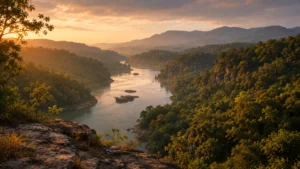
Few places in the Indian Himalayas change as dramatically with the seasons as Valley of Flowers National Park. For much of the year, the valley remains buried under snow. Then, with the arrival of the monsoon, alpine meadows transform into a landscape filled with seasonal wildflowers, streams fed by melting glaciers, and green mountain slopes.
Located in Uttarakhand’s Chamoli district, the park attracts trekkers, botanists, photographers, pilgrims, and nature enthusiasts from across the world. While its colourful meadows are the main attraction, the valley is also an important protected ecosystem that supports alpine plants, rare Himalayan mammals, and fragile mountain habitats. It forms part of the UNESCO-listed Nanda Devi and Valley of Flowers National Parks World Heritage Site, recognised for both its natural beauty and ecological significance.
Unlike many Himalayan destinations, Valley of Flowers is not a place to visit by road. Reaching it requires a scenic trek from Ghangaria, making the journey an integral part of the experience. Visitors spend time walking through forests, crossing mountain streams, and gradually entering one of India’s best-known alpine landscapes.
Whether you are planning your first Himalayan trek, hoping to photograph seasonal blooms, or combining the visit with Hemkund Sahib, understanding the park’s seasonality, trekking logistics, and conservation rules will help you plan a more rewarding trip.
Valley of Flowers National Park at a Glance
| Feature | Details |
| State | Uttarakhand |
| District | Chamoli |
| UNESCO Status | Part of the Nanda Devi and Valley of Flowers National Parks World Heritage Site |
| Best Known For | Alpine flower meadows, high-altitude biodiversity, Himalayan trekking |
| Typical Visitor Season | June to October (subject to official seasonal opening and closing dates) |
| Access | Trek from Ghangaria |
| Nearby Destinations | Hemkund Sahib, Govindghat, Joshimath, Nanda Devi landscape |
Why Is Valley of Flowers Famous?
Valley of Flowers is celebrated for its seasonal display of alpine flowers rather than dramatic wildlife sightings. During the monsoon months, different plant species bloom in succession, so the appearance of the valley changes throughout the season.
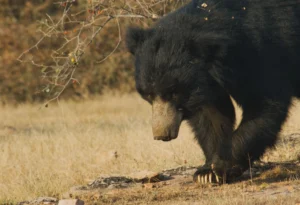
The park also represents an important Himalayan ecosystem where alpine meadows, forests, streams, and surrounding mountain slopes support a variety of plant and animal life. Large mammals such as the snow leopard, Himalayan musk deer, Asiatic black bear, brown bear, and bharal inhabit the broader landscape, although they are rarely seen by visitors.
Another reason for its global recognition is its conservation value. UNESCO recognises the site for its exceptional alpine flora and its contribution to preserving Himalayan biodiversity within the larger Nanda Devi Biosphere Reserve.
Field Note
Many first-time visitors expect the valley to remain carpeted with flowers throughout the season. In reality, flowering changes continuously depending on the month, rainfall, altitude, and local weather. Every visit offers a slightly different landscape, which is one reason many trekkers return more than once.
Why Visit Valley of Flowers?
The park appeals to different kinds of travellers for different reasons:
- Experience one of India’s best-known alpine meadow ecosystems.
- See seasonal Himalayan wildflowers in bloom.
- Enjoy a moderate Himalayan trek suitable for many first-time trekkers with reasonable fitness.
- Visit a UNESCO World Heritage Site.
- Combine the journey with Hemkund Sahib for a longer mountain itinerary.
- Learn about Himalayan conservation and alpine ecology in a protected national park.
Unlike destinations where wildlife sightings are the main attraction, Valley of Flowers rewards visitors through its landscapes, seasonal vegetation, and peaceful mountain environment. Patience, slow walking, and careful observation often reveal the greatest highlights.
Best Time to Visit, How to Reach & Entry Information
Best Time to Visit Valley of Flowers National Park
The best time to visit depends on what you hope to see. While the park is generally open only during the summer and monsoon season, the landscape changes noticeably from month to month. Flower species bloom in succession rather than all at once, so no two visits are exactly alike.
Month-by-Month Guide
| Month | What to Expect | Best For |
| June | Snow has recently melted, fresh greenery begins to appear, and early alpine flowers start blooming. | Peaceful trekking, fewer visitors |
| July | Meadows become increasingly colourful as more species bloom. Frequent rainfall is common. | Flower photography and nature enthusiasts |
| August | Usually the peak flowering period, with the widest variety of alpine flowers. | First-time visitors, photographers |
| September | Many flowers begin to fade, but clear mountain views often improve as the monsoon weakens. | Landscape photography and quieter trails |
| October | Visitor season generally ends as temperatures fall and snowfall approaches. | Late-season trekking before annual closure |
Which Month Should You Choose?
Choose June if you:
- Prefer quieter trekking routes.
- Enjoy lush green mountain landscapes.
- Don’t mind seeing fewer flowering species.
Choose July or August if you:
- Want the greatest variety of wildflowers.
- Are primarily interested in botanical photography.
- Don’t mind regular monsoon showers.
Choose September if you:
- Prefer fewer crowds.
- Enjoy clearer Himalayan views after the rains.
- Want comfortable trekking conditions.
Expert Tip
Do not assume that “peak bloom” occurs on exactly the same dates every year. Rainfall, snowmelt, and local weather influence flowering patterns, so bloom intensity can vary between seasons.
How to Reach Valley of Flowers National Park
One of the most common misconceptions is that visitors can drive directly to the Valley of Flowers. In reality, reaching the national park involves both road travel and trekking.
The journey begins with a road trip through Uttarakhand before continuing on foot from Ghangaria, the last settlement before the park.
Step 1: Reach Govindghat
Govindghat serves as the main roadhead for both Valley of Flowers and Hemkund Sahib.
Many visitors travel via:
- Delhi
- Haridwar
- Rishikesh
- Dehradun
From these cities, buses, shared taxis, and private vehicles operate towards Joshimath and Govindghat during the trekking season.
Step 2: Govindghat to Ghangaria
From Govindghat, visitors continue to Ghangaria via a mountain trail.
Ghangaria acts as the base village for both:
- Valley of Flowers National Park
- Hemkund Sahib
Most visitors spend at least one night here before visiting the park.
Step 3: Ghangaria to Valley of Flowers
The final section is a day trek into the national park.
Visitors enter the protected area in the morning, explore designated trails, and return to Ghangaria on the same day because overnight stays inside the national park are generally not permitted.
Valley of Flowers and Hemkund Sahib
Since both destinations share the same approach route up to Ghangaria, many travellers combine them into a single trip.
| Valley of Flowers | Hemkund Sahib |
| UNESCO World Heritage National Park | High-altitude Sikh pilgrimage site |
| Famous for alpine flowers | Famous for its sacred glacial lake and gurudwara |
| Easier day trek | Steeper and more demanding climb |
| Best for nature and photography | Best for pilgrims and mountain views |
Decision Guide
Choose only Valley of Flowers if your priority is:
- Wildflowers
- Nature photography
- Alpine ecology
- A relatively easier trekking experience
Choose both destinations if you have additional time, are reasonably fit, and wish to combine nature with one of India’s most important high-altitude pilgrimage sites.
Entry Fees, Permits & Visiting Rules
Because Valley of Flowers is a protected national park, visitors must follow official entry regulations designed to minimise ecological disturbance.
Entry Permit
Visitors require an entry permit before entering the national park.
Permits are checked at the entrance near Ghangaria before beginning the day’s walk through the valley. Always verify the latest fee structure before travelling, as official charges may change over time.
Visiting Hours
Recent visitor information indicates:
| Information | Details |
| Entry begins | Around 7:00 AM |
| Last entry | Around 2:00 PM |
| Visitors expected to exit | By approximately 5:00 PM |
These timings may be revised depending on weather conditions or forest department regulations.
Important Park Rules
Visitors should expect regulations such as:
- Stay on designated trekking paths.
- Do not pick flowers or collect plants.
- Avoid disturbing wildlife.
- Carry all waste back with you.
- Follow instructions issued by forest officials.
- Overnight camping inside the core park is generally not permitted.
Responsible Tourism Tip
The Valley of Flowers is internationally recognised for its fragile alpine ecosystem. Even small actions—such as stepping off marked trails or picking a single flower—can damage vegetation that survives only during a short growing season. Responsible behaviour helps preserve this landscape for future visitors and ongoing scientific research.
Valley of Flowers Trek Guide, Flowers, Wildlife & Biodiversity
Valley of Flowers Trek Guide
The trek to Valley of Flowers is considered moderately difficult. Most people with a reasonable level of fitness can complete it, but the high altitude, changing weather, and mountain terrain make preparation important.
Unlike technical Himalayan expeditions, the route does not require mountaineering skills. However, visitors should be comfortable walking for several hours on uneven trails and gradual climbs.
Trek Overview
| Feature | Details |
| Starting Point | Ghangaria |
| Destination | Valley of Flowers National Park |
| Trek Type | Day trek (return to Ghangaria) |
| Terrain | Well-defined mountain trail |
| Difficulty | Moderate |
| Suitable For | Beginners with good fitness, regular trekkers, families with older children |
Is the Trek Suitable for Beginners?
Yes, many first-time Himalayan trekkers successfully complete the Valley of Flowers trek each year.
However, beginners should prepare by:
- Walking regularly for several weeks before the trip.
- Building leg strength through stair climbing or hiking.
- Carrying only essential gear.
- Staying hydrated.
- Allowing time to adjust to the altitude at Ghangaria.
Visitors with heart, respiratory, or mobility issues should seek medical advice before attempting the trek.
Suggested Itinerary
Although itineraries vary, many visitors follow a plan similar to this:
Day 1: Reach Govindghat.
Day 2: Trek to Ghangaria and stay overnight.
Day 3: Visit Valley of Flowers and return to Ghangaria.
Day 4: Visit Hemkund Sahib (optional) or begin the return journey.
Adding an extra day provides flexibility if weather affects trekking conditions.
Photography Tip
Morning light often provides softer illumination for flower photography. Since entry is only permitted during designated hours, starting early also allows more time to explore before afternoon clouds or rain become more likely.
Flowers of Valley of Flowers
Flowers are the main reason most visitors come to the park. Unlike ornamental gardens, the valley’s vegetation changes naturally throughout the growing season, with different species flowering at different times.
This constant change means that even repeat visitors may encounter a different combination of colours and flowering plants each year.
Why Does the Valley Bloom Only During Summer?
For much of the year, snow covers the landscape.
As temperatures rise and snow melts, moisture from glaciers and monsoon rainfall creates ideal conditions for alpine vegetation. Plants complete most of their growth, flowering, and seed production during the short Himalayan summer before winter returns.
Alpine Flora
The wider Nanda Devi Biosphere Reserve supports an impressive diversity of plant life, including numerous endemic and near-endemic Himalayan species. UNESCO highlights the area’s importance for alpine flowers and mountain biodiversity.
Visitors may observe:
- Alpine flowering herbs
- Seasonal meadows
- Medicinal plants
- High-altitude grasses
- Rhododendron species in the broader landscape
Exactly which flowers are visible depends on the timing of the visit.
Field Note
Avoid focusing only on the largest flower patches. Some of the most interesting alpine species are small and easy to overlook beside the trail. Walking slowly often reveals a greater variety of plants.
Wildlife and Biodiversity
Although Valley of Flowers is famous for its seasonal blooms, it is also an important protected habitat for Himalayan wildlife.
Large mammals inhabit the surrounding mountains, forests, and alpine slopes, although sightings inside the visitor area are uncommon because many species are naturally elusive and avoid human activity.
Mammals Found in the Landscape
The broader protected area supports species such as:
- Snow Leopard
- Himalayan Musk Deer
- Asiatic Black Bear
- Brown Bear
- Bharal (Blue Sheep)
Most visitors should consider wildlife sightings a bonus rather than an expectation.
Birds and Smaller Wildlife
In addition to mammals, the alpine ecosystem supports numerous birds, insects, and pollinators that play an essential role in maintaining the valley’s flowering cycle.
Observant visitors may notice butterflies, bees, and other insects moving between flowering plants throughout the season.
Why Wildlife Sightings Are Rare
Unlike tiger reserves, Valley of Flowers is not primarily a wildlife-viewing destination.
Several factors reduce the chances of seeing large mammals:
- Dense alpine vegetation.
- Steep mountain terrain.
- Naturally low animal densities.
- Human activity concentrated along designated trails.
- Animals being most active during quieter periods.
Understanding this helps visitors appreciate the park for its ecology rather than expecting frequent encounters with large wildlife.
Why UNESCO Recognises the Park
Valley of Flowers National Park forms part of the Nanda Devi and Valley of Flowers National Parks UNESCO World Heritage Site.
UNESCO recognises the area because of its:
- Outstanding alpine landscapes.
- High diversity of Himalayan plant life.
- Presence of endemic species.
- Important mountain ecosystems.
- Conservation value within the larger Nanda Devi Biosphere Reserve.
The valley is therefore much more than a scenic trekking destination—it is a globally significant protected landscape where conservation takes priority over tourism.
Expert Tip
Treat every visit as an opportunity to observe the Himalayan ecosystem rather than simply checking off a famous destination. Taking time to notice changing vegetation, insects, streams, and mountain habitats often makes the experience far more rewarding than rushing to the viewpoint.
Nearby Attractions, Practical Planning, Common Mistakes, FAQs & Conclusion
Nearby Attractions to Combine with Valley of Flowers
Since reaching Valley of Flowers requires travelling through the Garhwal Himalayas, many visitors extend their trip to explore nearby destinations.
Hemkund Sahib
Hemkund Sahib is the most popular addition to a Valley of Flowers itinerary. The high-altitude Sikh pilgrimage site is reached from Ghangaria via a steeper trek than the Valley of Flowers route.
If your fitness and schedule allow, visiting both destinations during the same trip is a practical choice because they share the same base village.
Govindghat
Govindghat serves as the gateway to both Valley of Flowers and Hemkund Sahib. Most visitors begin and end their trekking journey here before continuing towards Joshimath or returning to Rishikesh and Haridwar.
Joshimath
Joshimath is an important hill town and a convenient stop before or after the trek. It provides accommodation, transport connections, and access to other attractions in the region.
Nanda Devi National Park
Although both parks are part of the same UNESCO World Heritage property, they offer very different visitor experiences.
| Valley of Flowers | Nanda Devi National Park |
| Accessible seasonal trekking destination | Highly protected area with restricted access |
| Famous for alpine flowers | Known for its remote mountain wilderness |
| Suitable for most trekkers | Limited tourism opportunities |
| Popular with photographers | Primarily important for conservation |
Practical Travel Guide
Good preparation makes the trek safer and more enjoyable, especially since mountain weather can change quickly.
Packing Checklist
Carry:
- Valid identification and permit documents.
- Waterproof trekking shoes with good grip.
- Rain jacket or poncho.
- Warm clothing for cool mornings and evenings.
- Reusable water bottle.
- Energy snacks.
- Personal medicines.
- Walking pole (optional but helpful).
- Sunscreen, sunglasses, and a hat.
- Small backpack with rain cover.
- Camera and spare batteries.
Avoid carrying unnecessary weight, as everything must be carried throughout the trek.
Weather Preparation
Even during summer, mountain weather is unpredictable.
Be prepared for:
- Sudden rainfall.
- Cool mornings.
- Cloud cover.
- Slippery trails after rain.
- Rapid temperature changes at higher elevations.
Layered clothing works better than carrying a single heavy jacket.
Accommodation
Visitors generally stay at:
- Govindghat before or after trekking.
- Ghangaria during the trek.
As overnight stays inside Valley of Flowers National Park are generally not permitted, Ghangaria functions as the primary base for exploring both the valley and Hemkund Sahib.
Family Travel Tip
Families travelling with older children who enjoy walking often find the Valley of Flowers trek rewarding.
However:
- Young children may struggle with the long mountain trail.
- Senior citizens should consider their fitness and altitude tolerance.
- Allow extra time for rest and hydration.
Responsible Tourism Tip
Valley of Flowers is a protected UNESCO landscape, not a picnic spot.
Visitors can help protect it by:
- Staying on marked trails.
- Never picking flowers.
- Carrying all litter back.
- Avoiding loud music.
- Respecting wildlife.
- Following instructions from forest officials.
Simple actions by every visitor help preserve this fragile alpine ecosystem.
Common Mistakes First-Time Visitors Make
Avoid these common planning mistakes:
1. Visiting at the Wrong Time
Many visitors assume flowers bloom throughout the season. In reality, flowering changes considerably between June and September.
2. Underestimating the Trek
Although suitable for many beginners, the trek still requires several hours of walking at altitude.
3. Packing Too Much
Heavy backpacks make the climb unnecessarily tiring.
4. Ignoring Mountain Weather
Rain, fog, and cooler temperatures are common even during summer.
5. Expecting Frequent Wildlife Sightings
The park is famous for alpine flowers rather than guaranteed sightings of large mammals.
6. Leaving Too Late
Starting early allows more time to explore within the park’s permitted visiting hours.
7. Forgetting Conservation Rules
Picking flowers, littering, or leaving marked trails damages one of India’s most sensitive alpine ecosystems.
Frequently Asked Questions
1. Where is Valley of Flowers National Park?
It is located in Chamoli district of Uttarakhand within the Nanda Devi Biosphere Reserve.
2. Why is Valley of Flowers famous?
It is renowned for its seasonal alpine flower meadows, Himalayan biodiversity, and UNESCO World Heritage status.
3. When is the best time to visit?
July and August generally offer the widest variety of blooming flowers, although each month provides a different experience.
4. Is Valley of Flowers a UNESCO World Heritage Site?
It forms part of the UNESCO-listed Nanda Devi and Valley of Flowers National Parks World Heritage Site.
5. Is the trek suitable for beginners?
Yes. With reasonable fitness and preparation, many beginners successfully complete the trek.
6. Can I stay inside the national park?
No. Visitors normally return to Ghangaria because overnight stays inside the core park are generally not permitted.
7. Is a permit required?
Yes. Visitors require an entry permit before entering the park.
8. Can I visit Hemkund Sahib during the same trip?
Yes. Many travellers combine both destinations because they share the same approach route from Ghangaria.
9. What wildlife can I expect?
The wider landscape supports species such as the snow leopard, Himalayan musk deer, Asiatic black bear, brown bear, and bharal. However, sightings are uncommon.
10. What should I carry?
Carry waterproof trekking gear, warm clothing, water, snacks, personal medicines, and suitable trekking shoes.
11. Is Valley of Flowers open throughout the year?
No. The park is open only during its annual visitor season, typically from June until the end of October, subject to official announcements.
12. Can I drive directly to the valley?
No. Visitors must trek from Ghangaria to reach the national park.
Conclusion
Valley of Flowers National Park is more than a scenic Himalayan trek. It is a protected alpine ecosystem where seasonal wildflowers, mountain landscapes, and conservation come together in a way few places in India can match.
Planning your visit around the flowering season, preparing for mountain weather, and understanding the park’s regulations will help you make the most of your trip. Whether your goal is photographing alpine blooms, exploring a UNESCO World Heritage Site, or combining the journey with Hemkund Sahib, the experience is best enjoyed at a relaxed pace.
Perhaps the most rewarding aspect of visiting Valley of Flowers is recognising that its beauty is constantly changing. Every season, every month, and even every week offers a slightly different landscape. Returning visitors often discover new flowers, fresh perspectives, and a deeper appreciation for one of the Himalayas’ most important protected areas.
- Valley of Flowers National Park guide
- Best time to visit Valley of Flowers
- Valley of Flowers trek
- Valley of Flowers itinerary
- Valley of Flowers National Park travel guide
Himalayas : Topics Cluster
- Himalayan Wildlife Comprehensive Guide
- Wildlife in Ladakh
- Himalayan Pheasants
- Raptors of Himalayas
- Wildlife in Sikkim
- Wildlife in Arunachal Pradesh
- Wildlife in Uttarakhand
- Wildlife in Himachal Pradesh
- Wildlife in Jammu and Kashmir
- Himalayan Black Bear
- Snow Leopard
- Kibber Wildlife Sanctuary Guide
- Great Himalayan National Park
- Khangchendzonga National Park
- Eastern Himalayas
Safari Planning : Topics Cluster
- How to book a wildlife safari in India?
- Park by Park Online Safari Booking Guide
- Tiger Safari India Planning Workbook
- Park by Park Safari Permits Guide
- National Parks Permit Guide – Park by Park Guide
- Tatkal Safari Booking Guide – Last Minute Safari Permits Booking
- Tiger Safari in India Cost
- Indian Wildlife Safari Budget Planner
- Jeep vs Canter Safari
- Best time for Tiger Sightings in India
- How far advanced should you book safari permits?
- Can foreigners book Indian Wildlife Safari online?
- Special Permits Guide for Foreigners and Domestic Visitors
- How to book a Safari Permit online in India? 2026 step by step guide
- Senior Citizens Friendly Safari Planning
- Multi Generation Family Safari Planning
- 50 things to know before your first safari in India