Plan your trip to Wayanad Wildlife Sanctuary. Learn about Muthanga and Tholpetty safaris, timings, entry rules, and the best time to see wild elephants.
Introduction, Overview & Ecological Significance
What Is Wayanad Wildlife Sanctuary?
Wayanad Wildlife Sanctuary is the premier destination for tracking wild elephants and observing large mammals in northern Kerala. It offers practical access to the protected deciduous forests of the Western Ghats, making it a regular choice for travelers wanting an authentic look at the region’s native fauna. Unlike isolated parks, this sanctuary links up with several of India’s most celebrated wildlife landscapes, establishing it as a critical pillar of regional conservation.
Area, Establishment, and Protected-Area Status
The sanctuary was officially established in 1973. It spans an area of 344.44 square kilometers under the management of the Kerala Forest Department. It sits on the high-altitude Wayanad Plateau, with altitudes creating a distinct climate that ranges roughly between 13°C and 32°C depending on the season.
The Discontinuous Landscape Structure
When planning your trip, it is vital to know that the sanctuary is not a single, uniform block of forest. It consists of discontinuous forest pockets interspersed with plantations and human habitations. For visitors, this means tourism is split into two primary, separate zones located at opposite ends of the district: Muthanga in the south-east and Tholpetty in the north. A standard entry ticket does not cover both; you must treat them as separate destinations with independent entry points and separate booking processes.
📌 Field Note
Do not book accommodation in northern Wayanad if you intend to complete an early morning safari at Muthanga. The drive between the two zones can take upwards of two hours due to winding ghat roads and local traffic. Always match your lodge selection to the specific safari zone you intend to explore.
Why Wayanad Wildlife Sanctuary Matters
Understanding the sanctuary’s geography helps you appreciate why wildlife sightings occur the way they do. Animals here do not live within fenced boundaries; they move according to ancient seasonal patterns that cross state lines.
+——————————————————-+
| NAGARHOLE NATIONAL PARK |
| (Karnataka) |
+—————————+—————————+
|
v
+—————————+—————————+
| WAYANAD WILDLIFE SANCTUARY |
| (Kerala) |
+—————————+—————————+
|
v
+—————————+—————————+
| BANDIPUR NATIONAL PARK | MUDUMALAI NATIONAL PARK |
| (Karnataka) | (Tamil Nadu) |
+—————————+—————————+
The Nilgiri Biosphere Reserve Connection
The sanctuary forms an integral part of the Nilgiri Biosphere Reserve, a vast, contiguous conservation landscape spanning Kerala, Karnataka, and Tamil Nadu. Because it connects directly with Bandipur National Park, Nagarhole National Park, and Mudumalai National Park, the area supports a shared pool of wildlife. This connected zone represents one of the highest concentrations of Asian elephants and royal Bengal tigers anywhere on earth.
The Interstate Elephant and Tiger Corridor
The sanctuary serves as a vital cross-border corridor. During the dry summer months (March to May), water sources deep within the interiors of neighboring dry deciduous parks dry up. This triggers a massive, natural migration of elephants, gaurs, and deer toward the moister, greener forest pockets of Wayanad.
As a traveler, this means that while the sanctuary is an important refuge year-round, its ecological value as a seasonal haven directly dictates the quantity and variety of wildlife you are likely to see during your visit.
Muthanga vs. Tholpetty: Understanding the Two Zones
Muthanga and Tholpetty Explained
One of the most frequent sources of confusion for first-time visitors is the sanctuary’s naming conventions. Many online travel guides incorrectly use “Muthanga Wildlife Sanctuary” and “Wayanad Wildlife Sanctuary” interchangeably.
In reality, Wayanad Wildlife Sanctuary is the official protected area, and it is divided into two geographically discontinuous, tourism-facing safari pockets: Muthanga and Tholpetty. Because these zones are located at opposite ends of the district, you cannot easily visit both in a single morning. You must choose the zone that best aligns with your accommodation and overall itinerary.
Muthanga Safari Zone Overview
Muthanga is located in the southeastern part of Wayanad. It shares direct geographical borders with Karnataka’s Bandipur National Park and Tamil Nadu’s Mudumalai National Park. Because of its proximity to the major town of Sulthan Bathery, it features highly accessible roads and receives a high volume of weekend travelers and family vacationers.
The landscape in Muthanga is characterized by wide trails and a mix of moist and dry deciduous forests. This open terrain serves as a heavily utilized corridor for large herds of elephants moving between state borders, making it a reliable location for tracking megafauna.
Tholpetty Safari Zone Overview
Tholpetty is situated in the northern reaches of the Wayanad district. Instead of bordering Bandipur, this zone connects ecologically to Nagarhole National Park in Karnataka. Visitors often combine a Tholpetty safari with a trip to the nearby historic Thirunelli Temple.
The forest terrain in Tholpetty is generally denser and slightly more rugged. This thick undergrowth means that while wildlife is abundant, animals can sometimes be harder to spot. It is frequently preferred by dedicated wildlife enthusiasts and birdwatchers who want a quieter, less commercialized experience compared to the heavily trafficked Muthanga zone.
Choosing Between Muthanga and Tholpetty
To help you decide which gate to book, use this practical comparison of the two tourism zones.
| Feature | Muthanga Safari Zone | Tholpetty Safari Zone |
| Location within Wayanad | Southeast region | Northern region |
| Ecological Border | Bandipur & Mudumalai National Parks | Nagarhole National Park |
| Nearest Hub | Sulthan Bathery | Thirunelli |
| Landscape Feel | More open deciduous forest; broader trails | Denser canopy and thicker undergrowth |
| Best Suited For | Families, first-timers, and weekend travelers from Kozhikode | Dedicated birders, wildlife photographers, and repeat visitors |
🧭 Decision Guide
Do not choose your safari zone based solely on online reviews of past animal sightings, as wildlife movement is unpredictable. Instead, choose based on geography. If your accommodation is in Sulthan Bathery or Kalpetta, book Muthanga. If you are staying in northern Wayanad (near Mananthavady or Thirunelli), Tholpetty is your most logical choice. Booking a 7:00 AM safari at a gate two hours away from your hotel is a common logistical error that results in exhaustion and missed entry windows.
Safari Timings, Access, and Rules
Safari Timings, Access, and Rules
Proper planning is the difference between a successful safari and a frustrating wait at the gate. Wayanad Wildlife Sanctuary operates under strict conservation guidelines, meaning visitor access is heavily regulated to protect the habitat and the animals moving through the corridor.
Daily Operating Hours and Entry Regulations
Like most protected areas in India, safaris in Wayanad operate in two distinct daily shifts to align with peak animal activity: early morning and mid-afternoon.
Because exact entry timings, vehicle quotas, and entry fees change frequently, you should always use current-source verification for exact safari rules closer to your travel date. Do not rely on outdated travel blogs for timings. Instead, verify the current schedule through the official Kerala Forest Department or Kerala Tourism portals.
It is also important to understand that a “wildlife sanctuary” designation does not mean unrestricted visitor access. Safaris are confined to designated tourism zones, while the sensitive core areas remain strictly conservation-first and are closed to the public.
How to Book and Secure Permits
Entry into both the Muthanga and Tholpetty zones requires official permits.
- Vehicle Restrictions: You cannot drive your personal car into the forest trails. Safaris are conducted in authorized Forest Department jeeps or approved local safari vehicles.
- Ticket Quotas: The sanctuary enforces strict daily limits on the number of vehicles allowed inside the forest at any one time to minimize ecological disturbance.
- Booking Procedures: During peak holiday seasons and long weekends, tickets sell out quickly. Arrive at the ticket counter well before the opening time if you are purchasing permits on the spot, or check the Kerala Forest Department’s official channels for any available advance booking options.
🎒 Practical Checklist: Preparing for the Safari
- Carry Original ID: Government-issued identification is mandatory for securing entry permits.
- Bring Cash: Card machines at remote forest gates frequently face network connectivity issues.
- Dress Appropriately: Wear muted, earth-toned clothing (greens, browns, and greys) to blend into the forest environment.
Visitor Safety and Code of Conduct
Wildlife travel requires discipline. The animals in Wayanad, particularly elephants and tigers, are wild and unpredictable. To ensure your safety and respect the ecosystem, follow these mandatory rules:
- Stay Inside the Vehicle: Getting out of the jeep during the safari is strictly prohibited and extremely dangerous.
- Maintain Silence: Loud talking, shouting, or playing music will scare animals away and ruin the experience for everyone in your vehicle.
- No Flash Photography: Sudden bright flashes can startle and distress large mammals like elephants.
- Do Not Feed the Wildlife: Feeding alters natural foraging behaviors and can make animals aggressive toward future tourist vehicles.
- Pack Out Your Trash: Plastic pollution is a severe threat to herbivores. Do not leave water bottles, food wrappers, or any other waste inside the sanctuary.
Wildlife Guide, Birdwatching Insights & Conservation
Wildlife and Bird Species to Look For
Wayanad Wildlife Sanctuary offers opportunities to observe a wide variety of wildlife in their natural habitat, provided you understand that sightings are never guaranteed. Because this sanctuary serves as a major wildlife corridor, the animals you see are often on the move between states, adapting their behavior to seasonal shifts and water availability.
Flagship Mammals: Elephants and Large Predators
The sanctuary is highly regarded for its population of Asian elephants. You are likely to see herds foraging near waterholes, particularly as the surrounding forests in Karnataka and Tamil Nadu dry out during the late winter and summer months.
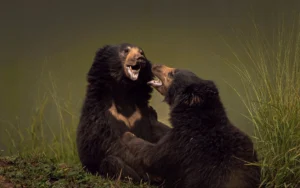
While royal Bengal tigers and leopards inhabit both the Muthanga and Tholpetty zones, they are notoriously elusive. Sighting a big cat requires patience and luck, as they tend to stay deep within the undergrowth away from established safari tracks. Other large mammals frequently seen during safaris include gaur (Indian bison), sambar deer, spotted deer, wild boar, and occasionally the sloth bear.
Avian Diversity and Birdwatching Tips
For birdwatchers, the sanctuary is an rewarding destination that requires a slower, more focused approach than a standard mammal safari. The mix of moist deciduous forests and open clearings supports a large number of resident and migratory birds.
To get the most out of a birdwatching trip, book an early morning safari when avian activity peaks. Look out for forest species such as the Malabar grey hornbill, crested serpent eagle, and various woodpeckers.
Reptiles, Amphibians, and Secondary Fauna
Beyond the high-profile mammals and birds, the sanctuary supports an array of smaller fauna that naturalists appreciate. The forest floor and canopy are home to numerous reptiles, amphibians, and unique fish species. During the post-monsoon months, the sanctuary also sees a surge in butterfly populations, making it an excellent time for macro photography enthusiasts.
Conservation Update: The Vultures of Wayanad
The sanctuary plays a critical role in conserving some of India’s most critically endangered bird species. According to a 2026 conservation status update, the vulture numbers within the sanctuary remain stable at around 80 individuals. While researchers note that breeding rates have reduced, the fact that the population remains steady is a positive sign for the sanctuary’s ongoing habitat protection efforts.
Sanctuary Species Checklist
This reference table outlines the key fauna groups present in the sanctuary to help you know what to look for during your drive.
| Category | Key Species | Sighting Notes & Context |
| Flagship Mammals | Asian Elephant, Gaur, Sambar Deer, Spotted Deer | Elephants and deer are common; gaur are regularly seen in small herds. |
| Large Carnivores | Royal Bengal Tiger, Indian Leopard | Present in good numbers but highly elusive; sightings depend heavily on luck. |
| Smaller Mammals | Sloth Bear, Wild Boar, Barking Deer | Wild boars are common; sloth bears are occasionally spotted near termite mounds. |
| Avian Highlights | Vultures, Malabar Grey Hornbill, Raptors | Vulture populations are actively monitored and stable at around 80 birds. |
| Micro Fauna | Forest Reptiles, Amphibians, Butterflies | Best observed during the quieter, humid months following the monsoon season. |
📸 Photography Tip
The thick canopy and mixed light of the Wayanad forests can challenge your camera’s autofocus system. Switch to a single-point autofocus mode to prevent the lens from focusing on intervening branches. Because you will be shooting from a moving or idling vehicle, use a fast shutter speed (at least 1/500s for static animals and 1/1000s for birds) to counteract camera shake. Flash photography is strictly banned.
Part 5 — Travel Planning, Seasonal Weather, Common Mistakes & FAQs
Best Time to Visit Wayanad Wildlife Sanctuary
Choosing when to visit Wayanad Wildlife Sanctuary depends on whether your priority is comfortable weather, landscape photography, or maximizing your chances of tracking large mammals. The climate on the Wayanad Plateau shifts distinctly across three major seasonal blocks.
+————————————————————————-+
| SEASONAL TIMELINE |
+————————————————————————-+
| [OCT – MAR] Winter Window: Comfort & Birds |
| ======================================> |
| |
| [APR – MAY] Dry Season: Peak Large Mammal Tracking |
| ==========================> |
| |
| [JUN – SEP] Monsoon Season: Scenic Greenery (Safaris Limited) |
| ==================================> |
+————————————————————————-+
The Winter Window (October to March)
This is widely considered the most comfortable time for general travel in the region. Daytime temperatures are mild, and the forest canopy remains green following the monsoon rains. This period is highly recommended for birdwatching, as resident species are active and migratory birds arrive in the deciduous patches.
The Dry Season (April to May)
As summer advances, the forest foliage thins out significantly, which naturally improves visibility through the undergrowth. Because water holes deeper in neighboring states dry up, large herbivores—particularly elephant herds and gaurs—migrate into the sanctuary to utilize its perennial water sources. Sighting probabilities for large mammals peak during these months, though the afternoon heat can be intense.
Monsoon Considerations (June to September)
The southwest monsoon brings heavy rainfall to the Western Ghats. While the landscape turns vibrant and green, the rainy season is not ideal for wildlife viewing. Heavy downpours often cause safari tracks to become muddy and impassable, which can lead to unexpected, temporary closures of tourism tracks by the Forest Department.
How to Reach the Sanctuary
Wayanad Wildlife Sanctuary is well-connected by a network of national and state highways, though its mountainous location means the final leg of your journey will always be by road.
Air, Rail, and Road Connectivity
The sanctuary does not have a dedicated airport or railway station within its boundaries. Travelers must arrive via transit hubs in neighboring cities and secure onward road transport.
| Travel Mode | Primary Gateway | Distance & Logistics | Source |
| Air | Calicut International Airport (CCJ) | Approximately 120–140 km away depending on the target safari zone; requires a 3 to 4-hour drive up the ghat roads. | |
| Rail | Kozhikode Railway Station (CLT) | The closest major rail junction; well-connected to major Indian cities with regular taxi services to Wayanad. | |
| Road | Interstate Highways | Accessible via the NH 766 (connecting Kozhikode to Mysore), which runs directly past the Muthanga zone. |
Nearby Attractions and Trip Ideas
To build a balanced itinerary, you can easily pair a morning or afternoon safari with historical and cultural points of interest located just outside the sanctuary limits.
Combining Regional Destinations
- Thirunelli Temple: If you are booking a safari in the northern Tholpetty zone, consider visiting this ancient riverside temple dedicated to Lord Vishnu, which sits at the valley floor nearby.
- Sulthan Bathery: Travelers visiting the southern Muthanga zone can base themselves in or around this historic town, which houses an old 14th-century Jain Temple and offers excellent connectivity to the main highway.
Common Mistakes to Avoid
- Arriving at the Wrong Gate: Booking accommodation near Mananthavady but reserving a safari slot at Muthanga requires a grueling two-hour morning drive across the district. Always double-check that your lodge is near your chosen entry gate.
- Relying Entirely on Digital Payments: Forest checkpoints frequently experience network drops. Always carry enough physical cash to cover vehicle rentals, local guide fees, and entry permits.
- Expecting Guaranteed Big Cat Sightings: While tigers and leopards live in these forests, the dense undergrowth means sightings require patience and luck. Approach the safari as a way to observe an intact forest system, not a zoo.
- Assuming Continuous Access: The core zones of the sanctuary are entirely closed to tourism to serve conservation needs. Safaris are restricted to predetermined tourism paths.
FAQs About Wayanad Wildlife Sanctuary
1. What is Wayanad Wildlife Sanctuary?
Wayanad Wildlife Sanctuary is a protected deciduous forest area in Kerala, India, dedicated to the conservation of regional wildlife, particularly the Asian elephant and royal Bengal tiger.
2. Where is Wayanad Wildlife Sanctuary located?
It is located in the Wayanad district of northern Kerala, positioned within the western slopes of the Western Ghats mountain chain.
3. Is Wayanad Wildlife Sanctuary part of the Nilgiri Biosphere Reserve?
Yes. The sanctuary forms a contiguous conservation block alongside neighboring parks, making up a key part of the larger Nilgiri Biosphere Reserve.
4. Is it the same as Muthanga Wildlife Sanctuary?
“Muthanga” is simply one of the two separate tourism-facing safari zones located within the larger, official Wayanad Wildlife Sanctuary boundary.
5. What is the total area of the sanctuary?
The sanctuary covers an official total area of 344.44 square kilometers under the jurisdiction of the state forest department.
6. When was it established?
The area was formally declared a protected wildlife sanctuary in the year 1973.
7. What are the main entry points?
The two main public entry gates for jungle safaris are located at Muthanga (southeastern sector) and Tholpetty (northern sector).
8. What is the best time to visit?
The winter months from October to March offer the most pleasant weather and excellent birdwatching, while the dry months of April and May offer the highest probabilities for elephant tracking.
9. Is it open throughout the year?
The sanctuary is generally open year-round, but heavy monsoon rains between June and September can cause temporary track closures due to unsafe driving conditions.
10. What are the safari timings?
Safaris operate in two daily batches: an early morning window and a mid-afternoon window. Exact operational hours vary seasonally, so travelers should check with the forest department before visiting.
11. How long does the safari last?
A standard department-authorized vehicle safari through the designated tourism tracks lasts roughly 1 to 1.5 hours.
12. What animals can be seen here?
Commonly seen animals include Asian elephants, spotted deer, sambar deer, gaur, wild boars, and various forest birds.
13. Are elephants commonly sighted?
Yes. The sanctuary is a major migratory corridor, making elephant sightings relatively frequent, especially near perennial water sources during the warmer months.
14. Are tigers found in the sanctuary?
Yes, royal Bengal tigers inhabit the sanctuary, but they are highly elusive and rarely seen from the safari tracks.
15. What birds are found here?
The sanctuary supports over 200 bird species, including the Malabar grey hornbill, crested serpent eagle, and critically endangered vultures.
16. How do I reach it by air, rail, and road?
The nearest international airport is Calicut (CCJ) and the nearest railhead is Kozhikode (CLT). From either hub, you must take a taxi or bus up the ghat roads into Wayanad.
17. Which is better for visitors, Muthanga or Tholpetty?
Muthanga is highly accessible and ideal for tracking elephants, while Tholpetty features a denser canopy that is well-suited for birdwatchers and visitors staying in northern Wayanad.
18. Is prior permission required?
Yes. Entry is restricted by a strict daily vehicle quota, requiring visitors to secure official permits at the respective gate ticket counters or via approved booking channels.
19. What are the nearby attractions?
Notable nearby destinations include the ancient Thirunelli Temple near Tholpetty, and the historic town of Sulthan Bathery near Muthanga.
20. What should I carry for the visit?
You must bring an original government-issued photo ID, sufficient physical cash for local fees, a bottle of water, and a camera with a telephoto lens if you plan to take photographs.
Conclusion
Wayanad Wildlife Sanctuary provides an authentic window into the complex ecosystem of the Western Ghats. By functioning as a working cross-border corridor rather than an isolated park, it allows travelers to observe large mammals moving along ancient migratory paths. Maximizing your experience requires matching your accommodation to the correct safari gate, choosing the right season for your travel goals, and respecting the strict conservation rules enforced at the forest checkpoints.
Author Note & Update Log: Written by the WildlifeSafaris.in Editorial Team. Last Updated: August 2026.
Safari Planning : Topics Cluster
- How to book a wildlife safari in India?
- Park by Park Online Safari Booking Guide
- Tiger Safari India Planning Workbook
- Park by Park Safari Permits Guide
- National Parks Permit Guide – Park by Park Guide
- Tatkal Safari Booking Guide – Last Minute Safari Permits Booking
- Tiger Safari in India Cost
- Indian Wildlife Safari Budget Planner
- Jeep vs Canter Safari
- Best time for Tiger Sightings in India
- How far advanced should you book safari permits?
- Can foreigners book Indian Wildlife Safari online?
- Special Permits Guide for Foreigners and Domestic Visitors
- How to book a Safari Permit online in India? 2026 step by step guide
- Senior Citizens Friendly Safari Planning
- Multi Generation Family Safari Planning
- 50 things to know before your first safari in India