
Discover the best wildlife destinations in Asia. Compare top national parks for tigers, orangutans, elephants, and marine life based on expert research.
Introduction, Overview & Planning
Best Wildlife Destinations in Asia
Planning a wildlife trip to Asia requires a clear understanding of geography, species distribution, and seasonal timing. Unlike the vast, open savannahs of East Africa, Asia’s premier wildlife habitats span dense tropical rainforests, high-altitude alpine meadows, alluvial floodplains, and complex marine environments. This structural diversity means that your travel style, the packing list you prepare, and the tracking methods your guides employ will vary significantly depending on the specific animal you want to see.
A successful safari on this continent depends on aligning your expectations with regional realities. While some parks offer highly predictable mammal viewings from open vehicles, other regions require patience, multi-day trekking, or specialized boat journeys. This guide provides an objective analysis of Asia’s top wildlife regions to help you make informed planning decisions.
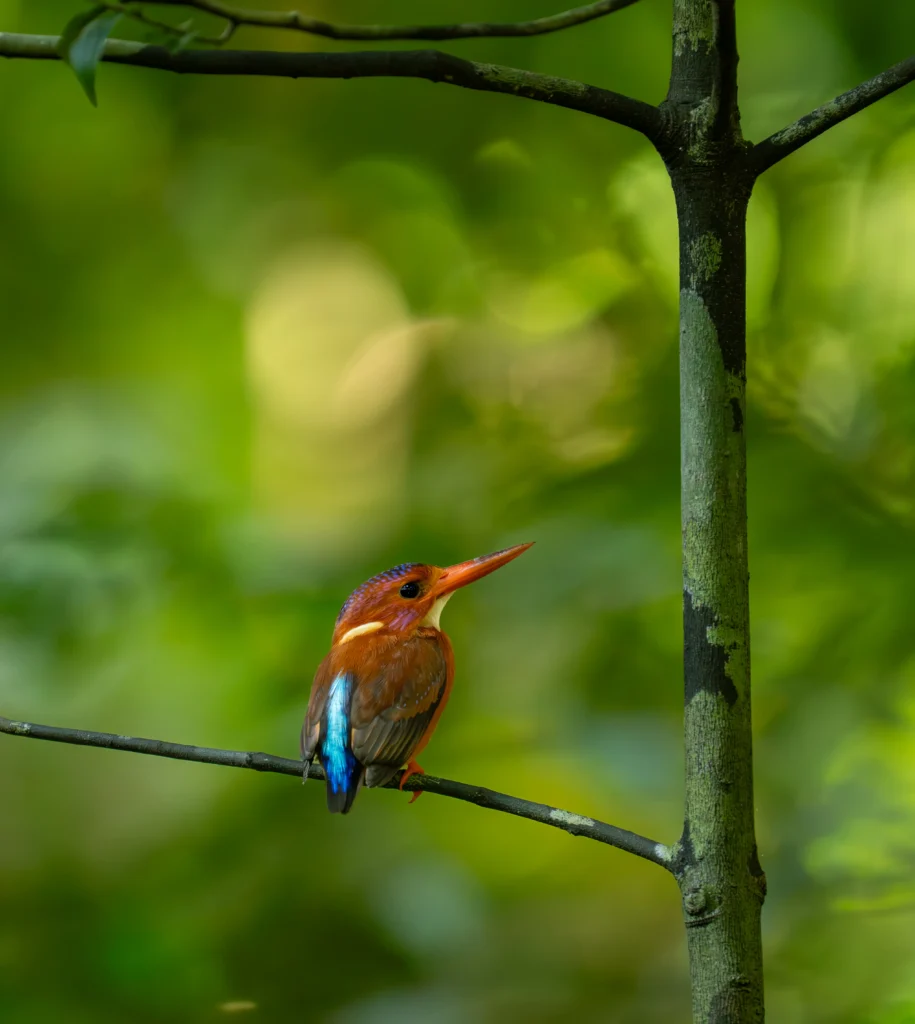
The varied landscapes of Asia makes possible for a remarkable biodiversity and pristine ecosystems yet untouched by human interference.
Why Choose Asia for a Wildlife Safari?
A Continent of Ecological Contrast
Asia is an important territory for global conservation because it contains a vast range of distinct habitats within a single continent. Travelers can move from the tropical mangroves and river systems of Southeast Asia to the high-elevation zones of the Himalayas, the temperate bamboo forests of East Asia, and the coral networks of the Coral Triangle.
This variety creates distinct wildlife experiences:
- Alluvial Grasslands and Wetlands: Found extensively in South Asia, these open floodplains allow for clear tracking of large mammals like rhinos, elephants, and tigers.
- Tropical Rainforests: Dominating parts of Indonesia, Malaysia, and Thailand, these dense canopies shield arboreal species like orangutans, gibbons, and hornbills.
- High-Altitude Systems: The mountain ranges of Central and South Asia support specialized species adapted to extreme cold, such as the snow leopard and Tibetan antelope.
- Marine Protected Areas: Coastal waters and oceanic trenches host critical populations of migratory megafauna, including manta rays and whale sharks.
International Conservation Standards and Protected Areas
The validity of Asia’s wildlife destinations relies heavily on formal protection frameworks. The International Union for Conservation of Nature (IUCN) Red List currently monitors over 169,400 species globally, identifying more than 47,000 that face the threat of extinction. Many of Asia’s flagship species fall into these threatened categories, making protected areas vital for their survival.
IUCN Red List Global Assessment Context:
├── Total Species Assessed: 169,400+
└── Species Threatened with Extinction: 47,000+
To safeguard these species, governments utilize designations such as UNESCO World Heritage Sites, Biosphere Reserves, and ASEAN Heritage Parks. For instance, the Valley of Flowers National Park and the surrounding Nanda Devi Biosphere Reserve are recognized by UNESCO for their distinct alpine biological diversity and lack of permanent human settlement.
Recent conservation efforts show measurable progress. Data from conservation initiatives in China indicate population growth for several key species, including giant pandas, crested ibises, and Tibetan antelopes, alongside an expansion of protected habitats. Furthermore, organizations like the World Wildlife Fund (WWF) continue to execute large-scale habitat mapping and infrastructure planning projects across the continent to mitigate the impacts of habitat fragmentation. International policy oversight, such as the CITES CoP20 summit held in Samarkand, Central Asia, maintains focus on cross-border protection and regulating the trade of endangered Asian megafauna.
How to Choose Your Destination: Our Evaluation Criteria
Choosing the right destination involves balancing your personal travel goals with the practical realities of the park. To maintain an objective standard, we evaluate wildlife destinations using six specific operational criteria:
- Species Diversity: The total variety of mammals, birds, reptiles, and marine life present in the ecosystem.
- Sighting Probabilities: The historical likelihood of observing flagship species during standard safaris, acknowledging that wild encounters are never guaranteed.
- Protected Landscape Status: The level of legal protection and enforcement, such as UNESCO status or national park designation, which directly impacts habitat quality.
- Accessibility and Infrastructure: The ease of reaching the destination, the quality of local transportation, the availability of medical support, and the standard of nearby accommodation.
- Seasonality Constraints: The limitations imposed by weather patterns, such as monsoon closures, seasonal migrations, or high-heat periods that alter animal behavior.
- Sustainability Standards: The presence of regulated visitor limits, ethical wildlife viewing guidelines, and evidence that tourism revenue directly supports local communities and anti-poaching initiatives.
Field Note: A common mistake is assuming that a famous park automatically guarantees an ethical experience or high sighting rates. High visitor numbers can cause overcrowding, which disrupts wildlife patterns and reduces the quality of your observations. Prioritize parks that enforce vehicle limits and maintain strict distance rules around the animals.
Best Destinations by Flagship Species
Best Asian Wildlife Destinations by Flagship Species
Tigers: High-Probability Sighting Zones
For travelers prioritizing clear tiger sightings, Bandhavgarh National Park in India provides the most reliable opportunity due to its historically high density of Bengal tigers and open deciduous forests that improve visibility. Tracking tigers in Asia requires open vehicle safaris driven by registered guides who locate the cats by listening for langur and deer alarm calls and reading fresh paw prints (pugmarks) in the dust.
Sighting probabilities rise significantly during the dry summer months when vegetation thins out and tigers are forced to frequent remaining waterholes. Travelers should plan their trips around these seasonal dry spells, as safaris become much more challenging once monsoonal rains arrive, causing vegetation to grow rapidly and allowing wildlife to disperse away from primary tracks.
Orangutans: The Rainforests of Borneo and Sumatra
To observe wild orangutans in their natural habitat, the Kinabatangan River in Malaysian Borneo and Gunung Leuser National Park in Sumatra, Indonesia, are the premier global choices. These locations require completely different travel styles: Kinabatangan relies on small boat cruises that allow you to scan the riverside canopy with minimal physical exertion, whereas Gunung Leuser demands multi-day rainforest trekking on steep, humid terrain.
Seeing these arboreal primates depends heavily on fruit fruiting seasons, which alter their movements through the canopy. When choosing a tour operator, ensure they follow strict distance rules—maintaining at least 10 meters from the animals—and strictly prohibit any feeding, which protects wild populations from habituation and human diseases.
Asian Elephants: Sanctuaries and Wild Herds
Khao Yai National Park in Thailand is one of the most accessible and practical options for observing wild Asian elephants in their natural forest and grassland environments. Unlike tracking elephants across open African terrain, viewing them in Asia often involves staking out known salt licks or watching roadsides and forest clearings where herds emerge to feed at dusk.
When planning an elephant-focused itinerary, travelers must carefully distinguish between protected national parks hosting wild herds and captive commercial facilities. Ethical elephant travel means prioritizing sites where animals display natural, unforced behaviors without direct human interaction, riding, or performance entertainment.
Responsible Tourism Tip: Avoid any facility that guarantees direct physical contact, such as bathing or riding experiences. True conservation-led tourism supports large protected areas where wild herds can migrate freely across natural corridors without human interference.
Leopards and High-Altitude Big Cats
Yala National Park in Sri Lanka offers the highest probability of seeing leopards in Asia because its coastal scrub jungle features exposed rocky outcrops where the cats regularly rest. Because Yala is highly popular, visitors should book early morning or late afternoon drives to align with peak carnivore activity and avoid mid-day heat when leopards retreat deep into inaccessible thickets.
For travelers seeking a more specialized tracking experience, the high-altitude mountain ranges of the Himalayas serve as the primary zone for tracking snow leopards. Tracking this species is physically demanding, requiring winter expeditions, high-altitude acclimatization, and hours of scanning ridges with spotting scopes alongside specialized local trackers.
One-Horned Rhinos: Floodplains and Alluvial Grasslands
Kaziranga National Park in India and Chitwan National Park in Nepal are the two most successful strongholds for the Indian one-horned rhinoceros. The open alluvial floodplains and tall elephant grass of these parks make rhinos relatively easy to spot, often allowing for close observations from authorized safari vehicles or designated watchtowers.
One-Horned Rhino Sighting Framework:
├── Top Destinations: Kaziranga (India) & Chitwan (Nepal)
├── Primary Habitat: Alluvial floodplains & tall grasslands
└── Optimal Sighting Method: Vehicle safaris & controlled watchtowers
The dry winter season provides the best visibility because park authorities conduct managed grass burnings, which open up the landscape and allow you to see clearly across the marshes where rhinos gather to graze.
Birdwatching: Endemic Species and Migratory Routes
For dedicated birdwatchers, Asia’s seasonal wetlands and protected alpine valleys offer excellent viewing windows for both endemic residents and long-distance migratory species. The Valley of Flowers National Park, located within India’s Nanda Devi Biosphere Reserve, is a key destination for high-altitude species, alpine biodiversity, and specialized high-elevation flora.
Successful birdwatching trips must be timed around major flyways and seasonal breeding cycles. Coastal wetlands and river deltas across the continent become busy activity hubs during the winter months, hosting thousands of migratory waterfowl traveling along the East Asian-Australasian and Central Asian flyways.
Marine Wildlife: Reefs, Megafauna, and Protected Waters
Komodo National Park in Indonesia and Hanifaru Bay in the Maldives are the top choices for travelers wanting to swim alongside marine megafauna like reef manta rays and whale sharks. While Komodo combines coral reef diving with the chance to see terrestrial Komodo dragons, Hanifaru Bay is a highly regulated marine protected area designed specifically for snorkeling with massive feeding aggregations of manta rays.
Marine encounters are strictly governed by lunar tides and seasonal plankton blooms, which draw these large filter-feeders into shallow bays. Travelers must strictly follow local marine park codes, which include maintaining a fixed distance, prohibiting scuba diving in designated feeding bays, and banning flash photography to prevent disrupting the animals’ natural feeding patterns.
Regional Breakdown, Traveler Profiles, and Lesser-Known Gems
Best Wildlife Destinations by Region
South Asia: The Megafauna Grasslands
South Asia contains some of the continent’s most accessible populations of large mammals, making it the primary zone for traditional vehicle safaris. The region is defined by its alluvial grasslands, open floodplains, and deciduous forests. These open environments make it significantly easier to track and photograph animals compared to dense rainforests. Destinations across India, Nepal, and Sri Lanka dominate this region, serving as the global strongholds for the Bengal tiger, one-horned rhino, and Asian leopard.
Southeast Asia: Tropical Rainforests and River Systems
Wildlife viewing in Southeast Asia is dictated by its geography of archipelagos, dense tropical canopies, and extensive river networks. This region supports specialized arboreal species, including orangutans and gibbons, alongside major marine environments within the Coral Triangle. Safaris here often replace 4×4 vehicles with specialized tracking methods, such as small-boat river cruising in Malaysian Borneo or demanding humidity trekking in Sumatra.
East Asia: Bamboo Forests and Temperate Reserves
East Asia offers specialized wildlife tracking centered around temperate zones and high-elevation reserves. China, in particular, represents a major conservation success story within this region. Recent official updates report measurable population growth for flagship species such as giant pandas, crested ibises, and Tibetan antelopes, supported by expanded habitat protection initiatives. These reserves often prioritize strict visitor control and structured viewing platforms over free-ranging safaris.
Central Asia: High-Altitude Mountains and Steppes
Central Asia and the broader Himalayan region cater to dedicated wildlife trackers seeking rare, cold-adapted species like the snow leopard. This region involves high-altitude steppes and rugged mountain terrain, requiring significant physical preparation and specialized local tracking teams. The region remains a focal point for international conservation policy, highlighted by the CITES CoP20 summit, which underscored ongoing cross-border efforts to protect migrating megafauna and regulate wildlife trade across these vast landscapes.
Matching Destinations to Traveler Profiles
Best for First-Time Wildlife Travelers
First-time safari goers should prioritize destinations that offer low-friction logistics, comfortable lodging, and highly predictable species access. Parks with established tourism infrastructure and open landscapes, such as the tiger reserves of central India or the coastal scrub of Sri Lanka, provide clear lines of sight and high sighting probabilities. This ensures new travelers can comfortably adapt to the routine of early morning game drives without the physical demands of jungle trekking.
Best for Families and Multi-Generational Groups
Family travel requires a balance of safety, engagement, and minimal travel fatigue. The best destinations for families offer short transfer times from major airports and provide clear, regulated boundaries between accommodations and wild environments. River cruising in Borneo or staying in well-managed lodges adjacent to Thailand’s national parks allow families to observe wildlife comfortably without subjecting younger children to extreme heat or long, physically demanding hikes.
Best for Wildlife Photographers
Serious photographers need destinations that offer more than just the presence of animals; they require specific lighting conditions, dramatic landscapes, and predictable behavioral patterns. Parks that allow for clear sunrise and sunset light across open terrain or wetlands are ideal. Photographers should avoid heavily forested environments where the canopy blocks natural light, and instead focus on alluvial floodplains or dry deciduous forests during the summer months when animal movements around waterholes are highly predictable.
Best for Conservation-Minded Travelers
Travelers focused on sustainability should seek out destinations actively engaged in community-based tourism and habitat recovery. Look for parks designated as UNESCO World Heritage Sites, Biosphere Reserves, or ASEAN Heritage Parks, which enforce strict carrying-capacity limits and anti-poaching protocols. The most ethical operators in these regions clearly demonstrate how tourism revenue directly funds local jobs and reduces habitat fragmentation, rather than simply exploiting the wildlife for commercial gain.
Underrated and Lesser-Known Wildlife Destinations
While major national parks draw the bulk of international tourism, Asia holds several under-covered reserves that offer excellent wildlife viewing without the pressure of overcrowding.
- High-Altitude Alpine Reserves: Protected landscapes like the Valley of Flowers in the Himalayas offer unique alpine biodiversity and remain uninhabited, providing a pristine environment for specialized birding and botany away from traditional safari routes.
- Seasonal Wetlands: Remote wetland reserves across the continent serve as critical junctions for the East Asian-Australasian and Central Asian flyways, offering world-class birdwatching opportunities during the winter migrations without the vehicle congestion found in mammal-focused parks.
- Secondary Forest Reserves: Lesser-known forest tracts often abut famous national parks; choosing these buffer zones or secondary sanctuaries frequently yields similar wildlife encounters while actively distributing tourism revenue to communities outside the primary commercial hubs.
Master Comparison Tables, Seasonality Guide, Ethical Travel Standards, Common Mistakes, FAQs, and Final Checklist
Seasonality and Sighting Windows: When to Go
Understanding seasonal cycles is critical because weather patterns dictate animal behavior, vegetation density, and park accessibility across Asia.
- The Dry Season (Typically November to May): This is the optimal window for most terrestrial mammal viewings. As natural water sources dry up, animals congregate predictably around remaining waterholes. Vegetation thins out significantly, which improves visibility and increases tracking success.
- The Monsoon Season (Typically June to October): Heavy rains cause vegetation to grow rapidly, providing dense cover for wildlife and allowing animals to disperse away from primary tracks. Many parks, particularly vehicle-based tiger reserves in South Asia, close completely during the peak monsoon months due to impassable dirt roads. However, shoulder seasons offer lush, scenic landscapes and fewer crowds for those interested in birdwatching or landscapes.
- Marine Seasons: Unlike land safaris, marine encounters are governed by lunar tides, wind patterns, and seasonal plankton blooms. For example, the best time to visit marine protected areas for manta rays is during specific monsoonal shifts that concentrate nutrients in shallow bays.
- Birding Seasons: Birdwatching schedules must align with migration flyways. The winter months (November to February) host large influxes of migratory waterfowl traveling along global flyways, making this the peak period for wetland reserves.
Master Comparison Tables
The following matrices consolidate key planning data to help you compare destinations and align your travel style with regional realities.
Table 1: Asia Wildlife Destination Master Matrix
| Destination / Region | Primary Species | Peak Season | Accessibility | Primary Safari Style | Protection Status |
| Central India Reserves (e.g., Bandhavgarh) | Bengal Tiger | March–May (Dry Summer) | High | 4×4 Open Vehicle Safari | National Park |
| Kinabatangan River (Malaysia) | Orangutan | March–October (Dry Months) | Moderate | Small-Boat River Cruises | Protected Forest Reserve |
| Gunung Leuser (Indonesia) | Orangutan | June–September | Low | Demanding Rainforest Trekking | National Park / UNESCO |
| Yala National Park (Sri Lanka) | Leopard | February–June | High | 4×4 Open Vehicle Safari | National Park |
| Kaziranga / Chitwan (India/Nepal) | One-Horned Rhino | November–April (Winter/Dry) | High | Vehicle Safari / Watchtowers | National Park / UNESCO |
| Hanifaru Bay (Maldives) | Manta Ray, Whale Shark | May–November (Plankton Bloom) | Moderate | Regulated Snorkeling Only | Marine Protected Area |
| Himalayan High-Altitude (India/Nepal) | Snow Leopard | December–March (Winter) | Low | Cold-Weather Mountain Trekking | Biosphere Reserve Buffer |
Table 2: Flagship Species Sighting Profiles
| Species | Primary Habitat Type | Tracking Method | Sighting Factor |
| Bengal Tiger | Deciduous forests & grasslands | Open vehicle tracking via alarm calls and pugmarks | High concentration around drying summer waterholes |
| Orangutan | Dense tropical rainforest canopy | Riverside boat scanning or foot tracking | Highly dependent on seasonal fruit tree fruiting cycles |
| Asian Elephant | Forest clearings and grasslands | Staking out known salt licks and roadsides | Crepuscular patterns; herds emerge at dusk |
| One-Horned Rhino | Alluvial floodplains & tall grass | Vehicle drives and elevated watchtowers | Best visibility occurs after managed grass burnings |
| Snow Leopard | Rugged mountain ridges & steppes | Spotting scopes and specialized local trackers | Winter weather forces prey to descend to lower valleys |
Responsible Travel and Wildlife Welfare
The long-term survival of Asia’s wildlife populations relies directly on the standard of tourism practiced by operators and visitors. Responsible wildlife travel means choosing experiences that prioritize the animal’s welfare over tourist convenience.
- Verify Operator Ethics: Ensure your tour provider explicitly follows local park codes. For marine encounters, this means maintaining a fixed distance, prohibiting scuba diving in designated feeding bays, and banning flash photography. For land safaris, operators should strictly enforce vehicle speed limits and distance rules.
- Say No to Captive Entertainment: Avoid any facility that guarantees direct physical contact, such as elephant riding, bathing, or performances. True conservation-led tourism supports large protected areas where wild herds can move freely across natural corridors without human interference.
- Support Local Communities: Ecotourism is most effective when revenue directly benefits local communities. Choosing community-led guiding services and staying in locally run lodges adjacent to park borders provides economic alternatives to poaching and habitat destruction, turning local residents into active guardians of the reserve.
Common Mistakes to Avoid on an Asian Safari
- Chasing a Guaranteed Sighting: Wild encounters are inherently unpredictable. Pressuring your guide to find a specific animal often leads to unethical driving behaviors, such as speeding or crowding the wildlife. Focus on the broader ecosystem instead.
- Assuming Famous Parks Mean Better Experiences: Highly popular parks frequently suffer from overcrowding, which can alter animal behavior and lower the quality of your observation. Consider lesser-known buffer zones or secondary reserves that enforce strict vehicle limits.
- Misinterpreting “Elephant Sanctuaries”: Many commercial facilities use the label “sanctuary” or “rescue center” while continuing to allow hands-on tourist interactions. Look for parks where wild herds display natural behaviors without forced human contact.
- Ignoring Seasonality Closures: Booking a trip based solely on flight availability can result in arriving during the peak monsoon season, when major reserves are closed completely due to flooded roads and thick vegetation canopy.
Frequently Asked Questions
What is the best wildlife destination in Asia?
There is no single best destination, as the choice depends entirely on the species you wish to see. For tigers, central India offers the highest probability; for orangutans, Borneo and Sumatra are the primary global choices; and for marine megafauna, the Maldives and Indonesia are ideal.
Which Asian country is best for wildlife tourism?
India, Sri Lanka, and Nepal excel at open vehicle safaris for large mammals like tigers, leopards, and rhinos. Malaysia and Indonesia are the premier choices for tropical rainforest tracking and diverse marine environments.
Where can I see tigers in Asia with high sighting chances?
Bandhavgarh National Park in India provides the most reliable opportunity due to its historically high density of Bengal tigers and open deciduous forests that improve visibility during the dry summer months.
Where can I see wild orangutans in Asia?
Wild orangutans are found only in the rainforests of Borneo and Sumatra. The Kinabatangan River in Malaysian Borneo offers accessible boat-based viewing, while Gunung Leuser National Park in Sumatra requires dedicated foot trekking.
Where are the best places to see wild elephants in Asia?
Khao Yai National Park in Thailand is a top choice for observing wild herds emerging at dusk. Avoid commercial facilities offering direct physical contact, and prioritize protected national parks where herds migrate freely.
Can you visit Asia’s wildlife parks during the monsoon season?
Many premier mammal-focused reserves close completely during peak monsoon months due to impassable roads. However, some wetland and coastal areas remain accessible, offering excellent birdwatching and lush scenery for travelers who plan around the weather.
The Ultimate Asian Safari Planning Checklist
To ensure your wildlife trip is safe, ethical, and successful, use this checklist during your planning process:
- [ ] Verify Sighting Seasons: Check that your travel dates align with the dry season for land mammals or the correct monsoonal plankton bloom for marine megafauna.
- [ ] Confirm Park Openings: Ensure your target national park is not closed for seasonal breeding or monsoon maintenance.
- [ ] Screen the Operator: Confirm the tour provider enforces strict distance limits, bans captive-animal entertainment, and uses registered local guides.
- [ ] Assess Physical Requirements: Match the destination’s terrain—whether it involves open 4×4 vehicles, high-altitude mountain trekking, or river boat cruises—with your fitness level.
- [ ] Pack for the Environment: Prepare specialized gear based on your destination, such as muted, neutral-colored clothing for land safaris, reef-safe sunscreen for marine parks, or layering gear for cold mountain tracking.