
Discover India’s flagship species, why they are chosen, how they support conservation, and the iconic wildlife that represents India’s diverse ecosystems.
Introduction
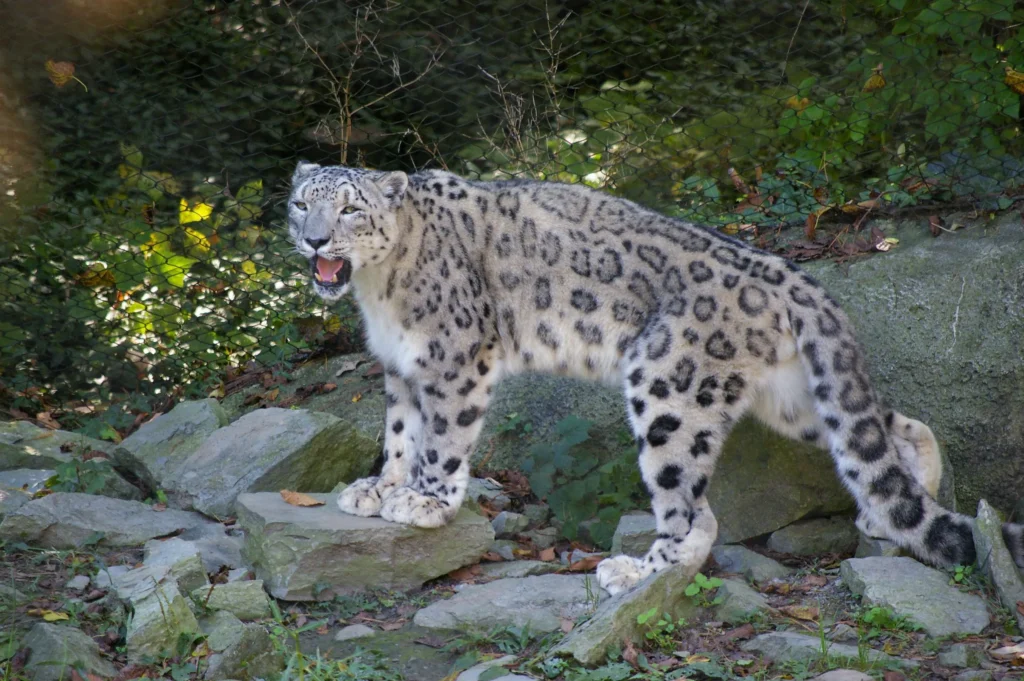
Some wildlife species attract attention far beyond their ecological role. They appear in conservation campaigns, inspire public support, attract tourism, and often become symbols of entire landscapes. These are known as flagship species.
In India, the Bengal tiger is the most familiar example. Project Tiger transformed the tiger into a national conservation icon while simultaneously protecting forests, water sources, and thousands of other species. Similar approaches have been adopted for the Asian elephant, Asiatic lion, snow leopard, greater one-horned rhinoceros, Ganges river dolphin, and several other species.
Although the concept appears simple, flagship species are not chosen merely because they are rare or attractive. They are selected because they can inspire people, influence policy, generate funding, and encourage long-term conservation action.
Understanding flagship species also helps wildlife travellers appreciate why certain national parks receive greater attention, why conservation priorities differ across regions, and how protecting a single well-known species can benefit entire ecosystems.
What Are Flagship Species?
A flagship species is a plant, animal, or other natural symbol selected to represent a conservation cause and encourage public support for protecting nature.
Unlike scientific ecological categories, flagship species are chosen primarily for their ability to connect people with conservation. Their popularity helps governments, conservation organisations, researchers, local communities, and donors communicate the importance of protecting habitats and wildlife.
A flagship species usually possesses one or more of these characteristics:
- Strong public recognition
- Cultural or historical importance
- Appeal that attracts media attention
- Ability to inspire conservation funding
- Association with an important habitat or ecosystem
For example, when people support tiger conservation, they are indirectly helping protect forests, prey species, rivers, and countless other plants and animals living in the same landscape.
Why Flagship Species Matter in Indian Conservation
India is one of the world’s most biodiverse countries, but conserving thousands of species individually is neither practical nor financially feasible. Flagship species provide an effective way to focus public attention and conservation resources.
Their importance extends well beyond protecting a single animal.
They Generate Public Support
People are generally more willing to support conservation when they can relate to a familiar species. Tigers, elephants, lions, and rhinos create emotional connections that encourage donations, volunteer participation, policy support, and responsible tourism.
They Help Secure Conservation Funding
Large conservation programmes often receive funding because they are associated with well-known species. This funding frequently supports habitat restoration, anti-poaching efforts, scientific monitoring, and community-based conservation initiatives that benefit many other species.
They Influence Government Policy
India’s major wildlife programmes—including Project Tiger, Project Elephant, Project Lion, and Project Snow Leopard—demonstrate how flagship species can drive long-term policy decisions, protected area expansion, and landscape-level conservation planning.
They Encourage Landscape Protection
Protecting a flagship species usually requires conserving extensive habitats rather than isolated populations. As a result, forests, grasslands, rivers, wetlands, and mountain ecosystems often receive broader protection that benefits numerous lesser-known organisms.
Flagship Species vs Keystone, Umbrella and Indicator Species
These conservation terms are often confused, but they describe different ecological concepts.
| Type | Primary Purpose | Example |
| Flagship Species | Inspires public support and conservation action | Bengal Tiger |
| Keystone Species | Has a disproportionately large ecological influence | Asian Elephant in many forest ecosystems |
| Umbrella Species | Protecting it safeguards many other species sharing the habitat | Tiger |
| Indicator Species | Reflects the health of an ecosystem | Ganges River Dolphin indicating freshwater ecosystem health |
A single species may belong to more than one category.
For example, the Bengal tiger is simultaneously a flagship species because it inspires conservation campaigns and an umbrella species because protecting its habitat benefits hundreds of other plants and animals.
Understanding these distinctions is important because conservation strategies are designed differently depending on whether the goal is public engagement, ecosystem management, biodiversity protection, or environmental monitoring.
India’s Major Flagship Species
India’s flagship species represent a wide range of ecosystems, from Himalayan mountains and tropical forests to rivers, grasslands, wetlands, and coastal habitats. While the Bengal tiger remains the country’s best-known conservation symbol, several other species have become ambassadors for protecting specific landscapes and ecological communities.
Bengal Tiger (Panthera tigris tigris)
The Bengal tiger is India’s most recognised flagship species and the centrepiece of the country’s wildlife conservation efforts. As India’s national animal, it has become synonymous with forest conservation and has inspired one of the world’s longest-running species recovery programmes—Project Tiger, launched in 1973.
Protecting tiger habitats has produced conservation benefits that extend far beyond the species itself. Forests managed for tigers also safeguard:
- Leopards
- Sloth bears
- Dholes
- Gaur
- Deer species
- Hundreds of birds
- Reptiles and amphibians
- Watersheds that support millions of people
Where Tigers Serve as Flagships
Major tiger landscapes include:
- Corbett Tiger Reserve
- Ranthambore Tiger Reserve
- Bandhavgarh Tiger Reserve
- Kanha Tiger Reserve
- Pench Tiger Reserve
- Tadoba-Andhari Tiger Reserve
- Sundarbans Tiger Reserve
- Nagarhole and Bandipur landscapes
The recent research highlights that India’s tiger population has shown encouraging recovery through sustained conservation efforts, making the tiger one of the country’s most successful flagship conservation stories.
Asian Elephant (Elephas maximus indicus)
The Asian elephant represents some of India’s largest connected forest landscapes. Unlike tigers, elephants regularly move across protected areas, reserve forests, agricultural lands, and human settlements, making landscape-level conservation essential.
Elephants are flagship species because conserving them requires protecting:
- Wildlife corridors
- Large forest blocks
- River catchments
- Seasonal migration routes
- Community-managed landscapes
Key Elephant Landscapes
- Nilgiri Biosphere Reserve
- Periyar Tiger Reserve
- Nagarhole–Bandipur landscape
- Kaziranga–Karbi Anglong landscape
- Eastern Himalayas
- Uttarakhand elephant corridors
Project Elephant focuses on habitat conservation, reducing human-elephant conflict, and maintaining ecological connectivity across these landscapes.
Asiatic Lion (Panthera leo persica)
The Asiatic lion is one of the world’s most geographically restricted large carnivores and is found naturally only in and around Gujarat’s Gir landscape.
Its recovery from near extinction has made it an important flagship for conservation in western India.
The lion represents:
- Dry deciduous forests
- Thorn forests
- Savannah-like habitats
- Community-based conservation involving Maldhari pastoralists
Because the species exists within a relatively small range, conservation efforts also focus on reducing disease risks, maintaining genetic diversity, and identifying additional suitable habitats.
Greater One-horned Rhinoceros (Rhinoceros unicornis)
The greater one-horned rhinoceros has become the conservation symbol of India’s floodplain grasslands and wetlands.
Kaziranga National Park is internationally recognised for its successful rhino conservation programme, demonstrating how strong habitat protection and anti-poaching measures can support species recovery.
Rhino conservation also protects:
- Tall alluvial grasslands
- Wetlands
- Swamps
- Waterbirds
- Wild buffalo
- Eastern swamp deer
- Numerous aquatic species
Important rhino landscapes include:
- Kaziranga National Park
- Pobitora Wildlife Sanctuary
- Orang National Park
- Manas National Park
- Dudhwa National Park
Snow Leopard (Panthera uncia)
Known as the “ghost of the mountains,” the snow leopard represents India’s high-altitude Himalayan ecosystems.
Unlike many flagship species, snow leopards inhabit remote landscapes with relatively low human populations, making scientific monitoring particularly challenging.
Major snow leopard habitats include:
- Hemis National Park
- Ladakh
- Spiti Valley
- Khangchendzonga landscape
- Uttarakhand’s higher Himalayas
Project Snow Leopard promotes conservation that balances wildlife protection with the livelihoods of mountain communities, livestock management, and sustainable tourism.
Ganges River Dolphin (Platanista gangetica)
India’s national aquatic animal serves as the flagship species for freshwater ecosystem conservation.
Unlike terrestrial flagships, river dolphins represent the health of entire river systems.
Protecting dolphin habitats benefits:
- Freshwater fish
- River turtles
- Gharials
- Wetland birds
- Aquatic vegetation
- River-dependent communities
Important dolphin habitats include sections of the:
- Ganga
- Brahmaputra
- Chambal
- Ghaghara
- Son River systems
Because dolphins are highly sensitive to pollution, dams, and river fragmentation, their conservation often reflects broader river health.
Olive Ridley Sea Turtle (Lepidochelys olivacea)
The Olive Ridley turtle has become the flagship species for India’s marine and coastal conservation efforts.
Mass nesting events, known as arribadas, along Odisha’s coastline have drawn global attention to marine conservation.
Protecting nesting beaches also benefits:
- Coastal dunes
- Mangroves
- Estuaries
- Marine biodiversity
- Coastal fisheries
Major nesting sites include:
- Gahirmatha Marine Sanctuary
- Rushikulya Beach
- Devi River mouth
Great Indian Bustard (Ardeotis nigriceps)
The Great Indian Bustard represents one of India’s most threatened ecosystems—its native grasslands.
Although forests often receive greater conservation attention, India’s grasslands support unique wildlife that requires specialised protection.
The bustard has become an important flagship for conserving:
- Semi-arid grasslands
- Open scrublands
- Desert ecosystems
Its conservation also benefits species such as:
- Indian wolf
- Indian fox
- Desert cat
- Blackbuck
- Chinkara
- Numerous grassland birds
Recent research also notes increasing interest in using grassland species and wild canids as flagship species to improve conservation outcomes in ecosystems that have historically received less attention.
Comparison Table: Major Flagship Species of India
| Species | Primary Ecosystem | Conservation Focus |
| Bengal Tiger | Forests and mangroves | Forest protection and landscape conservation |
| Asian Elephant | Forests and corridors | Habitat connectivity and conflict mitigation |
| Asiatic Lion | Dry forests | Species recovery and community conservation |
| Greater One-horned Rhinoceros | Floodplains and wetlands | Grassland restoration and anti-poaching |
| Snow Leopard | High Himalayas | Mountain ecosystem conservation |
| Ganges River Dolphin | Rivers | Freshwater ecosystem health |
| Olive Ridley Turtle | Coastal ecosystems | Marine conservation and nesting beach protection |
| Great Indian Bustard | Grasslands | Grassland ecosystem conservation |
Field Note
A useful way to understand flagship species is to think of them as representatives of entire landscapes rather than individual animals. Protecting a tiger means protecting forests. Conserving a river dolphin means protecting rivers. Saving the Great Indian Bustard requires safeguarding India’s remaining natural grasslands. This landscape-based approach explains why flagship species continue to play a central role in conservation planning.
Government Conservation Programmes Built Around Flagship Species
India’s flagship species are supported not only through protected areas but also through long-term national conservation programmes. These initiatives combine scientific monitoring, habitat management, anti-poaching measures, research, community participation, and policy support to conserve both the flagship species and the ecosystems they represent.
Project Tiger
Launched in 1973, Project Tiger is India’s best-known wildlife conservation programme.
Its original objective was to reverse the decline of tiger populations by protecting critical habitats and reducing threats such as poaching and habitat degradation. Over time, the programme has evolved into a landscape-level conservation strategy that also safeguards forests, prey populations, water resources, and wildlife corridors.
Key achievements include:
- Expansion of the Tiger Reserve network.
- Improved scientific population monitoring.
- Identification and protection of important tiger corridors.
- Strengthened anti-poaching measures.
- Greater emphasis on habitat connectivity across landscapes.
The programme demonstrates how protecting a flagship species can simultaneously conserve an entire ecosystem.
Project Elephant
Project Elephant was launched in 1992 to conserve India’s Asian elephants and the habitats they depend upon.
Unlike tigers, elephants regularly move across large landscapes, often outside protected areas. Their conservation therefore requires cooperation among forest departments, local communities, and multiple states.
Major objectives include:
- Conserving elephant habitats.
- Maintaining migration corridors.
- Reducing human-elephant conflict.
- Supporting scientific research and monitoring.
- Improving habitat connectivity.
Because elephants act as landscape engineers by dispersing seeds and modifying vegetation, their conservation has ecological benefits far beyond the species itself.
Project Snow Leopard
India’s high-altitude ecosystems require a different conservation approach from forests and grasslands.
Project Snow Leopard promotes landscape conservation across the Himalayas by integrating wildlife protection with sustainable livelihoods for mountain communities.
Key priorities include:
- Habitat conservation.
- Scientific monitoring.
- Livestock management.
- Community participation.
- Sustainable tourism.
- Human-wildlife conflict mitigation.
This programme recognises that successful conservation in remote mountain regions depends on the active involvement of local communities.
Project Lion
The Asiatic lion survives naturally only in western India, making its long-term conservation particularly important.
Project Lion focuses on:
- Habitat improvement.
- Scientific monitoring.
- Disease surveillance.
- Population management.
- Strengthening protected habitats.
- Reducing risks associated with maintaining a single wild population.
The programme aims to secure the future of one of the world’s rarest big cats while protecting the dry forest ecosystem of the Gir landscape.
Species Recovery Programmes
In addition to these flagship initiatives, India also supports recovery programmes for several threatened species.
Depending on the species and landscape, these programmes may include:
- Habitat restoration.
- Captive breeding where appropriate.
- Threat mitigation.
- Research and monitoring.
- Community awareness.
- Landscape management.
Together, these efforts illustrate that flagship species conservation extends beyond protecting individual animals to managing entire ecosystems.
Do Flagship Species Really Protect Wider Biodiversity?
One of the most common questions is whether conserving a flagship species genuinely benefits other wildlife.
The answer is often yes—but not always.
Recent research notes that flagship species can deliver broad conservation benefits when they are carefully selected and managed within ecosystem-based conservation strategies. However, simply choosing a popular species does not automatically protect every plant or animal living in the same landscape.
How Flagship Species Create Wider Benefits
Habitat Protection
Large protected landscapes created for flagship species also conserve thousands of lesser-known organisms.
For example:
- Tiger reserves protect forests containing mammals, birds, reptiles, amphibians, insects, fungi, and countless plant species.
- River dolphin conservation supports freshwater biodiversity.
- Rhino conservation safeguards wetlands and floodplain grasslands.
- Snow leopard conservation protects fragile alpine ecosystems.
Improved Funding
Popular flagship species often attract greater financial support than lesser-known species.
This funding may support:
- Habitat restoration.
- Anti-poaching operations.
- Wildlife research.
- Ranger training.
- Ecological monitoring.
- Community development programmes.
Many of these investments benefit entire ecosystems rather than only the flagship species.
Better Public Awareness
People are more likely to support conservation when they can relate to an iconic species.
Campaigns centred on tigers, elephants, lions, or rhinos often encourage broader discussions about:
- Habitat loss.
- Climate change.
- Wildlife corridors.
- Human-wildlife coexistence.
- Sustainable tourism.
In this way, flagship species act as ambassadors for wider conservation issues.
Emerging Flagship Species for India’s Lesser-Known Ecosystems
Historically, India’s flagship species have largely been large mammals. While these species remain vital, conservation scientists increasingly recognise that several important ecosystems receive comparatively little public attention.
The research identifies growing interest in expanding flagship conservation beyond traditional megafauna.
Wild Canids
Species such as the:
have been proposed as effective flagships for protecting grasslands, scrublands, and open landscapes that are often overlooked in conservation planning.
Unlike tiger-focused forests, these habitats frequently lack public visibility despite supporting many threatened species.
Grassland Specialists
The Great Indian Bustard has become one of the strongest symbols of India’s rapidly disappearing natural grasslands.
Conserving this bird also protects habitats used by:
- Blackbuck
- Chinkara
- Indian wolf
- Desert fox
- Numerous raptors
- Endemic grassland birds
This demonstrates that birds can serve as highly effective flagship species when they represent threatened ecosystems.
Freshwater Flagships
India’s rivers support extraordinary biodiversity, yet freshwater conservation often receives less public attention than forests.
Species increasingly recognised as freshwater flagships include:
- Ganges River Dolphin
- Gharial
- Freshwater turtles
Protecting these species requires improving river health through habitat conservation, pollution control, and maintaining ecological connectivity.
How Flagship Species Are Selected
Selecting a flagship species is a strategic conservation decision rather than simply choosing the rarest or most attractive animal.
Conservation planners generally evaluate several factors when identifying suitable flagship species.
Typical Selection Criteria
| Criterion | Why It Matters |
| Public recognition | Encourages awareness and support |
| Cultural significance | Builds stronger local connections |
| Ecological relevance | Represents an important habitat or ecosystem |
| Conservation need | Addresses genuine conservation priorities |
| Practical feasibility | Enables realistic conservation action |
| Community acceptance | Improves long-term conservation success |
Decision Guide
An effective flagship species should ideally:
- Represent a clearly defined landscape.
- Inspire public interest.
- Support broader biodiversity conservation.
- Encourage long-term funding.
- Align with conservation priorities.
- Be meaningful to local communities.
- Help communicate complex conservation challenges in a simple, relatable way.
Rather than viewing flagship species as the final conservation goal, it is more accurate to see them as powerful communication tools that help mobilise support for protecting entire ecosystems and the biodiversity they contain.
Indian Conservation Success Stories
Flagship species are most effective when they produce measurable conservation outcomes that extend beyond the species itself. India offers several examples where long-term commitment to a flagship species has helped conserve habitats, strengthen protected area management, and increase public participation in wildlife conservation. These examples serve as evidence of the broader value of flagship-based conservation.
Project Tiger: Protecting Forest Landscapes
Project Tiger remains India’s best-known flagship conservation initiative.
While its primary goal was to recover tiger populations, its influence has been much broader. The programme has contributed to:
- Expansion of the tiger reserve network.
- Improved habitat management.
- Better wildlife monitoring using scientific methods.
- Protection of important wildlife corridors.
- Increased awareness of forest conservation.
These efforts have also benefited numerous coexisting species, including leopards, dholes, sloth bears, gaur, deer, reptiles, amphibians, birds, and countless plant species.
Field Note
Visitors often travel to tiger reserves hoping to see a tiger, but many leave with a deeper appreciation of the forest itself. The flagship species attracts attention, while the entire ecosystem becomes the real beneficiary.
Gir: Conserving the Asiatic Lion
The Gir landscape in Gujarat demonstrates how a flagship species can become closely linked with regional identity.
Conservation of the Asiatic lion has involved:
- Habitat protection.
- Scientific monitoring.
- Anti-poaching measures.
- Community participation.
- Wildlife tourism.
The programme has also helped conserve dry deciduous forests and the diverse wildlife that shares this ecosystem.
Kaziranga: Rhino Conservation Beyond the Rhino
Kaziranga National Park is internationally recognised for conserving the Greater One-horned Rhinoceros.
However, protecting rhino habitat has also safeguarded:
- Floodplain grasslands.
- Wetlands.
- Waterbirds.
- Wild buffalo.
- Swamp deer.
- Elephants.
- Tigers.
This illustrates an important conservation principle: protecting one flagship species often preserves an entire ecological community.
High Himalayas: Snow Leopard Conservation
Snow leopard conservation has encouraged a landscape-level approach that integrates wildlife protection with local livelihoods.
Rather than relying solely on strict protection, conservation programmes increasingly emphasise:
- Community partnerships.
- Sustainable grazing practices.
- Livestock protection measures.
- Scientific monitoring.
- Responsible nature tourism.
This collaborative approach recognises that successful conservation depends on both healthy ecosystems and thriving local communities.
Challenges and Criticism of Flagship Species
Despite their success, flagship species are not a perfect conservation solution.
Scientists and conservation practitioners have identified several limitations that should be considered when designing conservation programmes.
Bias Towards Charismatic Animals
Large mammals receive far greater public attention than many equally threatened reptiles, amphibians, insects, freshwater fish, plants, or fungi.
As a result, important ecosystems may receive less conservation support simply because they lack widely recognised flagship species.
Not Every Species Benefits Equally
Protecting one flagship species does not automatically conserve every organism within an ecosystem.
Effective conservation still requires:
- Habitat management.
- Scientific research.
- Landscape planning.
- Threat reduction.
- Long-term monitoring.
Flagship species are most successful when they form part of broader ecosystem-based conservation.
Human–Wildlife Conflict
Some flagship species, particularly elephants, tigers, and leopards, occasionally come into conflict with nearby communities.
Successful conservation therefore requires balancing:
- Wildlife protection.
- Human safety.
- Livelihood security.
- Community participation.
- Fair compensation mechanisms.
Without local support, even well-funded conservation programmes may struggle to achieve long-term success.
Avoiding a Single-Species Focus
Modern conservation increasingly recognises that protecting landscapes, ecological processes, and biodiversity as a whole is just as important as conserving individual flagship species.
Many recent initiatives therefore combine flagship species with ecosystem-based planning and community-led conservation.
Responsible Tourism Tip
When visiting national parks or wildlife sanctuaries, remember that the flagship species is only one part of the ecosystem.
Responsible wildlife travellers should:
- Respect park rules and speed limits.
- Avoid disturbing wildlife for photographs.
- Maintain a safe distance from animals.
- Never feed wildlife.
- Support responsible local guides and eco-friendly accommodations.
- Appreciate the full diversity of plants, birds, insects, reptiles, and mammals—not only the most famous species.
Wildlife tourism is most meaningful when visitors value the entire landscape rather than judging a safari solely by whether they spotted a flagship animal.
Common Mistakes
Many people misunderstand the purpose of flagship species. Here are some common misconceptions to avoid:
- Assuming flagship species are always the rarest animals. They are selected primarily for their ability to inspire conservation support.
- Confusing flagship, keystone, umbrella, and indicator species. These terms describe different conservation and ecological concepts.
- Believing only large mammals can be flagship species. Birds, freshwater species, marine turtles, and even plants can serve as effective flagships.
- Thinking flagship conservation only protects one species. In reality, the goal is usually to conserve entire habitats and ecosystems.
- Measuring conservation success only by population numbers. Habitat quality, ecological connectivity, community participation, and long-term management are equally important.
Frequently Asked Questions
What is the main purpose of a flagship species?
A flagship species helps generate public awareness, funding, and political support for conserving biodiversity and natural habitats.
Is the Bengal tiger India’s only flagship species?
No. India has several important flagship species, including the Asian elephant, Asiatic lion, Greater One-horned Rhinoceros, Snow Leopard, Ganges River Dolphin, Olive Ridley Turtle, and Great Indian Bustard.
Can a flagship species also be an umbrella species?
Yes. Some species, such as the Bengal tiger, can function as both because protecting their habitat benefits many other species.
Why are grassland species receiving more attention today?
The recent research highlights increasing recognition that grasslands and scrublands are underrepresented in conservation, leading to greater emphasis on species such as the Great Indian Bustard and wild canids as potential flagship species.
How do flagship species benefit local communities?
Successful flagship conservation can support sustainable tourism, employment opportunities, improved habitat management, and stronger community participation in conservation initiatives.
Are flagship species always endangered?
Not necessarily. While many flagship species are threatened, the primary criterion is their ability to represent and promote conservation rather than their conservation status alone.
Conclusion
Flagship species play a unique role in Indian conservation by connecting wildlife, ecosystems, and people. They simplify complex conservation challenges into stories that inspire public interest, influence policy, and mobilise long-term support.
From the Bengal tiger protecting vast forests to the Ganges River Dolphin representing healthy rivers and the Great Indian Bustard drawing attention to threatened grasslands, each flagship species represents far more than a single animal. Together, they serve as ambassadors for India’s extraordinary natural heritage.
As conservation science evolves, the concept of flagship species is also expanding. Increasing attention is being given to overlooked ecosystems, freshwater habitats, grasslands, and lesser-known species, ensuring that future conservation efforts become more inclusive and ecosystem-focused.
For wildlife enthusiasts, travellers, students, and conservation supporters, understanding flagship species offers a deeper appreciation of how protecting one well-known species can help secure the future of countless others that share the same landscape.