
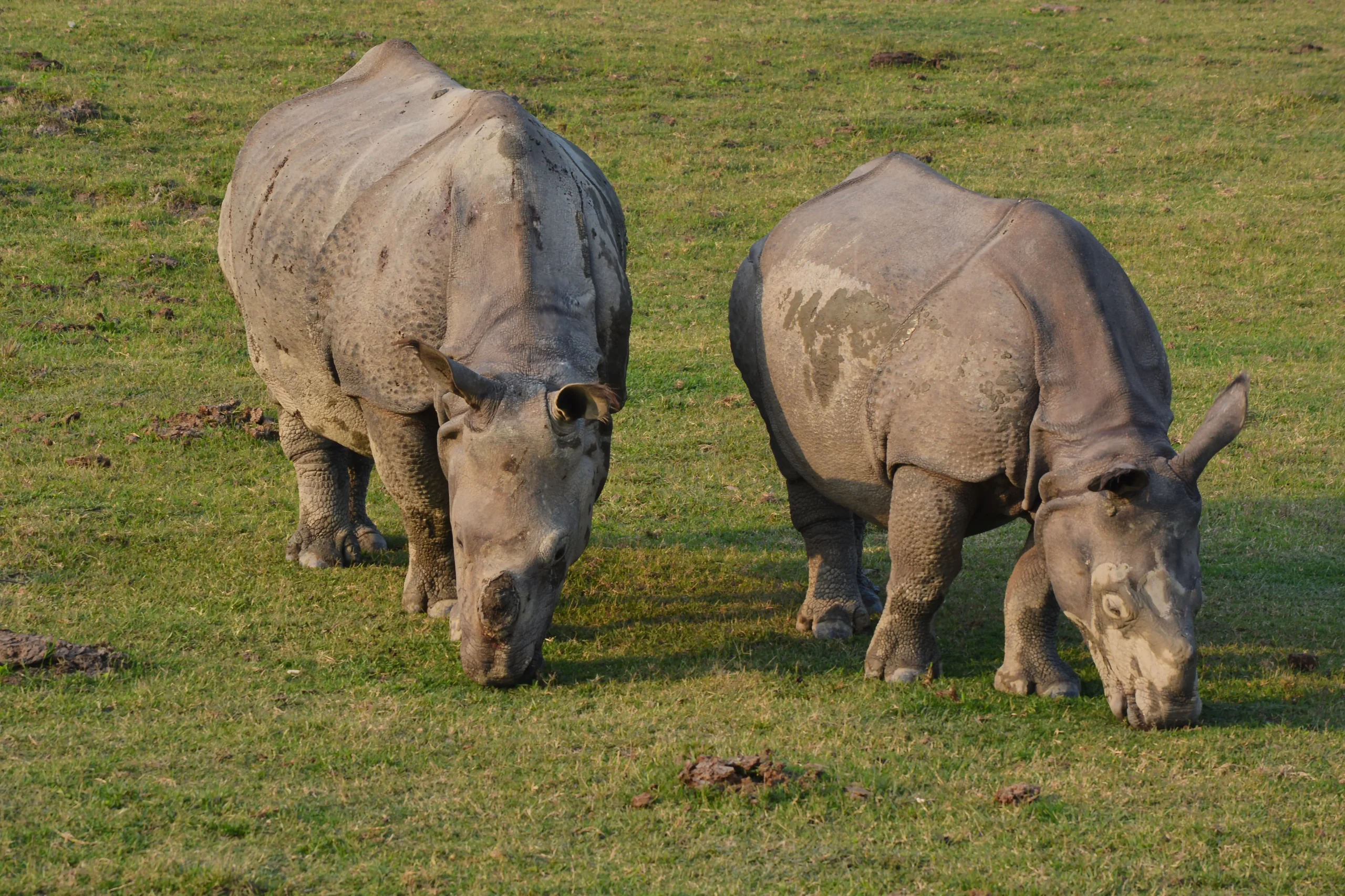
Discover why rhinos are endangered, the biggest threats they face, conservation success stories, and practical ways you can help protect all five rhino species.
Introduction, Rhinos at a Glance & Species Overview
Why Are Rhinos Endangered? Causes, Threats, Conservation Efforts, and How You Can Help
Introduction
Rhinos have survived for millions of years, yet today they are among the world’s most threatened large mammals. At the beginning of the 20th century, an estimated 500,000 rhinos roamed Africa and Asia. Today, fewer than 30,000 remain in the wild across just five surviving species. Their decline has been driven primarily by illegal poaching for rhino horn, habitat loss, and the growing pressures of human development.
Despite these challenges, the outlook is not entirely bleak. Intensive conservation efforts have helped some populations recover, showing that well-planned protection, community involvement, and international cooperation can make a measurable difference.
This guide explains why rhinos are endangered, examines the threats facing each species, explores how conservationists are responding, and highlights practical ways individuals can contribute to their long-term survival.
Rhinos at a Glance
Rhinos belong to one of the oldest surviving groups of large mammals. Today, only five species remain, divided between Africa and Asia. Each occupies different habitats and faces its own conservation challenges, although poaching and habitat loss affect all of them to varying degrees.
The Five Living Rhino Species
| Species | Main Range | General Conservation Situation |
| White Rhino | Southern Africa | Largest remaining population, but still threatened by poaching |
| Black Rhino | Eastern & Southern Africa | Recovering slowly after severe historical declines |
| Greater One-horned Rhino | India and Nepal | Significant conservation success, though still vulnerable |
| Javan Rhino | Indonesia | One of the rarest mammals on Earth, restricted to a single wild population |
| Sumatran Rhino | Indonesia | Critically endangered with a very small, fragmented population |
Although all five species are threatened, they do not face identical levels of risk. The Javan and Sumatran rhinos are considered the most vulnerable because of their extremely small populations and restricted distribution, while the Greater One-horned Rhino represents one of conservation’s notable recovery stories.
Where Do Rhinos Live Today?
Modern rhino populations occupy only a fraction of their historical range.
African rhinos are found primarily in countries such as South Africa, Namibia, Kenya, Zimbabwe, and Botswana. Asian rhinos survive mainly in India, Nepal, Indonesia, and a few highly protected landscapes. Many populations now depend on national parks, wildlife reserves, and carefully managed conservation areas to ensure their survival.
Several protected areas have become globally important for rhino conservation, including:
- Kaziranga National Park (India)
- Chitwan National Park (Nepal)
- Kruger National Park (South Africa)
- Ujung Kulon National Park (Indonesia)
- Way Kambas National Park (Indonesia)
These protected landscapes safeguard some of the world’s last viable rhino populations and serve as important centres for conservation research, anti-poaching efforts, and habitat management.
Field Note
One of the clearest lessons from rhino conservation is that protected areas alone are not enough. Long-term success depends on effective law enforcement, local community participation, habitat connectivity, and sustained political commitment.
Why Are Rhinos Endangered?
The decline of rhino populations cannot be attributed to a single cause. Instead, several interconnected threats have reduced their numbers over the past century. While the relative importance of these threats varies by species and location, illegal poaching, habitat loss, and the challenges associated with small populations remain the primary drivers of their endangered status.
Why Are Rhinos Endangered?
Poaching for Rhino Horn
Poaching is the single greatest threat facing most rhino populations today. Thousands of rhinos have been illegally killed over the past decade to supply the international market for rhino horn. Organized criminal networks often coordinate these activities, making poaching a sophisticated and highly profitable illegal trade rather than isolated acts by individual hunters.
Rhino horn is composed primarily of keratin, the same protein found in human hair and fingernails. Despite this, persistent myths and luxury demand continue to fuel illegal markets in several countries.
Poaching has consequences that extend beyond the death of individual animals. It can:
- Reduce breeding populations.
- Leave calves orphaned.
- Disrupt social structures.
- Reduce genetic diversity.
- Increase the risk of local extinction.
Field Note
Modern poaching operations often involve advanced equipment, cross-border smuggling networks, and sophisticated trafficking routes. As a result, protecting rhinos requires coordinated law enforcement rather than wildlife protection alone.
Illegal Wildlife Trade and Organized Crime
Rhino horn is one of the world’s most valuable illegal wildlife products, attracting organized criminal groups involved in international trafficking. The supply chain generally involves multiple stages:
- Local poachers kill the rhino.
- Middlemen purchase the horn.
- Smuggling networks transport it across borders.
- International traffickers move it into consumer markets.
- Buyers purchase it for traditional medicine claims, ornamental carvings, or as a luxury status symbol.
Because large financial incentives exist throughout this chain, anti-poaching efforts increasingly focus on dismantling criminal networks in addition to protecting rhinos in the field.
Why Do People Want Rhino Horn?
Demand for rhino horn comes mainly from two sources.
Traditional Medicine
For centuries, rhino horn has been used in some traditional medical practices. However, scientific studies have found no evidence that rhino horn has medicinal properties. Since the horn consists largely of keratin, it provides no proven medical benefit beyond that of other keratin-based materials.
Status and Luxury Consumption
In some markets, rhino horn is also viewed as a symbol of wealth, prestige, or social status. This demand is unrelated to medical use and is driven largely by rarity and high market value.
Common Misconception
Myth: Rhino horn cures serious diseases.
Fact: There is no credible scientific evidence supporting medicinal claims for rhino horn. It is made primarily of keratin, the same material found in hair and nails.
Habitat Loss and Fragmentation
Even in areas where poaching is well controlled, rhinos continue to face pressure from habitat loss.
As human populations grow, forests, grasslands, and wetlands are converted into farmland, settlements, roads, and industrial developments. These changes reduce the amount of suitable habitat available to rhinos and isolate populations into smaller protected areas.
Habitat fragmentation creates several challenges:
- Smaller breeding populations.
- Reduced movement between protected areas.
- Greater competition for food and water.
- Increased encounters with people.
- Higher risk of human-wildlife conflict.
For species with already limited distributions, such as the Javan and Sumatran rhinos, habitat fragmentation further increases extinction risk.
Responsible Tourism Tip
When visiting rhino habitats, choose safari operators and lodges that actively support protected-area management and local conservation initiatives. Responsible tourism can provide important funding for habitat protection and community livelihoods.
Small Populations and Genetic Challenges
Some rhino species now survive in extremely small populations. While protection from poaching is essential, small population size creates additional biological challenges.
These include:
- Reduced genetic diversity.
- Greater risk of inbreeding.
- Lower reproductive success.
- Increased vulnerability to disease.
- Higher risk from natural disasters.
For example, the Javan Rhino survives in only a single wild population, making the species particularly vulnerable to events such as disease outbreaks, volcanic activity, or severe storms. Similarly, the Sumatran Rhino exists in several small, isolated populations that face long-term genetic challenges.
Climate Change and Emerging Threats
Climate change is not currently considered the primary cause of rhino decline, but it is expected to increase existing conservation challenges.
Potential impacts include:
- Longer droughts affecting water availability.
- Changes in vegetation.
- Increased frequency of extreme weather events.
- Altered disease patterns.
- Greater pressure on already fragmented habitats.
For species with very limited ranges, these environmental changes may further reduce resilience and complicate long-term recovery efforts.
Expert Tip
Conservation experts increasingly emphasize that protecting rhinos requires addressing all major threats together. Strong law enforcement alone cannot ensure long-term survival if habitats continue to shrink or populations remain too small to maintain healthy genetic diversity.
Species-by-Species Conservation Status & How Rhinos Are Being Protected
Not all rhino species face the same conservation challenges. Some have shown encouraging recoveries after decades of intensive protection, while others remain at immediate risk of extinction because of their extremely small populations and restricted distribution.
Understanding the status of each species helps explain why conservation strategies must be tailored to local conditions rather than applying a single global solution.
Species-by-Species Conservation Status
White Rhino
The white rhino is the world’s largest rhino species and currently has the largest surviving population. Most individuals occur in southern Africa, particularly South Africa, with additional populations in several neighboring countries.
The southern white rhino represents one of wildlife conservation’s most encouraging recovery stories. From a population of only a few dozen animals in the early twentieth century, sustained protection has enabled the species to recover to many thousands of individuals. However, continued poaching means its future still depends on intensive conservation efforts.
Key Threats
- Illegal poaching
- Organized wildlife trafficking
- Habitat fragmentation
- Political instability affecting protected areas
Black Rhino
Black rhinos experienced dramatic declines during the twentieth century because of widespread poaching.
Although populations have gradually increased through conservation programs, the species remains highly threatened. Intensive monitoring, anti-poaching patrols, and carefully managed breeding populations continue to play a crucial role in its recovery.
Key Threats
- Poaching
- Habitat degradation
- Small isolated populations
- Human-wildlife conflict
Greater One-horned Rhino
The Greater One-horned Rhino is found mainly in India and Nepal and is widely regarded as one of the most successful examples of large mammal conservation in Asia.
Strict protection, habitat restoration, effective anti-poaching measures, and cooperation with local communities have helped populations recover significantly over recent decades. Nevertheless, the species still faces risks from habitat fragmentation, floods, invasive vegetation, and illegal hunting.
India Focus
India is home to the majority of the world’s Greater One-horned Rhinos.
Important protected areas include:
- Kaziranga National Park (Assam)
- Pobitora Wildlife Sanctuary (Assam)
- Orang National Park (Assam)
- Manas National Park (Assam)
- Jaldapara National Park (West Bengal)
- Dudhwa National Park (Uttar Pradesh)
Kaziranga National Park supports the largest population of Greater One-horned Rhinos in the world and has become an internationally recognised model for rhino conservation through strong law enforcement, habitat management, and regular scientific monitoring.
Field Note
Seasonal flooding in Assam’s Brahmaputra floodplains can temporarily displace rhinos into surrounding areas. While floods are a natural ecological process that maintains productive grasslands, they can also increase risks from road traffic, poaching, and human-wildlife interactions if animals move outside protected areas.
Javan Rhino
The Javan Rhino is among the rarest large mammals on Earth.
Today, the entire known wild population survives in Indonesia’s Ujung Kulon National Park. While this protected area offers strong legal protection, relying on a single population creates significant conservation risks.
Potential threats include:
- Disease outbreaks
- Volcanic eruptions
- Tsunamis
- Habitat changes
- Limited genetic diversity
Because there is no second wild population, conservationists continue to evaluate options for reducing extinction risk through long-term population management.
Sumatran Rhino
The Sumatran Rhino is the smallest living rhino species and one of the most critically endangered.
Its remaining populations are fragmented across isolated forest landscapes in Indonesia. Small population size, limited breeding opportunities, habitat fragmentation, and historical poaching continue to threaten the species.
Conservation programs increasingly focus on carefully managed breeding initiatives alongside habitat protection in an effort to improve long-term survival.
How Conservationists Are Protecting Rhinos
Rhino conservation involves far more than preventing poaching. Successful programs combine science, law enforcement, habitat management, local community participation, and international cooperation.
Ranger Patrols and Field Protection
Wildlife rangers form the frontline of rhino conservation.
Their responsibilities include:
- Monitoring rhino movements
- Conducting anti-poaching patrols
- Removing snares
- Responding to illegal activities
- Collecting ecological data
- Assisting veterinary teams during emergencies
Many protected areas now combine traditional field patrols with intelligence-led operations to disrupt criminal networks before poaching occurs.
Modern Anti-Poaching Technology
Conservation organisations increasingly use technology to strengthen rhino protection.
Examples include:
- Drone surveillance
- GPS and satellite tracking
- Camera trap networks
- Rhino horn DNA databases
- Thermal imaging
- Wildlife crime intelligence systems
These tools improve monitoring efficiency and provide valuable evidence for wildlife crime investigations.
Dehorning
Some reserves remove most of a rhino’s horn under veterinary supervision to reduce its attractiveness to poachers.
Advantages
- May reduce poaching incentives
- Can provide short-term protection in high-risk areas
Limitations
- Horns grow back and require repeated procedures.
- Does not eliminate poaching entirely.
- Requires ongoing veterinary management.
- Can be expensive to implement across large landscapes.
Because of these limitations, dehorning is usually used alongside broader conservation measures rather than as a standalone solution.
Wildlife Translocation
Moving rhinos from one protected area to another can help establish new populations, reduce overcrowding, and improve genetic diversity.
Successful translocations require careful planning, veterinary expertise, habitat assessment, and long-term monitoring.
Captive Breeding
For species with extremely small populations, carefully managed breeding programmes may contribute to future recovery.
However, experts generally view captive breeding as one component of conservation rather than a complete solution, since maintaining healthy wild populations remains the primary objective.
Community-Based Conservation
Many successful rhino conservation programmes involve local communities directly.
Communities can contribute by:
- Supporting habitat protection
- Reporting illegal activities
- Participating in conservation employment
- Benefiting from responsible tourism
- Promoting environmental education
Providing local economic benefits helps strengthen long-term support for wildlife conservation while reducing incentives for illegal activities.
Comparison: Major Rhino Conservation Strategies
| Conservation Strategy | Main Purpose | Advantages | Limitations |
| Ranger patrols | Protect rhinos in the field | Immediate response to threats | Resource intensive |
| Technology | Improve monitoring | Better surveillance and intelligence | High setup and maintenance costs |
| Dehorning | Reduce poaching incentive | Can lower immediate risk | Requires repeated procedures |
| Translocation | Establish new populations | Improves distribution and genetics | Complex planning required |
| Captive breeding | Support critically endangered species | Helps maintain breeding populations | Cannot replace healthy wild populations |
| Community conservation | Build local support | Long-term sustainability | Requires continuous engagement |
Expert Tip
The most successful rhino conservation programmes combine multiple strategies rather than relying on a single intervention. Strong protection, healthy habitats, scientific monitoring, and local community participation work together to improve the long-term survival prospects of rhino populations.
What You Can Do to Help, Common Myths, Common Mistakes, FAQs & Conclusion
Protecting rhinos is not solely the responsibility of governments, wildlife authorities, or conservation organisations. Responsible choices made by travellers, educators, businesses, and the public also contribute to long-term conservation. While individual actions may seem small, they collectively help reduce illegal demand, support protected areas, and raise awareness about one of the world’s most threatened groups of mammals.
What You Can Do to Help Protect Rhinos
Support Responsible Wildlife Tourism
Visiting national parks and wildlife reserves that follow responsible tourism practices can generate revenue for conservation, local communities, and habitat management.
When planning a wildlife trip:
- Choose licensed safari operators.
- Stay at accommodations supporting conservation initiatives.
- Follow park regulations.
- Maintain a safe distance from wildlife.
- Never encourage off-road driving or disturbance for better photographs.
Photography Tip
A respectful wildlife photograph is always more valuable than a close photograph that disturbs an animal. Patience often produces better images while allowing rhinos to behave naturally.
Never Buy Rhino Horn Products
Regardless of how products are marketed, purchasing rhino horn directly contributes to illegal demand.
Avoid buying:
- Traditional medicines claiming to contain rhino horn.
- Decorative carvings.
- Jewellery or ornaments made from rhino horn.
- Souvenirs of uncertain origin.
Reducing consumer demand remains one of the most effective long-term approaches to combating illegal wildlife trade.
Support Reputable Conservation Organisations
Many conservation organisations work directly with governments and protected areas to:
- Fund ranger patrols.
- Restore habitats.
- Monitor rhino populations.
- Conduct scientific research.
- Support local communities.
- Improve anti-poaching efforts.
When donating, choose organisations with transparent reporting and clearly documented conservation outcomes.
Spread Accurate Information
Many misconceptions about rhinos continue because misinformation spreads easily.
Sharing evidence-based information helps:
- Reduce myths about rhino horn.
- Promote responsible tourism.
- Increase public awareness.
- Encourage support for conservation programmes.
Education remains one of the most cost-effective conservation tools.
Practical Checklist
✔ Visit ethical wildlife destinations.
✔ Follow park rules.
✔ Never purchase wildlife products.
✔ Support trusted conservation organisations.
✔ Learn about the species before travelling.
✔ Share verified conservation information.
✔ Encourage responsible wildlife tourism.
Common Myths About Rhinos
Myth: Rhino horn has proven medicinal value.
Reality: Rhino horn is made primarily of keratin and has no scientifically proven medicinal benefits.
Myth: All rhino species are equally endangered.
Reality: Conservation status varies considerably. Some species have shown encouraging recoveries, while others survive in extremely small populations.
Myth: Poaching is the only threat.
Reality: Habitat loss, fragmentation, genetic isolation, climate-related pressures, and human activities also threaten long-term survival.
Myth: Captive breeding alone can save rhinos.
Reality: Captive breeding can support conservation but cannot replace secure habitats and healthy wild populations.
Common Mistakes People Make When Discussing Rhino Conservation
- Assuming all rhino species face identical conservation challenges.
- Believing rhino horn possesses scientifically proven medicinal properties.
- Focusing only on poaching while overlooking habitat protection.
- Underestimating the importance of local community participation.
- Assuming conservation success means a species is no longer at risk.
- Sharing outdated population estimates without checking their source and publication date.
- Supporting wildlife attractions that prioritise entertainment over conservation.
Frequently Asked Questions
Why are rhinos endangered?
The main causes are illegal poaching for rhino horn, habitat loss, habitat fragmentation, and the challenges associated with maintaining very small wild populations.
How many rhino species exist?
There are five living rhino species: White, Black, Greater One-horned, Javan, and Sumatran rhinos.
Which rhino species is the most endangered?
The Javan and Sumatran rhinos are among the world’s most endangered large mammals because of their extremely small populations and restricted ranges.
Why do poachers target rhinos?
Poachers kill rhinos primarily for their horns, which are illegally traded for traditional medicine claims, luxury consumption, and ornamental products.
Does rhino horn cure diseases?
No. Scientific evidence does not support medicinal claims associated with rhino horn, which is composed mainly of keratin.
Which country has the most Greater One-horned Rhinos?
India supports the largest population, with Kaziranga National Park holding the world’s biggest concentration of Greater One-horned Rhinos.
Can rhino populations recover?
Yes. Conservation successes, particularly for the Southern White Rhino and Greater One-horned Rhino, demonstrate that strong protection, habitat management, and community participation can significantly improve populations over time.
How can tourists help protect rhinos?
By choosing responsible safari operators, following park regulations, avoiding wildlife products, supporting ethical conservation organisations, and promoting accurate conservation information.
Conclusion
Rhinos have survived dramatic environmental changes over millions of years, but today’s threats are largely driven by human activity. Illegal wildlife trade, habitat loss, fragmented populations, and increasing pressure on natural landscapes continue to threaten all five surviving species.
At the same time, conservation successes demonstrate that extinction is not inevitable. The recovery of the Greater One-horned Rhino in India and Nepal, along with the Southern White Rhino in Africa, shows what can be achieved through sustained law enforcement, habitat protection, scientific management, and community involvement.
The future of rhinos will depend on maintaining these long-term efforts while addressing the illegal demand that continues to drive poaching. Governments, conservation organisations, researchers, local communities, and responsible travellers all have important roles to play. Every protected habitat, informed visitor, and successful conservation initiative contributes to ensuring that future generations continue to share the planet with these remarkable animals.
Kaziranga National Park : Topics Cluster
- Complete Guide to Kaziranga Detailed Guide
- Kaziranga Safari Quick Guide
- Guwahati to Kaziranga Travel Guide
- Best Resorts near Kaziranga National Park
- 4 Days Assam Wildlife itinerary
- Rhinos conservation
- One Horned Rhinoceros
- Grasslands Ecology
- Wildlife in Assam
- Birding Hotspots in Assam
- Wildlife Tourism in Assam
- Wildlife Tourism in Northeast India
- Biodiversity of Northeast India
- UNESCO World Heritage Sites India Wildlife
- Biodiversity hotspots of India
- Kaziranga Elephant Safaris (upcoming)
- Kaziranga Photography Guide (upcoming)