
Discover wildlife tourism in the Indian Himalayas with the best parks, iconic species, travel seasons, planning tips, conservation insights, and expert advice.
Wildlife Tourism in the Himalayas, India
The Indian Himalayas offer a very different wildlife experience from the country’s better-known tiger reserves. Instead of short jeep safaris through deciduous forests, wildlife travel here often involves mountain drives, gentle hikes, patient observation, birdwatching, and, in some regions, multi-day expeditions into high-altitude landscapes. Success is measured less by the number of animal sightings and more by understanding how wildlife survives in some of India’s most challenging environments.
Stretching across Jammu and Kashmir, Ladakh, Himachal Pradesh, Uttarakhand, Sikkim, and Arunachal Pradesh, the Indian Himalayas encompass a remarkable range of ecosystems. Dense temperate forests, alpine meadows, rocky trans-Himalayan plateaus, and high-altitude wetlands each support different wildlife communities. This diversity means that the best destination depends on what you hope to experience—tracking snow leopards in winter, watching Himalayan birds in spring, or exploring mountain national parks during the warmer months.
Unlike many wildlife destinations where the focus is on a single flagship species, Himalayan wildlife tourism is about landscapes as much as animals. A visit may include spotting blue sheep grazing on steep slopes, hearing the call of a Himalayan monal in a forest, watching black-necked cranes in Ladakh’s wetlands, or simply observing how wildlife and local communities coexist in remote mountain valleys.
The region is also one of India’s most important conservation landscapes. Many species occupy fragile habitats that are sensitive to climate change, infrastructure development, and increasing visitor numbers. Responsible tourism therefore plays an important role in supporting conservation while providing livelihoods for local communities through guiding, homestays, and nature-based tourism.
Why Wildlife Tourism in the Indian Himalayas is Different
Wildlife changes dramatically with altitude
One of the defining features of Himalayan wildlife tourism is that species distribution changes rapidly as elevation increases. Forests in the lower mountains support very different wildlife from the alpine meadows, rocky slopes, and cold deserts found above the tree line.
For travellers, this means that no single destination represents the entire Himalayas. Ladakh and the Trans-Himalaya are known for high-altitude specialists such as the snow leopard, Himalayan ibex, and bharal, while Himachal Pradesh’s forests and Great Himalayan National Park provide opportunities to observe species such as the Himalayan monal, western tragopan, musk deer, and Himalayan black bear. In the eastern Himalayas, Sikkim and Arunachal Pradesh support a different mix of mammals and birds adapted to wetter mountain forests.
Wildlife tourism goes beyond jeep safaris
Visitors familiar with central Indian national parks may expect wildlife tourism to revolve around vehicle-based safaris. In the Himalayas, the experience is often more varied.
Depending on the destination, wildlife activities may include:
- Guided nature walks
- Birdwatching excursions
- High-altitude trekking
- Landscape photography
- Wetland observation
- Community-guided wildlife tracking
- Snow leopard expeditions during winter
Patience is particularly important. Many Himalayan species are naturally elusive, and sightings are influenced by weather, season, terrain, and altitude rather than predictable safari routes. The reward is a deeper appreciation of mountain ecosystems rather than simply adding species to a checklist.
Field Note: A successful Himalayan wildlife trip is not defined by seeing every iconic species. Understanding the landscape, local conservation efforts, and seasonal wildlife behaviour often becomes the most memorable part of the journey.
Conservation is central to the visitor experience
Much of the wildlife that attracts travellers to the Himalayas lives in landscapes shared with local communities. Conservation therefore extends beyond national park boundaries and often depends on cooperation between residents, researchers, protected-area managers, and responsible tourism initiatives.
Community-run homestays, local wildlife guides, village conservation programmes, and visitor education increasingly form part of the Himalayan tourism experience. These initiatives help create economic incentives for protecting wildlife while encouraging travellers to minimise their environmental impact in fragile mountain ecosystems.
The importance of these landscapes is reflected in recent conservation efforts, including India’s first scientific national snow leopard assessment, which estimated a population of 718 individuals and highlighted the need to protect habitat both inside and outside protected areas. This underscores why responsible visitor behaviour is an essential part of wildlife tourism in the Himalayas.
Best Wildlife Tourism Destinations in the Indian Himalayas
Choosing the right destination is the most important decision when planning a Himalayan wildlife trip. Unlike many wildlife regions where experiences are broadly similar, each part of the Himalayas offers distinct habitats, species, landscapes, and travel styles. Some areas are known for high-altitude predators, while others are better suited to birdwatching, forest wildlife, or community-based nature tourism.
Comparison Table: Top Wildlife Destinations in the Indian Himalayas
| Destination | Best Known For | Ideal Season | Suitable For |
| Hemis National Park, Ladakh | Snow leopards, blue sheep, ibex | Winter | Wildlife enthusiasts, photographers |
| Changthang, Ladakh | Black-necked cranes, wetlands | Summer | Birdwatchers, nature travellers |
| Great Himalayan National Park | Forest wildlife and Himalayan birds | Spring to autumn | First-time visitors, trekkers |
| Pin Valley National Park | Cold-desert wildlife | Summer | Experienced travellers |
| Uttarakhand High Himalayas | Alpine mammals and birds | Spring to autumn | Wildlife and trekking enthusiasts |
| Khangchendzonga National Park | Eastern Himalayan biodiversity | Spring and autumn | Wildlife photographers, birders |
| Arunachal Pradesh Forests | Rare birds and rainforest mammals | Spring | Experienced birdwatchers |
Hemis National Park, Ladakh
For travellers hoping to see a snow leopard, Hemis National Park is the destination most often associated with this elusive mountain cat. Located in Ladakh’s Trans-Himalayan landscape, the park consists of rugged mountains, deep valleys, and sparse vegetation that support wildlife specially adapted to life at high altitude.
Winter attracts wildlife travellers because snow at higher elevations encourages snow leopards to move towards lower valleys in search of prey. Even so, sightings are never guaranteed. Successful trips usually rely on experienced local trackers who understand animal movements and terrain.
Other wildlife found in the region includes:
- Bharal (blue sheep)
- Himalayan ibex
- Himalayan wolf
- Red fox
- Golden eagle
- Lammergeier (bearded vulture)
Expert Tip
Plan Hemis primarily for the overall mountain wildlife experience rather than expecting a guaranteed snow leopard sighting. Patience and realistic expectations usually lead to a more rewarding visit.
Changthang and the Ladakh Wetlands
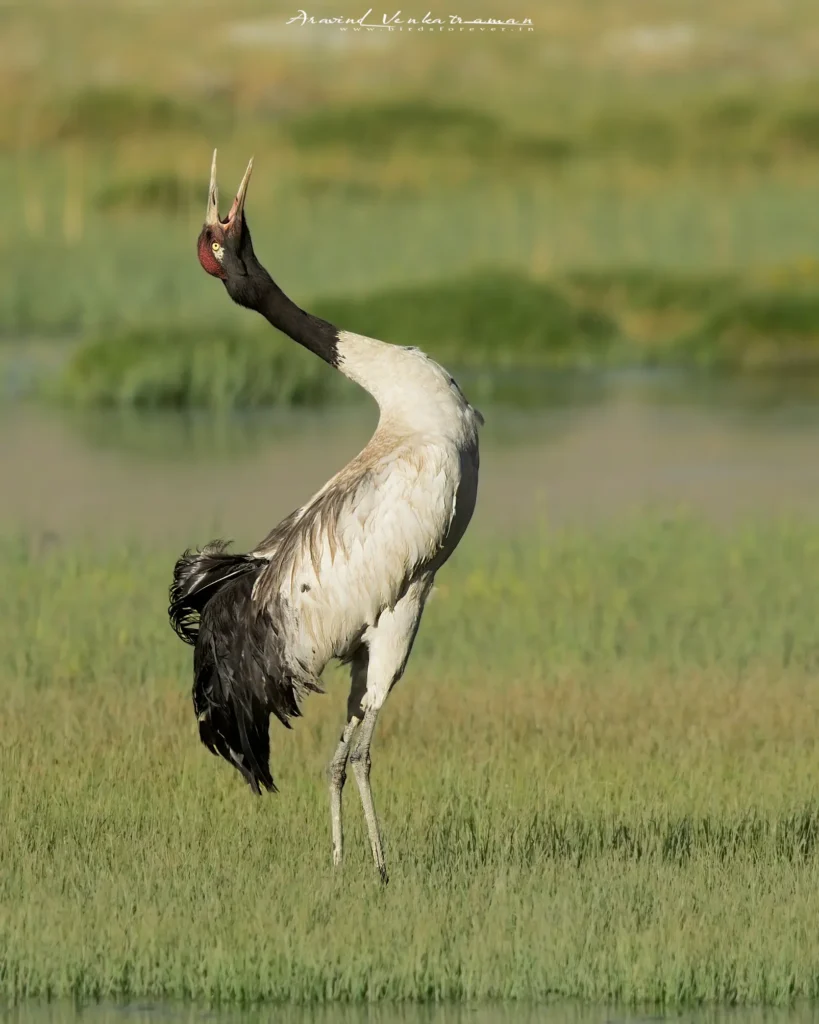
While Ladakh is often associated with snow leopards, its high-altitude wetlands offer a completely different wildlife experience. Lakes, marshes, and seasonal wetlands provide breeding and feeding grounds for several specialised bird species.
The flagship species here is the black-necked crane, one of the most sought-after birds in the Indian Himalayas. These wetlands also support migratory waterfowl and other high-altitude birds during the breeding season.
Compared with snow leopard expeditions, wetland visits are generally less physically demanding and can be combined with broader sightseeing across Ladakh.
Photography Tip
Early morning often provides calmer water, softer light, and better opportunities to photograph waterbirds and mountain reflections.
Great Himalayan National Park, Himachal Pradesh
For many first-time visitors, Great Himalayan National Park (GHNP) is one of the most balanced wildlife destinations in the Indian Himalayas. Unlike Ladakh’s cold deserts, GHNP protects temperate forests, alpine meadows, rivers, and mountain valleys, creating habitat for a wide variety of mammals and birds. It was recognised as a UNESCO World Heritage Site in 2014 for its outstanding natural values.
According to official park information, the park supports 31 mammal species and 209 bird species, making it particularly attractive for birdwatchers and naturalists.
Wildlife that visitors may encounter includes:
- Himalayan monal
- Western tragopan
- Himalayan black bear
- Himalayan musk deer
- Himalayan tahr
- Various pheasants and raptors
Unlike parks centred on vehicle safaris, visiting GHNP usually involves guided walks and trekking routes that encourage a slower exploration of the landscape.
Field Note
Many visitors remember GHNP less for individual sightings and more for its quiet forests, mountain streams, and opportunities to observe wildlife in relatively undisturbed habitats.
Pin Valley National Park
Located in Himachal Pradesh’s Spiti region, Pin Valley National Park protects another section of the Trans-Himalayan cold desert ecosystem. Although neighbouring landscapes share similarities with Ladakh, Pin Valley has its own character, shaped by steep valleys, rocky slopes, and alpine habitats.
The park is known for wildlife such as:
- Snow leopard
- Himalayan ibex
- Bharal
- Red fox
- Himalayan birds of prey
Because of its altitude and remote location, Pin Valley generally appeals to experienced travellers who are comfortable with mountain conditions and longer journeys. Wildlife viewing often depends on patient observation rather than frequent sightings.
Uttarakhand’s High-altitude Protected Areas
Uttarakhand offers a different wildlife experience from the cold deserts of Ladakh and Spiti. Here, forests gradually give way to alpine meadows and high mountain habitats, supporting a mix of birds and mammals adapted to varying elevations.
Depending on the location and season, travellers may encounter:
- Himalayan monal
- Musk deer
- Himalayan tahr
- Himalayan black bear
- High-altitude raptors
Many wildlife trips in Uttarakhand combine nature observation with trekking, making the region suitable for travellers who enjoy both mountain landscapes and wildlife watching.
Khangchendzonga National Park, Sikkim
Khangchendzonga National Park showcases the eastern Himalayas, where heavier rainfall and dense mountain forests create habitats very different from those of the western Himalayas.
The park is recognised for its combination of biodiversity, dramatic elevation changes, and protected mountain ecosystems. Wildlife is often more difficult to observe because of dense vegetation, but patient visitors may encounter a diverse range of birds and mammals adapted to forest habitats.
The eastern Himalayas also introduce travellers to a distinctly different ecological region, highlighting how wildlife changes across the Himalayan range.
Forests of Arunachal Pradesh
For experienced wildlife travellers and birdwatchers, Arunachal Pradesh represents one of India’s most rewarding mountain destinations. Extensive forests, varied elevations, and relatively low visitor numbers support an impressive diversity of birds and mammals.
Rather than focusing on a single flagship species, wildlife tourism here centres on exploring habitats where many rare Himalayan birds and forest mammals occur.
Travellers should be prepared for:
- Longer travel times
- Variable weather
- Forest-based wildlife observation
- Birdwatching with experienced local guides
Because sightings often depend on field skills and patience, Arunachal is particularly appealing to repeat visitors and specialist naturalists.
Decision Guide: Which Destination Should You Choose?
| If your priority is… | Recommended destination |
| Snow leopard tracking | Hemis National Park |
| High-altitude birdwatching | Changthang Wetlands |
| Forest wildlife | Great Himalayan National Park |
| UNESCO World Heritage landscape | Great Himalayan National Park |
| Cold-desert ecosystems | Pin Valley National Park |
| Mixed wildlife and trekking | Uttarakhand |
| Eastern Himalayan biodiversity | Khangchendzonga National Park |
| Specialist birding | Arunachal Pradesh |
Responsible Tourism Tip: Many Himalayan destinations rely on local guides, homestays, and community-based tourism. Choosing local services can help ensure that tourism benefits mountain communities while supporting long-term conservation efforts.
Iconic Wildlife of the Indian Himalayas
One of the biggest attractions of Himalayan wildlife tourism is the opportunity to observe animals that are rarely seen elsewhere in India. Unlike the large mammals of central Indian forests, many Himalayan species are adapted to steep slopes, rocky terrain, alpine meadows, dense temperate forests, or high-altitude wetlands. Their behaviour, habitat preferences, and seasonal movements make wildlife viewing here both challenging and rewarding.
Rather than expecting frequent sightings, travellers should view each encounter as the result of patience, suitable weather, knowledgeable guides, and a little good fortune.
Snow Leopard (Panthera uncia)
The snow leopard is the flagship species of the Indian Himalayas and one of the world’s most elusive big cats. It inhabits rugged mountain landscapes, generally at elevations between about 3,000 and 5,000 metres, where it relies on camouflage and steep terrain to hunt wild prey such as bharal and ibex.
India’s first scientific national snow leopard assessment, released in 2024, estimated 718 snow leopards across suitable habitats in Ladakh, Himachal Pradesh, Uttarakhand, Sikkim, Arunachal Pradesh, and Jammu & Kashmir. The assessment also highlighted that much of the species’ habitat extends beyond protected areas, making landscape-level conservation especially important.
Where travellers have the best opportunity
- Hemis National Park
- Trans-Himalayan landscapes of Ladakh
- Pin Valley region
- Other suitable high-altitude habitats
Even in these areas, sightings remain uncommon. Visitors often spend several days scanning mountain slopes with spotting scopes before locating a snow leopard.
Field Note: Experienced trackers often notice subtle clues such as fresh pugmarks, scrape marks, or the behaviour of bharal long before a snow leopard becomes visible.
Himalayan Brown Bear
The Himalayan brown bear is one of India’s largest terrestrial mammals and occupies alpine meadows and high mountain valleys in parts of Ladakh and neighbouring Himalayan regions. Because it ranges over vast areas and occurs at relatively low densities, encounters are generally infrequent.
Visitors are more likely to appreciate signs of its presence—tracks, feeding areas, or local knowledge—than guaranteed sightings.
Himalayan Black Bear
Unlike the brown bear, the Himalayan black bear is primarily associated with forested mountain habitats. It is found in suitable forests across parts of Himachal Pradesh, Uttarakhand, and the eastern Himalayas.
The species spends much of its time in dense vegetation, making direct observations relatively uncommon. During certain seasons, bears may descend to lower elevations in search of food.
Wildlife watchers should always maintain a safe distance if a bear is encountered and follow the guidance of local authorities and guides.
Bharal (Blue Sheep)
Despite their common name, bharal are neither true sheep nor typical goats. They are highly specialised mountain ungulates that inhabit rocky slopes and open alpine terrain across the Trans-Himalaya.
For wildlife tourists, bharal are important because they form one of the principal prey species for snow leopards.
Their excellent climbing ability allows them to move confidently across steep cliffs where predators must rely on stealth rather than speed.
Best places to see bharal
- Hemis National Park
- Ladakh
- Pin Valley
- Other Trans-Himalayan landscapes
Himalayan Tahr
The Himalayan tahr is another sure-footed mountain herbivore adapted to steep slopes and alpine grasslands. Its thick coat provides protection against harsh mountain weather, while its powerful limbs allow it to negotiate rugged cliffs with ease.
Travellers exploring Great Himalayan National Park and suitable Himalayan mountain habitats may encounter tahrs grazing during quieter parts of the day.
Himalayan Musk Deer
The Himalayan musk deer is among the more secretive mammals of the Himalayan forests. It typically inhabits dense vegetation and is most active during periods when human activity is minimal.
Rather than relying on speed, musk deer depend on camouflage and cautious behaviour to avoid predators.
Because of their elusive habits, most visitors are more likely to learn about them from naturalist guides than to observe one directly.
Himalayan Monal
The Himalayan monal is often considered one of India’s most striking mountain birds. The male displays brilliant iridescent plumage, while the female’s more subdued colours provide effective camouflage among forest vegetation.
As the state bird of Himachal Pradesh, the monal has become one of the most recognisable symbols of Himalayan wildlife.
Best opportunities
- Great Himalayan National Park
- Forested areas of Himachal Pradesh
- Suitable habitats in Uttarakhand
Birdwatchers often have the greatest success during spring, when birds become more active and vocal.
Photography Tip: Instead of approaching birds closely, use a telephoto lens and allow natural behaviour to unfold. This produces more authentic images while minimising disturbance.
Western Tragopan
The western tragopan is one of the Himalayan region’s most sought-after pheasants. Its restricted distribution and preference for dense mountain forests make it a prized species for dedicated birdwatchers.
Great Himalayan National Park is widely recognised as one of the important protected areas for this species. Observations usually require patience, experienced local guides, and favourable conditions.
Black-necked Crane
The black-necked crane is closely associated with the high-altitude wetlands of Ladakh. Unlike many Himalayan birds that inhabit forests or rocky mountains, this elegant crane depends on marshes and wetland ecosystems for breeding and feeding.
Its presence also highlights the ecological importance of Himalayan wetlands, which support numerous resident and migratory bird species.
Raptors of the Himalayas
Mountain skies are home to several impressive birds of prey, including:
- Lammergeier (Bearded Vulture)
- Himalayan Griffon
- Golden Eagle
These birds use rising mountain air currents to soar across valleys while searching for food. Even when large mammals remain hidden, raptor activity often provides memorable wildlife observations.
Comparison Table: Flagship Himalayan Wildlife
| Species | Typical Habitat | Best Known Region | Wildlife Viewing Difficulty |
| Snow Leopard | Rocky high mountains | Ladakh, Pin Valley | Very High |
| Himalayan Brown Bear | Alpine valleys | Ladakh | High |
| Himalayan Black Bear | Temperate forests | Himachal, Uttarakhand | High |
| Bharal (Blue Sheep) | Rocky alpine slopes | Trans-Himalaya | Moderate |
| Himalayan Tahr | Mountain grasslands | Himachal, Uttarakhand | Moderate |
| Himalayan Musk Deer | Dense mountain forests | Western Himalayas | High |
| Himalayan Monal | Temperate forests | Himachal, Uttarakhand | Moderate |
| Western Tragopan | Dense forests | Great Himalayan National Park | High |
| Black-necked Crane | High-altitude wetlands | Ladakh | Moderate |
Decision Guide: Which Wildlife Experience Interests You Most?
| Your Interest | Recommended Destination |
| Big cat tracking | Hemis National Park |
| Mountain mammals | Ladakh and Pin Valley |
| Colourful Himalayan pheasants | Great Himalayan National Park |
| High-altitude wetlands | Changthang, Ladakh |
| Bird photography | Himachal Pradesh and Arunachal Pradesh |
| Landscape and wildlife combination | Great Himalayan National Park |
Expert Tip: Focus on understanding habitats rather than chasing a single species. Travellers who appreciate mountain ecology, birdlife, landscapes, and local conservation efforts often find their Himalayan wildlife experience far more rewarding than those expecting guaranteed sightings of rare animals.
Best Time to Visit, Trip Planning & Responsible Wildlife Tourism
The best time to visit the Himalayas depends on the wildlife experience you want. There is no single season that suits every destination or species. Snow leopard expeditions are usually planned during winter, while birdwatching, forest wildlife, and trekking are generally more rewarding from spring through autumn. Weather, altitude, road conditions, and park accessibility should all be considered when planning your trip.
Best Time to Visit for Wildlife Viewing
Winter (December to February)
Winter transforms the higher Himalayas into snow-covered landscapes and is the preferred season for snow leopard tracking in Ladakh and other Trans-Himalayan regions.
Heavy snowfall at higher elevations may encourage snow leopards and their prey to move closer to valleys, improving the chances of observation. However, winter travel also brings freezing temperatures, occasional road closures, and the need for proper cold-weather preparation.
Best for:
- Snow leopard expeditions
- Himalayan ibex
- Bharal (blue sheep)
- Winter photography
- Experienced wildlife travellers
Spring (March to May)
Spring is one of the most rewarding seasons for many visitors. Snow begins to melt, mountain forests become more active, and numerous bird species enter their breeding season.
For birdwatchers and photographers, this period often offers pleasant weather, clearer trails, and increased bird activity.
Best for:
- Himalayan monal
- Western tragopan
- Forest wildlife
- Birdwatching
- Nature photography
Summer (June to August)
Summer opens many high-altitude routes that remain inaccessible during winter. Alpine meadows, mountain valleys, and Himalayan wetlands become easier to explore.
This is also an excellent period for observing wetland birds in Ladakh, including black-necked cranes in suitable habitats.
Travellers should remember that weather varies considerably across the Himalayas. Some eastern Himalayan destinations receive substantial rainfall during the monsoon season, while Ladakh’s cold desert remains comparatively dry.
Autumn (September to November)
Autumn offers stable weather, clear mountain views, and comfortable trekking conditions across many Himalayan regions.
Photographers often appreciate this season because atmospheric visibility improves after the monsoon, allowing expansive landscape photography alongside wildlife observation.
Comparison Table: Best Seasons by Wildlife Interest
| Wildlife Interest | Best Time |
| Snow leopard | Winter |
| Birdwatching | Spring |
| Himalayan pheasants | Spring |
| High-altitude wetlands | Summer |
| Landscape photography | Autumn |
| General wildlife travel | Spring to Autumn |
Planning Your Himalayan Wildlife Trip
Unlike conventional wildlife holidays, Himalayan journeys require additional planning because of altitude, changing weather, and remote locations.
Choose the Right Destination for Your Interests
Before booking accommodation or transport, decide what type of wildlife experience you want.
| Your Interest | Recommended Region |
| Snow leopard tracking | Ladakh |
| Forest wildlife | Himachal Pradesh |
| Birdwatching | Himachal, Arunachal Pradesh |
| Wetland birds | Changthang |
| Mixed wildlife and trekking | Uttarakhand |
| Eastern Himalayan biodiversity | Sikkim and Arunachal Pradesh |
Trying to combine every Himalayan destination into one trip usually results in excessive travel and limited wildlife time.
Allow Time for Acclimatisation
Many Himalayan wildlife destinations lie at high elevations where reduced oxygen levels can affect visitors.
Building sufficient acclimatisation time into your itinerary not only improves comfort but also allows you to enjoy wildlife excursions more safely and effectively.
Expert Tip: Avoid scheduling demanding wildlife excursions immediately after arriving at high-altitude destinations. Giving your body time to adjust often makes the remainder of the trip more enjoyable.
Pack for Changing Mountain Conditions
Weather in the Himalayas can change rapidly, even during otherwise stable seasons.
Practical Checklist
✔ Layered clothing
✔ Waterproof outer layer
✔ Warm hat and gloves
✔ Good walking shoes
✔ Binoculars
✔ Camera with spare batteries
✔ Reusable water bottle
✔ Sunscreen
✔ Sunglasses
✔ Personal medications
For wildlife photographers, additional batteries are particularly useful because cold temperatures can reduce battery performance.
Photography Planning
Wildlife photography in the Himalayas requires a different approach from vehicle-based safaris.
Success often depends on:
- Patience
- Quiet observation
- Longer viewing distances
- Understanding animal behaviour
- Good natural light
Rather than pursuing close encounters, photographers should prioritise ethical practices that avoid disturbing wildlife.
Photography Tip: Wide-angle lenses are valuable for capturing the dramatic relationship between wildlife and Himalayan landscapes, while telephoto lenses help photograph distant animals without causing disturbance.
Family Travel Considerations
Many Himalayan wildlife destinations are suitable for families, although the experience varies considerably.
Families generally find destinations such as Great Himalayan National Park and selected parts of Uttarakhand more accessible than specialised high-altitude snow leopard expeditions.
When travelling with children:
- Keep walking distances realistic.
- Build flexible schedules.
- Allow time for rest.
- Prioritise nature interpretation over long wildlife searches.
Responsible Wildlife Tourism
The Himalayas are among India’s most environmentally sensitive landscapes. Tourism provides income for mountain communities but also increases pressure on fragile ecosystems if not managed responsibly.
Support Community-Based Tourism
Many Himalayan regions increasingly encourage visitors to stay in locally operated accommodation and hire local guides.
These initiatives can:
- Create employment
- Support conservation awareness
- Strengthen local economies
- Encourage wildlife protection
Community participation has become an important part of wildlife conservation in several Himalayan landscapes.
Respect Wildlife
Responsible wildlife watching begins with giving animals sufficient space.
Visitors should:
- Follow park regulations.
- Remain on designated trails.
- Avoid making unnecessary noise.
- Never feed wildlife.
- Follow guide instructions.
- Observe animals from an appropriate distance.
Ethical behaviour not only protects wildlife but also improves the experience for future visitors.
Minimise Your Environmental Impact
Mountain ecosystems recover slowly from disturbance.
Simple actions can make a meaningful difference:
- Carry reusable bottles instead of disposable plastic.
- Take litter back with you.
- Stay on established paths.
- Reduce unnecessary vehicle use where possible.
- Respect local customs and traditions.
Responsible Tourism Tip: Leave the landscape exactly as you found it—or in better condition. Responsible behaviour by thousands of visitors over time has a far greater conservation impact than any single wildlife sighting.
Why Responsible Tourism Matters
Recent conservation efforts have highlighted that many important Himalayan wildlife habitats extend beyond formally protected national parks. This means local communities, private landowners, and visitors all influence conservation outcomes. Choosing responsible operators, respecting wildlife, and supporting community-led tourism helps ensure that wildlife tourism contributes positively to both conservation and local livelihoods.
Common Mistakes, Frequently Asked Questions & Conclusion
Before completing this final section, the article has been reviewed to ensure it:
- Covers the major search intents identified in the research brief.
- Preserves the key insights from the source material without introducing unsupported claims.
- Avoids unnecessary repetition.
- Maintains a consistent, practical tone.
- Uses comparison tables and callout boxes only where they add value.
- Keeps recommendations clearly separated from verified facts.
Common Mistakes to Avoid
A well-planned Himalayan wildlife trip is usually more rewarding than one that tries to cover too many places in too little time. These are some of the most common mistakes visitors make.
Expecting Guaranteed Wildlife Sightings
Unlike many popular safari destinations, wildlife in the Himalayas is naturally elusive. Species such as the snow leopard, musk deer, and western tragopan may remain unseen even during well-planned trips.
Approach your visit with realistic expectations and enjoy the broader experience of mountain landscapes, birds, and local culture.
Choosing the Wrong Season
Every destination has an ideal season.
For example:
- Winter is generally preferred for snow leopard tracking.
- Spring is often better for birdwatching.
- Summer suits many high-altitude wetlands.
- Autumn offers clear mountain views for photography.
Planning around your wildlife interests usually leads to a more satisfying trip.
Underestimating Altitude
High-altitude destinations require time for acclimatisation.
Trying to fit long drives, trekking, and wildlife excursions into the first day can reduce both safety and enjoyment.
Trying to Visit Too Many Destinations
The Himalayas cover an enormous area.
Instead of rushing between states, spend more time exploring one or two regions in depth.
This improves wildlife opportunities while reducing travel fatigue.
Disturbing Wildlife
Approaching animals too closely, making loud noises, leaving marked trails, or attempting to attract wildlife for photographs can negatively affect animal behaviour.
Ethical wildlife viewing should always take priority over obtaining a close photograph.
Ignoring Local Guides
Local naturalists often understand seasonal wildlife movements, bird calls, and animal behaviour far better than visitors.
Hiring trained local guides not only improves wildlife viewing but also supports community-based conservation.
Frequently Asked Questions
1. What is wildlife tourism in the Indian Himalayas?
It is nature-based travel focused on observing Himalayan wildlife, birds, mountain ecosystems, and protected landscapes through activities such as guided walks, birdwatching, trekking, and wildlife tracking.
2. Which Himalayan state is best for wildlife tourism?
There is no single best state. Ladakh is well known for snow leopards, Himachal Pradesh for forest wildlife, Uttarakhand for mountain landscapes, and Sikkim and Arunachal Pradesh for eastern Himalayan biodiversity.
3. Where can I see snow leopards in India?
Hemis National Park and other Trans-Himalayan landscapes of Ladakh are among the best-known destinations for snow leopard expeditions.
4. Is seeing a snow leopard guaranteed?
No. Snow leopards are among the world’s most elusive big cats, and sightings depend on weather, habitat, wildlife movements, and good fortune.
5. Which national park is best for first-time visitors?
Great Himalayan National Park is often a good choice because it combines diverse habitats, birdlife, mountain scenery, and established visitor infrastructure.
6. When is the best time to visit?
It depends on your interests. Winter is generally preferred for snow leopard tracking, while spring through autumn suits most other wildlife experiences.
7. Which Himalayan destination is best for birdwatching?
Great Himalayan National Park, Arunachal Pradesh, and Ladakh’s wetlands are among the leading birdwatching destinations highlighted in the research brief.
8. Can families enjoy Himalayan wildlife tourism?
Yes, although destinations vary. Moderate-altitude parks and guided nature walks are generally more suitable for families than specialised high-altitude expeditions.
9. Are Himalayan wildlife trips physically demanding?
Some are, particularly snow leopard expeditions and longer treks. Others involve relatively gentle walks and birdwatching.
10. What wildlife can I realistically expect to see?
Common observations depend on the destination and season. Birds, mountain landscapes, and signs of wildlife are usually more reliable than sightings of rare mammals.
11. Is Great Himalayan National Park a jeep safari destination?
No. Wildlife experiences there generally involve guided walks and trekking rather than conventional jeep safaris.
12. Why are Himalayan wetlands important?
High-altitude wetlands provide habitat for specialised birds, including the black-necked crane, and support many migratory species.
13. Why should I hire a local guide?
Local guides improve wildlife interpretation, help locate species responsibly, and support local livelihoods.
14. Is wildlife tourism helpful for conservation?
When managed responsibly, tourism can support local employment, conservation awareness, and community participation in protecting wildlife.
15. What should I pack?
Layered clothing, good walking shoes, binoculars, sun protection, reusable water bottles, and weather-appropriate gear are recommended.
16. Can beginners enjoy Himalayan wildlife travel?
Yes. Choosing accessible destinations and travelling with experienced guides makes the experience suitable even for first-time visitors.
17. How does altitude affect wildlife viewing?
Altitude influences both wildlife distribution and visitor comfort. Species change significantly across different elevations, and travellers should allow time to acclimatise.
18. Are birds as important as mammals in the Himalayas?
Yes. Many travellers visit specifically for Himalayan pheasants, raptors, cranes, and other mountain birds.
19. Why do wildlife experiences differ across the Himalayas?
Climate, rainfall, altitude, and geography vary greatly between the western and eastern Himalayas, resulting in different habitats and wildlife communities.
20. How can I travel responsibly?
Choose responsible operators, support local communities, minimise waste, follow park regulations, and observe wildlife without causing disturbance.
Conclusion
Wildlife tourism in the Indian Himalayas offers experiences that differ fundamentally from conventional safaris. Rather than focusing on frequent sightings, it rewards travellers who enjoy understanding mountain ecosystems, observing wildlife patiently, and appreciating the close relationship between conservation and local communities.
From the snow leopard landscapes of Ladakh to the forests of Himachal Pradesh, the wetlands of Changthang, and the biodiverse mountains of Sikkim and Arunachal Pradesh, every region presents a distinct perspective on Himalayan wildlife. Selecting the right destination, travelling in the appropriate season, and maintaining realistic expectations are often the keys to a successful journey.
Perhaps the greatest lesson the Himalayas offer is that wildlife tourism is about more than finding rare animals. It is about learning how species survive in demanding environments, recognising the value of fragile mountain ecosystems, and supporting the communities that help protect them.
Whether your interest lies in birdwatching, photography, trekking, or tracking elusive mountain mammals, thoughtful planning and responsible travel can turn a Himalayan wildlife holiday into an experience that contributes not only to lasting memories but also to the long-term conservation of one of India’s most important natural landscapes.
Himalayas : Topics Cluster
- Himalayan Wildlife Comprehensive Guide
- Wildlife in Ladakh
- Himalayan Pheasants
- Raptors of Himalayas
- Wildlife in Sikkim
- Wildlife in Arunachal Pradesh
- Wildlife in Uttarakhand
- Wildlife in Himachal Pradesh
- Wildlife in Jammu and Kashmir
- Himalayan Black Bear
- Snow Leopard
- Kibber Wildlife Sanctuary Guide
- Great Himalayan National Park
- Khangchendzonga National Park
- Eastern Himalayas