Plan the perfect wildlife tour in Assam with this detailed guide covering Kaziranga, Manas, Nameri, Pobitora, safaris, wildlife, seasons, and travel tips.
Introduction, Why Assam Matters & Wildlife Tourism Overview
Wildlife Tourism in Assam: An Introduction
Assam is one of India’s most rewarding wildlife destinations because it combines globally significant conservation areas with relatively easy access for travellers. Within a single trip, visitors can explore floodplain grasslands, tropical forests, wetlands, and river ecosystems that support some of the country’s most recognisable wildlife, including the Indian one-horned rhinoceros, Bengal tiger, Asian elephant, wild water buffalo, hoolock gibbon, and Gangetic river dolphin.
The state is also home to Kaziranga National Park and Manas National Park, both recognised as UNESCO World Heritage Sites. Alongside these famous parks, destinations such as Nameri, Pobitora, and Dibru-Saikhowa offer different wildlife experiences ranging from birdwatching and river safaris to quieter jeep safaris away from larger tourist crowds.
Rather than focusing on a single attraction, wildlife tourism in Assam allows travellers to experience diverse habitats and species across multiple protected areas. This makes the state suitable for first-time safari visitors, wildlife photographers, birdwatchers, families, and experienced naturalists alike.
Why Assam Stands Out for Wildlife Tourism
Several factors distinguish Assam from many other wildlife destinations in India:
- Home to two UNESCO World Heritage wildlife sites.
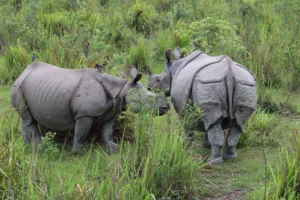
- Stronghold of the world’s largest population of the Indian one-horned rhinoceros.
- Important habitat for tigers, elephants, wild water buffalo, and primates.
- Excellent opportunities for birdwatching with hundreds of resident and migratory bird species.
- Wide variety of safari experiences including jeep, elephant (where officially available), and boat safaris.
- Combination of wildlife, river landscapes, tea gardens, and local cultural experiences within a single itinerary.
Wildlife Tourism in Assam at a Glance
| Feature | Details |
| Famous Parks | Kaziranga, Manas, Nameri, Dibru-Saikhowa |
| Major Sanctuary | Pobitora Wildlife Sanctuary |
| UNESCO Sites | Kaziranga & Manas |
| Flagship Species | One-horned Rhino, Tiger, Elephant, Wild Water Buffalo |
| Best Activities | Jeep Safari, Birdwatching, River Safari, Wildlife Photography |
Field Note
If your primary goal is seeing the Indian one-horned rhinoceros, Kaziranga should be the centrepiece of your itinerary. However, travellers with a week or more should consider combining Kaziranga with Manas or Nameri to experience Assam’s different landscapes and wildlife habitats rather than spending all their time in a single park.
Best Time to Visit Assam & Detailed Guide to the Major Wildlife Destinations
Best Time to Visit Assam for Wildlife Tourism
The best time for wildlife tourism in Assam is generally November to April, when most national parks are open, weather conditions are pleasant, and wildlife sightings are more frequent around grasslands, wetlands, and water sources. Most protected areas close during the monsoon because of heavy rainfall and flooding, which are natural ecological processes in the Brahmaputra floodplain.
Seasonal Overview
| Season | What to Expect | Recommended For |
| November–February | Pleasant weather, migratory birds, comfortable safaris | Birdwatching, photography, families |
| March–April | Warmer temperatures and better visibility in drying grasslands | Rhino, elephant and tiger sightings |
| May | Rising temperatures; some parks begin seasonal closure preparations | Early summer photography |
| June–September | Heavy monsoon rainfall and flooding; many parks remain closed | Not recommended for safaris |
| October | Parks gradually reopen after the monsoon, depending on local conditions | Early-season wildlife trips |
Decision Guide
- First-time visitors: November to March offers the most comfortable conditions.
- Wildlife photographers: February to April often provides cleaner visibility as vegetation becomes less dense.
- Birdwatchers: Winter months bring numerous migratory species to Assam’s wetlands and river systems.
- Families: December to February combines pleasant weather with comfortable travel conditions.
Top Wildlife Destinations in Assam
Kaziranga National Park
For most visitors, Kaziranga National Park is the best place to begin exploring Assam’s wildlife. Located along the Brahmaputra floodplain, it is internationally recognised for conserving the Indian one-horned rhinoceros and is one of India’s best-managed wildlife tourism destinations.
As both a UNESCO World Heritage Site and a Tiger Reserve, Kaziranga protects extensive grasslands, wetlands, woodlands, and riverine habitats that support an impressive variety of mammals, reptiles, and birds.
Why Visit Kaziranga?
Visitors choose Kaziranga for several reasons:
- Reliable opportunities to observe one-horned rhinoceroses.
- Healthy populations of Asian elephants and wild water buffalo.
- Habitat for Bengal tigers, although sightings remain unpredictable.
- Excellent birdwatching throughout winter.
- Multiple safari zones providing varied landscapes and wildlife viewing experiences.
Recent tourism figures also demonstrate Kaziranga’s popularity, with record visitor numbers reflecting its position among India’s leading wildlife destinations.
Best Experiences
- Jeep safaris
- Elephant safaris (where officially operated)
- Wildlife photography
- Birdwatching
- Nature interpretation with trained guides
Photography Tip
Morning safaris usually provide softer light, cooler temperatures, and more active wildlife, making them especially rewarding for photography.
Manas National Park
While Kaziranga is famous for rhinos, Manas National Park appeals to travellers seeking a quieter safari experience with diverse landscapes.
Situated along the Himalayan foothills near Bhutan, Manas combines grasslands, forests, and river systems. Like Kaziranga, it is also recognised as a UNESCO World Heritage Site, highlighting its global conservation significance.
Why Visit Manas?
Manas offers:
- Rich grassland and forest ecosystems.
- Habitat for Bengal tigers and Asian elephants.
- Opportunities to see golden langurs and hoolock gibbons in suitable areas.
- Lower visitor numbers than Kaziranga in many seasons.
- A combination of wildlife and cultural experiences in nearby communities.
Recent years have seen increasing visitor numbers and tourism revenue, reflecting growing confidence in the destination following successful conservation and management efforts.
Best Activities
- Jeep safaris
- Birdwatching
- Nature photography
- Riverside exploration
- Community-based tourism experiences
Expert Tip
Travellers with five to seven days available should consider combining Kaziranga and Manas rather than spending their entire trip in a single park. The two parks complement each other by showcasing different habitats and wildlife experiences.
Nameri National Park
Nameri is one of Assam’s finest destinations for visitors interested in birds, forests, and rivers rather than only large mammals.
Located near the Arunachal Pradesh border, the park protects evergreen forests and the Jia Bhoroli River, creating ideal conditions for birdwatching and nature-based activities.
Highlights
- Excellent birdwatching opportunities.
- Scenic river landscapes.
- Boat-based activities where officially permitted.
- Forest walks accompanied by authorised guides.
- Less crowded than larger safari destinations.
Nameri particularly appeals to wildlife photographers who enjoy documenting birds and forest wildlife in quieter surroundings.
Pobitora Wildlife Sanctuary
Although much smaller than Kaziranga, Pobitora Wildlife Sanctuary is widely recognised for its high density of Indian one-horned rhinoceroses.
Its proximity to Guwahati also makes it an attractive option for travellers with limited time who still want a quality rhino safari experience.
Why Consider Pobitora?
- Easy access from Guwahati.
- Short but rewarding jeep safaris.
- Excellent rhino viewing opportunities.
- Suitable as a one-day or overnight excursion.
Dibru-Saikhowa National Park
Dibru-Saikhowa offers a very different wildlife experience compared with Assam’s grassland parks.
Its wetlands, river islands, and floodplain habitats support numerous birds and river-dependent wildlife, making it particularly attractive for birdwatchers and visitors interested in wetland ecosystems.
Best Reasons to Visit
- Wetland birdwatching.
- River landscapes.
- Boat excursions where officially available.
- Peaceful wildlife viewing away from busier tourism circuits.
Comparison of Assam’s Major Wildlife Destinations
| Destination | Best Known For | Ideal Visitors |
| Kaziranga National Park | One-horned rhinoceros, jeep safaris | First-time visitors |
| Manas National Park | Diverse habitats and quieter safaris | Nature enthusiasts |
| Nameri National Park | Birdwatching and forests | Birders and photographers |
| Pobitora Wildlife Sanctuary | Rhino sightings near Guwahati | Short trips |
| Dibru-Saikhowa National Park | Wetlands and birdlife | Experienced birdwatchers |
Wildlife of Assam, Safari Experiences & Trip Planning
Wildlife You Can See in Assam
Assam supports an exceptional variety of wildlife because its protected areas include floodplain grasslands, tropical forests, wetlands, and river ecosystems. Each park has its own wildlife highlights, so visitors should choose destinations based on the species they hope to observe rather than expecting every park to offer the same experience.
Indian One-horned Rhinoceros
The Indian one-horned rhinoceros is Assam’s most famous wildlife attraction. Kaziranga National Park is globally recognised as the stronghold of this species, while Pobitora Wildlife Sanctuary also offers excellent opportunities to observe rhinos because of its high population density.
Best places to see:
- Kaziranga National Park
- Pobitora Wildlife Sanctuary
Bengal Tiger
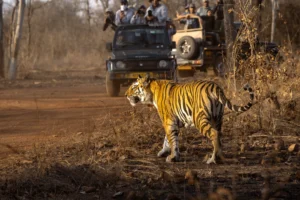
Although Assam supports healthy tiger habitats, sightings remain unpredictable. Tigers are naturally elusive and spend much of their time in dense vegetation, so visitors should view any sighting as a bonus rather than an expectation.
Best habitats:
- Kaziranga National Park
- Manas National Park
Asian Elephant
Wild elephant herds move through several protected areas in Assam and are frequently encountered during safaris, particularly in suitable habitats with abundant food and water.
Best parks:
- Kaziranga
- Manas
- Nameri
Wild Water Buffalo
Assam is one of the most important strongholds for the endangered wild water buffalo. These powerful animals are often seen grazing in grasslands and wetlands alongside rhinos.
Primates
The state also protects several fascinating primates, including:
- Hoolock Gibbon
- Golden Langur
- Capped Langur
- Assamese Macaque
These species are more likely to be encountered in forested parks such as Manas and Nameri.
Gangetic River Dolphin
River systems associated with the Brahmaputra provide habitat for the endangered Gangetic river dolphin. Boat safaris in suitable locations may offer opportunities to observe these mammals while maintaining appropriate viewing distances.
Birdlife
Birdwatchers are among the biggest beneficiaries of Assam’s diverse habitats. Winter brings numerous migratory birds, while resident species can be observed throughout much of the year.
Popular birding destinations include:
- Nameri National Park
- Dibru-Saikhowa National Park
- Kaziranga wetlands
- Manas grasslands
Safari Experiences in Assam
Different safari types offer different perspectives of wildlife. Choosing the right option depends on your interests, destination, and park regulations.
Jeep Safari
Jeep safaris are the primary wildlife viewing activity across most parks.
Advantages
- Covers larger areas
- Comfortable for families
- Suitable for photography
- Multiple safari zones available
- Available in most protected areas
Elephant Safari
Where officially operated, elephant safaris provide a different way of viewing wildlife, particularly in tall grasslands.
However, visitors should always check current park policies, as elephant safari operations may change over time. Responsible travellers should follow official guidance regarding wildlife tourism activities.
Boat Safari
Boat safaris are available in selected destinations and provide opportunities to experience Assam’s river ecosystems.
These trips are particularly valuable for:
- River dolphin observation
- Waterbirds
- Wetland photography
- Scenic river landscapes
Safari Comparison
| Safari Type | Best For | Available In |
| Jeep Safari | General wildlife viewing | Most major parks |
| Elephant Safari | Grassland viewing (where available) | Selected parks |
| Boat Safari | Dolphins and wetland wildlife | River destinations |
Planning Your Wildlife Trip
Planning ahead makes wildlife travel smoother and increases the chances of enjoying multiple parks without rushing.
How to Reach
Most wildlife circuits begin from Guwahati, which serves as Assam’s primary gateway. Depending on the destination, travellers may also use regional airports such as Tezpur before continuing by road.
Where to Stay
Accommodation options include:
- Forest lodges
- Eco-resorts
- Private wildlife lodges
- Community-run homestays
- Hotels in nearby towns
Staying close to park entrances often reduces travel time for early morning safaris.
Family Travel Tip
Choose accommodation within a short drive of the safari gate, especially when travelling with children, as morning safaris usually start early.
Suggested Wildlife Itineraries
3-Day Trip
- Day 1: Arrive and explore Kaziranga
- Day 2: Morning and afternoon safaris
- Day 3: Birdwatching before departure
5-Day Trip
- 3 days in Kaziranga
- 2 days in Manas
This combination provides a balanced introduction to Assam’s grasslands, forests, and flagship wildlife.
7–10 Day Trip
- Kaziranga National Park
- Manas National Park
- Nameri National Park
- Optional visit to Pobitora or Dibru-Saikhowa
This itinerary offers the most complete wildlife experience while showcasing Assam’s diverse habitats.
Practical Checklist Before Your Safari
✓ Book safaris in advance during peak season.
✓ Carry binoculars if possible.
✓ Wear neutral-coloured clothing.
✓ Follow instructions from guides.
✓ Maintain silence during wildlife sightings.
✓ Never feed or approach wild animals.
✓ Carry drinking water, sunscreen, and insect repellent.
Photography Tip
Instead of trying to photograph every animal, spend time observing behaviour. Waiting patiently often results in more natural and meaningful wildlife photographs than taking rapid snapshots.
Responsible Wildlife Tourism, Common Mistakes, FAQs & Conclusion
Responsible Wildlife Tourism in Assam
Wildlife tourism plays an important role in supporting conservation and local livelihoods when it is carried out responsibly. Visitors can contribute by respecting park rules, following their guides’ instructions, and minimising their environmental impact. The objective of every safari should be to observe wildlife without disturbing natural behaviour.
Responsible Tourism Guidelines
- Keep a safe distance from all wildlife.
- Remain inside the vehicle unless permitted by park authorities.
- Never feed or attempt to attract animals.
- Keep noise to a minimum during safaris.
- Do not litter or use single-use plastics inside protected areas.
- Respect speed limits and designated safari routes.
- Support local guides, community-run tourism initiatives, and responsible accommodation providers where possible.
- Follow all instructions issued by forest department staff.
Field Note
A successful safari is not measured by the number of animals seen. Watching natural behaviour—such as elephants interacting, rhinos grazing, or birds feeding—often creates more meaningful memories than simply adding another species to a checklist.
Common Mistakes to Avoid
Many first-time visitors make simple planning mistakes that reduce the quality of their wildlife experience.
1. Expecting Guaranteed Tiger Sightings
Wild animals move freely, and no safari can guarantee sightings of any particular species.
2. Visiting During the Monsoon
Many parks close during periods of heavy rainfall and flooding. Always confirm opening dates before finalising travel plans.
3. Choosing Only One Safari
Wildlife activity changes throughout the day. Taking multiple safaris usually provides a more rewarding experience.
4. Ignoring Birdlife
Many visitors focus only on large mammals, but Assam is also one of India’s finest birdwatching destinations.
5. Wearing Bright Clothing
Neutral colours help minimise disturbance and are generally recommended for wildlife viewing.
6. Booking Accommodation Too Far Away
Staying close to the safari gate reduces travel time for early morning departures.
7. Treating Wildlife Photography as a Race
Patience usually produces better wildlife encounters than constantly searching for the next sighting.
Frequently Asked Questions
Is Assam good for wildlife tourism?
Yes. Assam is one of India’s leading wildlife destinations, offering UNESCO World Heritage Sites, diverse habitats, and opportunities to see species such as the Indian one-horned rhinoceros, Asian elephant, and numerous birds.
Which national park is best for first-time visitors?
Kaziranga National Park is generally the best starting point because of its accessibility, tourism infrastructure, and excellent opportunities to observe one-horned rhinoceroses.
What is the best time to visit?
November to April is generally the most suitable period, while many parks remain closed during the monsoon season.
How many days should I plan?
- 3 days: Kaziranga
- 5 days: Kaziranga + Manas
- 7–10 days: Kaziranga, Manas, Nameri, with an optional visit to Pobitora or Dibru-Saikhowa.
Which park is best for birdwatching?
Nameri National Park and Dibru-Saikhowa National Park are particularly well known for birdwatching, while Kaziranga also supports a rich variety of resident and migratory birds.
Can families visit Assam’s national parks?
Yes. Jeep safaris, comfortable lodges, and relatively straightforward road access make several parks suitable for family travel.
Are safaris safe?
When conducted through authorised operators and according to park regulations, safaris are generally safe. Visitors should always follow the instructions of guides and forest officials.
Can I book safaris in advance?
Yes. Advance booking is recommended during the peak tourism season, especially for popular destinations such as Kaziranga.
What should I pack?
- Neutral-coloured clothing
- Comfortable walking shoes
- Binoculars
- Camera with extra batteries
- Sun protection
- Insect repellent
- Reusable water bottle
Which wildlife species is Assam most famous for?
The Indian one-horned rhinoceros is Assam’s flagship species, although the state is also known for tigers, elephants, wild water buffalo, hoolock gibbons, golden langurs, river dolphins, and diverse birdlife.
Conclusion
Wildlife tourism in Assam offers far more than the chance to see a single iconic species. From the floodplain grasslands of Kaziranga and the forests of Manas to the bird-rich landscapes of Nameri and the wetlands of Dibru-Saikhowa, each protected area contributes something unique to the state’s wildlife heritage.
Choosing the right destinations, travelling during the appropriate season, and following responsible wildlife practices will help you enjoy a rewarding safari while supporting conservation and local communities. Whether you have three days or ten, Assam provides opportunities to experience some of India’s most important wildlife habitats in a thoughtful and memorable way.
Kaziranga National Park : Topics Cluster
- Complete Guide to Kaziranga Detailed Guide
- Kaziranga Safari Quick Guide
- Guwahati to Kaziranga Travel Guide
- Best Resorts near Kaziranga National Park
- 4 Days Assam Wildlife itinerary
- Rhinos conservation
- One Horned Rhinoceros
- Grasslands Ecology
- Wildlife in Assam
- Birding Hotspots in Assam
- Wildlife Tourism in Assam
- Wildlife Tourism in Northeast India
- Biodiversity of Northeast India
- UNESCO World Heritage Sites India Wildlife
- Biodiversity hotspots of India
- Kaziranga Elephant Safaris (upcoming)
- Kaziranga Photography Guide (upcoming)
Safari Planning : Topics Cluster
- How to book a wildlife safari in India?
- Park by Park Online Safari Booking Guide
- Tiger Safari India Planning Workbook
- Park by Park Safari Permits Guide
- National Parks Permit Guide – Park by Park Guide
- Tatkal Safari Booking Guide – Last Minute Safari Permits Booking
- Tiger Safari in India Cost
- Indian Wildlife Safari Budget Planner
- Jeep vs Canter Safari
- Best time for Tiger Sightings in India
- How far advanced should you book safari permits?
- Can foreigners book Indian Wildlife Safari online?
- Special Permits Guide for Foreigners and Domestic Visitors
- How to book a Safari Permit online in India? 2026 step by step guide
- Senior Citizens Friendly Safari Planning
- Multi Generation Family Safari Planning
- 50 things to know before your first safari in India