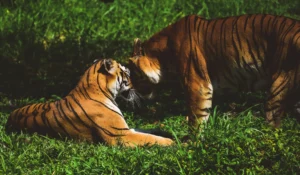
Compare Kanha vs Tadoba for tiger sightings, wildlife, safari experience, accessibility, photography, and trip planning to choose the right tiger reserve.
Kanha vs Tadoba: Which Tiger Reserve Is Better for Tiger Sightings, Wildlife, and Your Travel Style?
Choosing between Kanha National Park and Tadoba-Andhari Tiger Reserve is not simply a matter of asking which park has more tigers. Both rank among India’s finest tiger reserves, but they offer noticeably different safari experiences.
If your highest priority is maximizing your chances of seeing a tiger, Tadoba generally has the advantage. Its relatively open dry deciduous forests and numerous waterholes often make wildlife easier to spot, particularly during the hotter months.
Kanha, on the other hand, appeals to travellers who want more than tiger sightings alone. Its rolling meadows, extensive sal forests, and remarkable diversity of wildlife create a safari experience that many visitors find equally rewarding even when a tiger remains elusive.
Neither reserve is objectively “better.” The right choice depends on what you hope to experience, how much time you have, when you plan to visit, and the kind of safari you enjoy most. This guide compares both parks across the factors that matter most to travellers, helping you decide which destination best suits your expectations.
—
Kanha vs Tadoba at a Glance
| Feature | Kanha Tiger Reserve | Tadoba-Andhari Tiger Reserve |
| —————– | ————————————————————— | —————————————————————– |
| State | Madhya Pradesh | Maharashtra |
| Best Known For | Scenic landscapes, Barasingha conservation, biodiversity | Excellent tiger sightings and open habitats |
| Landscape | Sal forests, grasslands and rolling hills | Dry deciduous forest with bamboo and waterholes |
| Tiger Experience | Good opportunities but wildlife viewing often requires patience | Widely regarded as one of India’s best parks for tiger sightings |
| Signature Species | Barasingha, tiger, leopard, gaur | Tiger, leopard, sloth bear, elephant |
| Main Gateway | Jabalpur or Nagpur | Nagpur |
| Typical Trip | 3–4 days | 2–3 days |
| Suitable For | Nature lovers, photographers, families, birdwatchers | Tiger-focused travellers, photographers and short wildlife breaks |
The comparison above provides only a starting point. Factors such as season, safari zone, weather conditions and animal movement can influence every safari. No park can guarantee tiger sightings, regardless of recent success rates.
—
Quick Verdict by Traveller Type
Choose Kanha if you:
* Want a balanced wildlife experience rather than focusing only on tigers.
* Enjoy varied landscapes and long scenic drives through forests and meadows.
* Hope to see the hard-ground Barasingha, a conservation success closely associated with Kanha.
* Prefer a comparatively quieter atmosphere.
* Plan a longer wildlife holiday.
Choose Tadoba if you:
* Primarily want the highest possible chance of seeing a tiger.
* Prefer shorter travel times from Nagpur.
* Enjoy photographing wildlife in relatively open habitats.
* Want additional experiences such as buffer-zone night safaris.
* Are planning a short weekend wildlife trip.
Neither choice is wrong. Many experienced wildlife travellers eventually visit both because each reserve offers a distinct perspective on Central India’s forests and wildlife.
—
Understanding the Two Tiger Reserves
What Makes Kanha Special?
Kanha Tiger Reserve is one of India’s best-known protected forests and the largest national park in Madhya Pradesh. It is spread across Mandla and Balaghat districts and combines dense sal forests, bamboo, open meadows and gently undulating hills into one of Central India’s most varied landscapes.
Although Kanha is famous for Bengal tigers, its conservation significance extends well beyond them. The reserve is internationally recognised for the successful recovery of the hard-ground Barasingha (swamp deer), a species once close to disappearing from the wild. This achievement has made Kanha an important destination for travellers interested in wildlife conservation as well as safari tourism.
The park also supports healthy populations of leopards, sloth bears, gaur, sambar, chital, wild boar and a rich variety of birdlife, making it rewarding even on safaris where tigers remain unseen. Its combination of biodiversity and scenic beauty explains why many visitors return multiple times.
Field Note
Many first-time visitors expect every safari to revolve around tiger tracking. In Kanha, however, the landscape itself becomes part of the experience. Watching herds of Barasingha grazing across misty meadows or observing gaur emerging from the sal forest can be just as memorable as a tiger sighting.
—
## What Makes Tadoba Special?
Tadoba-Andhari Tiger Reserve in Maharashtra has earned a strong reputation among wildlife enthusiasts because of its consistently good tiger sightings. While sightings are never guaranteed, the reserve’s dry deciduous forests, relatively open vegetation and network of water sources often make animals easier to locate than in denser forests.
The reserve includes Tadoba National Park and Andhari Wildlife Sanctuary and has an extensive network of both core and buffer safari areas. This provides visitors with a wider range of safari routes and, in some buffer zones, opportunities for activities such as night safaris and guided walking experiences.
Although tigers dominate its reputation, Tadoba also supports leopards, sloth bears, gaur, deer, wild boar, elephants and numerous bird species. Visitors who spend several safaris here often discover that the reserve offers much more than close encounters with big cats.
### Responsible Tourism Tip
Choosing a park solely for tiger sightings can lead to unrealistic expectations. Every safari takes place in a wild landscape where animal movements are unpredictable. Appreciating the broader ecosystem—including birds, herbivores, forests and smaller wildlife—usually results in a far more rewarding experience.
—
By now, the differences between the two parks should already be becoming clear. Kanha offers a broader nature experience centred on biodiversity and varied landscapes, while Tadoba is often chosen by travellers whose main objective is maximizing opportunities to observe tigers.
Tiger Sightings: Why Population and Sighting Probability Are Not the Same
One of the biggest misconceptions among safari travellers is that a reserve with more tigers automatically offers better sightings. In reality, tiger population is only one part of the equation. Habitat type, vegetation density, water availability, road network, and animal behaviour all influence how often visitors actually see wildlife.
This distinction is particularly important when comparing Kanha and Tadoba.
Both reserves support healthy tiger populations, but the experience of searching for tigers differs considerably because of their landscapes and ecology.
Tiger Population vs Sighting Probability
| Factor | Kanha | Tadoba |
| Estimated tiger population (2022) | Around 103 | Around 108 |
| Habitat | Sal forests, grasslands and rolling hills | Dry deciduous forest with bamboo and waterholes |
| Visibility | Often lower because of denser vegetation | Often higher due to more open terrain |
| Summer tiger viewing | Good | Generally excellent |
| Overall experience | Broader wildlife safari | Tiger-focused safari |
Although Tadoba’s tiger population is only slightly higher according to the research brief, many experienced safari travellers regard it as one of India’s most reliable parks for tiger sightings. The reason lies in its terrain rather than simply its tiger numbers.
Why Tadoba Often Offers Better Tiger Sightings
Tadoba’s forests are relatively open compared with many Central Indian reserves. Dry deciduous woodland, bamboo patches and numerous waterholes create conditions where animals are often easier to detect from safari tracks.
During the dry summer months, shrinking water sources concentrate wildlife around lakes, ponds and streams. Tigers frequently visit these areas to drink or cool themselves, increasing the chances that safari vehicles encounter them.
This does not mean every safari results in a tiger sighting.
Wildlife remains unpredictable, and factors such as weather, recent rainfall, prey movement and sheer luck continue to play a major role. However, the landscape generally improves visibility once a tiger is nearby.
Field Note
Many memorable Tadoba sightings occur because visitors first notice alarm calls from deer or langurs near a waterhole. Experienced guides often stop quietly and wait rather than constantly driving, allowing the forest itself to reveal where a predator may be moving.
Why Kanha Offers a Different Tiger Experience
Kanha asks visitors to slow down and observe the forest more carefully.
Its extensive sal forests, bamboo thickets and gently rolling terrain provide excellent habitat for tigers but can also conceal them remarkably well. Even when a tiger is close, thick vegetation may limit visibility.
Rather than relying solely on open views, guides often interpret subtle clues such as:
- Alarm calls from chital or langurs
- Fresh pugmarks on dusty tracks
- Scratch marks on trees
- Scent-marking locations
- Recent movement reported by other guides
As a result, tiger tracking in Kanha can feel more like solving a wildlife puzzle than simply driving between waterholes.
Many experienced safari enthusiasts enjoy this style because it highlights the behaviour and ecology of predators instead of focusing only on photographs.
Expert Tip
Don’t judge a reserve solely by photographs posted on social media.
Photos usually represent the best moments from hundreds of safaris. Even parks with excellent sighting records regularly produce drives where visitors never see a tiger. Choosing a destination based on the overall wildlife experience rather than guaranteed sightings generally leads to greater satisfaction.
Landscape and Safari Experience
The landscapes of Kanha and Tadoba shape not only wildlife viewing but also the atmosphere of every safari.
Kanha: Meadows, Sal Forests and Rolling Hills
Kanha is widely regarded as one of India’s most scenic tiger reserves.
Its landscape alternates between:
- Dense sal forests
- Open grasslands
- Bamboo patches
- Gently rolling hills
- Seasonal streams
Large meadows appear unexpectedly between forests, often filled with grazing chital, sambar and Barasingha during the cooler hours of the day.
Morning safaris frequently begin with mist hanging over these grasslands before sunlight gradually filters through the sal trees, creating conditions that many photographers particularly appreciate.
The diversity of habitats also supports a broad range of wildlife, making almost every safari different from the previous one.
Photography Tip
A telephoto lens is essential for wildlife, but don’t ignore wider landscape compositions in Kanha. Early morning light over the meadows can produce some of the park’s most memorable photographs, even without large mammals in the frame.
Tadoba: Open Forests and Productive Waterholes
Tadoba presents a noticeably different landscape.
Instead of expansive meadows, visitors encounter:
- Dry deciduous forests
- Bamboo thickets
- Rocky clearings
- Seasonal lakes
- Numerous waterholes
These more open habitats improve visibility over longer distances.
During warmer months, water becomes a focal point for wildlife activity. Tigers, leopards, gaur, deer and many bird species regularly visit the same water sources throughout the day, creating exciting opportunities for patient observers.
Because vegetation is generally less dense than Kanha, photographers often have cleaner backgrounds and fewer branches obstructing wildlife images.
Wildlife Beyond Tigers
A rewarding safari is about far more than a single species.
Both reserves support diverse wildlife communities, although each has its own highlights.
| Wildlife | Kanha | Tadoba |
| Bengal Tiger | ✔ | ✔ |
| Leopard | ✔ | ✔ |
| Sloth Bear | ✔ | ✔ |
| Indian Gaur | ✔ | ✔ |
| Sambar Deer | ✔ | ✔ |
| Chital | ✔ | ✔ |
| Wild Boar | ✔ | ✔ |
| Nilgai | ✔ | ✔ |
| Barasingha | Signature species | Not a major attraction |
| Elephant | Present | Present according to the research brief |
| Birdlife | 250+ species | Rich bird diversity |
Kanha’s greatest wildlife distinction is undoubtedly the hard-ground Barasingha. Once on the brink of extinction, this swamp deer has become one of India’s best-known conservation success stories, and many visitors specifically travel to Kanha to observe it in its natural habitat.
Tadoba, meanwhile, is often appreciated for encounters with sloth bears and leopards in addition to tigers. While these species are also present in Kanha, Tadoba’s open terrain sometimes improves viewing opportunities when conditions are favourable.
Birdwatching
Although tiger safaris receive most of the attention, both reserves reward birdwatchers.
Woodpeckers, raptors, kingfishers, owls, bee-eaters, rollers, drongos and numerous woodland species can all be encountered depending on the season and habitat.
Kanha generally attracts travellers looking for a broader biodiversity experience, while Tadoba combines productive birding with frequent large mammal sightings.
Family Travel Tip
Children often enjoy spotting deer, monkeys, birds and butterflies between larger wildlife encounters. Treating the safari as a wildlife discovery experience rather than a tiger hunt usually keeps younger travellers engaged throughout the drive.
By now, the strengths of each reserve become easier to understand. Tadoba often excels when tiger sightings are the highest priority, whereas Kanha delivers a broader wildlife experience enriched by varied landscapes, exceptional biodiversity and the chance to observe one of India’s greatest conservation successes.
Safari Zones, Activities and Best Time to Visit
Safari Zones and Gates: Why They Matter
Many first-time visitors spend considerable time comparing Kanha and Tadoba but overlook another factor that can influence their safari experience—the choice of safari zone.
Each reserve is divided into multiple tourism zones, allowing visitor pressure to be spread across a larger area while reducing disturbance to wildlife. Animals move freely between these zones, so no gate or route can guarantee sightings. However, understanding the layout helps you plan a smoother trip and choose accommodation in a convenient location.
Kanha Safari Zones Explained
Kanha Tiger Reserve has four principal core tourism zones along with several buffer zones.
Core Zones
- Kanha Zone
- Mukki Zone
- Kisli Zone
- Sarhi Zone
These zones form the heart of the reserve and offer access to Kanha’s diverse forests, meadows and wildlife habitats. Each has its own network of safari tracks and landscapes, meaning no two drives feel exactly alike.
Buffer Zones
Visitors can also book safaris in selected buffer areas, including:
- Khatia
- Khapa
- Sijhora
Buffer zones play an important conservation role by creating a transition between protected core forests and surrounding human settlements. They also expand safari opportunities and help distribute visitor numbers more evenly across the reserve.
Practical Tip
If you’re staying for three or more nights, try to book safaris in different zones rather than repeatedly visiting the same one. Exploring varied habitats often provides a richer understanding of Kanha’s ecology.
Tadoba Safari Zones Explained
Tadoba-Andhari Tiger Reserve has one of the largest tourism networks among India’s tiger reserves, with multiple core and buffer entry points.
Core Tourism Zones
The three principal core zones are:
Tadoba Zone
Access through:
- Kolara Gate
- Navegaon Gate
Moharli Zone
Access through:
- Moharli Gate
- Khutwanda Gate
Kolsa Zone
Access through:
- Zari Gate
- Pangdi Gate
These gates provide access to different sections of the reserve, each with its own road network and wildlife movement patterns.
Buffer Gates
Tadoba also has an extensive network of buffer tourism gates, including:
- Agarzari
- Devada-Adegaon
- Junona
- Ramdegi-Navegaon
- Madnapur
- Mamla
- Pangadi Aswal Chuha
- Sirkada
- Zari/Peth
- Palasgaon
- Kolara Chauradeo
- Kesalghat
- Nimdela-Ramdegi
- Belara
- Alizanza
- Adegaon
The large number of buffer gates gives travellers more flexibility when accommodation near popular core gates is fully booked. It also helps reduce congestion by distributing safari vehicles across a wider landscape.
Kanha vs Tadoba: Safari Zones Comparison
| Feature | Kanha | Tadoba |
| Core tourism zones | 4 | 3 |
| Buffer tourism areas | Multiple | Extensive network with numerous gates |
| Best suited for | Longer wildlife exploration | Flexible short trips and repeated safaris |
| Accommodation spread | Around multiple gates | Around several core and buffer gates |
The most important point to remember is that wildlife does not recognise tourism boundaries. Tigers, leopards and other animals move naturally across the landscape, so selecting a particular gate should be based on logistics rather than the expectation of guaranteed sightings.
Safari Activities
Both reserves offer more than standard jeep safaris, although the available experiences differ slightly.
Jeep Safari
The primary wildlife experience in both parks is the guided jeep safari.
Small vehicles allow guides to respond to fresh wildlife signs, follow designated routes and spend time observing animal behaviour. Most visitors choose multiple jeep safaris because every drive is different.
Canter Safari
Both Kanha and Tadoba offer canter safaris, providing a more economical option for larger groups.
According to the research brief, Tadoba’s canter safari currently operates through the Moharli Core Gate, while Kanha also offers canter safaris within the reserve. Availability may vary by season and official management policies.
Walking Safari
Walking safaris are available in selected buffer areas of both reserves.
Unlike jeep safaris, these guided walks focus on understanding the forest at a slower pace. Visitors learn to interpret animal tracks, bird calls, trees, insects and smaller wildlife that often receive little attention during vehicle-based safaris.
Walking safaris complement rather than replace traditional game drives.
Night Safari
One feature that distinguishes Tadoba is the availability of night safaris in designated buffer zones, subject to permits and operational regulations.
These drives provide an opportunity to observe nocturnal wildlife such as civets, owls and other night-active animals. Tiger sightings are possible but should not be expected as the primary objective.
Responsible Tourism Tip
Whether travelling by jeep, on foot or during a night safari, maintain silence whenever wildlife is nearby. Loud conversations, music and attempts to attract animals reduce the quality of the experience for everyone and can disturb natural behaviour.
Best Time to Visit
Both reserves are generally open for tourism from October to June, although operational schedules and individual tourism zones can change according to official management decisions.
Choosing the best season depends on whether you value comfortable weather, photography or higher chances of observing wildlife around water sources.
Winter (November to February)
Kanha
Winter is widely considered one of the best seasons to visit Kanha.
Cool mornings, pleasant daytime temperatures and clear visibility make it comfortable for long safari drives. The park’s meadows often fill with soft morning mist, creating excellent conditions for landscape and wildlife photography.
Tadoba
Winter also offers enjoyable safari conditions in Tadoba, although vegetation may still be relatively dense after the monsoon, making wildlife slightly harder to spot than later in the dry season.
Summer (March to June)
Summer transforms wildlife viewing across Central India.
As natural water sources become limited, animals increasingly gather around lakes, ponds and permanent waterholes.
Tadoba
This is the period when Tadoba earns much of its reputation for tiger sightings.
Open terrain combined with concentrated wildlife activity around water often improves viewing opportunities, particularly during morning safaris.
Kanha
Summer also improves tiger visibility in Kanha, although its denser forests continue to provide more cover than Tadoba.
Visitors should be prepared for high daytime temperatures but may benefit from increased wildlife activity near remaining water sources.
Monsoon
According to the research brief:
- Tadoba generally closes during the monsoon period (July to September).
- Kanha remains open according to the brief, although winter is considered the preferred season for most visitors.
Operational rules and accessible tourism zones may change, so travellers should always verify current opening schedules before making bookings.
Season Comparison
| Season | Kanha | Tadoba |
| Winter | Excellent weather and scenic landscapes | Pleasant weather with comfortable safaris |
| Summer | Better tiger visibility than winter | Often considered the strongest season for tiger sightings |
| Monsoon | Check current operational status before booking | Generally closed |
Expert Tip
Rather than asking, “Which month guarantees tiger sightings?”, ask, “What kind of safari experience do I want?”
- If you enjoy cool weather, birdlife and comfortable photography, winter is usually the better choice.
- If your priority is observing large mammals around water sources and you’re comfortable with high temperatures, late summer often offers rewarding wildlife viewing.
No season guarantees sightings, but understanding seasonal wildlife behaviour helps set realistic expectations.
At this stage, you’ve seen how the two reserves differ in habitat, safari style, tourism zones and seasonal conditions. The next section brings everything together by comparing accessibility, accommodation, costs, ideal itineraries and which reserve best suits different types of travellers, making the final decision much easier.
Accessibility, Accommodation, Costs and Which Park Should You Choose?
Accessibility and Trip Planning
For many travellers, logistics are just as important as wildlife. The easier a park is to reach, the more time you can spend on safari rather than in transit.
Kanha and Tadoba are both part of Central India’s popular tiger circuit, but they connect to different transport hubs and suit different itineraries.
Reaching Kanha
Kanha is located in Madhya Pradesh’s Mandla and Balaghat districts.
According to the research brief:
- Nearest airport: Nagpur
- Nearest major railway station: Jabalpur
- Approximately 160 km from Nagpur
- Approximately 180 km from Jabalpur
This makes Kanha accessible from two major transport hubs, giving travellers greater flexibility when planning flights or train journeys.
Kanha is a good choice if you:
- Are visiting multiple Madhya Pradesh parks.
- Plan to include Bandhavgarh, Pench or Satpura.
- Prefer a slower-paced wildlife holiday with several safari drives.
Reaching Tadoba
Tadoba-Andhari Tiger Reserve lies in Maharashtra’s Chandrapur district.
According to the research brief:
- Nearest airport: Nagpur
- Nearest railway station: Chandrapur
- Approximately 150 km from Nagpur
- Approximately 45 km from Chandrapur Railway Station
Its proximity to Nagpur makes Tadoba particularly attractive for travellers arriving by air and looking to begin their safari with minimal road travel.
Tadoba is ideal if you:
- Have only two or three days available.
- Want a quick wildlife getaway from Nagpur.
- Prefer spending more time on safari and less time travelling.
Accessibility Comparison
| Factor | Kanha | Tadoba |
| State | Madhya Pradesh | Maharashtra |
| Nearest airport | Nagpur | Nagpur |
| Nearest railway station | Jabalpur | Chandrapur |
| Distance from Nagpur | ~160 km | ~150 km |
| Distance from Jabalpur | ~180 km | Significantly farther than Kanha |
| Best for | Longer wildlife holidays | Weekend and short breaks |
Although both parks are reasonably accessible from Nagpur, Kanha offers the added advantage of convenient access from Jabalpur, making it easier to integrate into a broader Central India itinerary.
Can You Visit Both Parks in One Trip?
Yes—and for many wildlife enthusiasts, this is the ideal approach.
The research brief highlights Kanha and Tadoba as key destinations within the Central India Tiger Circuit, alongside reserves such as Pench, Bandhavgarh and Satpura. Combining two parks allows visitors to experience different habitats, wildlife behaviour and safari styles rather than relying on a single destination.
Example Itinerary
4–5 Day Wildlife Holiday
- Day 1: Arrive and evening at the lodge
- Days 2–3: Multiple safaris in the first reserve
- Transfer between parks
- Days 4–5: Explore the second reserve
Travellers with more time can extend this itinerary by including Pench or Bandhavgarh to experience even greater habitat diversity.
Accommodation and Budget
Both reserves offer accommodation across a wide range of budgets, from simple guesthouses to luxury safari lodges.
Your choice should depend on location, safari gate access and the number of safaris planned rather than luxury alone.
Kanha
Kanha generally appeals to travellers planning a longer stay.
Accommodation is available near several tourism gates, allowing visitors to select lodges that minimise daily travel to their chosen safari zone.
The research brief also notes that Kanha is often considered less crowded and comparatively less expensive than Tadoba.
Tadoba
Tadoba has experienced growing popularity over recent years because of its reputation for reliable tiger sightings.
As a result:
- Popular lodges often fill well in advance.
- Accommodation close to well-known gates can command higher prices during peak season.
- Advance safari planning becomes increasingly important.
According to the research brief, Tadoba is generally regarded as the more crowded and more expensive option.
Expert Tip
Don’t choose accommodation based solely on luxury.
A comfortable lodge located close to your safari gate often provides a better overall experience than a premium property requiring long road transfers before every safari.
Which Park Should You Choose?
The answer depends less on the park itself and more on your travel priorities.
Choose Kanha If…
You are visiting India for its wildlife—not only its tigers
Kanha rewards travellers who appreciate landscapes, diverse ecosystems and varied wildlife. Every safari feels different because of the changing mix of forests, grasslands and open meadows.
You enjoy birdwatching
With more than 250 recorded bird species mentioned in the research brief, Kanha offers rewarding opportunities for visitors interested in both birds and mammals.
You want to see Barasingha
Few places are as closely associated with the hard-ground Barasingha as Kanha.
Observing this conservation success story is one of the reserve’s defining experiences.
You prefer quieter forests
If avoiding crowds matters more than chasing the highest possible tiger sighting probability, Kanha is likely to feel more relaxed.
Choose Tadoba If…
Tigers are your highest priority
Tadoba’s reputation rests largely on its favourable viewing conditions.
Its open terrain and productive waterholes frequently place wildlife in more visible locations, particularly during the dry season.
You’re planning a short holiday
Because it is easily reached from Nagpur, Tadoba works particularly well for two- or three-day wildlife breaks.
You enjoy wildlife photography
Cleaner sightlines and more open habitats often create favourable photographic conditions when wildlife appears.
You want additional safari experiences
Night safaris and extensive buffer tourism options provide experiences that differ slightly from the traditional daytime jeep safari.
Decision Guide
| Traveller Type | Recommended Park | Why |
| First-time safari visitor | Kanha | Balanced wildlife, beautiful scenery and varied habitats |
| Tiger-focused traveller | Tadoba | Strong reputation for tiger sightings |
| Wildlife photographer | Depends on your style | Tadoba for action and visibility; Kanha for landscapes and habitat variety |
| Birdwatcher | Kanha | Diverse habitats and rich birdlife |
| Family holiday | Kanha | Relaxed atmosphere and broader wildlife experience |
| Weekend traveller | Tadoba | Easier logistics from Nagpur |
| Nature enthusiast | Kanha | Landscapes, biodiversity and Barasingha |
| Repeat safari traveller | Visit Both | Each reserve offers a distinctly different experience |
Practical Checklist Before Booking
✔ Decide whether your priority is tiger sightings or overall wildlife.
✔ Choose your travel season before selecting a park.
✔ Book safaris as early as possible, especially during peak months.
✔ Select accommodation close to your safari gate.
✔ Plan multiple safaris instead of relying on a single drive.
✔ Keep expectations realistic—every safari is different.
Field Note
Many experienced wildlife travellers eventually stop asking, “Which reserve is the best?” Instead, they ask, “Which reserve matches the experience I want this time?”
Some trips are about photographing a tiger emerging from a Tadoba waterhole. Others are about watching Barasingha grazing across Kanha’s meadows while listening to the forest wake at sunrise. Both are memorable, but for different reasons.
Common Mistakes, Frequently Asked Questions and Final Verdict
Common Mistakes to Avoid
Choosing the right tiger reserve is only part of planning a successful safari. Many disappointing trips result from unrealistic expectations or avoidable planning errors rather than the destination itself.
1. Assuming More Tigers Mean Guaranteed Sightings
A reserve with a larger tiger population does not automatically provide better sightings.
Terrain, vegetation, weather, water availability and animal behaviour all influence what you see on a particular safari. Tadoba is often associated with better tiger visibility because of its relatively open habitat, not simply because of its tiger numbers.
2. Booking Only One Safari
Even in India’s best tiger reserves, wildlife sightings vary from one drive to another.
A single safari provides only a brief glimpse into a vast protected landscape. Planning multiple safaris significantly improves your chances of observing different species and behaviours.
3. Choosing a Park Based Only on Social Media
Photographs and videos usually showcase the highlights of a trip rather than the average experience.
Avoid selecting a reserve solely because someone posted dramatic tiger images. Instead, consider the complete experience, including scenery, biodiversity, accessibility and your personal interests.
4. Ignoring Seasonality
The same reserve can feel very different across the year.
Winter offers pleasant weather and lush landscapes, while summer often improves wildlife visibility around water sources. Understanding seasonal conditions helps set realistic expectations before travelling.
5. Treating Every Safari Like a Tiger Hunt
Some of the most memorable moments occur when no tiger appears.
Watching Barasingha grazing in Kanha, observing a sloth bear searching for termites in Tadoba or listening to alarm calls echo through the forest can be equally rewarding.
6. Booking Accommodation Without Considering Safari Gates
A beautiful lodge located far from your safari gate may require early departures and long road transfers each day.
Whenever possible, choose accommodation that matches the safari zones you intend to visit.
7. Forgetting That Wildlife Comes First
Safari tourism exists because these forests are protected ecosystems.
Responsible behaviour—remaining quiet, following guide instructions and respecting wildlife—creates a better experience for visitors while supporting conservation.
Frequently Asked Questions
Which park has better tiger sightings: Kanha or Tadoba?
If your primary goal is to maximise the likelihood of seeing a tiger, Tadoba is generally considered the stronger choice. Its relatively open forests and concentration of wildlife around waterholes often improve visibility, especially during the dry season.
However, no reserve can guarantee tiger sightings on any particular safari.
Is Kanha better for first-time safari visitors?
Kanha is often an excellent choice for first-time visitors who want a balanced wildlife experience.
Beyond tigers, it offers beautiful landscapes, diverse habitats and the opportunity to see the famous hard-ground Barasingha.
Which reserve is better for wildlife photography?
It depends on your interests.
- Choose Tadoba if you want stronger opportunities for close tiger photographs in relatively open habitats.
- Choose Kanha if you enjoy combining wildlife photography with atmospheric landscapes, forests and meadows.
Many photographers eventually visit both because each park offers different creative opportunities.
Which park is easier to reach?
Both parks are accessible from Nagpur.
Kanha also benefits from access via Jabalpur, while Tadoba is particularly convenient for travellers arriving through Nagpur and Chandrapur.
Which reserve is better for families?
Families who prefer a relaxed wildlife holiday often appreciate Kanha’s varied landscapes and broader wildlife experience.
Families primarily hoping to see a tiger during a shorter holiday may prefer Tadoba.
Which park is better in summer?
Summer generally improves wildlife visibility in both reserves as animals gather around remaining water sources.
Tadoba, however, is especially well known for productive summer tiger sightings because of its open terrain and waterholes.
Which reserve is less crowded?
According to the research brief, Kanha is generally considered less crowded, while Tadoba’s popularity for tiger sightings often results in greater visitor demand.
Can I combine Kanha and Tadoba in one trip?
Yes.
Both reserves form part of Central India’s popular tiger circuit and are frequently combined with destinations such as Pench, Bandhavgarh and Satpura for a longer wildlife itinerary.
Are night safaris available?
The research brief notes that Tadoba offers night safaris in designated buffer zones, while walking safaris are available in buffer areas of both reserves. Visitors should check the latest regulations and permit availability before planning these activities.
Which reserve offers better biodiversity?
Both parks are biologically rich, but their strengths differ.
Kanha stands out for its varied habitats and the conservation success of the hard-ground Barasingha.
Tadoba is particularly recognised for its strong tiger reputation while also supporting leopards, sloth bears, elephants (as noted in the research brief) and diverse birdlife.
Final Verdict: Kanha or Tadoba?
There isn’t a universally “better” choice because the two reserves excel in different ways.
Choose Kanha if you value:
- Diverse wildlife beyond tigers
- Scenic forests and grasslands
- Barasingha conservation
- Birdwatching opportunities
- A more relaxed safari atmosphere
- Longer wildlife holidays
Choose Tadoba if you value:
- Higher perceived tiger sighting opportunities
- Open habitats that often improve wildlife visibility
- Convenient access from Nagpur
- Short wildlife breaks
- Night safari opportunities
- A safari focused primarily on big cats
Our Recommendation by Traveller Type
| Traveller | Best Choice |
| First safari in India | Kanha |
| Dedicated tiger enthusiast | Tadoba |
| Wildlife photographer | Kanha + Tadoba |
| Birdwatcher | Kanha |
| Weekend traveller | Tadoba |
| Nature and landscape enthusiast | Kanha |
| Returning safari traveller | Visit both reserves |
Ultimately, Kanha and Tadoba should not be viewed as competing destinations but as complementary experiences within Central India’s remarkable tiger landscape.
Tadoba often delivers the excitement of searching for tigers in open forests where visibility can work in your favour. Kanha rewards patience with varied habitats, thriving populations of herbivores, and one of India’s greatest wildlife conservation stories—the recovery of the hard-ground Barasingha.
If your itinerary allows, visiting both reserves provides a richer understanding of India’s forests than either destination alone.
Kanha National Park : Topics Cluster
- Kanha Complete Guide
- Kanha National Park Quick Guide
- Kanha Best Zones and Gates
- How to reach Kanha National Park?
- Kanha Zones Guide
- Kanha Safari Cost
- Kanha Tiger Sighting Guide
- Kanha Safari Booking Guide
- Best Resorts near Kanha National Park
- Kanha Best Resorts by Gates
- Kanha luxury safari
- Biodiversity of Central India
- Rewilding and Wildlife Recovery in India
- Barasingha
- Wildlife in Madhya Pradesh
- Madhya Pradesh Wildlife Tourism
- How far advanced should you book safari permits?
Tadoba National Park : Topics Cluster
- Complete Guide to Tadoba National Park
- Tadoba Quick Guide
- Tadoba Safari Cost Breakdown
- Best Zones in Tadoba National Park
- Best Resorts near Tadoba Tiger Reserve
- Best Tiger Safaris around Nagpur
- Nagpur to Tadoba Travel Guide
- Mumbai to Tadoba Travel Guide
- Pune to Tadoba Travel Guide
- Wildlife in Maharashtra
- Maharashtra Wildlife Tourism