Plan your Indian safari with our expert guide to the top wildlife resorts. Compare stays by tiger visibility, park access, and sustainability metrics.
India holds approximately 70% of the global wild tiger population, with the All India Tiger Estimation 2022 placing the national baseline at 3,682 tigers. Combined with 574 wildlife sanctuaries spanning over 123,762 square kilometers, the country offers vast landscapes for tracking large mammals and diverse bird species. However, planning a safari holiday requires understanding that a property’s marketing materials do not always match its actual field value. Choosing the right lodge directly affects your safari access, the quality of your guiding, and your overall safety.
What Makes a Wildlife Resort Worth Booking
To find a high-quality wildlife resort, look closely at its physical location relative to park gates, the training of its resident naturalists, and its adherence to local ecological guidelines. Many properties market themselves as safari lodges but operate as standard leisure hotels with little connection to the surrounding forest.
A well-constructed wildlife resort serves as a functional extension of the ecosystem. It prioritizes low-impact operations, employs local community members, and provides expert naturalists who transform standard game drives into deep educational experiences.
Understanding Core vs. Buffer Zone Locations
You cannot stay inside the core area of an official tiger reserve or national park in India, as commercial resorts are restricted to buffer zones and eco-sensitive borders under Ministry of Environment, Forest and Climate Change (MoEFCC) guidelines.
A buffer zone location is highly practical because it allows resorts to operate responsibly while giving travelers quick access to park entry gates for morning and afternoon drives. Stays located too far from these gates result in long daily commutes, cutting directly into your tracking time. Furthermore, well-managed buffer properties often host resident wildlife, offering excellent birding and smaller mammal sightings directly from the rooms.
The Balance of Luxury and Conservation
A sustainable wildlife resort uses low room density, utilizes low-impact temporary building materials, and participates directly in community benefit-sharing. According to the Guidelines on Sustainable Eco-Tourism 2021, tourism in protected areas must support local livelihoods and minimize ecological footprints.
High-end hospitality providers, including Taj Safaris and properties within the RARE India collection, increasingly design their operations around environmental, social, and governance (ESG) metrics. When selecting a luxury stay, verify if they employ local guides, minimize single-use plastics, and invest in habitat restoration rather than just providing premium amenities.
Top Wildlife Resorts by Region: North & Western India
Selecting a property based on its proximity to specific park gates is the most critical decision when planning a safari in North and Western India. Choosing a resort solely for its room amenities often results in long, exhausting drives before you even reach the entry checkpoints.
North India: Riverside and Heritage Lodges
The northern safari circuit is defined by the sub-Himalayan sal forests of Uttarakhand and the distinct riverine ecosystems of the Indo-Gangetic plains. Stays here vary from sprawling riverfront properties to historic heritage estates.
Jim Corbett National Park
Staying along the Kosi River buffer zone or near the Bijrani and Dhangarhi gates is highly practical for first-time visitors. Properties situated in these clusters significantly reduce travel times for morning game drives into the prime tourism zones of Dhikala and Bijrani.
When choosing a lodge here, prioritize those that offer direct access to the riverbed for birding and have dedicated permit desks. The best properties in Corbett assist travelers directly with the complex forest department booking system, ensuring your stay aligns perfectly with your vehicle permits.
Chambal Region
For travelers focused on aquatic wildlife and birding rather than large mammals, the tri-state Chambal sanctuary requires a completely different style of lodging. Properties like Mela Kothi – Chambal Safari Lodge operate within restored heritage footprints and focus heavily on low-impact ecotourism.
Staying in this region puts you within easy driving distance of the Chambal River jetty for specialized boat safaris. These excursions provide clear opportunities to observe the critically endangered gharial, marsh crocodiles, and resident bird species like the Indian skimmer without the crowds found in major tiger reserves.
Western India: Lion Habitats and Arid Plains
Western India presents dry deciduous forests and open grasslands, requiring properties to design their spaces around water conservation and heat management.
Ranthambore National Park
Lodges in Ranthambore are primarily clustered along the main Ranthambore Road and the quiet Khilchipur area. If your primary goal is tracking tigers, choose a property that offers quick transit to gates 1 through 5, which comprise the historical core of the park.
Premium eco-luxury tented camps in this area are designed to mimic the classic royal hunting camps of Rajasthan, utilizing temporary canvas structures that leave a minimal permanent footprint on the land. Ensure your chosen resort employs drivers who know the local zone layouts, as commutes from far-flung properties to the outer zones (6 through 10) can take over 45 minutes each way over rough terrain.
Gir National Park
To see the world’s last remaining wild population of Asiatic lions, you need to base yourself near the Sasan Gir headquarters. Stays like the Asiatic Lion Lodge are positioned to give travelers direct access to the main safari entry point as well as the Devalia Interpretation Zone.
The top-tier choices in Gir prioritize natural landscaping using indigenous plants, which helps blend the properties into the surrounding teak forest. They also focus heavily on organizing community interactions with the local Maldhari herders, offering genuine insight into how human populations co-exist with apex predators.
Top Wildlife Resorts by Region: Central & Eastern India
Central India contains some of the country’s highest-density tiger habitats, characterized by extensive sal and teak forests interspaced with open meadows. In contrast, the eastern floodplains require properties to adapt to wetlands and seasonal river movements.
Central India: High-Density Tiger Circuits
When traveling through the central safari circuit, your choice of lodge gate access determines how much time you spend tracking wildlife versus driving on public tarmac.
Bandhavgarh National Park
Stay near the Tala or Magdhi gates to minimize travel times to the core zones where tiger populations are most concentrated. The steep, rocky terrain of Bandhavgarh demands experienced drivers and local trackers who understand the daily movements of large mammals across the ridges.
Lodges in this area range from luxury tree houses to mud-and-stone cabins. Properties that hire local Baiga tribal members as camp staff and employ naturalists certified by recognized wildlife institutions provide the most reliable tracking services.
Kanha National Park
Choose a lodge based on whether your permits are for the Mukki or Khatia gate, as the drive between these two entry points takes well over an hour. Kanha’s landscape consists of sprawling open meadows and dense sal forests, famously known for the successful conservation efforts that saved the hard-ground barasingha from extinction.
The most responsible properties here use local mud-plaster techniques and traditional terracotta tiles in their construction. This design choice reflects the architectural styles of the local Gond community, helping buildings blend into the buffer forest while lowering energy usage for cooling.
Pench National Park
Turia is the best choice for most first-time visitors because it offers direct access to the dry deciduous teak forests, reliable infrastructure, and a wide selection of accommodations.
Stays like Taj Safaris’ Baghvan are positioned right along the edge of the park boundary, allowing guests to reach the entry gate within minutes. High-quality operations in Pench focus on open-air lounge architecture to minimize air conditioning dependence and implement comprehensive wastewater treatment systems to protect the local river basin.
Tadoba Andhari Tiger Reserve
Pick a lodge close to the Moharli or Kolara gates to secure quick entry into the main tracking tracks. Because Tadoba experiences intense summer heat, select properties that use passive cooling layouts and have dedicated solar power grids.
Tadoba is highly practical for off-season travelers because specific buffer zones remain open for safaris throughout the monsoon season. This allows you to observe the forest when it is green and less crowded, though mammalian visibility differs from the dry summer months.
Satpura Tiger Reserve
Look for lodges near the Madhai entrance that offer varied safari options, including walking safaris, canoeing, and boat-based tracking. Satpura emphasizes low-impact ecotourism and low vehicle density.
Properties in this region, such as Forsyth Lodge, focus heavily on small-group walking itineraries led by resident naturalists. The experience here centers on track identification, birding, and observing nocturnal mammals like sloth bears and leopards in the buffer fields, rather than jeep-heavy tiger tracking.
East & South India: Floodplains and Forest Sanctuaries
Kaziranga National Park
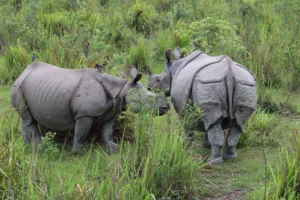
Base yourself near the Kohora (Central range) or Bagori (Western range) gates to get immediate access to the alluvial grasslands where wildlife viewing is most active. Lodges here cater directly to travelers looking to spot the great Indian one-horned rhinoceros and wild water buffalo.
The top lodges are raised on stilts to adapt to the seasonal Brahmaputra floodplains. They use local bamboo and wood construction methods to maintain a low permanent impact on the fragile soil, and they organize small-scale tea garden walks that benefit the surrounding communities.
Master List of Top 100 Wildlife Resorts/Lodges in India
Central India: The Tiger Heartland (Madhya Pradesh)
Bandhavgarh National Park
1. Mahua Kothi, A Taj Safari: A luxury 40-acre operation built around a traditional central Indian homestead.
2. Kings Lodge: An eco-luxury property situated just 10 minutes from the Tala gate.
3. The Untamed Bandhavgarh by TUTC: Features 12 ultra-luxury safari tents offering high-end glamping.
4. Samode Safari Lodge: A traditionally designed luxury retreat located directly adjacent to the park boundary.
5. Tree House Hideaway: A boutique property offering elevated treehouses focused on sustainable design.
6. Churhat Kothi: Offers luxury tented accommodations closely integrated with the surrounding natural forest.
7. Bandhav Vilas: A premium wildlife resort nestled amidst the Vindhya hills.
8. Tiger’s Den Resort: A practical, first-class lodge based in Tala village.
9. Syna Tiger Resort: A mid-range property located close to the core zone entrances.
10. Aranyak Resort: Standard, reliable accommodation focused on safari logistics.
Kanha National Park
11. Banjaar Tola, A Taj Safari: An elegant suite-based tented camp set on 90 acres along the Banjaar River.
12. Kanha Earth Lodge: An award-winning eco-lodge spread across 16 acres of buffer forest.
13. Chitvan Jungle Lodge: Features 20 thoughtfully designed suites set in peaceful forested grounds. Y
14. Shergarh Tented Camp: An intimate boutique camp renowned for highly personalized guiding.
15. Singinawa Jungle Lodge: A premium lodge combining conservation, art, and high-end hospitality.
16. Tuli Tiger Resort: A dependable mid-range safari hotel near the main gates.
17. Kipling Camp: A historic, family-run heritage property deeply involved in local conservation.
18. Flame of the Forest Safari Lodge: A small, boutique eco-lodge focused on personalized experiences.
19. Courtyard House: A restored village home offering an exclusive, slow-paced safari base.
20. The Baagh Kanha: A standard, family-friendly hotel near the Mukki zone.
Pench National Park
21. Baghvan, A Taj Safari: Features 12 standout bungalow suites with private rooftops for open-air sleepouts.
22. Jamtara Wilderness Camp: An ultra-low impact, farm-to-table glamping experience equipped with locally repurposed decor.
23. Pench Tree Lodge: Known for excellent naturalists and elevated accommodations minimizing ground footprint.
24. Tathastu Resort: A sprawling mid-range property highly suited for large family groups.
25. Tuli Tiger Corridor: A comfortable resort offering luxury tents and cottages.
26. Pench Jungle Camp: A standard safari lodge focused heavily on morning and afternoon drive efficiency.
27. Riverwood Forest Retreat: A boutique eco-hotel prioritizing quiet buffer zone birding.
28. Village Machaan Resort: Offers practical infrastructure for budget and mid-tier travelers.
Satpura Tiger Reserve
29. Reni Pani Jungle Lodge: Features 12 luxury cottages near a perennial waterhole, built for advanced wildlife viewing.
30. Forsyth Lodge: The pioneer of walking safaris in Central India, featuring expert-led eco-tourism.
31. Bori Safari Lodge: An excellent base for exploring the emerging Bori Wildlife Sanctuary.
32. Denwa Backwater Escape: Specializes in riverine ecology, boat safaris, and high-end hospitality.
33. Rumburgh Lodge: A heritage-styled property drawing heavily on colonial forest rest-house architecture.
Panna National Park & Chambal
34. Pashan Garh, A Taj Safari: A luxury lodge built like a stone fortress across 200 acres of private wilderness.
35. Ken River Lodge: A well-located base right on the outskirts of Panna.
36. The Sarai at Toria: An eco-boutique property utilizing traditional mud construction.
37. Mela Kothi – Chambal Safari Lodge: A family-owned, restored heritage eco-lodge critical for viewing gharials and river dolphins.
2. North & Western India: The Royal Circuits & Arid Plains
Ranthambore & Jawai (Rajasthan)
38. Aman-I-Khas Resort: An ultra-luxury, 10-acre retreat featuring massive pool pavilions.
39. The Oberoi Vanyavilas: A premier spa resort operating at the border of the tiger reserve.
40. SUJÁN Sher Bagh: A classic, 40-year-old luxury camp with highly trained trackers.
41. SUJÁN Jawai: Uses 10 tented suites and responsible tourism metrics to track the region’s leopard populations.
42. Nahargarh Ranthambhore: A grand, palace-style resort set within lush forest fringes.
43. Ranthambore Forest Resort: An expansive mid-range property located centrally on Ranthambore road.
44. Dev Vilas: A reliable premium lodge known for excellent driver allocations.
45. Khem Villas: A hardcore conservation-first eco-lodge prioritizing minimal intrusion.
46. Bera Safari Lodge: A boutique, highly specialized base for photographing Jawai’s cave-dwelling leopards.
47. The Tigress Spa & Resort: A high-end leisure resort targeting the domestic luxury market.
48. Juna Mahal: A heritage-styled hotel mixing Ranthambore access with premium comforts.
49. Trees & Tigers, Sariska: A practical base for exploring the secondary tiger populations of Sariska.
Jim Corbett National Park (Uttarakhand)
50. Aahana Resort: Combines style with leading sustainability efforts across an 11-acre estate.
51. Corbett the Baagh Spa and Resort: Uniquely situated to face the Pawalgarh bird sanctuary zone.
52. Jim’s Jungle Retreat: A premium property recognized for its deep integration into local Kumaoni ecology.
53. Taj Corbett Resort & Spa: A riverside luxury operation providing premium leisure and spa facilities.
54. Paatlidun Safari Lodge: Offers ultra-luxury pool villas focused on absolute privacy.
55. Vanghat Rainforest Lodge: A remote, walk-in only eco-lodge designed purely for dedicated naturalists.
56. The Golden Tusk: A family-friendly mid-range resort located on the edge of the Dhela zone.
57. Namah Resort: Highly organized property ideal for large groups looking for comfort.
58. Wood Castle Spa & Resort: A sprawling property focused heavily on in-house amenities.
59. The Riverview Retreat: A dependable, classic choice directly overlooking the Kosi River.
60. Tarangi Resort & Spa: Riverside views tailored to the premium domestic tourist sector.
61. Solluna Resort: Placed in the Merchula valley, providing excellent birding without entering the core park.
Gir National Park & Velavadar (Gujarat)
62. Aramness Gir: Uses 18 dual-level kothis crafted from local sandstone and clay.
63. The Postcard Gir Wildlife Sanctuary: An intimate 15-room sanctuary set amidst 16 acres of mango orchards.
64. Blackbuck Lodge: Boasts 14 elegant cottages centered on a lake near Velavadar National Park.
65. Asiatic Lion Lodge: The practical standard for accessing the Sasan Gir headquarters safely.
66. Woods at Sasan: A wellness-forward eco-resort balancing lion safaris with Ayurveda.
67. Lion Safari Camp: A structured tented camp situated on the banks of the Hiran River.
3. Maharashtra: High-Density Tiger Corridors
Tadoba Andhari Tiger Reserve & Tipeshwar
68. Tipai by Wildlife Luxuries (Tipeshwar): A 34-acre design-forward property prioritizing rammed earth walls and low-impact construction.
69. Bamboo Forest Safari Lodge: An impressive lakeside lodge containing 19 luxurious villas near the Kolara gate.
70. Svasara Jungle Lodge: Set just half a kilometer from the Kolara gate, offering high-level safari coordination.
71. Waghoba Eco Lodge: Built meticulously with sustainable adobe blocks and focused strictly on eco-tourism.
72. Irai Safari Retreat: Strategically located near the Moharli gate, utilizing a mix of luxury tents and stone cottages.
73. Red Earth Tadoba: An environmentally sensitive boutique resort avoiding heavy concrete.
74. Camp Serai Tiger: A utilitarian tented camp serving serious wildlife photographers.
75. Jharna Jungle Lodge: Reliable mid-tier property located near the Navegaon gate.
76. Tadoba Tiger King Resort: A functional base for immediate core zone access.
4. South India: The Nilgiri Biosphere & Western Ghats
Kabini, Nagarhole & Bandipur (Karnataka)
77. Evolve Back Kabini (Orange County): A sprawling luxury property inspired by local tribal architecture.
78. The Serai Kabini: Situated on the riverbank, yielding views of over 300 regional bird species.
79. Kabini River Lodge: A historic Jungle Lodges & Resorts (JLR) property renowned for its leopard and elephant tracking.
80. Bandipur Safari Lodge: A state-run modern lodge forming the logistical gateway to Bandipur National Park.
81. Kaav Safari Lodge: An exclusive boutique hideaway positioned directly on the edge of the Nagarhole reserve.
82. JLR Kings Sanctuary: A government-managed, highly practical staging point for Nagarhole safaris.
83. Waterwoods Lodge & Resorts: A pioneering riverside lodge mixing comfortable amenities with prime boat safari access.
84. Red Earth Kabini: A sustainable, family-oriented lodge utilizing rammed earth construction.
85. The Windflower Jungle Resort & Spa: A relaxed, premium resort set seamlessly within the Bandipur buffer.
86. K Gudi Wilderness Camp: A high-altitude, remote eco-camp situated in the Biligiri Ranganathaswamy Temple (BRT) Tiger Reserve.
Periyar, Wayanad & Anamalai (Kerala/Tamil Nadu)
87. Wayanad Wild – CGH Earth: An elevated 33-room retreat constructed naturally within a tropical forest canopy.
88. Spice Village – CGH Earth: A tribal-inspired eco-resort fully integrated into a working spice plantation.
89. Briar Tea Bungalows: Provides colonial-style rooms surrounded by 2,000 hectares of tea estates close to the Anamalai Tiger Reserve.
90. Cardamom County: A well-located, premium staging base for entering the Periyar wildlife sanctuary.
91. Vythiri Village Resort: A large-scale luxury property set deeply within Wayanad’s misty hills.
92. Pepper Trail: A heritage plantation retreat blending historic charm with Wayanad’s ecology.
93. Stanmore Garden Bungalow: An operational base in Valparai, crucial for observing the endangered Lion-tailed macaque.
94. Anantya Resorts: A premium retreat overlooking the Chittar Lake near the Kanyakumari Wildlife Sanctuary.
5. East & Northeast India: Floodplains & Mangroves
Kaziranga & Manas (Assam)
95. Diphlu River Lodge: Features 12 stilted cottages built of natural materials adjacent to the Kaziranga rhinoceros habitats.
96. Borgos Resort: A premium, high-capacity resort dominating the Kaziranga central range access.
97. IORA – The Retreat: A comfortable mid-range property highly rated for local Assamese hospitality.
98. Summit Green Lake Tea Resort: Integrates Kaziranga wildlife touring with regional tea garden heritage.
99. Bansbari Lodge: The de facto, functionally basic gateway lodge for exploring Manas National Park.
The Sundarbans (West Bengal)
100. Sunderban Tiger Camp: An established 15-acre jungle lodge operating strategically opposite the Sajnekhali Tiger Reserve.
Strategic Selection Guide, Booking Logistics, Common Mistakes & FAQs
How to Match Stays to Travel Style
Different travelers require different operational focuses from a jungle lodge. Matching your specific intent to the right property prevents mismatched expectations and ensures you are paying for the amenities that matter most to you.
Stays Tailored for Photographers and Birders
Photographers require lodges that prioritize early gate departures, flexible meal timings, and private jeep allocations rather than communal game drives. Properties that employ specialized naturalists who understand camera angles and vehicle positioning are essential. For birders, lodges built within active ecosystems—such as those with extensive natural water features or large, undisturbed wooded boundaries—allow for productive spotting directly from the property grounds.
Safe and Educational Stays for Families
When traveling with children, look for resorts featuring secure, fenced perimeters and dedicated wildlife discovery centers. Young children cannot endure six-hour jeep safaris in extreme heat. Properties that offer guided nature walks on secure grounds, junior ranger programs, and flexible dining times keep children engaged while allowing parents to alternate game drives.
Eco-Luxury Tented Camps for Premium Travelers
Luxury in a wilderness setting should not mirror urban hotel standards. The premium sector focuses on experiential exclusivity: vast canvas tents, private viewing decks, and minimal artificial lighting to preserve the night sky. The best eco-luxury operators combine these high-end comforts with strict sustainability practices, ensuring that your financial contribution directly aids local habitat conservation and community employment.
Table 1: Resort Strategy Matrix
| Destination Focus | Closest Park | Signature Species | Luxury Tier | Core Eco-Credential | Ideal Traveler Profile |
| High-Density Tiger Tracking | Bandhavgarh | Bengal Tiger | Mid-to-High | Employs indigenous Baiga trackers | Safari-first planners |
| Riverside & Heritage | Corbett | Tiger, Asian Elephant | Premium | Solar power & plastic elimination | Families & first-timers |
| Lion Conservation | Gir | Asiatic Lion | Mid-Range | Maldhari community integration | Photographers & families |
| Wetlands & Grasslands | Kaziranga | One-Horned Rhino | Standard-to-Mid | Stilt architecture & flood adaptation | Birders & naturalists |
| Walking Safaris | Satpura | Sloth Bear, Leopard | Premium Eco | Low vehicle density & foot tracking | Advanced wildlife enthusiasts |
Best Seasons to Visit India’s Wildlife Resorts
The climate heavily dictates wildlife visibility. While temperatures fluctuate by region, the core national parks operate on strict seasonal schedules to accommodate the monsoon rains and animal breeding cycles.
Table 2: Regional Safari & Climate Timelines
| Safari Season | Months | Climate Trends | Wildlife Visibility | Park Status |
| Peak Summer (Dry Season) | March to June | Extremely hot (35°C to 45°C) | Highest probability. Animals congregate around shrinking waterholes. | Core zones fully open. |
| Monsoon (Wet Season) | July to September | Heavy rainfall, high humidity | Low visibility due to dense undergrowth. | Core zones closed. Select buffer zones open. |
| Post-Monsoon (Autumn) | October to November | Cooling temperatures, lush greenery | Moderate. Wildlife is dispersed due to abundant water sources. | Core zones reopen mid-October. |
| Peak Winter | December to February | Cold mornings (5°C to 15°C), pleasant days | Good. High daytime activity. Peak season for migratory bird arrivals. | Core zones fully open. High tourist volume. |
Safari Permits and Booking Logistics
Do not book a wildlife resort until your safari permits are secured. Park authorities strictly regulate vehicle limits per zone, and popular core areas sell out months in advance.
If you are staying at a premium lodge, utilize their in-house booking desk. Reputable properties align your accommodation dates precisely with your safari permits, saving you the frustration of navigating state-run forestry websites. If booking independently, secure your permits 90 to 120 days prior to travel, particularly for parks like Ranthambore, Kanha, and Bandhavgarh.
Common Wildlife Resort Pitfalls to Avoid
- Assuming luxury guarantees a better safari: A five-star property far from the gate requires exhausting daily commutes. Always prioritize proximity and guiding quality over room size.
- Ignoring the season: Booking a central Indian tiger safari in July means the core zones are closed, and you will only have access to buffer areas with dense, visibility-limiting foliage.
- Overlooking the naturalist: The physical lodge is only half the experience. The quality of your assigned naturalist dictates how much you learn and observe.
- Booking multiple parks on a tight schedule: Driving between central Indian parks takes hours. Focus deeply on one or two parks rather than rushing through four.
Frequently Asked Questions
What is the legal difference between a core zone and a buffer zone stay? Commercial resorts cannot operate inside the core critical habitat of a tiger reserve. Resorts are legally required to operate in the buffer zone or eco-sensitive periphery to minimize human-wildlife conflict and preserve the central breeding grounds.
Can I book my national park safari permits directly through the resort? Yes. Most established wildlife resorts offer safari booking services as part of your package. They coordinate the permits, vehicle (gypsy), and forest guide on your behalf.
How far in advance should I book a popular wildlife lodge in India?
For peak season (December to April) in high-demand parks like Ranthambore or Bandhavgarh, book your lodge and permits at least three to four months in advance.
Are luxury wildlife resorts genuinely sustainable? Many are, but you must verify their practices. Look for lodges that adhere to the 2021 MoEFCC ecotourism guidelines, emphasizing local community employment, responsible waste management, and temporary architectural footprints.
Which wildlife resorts are safest and most engaging for young children? Resorts near Corbett, Pench, and Ranthambore generally offer the best infrastructure for families. Seek properties with fenced boundaries, dedicated nature walks within the resort grounds, and shorter safari options.
Do these properties remain open during the monsoon season? While core safari zones close from July to September, many lodges remain open to service the buffer zones, which stay accessible. This season caters strictly to photographers looking for lush landscapes and birders, rather than big cat trackers.
What specific gear should I pack for a stay at an Indian jungle lodge?
Pack neutral-colored, breathable clothing (khaki, olive, brown). Include a high-quality dust mask for dry summer safaris, binoculars, a hat, and heavy thermal layers if traveling between December and February, as open-top jeeps are freezing during dawn drives.
How do resort-based naturalists improve the safari experience compared to general park guides?
State-appointed park guides are mandatory, but their expertise varies. Premium resorts employ highly trained, dedicated naturalists who accompany you in the vehicle, handle advanced tracking, communicate effectively in English, and offer deep ecological context.
Conclusion
A successful Indian wildlife safari depends entirely on where you choose to stay. The best wildlife resorts act as responsible custodians of the buffer zones, deeply integrating local communities into their operations while providing expert naturalists who elevate the standard game drive into a comprehensive ecological education. Whether you are tracking Bengal tigers in the dry heat of Bandhavgarh or observing rhinos in the floodplains of Kaziranga, prioritize gate access, conservation credentials, and the right season over conventional hotel metrics.
Author Note & Update Log: Written by the WildlifeSafaris.in Editorial Team. Last Updated: August 2026.
Luxury Safari in India : Topics Cluster
- Luxury Safari in India – Expert Planning Guide
- Luxury Wildlife Safari India Budget Guide
- Top 100 Wildlife Resorts in India
- Eco-friendly Wildlife Resorts
- Best 50 Jungle Camps in India
- Best Wildlife Resorts in India : 16 Safari Lodges
- Best Wildlife Tour Operators in India
Top Wildlife Destinations : Topics Cluster
- Top 10 Tiger Reserves Ranked by Tiger Sightings
- Top 25 National Parks in India
- Indian Wildlife Bucket List : Top 25 Experiences
- India Wildlife : Top 20 Destinations
- Why India is a world class safari destination?
- Corbett vs Ranthambore
- Kanha vs Bandhavgarh
- Tadoba vs Pench Parks Comparison
- Best Family-friendly Wildlife Destinations
- Best Wildlife Destinations for Couples