
Discover the critical shifts in wildlife tourism for 2026. Learn how conservation-led safaris, ethical operator vetting, and community models shape travel.
What Wildlife Travel Means in 2026
Choosing a wildlife trip in 2026 requires looking beyond standard destination itineraries and prioritizing experiences that actively fund habitat protection and support local communities. Travelers are moving away from passive sightseeing. The focus has shifted toward low-impact, experience-rich journeys that integrate conservation directly into the travel planning process.
Every travel choice serves as a vote for how habitats are managed. Understanding the underlying market trends, conservation needs, and community involvements ensures that your journey protects the species you are traveling to see.
The Market Shift: Growth Driven by Purpose
Wildlife tourism is experiencing a major expansion. Financial projections show the global wildlife tourism market growing from USD 190.73 billion in 2025 to USD 380.99 billion by 2033. This represents a steady compound annual growth rate (CAGR) of 9.2%.
Global Wildlife Tourism Market Growth Projection:
2025: 🟩🟩🟩🟩 $190.73 Billion
2033: 🟩🟩🟩🟩🟩🟩🟩🟩 $380.99 Billion (Estimated)
This commercial growth is driven by changing traveler motivations. Modern travelers are looking for meaningful travel options, deeper nature immersion, opportunities for digital detox, and nature-positive travel experiences. Wildlife travel is no longer a niche holiday option; it is a major sector within the global travel industry where consumers actively seek out clear evidence of environmental sustainability.
The Conservation Urgency Shaping Traveler Choices
The growth in travel demand occurs alongside a challenging reality for global biodiversity. Data from the World Wildlife Fund (WWF) shows that global wildlife populations have declined by an average of 73% since 1970. Furthermore, human activities have accelerated the current extinction rate to a level 100 to 1,000 times higher than natural background rates.
Field Note: These stark conservation figures explain why travelers are scrutinizing tour operators more closely. Tourism serves as a vital tool to counter these declines, but only when it is managed with strict operational discipline.
When managed properly, tourism revenue directly supports conservation budgets, creates local employment, and provides financial incentives for habitat protection. However, poorly managed tourism creates road pressure, disrupts animal behavior, and degrades fragile ecosystems. As a result, the primary trend in 2026 focuses on shifting travel styles from high-density sightseeing to well-regulated, low-impact observation.
The Core Trends Shaping Wildlife Tourism
Conservation-Led Safaris and Community Conservancies
The traditional safari model is shifting toward community-owned and community-run tourism structures. Travelers increasingly choose destinations where local communities manage the land and directly share in the tourism revenue. This model forms the basis of community conservancies in regions like Kenya and Namibia, as well as IUCN-supported nature-based tourism projects in Cambodia.
These setups change the primary goal of a safari. Instead of focusing only on high-density wildlife sightings, conservancies emphasize habitat connectivity and biodiversity protection. When local residents benefit directly through jobs and community funds, they become active partners in anti-poaching and land management efforts, providing a more stable future for the habitat.
Responsible Tourism Tip: When booking a safari, ask your operator for a clear breakdown of how much of your daily conservation fee goes directly to local community administrative bodies versus central corporate management.
The Expansion of Marine and Polar Experiences
Wildlife travel is expanding rapidly beyond terrestrial safaris into cold-water marine environments and polar regions. Destinations seeing significant growth include Svalbard, Greenland, Arctic routes around Iceland, Scotland, and Alaska. Travelers visit these remote areas to view species such as polar bears, whales, penguins, and nesting seabirds.
However, this shift brings specific environmental challenges. The growth in vessel traffic creates underwater noise and boat pressure that can disrupt marine mammal communication and migration routes. Traveling through these fragile ecosystems requires strict adherence to low-impact observation distances and choosing operators who use fuel-efficient or hybrid vessels.
Niche Wildlife Pursuits: Photography and Birding Travel
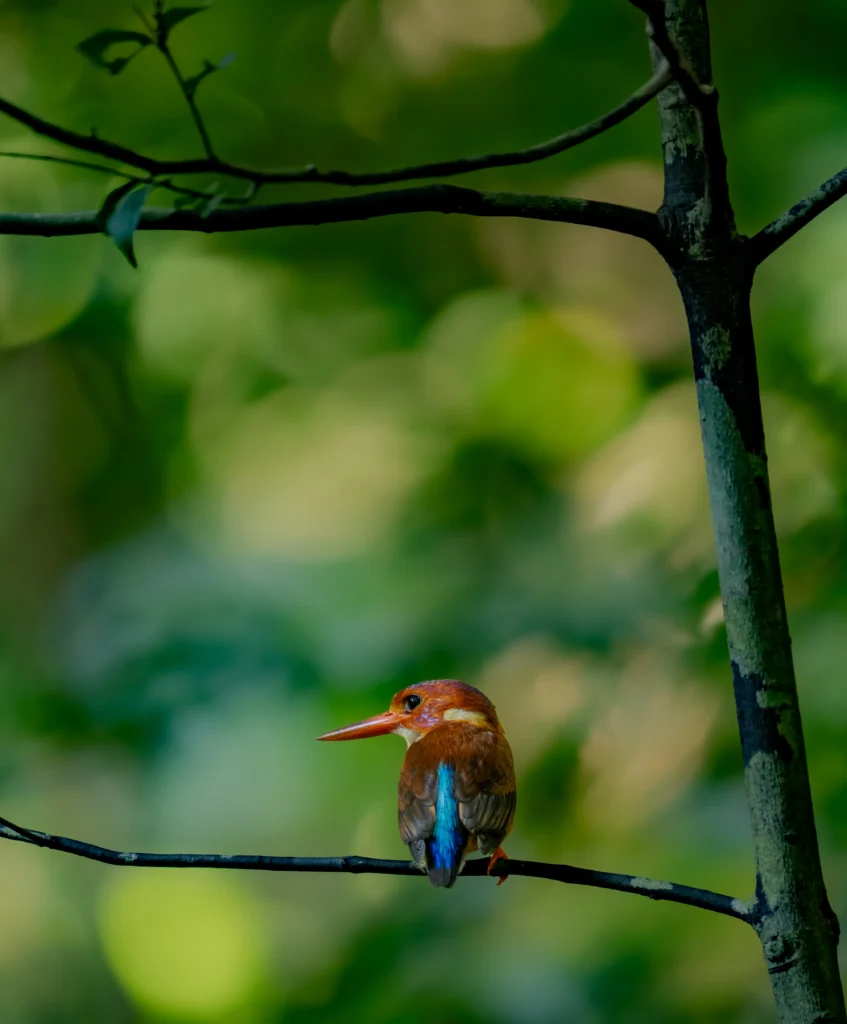
Travelers are moving away from broad sightseeing vacations toward highly specialized, niche wildlife itineraries. High-diversity habitats—such as Costa Rica, India, and Borneo—are experiencing sustained demand for dedicated birding trips and professional wildlife photography expeditions.
These specialized trips prioritize different operational factors than standard tours. Photography-first travel focuses on optimal light conditions, understanding specific animal behaviors, securing specialized tracking permits, and ensuring low-disturbance vehicle positioning. For birding, the focus relies heavily on local guide expertise to locate rare species without causing habitat disruption or nesting stress.
Wildlife Travel Types: A Decision-Making Comparison
The table below outlines the major wildlife experiences available, their primary geographic centers, visitor focus, and the environmental or operational risks associated with each type.
| Travel Type | Primary Destinations | Typical Appeal | Main Risk |
| Big Cat Safari | India, Kenya, Zambia, South Africa | Tracking large predators | Vehicle crowding and animal disturbance |
| Primate Trekking | Rwanda, Uganda, Cambodia | Rare, close-range forest viewing | Disease transmission and wildlife stress |
| Marine Wildlife | Scotland, Galápagos, Alaska | Whales, dolphins, and seabirds | Boat pressure and underwater noise |
| Polar Wildlife | Svalbard, Greenland, Arctic Iceland | Bears, whales, and Arctic landscapes | Impact on highly fragile ecosystems |
| Birding | Costa Rica, India, Borneo | High species diversity | Habitat disruption and trail erosion |
| Community Conservancy | Kenya, Namibia | Conservation and direct local benefits | Greenwashing if revenue claims are vague |
Photography Tip: Niche photography trips require patience and fewer camp movements. Spending four days in a single safari zone yields better behavioral shots and reduces the environmental footprint of your vehicle travel compared to changing lodges every night.
The Reality of Overtourism and Animal Welfare
Overtourism, Crowding, and Habitat Carrying Capacity
High travel demand can directly threaten the wildlife populations people travel to see. When too many vehicles or boats crowd a specific habitat, it causes severe stress to the animals and disrupts their natural hunting, feeding, and breeding behaviors.
For example, sustained overtourism pressure in popular hotspots like Yala in Sri Lanka has created significant vehicle congestion and noise, which actively threatens the resident leopard populations. Managing visitor volume and strictly respecting a park’s carrying capacity are essential to prevent habitat degradation and keep wildlife safe.
Sanctuaries versus Exploitative Attractions
A facility calling itself a “sanctuary” or “rescue center” is not a guarantee of ethical practices. While genuine conservation centers focus entirely on animal rehabilitation, community education, and habitat preservation, many commercial operations use these labels to disguise exploitative entertainment.
True sanctuaries do not breed animals in captivity for commercial use, force them to perform tricks, or allow visitors to handle them. Responsible wildlife travel requires observing animals in their natural habitats or in highly regulated facilities where animal welfare takes absolute priority over visitor interaction.
Species-Specific Ethics: Navigating Direct-Contact Bans
Ethical standards are shifting globally to eliminate activities that cause animal suffering. A milestone in this shift is Indonesia’s 2026 ban on elephant rides, which sets a new welfare standard for wildlife tourism across Asia. Similarly, international organizations like World Animal Protection continue to urge UN Tourism to completely phase out captive wildlife entertainment worldwide.
When planning your trip, keep these species-specific guidelines in mind:
- Big Cats and Elephants: Avoid any venue offering cub petting, photo sessions, walking with lions, or elephant riding.
- Primates: Trekking to see gorillas or orangutans requires maintaining a strict distance and following specific health protocols to prevent transmitting human diseases to vulnerable wildlife populations.
- Marine Life: Responsible boat operators must maintain a safe distance, reduce vessel speed, and avoid cornering or chasing marine mammals.
Family Travel Tip: When traveling with children, choose observation-based safaris rather than hands-on encounters. Teaching children to appreciate animals from a safe, respectful distance provides a far better educational experience than participating in harmful direct-contact attractions.
Choosing a Responsible Operator: The Booking Checklist
Signs of a Legitimate Conservation Claim
Selecting a responsible operator requires moving past vague marketing terms and looking for concrete evidence of impact. High-quality operators provide transparent data about their operations and funding models. When evaluating a company, look for specific details that support their conservation claims.
A legitimate operator will openly share their conservation metrics. They should state exactly which local conservation NGOs or community trusts receive financial support and specify the precise fees directed toward habitat management. Look for operators holding independent certifications from recognized global bodies, such as the Global Sustainable Tourism Council (GSTC) or local eco-rating organizations, which verify their adherence to environmental standards.
Practical Planning, Seasonality, and Permit Considerations
Planning a successful wildlife trip depends heavily on timing, logistics, and guide qualifications rather than just destination popularity. Wildlife movements and visibility change based on seasonal factors like water availability, vegetation density, and migration patterns. Researching these variables beforehand helps set accurate expectations for your trip.
A well-planned journey should focus on the following key operational elements:
- Guide Qualifications: Inquire about the training, certification levels, and field experience of the specific guides who will lead your excursions. Skilled naturalists prioritize animal welfare and interpret wildlife behavior safely.
- Permit Regulations: Destination management increasingly relies on strict permit systems to limit visitor numbers in sensitive areas, such as primate tracking zones. Secure these permits early through official channels to ensure compliance with local regulations.
- Group Size Limits: Choose operators that voluntarily enforce low guide-to-guest ratios and restrict the number of vehicles or vessels used per excursion to minimize habitat disturbance.
Common Wildlife Travel Misconceptions
- “More wildlife tourists always help conservation.” Increased visitor volume can stress local animal populations and degrade ecosystems if carrying capacities are ignored.
- “A sanctuary is automatically ethical.” The term “sanctuary” is frequently misused; commercial facilities often use this label to profit from captive animal entertainment and hands-on activities.
- “Wildlife sightings are always guaranteed.” True wildlife viewing depends entirely on natural behaviors, seasonal patterns, and environmental conditions rather than a set itinerary.
- “Close contact means a better travel experience.” High-quality, ethical encounters rely on maintaining a respectful distance to observe natural behaviors without causing stress.
- “Popular destinations are always sustainable.” High demand regularly creates major crowding, noise, and vehicle pressure in famous national parks, harming the local habitat.
Frequently Asked Questions (FAQs)
What is the difference between standard wildlife tourism, ecotourism, and regenerative travel?
Standard wildlife tourism focuses primarily on viewing animals, regardless of the impact on the habitat. Ecotourism aims to minimize environmental harm while supporting local conservation initiatives. Regenerative travel goes a step further by actively improving the destination, ensuring that tourism revenue directly restores biodiversity and strengthens community infrastructure.
Why is wildlife tourism experiencing significant market growth in 2026?
The industry is expanding due to a strong consumer shift toward meaningful, purpose-driven travel. Modern travelers are prioritizing deep nature immersion, digital detox opportunities, and nature-positive experiences that offer clear proof of environmental sustainability.
How does overtourism directly impact wildlife behavior and habitats?
Excessive vehicle and boat traffic creates noise and physical pressure that disrupts critical animal behaviors, such as hunting, feeding, and mating. In high-density hotspots, this consistent crowding can drive wildlife away from key water sources and clear habitats.
What are the key indicators that a wildlife sanctuary is operating ethically?
An ethical sanctuary focuses entirely on rehabilitation, education, and protection. They enforce strict policies against commercial captive breeding, do not allow visitors to handle or pet the animals, and keep the species in spacious, natural enclosures.
Why are direct-contact animal experiences being phased out globally?
Global travel standards are changing because evidence shows that activities like elephant riding, cub petting, and walking with big cats cause severe psychological and physical stress to captive animals. These practices also present significant safety risks to travelers.
How do community-owned conservancies protect biodiversity compared to traditional parks?
Traditional national parks are managed entirely by central government agencies, whereas community conservancies involve local landowners directly in land management and revenue generation. This financial integration creates strong local incentives to stop poaching and protect habitat connectivity.
What practical steps can travelers take to verify an operator’s conservation claims?
Travelers should request a clear, written breakdown of how daily conservation fees are utilized. Check for official partnerships with recognized conservation NGOs and verify that the operator holds independent eco-certifications rather than relying only on internal sustainability claims.
Conclusion
Wildlife travel requires prioritizing the protection of habitats and species over simple sightseeing. The growth of the market highlights a clear collective responsibility to support conservation-led safaris, vet tour operators carefully, and respect the carrying capacity of vulnerable ecosystems. By choosing low-impact itineraries and community-centered models, your travel choices can actively protect global biodiversity for the future.
Author Note & Update Log: Written by the WildlifeSafaris.in Editorial Team. Last Updated: October 2026.