Plan the perfect wildlife trip in Uttarakhand with this complete guide covering national parks, tiger reserves, safaris, birdwatching, best seasons, and travel tips.
Introduction, Why Uttarakhand Stands Out & Wildlife Tourism Overview
Introduction
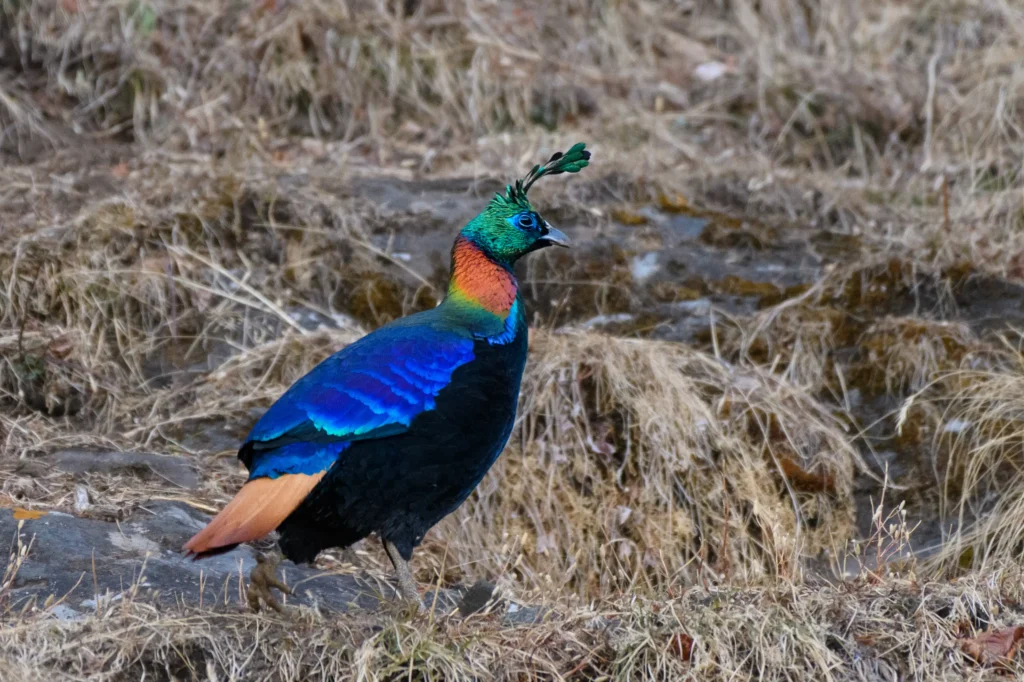
Uttarakhand is one of India’s most diverse wildlife destinations because it combines two very different natural landscapes within a single state. In the south, the Terai grasslands and Shivalik foothills support tigers, elephants, leopards, deer, and hundreds of bird species. Further north, the Himalayas protect alpine forests, high-altitude meadows, and mountain wildlife that cannot be found in the plains.
While Jim Corbett National Park is the state’s best-known wildlife destination, it represents only one part of Uttarakhand’s protected-area network. The state officially includes six national parks, two conservation reserves, and internationally important natural landscapes, giving visitors opportunities ranging from classic tiger safaris to birdwatching, elephant tracking, and Himalayan nature exploration.
Whether you are planning your first safari from Delhi, looking for a family wildlife holiday, hoping to photograph birds, or exploring lesser-known protected areas beyond Corbett, Uttarakhand offers experiences suitable for different interests and travel styles.
In this guide, you’ll learn:
- Which wildlife destinations are worth visiting
- What each park is best known for
- The best seasons for different wildlife experiences
- How to choose the right destination for your interests
- Practical safari planning advice
- Suggested itineraries for different trip lengths
Why Uttarakhand Is One of India’s Best Wildlife Tourism Destinations
Where the Himalayas Meet the Terai
Few Indian states offer such contrasting wildlife habitats within relatively short travel distances.
Southern Uttarakhand is dominated by the Terai and Shivalik landscapes, where dense forests, river systems, and grasslands provide habitat for large mammals such as Bengal tigers, Asian elephants, leopards, and several deer species. These lower-elevation forests form the backbone of the state’s safari tourism, especially around Corbett and Rajaji Tiger Reserves.
As the terrain rises into the Himalayas, the wildlife experience changes significantly. High-altitude forests, alpine meadows, and rugged mountain landscapes support different plant and animal communities, making Uttarakhand attractive not only to safari enthusiasts but also to trekkers, birdwatchers, and naturalists interested in Himalayan biodiversity.
This diversity allows visitors to experience multiple ecosystems without leaving the state.
Protected Areas That Define Uttarakhand’s Wildlife
According to the official Uttarakhand Tourism Department, the state features:
- Six National Parks
- Two Conservation Reserves
- A UNESCO-recognised natural heritage landscape associated with its protected-area network
Together, these protected areas cover habitats ranging from river valleys and sal forests to alpine ecosystems, supporting wildlife tourism throughout much of the year.
Among these, Corbett Tiger Reserve serves as the state’s flagship wildlife destination, while Rajaji Tiger Reserve, Asan Barrage Conservation Reserve, Jhilmil Tal Conservation Reserve, Govind National Park, Nanda Devi National Park, Valley of Flowers National Park, Gangotri National Park, Kedarnath Wildlife Sanctuary, and several lesser-known sanctuaries broaden the range of experiences available to travellers.
What Makes Wildlife Tourism Here Different
Unlike destinations centred on a single national park, Uttarakhand offers multiple wildlife experiences that appeal to different travellers.
Some visitors come specifically for tiger safaris in Corbett. Others choose Rajaji for its elephant populations and scenic forest drives. Birdwatchers often focus on wetlands such as Asan Barrage, while experienced nature travellers may head into Himalayan protected areas where wildlife viewing is combined with trekking and mountain landscapes.
This variety means visitors can choose destinations based on their interests rather than assuming every wildlife area offers the same experience.
Field Note: A common misconception is that wildlife tourism in Uttarakhand is synonymous with Jim Corbett. In reality, Corbett is the state’s best-known reserve, but the wider protected-area network offers birdwatching, Himalayan biodiversity, elephant habitats, conservation reserves, and alpine landscapes that provide very different experiences.
Best Wildlife Destinations in Uttarakhand
Choosing the right destination is the most important decision when planning wildlife travel in Uttarakhand. While Jim Corbett attracts the most visitors, the state offers a much wider range of experiences—from tiger safaris and elephant habitats to internationally recognised Himalayan landscapes and wetlands known for birdwatching. The best choice depends on what wildlife you hope to see, how much time you have, and the type of trip you want.
Comparison: Major Wildlife Destinations in Uttarakhand
| Destination | Best Known For | Ideal For |
| Jim Corbett National Park | Tigers, elephants, jeep safaris | First-time visitors, photographers, families |
| Rajaji Tiger Reserve | Elephants, forests, tiger habitat | Wildlife enthusiasts, repeat visitors |
| Asan Barrage Conservation Reserve | Migratory birds | Birdwatchers |
| Jhilmil Tal Conservation Reserve | Wetlands and birdlife | Nature lovers and bird photographers |
| Govind National Park | Himalayan wildlife and bird diversity | Trekkers and naturalists |
| Valley of Flowers National Park | Alpine flora and mountain scenery | Nature travellers |
| Nanda Devi National Park | High-altitude ecosystems | Experienced trekkers |
| Binsar, Askot, Sonanadi & Nandhaur | Less-visited forests and wildlife | Offbeat wildlife travellers |
Jim Corbett National Park and Corbett Tiger Reserve
For most travellers, Corbett is the best place to begin exploring wildlife in Uttarakhand.
Established as India’s first national park, it has become one of the country’s best-known wildlife destinations and forms the core of the larger Corbett Tiger Reserve. According to the National Tiger Conservation Authority (NTCA), the reserve covers 1,288.31 sq km, making it one of India’s largest tiger reserves. The latest national tiger assessment also recorded the country’s highest assessed tiger population here, highlighting Corbett’s importance for tiger conservation.
Beyond tigers, visitors may encounter:
- Asian elephants
- Leopards
- Various deer species
- Numerous resident and migratory birds
- Reptiles including pythons and king cobras
However, tiger sightings are never guaranteed. Wildlife viewing depends on habitat, weather, animal movement, and a measure of luck.
Best suited for:
- First-time safari visitors
- Wildlife photographers
- Families
- Weekend trips from Delhi/NCR
- Travellers seeking well-developed tourism infrastructure
Rajaji Tiger Reserve
If Corbett is known for tiger safaris, Rajaji offers a different wildlife experience centred on the forests of the Shivalik Hills.
The reserve protects extensive sal forests, river valleys, and elephant habitat, making it one of northern India’s important conservation landscapes. Visitors often choose Rajaji for its quieter atmosphere and lower visitor numbers compared with Corbett.
Wildlife that may be seen includes:
- Asian elephants
- Bengal tigers
- Leopards
- Sambar
- Chital
- Wild boar
- Numerous bird species
Rajaji particularly appeals to travellers who enjoy landscapes as much as wildlife sightings.
Best suited for:
- Elephant enthusiasts
- Repeat wildlife travellers
- Nature photographers
- Visitors looking for a less crowded safari experience
Asan Barrage Conservation Reserve
Asan Barrage is one of Uttarakhand’s leading birdwatching destinations rather than a traditional safari park.
Located on an important wetland system, it attracts large numbers of migratory and resident birds during winter. Birdwatchers often include Asan Barrage in wider wildlife itineraries that combine Corbett or Rajaji with dedicated birding locations.
Visitors may observe:
- Migratory waterfowl
- Ducks
- Waders
- Raptors
- Resident wetland birds
Photography Tip: Winter generally provides the greatest diversity of migratory birds, making it the preferred season for bird photography.
Jhilmil Tal Conservation Reserve
Jhilmil Tal offers another important wetland ecosystem where wildlife tourism focuses on birdlife and peaceful nature observation rather than jeep safaris.
Its marshes, grasslands, and water bodies support a variety of wetland species throughout the year, making it attractive for slow-paced wildlife travel.
This destination is particularly suitable for:
- Birdwatchers
- Wildlife photographers
- Families interested in nature walks
- Travellers looking beyond the better-known parks
Govind National Park
Govind National Park introduces visitors to the wildlife of the higher Himalayas.
According to Uttarakhand Tourism, the park supports around 15 mammal species and approximately 150 bird species, along with a wide range of medicinal plants. Rather than offering conventional jeep safaris, Govind is better suited to travellers interested in trekking, mountain ecosystems, and Himalayan biodiversity.
Expect a very different experience from Corbett or Rajaji, with forests, alpine landscapes, and opportunities to appreciate Himalayan ecology.
Valley of Flowers National Park
Although internationally known for its seasonal wildflower displays, Valley of Flowers is also part of Uttarakhand’s protected wildlife network.
Wildlife observation here is secondary to the alpine landscape, but the park contributes significantly to Himalayan biodiversity and conservation. Visitors usually combine it with trekking rather than traditional wildlife safaris.
It is best suited for:
- Nature enthusiasts
- Trekkers
- Landscape photographers
- Visitors interested in alpine ecosystems
Nanda Devi National Park
Nanda Devi National Park protects one of India’s most important Himalayan wilderness landscapes.
Access is far more restricted than safari destinations such as Corbett, reflecting its conservation importance. Visitors interested in high-altitude ecology, mountain landscapes, and protected Himalayan environments often include Nanda Devi as part of broader trekking itineraries rather than conventional wildlife holidays.
Other Wildlife Areas Worth Exploring
Several lesser-known protected areas receive far fewer visitors but contribute significantly to Uttarakhand’s wildlife diversity.
These include:
- Binsar Wildlife Sanctuary – known for forests, birdlife, and Himalayan views.
- Nandhaur Wildlife Sanctuary – an emerging conservation landscape in the Terai region.
- Sonanadi Wildlife Sanctuary – closely linked with the Corbett landscape.
- Askot Wildlife Sanctuary – representing eastern Himalayan ecosystems.
- Gangotri National Park – protecting alpine habitats.
- Kedarnath Wildlife Sanctuary – an important mountain conservation area.
These destinations are generally better suited to travellers seeking quieter, less-commercial wildlife experiences rather than classic safari tourism.
Expert Tip
Instead of trying to visit every protected area in one trip, choose destinations based on your interests:
- Tiger safari: Jim Corbett National Park
- Elephants and forest landscapes: Rajaji Tiger Reserve
- Birdwatching: Asan Barrage and Jhilmil Tal
- Himalayan biodiversity: Govind, Nanda Devi, Valley of Flowers, Gangotri, and Kedarnath
- Offbeat wildlife travel: Binsar, Nandhaur, Sonanadi, and Askot
This approach allows more time to appreciate each landscape instead of spending much of your holiday travelling between parks.
Choosing the Right Destination, Wildlife You Can See & Best Time to Visit
After narrowing down the destinations, the next step is deciding which one best matches your interests. Uttarakhand offers very different wildlife experiences depending on whether your priority is spotting large mammals, observing birds, photographing landscapes, or exploring Himalayan ecosystems. Understanding these differences helps set realistic expectations and makes trip planning much easier.
Which Wildlife Destination Is Right for You?
Best for Tiger Safaris
If seeing a tiger is your primary goal, Jim Corbett National Park should be your first choice.
Corbett has long been recognised as one of India’s premier tiger reserves. According to the National Tiger Conservation Authority’s latest assessment, it supports the country’s largest assessed tiger population among surveyed reserves. However, this does not mean sightings are guaranteed. Tigers are free-ranging wild animals, and every safari is different.
Choose Corbett if you want:
- The best-developed safari infrastructure
- Multiple safari opportunities
- Experienced guides and drivers
- A realistic chance of seeing large mammals
Best for Elephant Sightings
Rajaji Tiger Reserve is widely associated with Asian elephants.
Its extensive forests and river valleys provide suitable habitat for these large herbivores, making elephant encounters one of the reserve’s biggest attractions. Visitors interested in observing elephant behaviour in natural surroundings often prefer Rajaji over more tiger-focused destinations.
Best for Birdwatching
Birdwatchers should look beyond the major tiger reserves.
The research identifies Asan Barrage Conservation Reserve and Jhilmil Tal Conservation Reserve as important destinations for resident and migratory birds, especially during winter.
Govind National Park also contributes significantly to Uttarakhand’s bird diversity, with official tourism information noting around 150 bird species.
These destinations reward patient observation rather than fast-paced safari driving.
Best for Wildlife Photography
Different parks suit different photography styles.
Choose Corbett if your priority is photographing large mammals such as tigers and elephants.
Choose Rajaji if you enjoy wider landscape compositions that combine forests, rivers, and wildlife.
Choose Asan Barrage or Jhilmil Tal for bird photography.
Choose Himalayan parks if your interest lies in mountain scenery, alpine habitats, and ecological storytelling rather than close wildlife encounters.
Best for Families
Families visiting Uttarakhand for the first time generally find Corbett National Park the easiest destination to plan.
Reasons include:
- Wide accommodation choices
- Established tourism infrastructure
- Short safari durations
- Good road connectivity
- Opportunities to combine wildlife with leisure activities
Rajaji is also suitable for families looking for a quieter alternative.
Best for Himalayan Wildlife
Travellers interested in mountain ecosystems should consider destinations such as:
- Govind National Park
- Nanda Devi National Park
- Gangotri National Park
- Kedarnath Wildlife Sanctuary
- Valley of Flowers National Park
These areas focus less on jeep safaris and more on trekking, alpine ecology, forests, and Himalayan biodiversity.
Comparison Table: Which Destination Suits Which Traveller?
| Traveller Type | Recommended Destination |
| First-time wildlife visitor | Jim Corbett National Park |
| Tiger enthusiast | Jim Corbett National Park |
| Elephant enthusiast | Rajaji Tiger Reserve |
| Birdwatcher | Asan Barrage, Jhilmil Tal, Govind National Park |
| Wildlife photographer | Corbett, Rajaji |
| Family holiday | Corbett or Rajaji |
| Trekker and naturalist | Govind, Nanda Devi, Gangotri |
| Offbeat traveller | Binsar, Nandhaur, Sonanadi, Askot |
Wildlife You Can See in Uttarakhand
Because Uttarakhand spans both the Terai plains and the Himalayas, the wildlife varies considerably across the state. Visitors should expect different species depending on the habitat they explore rather than assuming every park offers the same animals.
Large Mammals
Some of the best-known mammals recorded from Uttarakhand’s protected areas include:
- Bengal Tiger
- Asian Elephant
- Leopard
- Sloth Bear
- Himalayan Black Bear
- Various deer species
- Goral
- Wild Dog
- Otter
Not every species occurs in every protected area, so checking the characteristics of your chosen destination is worthwhile before planning a trip.
Birds
Bird diversity is one of Uttarakhand’s greatest strengths.
Depending on location and season, visitors may encounter:
- Resident forest birds
- Migratory waterbirds
- Raptors
- Wetland birds
- Himalayan bird species
Winter is generally considered the most rewarding season for observing migratory birds in wetland areas such as Asan Barrage.
Reptiles and Other Wildlife
Although mammals receive most attention, Uttarakhand also supports reptiles and smaller wildlife.
The research highlights species such as:
- Indian Python
- King Cobra
Numerous amphibians, insects, butterflies, and aquatic species also contribute to the state’s ecological diversity, even though visitors often overlook them.
A Note on Wildlife Sightings
Wildlife tourism always involves uncertainty.
Factors influencing sightings include:
- Season
- Weather
- Habitat conditions
- Time of day
- Animal movement
- Chance
No responsible guide or operator can promise sightings of particular animals, including tigers. Viewing wildlife respectfully should always take priority over chasing photographs.
Best Time to Visit Uttarakhand for Wildlife Tourism
There is no single “best” season for every traveller. The ideal time depends on the type of wildlife experience you want.
Winter (November–February)
Winter offers comfortable weather across much of the state and is particularly attractive for:
- Birdwatching
- Nature photography
- Family holidays
- Wetland visits
Migratory birds increase the appeal of destinations such as Asan Barrage during this period.
Summer (March–June)
As temperatures rise, animals may become easier to observe around water sources in some protected areas.
Many visitors choose summer specifically for safari holidays, particularly in Corbett and Rajaji, although sightings still depend on natural wildlife behaviour.
Monsoon
The monsoon transforms forests and landscapes but may also affect accessibility in some wildlife destinations.
Before travelling, always confirm current opening schedules, safari availability, and weather conditions through official sources, as regulations may change seasonally.
Year-Round Planning
According to NTCA information referenced in the research brief, Corbett Tiger Reserve and Rajaji Tiger Reserve support year-round tourism, offering visitors greater flexibility when planning wildlife trips. However, seasonal conditions still influence wildlife activity and visitor experience.
Photography Tip
If wildlife photography is your main objective, plan multiple safaris instead of relying on a single drive. More time in the field generally provides better opportunities to observe natural animal behaviour while reducing the pressure to find specific species immediately.
Safari Planning, Suggested Itineraries & Responsible Wildlife Tourism
Planning a wildlife trip involves more than choosing a destination. Understanding safari options, booking requirements, trip duration, and responsible travel practices will help you make the most of your visit while supporting conservation efforts. The information below focuses on general planning principles drawn from the research brief. As regulations can change, always verify current rules through the relevant forest department before travelling.
Safari Planning Guide
Understanding Safari Options
Most visitors experience Uttarakhand’s wildlife through guided jeep safaris, particularly in major reserves such as Corbett and Rajaji.
Depending on the destination, some areas may also offer other officially approved safari formats. The availability of these options varies by park and should always be confirmed before booking.
Regardless of the vehicle, the objective remains the same: observe wildlife with minimal disturbance while following park regulations.
Permit and Booking Basics
Wildlife tourism is regulated to protect sensitive habitats.
Although booking procedures differ between parks, visitors should generally expect to:
- Reserve safaris in advance whenever possible.
- Carry valid identification if required.
- Follow entry timings specified by the park authorities.
- Use only authorised safari vehicles and guides.
The research brief also notes that booking rules are subject to forest department regulations and may change over time. Always rely on official information rather than unofficial travel advice.
Choosing the Right Destination Instead of Chasing Sightings
Many first-time visitors focus exclusively on seeing a tiger.
A better approach is to choose a destination based on the overall experience you want.
Choose Jim Corbett if you want:
- A classic tiger reserve
- Well-developed safari tourism
- Excellent accessibility from Delhi/NCR
- Multiple safari opportunities
Choose Rajaji if you want:
- Forest landscapes
- Elephant habitat
- A quieter safari experience
Choose Asan Barrage or Jhilmil Tal if you want:
- Birdwatching
- Wetland photography
- Relaxed nature observation
Choose Himalayan parks if you want:
- Alpine landscapes
- Mountain biodiversity
- Trekking combined with wildlife
- A slower nature-focused experience
Thinking this way usually leads to a more satisfying trip than judging success by a single wildlife sighting.
Suggested Wildlife Itineraries
2-Day Weekend Wildlife Trip
Ideal for: First-time visitors from Delhi/NCR
Suggested focus:
- Day 1: Arrival and evening safari (where available)
- Day 2: Morning safari followed by departure
Jim Corbett is generally the most practical choice for a short wildlife holiday because of its established tourism infrastructure and accessibility.
3-Day Wildlife Holiday
Suitable for travellers wanting additional safari opportunities.
A longer stay allows:
- Multiple safari drives
- Greater flexibility if weather changes
- More time to appreciate birdlife and landscapes
- Reduced pressure to see everything in a single day
5-Day Wildlife Circuit
Visitors with additional time may consider combining different wildlife experiences rather than remaining in one destination.
For example:
- Corbett for tiger-focused safaris
- Rajaji for elephant habitat and forests
This combination introduces travellers to two distinct ecosystems instead of repeating similar safari experiences.
Birdwatching-Focused Holiday
Bird enthusiasts may build an itinerary around:
- Asan Barrage
- Jhilmil Tal
- Govind National Park
Each location represents a different habitat and therefore different bird communities.
Winter is generally the most rewarding season for migratory species.
Photography-Focused Trip
Wildlife photographers should prioritise:
- Multiple safaris over a single long drive.
- Early morning and late afternoon outings where permitted.
- Patience rather than attempting to rush between destinations.
Good wildlife photographs usually result from time spent observing animal behaviour rather than simply finding animals.
Practical Checklist Before You Travel
✔ Choose the destination based on your interests.
✔ Check the best season for your preferred wildlife experience.
✔ Book authorised safaris whenever advance reservations are recommended.
✔ Carry government-issued identification if required.
✔ Pack clothing in natural, muted colours.
✔ Carry binoculars for better wildlife observation.
✔ Bring sufficient camera batteries and memory cards if photographing wildlife.
✔ Follow instructions from guides and forest staff at all times.
Responsible Wildlife Tourism
Wildlife tourism succeeds only when visitors respect the needs of animals and protected habitats.
Simple actions make a significant difference.
Keep a Respectful Distance
Never encourage drivers or guides to approach animals too closely.
Observing natural behaviour is both safer and more rewarding than forcing close encounters.
Avoid Disturbing Wildlife
Do not:
- Shout
- Play music
- Attempt to attract animals
- Feed wildlife
- Throw litter
Wild animals should remain completely wild.
Respect Park Regulations
Protected areas operate under conservation rules designed to minimise disturbance.
Visitors should:
- Stay inside authorised vehicles where required.
- Follow designated routes.
- Obey guide instructions.
- Respect park timings.
- Accept temporary closures if required for conservation or weather-related reasons.
Support Local Communities
Responsible wildlife tourism also benefits people living near protected areas.
Whenever possible:
- Hire authorised local guides.
- Stay in responsible accommodation.
- Support local businesses.
- Respect local culture and traditions.
Well-managed tourism can contribute to conservation while creating livelihoods for surrounding communities.
Responsible Tourism Tip
The most memorable wildlife experiences often come from quietly observing natural behaviour rather than collecting the highest number of sightings. A safari where you watch elephants feeding peacefully or birds displaying natural behaviour can be just as rewarding as seeing a tiger for a few seconds.
Common Mistakes, Frequently Asked Questions & Conclusion
Common Mistakes to Avoid
Many wildlife trips fall short not because of the destination but because of unrealistic expectations or poor planning. Avoiding the following mistakes can lead to a safer and more rewarding experience.
1. Assuming Tiger Sightings Are Guaranteed
Corbett’s strong tiger population makes it one of India’s best places for tiger safaris, but no national park can guarantee sightings. Wildlife movements depend on habitat, weather, season, and chance. Enjoy the entire forest experience rather than focusing only on one species.
2. Thinking Uttarakhand Means Only Corbett
Corbett is the state’s flagship wildlife destination, but Rajaji, Asan Barrage, Jhilmil Tal, Govind National Park, Valley of Flowers, Nanda Devi, and several other protected areas offer completely different experiences. Exploring beyond Corbett provides a broader understanding of Uttarakhand’s wildlife.
3. Choosing a Destination Without Considering Your Interests
A photographer, birdwatcher, family, and first-time safari visitor may all enjoy different destinations.
Match your destination to your interests instead of following popularity alone.
4. Booking Without Checking Official Information
Safari availability, permits, seasonal access, and regulations may change.
Always verify the latest information through the relevant forest department or official tourism authorities before travelling.
5. Disturbing Wildlife
Avoid loud conversations, feeding animals, requesting unsafe driving, or trying to get unnaturally close for photographs.
Responsible behaviour protects both wildlife and visitors.
Frequently Asked Questions
1. What is wildlife tourism in Uttarakhand?
It involves visiting the state’s national parks, tiger reserves, wildlife sanctuaries, and conservation reserves to observe wildlife responsibly while supporting conservation and nature-based tourism.
2. Which is the best wildlife destination in Uttarakhand?
Jim Corbett National Park is generally the best choice for first-time visitors because of its safari infrastructure and wildlife diversity. Rajaji Tiger Reserve is another excellent option, particularly for elephant-focused wildlife experiences.
3. Is Jim Corbett the only major wildlife destination?
No. Uttarakhand also includes Rajaji Tiger Reserve, Govind National Park, Valley of Flowers National Park, Nanda Devi National Park, Asan Barrage Conservation Reserve, Jhilmil Tal Conservation Reserve, and several important wildlife sanctuaries.
4. Can I see tigers in Uttarakhand?
Yes. Corbett Tiger Reserve is one of India’s leading tiger habitats. However, tiger sightings always depend on natural conditions and cannot be guaranteed.
5. Which destination is best for birdwatching?
Asan Barrage Conservation Reserve, Jhilmil Tal Conservation Reserve, and Govind National Park are among the leading birdwatching destinations mentioned in the research brief.
6. Which park is best for elephant sightings?
Rajaji Tiger Reserve is particularly well known for its elephant habitat.
7. When is the best time to visit Uttarakhand for wildlife tourism?
There is no single best season. Winter is generally preferred for birdwatching, while many visitors choose summer for safari holidays. Corbett and Rajaji also support year-round tourism according to NTCA information.
8. Are Corbett and Rajaji open throughout the year?
The research brief notes that both Corbett Tiger Reserve and Rajaji Tiger Reserve support year-round tourism. Visitors should still verify seasonal access before travelling.
9. Are wildlife safaris suitable for families?
Yes. Corbett and Rajaji are commonly chosen by families because of their accessibility and established tourism infrastructure.
10. How many days should I plan?
A weekend works well for Corbett, while travellers wishing to combine multiple destinations may benefit from four to five days.
11. Which destination is best for wildlife photography?
Corbett is ideal for large mammals, Rajaji for forest landscapes, and Asan Barrage for bird photography.
12. Which parks are best for Himalayan wildlife?
Govind National Park, Nanda Devi National Park, Gangotri National Park, Kedarnath Wildlife Sanctuary, and Valley of Flowers National Park represent Himalayan ecosystems.
13. Is Uttarakhand suitable for first-time wildlife travellers?
Yes. Its mix of accessible safari destinations and well-developed tourism infrastructure makes it a practical introduction to wildlife travel.
14. What types of wildlife can I expect?
Depending on the destination, visitors may encounter tigers, elephants, leopards, deer, bears, numerous bird species, reptiles, and a wide range of Himalayan wildlife.
15. Do I need to book safaris in advance?
Advance booking is generally recommended, especially during busy travel periods. Always follow the latest official booking procedures.
16. Which destination is best beyond Corbett?
Rajaji Tiger Reserve offers one of the strongest alternatives, while birdwatchers should also consider Asan Barrage and Jhilmil Tal.
17. Is wildlife tourism available throughout Uttarakhand?
Yes. Wildlife experiences range from Terai forests to Himalayan protected areas, although activities vary by destination and season.
18. Why are conservation reserves important?
Conservation reserves protect valuable habitats while also supporting responsible nature tourism, particularly birdwatching and wetland conservation.
19. How can I travel responsibly?
Respect wildlife, follow park rules, avoid littering, use authorised guides, and support local communities wherever possible.
20. Why should I look beyond tiger sightings?
The forests of Uttarakhand are valuable for their complete ecosystems. Observing birds, elephants, reptiles, forests, rivers, and natural behaviour often creates a richer wildlife experience than focusing only on one species.
Conclusion
Uttarakhand is far more than the home of Jim Corbett National Park. Its combination of Terai forests, Shivalik landscapes, wetlands, and Himalayan protected areas creates one of India’s most varied wildlife tourism destinations.
Whether your interest is tiger safaris in Corbett, elephant habitats in Rajaji, migratory birds at Asan Barrage, or Himalayan biodiversity in Govind, Nanda Devi, and Valley of Flowers, the state offers experiences for different travel styles and seasons.
The best wildlife trip is not necessarily the one with the most sightings—it is the one that matches your interests, respects nature, and allows enough time to appreciate the landscapes, wildlife, and conservation efforts that make Uttarakhand special.
By planning carefully, travelling responsibly, and keeping realistic expectations, you’ll gain a deeper understanding of one of India’s richest wildlife regions while helping support the long-term protection of its natural heritage.