Learn how to become a naturalist through practical field experience, courses, wildlife skills, volunteering, and career pathways in India.
How to Become a Naturalist in India: A Practical Step-by-Step Guide for Beginners and Wildlife Careers
Introduction
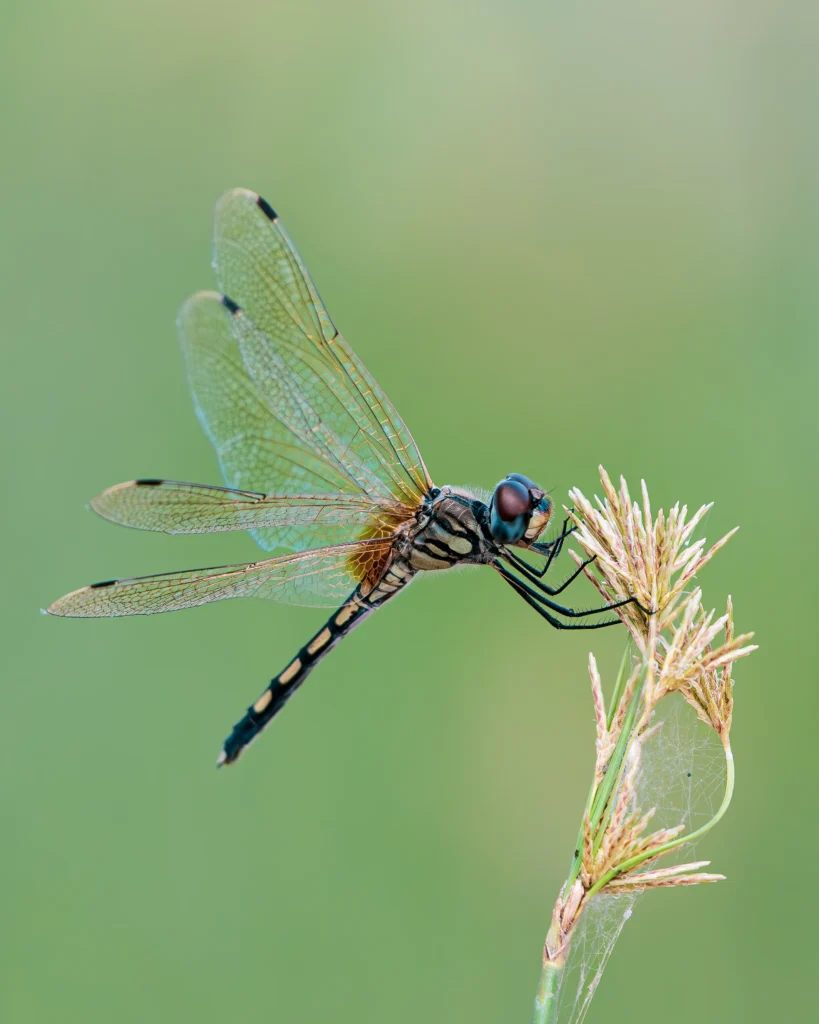
Many people discover wildlife through a safari, a birdwatching trip, or simply by spending time outdoors. At some point, they begin asking deeper questions: What bird is that? Why does this tree flower at a particular time? How can I identify animal tracks? A naturalist is someone who develops the knowledge and observation skills to answer those questions and share them with others.
Contrary to popular belief, becoming a naturalist does not require growing up in forests or earning a doctorate in wildlife biology. Most experienced naturalists build their expertise gradually through careful observation, regular field practice, continuous learning, and participation in nature-based activities. Formal education can certainly help, but curiosity and consistency are often more important than qualifications alone.
Whether your goal is to enjoy wildlife more deeply, volunteer in conservation projects, work as a safari naturalist, or eventually build a professional career in wildlife education or ecotourism, there are multiple pathways to get started.
This guide explains those pathways step by step. You’ll learn what naturalists do, the skills they develop, the education and training options available, practical ways to gain field experience, and how to turn an interest in nature into long-term expertise.
What Is a Naturalist?
A naturalist is a person who studies and interprets nature through direct observation. Rather than focusing on a single group of organisms, naturalists develop a broad understanding of plants, animals, insects, fungi, ecosystems, weather, and the relationships between them.
Naturalists spend time in the field observing seasonal changes, identifying species, recording behaviour, understanding habitats, and helping others appreciate the natural world. Depending on their role, they may also conduct wildlife surveys, lead guided walks, contribute to citizen science projects, create educational content, or support conservation programmes.
Naturalist vs Wildlife Biologist vs Forest Officer vs Safari Guide
Although these roles overlap, they have different objectives.
| Role | Primary Focus |
| Naturalist | Understanding and interpreting nature through observation, education, and field knowledge |
| Wildlife Biologist | Scientific research, data collection, and wildlife management |
| Forest Officer | Forest administration, law enforcement, and conservation management |
| Safari Guide/Naturalist | Wildlife interpretation, visitor education, and responsible tourism |
Many safari naturalists begin as enthusiastic birdwatchers or wildlife photographers before gaining formal training and professional experience.
Where Do Naturalists Work?
Naturalists can be found in many different settings, including:
- National parks and wildlife sanctuaries
- Tiger reserves
- Bird sanctuaries
- Nature education centres
- Museums
- Zoos
- Botanical gardens
- Conservation NGOs
- Ecotourism lodges
- Universities and research institutions
- Citizen science programmes
Some also work independently by conducting nature walks, writing field guides, creating educational content, or leading wildlife tours.
Why Naturalists Matter
Naturalists play an important role in connecting people with nature. By helping visitors identify species, understand animal behaviour, and appreciate ecological relationships, they encourage responsible wildlife tourism and greater public support for conservation. Their observations also contribute valuable records to citizen science projects and long-term ecological monitoring.
Can Anyone Become a Naturalist?
Yes. One of the encouraging aspects of natural history is that there is no single route into the field. People become naturalists from many different backgrounds, including engineering, medicine, teaching, photography, tourism, forestry, and environmental science.
While academic qualifications are useful for research and certain professional roles, successful naturalists typically share a common set of personal qualities.
Curiosity
Naturalists are lifelong learners. They constantly ask questions about the species and ecosystems around them and enjoy discovering new information through observation and reading.
Patience
Wildlife rarely appears on demand. Spending long periods quietly observing a habitat is often more productive than moving quickly from place to place.
Observation
Developing the ability to notice small details—such as bird calls, animal tracks, flowering patterns, or changes in weather—is one of the most valuable skills a naturalist can cultivate.
Communication
Many naturalists work with visitors, students, or local communities. Explaining ecological concepts in a clear and engaging way is therefore just as important as identifying species accurately.
A Habit of Continuous Learning
Natural history is constantly evolving as new species are recorded, field guides are updated, and scientific research expands our understanding of wildlife. Reading books, attending workshops, participating in nature walks, and contributing to citizen science projects all help build knowledge over time.
Field Note: Every experienced naturalist began as a beginner who spent time observing common plants, birds, insects, and animals close to home. Regular observation matters far more than occasional trips to famous wildlife destinations.
Education Pathways to Become a Naturalist
There is no single qualification that makes someone a naturalist. Some professionals begin with degrees in biology or environmental science, while others build their expertise through self-study, field experience, volunteering, and specialised training programmes.
The right pathway depends on your goals. Someone who wants to lead wildlife safaris needs different preparation from someone planning a research career or environmental education role.
Do You Need a Degree?
A university degree is not essential if your goal is to become a knowledgeable amateur naturalist or work in some ecotourism roles. However, degrees become increasingly important for careers involving scientific research, wildlife management, or government organisations.
Useful degree subjects include:
- Zoology
- Botany
- Wildlife Science
- Environmental Science
- Ecology
- Forestry
- Conservation Biology
- Geography
- Natural Resource Management
These programmes provide a scientific understanding of ecology, evolution, taxonomy, animal behaviour, and conservation that supports field experience.
Wildlife Courses and Certificate Programmes
Many aspiring naturalists supplement formal education with short-term courses that focus on practical field skills rather than academic theory.
These courses commonly cover:
- Bird identification
- Mammal ecology
- Reptile and amphibian identification
- Plant identification
- Nature interpretation
- Wildlife tracking
- Ecology fundamentals
- Field survey techniques
- Conservation principles
Certificate courses are especially useful for graduates from unrelated disciplines who wish to transition into wildlife education or ecotourism.
Master Naturalist Programmes
Several countries offer Master Naturalist programmes that combine classroom learning with supervised fieldwork and volunteer service. These programmes generally cover natural history, ecology, species identification, conservation, and public education.
Although India does not currently have a nationwide Master Naturalist certification comparable to programmes in some other countries, aspiring naturalists can gain similar experience through:
- Wildlife NGOs
- Nature clubs
- Birdwatching societies
- Conservation foundations
- Universities
- Protected-area interpretation programmes
- Wildlife training institutes
The emphasis should be on building practical knowledge rather than collecting certificates.
Online Learning
Online learning has made natural history more accessible than ever. Numerous universities, conservation organisations, and experienced naturalists now offer lectures, webinars, species identification workshops, and introductory ecology courses.
Online courses work best when combined with regular field observation. Watching videos alone cannot replace spending time outdoors identifying birds, insects, trees, fungi, or animal tracks.
Expert Tip: Treat every online lesson as preparation for your next visit to a local park or nature reserve. Applying what you learn in the field helps transform information into lasting knowledge.
Learning from Books
Every experienced naturalist develops a personal reference library.
Useful categories include:
- Bird field guides
- Mammal field guides
- Tree identification books
- Butterfly guides
- Reptile guides
- Ecology textbooks
- Animal behaviour books
- Natural history writing
Rather than reading them cover to cover, use these books while observing wildlife. Looking up unfamiliar species immediately after seeing them greatly improves retention.
Learning from Experienced Naturalists
One of the fastest ways to improve is to spend time with experienced field naturalists.
Joining guided walks allows beginners to learn skills that books cannot easily teach, such as:
- Recognising bird calls
- Reading animal behaviour
- Finding camouflaged wildlife
- Identifying habitats
- Understanding seasonal changes
- Interpreting ecological interactions
Field mentors also demonstrate ethical wildlife observation, an essential aspect of becoming a responsible naturalist.
Comparison: Degree vs Certificate vs Self-Learning
| Pathway | Best For | Advantages | Limitations |
| University Degree | Research, government jobs, wildlife science | Strong scientific foundation, recognised qualification | Requires several years of study |
| Certificate Courses | Career changers, safari guides, enthusiasts | Practical, shorter duration, field-oriented | Usually less comprehensive than degree programmes |
| Self-Learning | Hobbyists and beginners | Flexible, inexpensive, lifelong approach | Requires discipline and regular field practice |
Most experienced naturalists combine all three approaches throughout their careers.
Essential Skills Every Naturalist Should Develop
Knowledge alone does not make someone a good naturalist. The most respected naturalists combine scientific understanding with excellent observation, communication, and practical field skills.
Species Identification
Learning to identify wildlife is one of the first milestones for every beginner.
Start with common local species before attempting rare ones.
Learn to identify:
- Common birds
- Trees
- Butterflies
- Dragonflies
- Mammals
- Reptiles
- Wildflowers
Pay attention to field marks, behaviour, habitat, season, and calls rather than relying only on colour.
Understanding Ecology
Good naturalists do more than identify species.
They ask questions such as:
- Why is this species found here?
- What does it eat?
- What predators does it avoid?
- How does the season influence its behaviour?
- What role does it play in the ecosystem?
Understanding these relationships turns species lists into meaningful ecological observations.
Animal Behaviour
Watching behaviour often reveals more than simply identifying a species.
Examples include:
- Feeding strategies
- Territorial displays
- Courtship behaviour
- Nest building
- Hunting techniques
- Alarm calls
- Social interactions
Behavioural observations help explain why animals act the way they do.
Bird Calls and Sounds
Many birds are heard long before they are seen.
Learning common calls significantly improves identification skills, particularly in forests where visibility is limited.
Start with the most common local species and gradually build your auditory memory.
Nature Interpretation
Professional naturalists are educators as much as observers.
Rather than simply naming a species, they explain:
- its ecological role,
- interesting behaviour,
- adaptations,
- conservation challenges,
- and its relationship with the surrounding habitat.
Good storytelling helps visitors appreciate wildlife beyond a simple checklist of sightings.
Field Recording
Maintaining accurate field notes is a lifelong habit among naturalists.
Useful observations include:
- Date
- Time
- Location
- Weather
- Habitat
- Species
- Number observed
- Behaviour
- Associated plants or animals
- Photographs
Even simple notebooks often become valuable long-term records.
Photography Skills
Photography is useful for documentation, identification, and education.
A good wildlife photograph is not always the closest image. Behaviour, habitat, and context often tell a more informative story than a tightly cropped portrait.
Photography Tip: Before taking photographs, spend a few minutes simply watching the animal. Understanding its behaviour often leads to better images than continuously pressing the shutter.
Practical Skills Checklist
Before considering yourself an intermediate naturalist, aim to become comfortable with:
- Identifying at least 100 local bird species
- Recognising common trees and shrubs
- Reading simple animal tracks and signs
- Keeping consistent field notes
- Using binoculars effectively
- Navigating with maps and GPS apps
- Understanding basic ecology
- Communicating observations clearly
- Following ethical wildlife viewing practices
These abilities form the foundation for more advanced fieldwork, conservation volunteering, safari guiding, and wildlife education.
How to Gain Field Experience as a Naturalist
Reading books and completing courses provide a solid foundation, but naturalists develop their expertise primarily through time spent outdoors. Field experience teaches skills that are difficult to acquire in a classroom, such as noticing subtle animal behaviour, recognising seasonal changes, and interpreting ecological relationships.
Fortunately, you don’t need to travel to famous national parks every weekend. Local parks, wetlands, lakes, urban forests, and even neighbourhood gardens offer excellent opportunities to build observation skills.
Start with a Local Nature Patch
One of the most effective ways to learn natural history is to repeatedly visit the same location rather than constantly exploring new ones.
Your “nature patch” could be:
- A city park
- A village pond
- A woodland trail
- A grassland
- A wetland
- A botanical garden
- A nearby lake
Visiting the same place throughout the year helps you notice:
- Seasonal flowering
- Migratory birds
- Changes in insect activity
- Nesting behaviour
- Fruiting trees
- Water level fluctuations
- Animal movement patterns
These long-term observations build ecological understanding far better than isolated visits to different locations.
Field Note: Experienced naturalists often know a single local habitat in remarkable detail because they have observed it across many seasons.
Visit National Parks and Wildlife Sanctuaries
Once you’ve developed basic observation skills locally, begin exploring different ecosystems.
Each protected area teaches something different.
For example:
- Grasslands reveal grazing ecology.
- Wetlands introduce waterbirds and aquatic plants.
- Dry deciduous forests showcase seasonal adaptation.
- Evergreen forests demonstrate layered vegetation and specialised wildlife.
- Himalayan habitats introduce alpine ecosystems and altitude-related adaptations.
Instead of trying to see as many species as possible, focus on understanding how each habitat functions.
Volunteer with Conservation Organisations
Volunteering provides practical experience while contributing to conservation.
Opportunities may include:
- Bird surveys
- Nature education programmes
- Habitat restoration
- Wildlife awareness campaigns
- Plant monitoring
- Camera trap projects
- Community outreach
- Biodiversity documentation
Volunteering also introduces you to experienced naturalists, researchers, and conservation professionals who can become valuable mentors.
Participate in Citizen Science
Citizen science allows ordinary nature enthusiasts to contribute useful scientific observations.
Many biodiversity projects rely on volunteers to record wildlife sightings over large geographic areas.
Popular activities include:
- Bird counts
- Butterfly monitoring
- Frog surveys
- Seasonal flowering records
- Mammal observations
- Insect documentation
Besides improving identification skills, citizen science teaches accurate record keeping and encourages careful observation.
Join Nature Clubs and Birdwatching Groups
Learning alongside others accelerates progress.
Nature clubs regularly organise:
- Bird walks
- Butterfly walks
- Tree identification sessions
- Nature camps
- Photography outings
- Guest lectures
- Wildlife film screenings
These events expose beginners to experienced observers who often share practical field techniques that are rarely covered in books.
Seek Internships
Students and recent graduates should actively look for internships with:
- Wildlife NGOs
- National parks
- Research institutions
- Zoos
- Botanical gardens
- Museums
- Ecotourism companies
Internships provide structured exposure to professional fieldwork and help build practical skills as well as professional networks.
Learn from Every Safari
Safaris should be viewed as educational opportunities rather than wildlife checklists.
Instead of asking only:
“Will we see a tiger?”
Ask questions such as:
- Why is this habitat suitable?
- Which prey species are present?
- Why are birds alarm-calling?
- What do these tracks indicate?
- Which trees dominate this area?
- How does the season affect animal behaviour?
This mindset gradually transforms a tourist into a naturalist.
Decision Guide: Which Experience Should You Choose?
| Goal | Best Starting Point |
| Learn species identification | Local nature walks and bird clubs |
| Improve ecology knowledge | Visit different habitats throughout the year |
| Gain practical field skills | Volunteer with conservation organisations |
| Build a wildlife career | Internships and wildlife courses |
| Develop research skills | Citizen science projects and biodiversity surveys |
| Become a safari naturalist | Spend extensive time in national parks with experienced guides |
A Practical 12-Week Beginner Naturalist Roadmap
Developing naturalist skills takes years, but the first three months can establish strong habits that last a lifetime. The following roadmap is designed to help beginners build confidence through regular observation rather than intensive study.
Weeks 1–4: Build the Observation Habit
Objectives
- Visit the same nature patch three times each week.
- Spend at least 20–30 minutes observing quietly.
- Carry a notebook.
- Learn to identify 10–20 common birds and plants.
- Record weather, habitat, and behaviour.
Focus less on finding rare wildlife and more on noticing familiar species.
Weeks 5–8: Improve Identification Skills
Begin expanding your knowledge.
Activities include:
- Learning bird calls.
- Identifying butterflies and dragonflies.
- Using field guides.
- Comparing similar species.
- Recording flowering and fruiting trees.
- Photographing wildlife for later identification.
You should also begin contributing observations to citizen science platforms where appropriate.
Weeks 9–12: Develop Interpretation Skills
At this stage, start thinking like an educator.
Practice explaining:
- Why a species occurs in a habitat.
- Predator-prey relationships.
- Seasonal changes.
- Plant-animal interactions.
- Conservation challenges.
Take friends or family on a short nature walk and explain what you observe. Teaching others is one of the best ways to reinforce your own understanding.
Weekly Checklist
Aim to complete the following every week:
- Spend at least 3–4 hours outdoors.
- Record observations in a notebook.
- Learn five new species.
- Read one chapter from a field guide.
- Review your photographs.
- Attend one guided walk or online lecture if available.
- Discuss observations with fellow naturalists.
Small, consistent efforts produce better results than occasional bursts of intensive activity.
Expert Tip: Resist the urge to rush through hundreds of species. A naturalist who understands the behaviour and ecology of 100 common species is often far more knowledgeable than someone who can simply name 500 species from memory.
Essential Field Gear for Beginners
Expensive equipment is not necessary when starting out. Many experienced naturalists began with nothing more than a notebook, a field guide, and curiosity.
| Item | Why It’s Useful |
| Notebook or field journal | Record observations and sketches |
| Binoculars | Observe birds and mammals without disturbance |
| Field guide | Identify plants and animals accurately |
| Smartphone | Maps, photography, note-taking and identification apps |
| Camera (optional) | Documentation and later verification |
| Water bottle and daypack | Comfortable fieldwork |
| Hat, sturdy footwear and neutral clothing | Protection and safe movement outdoors |
As your experience grows, you may gradually add specialised equipment such as spotting scopes, GPS devices, macro lenses, or audio recorders. However, these are enhancements—not prerequisites.
Photography Tip: Use photography as a learning tool rather than simply collecting attractive images. Photograph field marks, tracks, nests (from a safe distance), leaves, bark, and habitats to help confirm identifications later.
Career Options for Naturalists
Naturalists work in a wide range of roles, from educating visitors in protected areas to supporting scientific research and conservation projects. Your career path will depend on your interests, qualifications, and the amount of field experience you develop over time.
Unlike many professions, success as a naturalist is measured not only by formal qualifications but also by the depth of your field knowledge, observation skills, communication ability, and commitment to continuous learning.
Safari Naturalist
Safari naturalists work with wildlife lodges, tour operators, and national parks to interpret nature for visitors.
Typical responsibilities include:
- Leading jeep and walking safaris
- Identifying wildlife
- Explaining ecology and animal behaviour
- Promoting ethical wildlife viewing
- Assisting wildlife photographers
- Educating visitors about conservation
Strong communication skills are just as important as species knowledge.
Wildlife Educator
Environmental education centres, museums, zoos, NGOs, and schools employ naturalists to design and deliver educational programmes.
This role often includes:
- Conducting workshops
- Leading nature walks
- Developing educational material
- Working with children and families
- Organising awareness campaigns
People who enjoy teaching and public engagement often find this role particularly rewarding.
Research Assistant
Naturalists with strong field identification skills may assist researchers with:
- Wildlife surveys
- Habitat assessments
- Camera trap projects
- Biodiversity documentation
- Species monitoring
- Data collection
Additional scientific training may be required for specialised research roles.
Conservation NGO Professional
Many conservation organisations employ naturalists for field-based projects involving:
- Community outreach
- Wildlife monitoring
- Habitat restoration
- Conservation education
- Citizen science coordination
- Protected-area support
These positions often combine fieldwork with communication and project management.
Park Interpreter
Protected areas and nature reserves sometimes employ interpreters who help visitors understand the natural and cultural significance of the landscape.
Responsibilities include:
- Visitor orientation
- Guided walks
- Interpretation centres
- Educational displays
- School programmes
- Public talks
Freelance Naturalist
Experienced naturalists sometimes work independently by:
- Leading wildlife tours
- Conducting birdwatching trips
- Writing books and articles
- Producing wildlife photography
- Creating educational videos
- Delivering workshops
- Consulting for ecotourism companies
Freelancing usually requires several years of experience and a strong professional reputation.
Career Comparison
| Career | Typical Focus | Helpful Preparation |
| Safari Naturalist | Wildlife tourism and interpretation | Field experience, species identification, communication |
| Wildlife Educator | Nature education | Teaching skills, ecology, interpretation |
| Research Assistant | Scientific fieldwork | Degree plus field survey experience |
| NGO Professional | Conservation projects | Volunteering, project experience |
| Park Interpreter | Visitor education | Natural history and public speaking |
| Freelance Naturalist | Tours, writing, photography | Extensive field expertise and networking |
Common Mistakes Beginners Make
Many aspiring naturalists slow their progress by focusing on the wrong priorities. Avoiding these common mistakes will help you build stronger skills.
Trying to Memorise Too Many Species
Learning hundreds of names without understanding habitats, behaviour, or ecology provides only superficial knowledge.
Instead, study fewer species in greater depth.
Depending Only on Mobile Apps
Identification apps are useful tools, but they should not replace careful observation or field guides.
Always compare app suggestions with habitat, behaviour, field marks, and reliable references.
Chasing Rare Wildlife
Many beginners become discouraged because they want to see rare mammals or uncommon birds immediately.
Most experienced naturalists spend much of their time observing common species because they provide endless opportunities to understand ecology and behaviour.
Ignoring Plants and Insects
Natural history extends far beyond mammals.
Plants, fungi, insects, reptiles, amphibians, and even lichens help explain how ecosystems function.
Visiting Too Many Places
Repeated visits to one local habitat usually teach more than occasional trips to many different locations.
Long-term observation reveals seasonal patterns that one-time visits cannot.
Neglecting Field Notes
Memories fade surprisingly quickly.
Maintaining a notebook helps you recognise changes over months and years while improving identification and observation skills.
Forgetting Ethics
Naturalists should never disturb wildlife simply to obtain better views or photographs.
Responsible behaviour includes:
- Keeping a respectful distance
- Remaining on designated trails where required
- Avoiding playback of bird calls unless appropriate and permitted
- Never feeding wildlife
- Respecting park regulations
Responsible Tourism Tip: The best naturalists leave habitats exactly as they found them. Their presence should have little or no impact on the wildlife they observe.
Frequently Asked Questions
Do I need a degree to become a naturalist?
No. A degree is helpful for research and some professional careers, but many naturalists build their expertise through field experience, self-study, and specialised training.
Can I become a naturalist later in life?
Yes. People from many professions—including engineering, medicine, education, photography, and business—successfully transition into natural history.
How long does it take to become a good naturalist?
Natural history is a lifelong pursuit. Most people develop solid field skills over several years of regular observation and learning.
Which subjects should I study in school or college?
Biology, ecology, environmental science, zoology, botany, forestry, and wildlife science provide useful foundations, but continuous field experience remains essential.
Is wildlife photography enough to become a naturalist?
Photography can support learning, but a naturalist also studies ecology, behaviour, habitats, and conservation—not just photographs wildlife.
How can I improve species identification?
Observe regularly, use reliable field guides, participate in guided walks, compare similar species, and maintain detailed field notes.
Are citizen science projects worthwhile?
Yes. They improve observation skills while contributing useful biodiversity records when observations are carefully documented.
Can naturalists work internationally?
Yes. Observation skills, ecological understanding, and interpretation abilities are valuable in many countries, although employment requirements vary.
What is the biggest skill a naturalist should develop?
Curiosity combined with careful observation. Knowledge grows naturally when you consistently ask questions and seek evidence in the field.
Where should I begin?
Start with the nearest park, lake, woodland, or garden. Learn the common species around you before travelling in search of uncommon ones.
Conclusion
Becoming a naturalist is not about earning a single qualification or memorising thousands of species. It is about developing the habit of observing nature closely, asking thoughtful questions, and continually expanding your understanding through experience.
Formal education, certificate courses, volunteering, and citizen science can all contribute to your journey, but consistent time in the field remains the most valuable teacher. Every visit to a local park, wetland, forest, or grassland offers an opportunity to notice something new.
Whether your ambition is to become a safari naturalist, contribute to conservation, educate others, or simply enjoy wildlife more deeply, start with regular observation, keep detailed field notes, learn from experienced naturalists, and remain curious. Over time, these small habits build the knowledge and perspective that define an accomplished naturalist.