Meta Description
Explore the biodiversity of the Eastern Ghats, including endemic plants, wildlife, forest types, protected areas, conservation efforts, and responsible travel tips.
Complete Article Outline
Introduction
What Are the Eastern Ghats?
Geographic extent
States covered
Why the Eastern Ghats are different from the Western Ghats
Why the Eastern Ghats Matter for Biodiversity
A landscape shaped by geography
Endemism and ecological importance
Why scientists continue to study the region
Geography, Climate and Forest Types
Elevation and rainfall patterns
Major forest types
How different habitats support different wildlife
Comparison Table: Forest Types of the Eastern Ghats
Plant Diversity of the Eastern Ghats
Why the region is important for flowering plants
Endemic and threatened plant species
Red Sanders and other notable plants
Medicinal and economically important species
Comparison Table: Important Endemic Plants and Their Habitats
Wildlife of the Eastern Ghats
Mammals
Birds
Reptiles
Amphibians
Why lesser-known species deserve attention
Comparison Table: Representative Mammals, Birds, Reptiles and Amphibians
Protected Areas and Biodiversity Hotspots
Papikonda National Park
Seshachalam Biosphere Reserve
Nallamala Hills
Other important wildlife sanctuaries
Biodiversity corridors
Comparison Table: Major Protected Areas by State
Threats Facing Eastern Ghats Biodiversity
Habitat fragmentation
Mining and infrastructure
Forest fires
Invasive species
Climate pressures
Comparison Table: Threats vs Conservation Responses
Conservation and Research
Botanical Survey of India
Zoological Survey of India
Recent biodiversity surveys
Community participation
Biodiversity Management Committees
Visiting the Eastern Ghats Responsibly
Best regions for wildlife enthusiasts
Birdwatching opportunities
Photography tips
Responsible tourism checklist
Common Mistakes Visitors Make
Frequently Asked Questions
Conclusion
Planned Comparison Tables
- Forest Types of the Eastern Ghats
- Eastern Ghats vs Western Ghats
- Endemic Plants of the Eastern Ghats
- Representative Wildlife by Taxonomic Group
- Protected Areas by State
- Major Threats vs Conservation Measures
Planned FAQs
- What are the Eastern Ghats?
- Why are the Eastern Ghats important?
- Which states do they cover?
- How are they different from the Western Ghats?
- Which endemic plants are found here?
- Which mammals occur in the Eastern Ghats?
- Which birds make the region important?
- What are the major threats?
- Which protected areas should visitors know?
- How can tourists help conserve biodiversity?
Production Roadmap
Part 1 — Introduction, Eastern Ghats Overview, Biodiversity Significance, Geography & Forest Types
Part 2 — Plant Diversity and Wildlife
Part 3 — Protected Areas, Threats, Conservation & Responsible Travel
Part 4 — Common Mistakes, FAQs and Conclusion
Part 1
Biodiversity of the Eastern Ghats: Wildlife, Endemic Species, Forests, Conservation & Travel Guide
The Eastern Ghats are often overshadowed by the better-known Western Ghats, but they support one of India’s most diverse and ecologically important mountain landscapes. Stretching across nearly 1,750 kilometres along the eastern side of the country, these discontinuous hill ranges contain a remarkable variety of forests, endemic plants, wildlife habitats, and protected areas. They also play a vital role in conserving species that occur nowhere else in the world.
Unlike a single continuous mountain chain, the Eastern Ghats consist of separate hill ranges divided by major rivers such as the Godavari, Krishna, and Mahanadi. This fragmented geography has created a mosaic of habitats that support different plant and animal communities across multiple states. At the same time, the landscape faces increasing pressure from habitat fragmentation, mining, expanding infrastructure, and changing land use, making conservation efforts more important than ever.
Whether you are a wildlife traveller, birder, student, researcher, or simply curious about India’s natural heritage, understanding the biodiversity of the Eastern Ghats offers valuable insight into one of the country’s most significant yet comparatively underappreciated ecological regions.
What Are the Eastern Ghats?
The Eastern Ghats are a series of discontinuous hill ranges running along India’s eastern peninsula. Unlike the Western Ghats, which form an almost continuous mountain chain, the Eastern Ghats are broken into separate hill systems by several large river valleys. This distinctive geography influences everything from local climate to forest composition and species distribution.
Geographic Extent
The Eastern Ghats extend for approximately 1,750 kilometres and cover an area of about 75,000 square kilometres. They stretch across:
- Odisha
- Andhra Pradesh
- Telangana
- Tamil Nadu
- Parts of Karnataka
These hill ranges include well-known landscapes such as the Nallamala Hills, Seshachalam Hills, Araku Valley, Papikonda region, and Niyamgiri Hills, each contributing its own distinctive habitats and wildlife.
Why the Eastern Ghats Are Different
One common misconception is that the Eastern Ghats are simply a less important version of the Western Ghats. In reality, they represent a different ecological system with their own evolutionary history, endemic species, and conservation priorities.
Some important differences include:
| Eastern Ghats | Western Ghats |
| Discontinuous hill ranges | Continuous mountain chain |
| Large areas of dry deciduous forests | Extensive evergreen and montane forests |
| High plant endemism with many localized species | Globally recognized biodiversity hotspot with broader endemism |
| Significant ongoing biodiversity surveys | Better documented through decades of research |
Rather than viewing one as “better” than the other, it is more accurate to see them as complementary landscapes that together preserve a substantial share of India’s biological diversity.
Why the Eastern Ghats Matter for Biodiversity
The ecological importance of the Eastern Ghats comes from the interaction of several natural factors rather than from any single characteristic.
A Landscape of Many Habitats
Differences in elevation, rainfall, geology, and soils have produced a wide variety of habitats across the region. These include evergreen patches, semi-evergreen forests, moist deciduous forests, dry deciduous forests, thorn forests, and dry evergreen forests. Each habitat supports its own characteristic plant and animal communities.
A Centre of Plant Diversity
The Botanical Survey of India reports that the Eastern Ghats support more than 4,000 flowering plant species, including 166 flowering plant taxa that are endemic to the region. Many of these plants have highly restricted distributions, making habitat protection particularly important.
Continuing Scientific Discovery
One reason the Eastern Ghats remain scientifically important is that researchers continue to document new species, rediscover rare plants, and improve understanding of regional biodiversity. Ongoing biosurveys by the Botanical Survey of India demonstrate that the region is still being actively studied, and knowledge continues to evolve as new fieldwork is completed.
Field Note
The Eastern Ghats are best understood as a collection of connected landscapes rather than isolated forests. Protecting wildlife depends not only on safeguarding individual national parks and sanctuaries but also on maintaining habitat corridors that allow species to move between forest blocks.
Geography, Climate and Forest Types
The wide range of climates and forest types found across the Eastern Ghats explains why such diverse wildlife can survive within the region.
Geography and Climate
The Eastern Ghats experience varying rainfall influenced by both the southwest and northeast monsoons. Combined with changes in elevation and soil types, this creates a patchwork of ecological conditions across different hill ranges. As a result, vegetation changes noticeably from one part of the landscape to another.
Major Forest Types
According to the Champion and Seth forest classification, the Eastern Ghats include nine forest types, ranging from evergreen forests to dry thorn vegetation. This diversity of habitats supports an equally diverse range of flora and fauna.
| Forest Type | General Characteristics |
| Evergreen forests | Dense forests in wetter localities |
| Semi-evergreen forests | Transitional forests between evergreen and deciduous types |
| Moist deciduous forests | Seasonal forests supporting diverse mammals and birds |
| Dry deciduous forests | The dominant habitat across much of the Eastern Ghats |
| Thorn forests | Adapted to drier conditions |
| Dry evergreen forests | Localised evergreen vegetation in specific climatic zones |
Why Forest Diversity Matters
Each forest type provides habitat for different groups of species. Dry deciduous forests support many of the region’s large mammals, while evergreen and semi-evergreen patches often harbour specialised plants, birds, reptiles, and amphibians that depend on cooler, moister conditions. This habitat diversity is one of the main reasons the Eastern Ghats continue to attract conservation attention and scientific research.
End of Part 1.
Part 2 — Plant Diversity and Wildlife of the Eastern Ghats
Plants of the Eastern Ghats
The Eastern Ghats are particularly important for their plant diversity. While the region is often associated with tigers and elephants, its greatest conservation value lies in its flora. The Botanical Survey of India (BSI) reports more than 4,000 flowering plant species, including 166 flowering plant taxa found exclusively in the Eastern Ghats. This high level of endemism means that protecting these forests also protects species that cannot naturally be found anywhere else.
Major Plant Communities
Plant communities change noticeably across the Eastern Ghats because of differences in rainfall, elevation, and soil conditions.
Some of the principal vegetation types include:
- Evergreen forests in wetter hill ranges
- Semi-evergreen forests in transitional zones
- Moist deciduous forests
- Dry deciduous forests covering large parts of the landscape
- Thorn forests in drier regions
- Dry evergreen forests in selected localities
Together, these habitats support trees, shrubs, grasses, climbers, orchids, and medicinal plants adapted to a wide range of environmental conditions.
Notable Endemic and Threatened Plants
Several plant species are closely associated with the Eastern Ghats and are frequently highlighted in botanical research.
| Species | Why It Matters |
| Pterocarpus santalinus (Red Sanders) | One of India’s best-known endemic trees, naturally restricted to parts of the Eastern Ghats. |
| Shorea tumbuggaia | A rare tree with a limited distribution. |
| Syzygium alternifolium | An endemic flowering tree valued for its ecological importance. |
| Boswellia ovalifoliolata | A localized tree species adapted to rocky hill slopes. |
| Decalepis hamiltonii | A medicinal climber traditionally used in parts of southern India. |
| Oryza jeyporensis | A wild rice species important for crop diversity and research. |
| Pimpinella tirupatiensis | A narrowly distributed endemic herb. |
| Ceropegia spiralis | An uncommon flowering plant representing the region’s botanical uniqueness. |
These species illustrate why botanists continue to document and monitor the flora of the Eastern Ghats through ongoing field surveys.
Why Plant Diversity Matters
Plants form the foundation of every forest ecosystem. They provide:
- Food for herbivores
- Nesting and shelter for birds
- Habitat for reptiles and amphibians
- Nectar for pollinators
- Seeds and fruits for mammals
The loss of rare plant communities can therefore affect many other organisms that depend on them.
Expert Tip: When exploring Eastern Ghats forests, don’t focus only on large trees. Many endemic herbs, climbers, and shrubs occur in small patches and are easy to overlook.
Wildlife of the Eastern Ghats
Although the Eastern Ghats do not receive the same wildlife attention as some other Indian landscapes, they support an impressive variety of mammals, birds, reptiles, and amphibians across their diverse habitats.
Survey-based summaries referenced in the research brief indicate approximately:
- 376 bird species
- 81 mammal species
- 59 reptile species
- 14 amphibian species
These figures should be treated as survey summaries rather than a single official regional census because biodiversity inventories continue to evolve.
Mammals
Large mammals remain an important part of Eastern Ghats ecosystems, particularly within extensive forest landscapes such as the Nallamala Hills and Papikonda region.
Representative mammals include:
- Tiger
- Leopard
- Gaur
- Sloth Bear
- Dhole (Wild Dog)
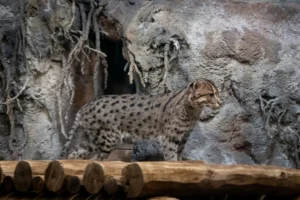
- Leopard Cat
- Smooth-coated Otter
- Sambar
- Chital
- Four-horned Antelope
Many of these animals require extensive forest cover, making habitat connectivity between protected areas an important conservation priority.
Field Note
Large mammals are often difficult to see in the Eastern Ghats because forests are extensive and visitor infrastructure is generally less developed than in India’s major safari destinations. Birdwatching and botanical exploration are often more rewarding than expecting frequent sightings of large predators.
Birds
For many wildlife enthusiasts, birds are among the biggest reasons to visit the Eastern Ghats.
The region supports resident, migratory, endemic, and threatened species across different forest types.
Some notable birds include:
- Malabar Pied Hornbill
- Jerdon’s Courser
- Brook’s Flycatcher
- Jerdon’s Baza
- Plum-headed Parakeet
Recent bird surveys continue to improve knowledge of avifauna across northern Eastern Ghats landscapes, demonstrating that several areas remain scientifically underexplored.
Photography Tip: Early morning offers the best opportunities for bird photography. Carry binoculars and a telephoto lens, and maintain a respectful distance to avoid disturbing nesting or feeding birds.
Reptiles and Amphibians
Compared with mammals and birds, reptiles and amphibians receive less public attention, yet they contribute significantly to the Eastern Ghats’ biodiversity.
Notable reptiles include:
- Golden Gecko
- Jeypore Ground Gecko
- King Cobra
Amphibians remain comparatively underdocumented, and ongoing scientific surveys continue to improve understanding of their distribution across the region.
These smaller vertebrates are valuable indicators of habitat quality because many depend on stable forest microclimates and clean freshwater habitats.
Wildlife at a Glance
| Group | Representative Species |
| Mammals | Tiger, Leopard, Gaur, Sloth Bear, Dhole, Sambar, Chital, Leopard Cat |
| Birds | Malabar Pied Hornbill, Jerdon’s Courser, Brook’s Flycatcher, Jerdon’s Baza, Plum-headed Parakeet |
| Reptiles | Golden Gecko, Jeypore Ground Gecko, King Cobra |
| Amphibians | Multiple survey-recorded species, with inventories still expanding |
Why Biodiversity in the Eastern Ghats Is Still Being Discovered
Unlike some better-studied mountain systems, many parts of the Eastern Ghats remain relatively under-surveyed. Scientists continue to document new plant records, rediscover rare species, and improve regional biodiversity inventories through ongoing work by institutions such as the Botanical Survey of India and Zoological Survey of India. This continuing research highlights both the ecological importance of the region and the need for long-term conservation.
End of Part 2.
Part 3 — Protected Areas, Threats, Conservation and Responsible Travel
Protected Areas and Biodiversity Hotspots
The Eastern Ghats are protected through a network of national parks, wildlife sanctuaries, biosphere reserves, and reserve forests spread across several states. Rather than functioning as isolated wildlife refuges, many of these areas form larger landscapes that help maintain habitat connectivity for wide-ranging species and preserve diverse forest ecosystems.
Papikonda National Park
Located along the Godavari River in Andhra Pradesh, Papikonda National Park is one of the Eastern Ghats’ best-known biodiversity landscapes. Its forests support a wide range of mammals, birds, reptiles, and plant communities, making it an important destination for wildlife enthusiasts and researchers alike.
Seshachalam Biosphere Reserve
The Seshachalam Hills are internationally recognised for their distinctive dry forest ecosystems and endemic flora. The biosphere reserve is particularly significant for conserving Red Sanders (Pterocarpus santalinus), one of India’s best-known endemic tree species, along with numerous other plants found only in this region.
Nallamala Hills
The Nallamala landscape contains extensive forest tracts that support large mammals including tiger, leopard, gaur, sloth bear, and dhole. These forests also provide habitat for many bird and reptile species, making them one of the most ecologically important sections of the Eastern Ghats.
Other Important Conservation Areas
The research brief highlights several additional protected landscapes, including:
- Gundla Brahmeswaram Wildlife Sanctuary
- Kambalakonda Wildlife Sanctuary
- Kaundinya Wildlife Sanctuary
- Nagarjunsagar–Srisailam landscape
- Pocharam Wildlife Sanctuary
- Rollapadu Wildlife Sanctuary
- Sri Lankamalleswara Wildlife Sanctuary
- Sri Penna Narasimha Wildlife Sanctuary
- Sri Venkateswara National Park and surrounding forests
Each contributes to protecting different habitats and species across the Eastern Ghats. Visitor access, permits, and tourism facilities vary between locations and should be confirmed with the relevant forest department before planning a visit.
Comparison Table: Major Biodiversity Areas
| Protected Area | Highlights |
| Papikonda National Park | Diverse forests, mammals, birds, riverine habitats |
| Seshachalam Biosphere Reserve | Endemic flora, especially Red Sanders |
| Nallamala Hills | Extensive forests supporting large mammals |
| Araku Valley | Forest landscapes and bird diversity |
| Niyamgiri Hills | Important ecological and conservation landscape |
Main Threats to Eastern Ghats Biodiversity
Although much of the Eastern Ghats remains forested, the landscape faces multiple pressures that affect habitats and wildlife.
Habitat Loss and Fragmentation
The greatest long-term challenge is habitat fragmentation. When continuous forests are divided into smaller patches, wildlife movement becomes more difficult, populations become isolated, and ecosystem processes can be disrupted. Large mammals are especially affected because they require extensive connected habitats.
Mining and Infrastructure Development
Mining activities, road construction, and other infrastructure projects can alter forest landscapes by removing vegetation and increasing human disturbance. Careful planning is therefore essential to balance development with biodiversity conservation.
Forest Conversion and Resource Extraction
The research brief also identifies several ongoing pressures, including:
- Illegal logging
- Plantation expansion
- Bamboo extraction
- Shifting cultivation in some areas
- Forest fires
- Overexploitation of natural resources
These activities can reduce habitat quality even where forests continue to exist.
Invasive Species
Invasive alien plants may compete with native vegetation, altering forest composition and affecting wildlife that depends on indigenous plant communities. Managing invasive species has therefore become an important part of long-term conservation planning.
Threats and Conservation Responses
| Major Threat | Conservation Response |
| Habitat fragmentation | Strengthening habitat connectivity and protected landscapes |
| Mining and infrastructure | Environmental assessment and regulated development |
| Illegal logging | Improved forest protection and monitoring |
| Forest fires | Fire management and community participation |
| Invasive species | Habitat restoration and invasive species control |
Conservation and Research
Conservation in the Eastern Ghats extends beyond protecting wildlife inside national parks. It also involves documenting biodiversity, restoring habitats, supporting local communities, and improving scientific understanding of lesser-known species.
Botanical Survey of India (BSI)
The Botanical Survey of India continues to document the region’s flora through field surveys and taxonomic research. According to the research brief, the BSI’s 2024–25 Annual Report includes an ongoing bio-survey focused on the flora of the Eastern Ghats in Andhra Pradesh, highlighting that botanical exploration remains active.
Zoological Survey of India (ZSI)
The Zoological Survey of India contributes to documenting the region’s animal diversity, helping improve understanding of mammals, birds, reptiles, amphibians, and other faunal groups. Continued surveys are particularly important because several groups remain underdocumented.
Community Participation
The research brief also emphasises the role of:
- Biodiversity Management Committees
- People’s Biodiversity Registers
- Government conservation programmes
- Scientific documentation and monitoring
These initiatives help combine local ecological knowledge with formal scientific research and conservation planning.
Why Ongoing Research Matters
Unlike regions where biodiversity inventories are largely complete, the Eastern Ghats continue to yield new discoveries, updated species records, and improved ecological understanding. This ongoing work helps conservation managers identify priority habitats and make informed management decisions.
Visiting the Eastern Ghats Responsibly
Travelling through the Eastern Ghats offers opportunities to appreciate forests, wildlife, and local cultures. Responsible behaviour helps ensure that tourism supports rather than harms conservation.
Where Wildlife Travellers Can Begin
Depending on your interests, consider:
- Papikonda National Park for broad biodiversity and forest landscapes.
- Seshachalam Hills for endemic dry-forest flora.
- Northern Eastern Ghats for birdwatching and ongoing avifaunal surveys.
- Nallamala forests for extensive wildlife habitats.
Responsible Tourism Checklist
✔ Stay on designated roads and walking trails.
✔ Avoid disturbing wildlife for photographs.
✔ Do not collect plants, flowers, seeds, or rocks.
✔ Follow instructions from forest staff and guides.
✔ Respect local communities and their customs.
✔ Carry reusable water bottles and minimise plastic waste.
✔ Maintain quiet while observing wildlife.
Responsible Tourism Tip: Many Eastern Ghats habitats are ecologically sensitive and continue to be studied by researchers. Treat every visit as an opportunity to observe without leaving a trace.
End of Part 3.
Part 4 — Common Mistakes, Frequently Asked Questions and Conclusion
Before concluding this guide, it’s worth addressing a few common misconceptions and practical mistakes that often affect both understanding of the Eastern Ghats and responsible travel within the region.
Common Mistakes to Avoid
Assuming the Eastern Ghats Are a Continuous Mountain Range
One of the most widespread misconceptions is that the Eastern Ghats form a single uninterrupted chain like the Western Ghats. In reality, they consist of separate hill ranges divided by major river valleys, creating a variety of distinct habitats and ecological conditions.
Judging the Region Only by Tiger Sightings
Large mammals such as tigers, leopards, and gaur are important components of the Eastern Ghats, but they represent only a small part of the region’s biodiversity. The forests are equally significant for their endemic flowering plants, birds, reptiles, amphibians, and lesser-known wildlife that often receive far less public attention.
Comparing the Eastern Ghats Unfairly with the Western Ghats
The Eastern Ghats should not be viewed as a “less important” mountain system. Their ecological value lies in their own unique combination of endemic species, forest types, and evolutionary history. While the two mountain systems differ in climate and vegetation, both play essential roles in conserving India’s biodiversity.
Treating Survey Numbers as Permanent Totals
Species counts reported in surveys provide useful snapshots of biodiversity but should not be interpreted as complete or final inventories. Ongoing scientific work continues to improve understanding of the region’s flora and fauna, and new discoveries remain possible.
Leaving Designated Trails
Walking off established routes can damage sensitive vegetation, disturb wildlife, and increase pressure on fragile habitats. Following forest department guidelines and using authorised guides where required helps minimise these impacts.
Frequently Asked Questions
What are the Eastern Ghats?
The Eastern Ghats are a discontinuous series of hill ranges stretching for about 1,750 kilometres along eastern India. They extend across Odisha, Andhra Pradesh, Telangana, Tamil Nadu, and parts of Karnataka, supporting a wide variety of forests and wildlife.
Why are the Eastern Ghats important for biodiversity?
The region supports diverse forest types, more than 4,000 flowering plant species, numerous endemic plants, and a wide range of mammals, birds, reptiles, and amphibians. Ongoing scientific surveys also continue to improve knowledge of its biodiversity.
Which protected areas are especially important?
Among the most significant conservation landscapes are Papikonda National Park, the Seshachalam Biosphere Reserve, the Nallamala Hills, and several wildlife sanctuaries spread across the Eastern Ghats. Together, they help protect diverse habitats and maintain ecological connectivity.
Which plant is most closely associated with the Eastern Ghats?
Red Sanders (Pterocarpus santalinus) is one of the region’s best-known endemic tree species. Other notable plants include Shorea tumbuggaia, Syzygium alternifolium, Boswellia ovalifoliolata, and Decalepis hamiltonii.
Which mammals occur in the Eastern Ghats?
Representative mammals include tiger, leopard, gaur, sloth bear, dhole, leopard cat, sambar, chital, smooth-coated otter, and four-horned antelope. Their distribution varies across the different forest landscapes.
Is the Eastern Ghats a good destination for birdwatching?
Yes. The region supports hundreds of bird species, including the Malabar Pied Hornbill, Jerdon’s Courser, Jerdon’s Baza, Brook’s Flycatcher, and Plum-headed Parakeet. Continued bird surveys indicate that several landscapes remain scientifically important for avifaunal research.
What are the biggest threats to biodiversity?
Major pressures include habitat fragmentation, mining, infrastructure development, illegal logging, plantation expansion, forest fires, invasive species, and other forms of land-use change. These threats affect both wildlife and plant communities.
How is biodiversity being conserved?
Conservation efforts involve protected areas, government agencies such as the Botanical Survey of India and Zoological Survey of India, Biodiversity Management Committees, People’s Biodiversity Registers, and ongoing field surveys that improve scientific understanding of the region.
Can tourists contribute to conservation?
Yes. Visitors can minimise their impact by staying on designated trails, avoiding disturbance to wildlife, reducing plastic waste, respecting local communities, and following instructions issued by forest authorities.
Conclusion
The Eastern Ghats represent one of India’s most diverse yet comparatively underappreciated natural landscapes. Their ecological importance extends well beyond a handful of well-known mammals. Thousands of flowering plants, numerous endemic species, varied forest types, and an expanding body of scientific research highlight the region’s significance for biodiversity conservation.
Unlike landscapes where biological inventories are largely complete, the Eastern Ghats continue to reveal new information through ongoing botanical and zoological surveys. This makes the region both a conservation priority and an important destination for naturalists, researchers, birdwatchers, and responsible wildlife travellers.
For visitors, the greatest reward often comes not from searching for a single flagship species but from appreciating the remarkable variety of habitats, plants, birds, reptiles, mammals, and ecological processes that together define this unique mountain system. Travelling responsibly helps ensure that these forests continue to support both wildlife and the communities that depend on them.