
Plan your birding trip to India with precision. Discover peak migratory windows (Nov–Mar), breeding cycles, Himalayan seasons, and daily timing tips.
Introduction, Overview & Migratory Timelines
Best Time for Birdwatching in India: Seasonal, Regional & Daily Timing Guide
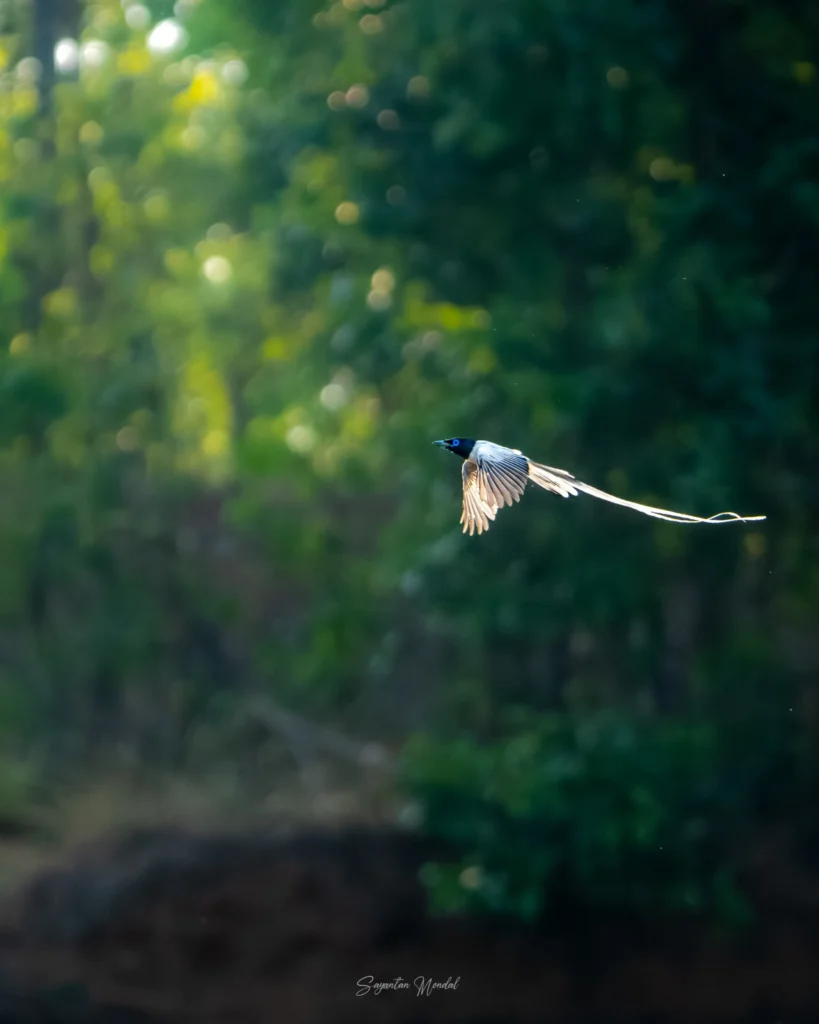
For most birdwatchers planning a trip to India, October to April represents the primary birding window, with November to March offering the absolute peak in species density and diversity. During these cooler months, millions of migratory waterfowl, waders, raptors, and passerines travel along the Central Asian Flyway into the Indian subcontinent, joining resident populations across wetlands, grasslands, and forests.
However, birding in India is not confined to a single winter window. With 1,396 recorded bird species and 83 endemics spread across distinct biogeographic zones, the country offers productive birding throughout the year if you match your target species to the right region and season. High-altitude Himalayan valleys peak during the northern spring and early summer, while resident species across the plains and peninsular India exhibit courtship displays, nest building, and breeding plumage between April and September.
Birding Calendar Summary:
├── Prime General Season: October to April (Cooler weather, winter migrants present)
├── Peak Wetland & Migratory Window: November to March (Maximum species density)
├── High-Altitude Himalayan Season: May to July & Mid-September to October
└── Resident Breeding & Summer Migrants: April to August
What Is the Best Time of Year for Birdwatching in India?
To maximize total species counts, schedule your trip between November and March. This period provides the ideal overlap between resident avifauna and long-distance winter migrants, while offering stable, dry weather across most of the subcontinent.
Prime Season: October to April
The broader window from October through April covers the full arrival, wintering, and departure cycle of migratory birds. Weather across northern, western, central, and peninsular India remains mostly dry and sunny from mid-October to mid-April, creating comfortable field conditions for full-day excursions.
October serves as a transitional month. The southwest monsoon recedes across most northern and central states, drying forest trails and replenishing regional wetlands. Early migrants—particularly shorebirds and passage waders—begin settling along coastal mudflats and inland water bodies during this time.
Peak Window: November to March
By mid-November, the full contingent of winter migrants has arrived from breeding grounds in Siberia, Central Asia, and northern Europe. Wetlands like Keoladeo National Park in Rajasthan, Nalabana Bird Sanctuary in Odisha’s Chilika Lake, and the backwaters of Pulicat Lake host their largest congregations.
Forest birding in northern and central reserves is also dependable during these months. Cooler ambient temperatures keep birds active longer into the morning and earlier in the afternoon, reducing the midday lull typical of warmer months.
Expert Tip: If your itinerary focuses on large flocks of migratory ducks, geese, and waders, target December through February. This is when seasonal wetlands maintain stable water levels before rapid evaporation begins in early spring.
Year-Round Opportunities Across 1,396 Species
India’s diverse topography—ranging from alpine Himalayan meadows to the tropical evergreen forests of the Western Ghats—means bird activity shifts rather than stops when winter ends:
- March to June: As lowland temperatures rise, birding activity shifts to the Himalayan foothills and higher elevations (such as Uttarakhand and Himachal Pradesh), where summer migrants arrive and resident species begin breeding.
- April to June: Lowland resident species undergo courtship rituals. Many species molt into bright breeding plumage and vocalize actively to establish territories.
- July to September: Monsoon rains trigger nesting in colonial waterbirds and heronries across peninsular and eastern India.
When Do Migratory Birds Arrive in India?
India lies directly along the Central Asian Flyway (CAF), one of the world’s most critical bird migration corridors. Understanding the three distinct stages of this migration—arrival, peak wintering, and departure—ensures you time your sanctuary visits accurately.
Migratory Movement Timeline:
September–November: Outbound departure from northern breeding grounds -> Initial arrival in India
November–December: Establishment across southern and lowland wintering habitats
January–February: Peak population stability across wetlands and grasslands
February–March: Pre-migratory fueling -> Northward departure toward breeding grounds
Arrival Window: September to November
Winter migrants begin leaving their northern breeding grounds in late August and September as temperatures drop in high-latitude regions.
- September: Early passage migrants and shorebirds (such as sandpipers, plovers, and stints) make their first landfall along northern wetlands and coastal mudflats.
- October: Mid-distance migrants, including various ducks (such as garganey and northern pintail) and raptors (such as marsh harriers), arrive in substantial numbers.
- November: High-altitude and long-distance migrants, including bar-headed geese and demoiselle cranes, arrive across their primary wintering grounds in Rajasthan, Gujarat, and central India.
Peak Congregation: November to December
By late November and through December, winter populations reach full strength. Key wetland complexes support hundreds of thousands of feeding birds. Food resources—such as submerged aquatic vegetation, mollusks, and fish—are plentiful following the monsoon, supporting mixed flocks of ducks, geese, flamingos, and pelicans.
Spring Departure: February to March
Rising temperatures in late February signal the return journey. Water levels in shallow seasonal wetlands drop significantly, concentrating remaining waterfowl in deeper lagoons.
During February and March, migratory birds feed aggressively to build fat reserves for their northward journey across the Himalayas. By late March, most wintering waterfowl and waders have departed, leaving local habitats to resident populations.
Winter Migrants vs. Summer Migrants
While winter migrants dominate birding discussions, India also hosts significant populations of summer migrants that arrive between April and August:
- Winter Migrants (September to March): Originating from northern latitudes (Siberia, Central Asia, Europe). Key species include Northern Pintail, Bar-headed Goose, Demoiselle Crane, Greater Flamingo, and various wintering warblers and thrushes.
- Summer Migrants (April to August): Originating from southern latitudes or moving altitudinally. Key species include the Indian Pitta, Asian Paradise Flycatcher, and Indian Golden Oriole, which disperse across northern and central deciduous forests to breed during the pre-monsoon and monsoon months.
Table 1: India Bird Migration Timeline
| Migration Phase | Primary Months | Bird Movement & Behavioral Focus | Typical Species Observed |
| Autumn Arrival | September – November | Northern migrants enter via the Central Asian Flyway; passage waders stop at coastal mudflats. | Shorebirds, Northern Pintail, Garganey, Marsh Harrier |
| Peak Wintering | November – February | Maximum flock concentrations across major wetlands, lakes, and deciduous forests. | Bar-headed Goose, Demoiselle Crane, Greater Flamingo, Gadwall |
| Spring Departure | February – March | Rapid pre-migratory feeding; northern migrants depart back across the Trans-Himalayas. | Waterfowl flocks thinning, staging waders |
| Summer Influx | April – August | Intra-subcontinental migrants move north and inland for breeding and territory establishment. | Indian Pitta, Asian Paradise Flycatcher, Indian Golden Oriole |
Season-by-Season Guide & Regional Variations
Season-by-Season Birdwatching Guide
India’s birding calendar is driven by distinct seasonal shifts that dictate bird movements, breeding cycles, and field accessibility. Rather than asking if a specific month is “good” for birding, determine what type of bird behavior and species group you want to observe.
Winter (September to March): Winter Migrants
Winter is the most productive and comfortable time for general birdwatching in India. The weather from mid-October to mid-April is reliably dry, sunny, and pleasant, allowing for extended hours in the field.
- Best Months: November to March offers the highest concentration of migratory birds.
- Key Species: Vast flocks of northern pintail, demoiselle cranes, greater flamingos, and occasionally the rare Siberian crane.
- Top Locations: Keoladeo National Park peaks between December and March, while Chilika Lake is most productive from November to February. Pulicat Lake offers a staggered arrival, with waders peaking in October and flamingos peaking in April.
Summer (April to August): Summer Migrants & Breeding
Summer requires managing intense heat, as April becomes increasingly hot during the dry season. However, this window is critical for observing resident courtship rituals and the arrival of intra-subcontinental summer migrants.
- Best Months: April to June is the primary window for nesting and breeding behavior.
- Key Species: Summer migrants such as the Indian pitta, Indian golden oriole, and Asian paradise flycatcher arrive during these months.
- Field Observations: Resident males molt into brighter breeding plumage; for example, the male Purple Sunbird transforms from a drab winter coat into a vibrant metallic blue. Vocal activity increases significantly as males sing to attract mates and establish territories.
Monsoon (July to September): Breeding Residents & Monsoon Birds
Heavy monsoon rainfall restricts access to several national parks and muddy forest trails. Despite logistical challenges, the monsoon triggers a massive surge in nesting activity for waterbirds across the country’s heronries.
- Best Month: July marks the arrival of monsoon birds gathering for breeding rituals.
- Key Species: Open-billed storks, little cormorants, and purple herons congregate in large numbers.
- Top Locations: Mangrove ecosystems like Bhitarkanika see an influx of over 10 resident species arriving specifically to breed during the monsoon.
Table 2: Seasonal Overview & Birding Focus
| Season | Field & Climate Conditions | Key Bird Movements | Primary Birding Focus |
| Winter (Sep–Mar) | Dry, sunny, and pleasant. | Arrival of winter migrants from Siberia and Central Asia. | Waterfowl congregations, raptors, and high species diversity. |
| Summer (Apr–Aug) | Increasingly hot starting in April; dry habitats. | Arrival of summer migrants; active resident breeding. | Courtship displays, bright breeding plumage, and nesting activity. |
| Monsoon (Jul–Sep) | Heavy rainfall; restricted access in many reserves. | Localized movement to heronries and wetlands. | Hatchling emergence, active feeding, and colonial nesting. |
Regional Timing: Where and When to Bird
India’s vast biogeographic diversity means that optimal timing varies drastically depending on altitude and regional climate zones.
Northern Plains & Wetlands
The northern and eastern plains hold India’s most famous wetland sanctuaries, serving as the primary wintering grounds for millions of migratory birds.
- Best Window: October to March offers the highest migratory diversity.
- Scale of Flocks: These wetlands host staggering numbers of birds during the peak winter months. For example, a January 2026 census recorded 11.32 lakh (1.13 million) birds at Chilika Lake, while Pulicat Lake held 52,000 birds.
- Strategy: Visit between December and February when seasonal water levels are stable and the highest concentration of ducks and geese are present.
Himalayas (High-Altitude)
Birding in the Himalayas requires a completely different calendar than the lowland plains. The high altitudes experience mild summers, making them accessible and highly productive when the plains are too hot for comfortable travel.
- Best Window: May to July and mid-September to October are the optimal periods for high-altitude birding.
- Spring/Summer (March–June): This is the best time to seek out breeding specialities and summer migrants moving up the mountain slopes. Target species include the Himalayan monal, various trogons, and high-altitude flycatchers.
- Autumn (September–October): The post-monsoon months offer clear, pleasant weather and excellent visibility before the harsh winter snow closes the higher passes.
South India (Western Ghats & Peninsular)
The southern states and the Western Ghats offer a mix of wintering grounds for migrants and year-round habitats for regional endemics.
- Best Window: November to March provides the coolest weather for exploring the evergreen forests of the Western Ghats.
- Monsoon Strategy: Unlike the high Himalayas, southern heronries (such as Vedanthangal and Ranganathittu) become highly active during the monsoon, offering excellent opportunities to observe breeding behavior, nest building, and increased vocal activity among resident waterbirds.
Table 3: Regional Birding Calendar
| Geographic Zone | Optimal Travel Window | Primary Targets | Field Considerations |
| Northern Plains & Wetlands | October to March | Migratory waterfowl, waders, and raptors. | Cold mornings in Dec/Jan; highest flock densities. |
| High-Altitude Himalayas | May to July; Mid-Sept to Oct | Himalayan monal, trogons, flycatchers. | Mild summer temperatures; snow restricts winter access. |
| South India & Western Ghats | November to March; Monsoon | Regional endemics, monsoon breeding residents. | Heavy monsoon rains trigger nesting but make forest trails muddy. |
Daily Timing Strategy, Sanctuary Guides & Photography Timing
Best Time of Day for Birdwatching
To maximize your species count, plan your field excursions around the first two to three hours after sunrise (typically 6:00 AM to 9:00 AM) and late in the afternoon between 4:00 PM and 6:00 PM.
Bird activity is heavily dictated by temperature and food availability. Avoid planning full-day, continuous hikes; instead, split your day into two distinct observation windows.
Golden Hours: First 2–3 Hours After Sunrise (6–9 AM)
The early morning is universally the most productive time across all Indian habitats. As the sun rises, its energy warms up insects, causing them to move and triggering an intense feeding frenzy among insectivorous birds.
- Activity Levels: Birds are most active during this window, calling frequently to establish territory and moving openly to feed.
- Location Specifics: Wetland and riverine sites like Majuli in Assam and Pulicat Lake in the south are explicitly best birded during these specific morning hours.
Late Afternoon: 4–6 PM (Water and Grassland Rewards)
After sheltering during the heat of the day, birds emerge for an “evening supper spell” to feed before roosting.
- Best Habitats: This window is highly rewarding when scanning water edges and grasslands.
- Behavior: Waterfowl and waders become highly active along mudflats, making it an ideal time to set up a stationary position with a spotting scope.
Twilight: Swifts, Pratincoles, and Swallows Hawking Insects
As the sun sets, aerial insectivores take over. The twilight hours are the prime window for watching swifts, pratincoles, and swallows hawking insects on the wing. This activity peaks rapidly as insect movement increases in the fading light.
Midday: Transfer, Note Cleanup, and Gear Reset
Do not plan active birding during the midday heat. Heat peaks between 11:00 AM and 3:00 PM, causing bird activity to drop significantly as species retreat to dense cover to conserve energy.
Expert Tip: Use midday hours strategically. This is the optimal time for route transfers between sanctuary zones, cleaning up your species field notes, resetting your camera gear, and resting.
Table 4: Daily Field Schedule
| Time Window | Activity Level | Target Habitats & Species | Recommended Birder Action |
| 6:00 AM – 9:00 AM | Highest | All habitats; active feeding flocks. | Primary walking or safari effort; target dense forests and wetlands. |
| 11:00 AM – 3:00 PM | Lowest | Dense canopy; deep shade. | Gear maintenance, travel, and rest. |
| 4:00 PM – 6:00 PM | High | Water edges, mudflats, and grasslands. | Stationary observation; scanning for feeding waders. |
| Twilight | Specialized | Open skies above wetlands. | Watch for aerial insectivores like swifts and swallows. |
Sanctuary-Specific Timing Guide
National parks and wetlands operate on distinct seasonal timelines based on water levels, geographic location, and species movement. Always verify exact sanctuary dates before traveling, as unseasonal weather can shift local patterns (last verified: June 2026).
Keoladeo National Park (Bharatpur), Rajasthan
Keoladeo is India’s premier constructed wetland for wintering migrants.
- Optimal Timing: While the park is officially open from November to June, the absolute best birding occurs between December and March.
- Key Sightings: This window brings thousands of migratory birds from Central Asia. Look for painted storks, various pelicans, northern pintails, and occasionally the rare Siberian crane.
Chilika Lake (Nalabana Sanctuary), Odisha
Chilika is the largest coastal lagoon in India and a massive wintering ground.
- Optimal Timing: Plan your visit between November and February to see hundreds of migratory waterfowl.
- Recent Data: A January 2026 census recorded a staggering 11.32 lakh (1.13 million) birds here, with the northern pintail being the most populous species at 218,993 individuals.
Pulicat Lake, Andhra Pradesh / Tamil Nadu
Pulicat requires careful timing depending on which species you want to target.
- Optimal Timing: Wader populations peak early in October, while flamingos peak much later in April.
- Recent Data: A January 2026 count recorded 52,000 birds at Pulicat, including 16,500 greater flamingos.
- Daily Timing: Regardless of the month, birding here is vastly superior between 6:00 AM and 9:00 AM.
Bhitarkanika National Park, Odisha
Bhitarkanika offers two distinct birding experiences.
- Monsoon Timing: Visit in July to witness over 10 resident species—including open-billed storks, little cormorants, and purple herons—arriving in the mangrove forests to begin their breeding rituals.
- Winter Timing: The park is also highly productive for general birding between November and March.
Majuli Island, Assam
This massive river island in the Brahmaputra is a vital stopover and wintering ground.
- Optimal Timing: Peak season for migratory waterfowl is from November to February.
- Daily Timing: Similar to Pulicat, the 6:00 AM to 9:00 AM window is critical for spotting active birds here.
Table 5: Major Bird Sanctuaries Timing & Data
| Sanctuary | Best Months | Daily Sweet Spot | Key Species | Recent Census Data |
| Keoladeo (Bharatpur) | Dec – Mar | 6:00 AM – 9:00 AM | Painted storks, pelicans, northern pintail | Thousands of Central Asian migrants |
| Chilika Lake | Nov – Feb | Early Morning | Northern pintail, spot-billed pelicans | 11.32 lakh total birds (Jan 2026) |
| Pulicat Lake | Oct (Waders); Apr (Flamingos) | 6:00 AM – 9:00 AM | Greater flamingos, waders | 52,000 birds; 16,500 flamingos (Jan 2026) |
| Bhitarkanika | Jul (Breeding); Nov – Mar (Winter) | Morning & Late Afternoon | Open-billed stork, purple heron | >10 breeding resident species in July |
Bird Photography Timing: Prime Light Windows
For wildlife photographers, proper timing dictates light quality. Midday sun in India is notoriously harsh, creating heavy shadows and washing out plumage details.
Golden Hours: 6–9 AM (Best Light + Activity)
The first few hours of the morning provide the best combination of dynamic bird activity and ideal lighting.
Photography Tip: Dawn offers the absolute best light for capturing natural beauty and accurate feather color. Because birds are actively feeding, you have a higher chance of capturing dynamic behavioral shots rather than static perched images.
Late Afternoon: 4–6 PM (Water Edge Rewards)
As the sun drops, the light turns warm, creating what photographers call “twinkle light”. This is exceptionally rewarding near water edges, where the low angle of the sun illuminates waders and waterfowl against dark backgrounds.
Twilight: Insect Hawking Action
The low light of twilight is challenging for standard portraiture, but it is excellent for movement photography. Focus on aerial insectivores like swifts and swallows. You can use the fading sky to capture dramatic, high-speed silhouette action shots.
Breeding Season Behavior: What to Watch For
While winter brings the sheer volume of migratory flocks, the hotter months offer unparalleled behavioral observations. As resident species prepare to breed, their plumage, vocalizations, and daily routines change dramatically.
Courtship Rituals (April to June)
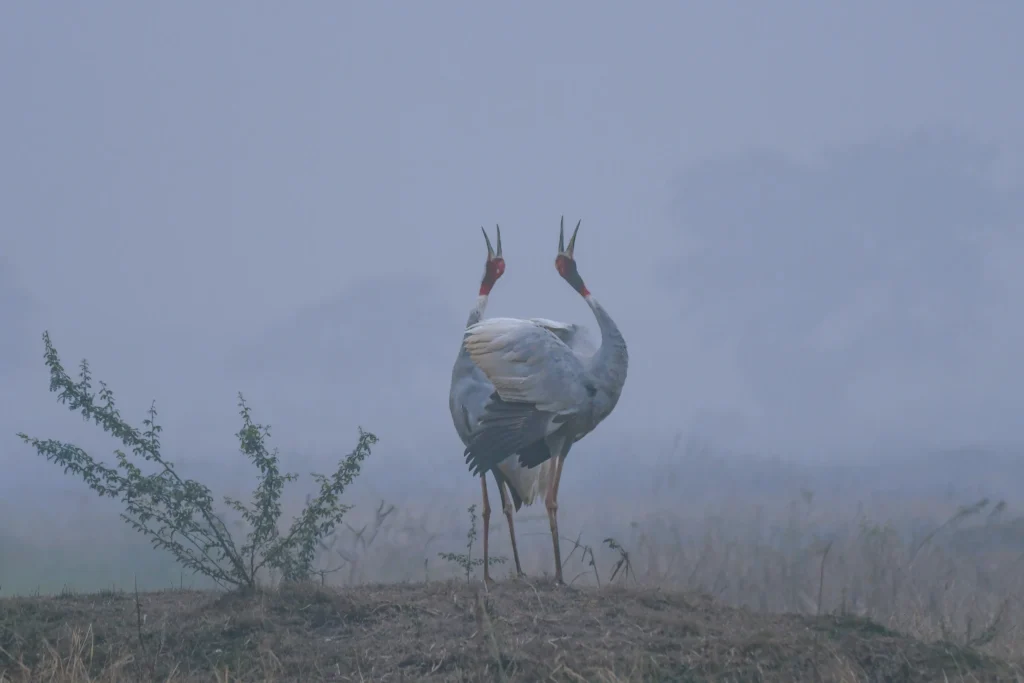
The pre-monsoon heat triggers intense courtship activity. Males turn noticeably brighter to attract mates; for instance, the male Purple Sunbird molts from a drab winter plumage into a striking, metallic blue. This is also the season for vocal displays, with males singing their loudest and sweetest songs to establish territory. Species like the grey hornbill, red avadavat, and sarus crane actively croak and display to form breeding pairs.
Nesting (April to June)
Following courtship, April to June is dominated by nesting. Wetlands become highly active as bitterns, egrets, and herons fly continuously to gather nesting materials and attract mates. You will also see hole-nesting species, such as the grey hornbill, actively seeking and preparing tree cavities. Other wetland residents like the oriental darter, black-headed ibis, and Asian openbill are heavily engaged in colony building.
Hatchlings and Monsoon Bird Arrival (July to September)
The breeding cycle continues through May and June, with hatchlings typically emerging as the monsoon rains begin. Summer migrants like the Indian golden oriole, Indian pitta, and paradise flycatcher time their nesting so that eggs hatch during the monsoon, taking advantage of the sudden abundance of insect food.
Simultaneously, July brings a specific wave of monsoon-breeding birds. Mangrove forests like Bhitarkanika teem with life as more than ten resident species—including open-billed storks, little cormorants, and purple herons—arrive specifically to begin their breeding rituals.
Climate Considerations for Birdwatching
India’s climate dictates bird movement and your physical comfort in the field. Planning your trip requires balancing target species against expected weather conditions.
Pleasant Weather: Mid-October to Mid-April
This is the most comfortable window for extended birding sessions and photography. The weather across the northern plains, wetlands, and South India remains dry, sunny, and pleasant.
Transition Month: October
October serves as a transitional month between the monsoon season (May to September) and the dry winter season (November to April). Field conditions can be variable, but this is an excellent time to spot early migratory arrivals, particularly waders.
Heat Warning: April
The dry season becomes increasingly hot starting in April. Intense heat can make full-day excursions exhausting in lowland plains and central deciduous forests. The notable exception is the high-altitude Himalayas, which offer a mild summer climate (28–32°C in the alpine zone) perfect for escaping the lowland heat.
Monsoon Access: July to September
While the monsoon offers lush landscapes and breeding plumage, heavy rainfall severely restricts access to some areas. Many national parks close their core zones, and muddy trails make forest birding difficult. Plan monsoon trips strictly around accessible heronries and wetland breeding colonies.
Common Birdwatching Mistakes
- Assuming winter is the only time to visit: While winter is peak season, April to June offers incredible breeding behavior, July brings monsoon birds, and India’s 1,396 species provide year-round opportunities.
- Thinking “morning” means anytime before noon: The critical window is specifically the first 2 to 3 hours after sunrise (6:00 AM to 9:00 AM). Activity drops sharply afterward.
- Birding actively through midday: Midday should be used for route transfers and gear resets, not active birding, as birds retreat to deep cover.
- Assuming the Himalayas are good year-round: High-altitude Himalayan birding is highly seasonal; the best windows are May to July and mid-September to October, while winter snow blocks access.
- Believing all species migrate at once: Winter migrants arrive between September and March, while summer migrants arrive between April and August.
- Expecting pleasant weather in April: April gets increasingly hot across most of India, signaling the start of the harsh dry season.
Frequently Asked Questions
What is the best month to visit India for birdwatching? The absolute best window is between November and March, offering a pleasant climate and the highest diversity of migratory species.
When do migratory birds arrive in India? Winter migrants begin arriving between September and November, departing their northern breeding grounds to reach India.
What is the best time of day for birdwatching? The most productive time is the first 2 to 3 hours after sunrise (typically 6:00 AM to 9:00 AM), with a secondary window of high activity late in the afternoon between 4:00 PM and 6:00 PM.
Is monsoon good for birdwatching in India? Yes, July is particularly rewarding for observing monsoon birds arriving at wetlands and mangrove forests for colonial breeding rituals.
When are summer migrants in India? Summer migrants, such as the Indian pitta and paradise flycatcher, arrive in central and northern India between April and August to breed.
When should I visit Keoladeo National Park (Bharatpur)? While open from November to June, the prime birding window for Keoladeo is strictly between December and March.
When should I visit Chilika Lake for migratory birds? The best time to see the hundreds of thousands of migratory waterfowl at Chilika Lake is between November and February.
When is the best time for Himalayan birdwatching? For high-altitude Himalayan birding, plan your trip between May and July for breeding specialties, or mid-September to October for pleasant autumn weather.
Are there year-round birding opportunities in India? Yes. Thanks to its biogeographic diversity—including the Western Ghats and the Himalayas—India supports 1,396 bird species and 83 endemics, allowing for excellent birding in any month if you choose the right region.
Planning Your Birding Trip: Timing Checklist
To ensure your wildlife safari meets your expectations, follow this timing framework:
- Define Your Target Species: Decide if you want to see massive flocks of winter migrants (target November to March) or specific breeding behaviors and summer migrants (target April to June).
- Match the Region to the Season: Avoid the northern plains in May due to extreme heat; instead, head to the high-altitude Himalayas. Reserve the Western Ghats and lowland wetlands for the winter months.
- Verify Sanctuary Dates: Park openings fluctuate based on seasonal water levels and monsoon damage. Always confirm current access rules before booking (last verified: June 2026).
- Structure Your Day Around the Golden Hours: Regardless of the month or region, build your itinerary so you are in the field and fully set up between 6:00 AM and 9:00 AM. Use the midday heat exclusively for resting and travel.