
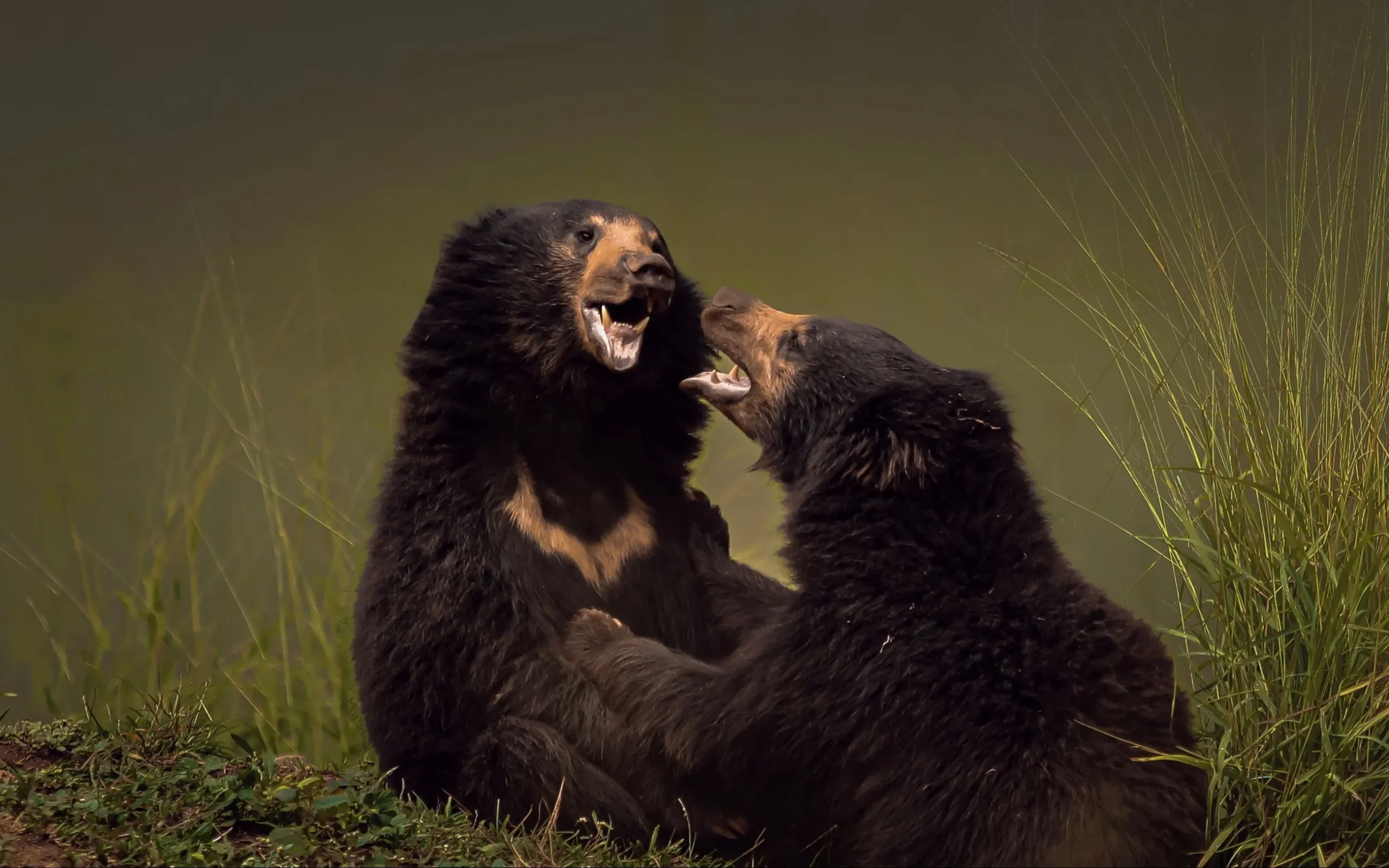
Plan your trip to Daroji Sloth Bear Sanctuary near Hampi. Learn about official timings, entry fees, wildlife sightings, and expert safari tips.
Daroji Sloth Bear Sanctuary is the best choice for travelers looking to experience wild sloth bears in their natural habitat while exploring the heritage circuit of northern Karnataka. Unlike traditional national parks that require long, multi-day investments, Daroji is designed as a focused, highly rewarding afternoon excursion. It pairs perfectly with a visit to the nearby ruins of Hampi, offering a stark natural contrast to the surrounding historical monuments.
Many travelers assume that Indian wildlife reserves are exclusively about tigers and leopards. Daroji challenges this narrative by focusing on a species that is frequently overlooked but ecologically vital. A visit here provides a rare opportunity to observe the specialized behavior of the Indian sloth bear within a unique geological landscape.
What is Daroji Sloth Bear Sanctuary?
Daroji Sloth Bear Sanctuary is a specialized wildlife reserve spanning roughly 82.7 square kilometers in the Ballari district of Karnataka. It is widely recognized as Asia’s first sanctuary established specifically for the protection and conservation of the Indian sloth bear (Melursus ursinus).
+—————————+———————————————-+
| Metric / Attribute | Value / Fact |
+—————————+———————————————-+
| Location | Ballari District, Karnataka, India |
| Total Area | Approximately 82.7 square kilometers |
| Year Established | 1994 |
| Primary Protected Species | Indian Sloth Bear (Melursus ursinus) |
| Estimated Bear Population | Around 150 individuals |
| Core Viewing Window | 2:00 PM to 6:00 PM |
+—————————+———————————————-+
Asia’s First Dedicated Sloth Bear Haven
Before Daroji was formally designated, sloth bears in the region faced severe survival pressures. The creation of this sanctuary marked a significant shift from generalized forest management to species-specific habitat restoration.
Today, the sanctuary provides a secure environment for an estimated 150 sloth bears. The landscape is dominated by rugged boulder hills, deep caves, and thorny low-scrub vegetation. This specific terrain is crucial because it offers the bears natural shelter from the afternoon heat and ample foraging ground for termites, ants, and local fruits.
The History and Conservation Story of Daroji
The transformation of Daroji from a degraded, heavily exploited landscape into a thriving wildlife sanctuary is one of the most successful habitat restoration stories in southern India.
Field Note: Visitors looking across the boulder-strewn hills today see a dense blanket of green scrub. Just a few decades ago, this entire area was barren, overgrazed, and under immense human pressure.
1994 Restoration Current Status
[Declared Sanctuary] —-> [Habitat Recovery] —-> [~150 Sloth Bears]
(Reserve Forest Base) (Scrub & Cave Protection) (Stable Breeding Population)
Protecting a Vulnerable Landscape
The area was officially declared a wildlife sanctuary by the Government of Karnataka in 1994, having previously held the status of a reserve forest. Prior to its notification, the local ecosystem suffered from illegal tree cutting, stone quarrying, and extensive cattle grazing. These activities systematically destroyed the hill caves and foraging grounds that the bears relied upon for survival.
Once the Karnataka Forest Department secured the boundaries, they implemented strict habitat recovery protocols. Quarrying was banned, local plant species were reintroduced, and water bodies were constructed within the valleys. This allowed the native thorn forest to regenerate naturally, providing the bears with a stable, permanent home.
The Conservation Status of the Indian Sloth Bear
The Indian sloth bear is classified as Vulnerable on the IUCN Red List and is listed under Schedule I of the Indian Wildlife (Protection) Act, which grants it the highest level of legal protection.
The species faces major threats across the Indian subcontinent, primarily driven by:
- Habitat Fragmentation: Linear infrastructure projects and agricultural expansion cut off historical wildlife corridors.
- Human-Wildlife Conflict: As scrub forests shrink, bears frequently venture into agricultural fields bordering the sanctuary, leading to dangerous encounters with local farmers.
- Poaching: Historically targeted for the “dancing bear” trade and body parts, the species requires heavily guarded boundaries to prevent illicit hunting.
By consolidating a contiguous 82.7-square-kilometer block of scrub forest, Daroji serves as a vital genetic stronghold for the species in a rapidly developing industrial and agricultural landscape.
Daroji is a straightforward addition to any northern Karnataka travel itinerary, provided you arrange dedicated transport. Because the sanctuary is situated in a rural area with limited public transit, planning your logistics in advance is essential for a smooth visit.
Location and How to Reach Daroji
The sanctuary is located in the Sandur taluk of the Ballari district in Karnataka. It sits just outside the major heritage and transport hubs of the region, making it highly accessible for short excursions.
Distance from Hampi and Hosapete
Daroji is located approximately 15 kilometers from the UNESCO World Heritage site of Hampi. For travelers based in Hosapete (Hospet), which serves as the primary hotel and transport base for the region, the drive to the sanctuary entrance takes roughly 45 minutes to an hour, depending on road conditions.
Transport Options: Road, Rail, and Air
Because the sanctuary does not operate shuttle services, hiring a private taxi or driving your own vehicle from Hampi or Hosapete is the only practical way to reach the main gate.
- By Road: The approach roads are generally well-maintained, though the final stretch toward the sanctuary gates passes through rural scrubland.
- By Rail: The nearest major railway station is in Hosapete. This station is well-connected to Bengaluru, Hyderabad, and Goa.
- By Air: The closest domestic airport is Jindal Vidyanagar Airport (also known as Vidyanagar Airport) in Toranagallu, roughly 30 kilometers away. Hubballi Airport and Kempegowda International Airport (Bengaluru) serve as larger, though more distant, aviation hubs.
Expert Tip: Do not rely on ride-hailing apps like Ola or Uber to get back from Daroji. Cellular reception near the sanctuary can be unreliable, and cabs rarely operate in this remote area at dusk. Always book a return taxi from Hosapete or Hampi and ask the driver to wait.
Timings, Fees, and Visitor Rules
Understanding how Daroji operates is critical because it functions very differently from large national parks like Bandipur or Ranthambore. The access is highly controlled to minimize human impact on the bear population.
Official Visiting Hours
The sanctuary operates on a strict afternoon-only schedule.
- Official Timings: The gates typically open at 2:00 PM and close to new entrants around 6:00 PM.
Many online travel forums and third-party websites list incorrect or outdated morning hours. It is important to base your plans solely on the official afternoon window. Sloth bears are primarily nocturnal and crepuscular (active at dawn and dusk), meaning daytime visits would yield almost no sightings regardless of when the gates open.
Entry Fees and Safari Mechanics
Be aware that entry fees listed on travel websites frequently contradict one another. You will need to pay an entry fee at the gate, which generally includes a per-person charge and a vehicle entry fee. Camera fees for DSLRs and large lenses are also standard. It is advisable to carry sufficient cash, as digital payment networks may fail due to poor connectivity.
Unlike traditional tiger reserves where tourists drive for hours through the forest, Daroji is primarily a watchtower-based experience. Visitors drive along a designated access road to a parking area, from where they are directed to an elevated observation tower.
Strict Code of Conduct: Do’s and Don’ts
Because sloth bears have poor eyesight but an acute sense of smell and hearing, human disturbances can easily frighten them away or trigger defensive behavior. The forest department enforces strict rules to maintain a safe environment for both visitors and wildlife.
- No Free Roaming: Visitors are strictly prohibited from walking or trekking inside the sanctuary limits outside of the designated watchtower area.
- Absolute Silence: Keep conversation to a whisper at the watchtower. Loud noises will guarantee that the bears stay hidden in the rocks.
- No Flash Photography: Flash photography is strictly banned as it startles the bears and disrupts their natural behavior.
- Carry-In, Carry-Out: There are no food stalls or waste disposal bins inside the core area. You must take all your trash, including plastic water bottles, back to your hotel.
- No Night Visits: Despite the bears being nocturnal, the sanctuary does not permit night safaris or after-hours entry.
By following these rules, visitors contribute directly to the low-impact tourism model that has allowed Daroji to succeed.
Visiting Daroji requires a shift in mindset if you are accustomed to traditional jeep safaris. The landscape is dominated by massive boulders and caves, which makes driving through the core habitat impractical and disruptive. Instead, the forest department has designed an observation system that brings you close to the wildlife without invading their space.
The Watchtower and Safari Experience
The core of the Daroji experience centers around an elevated observation structure rather than a moving vehicle. This static approach allows the scrub forest to remain quiet, encouraging natural animal behavior.
What Your Visit Realistically Feels Like
After paying your entry fees, you will drive your vehicle along a designated route to a designated parking zone. From there, visitors proceed to an elevated watchtower positioned opposite a rugged hill heavily populated with natural caves.
You will spend your time at this vantage point scanning the rocky outcrops. The viewing distance can be substantial, meaning the animals are not always right at the base of the tower. Success here requires patience; you are waiting for the wildlife to emerge from the deep crevices where they have been resting during the heat of the day.
Photography Tip: Because the viewing distance from the watchtower to the boulder hills can be long, standard smartphone cameras will struggle to capture detailed images of the bears. A DSLR or mirrorless camera with a telephoto lens (minimum 300mm to 400mm) is highly recommended. If you do not have a long lens, bring a good pair of binoculars to simply enjoy the observation.
The Dynamics of Dusk Viewing
Many first-time visitors arrive right when the gates open at 2:00 PM and are disappointed to see empty rocks. Sloth bears are primarily active at dawn and dusk. During the peak afternoon heat, they retreat deep into the cool cave systems.
As the sun begins to set and temperatures drop, the bears emerge to forage for their primary diet of termites, ants, and local fruits. Therefore, the most productive viewing window is usually between 4:00 PM and 6:00 PM. Observing a sloth bear systematically vacuuming up a termite mound or a mother carrying cubs on her back across the boulders is a common reward for those who wait for the evening light.
Wildlife Beyond the Sloth Bears
While the sanctuary is specifically managed for sloth bears, the protection of this 82.7-square-kilometer dry scrub habitat has created a safe haven for a diverse range of regional fauna.
Mammals of the Scrub Forest
The boulder-strewn terrain supports several other predators and foragers adapted to the dry environment. Leopards share the apex predator role in this habitat, utilizing the same caves as the bears. Scavengers and smaller carnivores, including striped hyenas, Indian jackals, and mongooses, actively patrol the scrub. You may also spot Indian wild boars, Indian pangolins, and Indian crested porcupines.
Avian Diversity, Reptiles, and Butterflies
Birdwatchers will find the sanctuary highly rewarding. Daroji records more than 70 species of birds. The scrub vegetation and rocky outcrops are prime habitats for species like the painted spurfowl, yellow-throated bulbul, sand grouse, and stone curlew. Peafowl are abundant and frequently seen foraging near the watchtower.
Reptiles are also well-represented in the warm, rocky environment. The sanctuary is home to the Indian star tortoise, monitor lizards, and rock agamas, which can often be seen basking on the boulders before the sun sets.
Wildlife Sighting Probability Checklist
To help set realistic expectations for your afternoon at the watchtower, refer to this sighting probability guide based on typical dusk behavior in the sanctuary:
| Sighting Probability | Species to Look For | Why? |
| Highly Likely | Sloth Bear, Peafowl, Wild Boar, Rock Agama | Emerges regularly at dusk to forage near the primary viewing areas. |
| Possible | Jackal, Mongoose, Monitor Lizard, Spurfowl | Active in the scrub but smaller and easier to miss against the rocks. |
| Rarely Seen | Leopard, Hyena, Pangolin, Porcupine | Highly elusive, strictly nocturnal, or actively avoid areas with human noise. |
Integrating Daroji into a broader Karnataka trip requires minimal effort if you time it correctly. Because the sanctuary is a specialized, single-location experience, it serves as an excellent afternoon counterpoint to the morning historical tours of Hampi.
Practical Planning and Packing Guide
To get the most out of your time at the watchtower, you need to arrive at the right time of year and bring the right equipment.
Best Season to Visit
While the sanctuary is open year-round, the cooler months—from August to March—are widely recommended by wildlife experts as the best time to visit. During peak summer (April to June), the Ballari district becomes exceptionally hot, and the bears tend to stay deep within the cave systems until well after dusk, which reduces your chances of a good sighting before the sanctuary closes.
Combining Daroji with a Hampi Itinerary
A standard approach is to spend your morning exploring the exposed ruins of Hampi, return to your hotel in Hosapete or Hampi for lunch and rest, and then depart for Daroji around 3:00 PM. This schedule ensures you arrive at the sanctuary watchtower by 4:00 PM, aligning perfectly with the most active wildlife window.
Visitor Gear and Behaviour Checklist
Because you will be stationary on a watchtower for a few hours, pack specifically for observation.
| Category | What to Bring or Do | Why it Matters |
| Clothing | Wear dull, earth-toned clothing (greens, browns, greys). | Bright colours can alert wildlife to human presence, causing them to retreat. |
| Optics | Pack binoculars or a camera with a telephoto lens (300mm+). | The distance from the watchtower to the boulder caves requires magnification. |
| Hydration | Carry enough drinking water in reusable bottles. | There are no food or water stalls inside the sanctuary. |
| Behaviour | Maintain strict silence and switch phones to silent. | Sloth bears have acute hearing and will hide if they detect unnatural noise. |
Common Mistakes to Avoid
Many visitors leave disappointed simply because they misunderstand how Daroji operates. Avoid these frequent errors:
- Arriving in the Morning: The sanctuary is not open in the morning. Even if it were, sloth bears are nocturnal and crepuscular, meaning they sleep during the day.
- Expecting a Jeep Safari: Daroji is not Bandipur. You will not be driving through the forest tracking animals; you will watch from a fixed tower.
- Relying on Ride-Hailing Apps: Mobile networks are weak near the sanctuary. Always book a dedicated taxi from Hosapete or Hampi and pay the driver to wait for your return trip.
- Talking Loudly on the Watchtower: Sound carries easily across the rocky valley. A noisy crowd guarantees that the bears will stay out of sight.
Frequently Asked Questions
What is Daroji Sloth Bear Sanctuary? It is a protected scrub-forest habitat in Karnataka, recognized as the first sanctuary in Asia created specifically for the conservation of the Indian sloth bear.
Where is it located, and how far is it from Hampi? It is located in the Ballari district of Karnataka, approximately 15 kilometres from Hampi, making it an easy 45-minute drive from the heritage site.
What are the opening times? The sanctuary officially opens from 2:00 PM to 6:00 PM. Ignore outdated information suggesting morning entry.
When is the best time to see the bears? Late afternoon to dusk (typically 4:00 PM to 6:00 PM) is the best time, as the bears emerge from the caves to forage as temperatures drop.
What is the best season to visit? The cooler months from August to March offer the most comfortable weather and better sighting probabilities.
How many sloth bears live there? The sanctuary is home to an estimated 150 Indian sloth bears.
What other animals can I see? You may spot wild boars, peafowl, monitor lizards, and rock agamas. Leopards, hyenas, jackals, pangolins, and porcupines also live here but are rarely seen during visitor hours. It also hosts over 70 bird species.
Is a jeep safari available? No. The experience consists of driving to a parking area and observing the habitat from a designated, elevated watchtower.
Can visitors walk inside the sanctuary? No. Walking, trekking, or free roaming is strictly prohibited for visitor safety and to minimize wildlife disturbance.
How much time does a visit take? Plan for roughly 2 to 3 hours at the sanctuary itself, plus travel time to and from your hotel.
What is the entry fee? Fees are collected at the gate and vary depending on the number of people, vehicle type, and camera equipment (DSLRs usually incur an extra charge). Carry cash, as digital payments often fail due to poor connectivity.
What is the nearest railway station and airport? The nearest major railway station is in Hosapete. The closest airport is Jindal Vidyanagar Airport (Toranagallu), with Hubballi and Bengaluru serving as larger alternatives.
Is photography allowed? Yes, but flash photography is strictly banned as it startles the animals.
Are night visits allowed? No. Despite the bears being nocturnal, the sanctuary closes strictly by 6:00 PM, and night safaris are not permitted[cite: 1].
Why was the sanctuary created? It was declared in 1994 to protect the habitat of the Indian sloth bear from severe degradation caused by quarrying, deforestation, and overgrazing[cite: 1].
What is the conservation status of the Indian sloth bear? The Indian sloth bear (Melursus ursinus) is classified as Vulnerable and is heavily protected under Schedule I of the Indian Wildlife (Protection) Act[cite: 1].
Conclusion
Daroji Sloth Bear Sanctuary proves that highly focused, small-scale conservation efforts can yield significant results. By transforming a degraded scrubland into a secure habitat, the Karnataka Forest Department has secured a vital stronghold for a Vulnerable species[cite: 1].
For the traveller, Daroji offers a precise, educational wildlife experience that perfectly complements the cultural weight of Hampi. As long as you arrive in the late afternoon, bring adequate optics, and respect the strict silence required at the watchtower, a visit to Daroji provides a rare window into the lives of one of India’s most fascinating and misunderstood mammals