
Plan your birding trip across India’s top sanctuaries, from Keoladeo to Eaglenest. Compare 10 key destinations, endemic habitats, peak seasons, and field tips.
Best Birdwatching Destinations in India: A Field Naturalist’s Guide
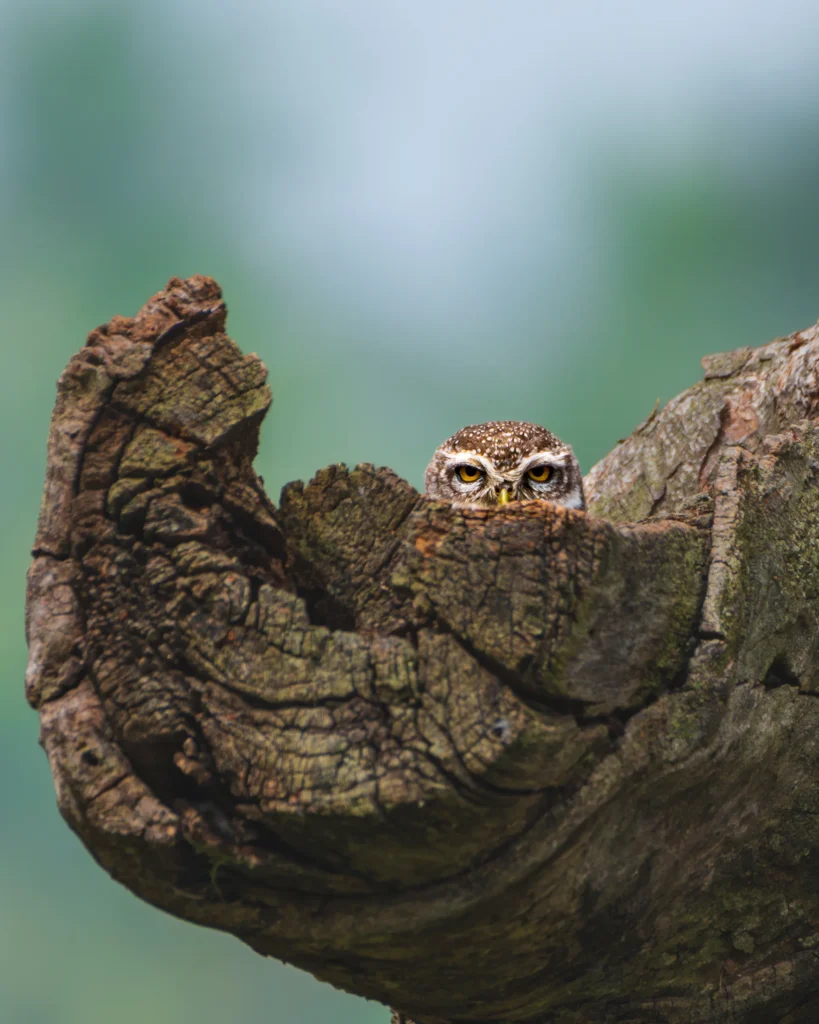
India holds an exceptional place in global ornithology. With between 1,358 and 1,396 recorded bird species, the subcontinent supports approximately 12.4% of the world’s total avian diversity within its borders. This concentration of birdlife stems from the country’s varied geographic zones, spanning the glaciated peaks of the Greater Himalayas, the saline mudflats of the Rann of Kutch, dense tropical rainforests in the Western Ghats, and extensive freshwater river deltas.
For travelling birders, field ornithologists, and wildlife photographers, India provides distinct birding experiences across every season. The country supports between 75 and 84 endemic bird species that occur nowhere else on Earth. During the northern winter, it serves as a primary terminus along the Central Asian Flyway, hosting hundreds of thousands of wintering waterfowl, waders, and raptors escaping freezing conditions in Siberia, Mongolia, and Central Asia.
INDIA’S AVIAN DIVERSITY AT A GLANCE
┌──────────────────────────────┬──────────────────────────────┬──────────────────────────────┐
│ TOTAL SPECIES │ ENDEMIC SPECIES │ PROTECTED SITES │
│ 1,358–1,396 │ 75–84 │ 100 Ramsar Sites │
│ (~12.4% of Global Total) │ (Restricted Global Ranges) │ 467 Important Bird Areas │
└──────────────────────────────┴──────────────────────────────┴──────────────────────────────┘
The foundation of modern systematic field ornithology in India was established by Dr. Salim Ali (1896–1987), known widely as the “Birdman of India”. His extensive regional surveys and multi-volume documentation mapped the distribution of the subcontinent’s birds and directly led to the formal protection of critical habitats such as Keoladeo National Park in Rajasthan and Thattekad Bird Sanctuary in Kerala.
Today, India’s network of bird habitats encompasses 467 designated Important Bird Areas (IBAs) and 100 officially recognized Ramsar Wetlands of International Importance (a milestone reached in June 2026).
Whether your objective is spotting high-elevation pheasants in the Himalayan foothills, observing dense breeding colonies in managed wetlands, or locating range-restricted endemics in the tropical south, choosing the right destination and timing is critical for a productive safari.
Top 10 Birdwatching Destinations in India (Quick Selection Guide)
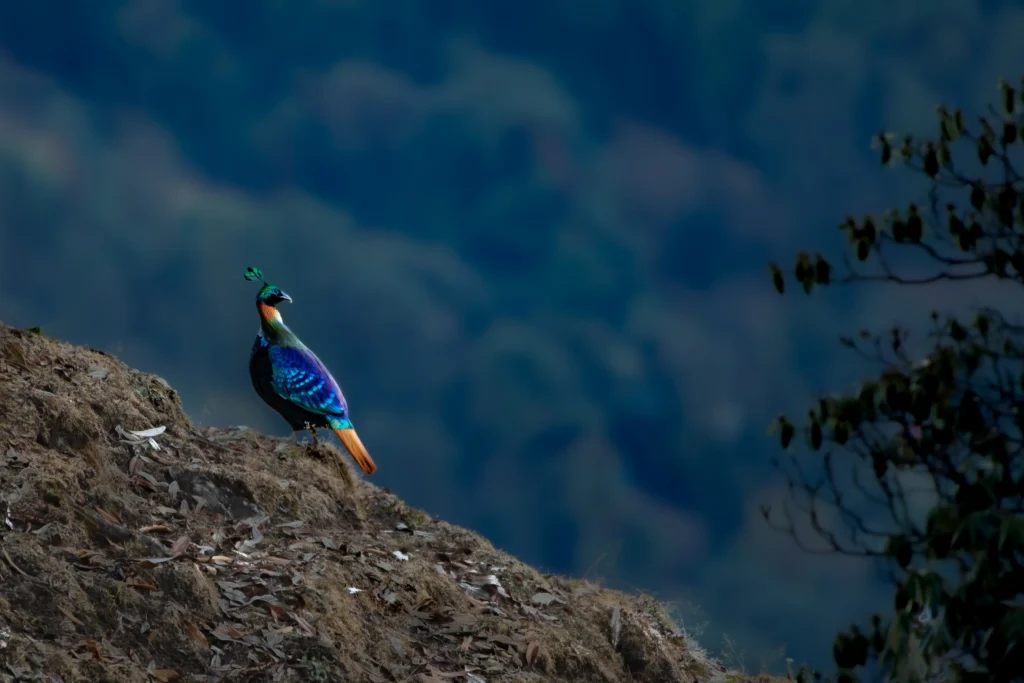
If you are planning an itinerary and need to select destinations based on specific habitats, target families, and accessibility, these 10 locations represent the premier birding reserves in India:
- Keoladeo National Park (Rajasthan): A 29-square-kilometre human-engineered wetland and UNESCO World Heritage Site hosting over 370 bird species. It offers the country’s most accessible winter waterfowl viewing by cycle rickshaw and on foot.
- Corbett National Park (Uttarakhand): India’s oldest national park, encompassing 550+ recorded species across broadleaf sal forests, riverine grasslands, and gravel riverbeds. It is particularly productive for raptors, river lapwings, and woodpeckers.
- Eaglenest Wildlife Sanctuary (Arunachal Pradesh): A mid-to-high elevation montane forest reserve with roughly 500 recorded species. It is the exclusive known location for the Bugun Liocichla and a primary site for rare Eastern Himalayan babblers and tragopans.
- Thattekad Bird Sanctuary (Kerala): A 25-square-kilometre lowland evergreen forest on the banks of the Periyar River holding 250 species. It is the premier reserve in South India for nocturnal species, trogons, and Western Ghats endemics.
- Kaziranga National Park (Assam): A UNESCO World Heritage Site and IBA dominated by elephant grass and floodplain water bodies. It hosts key populations of threatened grassland and wetland species, including the Bengal Florican and Greater Adjutant.
- Chilika Lake / Nalbana Sanctuary (Odisha): Asia’s largest brackish lagoon, covering over 1,100 square kilometres and sheltering upwards of a million wintering shorebirds, flamingos, and pelicans.
- Pangot & Kilbury Sanctuary (Uttarakhand): An accessible Himalayan oak and rhododendron forest hotspot holding 250+ species. It is dependable for high-altitude pheasants, laughingthrushes, and foraging mixed-species flocks.
- Nal Sarovar Bird Sanctuary (Gujarat): A shallow natural wetland sanctuary near Ahmedabad spanning 120 square kilometres that attracts large aggregations of rosy pelicans, storks, and wintering waterfowl.
- Sundarbans National Park (West Bengal): The world’s largest contiguous mangrove delta, harbouring 300+ bird species alongside tidal waterways, including specialized kingfishers and the elusive Masked Finfoot.
- Little Rann of Kutch (Gujarat): A 5,000-square-kilometre seasonal salt marsh and flat desert ecosystem holding 300 species, notable for desert coursers, raptors, flamingos, and wintering cranes.
Comparison of India’s Top 10 Birdwatching Destinations
The table below provides a side-by-side comparison of species counts, peak visiting windows, signature birds, and conservation classifications across these ten flagship locations:
| Destination | State / Region | Species Count | Primary Habitat | Peak Birding Window | Signature Bird Species | Conservation Status |
| Keoladeo National Park | Rajasthan (North) | 370–400+ | Shallow freshwater marsh, scrub, open savanna | November – March | Sarus Crane, Painted Stork, Greater Spotted Eagle, Bar-headed Goose | UNESCO World Heritage Site, Ramsar Site, IBA |
| Corbett National Park | Uttarakhand (North) | 550+ | Moist deciduous sal forest, riverbeds, grasslands | December – March | Crested Kingfisher, Pallas’s Fish Eagle, Great Hornbill, Ibisbill | Tiger Reserve, National Park, IBA |
| Eaglenest Wildlife Sanctuary | Arunachal Pradesh (North East) | ~500 | Subtropical, temperate broadleaf, and bamboo forest | January – April | Bugun Liocichla, Ward’s Trogon, Blyth’s Tragopan, Rufous-necked Hornbill | Wildlife Sanctuary, IBA |
| Thattekad Bird Sanctuary | Kerala (South) | 250+ | Tropical lowland evergreen and semi-evergreen forest | September – March | Sri Lanka Frogmouth, Malabar Trogon, Indian Pitta, Malabar Grey Hornbill | Bird Sanctuary, IBA |
| Kaziranga National Park | Assam (North East) | 480+ | Alluvial tall grasslands, swamps, beels | November – February | Bengal Florican, Greater Adjutant, Swamp Francolin, White-winged Duck | UNESCO World Heritage Site, IBA |
| Chilika Lake (Nalbana) | Odisha (East) | 225+ | Coastal brackish lagoon, islands, mudflats | November – February | Greater Flamingo, Irrawaddy Dolphin (aquatic), Northern Pintail, Peregrine Falcon | Ramsar Site, IBA |
| Pangot & Kilbury | Uttarakhand (North) | 250+ | Montane oak, pine, and rhododendron forest | October – March | Cheer Pheasant, Koklass Pheasant, Lammergeier, Rufous-bellied Woodpecker | Birding Hotspot, Reserve Forest |
| Nal Sarovar Bird Sanctuary | Gujarat (West) | 250+ | Natural shallow lake and extensive reed beds | November – February | Great White Pelican, Lesser Flamingo, Glossy Ibis, Marsh Sandpiper | Ramsar Site, Bird Sanctuary |
| Sundarbans National Park | West Bengal (East) | 300+ | Mangrove swamp forest, tidal channels, mudbanks | October – March | Masked Finfoot, Mangrove Pitta, Brown-winged Kingfisher, Goliath Heron | UNESCO World Heritage Site, Ramsar Site, IBA |
| Little Rann of Kutch | Gujarat (West) | 300 | Saline desert mudflats, seasonal marshes, thorn scrub | November – February | MacQueen’s Bustard, Sociable Lapwing, Greater Hoopoe-Lark, Demoiselle Crane | Wildlife Sanctuary, Biosphere Reserve |
Field Note from the Naturalist:
When selecting your primary base, match your target species group directly with the terrain type rather than relying purely on park name recognition.
If you are an amateur birder or travelling with family, Keoladeo or Pangot provide easy trail access, dependable visibility, and excellent local guide availability. If your goal is checking off regional endemics or rare babblers, your itinerary should prioritize the dense, logistically demanding mid-elevation evergreen forests of Thattekad or Eaglenest.
Complete Regional Guide: North India’s Himalayan & Foothill Habitats
Northern India provides some of the most accessible birding in the country, combining lowland sal forests, boulder-strewn riverbeds, and temperate Himalayan oak ridges within a 6- to 8-hour travel radius from Delhi. The region allows birders to combine open-jeep vehicle safaris in the plains with productive walking bird tours at higher elevations.
NORTH INDIA ELEVATION & HABITAT TRANSECT
2,500m ────────────────────────────────────────── Pangot & Kilbury Ridges
(Oak, Rhododendron, Cheer Pheasant)
1,400m ──────────────────────────── Sattal Freshwater Lakes
(Mixed Broadleaf, Red-billed Leiothrix)
400m ────────────── Corbett National Park & Ramganga Riverbed
(Sal Forest, Riverine Grassland, Raptors, Ibisbill)
Corbett National Park (Uttarakhand): Riverine Forests and Raptors
Corbett is the best choice if you want to observe high raptor diversity alongside large mammals like Asian elephants and Bengal tigers in a single safari destination. As India’s oldest national park, Corbett spans the Himalayan foothills with a mosaic of dense moist deciduous sal forest, alluvial grasslands (chaurs), and the clear waters of the Ramganga River.
CORBETT BIRDING PROFILE
┌───────────────────────┬──────────────────────────────────────────────┐
│ Metric / Feature │ Detail │
├───────────────────────┼──────────────────────────────────────────────┤
│ Recorded Species │ 550+ resident and migratory species │
│ Primary Habitat │ Moist deciduous sal, riverbeds, grasslands │
│ Peak Birding Months │ December to March (Park open Nov–June) │
│ Target Species │ Crested Serpent Eagle, Pallas’s Fish Eagle, │
│ │ Red Junglefowl, Great Hornbill, Ibisbill │
│ Nearest Transit Hub │ Jolly Grant Airport (Dehradun, 75 km) │
│ Road Distance │ 290 km from Delhi (6–7 hours driving) │
│ Base Accommodation │ Forest rest houses, private lodges │
│ Nightly Lodging Cost │ ₹2,000 to ₹8,000 per room │
└───────────────────────┴──────────────────────────────────────────────┘
Key Habitats and Target Species
- Ramganga Riverbed and Reservoir: Excellent for Pallas’s Fish Eagle, Lesser Fish Eagle, Crested Kingfisher, Great Thick-knee, and during mid-winter, wintering Ibisbills foraging among the gravel banks.
- Sal Forest Canopy and Understory: Home to Red Junglefowl, Great Hornbill, Lineated Barbet, White-crested Laughingthrush, and up to 15 species of woodpeckers, including the Great Slaty Woodpecker.
- Dhikala and Bijrani Grasslands: Prime foraging ground for Black Stork, Hen Harrier, Changeable Hawk-Eagle, and Crested Serpent Eagle.
Practical Logistics and Field Planning
- Safari Access: Birding inside the national park core is conducted via registered open 4×4 Gypsy vehicles. Walking is strictly prohibited within core safari zones for safety reasons.
- On-Foot Birding Outside the Core: The peripheral buffer zones—particularly the Kosi River corridor near Marchula, Mohan, and the Sitabani Reserve Forest—allow on-foot birding accompanied by a registered local guide.
- Field Timing: Plan morning drives right at gate opening (5:30 AM to 6:00 AM) to catch peak bird song and active feeding flights before midday heat reduces activity.
Field Note from the Naturalist:
When staying inside the park at Dhikala or Gairal forest lodges, spend midday scanning the Ramganga riverbanks directly from the lodge compound perimeter. Wintering river terns, fish eagles, and wintering wallcreepers frequently forage on the rocky cliffs opposite the rest houses.
Pangot, Sattal, and Nainital (Uttarakhand): Oak Forests and Montane Specialists
If you prefer walking bird tours where you can explore at your own pace without vehicle restrictions, the Nainital-Pangot-Sattal belt in Kumaon is the most rewarding mid-altitude destination in North India. Located just 15 kilometres from Nainital, Pangot sits at an elevation of approximately 2,000 metres within the Kilbury and Pangot Wildlife Sanctuary.
PANGOT & SATTAL BIRDING PROFILE
┌───────────────────────┬──────────────────────────────────────────────┐
│ Metric / Feature │ Detail │
├───────────────────────┼──────────────────────────────────────────────┤
│ Recorded Species │ 250+ Himalayan montane species │
│ Primary Habitat │ Oak, pine, and rhododendron temperate forest │
│ Peak Birding Months │ October to March (migrants & residents) │
│ Target Species │ Cheer Pheasant, Koklass Pheasant, │
│ │ Himalayan Woodpecker, Red-billed Leiothrix │
│ Elevation Range │ 1,350 m (Sattal) to 2,200 m (Pangot ridges) │
│ Road Distance │ ~310 km from Delhi (7–8 hours driving) │
│ Base Accommodation │ Birding lodges, village homestays │
│ 3-Day Trip Budget │ ₹5,000 to ₹10,000 per person (budget-mid) │
└───────────────────────┴──────────────────────────────────────────────┘
Key Zones and Specialist Avifauna
- Pangot & Kilbury Forest: Characterized by dense Banj oak (Quercus leucotrichophora) and rhododendron stands. Target birds include Koklass Pheasant, Kalij Pheasant, Himalayan Griffon, Bearded Vulture (Lammergeier), Rufous-bellied Woodpecker, and Mrs. Gould’s Sunbird.
- Cheer Point (Pangot): Steep, grassy, rocky ravines just past Pangot village represent one of the most reliable locations in the Western Himalayas to observe the vulnerable Cheer Pheasant.
- Sattal (Seven Lakes): Situated lower at 1,350 metres, Sattal’s subtropical broadleaf environment surrounds freshwater lakes. It is famous for high bird density and mixed hunting parties, featuring Red-billed Leiothrix, Rufous-chinned Laughingthrush, Himalayan Rubythroat, Greater Yellownape, and Asian Barred Owlet.
PANGOT VS. SATTAL: HABITAT COMPARISON
┌──────────────────────┬──────────────────────────────┬──────────────────────────────┐
│ Attribute │ Pangot (Higher Montane) │ Sattal (Mid-Elevation Lake) │
├──────────────────────┼──────────────────────────────┼──────────────────────────────┤
│ Elevation │ ~1,900 m – 2,200 m │ ~1,350 m – 1,450 m │
│ Key Forest Cover │ Oak, Rhododendron, Deodar │ Mixed Pine, Broadleaf Scrub │
│ Signature Target │ Cheer & Koklass Pheasants │ Red-billed Leiothrix, Babblers│
│ Primary Birding Mode │ Road walking, steep trails │ Studio hides, lakeside trails│
└──────────────────────┴──────────────────────────────┴──────────────────────────────┘
Logistics and Best Practice
- Accessibility: Pangot is reached by road from Kathgodam railway station (50 km / 2 hours) or direct drive from Delhi (310 km).
- Birding Style: Unlike national parks with strict safari routes, birding here is conducted entirely on foot along quiet forest roads and marked bridle paths.
- Photography Hides: Sattal hosts several managed community-run photography hides near freshwater streams that offer close, ethical viewing of secretive undergrowth species.
Complete Regional Guide: North East India’s Montane and Floodplain Sanctuaries
North East India is the primary destination for serious birders seeking narrow-range endemics, eastern Himalayan babblers, and threatened floodplain specialists. The abrupt transition from the Brahmaputra lowlands to high-altitude Himalayan passes creates exceptional species turnover within compact geographic zones.
NORTH EAST INDIA HABITAT PROFILE
┌───────────────────────────┬────────────────────────────────────────────────┐
│ Reserve / Region │ Primary Birding Specialisation │
├───────────────────────────┼────────────────────────────────────────────────┤
│ Eaglenest Sanctuary │ Eastern Himalayan endemics, babblers, tragopans│
│ Mishmi Hills │ High-altitude endemics, Wren-Babblers, monals │
│ Kaziranga National Park │ Alluvial tall grasslands, threatened waders │
│ Nameri National Park │ Riverine evergreen forest, hornbills, ducks │
└───────────────────────────┴────────────────────────────────────────────────┘
Eaglenest Wildlife Sanctuary (Arunachal Pradesh): Mid-Elevation Endemics
Eaglenest is the most important site in the Eastern Himalayas for birders compiling life lists of rare and range-restricted species. Spanning an elevation range from 500 metres up to 2,800 metres across the Kameng district, this protected sanctuary encompasses subtropical, temperate broadleaf, bamboo, and coniferous forest zones.
EAGLENEST SANCTUARY PROFILE
┌───────────────────────┬──────────────────────────────────────────────┐
│ Metric / Feature │ Detail │
├───────────────────────┼──────────────────────────────────────────────┤
│ Recorded Species │ ~500 species │
│ Primary Habitat │ Subtropical, temperate broadleaf, bamboo │
│ Peak Birding Months │ January to April (Peak: Jan–March) │
│ Global Rarity │ Bugun Liocichla (*Liocichla bugunorum*) │
│ Other Key Species │ Ward’s Trogon, Blyth’s Tragopan, │
│ │ Beautiful Nuthatch, Rufous-necked Hornbill │
│ Travel Logistics │ Fly to Tezpur/Guwahati; 4×4 vehicle required │
│ Permits Required │ Inner Line Permit (ILP) / PAP │
│ Expedition Budget │ ₹25,000 to ₹40,000 per person (logistics/camp)│
└───────────────────────┴──────────────────────────────────────────────┘
The Bugun Liocichla and Signature Avifauna
- The Bugun Liocichla: Discovered in 2006 by professional astronomer and naturalist Dr. Ramana Athreya, this critically endangered babbler is known almost exclusively from the scrub and disturbed open forest around Lama Camp (elevation 2,200 m). The bird is named in honour of the indigenous Bugun tribe who actively conserve the area.
- Elevation Specialists:
- High Elevation (Lama Camp / Eaglenest Pass – 2,200–2,800m): Blyth’s Tragopan, Temminck’s Tragopan, Ward’s Trogon, Bar-winged Wren-Babbler, and Fire-tailed Myzornis.
- Mid-to-Low Elevation (Bompu & Sessni – 1,200–1,800m): Rufous-necked Hornbill, Beautiful Nuthatch, Coral-billed Scimitar Babbler, Long-tailed Broadbill, and Silver-eared Mesia.
EAGLENEST ELEVATION STRATIFICATION
2,800m ─── Eaglenest Pass ────── Temminck’s Tragopan, Fire-tailed Myzornis
2,200m ─── Lama Camp ─────────── Bugun Liocichla, Ward’s Trogon
1,800m ─── Bompu Camp ────────── Beautiful Nuthatch, Rufous-necked Hornbill
1,200m ─── Sessni Camp ───────── Coral-billed Scimitar Babbler, Broadbills
Expedition Logistics and Field Realities
- Accommodation: There are no permanent luxury resorts inside the sanctuary. Birding relies on seasonal tented field camps (Lama Camp and Bompu Camp) managed in collaboration with the local community.
- Road Conditions: The track cutting across the sanctuary is an unpaved, high-clearance 4WD route. Landslides can occur during late spring rain events.
- Elephant Movement: The lower sections near Khellong and Doimara sit within active wild elephant migration corridors; always stay with your local guide during road walks.
Mishmi Hills (Arunachal Pradesh): High-Altitude Rarities
For experienced birders willing to undertake rugged travel, the Mishmi Hills in eastern Arunachal Pradesh offer one of the most species-rich montane transects in Asia, with nearly 600 recorded species. The topography rises sharply from the floodplains of the Dibang River at 200 metres up to the snow-covered Mayodia Pass at over 2,650 metres.
MISHMI HILLS BIRDING PROFILE
┌───────────────────────┬──────────────────────────────────────────────┐
│ Metric / Feature │ Detail │
├───────────────────────┼──────────────────────────────────────────────┤
│ Recorded Species │ ~600 species │
│ Endemic Rarity │ Mishmi Wren-Babbler (*Spelaeornis badeigularis*)│
│ Elevation Range │ 200 m to over 2,650 m (Mayodia Pass) │
│ Key Species │ Sclater’s Monal, Blyth’s Tragopan, │
│ │ Fire-tailed Myzornis, Ward’s Trogon │
│ Best Time to Visit │ November to April (Peak: Jan–March) │
│ Recommended For │ Experienced birders; demanding terrain │
└───────────────────────┴──────────────────────────────────────────────┘
Target Specialties
- Mishmi Wren-Babbler: A small, near-threatened undergrowth specialist endemic to these hills, rediscovered in 2004 after a 57-year absence of confirmed records.
- High-Altitude Pheasants: The bamboo scrub and crags near Mayodia Pass shelter Sclater’s Monal, Blyth’s Tragopan, and Tibetan Siskin.
- Mixed Flocks: Lower subtropical stretches host Pale-billed Parrotbill, Rusty-throated Wren-Babbler, Cachar Wedge-billed Babbler, and Purple Cochoa.
Kaziranga and Nameri National Parks (Assam): Grasslands and Riverine Forests
These two parks in the Brahmaputra River basin complement the high-altitude forests of Arunachal Pradesh by protecting lowland floodplains, swamp forests, and pristine sub-Himalayan rivers.
KAZIRANGA & NAMERI AT A GLANCE
┌──────────────────────┬──────────────────────────────┬──────────────────────────────┐
│ Attribute │ Kaziranga National Park │ Nameri National Park │
├──────────────────────┼──────────────────────────────┼──────────────────────────────┤
│ Recorded Species │ 480+ species │ ~400 species │
│ Habitat │ Floodplain grasslands & beels│ Sub-Himalayan evergreen │
│ Primary Birding Mode │ 4×4 Jeep safari │ Forest walking & river raft │
│ Signature Target │ Bengal Florican, Adjutants │ White-winged Duck, Hornbills │
│ Best Visiting Window │ November to February │ October to March │
└──────────────────────┴──────────────────────────────┴──────────────────────────────┘
Kaziranga National Park (Assam)
- Habitat & Significance: A designated UNESCO World Heritage Site and Important Bird Area (IBA). While globally famed for the greater one-horned rhinoceros, Kaziranga’s expansive alluvial grasslands and shallow lakes (beels) shelter critical populations of endangered grassland and wetland birds.
- Target Species: Bengal Florican (critically endangered), Greater Adjutant, Lesser Adjutant, Swamp Francolin, Pallas’s Fish Eagle, Slender-billed Babbler, and wintering flocks of Bar-headed Geese.
- Best Safari Sector: While the Central (Kohora) and Western (Bagori) ranges are popular for mammals, birders should spend dedicated time in the Eastern Range (Agoratoli), where large water bodies host thousands of wintering Anatidae and waders.
Nameri National Park (Assam)
- Habitat & Significance: Situated at the base of the Eastern Himalayas along the Jia-Bhoreli River, Nameri contains tropical semi-evergreen and moist deciduous forests along with open gravel islands.
- Target Species: Nameri is one of the most reliable reserves for the endangered White-winged Duck, which roosts in secluded forest pools. It is also an exceptional site for Wreathed Hornbill, Rufous-necked Hornbill, Great Hornbill, Blyth’s Kingfisher, and Ibisbill (wintering along the river).
- Exploration Method: Nameri is unique among Assam’s flagship parks because armed forest guards accompany visitors on foot safaris through the interior forest trails. In addition, floating down the Jia-Bhoreli River in inflatable rafts provides unmatched views of riverine waders and nesting raptors.
Expert Planning Tip for North East Itineraries: Combine Nameri, Eaglenest, and Kaziranga into a single 10-to-12-day circuit starting and ending at Guwahati Airport. This sequence allows you to cover lowland riverine forest (Nameri), complete montane elevation profiles from 500m to 2,800m (Eaglenest), and expansive floodplain grasslands (Kaziranga) with minimal redundant travel time.
Complete Regional Guide: West India’s Wetlands and Arid Landscapes
Western India, particularly Rajasthan and Gujarat, dominates the winter birding circuit. The region serves as a primary terminus for the Central Asian Flyway, drawing millions of wintering waterfowl, waders, and raptors to its natural and human-engineered wetlands.
Keoladeo National Park (Bharatpur, Rajasthan): Wetland Waterfowl and Heronries
Keoladeo is arguably the most famous bird sanctuary in Asia and represents a mandatory stop for any birder visiting India. Formerly a royal duck-hunting reserve, this 29-square-kilometre mosaic of shallow marshes, scrub woodland, and savanna is now a UNESCO World Heritage Site, a Ramsar wetland, and an Important Bird Area (IBA).
KEOLADEO BIRDING PROFILE
┌───────────────────────┬──────────────────────────────────────────────┐
│ Metric / Feature │ Detail │
├───────────────────────┼──────────────────────────────────────────────┤
│ Recorded Species │ 370 to 400+ species │
│ Primary Habitat │ Shallow freshwater marsh, savanna, scrub │
│ Peak Birding Months │ November to March (Winter Migrants) │
│ Secondary Season │ June to September (Monsoon Breeding) │
│ Signature Species │ Sarus Crane, Painted Stork, Rosy Pelican │
│ Exploration Method │ Walking, cycle rickshaws, boat │
│ 3-Day Trip Budget │ ₹3,000 to ₹8,000 (Highly budget-friendly) │
└───────────────────────┴──────────────────────────────────────────────┘
- Target Avifauna: The park is a stronghold for the resident Sarus Crane, the world’s tallest flying bird. Winter brings large flocks of Rosy Pelican, Great White Pelican, Spot-billed Pelican, and diverse waterfowl. The painted stork heronries are highly active during the post-monsoon period.
- Practical Exploration: Motor vehicles are banned inside the park. Birders explore via paved tracks and raised earthen bunds on foot, by rented bicycle, or by hiring registered cycle rickshaw pullers who are rigorously trained by the forest department and serve as excellent local spotters.
Nal Sarovar and Little Rann of Kutch (Gujarat): Salt Flats and Wintering Flocks
Gujarat’s semi-arid landscapes and vast seasonal wetlands provide crucial wintering grounds for congregatory species, notably flamingos and cranes.
- Nal Sarovar Bird Sanctuary: Located 65 kilometres from Ahmedabad, this Ramsar site consists of a massive shallow lake and extensive reed beds. It is highly productive between November and February for Rosy Pelicans, Lesser and Greater Flamingos, herons, and storks. The primary way to explore is by hiring local boatmen who navigate the shallow waters in traditional flat-bottomed boats.
- Little Rann of Kutch: A striking 5,000-square-kilometre expanse of seasonal salt flats that floods during the monsoon and dries into a cracked desert in winter. It supports 300 bird species alongside 42 mammal species, including the endemic Indian Wild Ass. Target birds include the MacQueen’s Bustard, Sociable Lapwing, Demoiselle Crane, and large aggregations of Lesser and Greater Flamingos.
Complete Regional Guide: South India and Island Habitats
South India offers an entirely different suite of avifauna compared to the north. The humid tropical evergreen forests of the Western Ghats and the isolated Andaman and Nicobar archipelagos hold the vast majority of India’s restricted-range endemic species.
Thattekad Bird Sanctuary (Kerala): Lowland Evergreen Specialist Haven
Located on the northern bank of the Periyar River, Thattekad (officially the Salim Ali Bird Sanctuary) consists of dense teak, sandalwood, and mangrove forests. Dr. Salim Ali, who founded the sanctuary, described it as the most significant bird habitat in Sub-Himalayan India.
THATTEKAD BIRDING PROFILE
┌───────────────────────┬──────────────────────────────────────────────┐
│ Metric / Feature │ Detail │
├───────────────────────┼──────────────────────────────────────────────┤
│ Recorded Species │ 250 species │
│ Primary Habitat │ Tropical lowland evergreen and mangroves │
│ Peak Birding Months │ September to March │
│ Target Species │ Sri Lanka Frogmouth, Malabar Trogon, │
│ │ Indian Pitta, Malabar Grey Hornbill │
│ Base Accommodation │ Eco-cottages and homestays │
│ Nearest Transit Hub │ Coimbatore Airport (90 km) / Kochi │
└───────────────────────┴──────────────────────────────────────────────┘
- Specialist Avifauna: The sanctuary’s dense canopy and understory are essential for locating the Sri Lanka Frogmouth (often found roosting quietly in dry leaves), Malabar Trogon, Indian Pitta, Whiskered Tern, and Oriental Darter.
- Field Tactics: Birding in lowland evergreen forest requires patience; visibility is often limited to a few metres. Heavy reliance on local guides who can identify calls and locate traditional roosting spots is mandatory for success here.
Western Ghats and Nilgiri Biosphere: Montane Shola-Grassland Endemics
The Western Ghats mountain range supports 22 endemic bird species. The ecosystem transitions from lowland tropical forest to high-altitude shola (stunted tropical montane forest) and rolling grasslands.
- Key Locations: Prime birding spots include Cotigao (Goa), Nagarhole (Karnataka), Munnar, Valparai, and Ooty (Tamil Nadu).
- Target Endemics: The higher elevations are critical for the Nilgiri Flycatcher, Nilgiri Thrush, White-bellied Blue Robin, and Flame-throated Bulbul, while the Malabar Parakeet and Malabar Woodshrike occur throughout the forested slopes.
Andaman and Nicobar Islands: Isolated Island Avifauna
Situated in the Bay of Bengal, this archipelago is composed of tropical rainforests on islands that are 90% uninhabited. Due to their geographic isolation, the islands have developed 27 endemic species and subspecies.
- Target Endemics: Serious listers visit to find the Narcondam Hornbill (restricted entirely to the tiny Narcondam Island), Andaman Woodpecker, Andaman Treepie, Nicobar Parakeet, and the Great Nicobar Serpent Eagle.
- Logistics: Access is strictly regulated. Travelers must fly into Port Blair and rely on ferries. Several islands are completely off-limits to tourists to protect indigenous communities and fragile ecology, requiring careful itinerary planning and specific permits.
Complete Regional Guide: East India’s Mangroves and Coastal Lagoons
Eastern India provides access to massive, specialized aquatic habitats. The estuarine conditions here support unique bird adaptations not seen in freshwater or terrestrial reserves.
Sundarbans National Park (West Bengal): Tidal Mangrove Specialists
The Sundarbans form the world’s largest mangrove forest and delta, spanning 10,000 square kilometres across India and Bangladesh. It holds UNESCO World Heritage, Tiger Reserve, and IBA status.
SUNDARBANS BIRDING PROFILE
┌───────────────────────┬──────────────────────────────────────────────┐
│ Metric / Feature │ Detail │
├───────────────────────┼──────────────────────────────────────────────┤
│ Recorded Species │ 300+ species │
│ Primary Habitat │ Mangrove swamps and tidal waterways │
│ Peak Birding Months │ October to March │
│ Target Species │ Masked Finfoot, Mangrove Pitta, │
│ │ Brown-winged Kingfisher, Goliath Heron │
│ Exploration Method │ Motorized boat safaris only │
└───────────────────────┴──────────────────────────────────────────────┘
- Target Avifauna: The region supports 300+ bird species alongside 40 mammal species (including man-eating Royal Bengal Tigers), 35 reptiles, and 8 amphibians. For birders, the primary targets are mangrove specialists: the elusive Masked Finfoot, Mangrove Pitta, Brown-winged Kingfisher, Black-necked Stork, and Greater Adjutant.
- Exploration: All safaris are conducted via boat through the tidal channels. Walking on land is strictly prohibited due to the tiger population.
Chilika Lake and Nalbana Sanctuary (Odisha): Brackish Lagoon Waterfowl
Covering 1,100 square kilometres, Chilika is Asia’s largest brackish water lagoon. Recognized as both a Ramsar site and an IBA, it is a critical wintering ground on the Indian subcontinent.
- Target Avifauna: From November to February, the lagoon hosts hundreds of thousands of wintering ducks, pelicans, and Greater Flamingos.
- Key Zones: The core birding area is the Nalbana Bird Sanctuary, an island situated within the lake that becomes fully submerged during the monsoon and emerges in winter to provide vast mudflats for feeding waders.
Photography Tip for Water Locations:
When shooting from boats in the Sundarbans, Nal Sarovar, or Chilika, leave the heavy tripod behind. A beanbag rested on the boat’s gunwale or a monopod provides much better stabilization against the constant rocking of the watercraft, ensuring sharper images of waders and kingfishers.
Seasonal Birding Calendar: When to Plan Your Safari
Timing your trip according to seasonal movements is essential for a productive birding safari in India. The subcontinent experiences distinct seasonal shifts that dictate when migratory flocks arrive, when resident birds display breeding plumage, and when wetland water levels peak.
ANNUAL BIRDING TIMELINE
┌──────────────┬─────────────────────────────────────────────────────────────┐
│ Season │ Avian Dynamics & Field Highlights │
├──────────────┼─────────────────────────────────────────────────────────────┤
│ Nov – Feb │ Peak wintering migratory waterfowl, waders, and raptors │
│ Mar – May │ Resident breeding activity, vocalizations, altitudinal shifts│
│ Jun – Sep │ Monsoon nesting colonies, heronries, lush habitat growth │
│ Oct │ Autumn transition window, passage migrants, early arrivals │
└──────────────┴─────────────────────────────────────────────────────────────┘
Winter (November to February): Central Asian and Siberian Migrants
Winter represents the peak birding window across North, West, and Central India. During these months, millions of migratory waterfowl, shorebirds, and raptors move southward along the Central Asian Flyway to winter in Indian wetlands and grasslands.
- What to Expect: Large congregations of ducks (such as Northern Pintail, Gadwall, and Common Teal), Bar-headed Geese, pelicans, flamingos, and wintering raptors like the Greater Spotted Eagle, Steppe Eagle, and Western Marsh Harrier.
- Priority Destinations: Keoladeo National Park, Chilika Lake, Nal Sarovar, Little Rann of Kutch, and Corbett National Park.
- Field Conditions: Weather across northern and central plains is generally cool and dry. Mornings in northern reserves like Corbett and Keoladeo can be foggy and cold, with temperatures dropping below 8°C. Bird activity typically surges as the morning sun burns through mist.
Spring (March to May): Courtship, Display, and Breeding Residents
As wintering migrants depart for northern breeding grounds, India’s resident species enter their active breeding and courtship phase.
- What to Expect: Resident birds display fresh breeding plumage and vocalize consistently throughout the day to establish territories. In the Himalayan foothills, spring brings the flowering of rhododendrons, which concentrates sunbirds, thrushes, and laughingthrushes along specific elevation belts.
- Priority Destinations: Western Ghats (Thattekad, Munnar), Himalayan foothills (Pangot, Sattal), and Corbett National Park.
- Field Conditions: Temperatures increase rapidly across the central and western plains, often exceeding 38°C by late April. In southern and montane forest reserves, however, forest canopies keep mornings pleasant for walking safaris.
Monsoon (June to September): Wetland Transformations and Nesting Species

Historically overlooked by conventional tourists, the southwest monsoon brings critical ecological shifts that offer productive birding opportunities. The rains replenish parched water bodies and trigger breeding cycles for resident wetland birds.
- What to Expect: Dense nesting activity across colonial heronries, with storks, ibises, egrets, and cormorants actively building nests, incubating, and feeding chicks. Species such as the Indian Pitta, jacanas, and various cuckoos are highly vocal and active during these months.
- Priority Destinations: Keoladeo National Park (the heronry on acacia trees is at peak activity), Thattekad Bird Sanctuary, and Chilika Lake.
- Field Conditions: High humidity, sudden rain downpours, and wet trails. In southern and northeastern forests, leeches require protective gaiters. Waterproof camera covers and dry bags are mandatory gear items.
Autumn (October): Transition Windows and Early Arrivals
October marks the transition between the monsoon and the dry winter season.
- What to Expect: Skies clear up post-monsoon, foliage remains vibrant, and the very first waves of winter migrants begin arriving from Central Asia alongside active resident species.
- Priority Destinations: Pangot, Sattal, Corbett buffer zones, and Western Ghats sanctuaries.
Table: Seasonal Birding Matrix for India
The table below outlines optimal destinations, target species groups, and field considerations across each season:
| Season | Calendar Months | Birding Strength | Primary Target Groups | Recommended Destinations | Field Note |
| Winter | November – February | Maximum species volume | Migratory Anatidae, pelicans, waders, wintering raptors | Keoladeo, Chilika, Nal Sarovar, Little Rann of Kutch | Early morning fog can delay photography until 8:30 AM in North India. |
| Spring | March – May | High vocal activity | Breeding residents, display behavior, altitudinal migrants | Western Ghats, Thattekad, Pangot, Sattal, Corbett | Best window for forest birding; calls make locating skulking species easier. |
| Monsoon | June – September | Specialized breeding | Colonial nesting waterbirds, jacanas, cuckoos, pittas | Keoladeo heronries, Thattekad, Chilika | Ensure optical gear has weather sealing; carry silica gel packets in bags. |
| Autumn | October | Moderate to High | Passage migrants, early arriving waterfowl, broadleaf residents | Pangot, Sattal, Nameri, Western Ghats | Excellent light conditions for photography post-rains with clear skies. |
DAILY ACTIVITY PROFILE FOR BIRDING
┌──────────────────────────────────────┬──────────────────────────────────────┐
│ MORNING WINDOW (5:00 AM – 9:00 AM) │ AFTERNOON WINDOW (3:30 PM – 6:00 PM) │
│ • Dawn chorus & territorial calls │ • Pre-roosting foraging flights │
│ • Active feeding flights in canopy │ • Raptors soaring on evening thermals│
│ • Highest overall detection rate │ • Wetland wader flock aggregations │
└──────────────────────────────────────┴──────────────────────────────────────┘
Endemic and Rare Species: Where to Find India’s Specialty Birds
India supports between 75 and 84 endemic bird species whose entire global distributions are restricted to specific bio-geographic pockets within the country. For ornithologists and world listers, targeting these restricted-range species requires focusing on two primary endemic hubs—the Western Ghats and the Andaman & Nicobar archipelago—alongside isolated pockets in the Eastern Himalayas.
ENDEMIC DIVERSITY DISTRIBUTION
┌────────────────────────────────────┬────────────────────────────────────────┐
│ Region │ Endemic Species Count │
├────────────────────────────────────┼────────────────────────────────────────┤
│ Andaman & Nicobar Islands │ 27 endemic species & subspecies │
│ Western Ghats & Nilgiri Biosphere │ 22 endemic species │
│ North East & Eastern Himalayas │ Multiple narrow-range montane endemics │
│ Total Across India │ 75–84 species (~5% of total avifauna) │
└────────────────────────────────────┴────────────────────────────────────────┘
Western Ghats Endemics (22 Species)
The ancient mountain chain running parallel to India’s western coast contains a high concentration of endemic birds, isolated in tropical rainforest canopies and high-altitude shola-grassland complexes.
- Key Endemic Targets:
- Malabar Grey Hornbill (Ocyceros griseus): Common in moist deciduous and evergreen forest canopies.
- Nilgiri Flycatcher (Eumyias albicaudatus): Confined to montane evergreen shola forests above 1,200 metres.
- White-bellied Blue Robin (Sholicola albiventris): A skulking understory specialist of high-altitude Nilgiri ravines.
- Nilgiri Thrush (Zoothera neilgherriensis): Forages quietly in leaf litter on damp forest floors.
- Flame-throated Bulbul (Rubigula gularis): Readily seen in forest edges and secondary growth across Goa and Kerala.
- Malabar Parakeet (Psittacula columboides): Gregarious canopy dweller of wet forest tracts.
- Best Locations: Thattekad Bird Sanctuary (Kerala), Munnar (Kerala), Valparai (Tamil Nadu), and Cotigao Wildlife Sanctuary (Goa).
Andaman Islands Endemics (27 Species)
Geographic isolation in the Bay of Bengal has driven high speciation across the Andaman and Nicobar archipelagos, producing 27 endemic species and subspecies.
- Key Endemic Targets:
- Narcondam Hornbill (Rhyticeros narcondami): Critically restricted to the 6.8-square-kilometre volcanic Narcondam Island.
- Andaman Woodpecker (Dryocopus hodgei): A large, black woodpecker resident in mature evergreen stands.
- Andaman Treepie (Dendrocitta bayleii): Active corvid found across mixed forest canopies on South and Middle Andaman.
- Nicobar Parakeet (Psittacula caniceps): Range-restricted psittacine of the Nicobar group.
- Great Nicobar Serpent Eagle (Spilornis klossi): Rare forest-dwelling raptor of Great Nicobar.
- Best Locations: Mount Harriet National Park, Chidiyatapu, and Shoal Bay on South Andaman Island (travel to Nicobar remains restricted to protect indigenous tribal populations).
North East Specialty Species and Altitudinal Migrants
The Eastern Himalayas shelter some of Asia’s most sought-after forest rarities, many with localized ranges centered in Arunachal Pradesh:
- Bugun Liocichla (Liocichla bugunorum): Discovered in 2006, this babbler is known almost exclusively from a narrow elevation belt around Lama Camp in Eaglenest Wildlife Sanctuary.
- Mishmi Wren-Babbler (Spelaeornis badeigularis): Endemic to the damp, mossy undergrowth of the Mishmi Hills.
- Blyth’s Tragopan & Temminck’s Tragopan: Elusive, high-altitude pheasants of steep bamboo and rhododendron slopes.
- Threatened Floodplain Specialists: The alluvial lowlands of Assam (Kaziranga and Nameri) hold critical populations of the critically endangered Bengal Florican, Greater Adjutant, and the rare White-winged Duck.
Table: Regional Endemic Bird Hotspots
| Bio-Geographic Region | Endemic Species Count | Signature Endemic Species | Key Viewing Locations | Elevation / Habitat |
| Western Ghats & Nilgiris | 22 species | Malabar Grey Hornbill, Nilgiri Flycatcher, White-bellied Blue Robin, Malabar Trogon | Thattekad, Munnar, Valparai, Ooty, Cotigao | 500 m – 2,200 m; Lowland evergreen to montane shola |
| Andaman Islands | 27 species / ssp. | Narcondam Hornbill, Andaman Woodpecker, Andaman Treepie, Andaman Crake | Chidiyatapu, Mount Harriet, Shoal Bay | Sea level – 400 m; Tropical insular rainforest |
| Eastern Himalayas | Multiple narrow-range endemics | Bugun Liocichla, Mishmi Wren-Babbler, Ward’s Trogon, Sclater’s Monal | Eaglenest Wildlife Sanctuary, Mishmi Hills | 1,200 m – 3,200 m; Temperate broadleaf & bamboo |
Recent Conservation Developments: India’s 100 Ramsar Sites Milestone
Wetland conservation in India reached a historical milestone on World Environment Day (June 5, 2026), when the country formally registered its 100th Ramsar Site under the Ramsar Convention on Wetlands.
RAMSAR CONSERVATION ACCELERATION
┌──────────────────────────────┬──────────────────────────────────────────────┐
│ Benchmark Date │ Total Designated Ramsar Sites in India │
├──────────────────────────────┼──────────────────────────────────────────────┤
│ February 2025 │ 89 Sites (4 new sanctuaries added) │
│ January 2026 │ 98 Sites (Patna BS & Chhari Dhand added) │
│ April 2026 │ 99 Sites (Shekha Jheel designated) │
│ June 2026 (Milestone) │ 100 Sites (Jai Prakash Narayan BS / Surha Tal)│
└──────────────────────────────┴──────────────────────────────────────────────┘
The expansion of designated Ramsar sites directly strengthens legal habitat protection for migratory waterfowl and resident waterbirds across critical stopover hubs.
Key Additions (2025–2026)
- 100th Ramsar Site — Jai Prakash Narayan Bird Sanctuary (Surha Tal, Uttar Pradesh): Designated on World Environment Day in June 2026, marking India’s 100th wetland of international importance. Surha Tal is a natural floodplain lake in the Ganga basin supporting large congregations of migratory Anatidae.
- 99th Ramsar Site — Shekha Jheel Bird Sanctuary (Aligarh, Uttar Pradesh): Declared on April 22, 2026, bringing Uttar Pradesh’s state total to 12 Ramsar sites. It protects an important shallow freshwater lake used by wintering waders.
- 97th & 98th Ramsar Sites (January 2026):
- Patna Bird Sanctuary (Uttar Pradesh): A protected oxbow lake holding thousands of wintering geese and ducks.
- Chhari Dhand Wetland Reserve (Gujarat): A shallow desert lake in the Banni grasslands of Kutch, critical for Common Cranes, Demoiselle Cranes, and flamingos.
- World Wetlands Day Additions (February 2, 2025):
- Sakkarakottai Bird Sanctuary (Tamil Nadu): 230.5 hectares of coastal wetland supporting waders.
- Therthangal Bird Sanctuary (Tamil Nadu): 29.3 hectares of protected tank habitat used by migratory storks and herons.
- Khecheopalri Wetland (Sikkim): High-altitude sacred lake situated at 1,700 metres elevation.
- Udhwa Lake Bird Sanctuary (Jharkhand): Encompassing the Patouran and Berhale water bodies along the Ganga basin.
Table: Recent Ramsar Site Designations (2025–2026)
| Wetland / Sanctuary Name | State | Area / Elevation | Designation Milestone | Avian Ecological Importance |
| Jai Prakash Narayan BS (Surha Tal) | Uttar Pradesh | ~3,400 hectares | June 2026 (100th Site) | Floodplain wetland supporting thousands of wintering ducks and resident storks. |
| Shekha Jheel Bird Sanctuary | Uttar Pradesh | ~25 hectares | April 2026 (99th Site) | Shallow perennial lake serving as key stopover along Central Asian Flyway. |
| Chhari Dhand Wetland | Gujarat | ~8,000 hectares | January 2026 (98th Site) | Desert wetland hosting up to 50,000 cranes, pelicans, and raptors. |
| Patna Bird Sanctuary | Uttar Pradesh | 108 hectares | January 2026 (97th Site) | Dense macrophytic vegetation supporting breeding and wintering waterbirds. |
| Khecheopalri Wetland | Sikkim | 1,700 m elevation | February 2025 | High-altitude freshwater lake sheltering trans-Himalayan migratory migrants. |
| Sakkarakottai & Therthangal | Tamil Nadu | 230.5 ha / 29.3 ha | February 2025 | Coastal tank ecosystems used by wintering shorebirds and breeding colonial waterbirds. |
Emerging Field Trend: Urban Birding Hotspots
Recent ornithological surveys conducted in late 2025 have documented surprising avian richness within and around emerging Indian urban centers. Urban lakes, mangrove fringes, and civic green spaces in cities like Kochi (Kerala), Cuttack (Odisha), Alwar (Rajasthan), and Coimbatore (Tamil Nadu) have emerged as productive birding hubs.
This trend demonstrates that birding in India is expanding beyond remote wildlife reserves into accessible urban wetlands, engaging amateur naturalists and supporting citizen science documentation via platforms like eBird India.
Practical Trip Planning: Logistics, Budgets, and Field Gear
Organizing a birding trip in India requires aligning your target species with local transport infrastructure and available accommodation. While lowland wetland sanctuaries are highly accessible, montane and island destinations demand advance logistical planning.
Transport Hubs and Access Routes
Reaching India’s primary birding locations generally involves a flight to a regional transport hub followed by a road journey.
- From Delhi (North India Access):
- Keoladeo National Park: 230 kilometres (4–5 hours driving); the nearest major airport is Jaipur, located 225 kilometres away.
- Corbett National Park: 290 kilometres (6–7 hours driving); the closest airport is Jolly Grant in Dehradun, 75 kilometres from the park.
- Pangot: 310 kilometres (7–8 hours driving), accessed via the Nainital base.
- From Mumbai & Bangalore (South India Access):
- Thattekad Bird Sanctuary: Reached via Coimbatore airport (90 kilometres away) or a 180-kilometre drive taking roughly 4 hours.
- Nagarhole (Western Ghats): A straightforward 90-kilometre drive from Bangalore taking approximately 2 hours.
- Valparai (Western Ghats): 250 kilometres from Bangalore, requiring a 5-to-6-hour drive.
- Remote Destinations:
- Eaglenest Wildlife Sanctuary: Fly into Tezpur in Assam, followed by a 4-to-5-hour drive into Arunachal Pradesh. Inner Line Permits (ILP) or Protected Area Permits (PAP) are strictly required.
- Andaman Islands: Fly directly into Port Blair; inter-island travel relies heavily on ferries and restricted area permits.
Accommodation Types and Estimated 3-Day Budgets
Accommodation at Indian birding hotspots ranges from basic government-run forest rest houses to luxury wildlife lodges.
- Forest Guesthouses (₹1,500–4,000/night): Available in Corbett and Kaziranga; ideal for budget travelers prioritizing immediate nature access over amenities.
- Eco-Cottages & Homestays (₹1,000–6,000/night): Common in Thattekad, Pangot, and Nainital; offers a mid-range local experience.
- Private Resorts (₹4,000–12,000/night): Located around Corbett and Keoladeo; provides comfort and reliable power for charging camera batteries.
Table 4: 3-Day Birding Budget Breakdown
The table below outlines the estimated total cost per person for a 3-day trip (including transport, lodging, guides, and entry fees, but excluding domestic flights):
| Destination | Budget Level | Primary Accommodation Type | Estimated 3-Day Cost (Per Person) |
| Keoladeo (Bharatpur) | Low | Basic hotels / Guesthouses | ₹3,000 – ₹8,000 |
| Pangot | Low-Medium | Guesthouses / Homestays | ₹5,000 – ₹10,000 |
| Thattekad | Medium | Eco-cottages | ₹8,000 – ₹15,000 |
| Corbett | Medium-High | Forest lodges / Private resorts | ₹10,000 – ₹20,000 |
| Eaglenest | High | Limited tented field camps | ₹25,000 – ₹40,000 |
Essential Field Equipment for Indian Climatic Conditions
Birding in India exposes you to high humidity, dense foliage, and fine dust. Specialized, weather-resistant gear is highly recommended.
- Optics: An 8×42 or 10×42 binocular is the minimum requirement. Choose models with high-light transmission to cut through the dense canopy gloom of the Western Ghats and Northeast.
- Field Guides: Carry physical copies of “Birds of India” by Salim Ali, or download offline identification apps like eBirdIndia and iNaturalist.
- Camera Gear: A phone camera is sufficient for basic documentation, but serious photography requires a DSLR paired with a 300mm lens or longer.
- Clothing and Footwear: Neutral-colored clothing (olive, brown, or khaki) is essential. Wear comfortable, sturdy walking shoes and pack reliable rain gear, especially if traveling to the Northeast or visiting during the monsoon.
- Field Accessories: Always carry a lens cleaning kit to handle humidity and dust, a 2-litre water bottle for hydration, SPF 50+ sun protection, and insect repellent. A walking stick is useful for navigating uneven terrain and avoiding leeches in wet forests.
Photography Tip: Invest in high-quality, durable lenses for long-lasting use and purchase lens-cleaning accessories to maintain clear vision in humid Indian forest environments.
Ethical Birding and Habitat Conservation
Responsible birding ensures that your presence does not disrupt natural avian behavior, stress nesting populations, or damage fragile habitats.
Field Code: Distance, Playback Bans, and Nest Site Etiquette
- Maintain Distance: Always use your binoculars or telephoto lenses to observe. Never approach within 10 to 15 metres of a bird, and keep at least 50 metres away from active nesting sites. Keep your movements minimal and voice low to avoid startling the birds.
- No Playback Allowed: Do not use mobile phones or speakers to broadcast bird calls to attract species. This disrupts natural breeding behavior, causes severe stress, and draws birds out of safe cover.
- Photography Ethics: Never use flash photography near birds. Do not crowd a subject to get a better shot, and always verify sanctuary regulations regarding the use of tripods.
- Respect the Habitat: Stay strictly on designated trails. Do not litter, and never remove plants, eggs, or feathers from the forest. Always hire certified local guides and report any harassment or illegal trapping to sanctuary authorities.
Conservation Framework: Understanding IBAs and Ramsar Sites
Your visit directly supports the conservation of India’s fragile wetland and forest ecosystems. The country holds 467 Important Bird Areas (IBAs) identified by BirdLife International as critical for avian survival.
Furthermore, wetland conservation achieved a historic benchmark when India officially designated its 100th Ramsar Site on World Environment Day in June 2026 (the Jai Prakash Narayan Bird Sanctuary at Surha Tal, Uttar Pradesh). Paying entry fees and supporting certified eco-tourism operators provides the direct funding necessary for authorities to manage these protected zones.
Common Birding Mistakes to Avoid in India
- Mistake 1: Believing birdwatching is only possible in winter. While winter brings migrants, the monsoon season (June to September) offers a unique opportunity to observe resident species displaying nesting behaviors and breeding plumage in transformed, lush environments.
- Mistake 2: Thinking you need expensive gear to start. You do not need a massive telephoto lens to enjoy birding. Basic binoculars ranging from ₹1,500 to ₹3,000, combined with a free field guide app and a phone camera, are entirely sufficient for beginners.
- Mistake 3: Assuming all sanctuaries are equally accessible. While locations like Keoladeo and Pangot are beginner-friendly and easily accessible, destinations like Eaglenest and the Andaman Islands require rigorous logistical planning, permits, and physical stamina.
- Mistake 4: Assuming “rare” birds are everywhere in the forest. Endemic birds are heavily location-specific. India’s 75 to 84 endemics are restricted to very specific bio-geographic pockets, such as the Western Ghats (22 species) or the Andaman Islands (27 species).
20 Frequently Asked Questions About Birdwatching in India
1. What is the best month for birdwatching in India?
The peak window for migratory birds is November to February. However, September to March is highly productive for resident species across most destinations.
2. How many bird species are recorded in India?
India hosts between 1,358 and 1,396 bird species, representing approximately 12.4% of global avian diversity.
3. Which bird sanctuary is a UNESCO World Heritage Site?
Keoladeo National Park in Rajasthan, Kaziranga National Park in Assam, and the Sundarbans in West Bengal all hold UNESCO World Heritage status.
4. Where can I find endemic birds?
Endemic species are primarily found in the Western Ghats (22 species), the Andaman Islands (27 species), and the North East, such as Eaglenest Wildlife Sanctuary.
5. What are the top birdwatching destinations?
The top flagship locations include Keoladeo National Park, Corbett, Eaglenest, Thattekad, Kaziranga, Chilika Lake, Pangot, Nal Sarovar, the Sundarbans, and the Little Rann of Kutch.
6. When do migratory birds arrive in India?
Migratory species begin arriving from Siberia and Central Asia in October, with peak populations present from November to February.
7. Which is the largest bird sanctuary in India?
Chilika Lake (encompassing the Nalbana Bird Sanctuary) is Asia’s largest brackish lagoon, covering 1,100 square kilometres.
8. What gear is essential?
Essential gear includes an 8×42 or 10×42 binocular, a field guide or mobile app, neutral-colored clothing, and comfortable walking shoes.
9. Are there Himalayan birding destinations?
Yes. Corbett, Pangot, Sattal, Eaglenest, and the Mishmi Hills are excellent Himalayan and sub-Himalayan destinations.
10. Which state has the most bird sanctuaries?
Uttar Pradesh leads in wetland designations with 12 Ramsar sites, while Gujarat and Tamil Nadu also feature high concentrations of critical bird sanctuaries.
11. What is the difference between a Ramsar site and a bird sanctuary?
A Ramsar site is an internationally recognized wetland protected under the Ramsar Convention, whereas a bird sanctuary is designated nationally to protect specific species and habitats.
12. Can I birdwatch during the monsoon?
Yes. Destinations like Keoladeo, Chilika, and Thattekad transform during the rains and are excellent for observing nesting species. The Times of India published India’s first dedicated monsoon birding guide in June 2025.
13. Where can I spot the Bugun Liocichla?
This critically endangered babbler is endemic exclusively to a narrow elevation belt within the Eaglenest Wildlife Sanctuary in Arunachal Pradesh.
14. What are Important Bird Areas (IBAs)?
IBAs are 467 distinct sites in India identified by BirdLife International as globally critical for bird conservation and habitat survival.
15. Which destinations are best for photography?
Keoladeo is excellent for close-up waterfowl photography, Chilika is ideal for flamingos, and Corbett provides strong opportunities for photographing raptors.
16. How many Ramsar sites are there in India in 2026?
India officially reached a milestone of 100 Ramsar sites in June 2026 with the addition of the Jai Prakash Narayan Bird Sanctuary at Surha Tal.
17. Are guided birdwatching tours available?
Yes, numerous specialized operators provide tours across 13 states, with budgets ranging broadly from ₹5,000 to ₹40,000 depending on the destination and duration.
18. What are the core ethical birding guidelines?
Prioritize bird welfare by maintaining a 10-to-15-metre distance, completely avoiding call playback, respecting habitat trails, and utilizing certified local guides.
19. Where can I spot the Sarus Crane?
The Sarus Crane, the world’s tallest flying bird, is a key resident species reliably spotted in the wetlands of Keoladeo National Park in Rajasthan.
20. What are the best birding spots near Delhi?
Keoladeo (230 km), Corbett (290 km), and Pangot (310 km) are the most productive and accessible birding destinations within driving distance of Delhi.
Next Steps for Your Birding Expedition
India’s avian diversity—1,358 species spanning 467 Important Bird Areas and 100 Ramsar sites—establishes it as a premier destination for every tier of naturalist. From the easily accessible, cycle-rickshaw tracks of Keoladeo to the remote, dense bamboo forests of Eaglenest sheltering the Bugun Liocichla, there is a specialized habitat suitable for your physical capability and birding goals.
If you are a beginner, start locally. Visit Pangot or Keoladeo to practice focusing your optics and understanding avian behavior in a forgiving environment. Equip yourself with basic, durable binoculars (₹1,500 to ₹3,000) and a field identification app. If you are an experienced lister, utilize the dry window of November to February to target Central Asian migrants, or challenge yourself in the Western Ghats to locate India’s unique endemics.
Above all, practice rigorous field ethics: maintain a respectful distance, avoid call playback, and rely on certified local guides. Pack your field guide, check the seasonal calendar, and step into the forest—the avifauna of India awaits.