
Planning an Indian safari? Learn how to differentiate genuine wildlife tour operators from ticket resellers to secure the right guides, lodges, and permits.
Choosing a Wildlife Tour Operator in India: A Practical Planning Guide
Booking a safari in India involves navigating a highly regulated, fragmented system of national parks, complex permit allocations, and vastly different tiers of guiding. For most travelers, the choice of wildlife tour operator determines whether their trip runs seamlessly or gets bogged down by logistical surprises.
The right operator does not just book hotel rooms and vehicle tickets; they act as your strategic planner on the ground, securing optimal park zones, coordinating reliable transport, and providing trained naturalists who understand animal behavior. This guide breaks down how to evaluate operators across India so you can select a partner that matches your specific travel priorities.
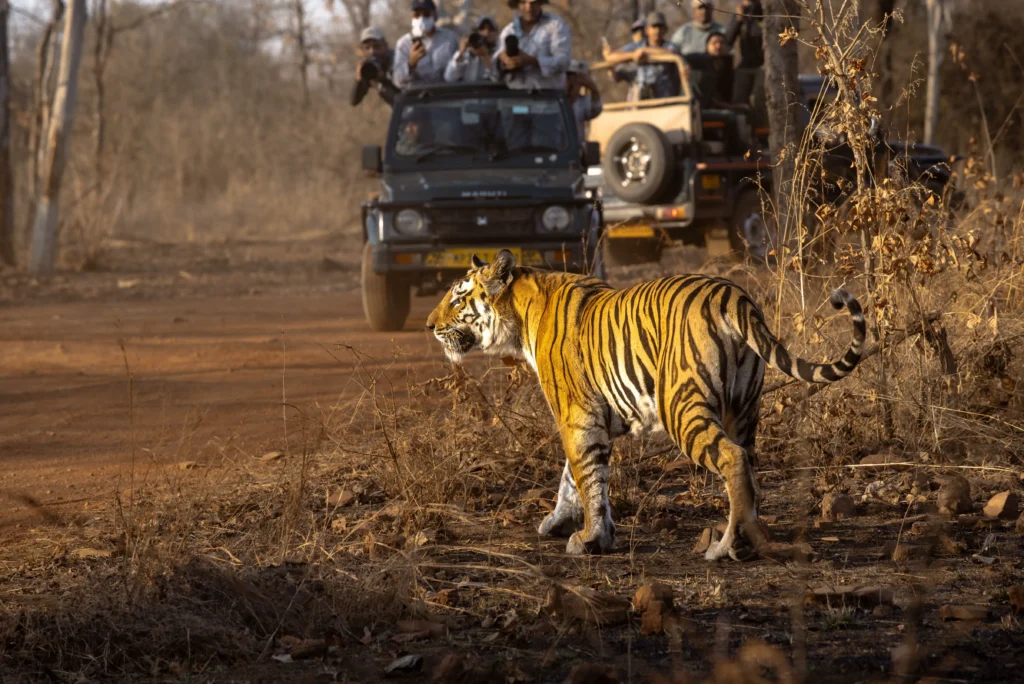
Best Wildlife Tour Operators in India: What Really Matters?
To choose the right provider, you first need to understand that the Indian wildlife tourism market is crowded with different types of businesses. The company with the most polished website or the highest advertising spend is not necessarily the one managing your daily safari drives or training your naturalist.
Tour Operator vs. Safari Reseller vs. Booking Agent
Understanding who you are actually dealing with is critical to avoiding a sub-par experience. The market is generally split into three tiers:
- Full-Service Wildlife Tour Operators: These companies design complete, end-to-end itineraries. They either own custom wilderness lodges or partner directly with specific eco-lodges. They employ their own dedicated naturalists, manage their own vehicles where permitted, and oversee all regional logistics, transfers, and meal plans.
- Safari Booking Agents / Resellers: These are often small, localized agents who focus almost exclusively on securing park entry permits and booking local transport gypsies. They rarely have a hand in lodge quality or naturalist training, and they generally do not offer holistic trip support if a flight is delayed or a park gate closes unexpectedly.
- Global Tour Brands: These large international companies sell broad Indian holiday packages that include wildlife destinations. While they offer exceptional customer service and clear communication during the planning phase, they almost always outsource the actual on-the-ground safari execution to local Indian specialists.
Field Note: A common mistake is assuming that a high price tag guarantees a specialized safari experience. If an operator cannot tell you which specific park zones your permits are being requested for, or cannot name the naturalist accompanying your vehicle, you are likely dealing with a generic reseller rather than a wildlife specialist.
What “Best” Means for Different Travelers
There is no single “best” overall operator because different travel styles require completely different operational capabilities on the ground.
- First-Time Safari Travelers: If you have never been on safari in India, your primary need is an operator that provides a simple, secure, end-to-end booking process. You need an entity that manages the convoluted state permit systems transparently and pairs you with comfortable, highly reliable logistics.
- Wildlife Photographers: Photographers require operators who understand zone strategies, light angles, and extended wait times. A photo-focused trip needs private vehicles, highly experienced tracking naturalists, and flexible daily schedules rather than rigid group tour timelines.
- Luxury Travelers: If your priority is high-end accommodation and premium hospitality, you should focus on lodge-led operators. These providers center your trip around boutique jungle properties and private expert guiding, ensuring premium service both inside and outside the park gates.
- Family Groups: Traveling with children or multi-generational families requires an operator focused on smooth logistics, comfortable pacing, and properties with excellent safety standards and support facilities.
Operator Typology Framework
| Operator Type | Best For | Operational Reality |
| Boutique Lodge Specialist | Luxury travelers, custom itineraries, and high-touch guiding. | Owns or strictly manages a network of eco-lodges; maintains internal naturalist teams. |
| Local Destination Expert | Deep, park-specific zone strategies and targeted species tracking. | Focuses heavily on a specific region or handful of core reserves; strong local park relationships. |
| Global Tour Brand | Multi-destination international travelers needing broad logistics. | Manages international flights and general touring, but outsources the safari execution to local specialists. |
| Pure Reseller / Agent | Basic permit acquisition for independent budget travelers. | Operates as a ticket broker; offers zero control over lodging, vehicles, or naturalist quality. |
Best Operators by Travel Style
Selecting the right operator requires matching their on-the-ground strengths with your specific travel goals. A company that excels at setting up a high-end luxury vacation may not have the niche tracking expertise required for a dedicated birding or photography trip.
Luxury Wildlife Operators and Lodge-Led Experiences
The Practical Choice: Choose a lodge-led operator if your priority is premium comfort, highly trained in-house naturalists, and seamless control over your daily schedule outside the park gates.
When planning a luxury safari, look for companies that own or deeply manage their own wilderness properties rather than relying entirely on third-party hotels. Operators like Pugdundee Safaris manage a network of 7 boutique jungle lodges across Central India, which allows them to maintain strict control over hospitality standards and naturalist training.
Lodge-led experiences generally offer better-quality food, higher eco-standards, and dedicated field guides who stay with the property year-round, meaning they understand local wildlife movements intimately. These operators focus on custom, high-touch itineraries rather than rigid group departures.
Tiger Safari Specialists
The Practical Choice: Choose a dedicated Indian wildlife specialist with decades of field operational experience if your primary objective is maximizing tiger tracking across multiple national parks.
If your trip is centered on visiting high-demand tiger reserves like Ranthambore, Corbett, Bandhavgarh, Kanha, Pench, or Tadoba, you need an operator with an extensive local footprint. Long-running domestic specialists, such as Nature Safari India (established in June 2000 with more than 18 years of documented tracking experience), understand the precise logistical nuances of these parks.
Tiger specialists know how to navigate the strict zone allocation systems of different state forest departments, ensuring your safari permits are distributed strategically across prime tracking sectors rather than left to chance.
Photography and Birding Specialists
The Practical Choice: Choose specialized operators that offer private vehicle access, flexible field hours, and guides trained specifically in avian or mammalian behavior.
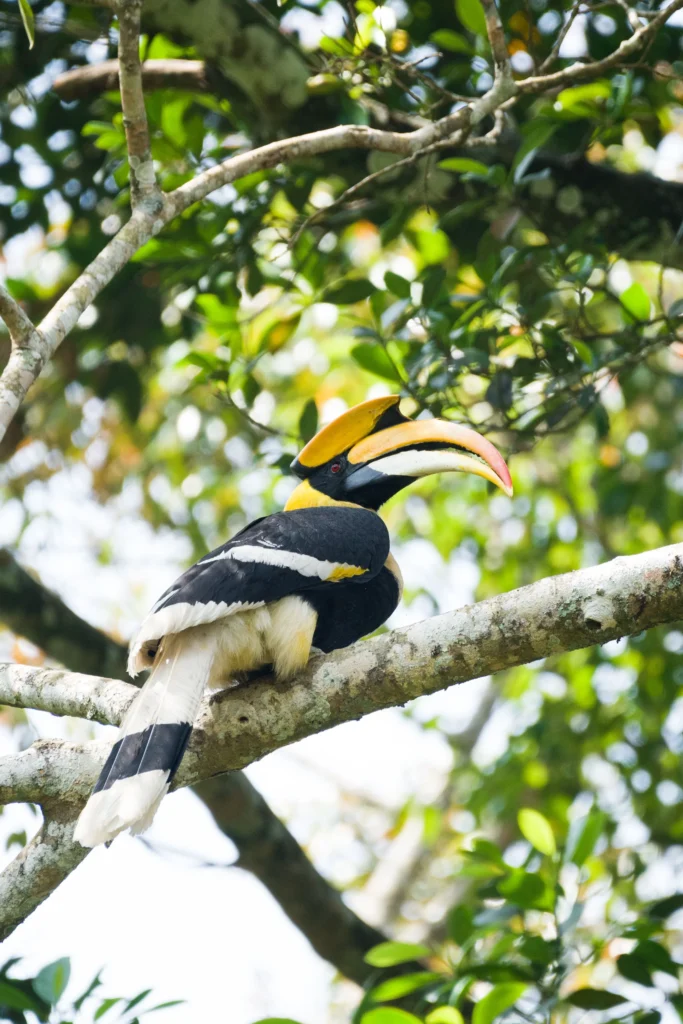
Serious wildlife photography and birding require a completely different pace than a standard holiday. For birding tours, operators must have deep knowledge of specific regional flyways and micro-habitats, particularly in areas like Northeast India or the Himalayan foothills.
For photography, look for providers that guarantee private vehicles (avoiding shared gypsies) and pair you with naturalists who understand how to position a vehicle relative to the sun angle and animal tracks. These operators avoid rigid schedules, allowing you to wait out a single animal at a waterhole for hours if needed.
Family-Friendly and All-In-One Operators
The Practical Choice: Choose an established, full-service destination management company if you are traveling with children or multi-generational groups who require comfortable pacing and predictable logistics.
Family safaris require exceptional logistical coordination, reliable private transport transfers between parks, and accommodations that feature family-friendly layouts and safety measures. The best choices are operators that handle everything—from airport meet-and-greets to dietary tracking and medical contingency plans—ensuring that children or older travelers face minimal physical strain during long transit days.
Travel Style vs. Operator Fit
| Traveler Type | Core Operational Need | Best Operator Profile |
| Luxury Traveler | Premium amenities, private guides, boutique eco-properties. | Lodge-Led Operator: Controls the entire accommodation and hospitality chain directly. |
| Photographer / Birder | Flexible hours, zone strategy, expert tracking naturalists. | Niche Specialist: Focuses on private vehicle booking and species-specific itineraries. |
| Tiger Focused | Multi-park zone management, high permit reliability. | Long-Running Local Expert: Deep relationships with state forest departments and park systems. |
| Family Groups | Smooth transfers, flexible pacing, safe and contained lodges. | Full-Service Operator: Handles end-to-end regional logistics with dedicated support cars. |
Best Operators by Regional Specialization
India’s wilderness areas are geographically diverse and governed by different state regulations. An operator that runs flawless safaris in the dry deciduous forests of Rajasthan may lack the network or equipment needed for a specialized expedition in the high-altitude Himalayas or the dense riverine tallgrass of the Northeast.
Central India and Rajasthan
Central India (Madhya Pradesh and Maharashtra) is the heart of tiger conservation, home to Kanha, Bandhavgarh, Pench, Panna, and Tadoba. This region relies heavily on vehicle-based tracking along designated park tracks. Operators with physical lodge infrastructure here excel at managing multi-reserve itineraries.
In Rajasthan’s Ranthambore, the system is intensely competitive; a provider with excellent, long-standing local driver connections is critical to securing vehicles that are well-maintained and assigned to high-probability wildlife zones.
Corbett, Northern India, and the Himalayas
The sub-Himalayan terrain of Jim Corbett National Park introduces complex multi-zone overnight stays inside the government forest rest houses (such as Dhikala), which require precise booking timelines. Operators working in northern India must be adept at coordinating both open gypsy drives and specialized riverine elephant or walking safaris where permitted.
Further north, in the high-altitude regions of Ladakh or Himachal Pradesh, operators must switch to extreme-weather logistics, mountain guides, and specialized spotters capable of tracking species like snow leopards or Himalayan brown bears.
Northeast India, Coastal, and Island Wildlife
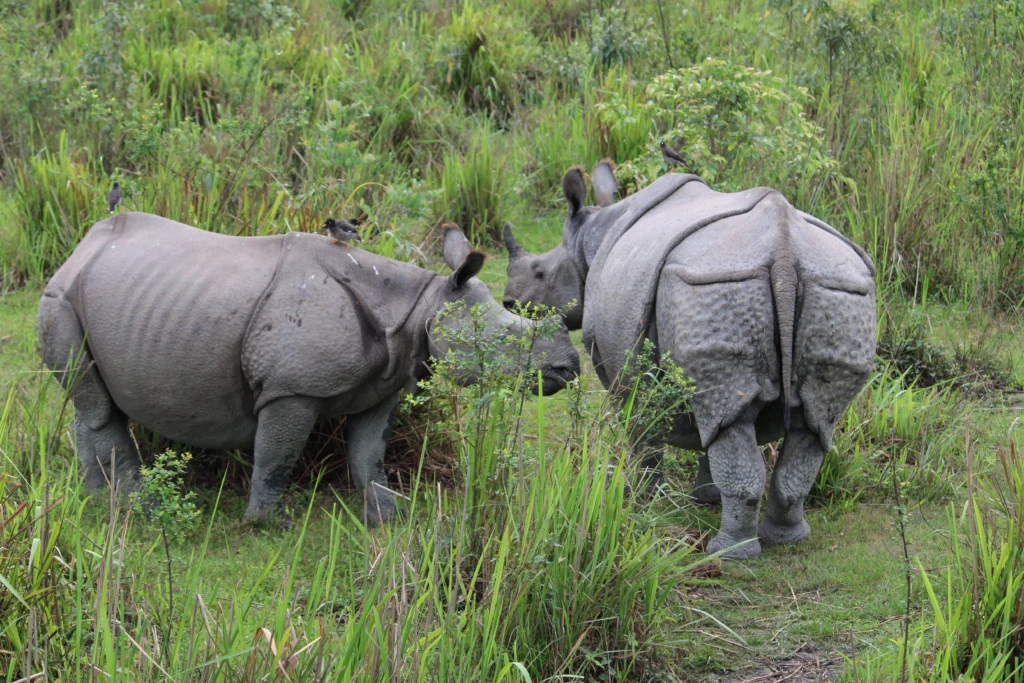
Parks like Kaziranga in Assam require operators who understand the unique dynamics of tracking the one-horned rhinoceros and wild water buffalo via elephant-back and open-top 4×4 safaris. The region requires extensive local community integration.
If you are looking to explore marine life, mangrove ecosystems like the Sundarbans, or island wildlife in the Andamans, ensure your chosen operator specializes in boat-based safaris, marine biology-trained naturalists, and localized water safety compliance.
Sustainability Standards and Responsible Tourism
Wildlife tourism can put significant pressure on fragile habitats if not managed correctly. Choosing an operator that prioritizes conservation ensures that your travel spend directly supports habitat protection and local communities rather than contributing to degradation.
The Role of TOFTigers and Eco-Certifications
When vetting operators and lodges, look for verified third-party eco-certifications rather than self-proclaimed green branding. TOFTigers (Tour Operators for Tigers), a sustainable wildlife tourism charity alliance that marked its 20th anniversary in 2024, acts as a major benchmarking body in the region. They run the TOFTigers Wildlife Travel Awards across at least 13 distinct categories to recognize sustainable practices, guide training, and climate action.
Properties and operators affiliated with TOFTigers undergo rigorous audits under standards like the PUG (Eco-rating) certification. Similarly, in regions like Madhya Pradesh, several wilderness accommodations in Kanha, Pench, Panna, and Bandhavgarh have been awarded the Footprint certification, signaling verifiable adherence to sustainable operations.
Evaluating Conservation Impact and Local Benefits
Genuine sustainability is visible in the operational choices an operator makes on the ground. Look for providers that demonstrate the following practices:
- Local Employment: They employ and train lodge staff, drivers, and trackers from neighboring villages, ensuring wildlife preservation provides direct economic benefits to the community.
- Resource Management: They actively minimize single-use plastics, use solar energy where possible, and practice strict waste segregation.
- Rewilding Initiatives: Some top-tier operators invest a portion of their revenues into restoration projects, community schools, or anti-poaching support.
How to Compare and Vet Wildlife Operators
Because marketplace directories and online reviews mix specialized wildlife companies with broad, generic travel agents, you must use a clear evaluation process before paid bookings.
Assessing Park Knowledge, Inclusions, and Permit Handling
A reputable operator will clearly explain the operational reality of the park you are visiting. They must handle your permit procurement transparently through the official state forest department systems.
When evaluating a proposal, ensure it explicitly lists all inclusions. A low upfront quote often covers only lodging and basic transport, leaving you to pay unexpected fees for park entry, mandatory local guide allocations, and vehicle permits at the gate.
Navigating Cancellation Policies and Reviews
Global review platforms show wide variations in operator quality and booking volume. While volume is helpful, a high number of positive reviews for generic golden triangle tours does not mean that a company understands the zone strategies of a tiger reserve.
Furthermore, always review the cancellation terms carefully. Because government safari permits in India are strictly non-refundable and non-transferable once issued, a legitimate operator will have clear, structured terms explaining how permit fees are handled separately from lodge and vehicle cancellations.
Safari Operator Vetting Scorecard
| Vetting Criteria | What to Verify | Red Flag to Avoid |
| Permit Management | The operator requires your passport/ID upfront to book official state forest department permits. | They claim permits can be “sorted out on arrival” without official documentation. |
| Zone Allocation Strategy | They provide a clear plan of which park zones or gates your vehicle will access. | They give vague promises of seeing wildlife without mentioning specific park zones. |
| Naturalist Standards | They name their specific field naturalists or state if the lodge provides certified in-house guides. | They rely completely on the mandatory daily guides assigned randomly at the park gate. |
| Pricing Transparency | The quote clearly includes park entry fees, vehicle costs, guide fees, and taxes. | The fine print states that park fees and safari vehicle costs are paid separately on-site. |
Common Safari Booking Mistakes to Avoid
- Choosing Solely on Price: Choosing the cheapest option usually means you are booking with a reseller who cuts corners on vehicle maintenance, driver experience, and naturalist quality.
- Equating Luxury Rooms with Wildlife Results: A premium room rate does not correlate to better wildlife tracking. Guide skill, zone planning, and time spent in the field dictate your sightings—not the thread count of your bedsheets.
- Relying Blindly on High Review Volume: A large company with tens of thousands of generic sightseeing reviews may lack the specific niche operational knowledge required to manage a complex birding or photography itinerary.
- Treating All Booking Agents as Operators: Ensure you are working with an entity that directly controls or meticulously coordinates your field logistics, rather than a ticket broker who disappears once your permits are emailed.
Frequently Asked Questions
What exactly does a wildlife tour operator handle in India?
A comprehensive wildlife tour operator coordinates your entire itinerary, including jungle lodge bookings, airport and inter-park transfers, meals, private vehicle arrangements, and the complex reservation of official national park entry permits.
Are safari booking agents and full tour operators the same thing?
No. Safari booking agents generally act as simple ticket resellers who secure park entry permits and local gypsies. Full tour operators design complete journeys, employ or contract trained naturalists, manage specialized logistics, and provide end-to-end trip support.
Do reputable wildlife operators guarantee tiger sightings?
No reputable operator will ever guarantee a wildlife sighting. Safaris depend entirely on wild animal behavior, seasonal weather patterns, and park conditions. Expert operators can only maximize your probabilities by using skilled trackers and strategic zone planning.
How do tour operators manage official safari permits?
Tour operators submit your identification details directly into the official state forest department booking portals. While they manage the process for you, the actual permits remain tied to your name and ID, issued directly by government authorities.
Can I book directly with an Indian national park instead of using an operator?
Yes, independent travelers can book safari permits directly through official state tourism or forestry websites. However, a specialized operator is highly recommended to manage the complex coordination of local vehicles, lodge transfers, and zone strategies across multi-day trips.
What is TOFTigers, and why should travelers check for its affiliation?
TOFTigers is an international sustainable tourism alliance dedicated to preserving wild habitats through responsible travel. Checking for TOFTigers affiliation or PUG/Footprint certification ensures that the operator or lodge follows verified eco-standards and supports local communities.
Conclusion
Planning a safari in India requires balancing highly regulated park entry rules with diverse lodging and guiding options. By shifting your focus away from generic internet ads and instead evaluating operators based on their regional specialization, permit transparency, naturalist training, and sustainable eco-certifications, you can ensure a well-planned, ethical, and seamless wildlife journey.
Tiger Safari in India : Topics Cluster
- Tiger Safari Planning Workbook
- Tiger Safari Booking Guide
- Best time for tiger sightings in India
- How to increase chances of tiger sighting?
- Tiger Safari Naturalist Guide
- Tiger Safari India Cost
- How to book a Tiger Safari in India?
- Best Wildlife Tour Operators in India
- Best Destination Cities for Tiger Safaris in India
- Tiger Safari under ₹25000
- Top 10 Budget Tiger Safaris 2026
- Tiger Photography Tips
- Best Tiger Reserves
- Top 10 Tiger Reserves by sighting chances
Safari Planning : Topics Cluster
- How to book a wildlife safari in India?
- Park by Park Online Safari Booking Guide
- Tiger Safari India Planning Workbook
- Park by Park Safari Permits Guide
- National Parks Permit Guide – Park by Park Guide
- Tatkal Safari Booking Guide – Last Minute Safari Permits Booking
- Tiger Safari in India Cost
- Indian Wildlife Safari Budget Planner
- Jeep vs Canter Safari
- Best time for Tiger Sightings in India
- How far advanced should you book safari permits?
- Can foreigners book Indian Wildlife Safari online?
- Special Permits Guide for Foreigners and Domestic Visitors
- How to book a Safari Permit online in India? 2026 step by step guide
- Senior Citizens Friendly Safari Planning
- Multi Generation Family Safari Planning
- 50 things to know before your first safari in India
Luxury Safari in India : Topics Cluster