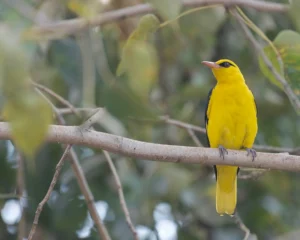
Plan your visit to Neora Valley National Park with this complete guide covering wildlife, permits, trekking, best time to visit, how to reach, stays, and travel tips.
Neora Valley National Park: A Complete Guide to One of India’s Most Pristine Himalayan Forests
Introduction
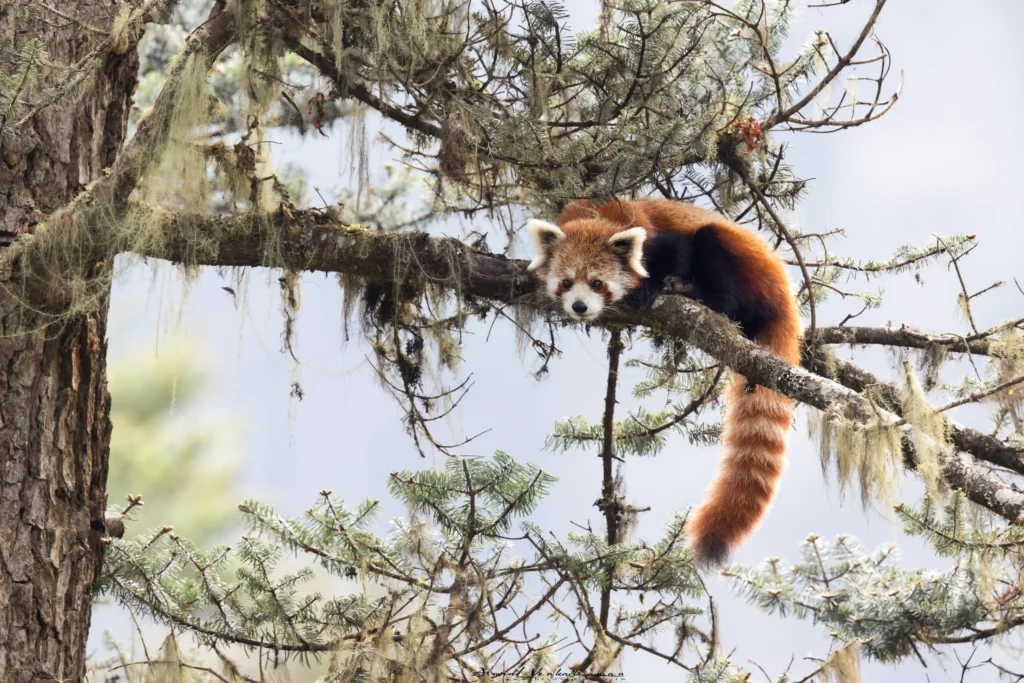
Neora Valley National Park is one of India’s least disturbed protected forests. Located in the Kalimpong district of West Bengal, it covers about 88 square kilometres and protects an important section of the Eastern Himalayas. Its steep terrain, dense forests and limited human access have helped preserve habitats that support rare wildlife, including the red panda, clouded leopard and many Himalayan bird species.
Unlike national parks known for jeep safaris, Neora Valley offers a different experience. Visitors come here to explore mountain forests, observe birds, walk through rhododendron and bamboo habitats, and appreciate a landscape that has remained largely unchanged. Wildlife sightings are possible but never guaranteed, making patience and realistic expectations an important part of the visit.
The park also plays an important ecological role beyond its boundaries. It forms part of a larger network of protected forests linking West Bengal with neighbouring Sikkim and Bhutan, allowing wildlife to move across the Eastern Himalayan landscape. Its recognition on UNESCO’s Tentative World Heritage List further highlights its conservation significance.
Whether you are planning your first trip to North Bengal, hoping to photograph Himalayan birds, or simply looking for a quieter alternative to more popular hill destinations, this guide explains what makes Neora Valley unique and how to plan a rewarding visit.
Neora Valley National Park at a Glance
| Feature | Details |
| Location | Kalimpong district, West Bengal |
| National Park Status | Declared in 1992 |
| Area | Approximately 88 sq km |
| Elevation | About 183 m to 3,200 m |
| Famous For | Red panda habitat, Himalayan forests, birdwatching, trekking |
| UNESCO Status | Included on UNESCO’s Tentative World Heritage List |
| Main Access Bases | Lava, Kolakham and Samsing |
| Best For | Nature enthusiasts, birdwatchers, trekkers and wildlife travellers |
Why Neora Valley Stands Apart
Many protected areas in India are centred around vehicle-based wildlife safaris. Neora Valley is different. Its rugged terrain and conservation priorities limit visitor access, helping preserve one of the country’s most intact Himalayan forest ecosystems. Instead of spending a few hours driving through open grasslands, visitors experience dense mountain forests, changing vegetation with altitude and a quieter style of wildlife tourism.
Who Should Visit Neora Valley?
Neora Valley is particularly suitable for:
- Wildlife enthusiasts interested in Himalayan ecosystems.
- Birdwatchers looking for rare Eastern Himalayan species.
- Trekkers seeking forest trails rather than high-altitude expeditions.
- Photographers interested in forests, landscapes and birdlife.
- Travellers who enjoy slower, nature-focused holidays instead of conventional sightseeing.
Visitors expecting guaranteed sightings of large mammals or extensive jeep safari routes may find other national parks better suited to those interests.
Field Note: One of Neora Valley’s greatest strengths is also what makes it different from many Indian parks. Much of the forest remains difficult to access, and that limited accessibility has helped preserve habitats for sensitive wildlife that struggles to survive in more heavily visited landscapes.
Where Is Neora Valley National Park?
Location and Geography
Neora Valley National Park lies in the Kalimpong district of northern West Bengal, close to the borders of Sikkim and Bhutan. This strategic location places it within the globally significant Eastern Himalayan biodiversity region, where steep elevation changes create a remarkable variety of habitats within a relatively small area.
For most visitors, Lava serves as the principal gateway to the park. Other access points, including Kolakham and Samsing, provide different approaches depending on the activities planned and the areas visitors wish to explore. These settlements also offer accommodation and local transport options, making them convenient bases for exploring the surrounding forests.
Landscape and Elevation
The park rises from approximately 183 metres above sea level to around 3,200 metres, creating a diverse range of climatic conditions and vegetation types. Lower elevations support subtropical forests, while higher slopes transition into temperate broadleaf forests, bamboo thickets, conifers and rhododendron-dominated habitats. This variation in altitude is one of the main reasons the park supports such a wide range of wildlife and plant species.
Steep valleys, mountain streams and dense forest cover also make much of the park physically challenging to explore. While this limits tourism infrastructure compared with many other national parks, it has also helped maintain the area’s ecological integrity.
Why Its Location Matters for Wildlife
Neora Valley is not an isolated forest. It forms part of a much larger conservation landscape that connects protected habitats across West Bengal, Sikkim and Bhutan. These natural links allow species such as the red panda and other mountain wildlife to move between forests, maintaining healthier populations over time.
This landscape-level connectivity is one of the reasons conservationists consider Neora Valley particularly important. Protecting the park helps conserve not only its own wildlife but also the wider Eastern Himalayan ecosystem that extends beyond state and national boundaries.
Why Neora Valley National Park Is One of the Eastern Himalayas’ Most Important Protected Forests
Neora Valley National Park is far more than a scenic forest near Kalimpong. It protects one of the last large tracts of relatively undisturbed Eastern Himalayan forest in West Bengal. The park’s rugged terrain, wide elevation range and strategic location have allowed a remarkable variety of habitats to survive, making it an important refuge for many rare and elusive species.
Unlike many protected areas where tourism is the primary attraction, Neora Valley’s importance lies in its ecological value. Much of the forest remains difficult to access, which has helped preserve natural processes and minimise human disturbance over several decades.
An Eastern Himalayan Biodiversity Hotspot
The Eastern Himalayas are recognised globally for their exceptional biological diversity, and Neora Valley forms an important part of this landscape. Within just 88 square kilometres, the park encompasses habitats ranging from subtropical forests in the lower valleys to temperate broadleaf forests, bamboo stands, rhododendron forests and higher-elevation coniferous vegetation.
These changing habitats support an impressive variety of wildlife.
The park is known to support:
- More than 31 mammal species
- Around 258 bird species
- Approximately 276 insect species
- Numerous reptiles, amphibians and other invertebrates, including native leech species that play a natural role in the forest ecosystem.
Rather than concentrating around open grasslands or waterholes, much of this wildlife occupies dense mountain forests where sightings require patience, quiet observation and a measure of luck.
UNESCO Tentative World Heritage Status
One of Neora Valley’s distinguishing features is its inclusion on UNESCO’s Tentative List of World Heritage Sites under natural criteria.
Although this is not the same as full World Heritage inscription, it recognises the park’s outstanding ecological significance and its potential to meet international conservation standards. The nomination highlights the park’s intact Himalayan forests, high biodiversity and landscape connectivity.
For visitors, this recognition is a reminder that Neora Valley is valued primarily as a functioning natural ecosystem rather than a conventional tourist destination.
Expert Tip: UNESCO Tentative status should not be confused with official World Heritage Site status. It indicates that the site has been proposed for consideration but has not yet been formally inscribed.
A Forest Connected Beyond Its Borders
Wildlife conservation rarely succeeds when protected areas function in isolation.
Neora Valley is particularly valuable because it forms part of a much larger network of Himalayan forests. The park shares ecological connections with protected landscapes in neighbouring Sikkim and Bhutan, including Pangolakha Wildlife Sanctuary and Bhutan’s Toorsa Strict Nature Reserve. Its southern forests also link with other protected areas in North Bengal, creating opportunities for wildlife movement across the region.
These connections are especially important for wide-ranging mammals that require extensive territories or depend on genetic exchange between populations.
Protecting Neora Valley therefore contributes not only to the conservation of species within the park but also to the health of the wider Eastern Himalayan landscape.
Why the Forest Remains So Well Preserved
Many national parks have experienced increasing tourism infrastructure over recent decades.
Neora Valley has followed a different path.
Several factors have helped maintain its ecological condition:
- Steep and rugged mountain terrain.
- Dense forest cover with limited road access.
- Regulated visitor movement.
- Restricted entry into sensitive areas.
- Relatively low tourism pressure compared with many better-known parks.
This combination has allowed large sections of the forest to remain comparatively undisturbed.
For visitors, this means that Neora Valley offers a more authentic forest experience, but it also requires different expectations. Wildlife viewing often involves walking, careful observation and appreciating the forest as a complete ecosystem rather than focusing only on large mammals.
Wildlife of Neora Valley National Park
The park’s wildlife is one of its greatest attractions, although it differs significantly from the safari experience offered by India’s tiger reserves.
Here, dense vegetation and mountainous terrain make animals naturally difficult to observe. Successful wildlife watching depends more on time spent in suitable habitats than on covering long distances by vehicle.
Red Panda – The Park’s Signature Species
The red panda is undoubtedly Neora Valley’s most celebrated resident.
The cool temperate forests, dense bamboo undergrowth and relatively undisturbed habitat provide favourable conditions for this elusive Himalayan mammal. Because red pandas spend much of their lives high in trees and inhabit remote forest areas, sightings remain uncommon even for experienced naturalists.
Recent conservation initiatives have renewed attention on monitoring red panda populations, with the West Bengal Forest Department planning updated census work after several years. Earlier census efforts cited 35 red pandas within the Neora Valley context, although population estimates naturally change over time and should be interpreted cautiously.
Field Note: Visiting Neora Valley should never be planned solely around seeing a red panda. Consider any sighting a fortunate bonus rather than an expectation.
Mammals Found in Neora Valley
The park supports a diverse community of Himalayan mammals.
Some of the notable species recorded include:
| Species | Notes |
| Red Panda | Signature high-altitude species |
| Himalayan Black Bear | Occurs in forested areas |
| Clouded Leopard | Rare and highly elusive |
| Leopard Cat | Secretive small wild cat |
| Goral | Mountain ungulate found on steep slopes |
| Serow | Forest-dwelling mountain mammal |
| Barking Deer | Common forest herbivore |
| Sambar Deer | Large deer found in suitable habitats |
| Himalayan Tahr | Recorded from higher elevations |
| Dhole | Wild dog occurring in suitable habitats |
| Gaur | Present in parts of the landscape |
| Indian Leopard | Occasionally recorded |
| Pangolins | Rare and seldom observed |
Many of these animals are naturally nocturnal, shy or inhabit inaccessible terrain. As a result, even experienced wildlife photographers may spend several visits without encountering them.
Birdwatching Highlights
Neora Valley is widely regarded as one of the most rewarding birdwatching destinations in eastern India.
Its combination of altitude, habitat diversity and relatively intact forests supports numerous Himalayan species, including several that are difficult to find elsewhere.
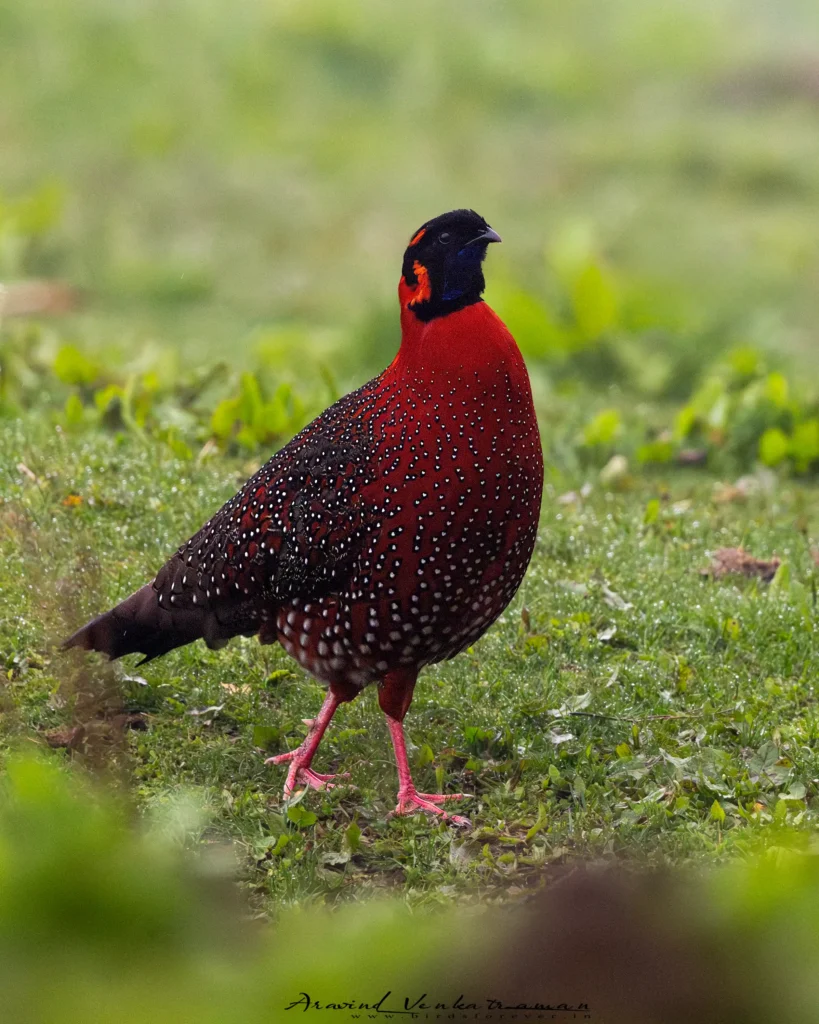

Among the important birds are:
- Ward’s Trogon
- Satyr Tragopan
- Rufous-necked Hornbill
- Rusty-bellied Shortwing
- Many other Himalayan forest birds associated with temperate broadleaf and mixed forests.
Because different elevations attract different bird communities, spending more than one day in the area often increases the variety of species that visitors can observe.
Photography Tip: A telephoto lens is invaluable for bird photography in Neora Valley. Dense vegetation often means birds are photographed through small openings in the forest rather than in open landscapes.
Flora and Forest Types
The vegetation changes noticeably with altitude.
Visitors may encounter:
- Evergreen subtropical forests.
- Temperate broadleaf forests.
- Oak forests.
- Bamboo thickets.
- Conifer stands.
- Rhododendron forests.
- Wild orchids growing naturally within the forest.
During spring, flowering rhododendrons add seasonal colour to parts of the landscape, while moss-covered trees, ferns and bamboo create the cool, moist conditions that characterise much of the park.
What Wildlife Can Visitors Realistically Expect?
One of the biggest misconceptions about Neora Valley is that it functions like a typical safari destination.
In reality, visitors are more likely to experience:
- Quiet forest walks.
- Birdwatching.
- Butterfly and insect observation.
- Scenic mountain forests.
- Diverse plant life.
- Occasional sightings of smaller mammals.
Large mammals and red pandas are present, but they remain elusive because of the park’s dense forests and rugged terrain. Approaching the visit with realistic expectations usually leads to a more rewarding experience, allowing visitors to appreciate the park’s ecological richness rather than focusing solely on a checklist of sightings.
Best Time to Visit Neora Valley National Park
The best time to visit Neora Valley depends on what you hope to experience. Unlike lowland national parks where wildlife viewing is the main focus, Neora Valley changes noticeably with the seasons. Forest conditions, flowering plants, bird activity, mountain views and accessibility all vary throughout the year.
For most visitors, spring, post-monsoon and winter offer the most favourable conditions. The monsoon transforms the forest into a lush green landscape but also brings heavy rainfall, slippery trails and occasional visitor restrictions.
Spring (March to May)
Spring is one of the most rewarding seasons for exploring Neora Valley.
Warmer temperatures encourage new plant growth, while flowering rhododendrons add colour to parts of the forest. Clear mornings also provide good opportunities for photography and birdwatching.
This season is particularly suitable for:
- Nature walks.
- Birdwatching.
- Forest photography.
- Visitors interested in Himalayan flora.
The pleasant weather also makes trekking more comfortable than during colder winter months.
Photography Tip: Early morning light filtering through flowering rhododendrons and moss-covered forests creates ideal conditions for landscape and woodland photography.
Summer (Late May to June)
Early summer remains a good time to visit before the heaviest monsoon rains arrive.
Forest vegetation becomes increasingly lush, and many birds remain active. However, weather conditions can become less predictable as the season progresses.
Visitors travelling during this period should remain flexible and check local weather forecasts before planning forest activities.
Monsoon (June to September)
The monsoon brings substantial rainfall to the Eastern Himalayas.
Although the forest appears at its greenest, heavy rain creates several challenges:
- Slippery trekking trails.
- Reduced visibility.
- Increased leech activity.
- Possible restrictions on visitor access.
- Higher risk of landslides on mountain roads.
Visitors should expect seasonal closures or restricted access during parts of the monsoon and should always confirm current conditions before travelling.
Practical Tip: Never assume the park is fully accessible during the rainy season. Contact local forest authorities or your accommodation provider shortly before your trip for the latest information.
Autumn (October to November)
As the monsoon retreats, Neora Valley becomes easier to explore.
Freshly washed forests, pleasant temperatures and improving visibility make this one of the most enjoyable times for visitors. Roads and trails generally become more reliable, while mountain landscapes regain their clarity after months of rain.
Autumn is an excellent season for:
- General sightseeing.
- Birdwatching.
- Forest walks.
- Multi-day holidays combining Lava, Kolakham and nearby destinations.
Winter (December to February)
Winter offers crisp weather and some of the clearest mountain views of the year.
Although mornings and evenings can be cold, many visitors appreciate the stable weather and excellent visibility. Birdwatching also remains rewarding during this period, particularly in suitable forest habitats.
Warm clothing is essential, especially if staying in higher-elevation villages such as Lava or Kolakham.
Season-by-Season Comparison
| Season | What to Expect | Best For |
| Spring | Pleasant weather, flowering rhododendrons | Nature walks, birdwatching, photography |
| Summer | Warm with increasing rainfall later | Short forest visits before monsoon |
| Monsoon | Heavy rain, slippery trails, possible closures | Experienced travellers only |
| Autumn | Clear skies, comfortable temperatures | General tourism, trekking, photography |
| Winter | Cold mornings, excellent visibility | Birdwatching, scenic views, peaceful holidays |
How to Reach Neora Valley National Park
Although Neora Valley protects a remote Himalayan landscape, reaching its main visitor bases is relatively straightforward. Most journeys begin from Bagdogra Airport, New Jalpaiguri (NJP) Railway Station, or Siliguri, followed by a road journey into the hills.
Rather than travelling directly into the national park, visitors first reach one of the nearby gateway villages, where accommodation, local transport and permit arrangements are available.
From Bagdogra Airport
Bagdogra is the nearest major airport serving the region.
After arriving, visitors typically continue by road to one of the park’s access bases, most commonly Lava, depending on their itinerary. Private taxis are widely available, while shared transport may also be an option for budget travellers.
From New Jalpaiguri (NJP) Railway Station
New Jalpaiguri is the principal rail gateway for visitors travelling from Kolkata, Delhi and many other Indian cities.
From NJP, the journey continues by road through the foothills toward Kalimpong district before reaching the chosen base village. Many travellers hire a taxi directly from the station for convenience.
From Siliguri
Siliguri serves as the commercial hub of North Bengal and is a common starting point for journeys into the Eastern Himalayas.
Visitors can arrange taxis or shared vehicles to Lava and other nearby villages from here. Those planning to explore multiple destinations in North Bengal often include Neora Valley as part of a longer itinerary that also covers Kalimpong or neighbouring hill regions.
Choosing the Right Base Village
Rather than staying inside the national park, most visitors choose accommodation in nearby settlements.
Lava
Lava is the most popular and practical base for first-time visitors.
It offers:
- Good accommodation choices.
- Easier transport connections.
- Access to permits and local guides.
- Convenient entry to several forest routes.
Kolakham
Kolakham is a quieter alternative for travellers seeking a more peaceful mountain environment.
It is well suited to:
- Nature photographers.
- Couples.
- Visitors looking for slower-paced holidays.
- Travellers interested in scenic Himalayan landscapes.
Samsing
Samsing provides access from another side of the landscape and is often combined with visits to nearby forests and tea garden regions.
It appeals to visitors interested in exploring a wider section of North Bengal rather than focusing exclusively on Neora Valley.
Entry Gates, Permits and Visitor Information
Because Neora Valley protects a sensitive Himalayan ecosystem, visitor access is regulated by the Forest Department.
Unlike some wildlife destinations where visitors can simply purchase a ticket and enter, Neora Valley requires a little more planning. Regulations may also change over time, so travellers should verify the latest procedures before their visit.
Do You Need a Permit?
Yes, the visitors should obtain the appropriate entry permits before entering regulated areas of the park. Exact procedures, fees and documentation requirements may change, so official local guidance should always take precedence over older travel articles.
Park Timings
Visitor timings may vary depending on the season and operational conditions.
As with permits, travellers should confirm current opening hours through the Forest Department or authorised local tourism offices shortly before travelling.
Visitor Restrictions
To protect wildlife and fragile mountain habitats, visitors should expect regulations such as:
- Restricted access to certain forest areas.
- Entry only through designated routes.
- Compliance with instructions from forest staff and guides.
- Responsible behaviour inside the protected area.
These measures help minimise disturbance to wildlife while maintaining visitor safety in challenging mountain terrain.
Responsible Tourism Tip: Regulations inside protected areas are designed to safeguard wildlife rather than inconvenience visitors. Following them helps preserve Neora Valley’s forests for future generations.
Things to Do in Neora Valley National Park
Neora Valley is best experienced at a slower pace. Unlike destinations built around jeep safaris or busy sightseeing circuits, the park rewards visitors who enjoy walking through forests, observing wildlife patiently and appreciating the changing landscapes of the Eastern Himalayas.
Trek Through Himalayan Forests
Trekking is one of the park’s main attractions. Several forest trails begin from gateway villages such as Lava and Samsing, offering opportunities to explore dense woodland, mountain streams and changing vegetation.
The terrain is often steep and uneven, so visitors should be prepared for moderate physical effort. Some routes require local guides or permissions, and access may vary depending on weather and conservation regulations.
Expert Tip: Choose a trek that matches your fitness level. Neora Valley’s trails are mountain walks through natural forest rather than developed hiking paths.
Go Birdwatching
Neora Valley is one of North Bengal’s most rewarding birdwatching destinations.
Its varied elevations and intact forests support a wide range of Himalayan birds, from colourful pheasants to elusive forest specialists. Bird activity is usually highest during the early morning, when the forest is quieter and temperatures are cooler.
Experienced birdwatchers often spend several days exploring different elevations to maximise the diversity of species encountered.
Observe Forest Wildlife
Although large mammals are rarely seen, Neora Valley offers excellent opportunities to appreciate the forest as a complete ecosystem.
Visitors may notice:
- Butterflies and insects.
- Mosses and lichens.
- Wild orchids.
- Bamboo forests.
- Rhododendron trees.
- Animal tracks and signs.
- Mountain streams and waterfalls.
Looking for these smaller details often makes the visit more rewarding than focusing solely on elusive mammals.
Nature Photography
Neora Valley offers excellent subjects for photographers throughout the year.
Popular photography opportunities include:
- Mist-covered forests.
- Rhododendron blooms in spring.
- Forest birds.
- Mountain landscapes.
- Tree ferns and moss-covered trunks.
- Forest textures and macro subjects.
Wildlife photography can be challenging because dense vegetation often obscures animals. Patience and quiet observation are far more valuable than rushing between locations.
Photography Tip: Carry rain protection for your camera in every season. Mountain weather can change quickly, even on otherwise clear days.
Learn About Himalayan Forest Ecology
Neora Valley is an ideal destination for travellers interested in understanding mountain ecosystems.
Changes in altitude create distinct forest communities, each supporting different plants and animals. Simply observing how the vegetation changes during a walk can provide valuable insight into the ecology of the Eastern Himalayas.
Choosing the Best Base for Your Visit
One of the most important planning decisions is choosing where to stay. Most visitors use Lava, Kolakham or Samsing as their base, with each offering a different experience.
Lava
Lava is the most convenient option for first-time visitors.
Best for:
- First-time travellers.
- Families.
- Birdwatchers.
- Visitors with limited time.
Advantages
- Largest choice of accommodation.
- Better transport connectivity.
- Easy access to permits and guides.
- Convenient starting point for exploring the park.
Kolakham
Kolakham is a quieter mountain village surrounded by forests and scenic viewpoints.
Best for:
- Couples.
- Nature photographers.
- Visitors seeking peace and solitude.
- Slow-paced holidays.
Accommodation is generally smaller in scale, offering a more intimate experience than busier tourist centres.
Samsing
Samsing provides access from a different side of the landscape and is often combined with nearby forests and tea gardens.
Best for:
- Repeat visitors.
- Nature enthusiasts.
- Travellers exploring multiple North Bengal destinations.
Its lower elevation creates a noticeably different environment from Lava and Kolakham, making it an interesting addition to longer itineraries.
Comparison: Which Base Should You Choose?
| Base | Best For | Advantages |
| Lava | First-time visitors | Best infrastructure, guides, accommodation and transport |
| Kolakham | Quiet holidays | Scenic surroundings and peaceful atmosphere |
| Samsing | Extended North Bengal trips | Different access route and combination with nearby attractions |
Decision Guide: If this is your first visit, choose Lava. If you have extra time and prefer a quieter experience, consider spending one or two nights in Kolakham after exploring the park.
Suggested Itineraries
One-Day Visit
Suitable for travellers already staying in Kalimpong or Lava.
Suggested plan:
- Early morning departure.
- Obtain permits if required.
- Guided forest visit.
- Birdwatching and photography.
- Return to your accommodation before evening.
Two-Day Wildlife Trip
A two-day itinerary provides a much more relaxed experience.
Day 1
- Arrive at Lava or Kolakham.
- Explore nearby forests.
- Evening birdwatching or nature walk.
Day 2
- Early morning guided visit to Neora Valley.
- Forest exploration.
- Return after lunch.
Three-Day Nature Holiday
Visitors with three days can combine Neora Valley with nearby attractions around Kalimpong and North Bengal.
A longer stay also improves opportunities for birdwatching and allows flexibility if weather conditions change unexpectedly.
Responsible Tourism in Neora Valley
The forests of Neora Valley support sensitive Himalayan wildlife that depends on minimal disturbance.
Responsible travel helps ensure these habitats remain healthy for future generations.
Stay on Approved Routes
Leaving designated trails can damage vegetation and disturb wildlife.
Always follow instructions from forest staff and local guides.
Respect Wildlife
Observe animals from a distance.
Avoid:
- Chasing wildlife.
- Loud conversations.
- Playing recorded bird calls.
- Feeding wild animals.
- Flash photography where it may disturb wildlife.
Remember that every visitor shares responsibility for protecting the park’s natural behaviour patterns.
Leave No Trace
Carry all litter out of the forest.
Even biodegradable waste can affect wildlife and alter natural feeding behaviour.
Reusable water bottles and reusable food containers help reduce plastic waste during your visit.
Support Local Communities
Whenever possible:
- Hire local guides.
- Stay in locally managed accommodation.
- Purchase locally produced handicrafts and food.
- Respect local customs and traditions.
Nature tourism benefits conservation most when nearby communities also benefit economically from protecting the forest.
Responsible Tourism Tip: Neora Valley’s greatest attraction is that much of it still feels wild. Every responsible visitor helps keep it that way by travelling thoughtfully and leaving the forest exactly as they found it.
Common Mistakes Visitors Make
A little planning goes a long way in Neora Valley. The park is very different from India’s better-known wildlife destinations, and first-time visitors sometimes arrive with unrealistic expectations.
Expecting a Typical Jeep Safari
Neora Valley is not a safari park in the style of Kaziranga, Corbett or Bandhavgarh.
Its rugged Himalayan terrain and conservation priorities mean the experience focuses on forests, trekking, birdwatching and nature observation rather than long vehicle safaris. Visitors who understand this beforehand are more likely to enjoy the park for what it offers.
Planning the Trip Around Seeing a Red Panda
The red panda is the park’s flagship species, but it is also one of its most elusive.
Even experienced wildlife researchers may spend days in suitable habitat without a sighting. Visit Neora Valley for its forests and biodiversity rather than expecting to see a particular animal.
Visiting During the Monsoon Without Checking Conditions
Heavy rainfall can affect road access, trekking routes and visitor regulations.
Before travelling during the rainy season, confirm the latest conditions with local authorities or your accommodation provider.
Underestimating the Mountain Climate
Weather can change quickly in the Eastern Himalayas.
Even during warmer months, mornings, evenings and higher elevations may feel considerably cooler than the plains. Carry layered clothing and basic rain protection throughout the year.
Skipping Local Guides
Local guides not only improve your chances of spotting wildlife but also help visitors understand the park’s ecology, identify birds and follow permitted routes responsibly.
Hiring local guides also supports nearby communities that benefit from conservation-based tourism.
Frequently Asked Questions
Where is Neora Valley National Park?
Neora Valley National Park is located in the Kalimpong district of West Bengal, close to the borders of Sikkim and Bhutan.
Why is Neora Valley famous?
The park is known for its relatively undisturbed Himalayan forests, rich birdlife, diverse habitats and as an important refuge for the endangered red panda. It is also included on UNESCO’s Tentative World Heritage List.
What is the best time to visit?
For most travellers, spring (March to May), autumn (October to November) and winter (December to February) provide the most pleasant weather and the best conditions for exploring the park.
Can visitors see red pandas?
Yes, red pandas occur in Neora Valley, but sightings are uncommon. They are shy, inhabit dense forests and are never guaranteed.
Are permits required?
Yes. Visitors should obtain the necessary permits before entering regulated areas and should confirm the latest procedures before travelling.
Is Neora Valley suitable for families?
Yes, particularly for families who enjoy nature, birdwatching and peaceful mountain environments. However, some trekking routes may not be suitable for young children or travellers with limited mobility.
Which village is the best base for first-time visitors?
Lava is generally the most convenient choice because it offers better accommodation, transport links and easier access to guides and park entry points.
Can I drive through the national park on my own?
Visitors should not assume unrestricted vehicle access. Entry routes, permits and visitor movement are regulated to protect the park’s fragile ecosystem.
Is Neora Valley good for birdwatching?
Yes. The park is widely recognised as one of the premier birdwatching destinations in North Bengal, supporting numerous Himalayan forest species.
How many days should I spend in the area?
A two- to three-day visit provides enough time to explore nearby forests, enjoy birdwatching and experience the region at a relaxed pace.
Conclusion
Neora Valley National Park is one of India’s most rewarding destinations for travellers who appreciate forests, wildlife and mountain landscapes in their natural state. Rather than offering fast-paced sightseeing or guaranteed wildlife encounters, it invites visitors to slow down, observe carefully and experience the remarkable diversity of the Eastern Himalayas.
Its significance extends well beyond tourism. As a protected landscape linking forests across West Bengal, Sikkim and Bhutan, Neora Valley plays an important role in conserving species such as the red panda, clouded leopard and many rare Himalayan birds. Its inclusion on UNESCO’s Tentative World Heritage List further reflects its ecological importance.
Whether you visit for birdwatching, trekking, photography or simply to spend time in an ancient mountain forest, thoughtful planning and realistic expectations will make the experience far more rewarding. Choose the right season, respect park regulations, support local communities and allow yourself enough time to appreciate the quiet beauty that makes Neora Valley unlike almost any other protected area in eastern India.