Discover where saltwater crocodiles live in India, latest population estimates, conservation success, travel tips, habitats, safety advice, and FAQs.
Introduction, Species Overview & Distribution
Introduction
Saltwater crocodiles are India’s largest reptiles and among the country’s most powerful predators. Although often associated with Australia’s northern coast, the species also has an important presence in India, where it inhabits mangrove forests, estuaries, tidal rivers, and coastal wetlands. Today, Odisha supports the country’s strongest mainland population, with Bhitarkanika widely recognised as the centre of India’s saltwater crocodile recovery programme.
The story of the saltwater crocodile in India is not only about an apex predator but also about conservation. Intensive protection that began in the 1970s helped the species recover from severe declines caused by hunting and habitat loss. Recent population estimates indicate that Odisha continues to support a healthy and growing population, demonstrating how long-term habitat protection and scientific monitoring can benefit wildlife.
For travellers, these crocodiles are an important part of India’s mangrove ecosystems rather than simply an attraction. Understanding where they occur, how they behave, and how to observe them responsibly helps visitors appreciate these remarkable reptiles while staying safe.
This guide explains where saltwater crocodiles live in India, how their population has changed, why Bhitarkanika is so significant, how they differ from India’s other crocodilian species, and what visitors should know before exploring crocodile habitats.
What Is a Saltwater Crocodile?
The saltwater crocodile (Crocodylus porosus), also known as the estuarine crocodile, is the largest living reptile in the world. Despite its common name, it is not restricted to marine environments. The species regularly occupies estuaries, tidal creeks, mangrove forests, coastal rivers, lagoons, and even freshwater stretches connected to coastal systems. This adaptability explains its broad distribution across the Indo-Pacific region and its continued success in suitable habitats within India.
Scientific Name
- Scientific name: Crocodylus porosus
- Family: Crocodylidae
- Common names: Saltwater crocodile, Estuarine crocodile
The name “estuarine crocodile” more accurately reflects its preferred habitat because many individuals spend considerable time in brackish estuaries and freshwater rivers rather than in open sea conditions.
Physical Characteristics
Saltwater crocodiles have several features that distinguish them from India’s other crocodilians:
- Broad, powerful snout
- Heavily armoured body covered with bony scutes
- Strong muscular tail used for propulsion
- Eyes and nostrils positioned high on the head for stealth while submerged
- Olive to grey body colour that blends well with muddy estuarine environments
Adult males are substantially larger than females and become increasingly territorial as they mature.
Why They Are Apex Predators
Saltwater crocodiles occupy the highest level of the food chain in mangrove ecosystems. Their varied diet includes fish, crustaceans, reptiles, birds, and mammals, helping regulate prey populations and maintain ecological balance within coastal wetlands. As apex predators, they also serve as indicators of healthy estuarine habitats, where intact food webs and protected wetlands support their long-term survival.
Where Are Saltwater Crocodiles Found in India?
Saltwater crocodiles have a relatively restricted distribution in India compared with mugger crocodiles. They are closely associated with the country’s eastern coastline and island ecosystems, where mangrove forests, estuaries, and tidal rivers provide suitable habitat.
The strongest mainland population occurs in Odisha, particularly within the Bhitarkanika landscape. Smaller populations also occur in the Indian Sundarbans, parts of the Andaman and Nicobar Islands, and selected coastal areas of Tamil Nadu and Andhra Pradesh. These populations occupy interconnected wetlands where freshwater mixes with seawater, creating ideal estuarine conditions.
Distribution Across India
| State/Region | Key Protected Areas | Habitat Type | Population Status |
| Odisha | Bhitarkanika National Park, Bhitarkanika Wildlife Sanctuary, Gahirmatha region | Mangroves, estuaries, tidal rivers | India’s largest mainland population |
| West Bengal | Sundarbans | Mangrove delta | Established wild population |
| Andaman & Nicobar Islands | Coastal wetlands and creeks | Mangroves, estuaries | Naturally occurring island populations |
| Andhra Pradesh | Selected estuarine systems | Coastal rivers and estuaries | Localised presence |
| Tamil Nadu | Coastal wetlands | Estuaries and mangrove habitats | Limited distribution |
Field Note
One of the biggest misconceptions is that saltwater crocodiles live only in the sea. In reality, many individuals spend much of their lives in estuaries, tidal rivers, and freshwater channels connected to coastal wetlands. Their ability to move between different water types is one reason they have successfully colonised diverse coastal habitats across the Indo-Pacific region.
Odisha: India’s Saltwater Crocodile Stronghold, Population Status & Habitat
Why Odisha Is India’s Saltwater Crocodile Stronghold
If there is one place that defines the conservation story of saltwater crocodiles in India, it is Odisha. The state’s network of mangrove forests, tidal rivers, mudflats, and estuaries provides ideal habitat for Crocodylus porosus, while decades of sustained conservation have allowed the population to recover from dangerously low levels.
The centre of this recovery is the Bhitarkanika landscape, which includes Bhitarkanika National Park, Bhitarkanika Wildlife Sanctuary, adjoining river systems, and nearby coastal wetlands. Together, these protected areas support India’s largest mainland population of saltwater crocodiles and are regarded as one of the country’s most important reptile conservation landscapes.
Unlike many wildlife recoveries that rely on a single intervention, Bhitarkanika’s success reflects a combination of habitat protection, scientific monitoring, legal enforcement, and long-term management.
A Recovery That Began in the 1970s
By the early 1970s, saltwater crocodiles had declined sharply in several parts of India due to hunting, egg collection, habitat degradation, and increasing human pressure on coastal wetlands.
Recognising the seriousness of the decline, India launched its Crocodile Conservation Project in 1975. Odisha became one of the programme’s most important centres, where protection of nesting areas, captive rearing, habitat management, and scientific monitoring helped rebuild wild populations over the following decades.
Today, Bhitarkanika is frequently cited as one of India’s most successful reptile conservation programmes.
Why Bhitarkanika Is So Important
Several natural factors make Bhitarkanika particularly suitable for saltwater crocodiles.
These include:
- Extensive mangrove forests
- Numerous tidal creeks
- Sheltered nesting sites
- Productive estuarine food webs
- Relatively undisturbed breeding habitat
- Protected status across much of the landscape
The complex network of waterways allows crocodiles to move between freshwater and brackish habitats while providing abundant prey and suitable nesting locations.
Because of these conditions, Bhitarkanika supports crocodiles across all age groups—from newly hatched juveniles to large breeding adults.
Population Status and Latest Census
Population estimates are one of the best indicators of how conservation efforts are progressing. In Odisha, crocodile monitoring is carried out regularly using standardised survey methods, allowing forest managers to compare trends over time.
The latest available estimate for 2026 recorded 1,858 saltwater crocodiles in Odisha, representing an increase of 32 individuals compared with the previous year’s estimate.
Although year-to-year increases are generally modest, they indicate continued population stability rather than rapid expansion, which is typical of long-lived reptiles with relatively slow reproduction.
2026 Age-Class Breakdown
The Odisha estimate also recorded crocodiles across different life stages, providing valuable information about breeding success and future population health.
| Age Class | Estimated Individuals |
| Hatchlings | 531 |
| Yearlings | 442 |
| Juveniles | 365 |
| Sub-adults | 167 |
| Adults | 353 |
The presence of substantial numbers of hatchlings, yearlings, and juveniles suggests ongoing breeding and successful recruitment into the population, while the adult population provides the breeding base needed for long-term stability.
Population Trend
| Year | Estimated Population | Change |
| 2024 | Previous estimate | Baseline monitoring |
| 2025 | 1,826 | — |
| 2026 | 1,858 | +32 |
Rather than focusing only on annual increases, wildlife managers pay closer attention to long-term trends. Stable or gradually increasing numbers over many years generally indicate that habitat conditions remain suitable and breeding populations are being maintained.
Understanding Population Estimates
It is important to remember that crocodile censuses are population estimates, not exact counts.
Large reptiles spend much of their time submerged, hidden among mangrove roots, or resting in inaccessible creeks. Weather, tides, water clarity, and animal behaviour can all influence how many individuals are detected during surveys.
For this reason, the survey methodology is designed to produce consistent estimates that can be compared over time instead of attempting to count every crocodile individually.
How Are Saltwater Crocodiles Counted?
Monitoring large crocodiles in dense mangrove habitats is challenging. Odisha’s surveys combine multiple techniques to improve consistency while minimising disturbance to wildlife.
The 2026 survey covered 54 river and creek segments using 24 survey teams that conducted observations during both daytime and nighttime boat patrols. A pilot drone-based survey was also incorporated to evaluate how aerial technology can support future monitoring programmes.
Boat-Based Surveys
Most crocodiles are recorded during carefully planned boat surveys through rivers and tidal creeks.
Observers scan riverbanks, mudflats, sandbanks, and shallow waters for resting crocodiles while recording their approximate size and location.
Night surveys are especially useful because the reflection from crocodiles’ eyes can make animals easier to detect under controlled lighting conditions.
Recent surveys have also explored the use of drones to complement traditional methods.
Drones can help survey:
- Remote mudflats
- Nesting areas
- Large estuarine channels
- Locations that are difficult or unsafe to access by boat
While drone technology is still being evaluated, it may improve monitoring efficiency in selected habitats without replacing experienced field teams.
Habitat and Ecology
Saltwater crocodiles are highly adaptable reptiles, but they are closely associated with coastal wetlands where freshwater and seawater interact.
Their preferred habitats include:
- Mangrove forests
- Estuaries
- Tidal rivers
- Coastal creeks
- Lagoons
- River mouths
- Brackish wetlands
- Freshwater channels connected to estuarine systems
This adaptability explains why the common name “saltwater crocodile” can be misleading. Although the species tolerates marine conditions, many individuals spend long periods in freshwater rivers and inland stretches connected to coastal ecosystems.
Why Mangroves Matter
Mangrove ecosystems provide almost everything saltwater crocodiles need.
They offer:
- Secure nesting sites above high tide
- Shelter for hatchlings
- Reliable prey throughout the year
- Extensive waterways for movement
- Minimal human disturbance in protected areas
Healthy mangrove forests therefore support not only crocodiles but also fish, crabs, birds, turtles, and numerous other species that depend on productive estuarine ecosystems.
Field Note
When visitors see a crocodile basking quietly along a muddy creek, it may appear inactive. In reality, basking helps regulate body temperature, while remaining motionless conserves energy. Saltwater crocodiles can wait patiently for long periods before making short, powerful hunting movements when suitable prey comes within range.
Expert Tip
If you’re visiting Bhitarkanika, remember that crocodiles are often easiest to observe during guided boat excursions. Maintain a safe distance, remain seated, avoid sudden movements, and follow instructions from authorised boat operators and forest staff. Respecting these guidelines protects both visitors and wildlife.
Behaviour, Human-Crocodile Conflict, Conservation & Species Comparison
Behaviour, Diet and Hunting Strategy
Saltwater crocodiles are ambush predators that rely on patience rather than speed. They spend much of their time floating almost motionless in the water or basking on mudbanks, waiting for prey to approach. Their eyes and nostrils remain above the water’s surface, allowing them to observe their surroundings while keeping most of their body concealed.
Although they are capable swimmers and can travel considerable distances through coastal waters and estuaries, they generally conserve energy and strike only when an opportunity presents itself.
What Do Saltwater Crocodiles Eat?
Their diet changes with age and size.
Young crocodiles primarily feed on:
- Aquatic insects
- Small fish
- Frogs
- Crustaceans
- Small reptiles
As they grow larger, their prey becomes more diverse and may include:
- Fish
- Crabs
- Water birds
- Turtles
- Monitor lizards
- Mammals that approach the water’s edge
Being opportunistic predators, saltwater crocodiles take advantage of whatever suitable prey is available within their habitat. Their role as apex predators helps regulate prey populations and contributes to the ecological balance of mangrove and estuarine ecosystems.
Breeding and Nesting
Breeding generally takes place during the warmer months, with females constructing large mound nests from vegetation, mud, and soil in elevated areas close to water.
These nests provide insulation for developing eggs while reducing the risk of flooding from tides.
After laying eggs, females remain near the nest and actively guard it against potential predators. Once the eggs hatch, the mother often assists the hatchlings in reaching the water, where they begin life in sheltered creeks and mangrove channels.
Only a small proportion of hatchlings survive to adulthood, making successful nesting and juvenile recruitment important indicators of a healthy population. The presence of large numbers of hatchlings and yearlings in Odisha’s recent population estimates suggests that breeding continues successfully in protected habitats.
Territorial Behaviour
Large adult males are strongly territorial, particularly in productive estuarine habitats.
They defend preferred stretches of river, creek, or mangrove habitat from rival males, especially during the breeding season. Younger crocodiles are often displaced into smaller waterways until they become large enough to establish territories of their own.
This natural behaviour explains why very large males are usually encountered alone in prime habitat.
Photography Tip
Long telephoto lenses are far more suitable than trying to approach crocodiles closely. A respectful distance produces more natural behaviour, safer viewing conditions, and better wildlife photographs.
Human-Crocodile Conflict and Visitor Safety
Saltwater crocodiles deserve respect because they are powerful wild predators. However, understanding their behaviour and following basic safety precautions greatly reduces the risk of negative encounters.
Most conflicts occur when people enter crocodile habitat during everyday activities rather than while observing wildlife from authorised boats.
Why Conflicts Occur
Situations that can increase risk include:
- Fishing from riverbanks known to support crocodiles
- Bathing in estuarine rivers
- Washing clothes near creek edges
- Collecting water from mangrove channels
- Walking close to the water after dark
- Entering areas where warning signs are displayed
These situations place people in habitats where crocodiles naturally hunt or move between feeding areas.
Safety Guidelines for Visitors
If you are visiting Bhitarkanika, the Sundarbans, or other crocodile habitats:
- Always follow instructions from forest officials and guides.
- Stay inside authorised boats unless permitted to disembark.
- Never approach basking crocodiles for photographs.
- Keep children close to adults near waterways.
- Avoid dangling hands or feet into the water.
- Do not feed wildlife.
- Respect warning signs and restricted areas.
- Avoid visiting riverbanks after dark in known crocodile habitat.
These simple precautions allow thousands of visitors to safely explore crocodile habitats each year.
| Season | Crocodile Viewing |
| Winter | Excellent |
| Summer | Good |
| Monsoon | Limited boat access |
Responsible Tourism Tip
Seeing a crocodile from a safe distance is a privilege, not a reason to seek closer encounters. Responsible wildlife viewing reduces stress on animals while protecting visitors and supporting conservation objectives.
Conservation and Legal Protection
The recovery of India’s saltwater crocodiles is closely linked to long-term conservation efforts and strong legal protection.
During the twentieth century, hunting, habitat destruction, and egg collection caused significant declines across much of the species’ Indian range. Recognising the threat, India launched coordinated crocodile conservation initiatives during the 1970s, with Odisha becoming the flagship landscape for recovery.
Crocodile Conservation Project
Beginning in 1975, the Crocodile Conservation Project focused on:
- Protecting nesting habitat
- Conserving mangrove ecosystems
- Monitoring wild populations
- Supporting breeding and recovery programmes
- Strengthening protected area management
Over the following decades, these measures contributed to the gradual rebuilding of wild populations, particularly in Bhitarkanika.
Legal Protection
Saltwater crocodiles receive the highest level of legal protection under India’s Wildlife (Protection) Act, 1972, where they are listed under Schedule I.
This protection prohibits hunting and provides strict safeguards against illegal capture and trade. It also supports habitat conservation and enforcement within protected areas.
Global Conservation Status
Globally, the International Union for Conservation of Nature (IUCN) classifies the saltwater crocodile as Least Concern.
However, this global assessment should not be interpreted to mean that conservation work is unnecessary in India. Local populations still depend on:
- Healthy mangrove ecosystems
- Continued habitat protection
- Scientific monitoring
- Conflict mitigation
- Effective law enforcement
The distinction between global status and local conservation priorities is important because regional populations can face pressures even when a species is secure across its wider range.
Current Conservation Challenges
Although the recovery has been encouraging, conservation managers continue to address several ongoing challenges.
These include:
- Habitat degradation in coastal areas
- Increasing human activity near estuaries
- Human-crocodile conflict
- Long-term monitoring requirements
- Maintaining healthy mangrove ecosystems
Protecting wetlands benefits not only crocodiles but also turtles, fish, migratory birds, crustaceans, and countless other species that depend on these productive coastal environments.
Saltwater Crocodile vs Mugger vs Gharial
India is home to three native crocodilian species, each occupying different habitats and ecological roles.
| Feature | Saltwater Crocodile | Mugger Crocodile | Gharial |
| Scientific name | Crocodylus porosus | Crocodylus palustris | Gavialis gangeticus |
| Primary habitat | Estuaries, mangroves, tidal rivers, coastal wetlands | Rivers, lakes, reservoirs and inland wetlands | Large freshwater rivers |
| Distribution | Eastern coast, Sundarbans, Andaman & Nicobar Islands | Widespread across much of India | Restricted river systems in northern India |
| Snout | Broad | Broad | Long and narrow |
| Main diet | Fish, birds, reptiles and mammals | Fish, reptiles, birds and mammals | Primarily fish |
| Distinguishing feature | Largest living reptile and highly salt-tolerant | Most widespread crocodile in India | Specialised fish-eating crocodilian with elongated jaws |
Decision Guide
If you are planning wildlife travel specifically to see saltwater crocodiles:
- Bhitarkanika National Park is the best destination for observing the species in its strongest mainland habitat.
- The Indian Sundarbans also support wild saltwater crocodiles, although sightings are generally less predictable.
- The Andaman and Nicobar Islands have naturally occurring populations, but visitor access varies depending on location and local regulations.
Understanding these differences helps travellers choose destinations that match their wildlife interests while appreciating the diversity of India’s crocodilian fauna.
Best Places to See Saltwater Crocodiles, Common Mistakes, FAQs & Conclusion
Best Places to See Saltwater Crocodiles in India
Saltwater crocodiles can be observed in a few carefully protected locations across India. While sightings are never guaranteed, these destinations offer the best opportunities to see the species responsibly in its natural habitat.
1. Bhitarkanika National Park, Odisha
For most wildlife travellers, Bhitarkanika is the first choice.
The park’s network of tidal creeks, mangrove forests, mudflats, and estuarine rivers supports India’s largest mainland population of saltwater crocodiles. Guided boat safaris provide visitors with opportunities to observe crocodiles basking along creek banks or resting near mangrove edges while maintaining a safe distance.
In addition to crocodiles, visitors may also encounter:
- Spotted deer
- Wild boar
- Water monitor lizards
- Numerous resident and migratory birds
- Olive ridley turtles (in nearby Gahirmatha during the nesting season)
Bhitarkanika is suitable for wildlife enthusiasts, photographers, birdwatchers, and travellers interested in mangrove ecosystems.
2. Indian Sundarbans, West Bengal
The Indian Sundarbans also support wild saltwater crocodiles within one of the world’s largest mangrove forests.
Wildlife viewing here usually focuses on the broader mangrove ecosystem rather than crocodiles alone. Boat safaris may reveal crocodiles basking on muddy banks or swimming through tidal channels, although sightings depend on water levels, weather, and seasonal conditions.
The Sundarbans are equally known for:
- Royal Bengal Tiger habitat
- Estuarine birds
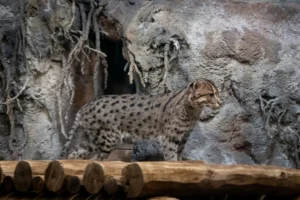
- Fishing cats
- Mangrove ecology
- Rich aquatic biodiversity
3. Andaman and Nicobar Islands
The Andaman and Nicobar Islands contain naturally occurring populations of saltwater crocodiles in coastal creeks, mangroves, and sheltered bays.
Unlike Bhitarkanika, crocodile viewing is generally not organised as a dedicated wildlife activity. Instead, visitors should follow local advisories because crocodiles occur naturally in several coastal areas, and access restrictions may apply in sensitive locations.
Responsible Wildlife Viewing
Wherever you observe saltwater crocodiles:
- Maintain a respectful distance.
- Never encourage boats to approach basking animals.
- Avoid loud noises.
- Do not attempt to attract wildlife with food.
- Follow all instructions issued by forest staff and authorised guides.
- Respect seasonal restrictions around breeding areas.
Responsible tourism helps minimise disturbance while supporting long-term conservation.
Practical Checklist for Visitors
Before visiting crocodile habitat:
✔ Book authorised boat safaris where available.
✔ Carry binoculars for better viewing.
✔ Bring a telephoto lens if interested in wildlife photography.
✔ Wear neutral-coloured clothing.
✔ Follow designated routes.
✔ Keep children supervised near water.
✔ Listen carefully to your guide.
✔ Never leave marked visitor areas without permission.
✔ Respect warning signs.
✔ Remember that these are wild animals—not captive attractions.
Common Mistakes Visitors Make
Many safety issues arise from avoidable behaviour rather than crocodile aggression.
Common mistakes include:
Assuming crocodiles live only in salt water
Despite their name, saltwater crocodiles frequently occupy freshwater rivers, tidal creeks, and estuaries connected to coastal ecosystems.
Getting too close for photographs
Approaching basking crocodiles disturbs the animals and creates unnecessary risk. Telephoto lenses are a much safer alternative.
Ignoring local advice
Forest officials understand seasonal conditions, nesting activity, and crocodile behaviour. Their guidance should always take priority.
Entering prohibited areas
Restricted zones exist for visitor safety as well as wildlife protection.
Feeding wildlife
Feeding crocodiles or other wild animals alters natural behaviour and can increase conflict.
Treating population estimates as exact counts
Survey figures represent scientific estimates based on established monitoring methods. They are valuable for tracking long-term trends but should not be interpreted as precise totals.
Frequently Asked Questions
1. What is the scientific name of the saltwater crocodile?
The scientific name is Crocodylus porosus.
2. Are saltwater crocodiles found in India?
Yes. India supports naturally occurring populations, particularly in Odisha, the Sundarbans, the Andaman and Nicobar Islands, and selected coastal areas of Andhra Pradesh and Tamil Nadu.
3. Where is the best place to see saltwater crocodiles in India?
Bhitarkanika National Park in Odisha is widely regarded as the country’s best destination for observing wild saltwater crocodiles.
4. Why are they called estuarine crocodiles?
The name reflects their preference for estuaries, tidal rivers, and mangrove habitats, where freshwater and seawater meet.
5. Do they live only in salt water?
No. They regularly use freshwater rivers, creeks, lagoons, and estuaries in addition to coastal marine environments.
6. How many saltwater crocodiles are estimated in Odisha?
The latest available estimate recorded 1,858 individuals in 2026.
7. Are saltwater crocodiles dangerous?
They are powerful wild predators and should always be treated with caution. Visitors who follow authorised safety guidelines can minimise risk while observing them responsibly.
8. What do they eat?
Their diet includes fish, crustaceans, birds, reptiles, and mammals, depending on the crocodile’s age and size.
9. How are crocodile populations monitored?
Forest departments conduct boat-based surveys and have begun evaluating drone-assisted monitoring to improve population assessments.
10. Why is Bhitarkanika important?
It supports India’s largest mainland population of saltwater crocodiles and represents one of the country’s most successful reptile conservation programmes.
11. Are saltwater crocodiles legally protected in India?
Yes. They are listed under Schedule I of the Wildlife (Protection) Act, 1972, which provides the highest level of legal protection.
12. What is their global conservation status?
The species is classified as Least Concern globally by the IUCN, although local conservation efforts remain essential in India.
13. How are saltwater crocodiles different from mugger crocodiles?
Saltwater crocodiles are generally larger, are closely associated with coastal and estuarine habitats, and tolerate saline conditions much better than mugger crocodiles.
14. Can tourists safely visit crocodile habitats?
Yes. Guided visits to authorised protected areas are generally safe when visitors follow all instructions provided by guides and forest authorities.
15. Why are mangroves important for crocodiles?
Mangroves provide nesting sites, shelter, abundant prey, and interconnected waterways that support every stage of the crocodile’s life cycle.
16. Are crocodiles active throughout the year?
Yes, although behaviour may vary with seasonal temperatures, breeding activity, water levels, and tidal conditions.
17. Why are annual population estimates important?
They help conservation managers monitor long-term trends, breeding success, and habitat health while guiding future management decisions.
18. What are the biggest threats today?
Current challenges include habitat degradation, human-crocodile conflict, and increasing pressure on coastal wetlands.
19. Why is responsible tourism important?
Responsible tourism reduces disturbance to wildlife while supporting conservation initiatives and local protected-area management.
20. Can crocodiles be seen during every visit?
No. Wildlife sightings always depend on factors such as season, tides, weather, and animal behaviour.
Conclusion
Saltwater crocodiles are among India’s most remarkable reptiles, playing a vital role in the health of mangrove and estuarine ecosystems. Their recovery in Odisha demonstrates how sustained habitat protection, scientific monitoring, and strong legal safeguards can reverse the decline of a large predator that once faced severe pressures.
For travellers, destinations such as Bhitarkanika National Park offer an opportunity to observe these reptiles in their natural environment while also gaining a deeper appreciation of India’s coastal wetlands. Understanding where saltwater crocodiles live, how they behave, and why they are protected helps visitors move beyond sensational stories and recognise their ecological importance.
Whether you are planning a wildlife trip, studying India’s reptiles, or simply curious about one of the world’s largest crocodilians, the saltwater crocodile stands as an important example of the connection between healthy wetlands, responsible conservation, and informed wildlife tourism.
Bhitarkanika Biodiversity:
- Water monitor (Varanus salvator)
- Olive ridley turtle
- Lesser adjutant
- Black-capped kingfisher
- Collared kingfisher
- White-bellied sea eagle
- Brahminy kite
- Fishing cat
- Smooth-coated otter
- Wild boar
- Chital
Did You Know?
- Saltwater crocodiles can tolerate both freshwater and seawater.
- Bhitarkanika is India’s largest mainland refuge for the species.
- The species has been legally protected in India since 1972.
- Odisha’s conservation programme began in 1975.
- Avicennia
- Rhizophora
- Sonneratia
- Bruguiera
- Phoenix paludosa