
Discover India’s Marine Protected Areas, major marine parks, protected wildlife, conservation laws, threats, and travel insights in this comprehensive guide.
Introduction
India’s coastline stretches for more than 7,500 kilometres and supports coral reefs, mangrove forests, seagrass meadows, estuaries, lagoons, and island ecosystems. These habitats provide breeding grounds for fish, nesting beaches for sea turtles, feeding areas for dugongs, and shelter for countless marine organisms. They also support the livelihoods of millions of people through fisheries, tourism, and other coastal activities.
Marine Protected Areas (MPAs) are one of the country’s most important tools for conserving these ecosystems. Rather than protecting a single species, they safeguard entire marine habitats and the ecological processes that keep coastal environments healthy. Depending on the protected area’s legal status, activities such as fishing, tourism, research, and resource extraction may be regulated to balance conservation with sustainable use.
For travellers, marine protected areas offer opportunities to appreciate India’s coastal wildlife—from coral reefs in the Gulf of Mannar and Lakshadweep to turtle nesting beaches in Odisha and mangrove forests in the Sundarbans. For students and conservation enthusiasts, they provide a practical way to understand how marine biodiversity is protected through law, science, and community participation.
This guide explains what Marine Protected Areas are, how India’s MPA network is organised, the major protected sites across the country, the wildlife they conserve, and the challenges they continue to face.
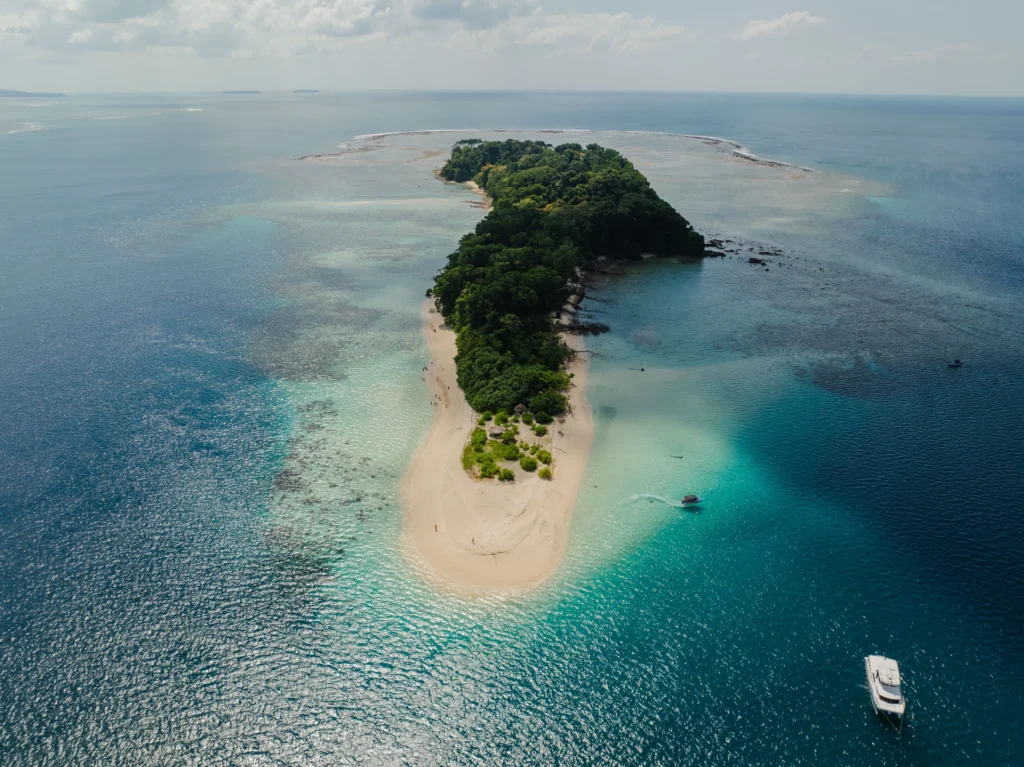
What Are Marine Protected Areas?
What Is a Marine Protected Area?
A Marine Protected Area is a clearly defined section of the ocean or coastal waters that receives legal or administrative protection to conserve marine biodiversity and associated ecosystems. Protection may extend to the water, seabed, coral reefs, mangroves, seagrass beds, islands, tidal flats, and the wildlife that depends on them.
The level of protection varies from one MPA to another. Some areas have strict restrictions on human activities, while others allow carefully regulated fishing, tourism, scientific research, or traditional community use. The objective is not always to exclude people but to ensure that marine resources remain healthy for future generations.
India’s marine protected area network includes different categories such as Marine National Parks, Marine Sanctuaries, Conservation Reserves, and Community Reserves. Each category is governed by specific legal provisions and management objectives.
Field Note: A Marine Protected Area should not be thought of as a “no-entry” zone. Many MPAs permit controlled tourism and traditional activities while placing limits on activities that could damage sensitive marine habitats.
How Marine Protected Areas Differ from Land Protected Areas
Although both terrestrial and marine protected areas aim to conserve biodiversity, managing the sea presents unique challenges.
Marine ecosystems are constantly connected by tides, currents, and seasonal movements of wildlife. Fish, turtles, dolphins, whales, and many other species often travel far beyond the boundaries of any single protected area. Coral reefs also depend on water quality, ocean temperature, and surrounding coastal activities, meaning that conservation inside an MPA is closely linked to what happens outside it.
Unlike forests, where boundaries are usually visible on land, marine boundaries exist within open water and require scientific monitoring, regulation, and cooperation among multiple agencies and coastal communities.
As a result, successful marine conservation depends not only on creating protected areas but also on effective enforcement, scientific monitoring, sustainable fisheries management, and responsible coastal development.
Why India Needs Marine Protected Areas
India’s Marine Protected Areas serve several interconnected purposes. They protect habitats that are essential for marine wildlife, support fisheries that coastal communities depend upon, and help ecosystems become more resilient to environmental change. These benefits extend well beyond the protected area’s boundaries because healthy marine ecosystems contribute to cleaner waters, productive fisheries, and stronger coastal resilience.
How India’s Marine Protected Area System Works
India does not rely on a single type of Marine Protected Area. Instead, its marine conservation network includes several legal categories under the Wildlife (Protection) Act, each designed for different conservation and management objectives. Understanding these categories helps explain why visitor access, tourism, fishing regulations, and management practices vary from one protected area to another.
Marine National Parks
Marine National Parks generally receive the highest level of protection within India’s MPA network. Their primary objective is conserving ecologically important marine habitats and wildlife. Activities that could damage ecosystems are more strictly regulated than in many other categories.
These parks often protect coral reefs, seagrass meadows, mangroves, intertidal habitats, and associated marine life. Visitor activities, where permitted, are usually carefully managed to minimise ecological disturbance.
Some of India’s best-known Marine National Parks include:
- Gulf of Kachchh Marine National Park (Gujarat)
- Mahatma Gandhi Marine National Park (Andaman & Nicobar Islands)
- Rani Jhansi Marine National Park (Andaman & Nicobar Islands)
Marine Sanctuaries
Marine Sanctuaries also provide legal protection for wildlife and habitats but may permit certain regulated activities depending on local conservation objectives and existing rights.
Many important turtle nesting beaches, mangrove ecosystems, coastal wetlands, and marine habitats fall within Marine Sanctuaries. Their management often seeks to balance conservation with traditional livelihoods where legally permitted.
Examples include:
- Gulf of Mannar Marine National Park and Biosphere Reserve region (protected through multiple designations)
- Gahirmatha Marine Sanctuary
- Malvan Marine Sanctuary
- Bhitarkanika-associated coastal protected areas
Conservation Reserves
Conservation Reserves are intended to protect landscapes or seascapes that connect larger protected areas or safeguard important habitats while allowing compatible community participation.
These reserves often provide flexibility where complete exclusion of human activities is neither practical nor desirable.
One notable example is the Dugong Conservation Reserve in Palk Bay, created to protect one of India’s most important remaining dugong habitats and associated seagrass ecosystems.
Community Reserves
Community Reserves recognise that local communities can play an important role in conservation.
Rather than relying solely on government management, these protected areas encourage local participation in safeguarding habitats while supporting sustainable resource use where permitted by law.
Although relatively less common in marine environments, Community Reserves demonstrate that conservation can succeed through cooperation between governments, scientists, and coastal communities.
What Are Important Coastal and Marine Biodiversity Areas (ICMBAs)?
Alongside legally notified protected areas, India has identified 106 Important Coastal and Marine Biodiodiversity Areas (ICMBAs).
Unlike Marine National Parks or Sanctuaries, ICMBAs are priority conservation landscapes rather than a separate legal protected-area category. They help governments and conservation agencies identify areas of high ecological importance for planning, restoration, monitoring, and future conservation action.
These areas support:
- Critical marine habitats
- Important breeding grounds
- Migratory routes
- Rare and threatened species
- Ecologically significant coastal ecosystems
ICMBAs complement—not replace—the existing Marine Protected Area network.
Marine Protected Area Categories at a Glance
| Category | Primary Purpose | Human Activities |
| Marine National Park | Highest level of habitat and wildlife protection | Strictly regulated |
| Marine Sanctuary | Wildlife conservation with regulated use | Selected activities may be permitted |
| Conservation Reserve | Habitat protection with landscape connectivity | Compatible community activities possible |
| Community Reserve | Community-led conservation | Local participation is central |
| ICBMA | Conservation priority area | Planning and conservation tool rather than a legal protected-area category |
How Many Marine Protected Areas Does India Have?
According to recent government information, India has 130 notified Marine Protected Areas distributed across its mainland coastline and island territories. These include Marine National Parks, Marine Sanctuaries, Conservation Reserves, and Community Reserves.
In addition, 106 Important Coastal and Marine Biodiversity Areas (ICMBAs) have been identified to strengthen marine biodiversity conservation planning.
These protected areas occur across:
- Gujarat
- Maharashtra
- Goa
- Karnataka
- Kerala
- Tamil Nadu
- Andhra Pradesh
- Odisha
- West Bengal
- Andaman & Nicobar Islands
- Lakshadweep
Together, they protect a remarkable variety of marine ecosystems, including coral reefs, mangroves, mudflats, estuaries, lagoons, seagrass meadows, rocky shores, sandy beaches, and offshore islands.
Expert Tip: The official number of Marine Protected Areas is the best reference for general understanding, but published statistics can sometimes vary slightly across databases. Differences may arise because some datasets include additional conservation designations, use different reporting dates, or have restrictions on publicly available protected-area information. When comparing figures, always check which database or government source is being cited.
Major Marine Protected Areas of India
India’s Marine Protected Areas are spread across very different coastal environments. Some safeguard extensive coral reef systems, while others protect turtle nesting beaches, mangrove forests, estuaries, or seagrass habitats. Each contributes differently to marine conservation.
Gulf of Kachchh Marine National Park (Gujarat)
Located along Gujarat’s western coastline, the Gulf of Kachchh Marine National Park is India’s first Marine National Park and one of its best-known coastal protected areas.
It protects:
- Coral reefs
- Mangroves
- Intertidal mudflats
- Seagrass patches
- Numerous marine invertebrates, fish, and coastal birds
The nearby Narara Reef has also become important for coral restoration efforts, including one of India’s largest coral translocation projects.
The Gulf of Mannar is internationally recognised for its marine biodiversity and forms one of India’s most significant marine conservation landscapes.
Its ecosystems include:
- Coral reefs
- Seagrass meadows
- Small offshore islands
- Dugong habitat
- Important fisheries
The region is especially important for dugong conservation because healthy seagrass meadows provide the primary food source for these threatened marine mammals.
Gahirmatha Marine Sanctuary (Odisha)
Gahirmatha is best known for protecting one of the world’s largest nesting areas for Olive Ridley sea turtles.
Every year, thousands of turtles arrive to nest along this coastline during mass nesting events known as arribadas. Protecting nesting beaches and nearby marine waters is critical for the species’ long-term survival.
Sundarbans (West Bengal)
Although the Sundarbans are widely known for their mangrove forests, the coastal and estuarine ecosystems also support important marine biodiversity.
These tidal habitats provide nursery grounds for fish, crustaceans, and many aquatic species while linking freshwater and marine ecosystems.
Mahatma Gandhi Marine National Park (Andaman & Nicobar Islands)
This island national park protects coral reefs, lagoons, seagrass beds, and tropical island ecosystems.
Its clear waters and coral habitats make it one of India’s most important protected marine landscapes, supporting numerous reef fish and other marine organisms.
Rani Jhansi Marine National Park (Andaman & Nicobar Islands)
Situated within the Andaman archipelago, this protected area conserves coral reefs and island ecosystems that support diverse marine life.
Together with other protected areas in the islands, it contributes significantly to India’s marine biodiversity conservation network.
Lakshadweep Marine Protected Areas
Lakshadweep’s coral atolls represent one of India’s most distinctive marine environments.
These island ecosystems protect:
- Coral reefs
- Lagoons
- Reef fish
- Seagrass habitats
- Sea turtles
Because coral reefs are highly sensitive to warming seas and bleaching events, long-term monitoring is particularly important across the archipelago.
Major Marine Protected Areas at a Glance
| Marine Protected Area | State / UT | Known For | Flagship Wildlife |
| Gulf of Kachchh Marine National Park | Gujarat | Coral reefs, mangroves, Narara Reef | Corals, reef fish |
| Gulf of Mannar | Tamil Nadu | Coral reefs and seagrass | Dugong, turtles |
| Gahirmatha Marine Sanctuary | Odisha | Turtle nesting beaches | Olive Ridley turtle |
| Sundarbans | West Bengal | Mangrove estuaries | Estuarine wildlife |
| Mahatma Gandhi Marine National Park | Andaman & Nicobar | Coral reefs and island ecosystems | Reef biodiversity |
| Rani Jhansi Marine National Park | Andaman & Nicobar | Coral reef conservation | Marine fauna |
| Lakshadweep Marine Areas | Lakshadweep | Coral atolls and lagoons | Coral reef communities |
Wildlife Protected by India’s Marine Protected Areas
Marine Protected Areas are designed to conserve entire ecosystems rather than individual species. Healthy coral reefs, mangrove forests, seagrass meadows, estuaries, and coastal wetlands provide food, shelter, breeding grounds, and migration routes for thousands of marine organisms. Protecting these habitats benefits everything from microscopic reef organisms to large marine mammals.
Dugongs and Seagrass Meadows
The dugong (Dugong dugon) is India’s only herbivorous marine mammal and one of its most threatened marine species. Often called the “sea cow,” dugongs depend almost entirely on seagrass meadows for food.
Unfortunately, seagrass habitats are declining because of coastal development, destructive fishing practices, pollution, and habitat degradation. Protecting these underwater meadows is therefore essential for dugong conservation.
Some of India’s most important dugong habitats include:
- Gulf of Mannar
- Palk Bay
- Andaman & Nicobar Islands
- Parts of the Gulf of Kachchh
Recognising the importance of these habitats, the Government of India has established a Dugong Conservation Reserve covering about 450 sq km in Palk Bay. The reserve aims to protect both dugongs and the seagrass ecosystems they depend upon.
Field Note: Conserving dugongs also benefits many other marine species because healthy seagrass meadows improve water quality, store significant amounts of carbon, stabilise sediments, and provide nursery habitat for commercially important fish.
Marine Turtles
India’s coastline supports all five marine turtle species found in the country’s waters:
- Olive Ridley Turtle
- Green Turtle
- Hawksbill Turtle
- Leatherback Turtle
- Loggerhead Turtle
Each species uses different habitats during its life cycle, including nesting beaches, coral reefs, seagrass beds, and offshore waters. Marine Protected Areas help safeguard many of these critical habitats.
The Gahirmatha Marine Sanctuary in Odisha is internationally recognised for the mass nesting (arribada) of Olive Ridley turtles, making it one of India’s most important turtle conservation sites.
Elsewhere, the Andaman & Nicobar Islands provide nesting beaches for Leatherback, Hawksbill, and Green turtles, while several protected coastal areas support turtle feeding and migration.
Coral Reefs and Reef Communities
India’s coral reefs are among the country’s most biologically productive marine ecosystems. They support thousands of marine organisms, including reef fish, crustaceans, molluscs, echinoderms, sponges, and countless microscopic species.
Major reef regions include:
- Gulf of Kachchh
- Gulf of Mannar
- Lakshadweep
- Andaman & Nicobar Islands
Coral reefs perform several ecological functions:
- Protect shorelines from wave action
- Support fisheries
- Provide habitat for reef wildlife
- Sustain marine food webs
However, coral reefs are highly sensitive to rising sea temperatures, pollution, sedimentation, and destructive human activities. Coral bleaching events remain a significant conservation concern, making long-term monitoring increasingly important.
Dolphins and Whales
India’s coastal waters also support several species of dolphins and whales.
Marine Protected Areas contribute to their conservation by protecting important feeding and movement habitats while reducing pressures on coastal ecosystems.
Government conservation priorities highlighted in recent initiatives include monitoring of humpback whales, alongside marine turtles, dugongs, and marine invertebrates.
Although these highly mobile mammals often travel well beyond protected-area boundaries, healthy marine ecosystems improve the availability of food and suitable habitat throughout their range.
Mangroves and Estuarine Ecosystems
Mangrove forests occupy the transition zone between land and sea.
These ecosystems perform several important ecological functions:
- Protect coastlines from erosion
- Reduce storm impacts
- Trap sediments
- Improve water quality
- Provide nursery grounds for fish and crustaceans
- Support numerous birds, reptiles, and aquatic organisms
The Sundarbans represent India’s best-known mangrove ecosystem, but mangroves are also protected within several other coastal Marine Protected Areas.
Species and Habitat Relationship
| Species / Group | Primary Habitat | Representative Protected Areas |
| Dugong | Seagrass meadows | Gulf of Mannar, Palk Bay |
| Olive Ridley Turtle | Sandy nesting beaches | Gahirmatha Marine Sanctuary |
| Green & Hawksbill Turtles | Coral reefs and seagrass | Andaman & Nicobar, Gulf of Mannar |
| Coral Communities | Coral reefs | Gulf of Kachchh, Lakshadweep, Andaman Islands |
| Dolphins & Whales | Coastal and offshore waters | Various MPAs |
| Reef Fish | Coral reefs | Gulf of Mannar, Lakshadweep, Andaman Islands |
| Mangrove Wildlife | Mangrove forests | Sundarbans and other coastal MPAs |
Laws and Policy Framework
India’s Marine Protected Areas are supported by a combination of wildlife legislation, biodiversity laws, coastal regulations, scientific monitoring, and species-specific conservation programmes.
Rather than relying on a single law, marine conservation operates through several complementary legal and institutional frameworks.
Wildlife (Protection) Act, 1972
The Wildlife (Protection) Act, 1972 provides the principal legal basis for notifying protected areas such as:
- National Parks
- Wildlife Sanctuaries
- Conservation Reserves
- Community Reserves
Many Marine Protected Areas derive their legal protection from this Act.
Biological Diversity Act, 2002
The Biological Diversity Act complements protected-area management by promoting biodiversity conservation, sustainable use of biological resources, and equitable sharing of benefits arising from biodiversity.
It provides an important legal framework for conserving India’s coastal and marine biological diversity beyond individual protected areas.
CRZ Notification, 2019
The Coastal Regulation Zone (CRZ) Notification, 2019 governs development activities along India’s coastline.
Although it is not a protected-area law, the CRZ framework plays a major role in reducing ecological damage from coastal development and helps protect sensitive coastal ecosystems associated with many Marine Protected Areas.
Scientific Institutions Supporting Marine Conservation
Marine conservation relies heavily on scientific research and long-term ecological monitoring.
Key organisations mentioned in the research brief include:
- Ministry of Environment, Forest and Climate Change (MoEFCC)
- Wildlife Institute of India (WII)
- Indian National Centre for Ocean Information Services (INCOIS)
- Central Marine Fisheries Research Institute (CMFRI)
- Zoological Survey of India (ZSI)
- Centre for Marine Living Resources and Ecology (CMLRE)
Together, these institutions contribute to research, habitat mapping, species monitoring, conservation planning, and policy support.
Recent Developments in Marine Conservation
Marine conservation in India continues to evolve through new government initiatives, scientific research, habitat restoration, and improved monitoring technologies.
Expansion of Marine Conservation Priorities
Recent government communications highlight:
- 130 notified Marine Protected Areas
- 106 Important Coastal and Marine Biodiversity Areas (ICMBAs)
- Increased focus on marine turtles, dugongs, humpback whales, marine invertebrates, and other priority species.
Coral Restoration Projects
One of the most significant recent restoration initiatives has taken place at Narara Reef in Gujarat.
According to the research brief, 16,522 corals have been transplanted under India’s largest coral translocation project in the area, demonstrating how active restoration can complement habitat protection.
Artificial Reefs
Artificial reefs are increasingly being used to restore degraded marine habitats and support fisheries.
The research brief notes that 937 artificial reef units have been sanctioned across 11 coastal states and Union Territories under the Pradhan Mantri Matsya Sampada Yojana (PMMSY). These structures are intended to provide habitat for marine organisms while supporting ecosystem recovery.
Satellite Monitoring and Coral Bleaching Alerts
Technology is becoming an increasingly important part of marine conservation.
The Indian National Centre for Ocean Information Services (INCOIS) operates a satellite-based Coral Bleaching Alert System, issuing bleaching alerts every three days to support monitoring and management of vulnerable coral reef ecosystems.
Such systems help scientists identify environmental stress before widespread coral mortality occurs.
Deep Ocean Research
The research brief also highlights the role of the Deep Ocean Mission and the Centre for Marine Living Resources and Ecology (CMLRE) in strengthening India’s marine biodiversity research and long-term monitoring capabilities. These programmes improve scientific understanding of India’s marine ecosystems and support evidence-based conservation planning.
Expert Tip: Modern marine conservation increasingly combines protected-area management with satellite monitoring, habitat restoration, ecological research, and community participation. Protecting marine biodiversity today involves much more than simply declaring an area protected.
Challenges Facing India’s Marine Protected Areas
Declaring an area protected is only the first step in marine conservation. Long-term success depends on effective management, scientific monitoring, community participation, and adequate enforcement. Many of India’s Marine Protected Areas continue to face pressures that extend well beyond their legally notified boundaries.
Fishing Pressure
Fishing supports millions of livelihoods along India’s coastline, making conservation a complex balancing act. While Marine Protected Areas can help replenish fish populations and protect breeding grounds, restrictions must also consider the needs of local fishing communities.
Unsustainable fishing practices, bycatch, and excessive pressure on marine resources remain important management challenges in several coastal regions. Effective conservation therefore requires both ecological protection and collaboration with coastal communities.
Coastal Development
Ports, industries, tourism infrastructure, urban expansion, and shoreline modification can alter coastal habitats through dredging, land reclamation, increased sedimentation, and habitat fragmentation.
Although regulations such as the Coastal Regulation Zone (CRZ) Notification help reduce environmental impacts, balancing economic development with long-term ecosystem health remains an ongoing challenge.
Pollution and Marine Plastic
Marine ecosystems receive pollutants from numerous sources, including untreated wastewater, agricultural runoff, industrial discharges, and plastic waste carried by rivers into the sea.
Plastic litter and abandoned fishing gear (often called ghost nets) can entangle turtles, dolphins, and other marine animals while also damaging coral reefs and seagrass beds. The research brief identifies marine plastic litter and ghost nets as important emerging conservation concerns.
Climate Change
Climate change is becoming one of the most significant long-term threats to India’s marine ecosystems.
Its impacts include:
- Rising sea temperatures
- Coral bleaching
- Sea-level rise
- Changes in ocean chemistry
- Increased frequency of extreme weather events
Coral reefs are particularly vulnerable because prolonged exposure to unusually warm water can trigger bleaching, reducing coral health and affecting the many species that depend on reef habitats.
Governance and Enforcement
The research brief notes that legal designation alone does not guarantee effective conservation. Some Marine Protected Areas face challenges related to staffing, monitoring, enforcement capacity, funding, and coordination among multiple agencies.
Another important consideration is data availability. Publicly accessible protected-area datasets may not always present a complete picture, and official figures can differ depending on reporting methods and database restrictions. Understanding these limitations helps readers interpret marine conservation statistics more accurately.
Threats and Conservation Responses
| Challenge | Why It Matters | Examples of Current Responses |
| Unsustainable fishing | Reduces fish populations and affects marine food webs | Fisheries management and protected breeding habitats |
| Coastal development | Damages sensitive coastal ecosystems | CRZ regulations and environmental assessments |
| Pollution and plastic waste | Harms wildlife and degrades habitats | Improved waste management and awareness initiatives |
| Coral bleaching | Weakens reef ecosystems | Satellite monitoring and coral restoration projects |
| Habitat degradation | Affects dugongs, turtles, and reef species | Seagrass conservation, artificial reefs, habitat restoration |
| Limited management capacity | Reduces conservation effectiveness | Scientific monitoring and institutional collaboration |
Responsible Tourism Around Marine Protected Areas
Visitors play an important role in protecting marine ecosystems. Responsible behaviour helps minimise disturbance to wildlife while ensuring that future generations can continue to enjoy these unique environments.
Practical Visitor Guidelines
Before visiting a Marine Protected Area:
- Follow all local regulations and permit requirements.
- Stay on designated routes where applicable.
- Avoid collecting shells, corals, or other natural objects.
- Dispose of waste responsibly.
- Use authorised boat operators and guides where required.
- Respect temporary restrictions introduced for wildlife conservation or habitat protection.
Photography Tip
Marine wildlife should always be photographed without disturbing natural behaviour.
If snorkelling or participating in boat-based activities:
- Maintain a respectful distance from wildlife.
- Never stand on or touch coral reefs.
- Avoid chasing turtles, dolphins, or other marine animals for photographs.
- Follow instructions provided by authorised guides and park authorities.
Ethical wildlife photography produces better images while reducing stress on animals and fragile habitats.
Responsible Tourism Tip
Healthy marine ecosystems support fisheries, coastal protection, and local livelihoods—not just tourism.
Choosing responsible operators, reducing single-use plastic, and respecting protected-area rules contributes directly to long-term marine conservation.
Common Mistakes People Make
Many misconceptions about Marine Protected Areas can lead to confusion. Understanding these differences helps readers interpret conservation policies more accurately.
Assuming every MPA is a strict “no-entry” zone
Not all Marine Protected Areas prohibit human activity. The level of protection depends on the legal category and site-specific management objectives.
Believing all MPAs are managed in the same way
Management effectiveness varies between protected areas depending on resources, staffing, scientific monitoring, community participation, and enforcement.
Thinking MPAs only protect fish
Marine Protected Areas also conserve:
- Coral reefs
- Seagrass meadows
- Mangrove forests
- Marine mammals
- Sea turtles
- Coastal wetlands
- Entire marine food webs
Assuming coral reefs can only be protected inside parks
Healthy coral reefs also depend on good water quality, sustainable coastal development, fisheries management, and climate resilience outside protected-area boundaries.
Expecting official statistics to remain constant
Protected-area databases are periodically updated, and different organisations may report figures differently depending on methodology and available data. Always refer to the latest official sources when quoting statistics.
Frequently Asked Questions
What is a Marine Protected Area?
A Marine Protected Area (MPA) is a legally or administratively protected section of the sea or coastal environment established to conserve marine biodiversity, habitats, and ecological processes.
How many Marine Protected Areas are there in India?
According to recent government information referenced in the research brief, India has 130 notified Marine Protected Areas, along with 106 Important Coastal and Marine Biodiversity Areas (ICMBAs) identified for conservation planning.
Which is India’s best-known Marine National Park?
The Gulf of Kachchh Marine National Park is India’s first Marine National Park, while the Mahatma Gandhi Marine National Park in the Andaman & Nicobar Islands is also widely recognised for its coral reef ecosystems.
Which wildlife do Marine Protected Areas protect?
India’s MPAs protect coral reefs, seagrass meadows, mangroves, dugongs, marine turtles, dolphins, whales, reef fish, marine invertebrates, and numerous coastal bird species.
Why are seagrass meadows important?
Seagrass meadows provide food for dugongs, nursery habitat for many fish species, improve water quality, stabilise sediments, and store significant amounts of carbon.
What are ICMBAs?
Important Coastal and Marine Biodiversity Areas (ICMBAs) are ecologically significant marine landscapes identified to support conservation planning. They complement—but do not replace—India’s legally notified Marine Protected Areas.
Are fishing activities completely banned inside MPAs?
Not necessarily. Regulations vary depending on the protected area’s legal category, conservation objectives, and local management rules. Some activities may be permitted under specific conditions.
What is coral bleaching?
Coral bleaching occurs when environmental stress, often caused by unusually warm sea temperatures, leads corals to expel the microscopic algae that live within their tissues. Severe or prolonged bleaching can reduce coral survival.
How is marine conservation monitored in India?
The research brief highlights satellite-based coral bleaching alerts, scientific monitoring programmes, coral restoration initiatives, artificial reef projects, and research conducted by institutions such as INCOIS, WII, CMFRI, ZSI, and CMLRE.
Can tourists visit Marine Protected Areas?
Many Marine Protected Areas permit regulated tourism. However, visitor access, boating, snorkelling, diving, photography, and other activities are governed by site-specific rules and should always follow local regulations.
Conclusion
India’s Marine Protected Areas safeguard some of the country’s most valuable coastal and marine ecosystems, from the coral reefs of the Gulf of Mannar and Lakshadweep to the turtle nesting beaches of Odisha and the mangrove forests of the Sundarbans. Together, these protected landscapes help conserve marine biodiversity, support fisheries, strengthen coastal resilience, and preserve habitats that countless species depend upon.
The network continues to evolve through habitat restoration, improved scientific monitoring, species recovery programmes, and advances such as satellite-based coral bleaching alerts and artificial reef projects. At the same time, challenges including climate change, pollution, habitat degradation, and effective management highlight that conservation is an ongoing process rather than a one-time achievement.
For travellers, Marine Protected Areas offer an opportunity to appreciate India’s remarkable marine environments while supporting responsible tourism. For students, researchers, and conservation enthusiasts, they demonstrate how science, policy, and community participation work together to protect the country’s coastal heritage. As knowledge of marine ecosystems continues to grow, these protected areas will remain central to securing the future of India’s oceans for both wildlife and people.
Author Note & Update Log: Written by the WildlifeSafaris.in Editorial Team. Last Updated: August 2026.
Safari Planning : Topics Cluster
- How to book a wildlife safari in India?
- Park by Park Online Safari Booking Guide
- Tiger Safari India Planning Workbook
- Park by Park Safari Permits Guide
- National Parks Permit Guide – Park by Park Guide
- Tatkal Safari Booking Guide – Last Minute Safari Permits Booking
- Tiger Safari in India Cost
- Indian Wildlife Safari Budget Planner
- Jeep vs Canter Safari
- Best time for Tiger Sightings in India
- How far advanced should you book safari permits?
- Can foreigners book Indian Wildlife Safari online?
- Special Permits Guide for Foreigners and Domestic Visitors
- How to book a Safari Permit online in India? 2026 step by step guide
- Senior Citizens Friendly Safari Planning
- Multi Generation Family Safari Planning
- 50 things to know before your first safari in India