An expert guide to the best jungle camps in India. Learn about regional logistics, safari booking windows, pricing, and sustainable wilderness stays.
Introduction to India’s Wildlife Stays
Choosing the right accommodation is the most critical decision you will make when planning an Indian safari. The camp you select dictates your daily schedule, the quality of your guiding, and how quickly you can access the park gates each morning.
Wildlife tourism in India has experienced significant growth, with visitor numbers rising by an average of 15% across ten major national parks in recent years. This increase in interest underscores the need for structured travel planning. When managed correctly, the revenues generated by these wilderness stays directly support crucial park infrastructure, anti-poaching initiatives, and local community livelihoods. The Indian government actively supports this balance through formal frameworks like the Ministry of Tourism’s Swadesh Darshan wildlife circuits and the Ministry of Environment, Forest & Climate Change (MoEFCC) Guidelines for Sustainable Ecotourism.
For the traveller, navigating this expanding landscape requires distinguishing between commercial hotels and true, conservation-forward jungle camps that enhance both your safari experience and the surrounding habitat.
How We Selected the Best Jungle Camps
Selection Criteria and Verification
We evaluate jungle camps based on five practical operational standards rather than generic marketing claims:
- Proximity to Park Gates: Stays are assessed by their actual travel times to park entry points to ensure you spend more time tracking wildlife and less time commuting.
- Naturalist Qualifications: We prioritize properties that employ dedicated, resident naturalists who understand local tracking conditions, animal behaviour, and regional ecology.
- Verified Guest Experiences: We track long-term visitor feedback, focusing on safety standards, operational reliability, and hospitality consistency.
- Sustainability Audits: We verify whether properties implement low-plastic rules, active water management, and transparent local employment practices.
- Accessibility and Comfort: We balance wild locations with structural safety, clear communications, and reliable amenities suitable for diverse age groups.
Our Update Policy
Wildlife regulations, park permit rules, and property management can change quickly. To maintain accuracy, this guide is reviewed every six months against direct updates from state forest departments, national park management plans, and property operators.
Core Travel Planning: Costs and Best Seasons
Understanding Safari Camp Price Windows
Jungle camps in India broadly fall into three operational price tiers. These rates typically fluctuate based on seasonal demand, with the highest prices occurring during the peak winter and dry spring months.
| Accommodation Tier | Typical Price Range (per night) | What is Tended to be Included |
| Budget Stays | INR 5,000 – INR 10,000 | Basic cottage or permanent tent, standard local meals, assistance with park vehicle sourcing. |
| Mid-Range Camps | INR 10,000 – INR 20,000 | Well-appointed chalets or tents, resident naturalists, diverse meal plans, and clear logistics management. |
| Luxury Properties | INR 25,000+ | Premium standalone villas or canvas suites, private naturalist guiding, customized dining, and inclusive transfer options. |
Field Note: A higher price tag does not automatically mean better wildlife sightings. Sighting probabilities depend entirely on seasonal conditions, habitat types, and the skill of your guide. A mid-range or budget camp with an exceptional naturalist will regularly outperform a luxury resort lacking trained tracking staff.
Seasonal Wildlife Calendar
Park schedules and animal visibility change dramatically throughout the year across India’s distinct geographical zones.
[October – November] –> Parks reopen after monsoons; lush vegetation, high water levels, excellent birdwatching.
[December – February] –> Peak winter; pleasant morning drives, active predators, dense ground cover.
[March – June] –> Dry hot season; waterholes shrink, vegetation clears, highest visibility for large mammals.
[July – September] –> Monsoon closure for most core reserves; select buffer zones and water systems stay open.
- The Post-Monsoon Transition (October to November): Most major reserves reopen their gates after the summer rains. The landscapes are heavily forested, water bodies are full, and large mammals can be more difficult to track through the thick brush. However, this is an excellent window for birdwatching and lower tourist volumes.
- The Winter Peak (December to February): This is the most comfortable period for travel, featuring cool mornings and temperate days. Predators frequently use the warm dirt tracks to dry off from the morning dew, though thick foliage still provides significant cover.
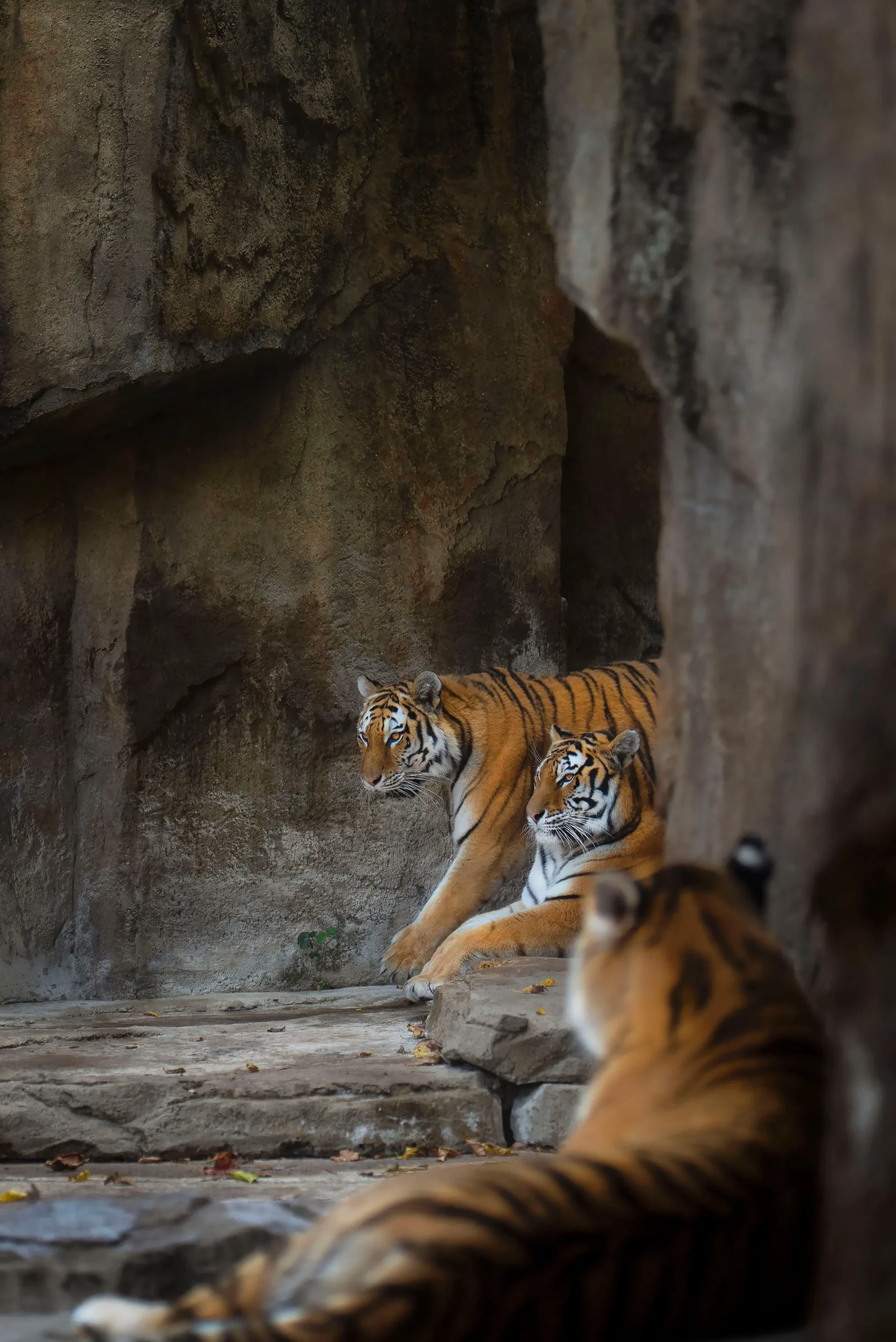
- The Dry Spring and Summer (March to June): As temperatures rise, the forest canopy thins out and natural water sources dry up. Animals are forced to rely on predictable, permanent waterholes, making this the most reliable season for photographing large predators like the Bengal tiger and Asiatic leopard.
Best Jungle Camps by Region
The following camps have been selected based on their proximity to park gates, the quality of their resident naturalists, and their commitment to sustainable operations.
North India: Historic Terai and Scrublands
North India offers a mix of dry deciduous scrub in Rajasthan and Himalayan foothill forests in Uttarakhand. This region provides some of the most accessible and reliable tracking for tigers and wild elephants.
Top Picks and Why They Stand Out
- Aman-i-Khas & Oberoi Vanyavilas (Ranthambore): These properties set the standard for luxury wildlife tourism in India. They offer high-end canvas suites, spa facilities, and premium service, placing them securely in the luxury price bracket (INR 25,000+).
- SUJÁN Sher Bagh (Ranthambore): This luxury camp successfully blends 1920s safari styling with rigorous, modern conservation practices.
- Jim’s Jungle Retreat (Jim Corbett): Located at the edge of the Terai arc, this mid-to-luxury camp is distinguished by its exceptionally trained naturalists and a strong focus on regional birdlife and local ecology.
Who It’s Best For
- Luxury Explorers: Aman-i-Khas and Oberoi Vanyavilas are ideal for travellers who want premium comfort combined with expertly coordinated safaris.
- Families and Birdwatchers: Jim’s Jungle Retreat provides a safe, highly educational environment for children and offers excellent walking trails in the surrounding buffer zones.
Central India: The Tiger Heartlands
Central India is the traditional heartland of the Bengal tiger, characterized by vast sal forests, rolling meadows, and complex prey bases across Madhya Pradesh and Maharashtra.
Top Picks and Why They Stand Out
- Singinawa Jungle Lodge (Kanha): This mid-to-luxury property integrates heavy support for local indigenous art and community welfare. It features massive grounds that serve as a natural buffer, attracting significant birdlife right to your doorstep.
- Kanha Earth Lodge (Kanha): Built using local stone and waste wood, this eco-lodge sits away from the crowded tourist hubs. It offers a quieter, low-impact experience while maintaining excellent, reliable tracking operations.
Who It’s Best For
- Eco-Minded Travellers: Both Singinawa and Kanha Earth Lodge have verified sustainability credentials, prioritizing low-water practices and transparent local employment.
Photography Tip: The dense sal forests of Kanha and Bandhavgarh mean you will often be shooting in dappled, low-light conditions. A lens with a wide aperture (f/2.8 or f/4) is highly recommended for Central Indian safaris.
South India: Deciduous Forests and River Safaris
South India shifts the focus to extensive river systems, large congregations of Asian elephants, and some of the highest leopard densities in the country.
Top Picks and Why They Stand Out
- The Bison (Kabini): Positioned directly on the backwaters, this luxury tented camp offers waterfront views and highly specialized guides known for tracking Kabini’s famous leopards.
- Kabini River Lodge (Kabini): Run by the government, this is a massive heritage mid-range property. Its primary advantage is highly reliable, priority access to both land-based jeep safaris and waterbody boat safaris.
Who It’s Best For
- First-Time Safari Groups: Kabini River Lodge is highly dependable for logistics, simplifying the often-complex permit process, and offers consistent wildlife sightings.
- Photographers and Couples: The Bison provides an edge for those specifically looking to photograph predators along the water’s edge in a more intimate setting.
Northeast & West India: Floodplains and Arid Landscapes
These regions offer highly specialized ecologies, from the tall grass floodplains of Assam to the arid scrub forests of Gujarat and the tidal mangroves of West Bengal.
Top Picks and Why They Stand Out
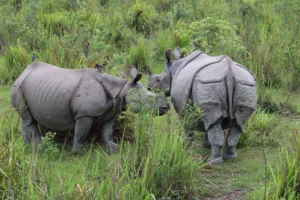
- Diphlu River Lodge (Kaziranga): A premium property in Assam offering elevated thatched cottages. It provides seamless access to the park’s central ranges, which is essential for tracking the Indian one-horned rhinoceros and wild water buffalo.
- Gir and Sundarbans Camps: Accommodations near Gir focus entirely on Asiatic lion tracking in dry conditions, while Sundarbans camps offer specialized, boat-only mangrove safaris focusing on tidal ecology and estuarine crocodiles. Prices here span broadly from budget (INR 5,000) to mid-range.
Who It’s Best For
- Specialist Enthusiasts: Diphlu River Lodge is perfect for travellers seeking specific megafauna like rhinos in high comfort. Budget and backpacker wildlife enthusiasts often navigate toward the more rugged boat-based camps in the Sundarbans or straightforward guesthouses near Gir.
Decision Guide: Matching Your Travel Style
To simplify your planning, use this matrix to match your travel priorities with the right region and accommodation style.
| Traveller Persona | Primary Priorities | Recommended Regions & Camps |
| Luxury Explorer | Maximum comfort, private safaris, fine dining, spa amenities. | Ranthambore (Aman-i-Khas, Vanyavilas), Kabini (The Bison). |
| Eco-Minded Traveller | Low environmental impact, community benefits, expert naturalists. | Kanha (Kanha Earth Lodge, Singinawa). |
| Family Group | Safety, clear logistics, child-friendly activities, no-fuss booking. | Jim Corbett (Jim’s Jungle Retreat), Kabini (Kabini River Lodge). |
| Budget Enthusiast | Lower cost, basic amenities, primary focus on park access. | Budget stays near Kaziranga or Gir. |
Booking Mechanics, Permits, and Regulations
Navigating Core vs. Buffer Zones
Every major tiger reserve and national park in India is divided into core and buffer zones. Understanding this distinction is essential before choosing a camp or booking your permits.
- Core Zones: These are the strictly protected interior areas of the reserve where the habitat is left completely undisturbed. Tourism is heavily regulated here, restricted to designated paths, and subject to strict vehicle caps. Predatory and large mammal activity is often more concentrated in these zones, but vehicle entry permits are highly competitive.
- Buffer Zones: These are the protective rings surrounding the core areas where human settlements and wildlife co-exist. While tiger densities can be lower in the buffers, these zones offer distinct operational advantages. Regulations are frequently more flexible, allowing activities that are prohibited in the core, such as guided nature walks or night drives in specific reserves like Satpura.
Most premium luxury lodges are physically located in the buffer zones or right along the park boundaries due to strict development bans within core forests.
Park-Specific Permits and Vehicle Quotas
You cannot simply arrive at a jungle camp and expect to enter the park the next morning. Entry is strictly governed by state forest departments using a fixed quota system for both jeeps (gypsies) and larger open vehicles (canters).
These quotas are determined by the tourist carrying capacity of each reserve to minimize environmental stress. Permits are tied directly to your passport or national identification number and cannot be transferred or altered once issued. Because demand vastly outstrips supply—particularly for high-demand core zones in parks like Ranthambore, Kanha, and Bandhavgarh—permits routinely sell out minutes after the online portals open.
A Step-by-Step Safari Booking Timeline
To secure your preferred zones and avoid logistics failures, use this standard planning window:
- T-Minus 90 to 120 Days (The Booking Window): Research your target park’s state portal rules. Confirm your accommodation first, ensuring the camp can directly secure your preferred entry gates. Book your core zone permits the moment the state forest department opens the booking window.
- T-Minus 60 Days (Logistics Alignment): Finalize your internal transport. Arrange your railhead or airport transfers to the camp, ensuring travel times match up with the strict afternoon park closure hours.
- T-Minus 30 Days (Zone & Vehicle Check): Re-verify your permit printouts against your travel identification documents. Confirm with your camp whether you have booked a shared vehicle or a private gypsy, and clarify if a resident camp naturalist will accompany you.
- T-Minus 7 Days (Final Field Prep): Check current local weather updates to adjust your clothing layers. Coordinate directly with your lodge regarding exact morning wake-up calls and packed breakfast logistics.
The 50 Best Jungle Camps in India
Here is a curated list of the 50 best jungle camps and wildlife lodges across India’s premier national parks, spanning luxury canvas tents to eco-focused wilderness retreats.
Central India (Madhya Pradesh & Chhattisgarh)
- Taj Mahua Kothi (Bandhavgarh National Park)
- Banjaar Tola, A Taj Safari (Kanha National Park)
- Baghvan Pench Jungle Lodge (Pench Tiger Reserve)
- Pashan Garh Panna Wilderness Lodge (Panna National Park)
- Kanha Earth Lodge (Kanha National Park)
- Pench Jungle Camp (Pench Tiger Reserve)
- Kanha Jungle Camp (Kanha National Park)
- Rukhad Jungle Camp (Pench-Kanha Corridor)
- Village Machaan Resort (Pench Tiger Reserve)
- Ken River Lodge (Panna National Park)
- Samode Safari Lodge (Bandhavgarh National Park)
- The Untamed Bandhavgarh by TUTC (Bandhavgarh National Park)
- Reni Pani Jungle Lodge (Satpura National Park)
- Singinawa Jungle Lodge (Kanha National Park)
- Forsyth Lodge (Satpura National Park)
- Tree House Hideaway (Bandhavgarh National Park)
- Jamtara Wilderness Camp (Pench Tiger Reserve)
West India (Maharashtra & Gujarat)
- Tadoba Jungle Camp (Tadoba Andhari Tiger Reserve)
- Tipai by Wildlife Luxuries (Tipeshwar Wildlife Sanctuary)
- Aramness Gir (Gir National Park)
- The Fern Gir Forest Resort (Gir National Park)
- Svasara Jungle Lodge (Tadoba Andhari Tiger Reserve)
- Waghoba Eco Lodge (Tadoba Andhari Tiger Reserve)
- Woods at Sasan (Gir National Park)
North India (Rajasthan & Uttarakhand)
- Aman-i-Khas (Ranthambore National Park)
- The Oberoi Vanyavilas (Ranthambore National Park)
- SUJÁN Sher Bagh (Ranthambore National Park)
- SUJÁN Jawai (Jawai Bandh)
- Ranthambore Forest Resort (Ranthambore National Park)
- Mihir Garh (Rohet / Jodhpur Scrublands)
- Corbett The Baagh Spa and Resort (Jim Corbett National Park)
- Claridges Corbett Hideaway (Jim Corbett National Park)
- Tanhau – Your Private Wilderness (Jim Corbett National Park)
- The Ranger’s Lodge (Jim Corbett National Park)
- Corbett Riverside Resort (Jim Corbett National Park)
- Jim’s Jungle Retreat (Jim Corbett National Park)
- Paatlidun Safari Lodge (Jim Corbett National Park)
- Khem Vilas (Ranthambore National Park)
South India (Karnataka, Kerala & Tamil Nadu)
- Kabini River Lodge (Nagarhole National Park / Kabini)
- Bandipur Safari Lodge (Bandipur National Park)
- The Serai Kabini (Nagarhole National Park)
- Taj Garden Retreat (Periyar National Park)
- Wayanad Wild by CGH Earth (Wayanad Wildlife Sanctuary)
- Castillo De Woods (Anamudi Shola National Park)
- Highgarden (Bandipur National Park)
- Evolve Back Kuruba Safari Lodge (Nagarhole National Park / Kabini)
- The Bison Resort (Nagarhole National Park / Kabini)
East & Northeast India (Assam & West Bengal)
- Aranya Lodge (Kaziranga National Park)
- Kaziranga Resort (Kaziranga National Park)
- Sunderbans Jungle Camp (Sundarbans National Park)
Sustainability, Community Benefits, and Ethical Travel
Evaluating a Camp’s Ecotourism Credentials
With the rise of domestic wildlife travel, many conventional hotels use green marketing without changing their operational impact. True jungle camps align their operations with the MoEFCC Guidelines for Sustainable Ecotourism.
When evaluating a camp, look for clear answers to these four operational standards:
- Employment and Sourcing: Does the camp recruit at least 70% of its hospitality and tracking staff from immediate local villages?
- Water Management: Does the property use rain-harvesting infrastructure and low-flow systems, especially in drought-prone areas like Rajasthan or Central India?
- Waste Mitigation: Is there a verified zero-single-use-plastic policy, and how is solid waste managed in a remote wilderness setting?
- Community Integration: Does a clear percentage of the camp’s revenue support local schools, medical clinics, or village conservation initiatives?
[MoEFCC 2021 Ecotourism Framework]
│
├─► Capped Tourist Carrying Capacity
├─► Verified Local Employment Minimums
└─► Transparent Support for Park Anti-Poaching
How Tourism Revenue Impacts Conservation
Regulated wildlife tourism acts as a direct financial pillar for habitat preservation. The fees collected from park permits and vehicle entries fund anti-poaching patrols, forest guard outposts, and seasonal habitat restoration projects like grassland management and waterhole maintenance.
Furthermore, ethical safari operations turn local communities into active stakeholders in conservation. When villagers receive reliable income as guides, naturalists, drivers, and lodge staff, the economic incentive shifts away from illegal poaching or defensive wildlife conflict, directly helping to protect the wilderness.
Practical Travel Logistics and Packing List
Health, Safety, and Connectivity in the Bush
Travel to Indian wildlife reserves requires a shift in how you manage your daily routine. Modern jungle camps are equipped with first-aid, but specialized medical facilities can be hours away from remote park gates.
- Connectivity: Do not expect seamless mobile network coverage. While luxury and mid-range camps generally offer Wi-Fi in common areas, connectivity inside the actual park boundaries—particularly in deep core zones—is virtually nonexistent. Note that regulations actively restrict the use of smartphones within the core habitat tourism zones of tiger reserves to minimize disturbances.
- Safety Protocols: Jungle camps located in buffer zones do not have fences separating them from the wild. You must follow the instructions of your lodge manager, especially after dark. During a safari, never disembark from your vehicle unless at a designated forest department rest stop, and maintain absolute silence when observing animals.
- Health and Documentation: Carry personal medications, insect repellent, and a basic first-aid kit. You are required by law to carry the original physical copy of the ID (such as a Passport or Aadhaar card) used to book your safari permits; without this exact document, forest guards will deny your entry at the gate.
What to Pack for an Indian Safari
The key to safari clothing is layering, as temperatures fluctuate drastically between the freezing early morning drives and the harsh afternoon heat.
- Apparel: Pack breathable, neutral-coloured clothing (khaki, olive, brown, or dusty green) to blend into the forest environment. Avoid bright colours like red, white, or neon, which can agitate wildlife. Bring a heavy windproof jacket, gloves, and a beanie for winter mornings (December to February), and light, full-sleeved cotton shirts for the summer to prevent sunburn and insect bites.
- Footwear: Sturdy, closed-toe walking shoes are essential, even if you are restricted to a jeep.
- Gear and Optics: A good pair of binoculars (8×42 or 10×42) is non-negotiable for birdwatching and spotting distant predators. Ensure you have dust covers for your camera equipment, as the dry season tracks generate thick clouds of fine dirt. Drones are strictly prohibited inside and immediately around all Indian national parks.
Common Pitfalls to Avoid on a Safari Holiday
Even experienced travellers make errors when planning an Indian wildlife trip. Avoid these recurring mistakes:
- Expecting Guaranteed Tiger Sightings: No ethical jungle camp or guide can guarantee a tiger sighting. The probability depends entirely on the season, park density, and natural luck. Treat every drive as a holistic wilderness experience rather than a singular quest for a predator.
- Booking Logistics Too Late: Assuming you can book a safari upon arrival is the fastest way to ruin a trip. High-demand core permits for parks like Ranthambore, Kanha, and Corbett often sell out the moment the 90-to-120-day booking windows open.
- Misunderstanding Camp Locations: A common misconception is that luxury properties are located deep inside the jungle. Due to strict conservation laws, almost all premium camps sit outside the park’s core, usually in the surrounding buffer zones or adjacent villages.
- Chasing the “Best” Zone Exclusively: Travellers often obsess over securing permits for a park’s historically famous core zone, ignoring the buffer zones. However, buffer zones often allow for uncrowded drives, excellent birding, and unique activities like guided walking safaris or night drives, which are banned in the core.
Frequently Asked Questions
What are the top jungle camps in India for tiger sightings? Sightings depend heavily on the park and season, but properties with exceptional naturalists that maximize your chances include SUJÁN Sher Bagh (Ranthambore), Kanha Earth Lodge (Kanha), and Jim’s Jungle Retreat (Corbett).
Are jungle camps open year-round? No. Most core zones of Indian national parks close during the monsoon season (July to September). While some camps stay open to offer buffer zone drives and nature walks, many shut down entirely for maintenance.
How do I book a safari from a jungle camp? Most mid-range and luxury camps will manage the state portal booking process for you, provided you supply your passport or ID details well in advance.
Can families with children stay at jungle camps? Yes, but verify the camp’s age policies. Many luxury lodges welcome children, and properties like Kabini River Lodge and Jim’s Jungle Retreat offer excellent, safe environments and child-friendly activities. However, very young children may find the long, bumpy, and silent safari drives challenging.
Are there jungle camps inside national parks or only outside? Most private camps and luxury lodges are located outside the core zones or in the buffer areas. A few government-run forest rest houses (like Dhikala in Corbett) are located inside the core, offering basic amenities but unmatched access.
What is the average price range of jungle camps? Budget properties typically range from INR 5,000 to 10,000 per night. Mid-range camps sit between INR 10,000 and 20,000, while luxury properties start at INR 25,000 and scale upward depending on inclusions.
Which camps are best for birdwatching? Camps located near water bodies and diverse ecotones are best. Jim’s Jungle Retreat (Corbett) and Diphlu River Lodge (Kaziranga) offer exceptional access to endemic and migratory birdlife.
Do jungle camps provide guided nature walks and naturalists? Yes, reputable mid-range and luxury camps employ resident naturalists. Budget stays usually rely on the mandatory forest department guides assigned at the park gate.
How far in advance should I book during peak season? You should finalize your camp booking 90 to 120 days in advance to align with the opening of state forest department safari permit portals.
Which camps follow sustainable or ecotourism guidelines? Properties that align with the Ministry of Environment, Forest & Climate Change (MoEFCC) guidelines include Kanha Earth Lodge and Singinawa Jungle Lodge, which focus heavily on local employment, water conservation, and low-impact operations.
What wildlife can I expect in Kaziranga, Gir, Kabini, and Ranthambore? Kaziranga is famous for the one-horned rhinoceros and water buffalo; Gir is the sole home of the Asiatic lion; Kabini offers dense elephant populations and leopards; Ranthambore is globally recognized for its easily observable Bengal tigers.
Are night safaris permitted inside Indian reserves? Night safaris are strictly prohibited inside the core zones of all Indian tiger reserves. However, a few parks, such as Satpura and Pench, permit regulated night drives in their buffer zones.
Conclusion
A successful wildlife holiday in India is built on careful preparation, realistic expectations, and choosing an accommodation that respects its surrounding environment. The best jungle camps do more than provide a comfortable bed; they function as a bridge between the traveller and the ecosystem. By prioritizing properties that employ skilled naturalists, support local communities, and adhere to strict conservation guidelines, you ensure that your visit directly contributes to the long-term survival of India’s most vital natural habitats. Lock in your dates, secure your permits early, and trust the expertise of your guides in the field.
Author Note & Update Log: Written by the WildlifeSafaris.in Editorial Team. Last Updated: August 2026.
Luxury Safari in India : Topics Cluster
- Luxury Safari in India – Expert Planning Guide
- Luxury Wildlife Safari India Budget Guide
- Top 100 Wildlife Resorts in India
- Eco-friendly Wildlife Resorts
- Best 50 Jungle Camps in India
- Best Wildlife Resorts in India : 16 Safari Lodges
- Best Wildlife Tour Operators in India
Top Wildlife Destinations : Topics Cluster
- Top 10 Tiger Reserves Ranked by Tiger Sightings
- Top 25 National Parks in India
- Indian Wildlife Bucket List : Top 25 Experiences
- India Wildlife : Top 20 Destinations
- Why India is a world class safari destination?
- Corbett vs Ranthambore
- Kanha vs Bandhavgarh
- Tadoba vs Pench Parks Comparison
- Best Family-friendly Wildlife Destinations
- Best Wildlife Destinations for Couples