Plan your 2026 Gir National Park trip with this practical guide. Learn how to book official safari permits, compare safari zones, and navigate seasonal closures.
Introduction
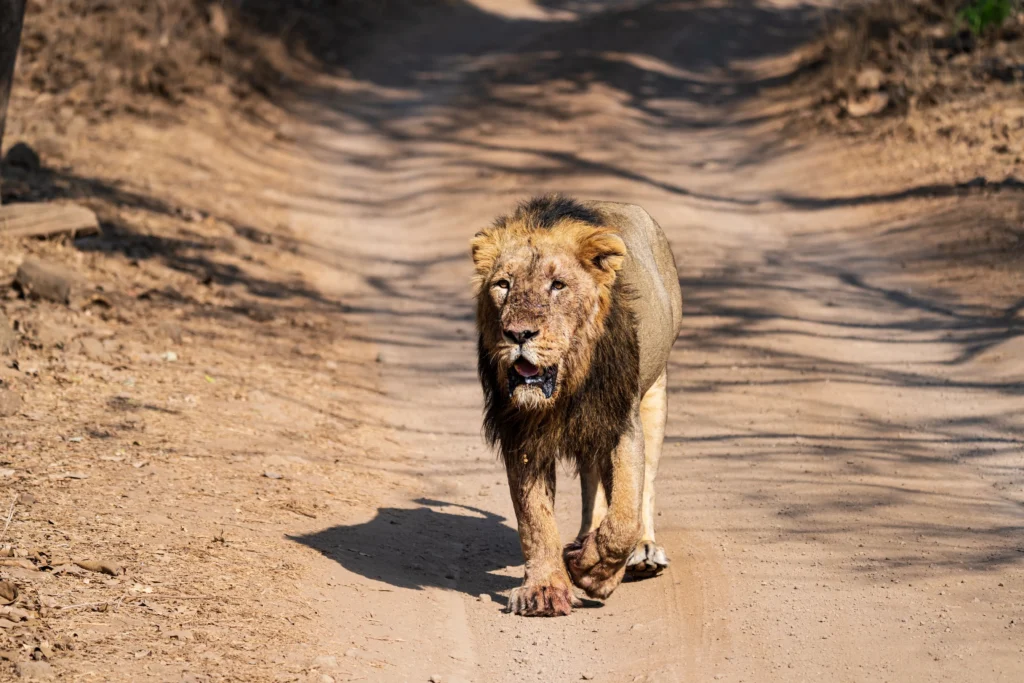
Gir National Park is the primary natural habitat of the Asiatic lion. As a major wildlife tourism destination in Gujarat, it attracts travelers focused on tracking predators, observing dry deciduous ecology, and combining wildlife travel with nearby pilgrimage routes.
Planning a successful safari here requires understanding the park’s specific logistics. Sightings are never guaranteed, and visitor access is strictly regulated by the state. To optimize your time in the forest, you must navigate the official online permit system, understand the distinct differences between the main jungle routes and enclosed safari parks, and time your visit around mandatory seasonal closures. This guide provides the practical, updated information needed to plan a trip to Gir in 2026.
Quick Facts for First-Time Visitors
- Flagship Species: Asiatic lion.
- Other Key Mammals: Leopard, striped hyena, jungle cat, jackal, chital, sambar, nilgai, chousingha, and wild boar.
- Primary Safari Zones: Assigned routes average 35 kilometers each, located within the Dedakadi and Sasan ranges.
- Permit Issuance: All permits are issued entirely online by the Forest Department.
- Permit Reception: Permits are processed at the Reception Counter, Sinh Sadan, Sasan.
- Annual Closure: The park typically closes from 16 June to 15 October every year.
- Official link : https://girlion.gujarat.gov.in/
Best Time to Visit and Closure Dates
Your travel window dictates habitat conditions, wildlife behavior, and whether the park is even open to the public.
The Monsoon Closure (June to October)
Gir National Park is closed to tourism from 16 June to 15 October every year. This monsoon closure is strictly enforced to allow the forest to regenerate and to provide a disturbance-free environment during the breeding season for many species. Recent 2026 reporting indicated a slight adjustment extending the closure date to 23 June, so travelers must verify the exact final dates via official notices immediately prior to booking.
Practical Checklist: Verifying Dates
- Check the official Gir Online Permit Booking System before planning flights.
- Do not rely on third-party vendors for closure updates, as state notices supersede all private operator information.
Winter and Post-Monsoon Season
The months immediately following the park’s reopening in late October offer lush, dense vegetation. While the forest is visually vibrant during this time, the thick undergrowth and abundant natural water sources can make spotting wildlife more challenging. As winter progresses through December and January, morning temperatures drop significantly, making warm clothing necessary for open-top safari vehicles.
Summer Season
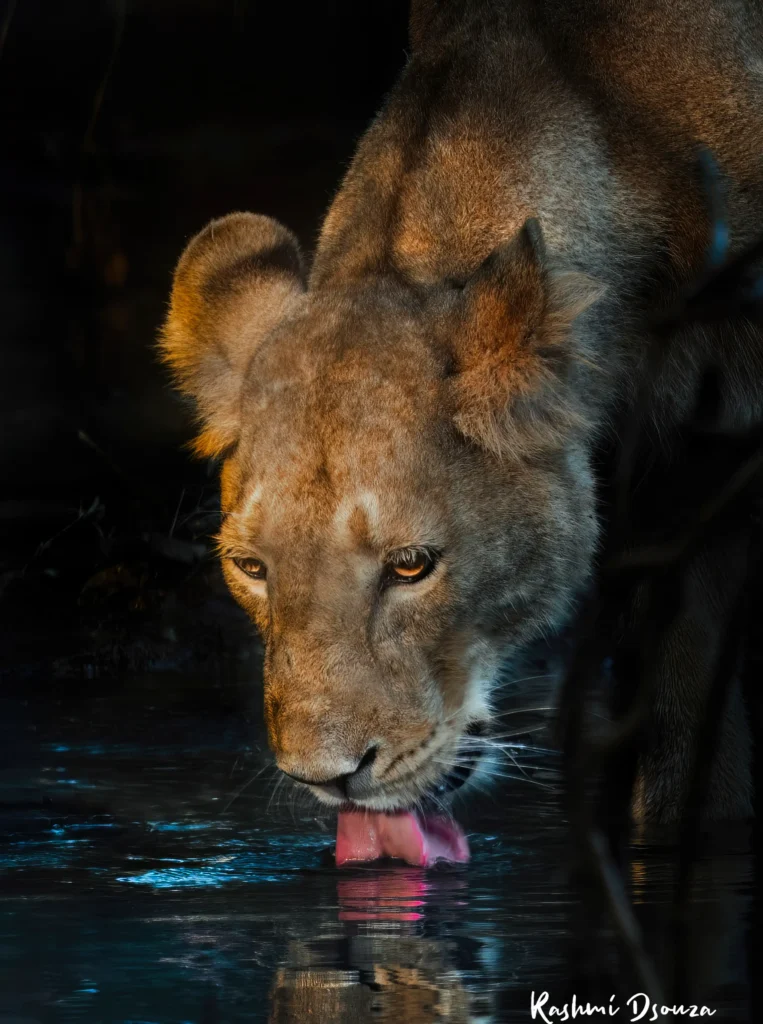
From March through May, the dry deciduous forest sheds its leaves, drastically thinning the vegetation. As natural water sources dry up across the Sasan and Dedakadi ranges, wildlife activity concentrates around specific remaining waterholes.
Field Note: The Forest Department maintains artificial waterholes throughout the reserve. These water points increase the probability of wildlife sightings along the designated 35-kilometer safari routes, particularly during the hot summer months.
Seasonal Closure and Planning Guide
| Season | Operational Status | Viewing Conditions |
| Mid-June to Mid-October | Closed | N/A (Breeding and monsoon season) |
| Late October to February | Open | Dense foliage, cooler temperatures, scattered wildlife |
| March to Early June | Open | Dry vegetation, higher visibility, wildlife concentrated near artificial waterholes |
Gir Safari Options Explained
To choose the right experience, you must first decide whether you want an unscripted wilderness drive or a shorter, highly predictable sighting in an enclosed environment. Visitors often confuse the two primary options, which can lead to incorrect expectations regarding travel times and wildlife viewing.
Gir Jungle Safari
The Gir Jungle Safari takes place within the natural habitat of the national park, specifically across the Dedakadi and Sasan ranges. This option is designed for travelers seeking an authentic wildlife tracking experience. You travel in open-top safari vehicles along one of the Forest Department’s assigned habitat routes, which average 35 kilometers in length. Because this is a vast, open ecosystem, spotting an Asiatic lion requires patience and depends entirely on wildlife movement, seasonal conditions, and tracking.
Devalia Safari Park
Devalia Safari Park, also known as the Gir Interpretation Zone, is an enclosed eco-tourism facility designed to showcase the region’s fauna within a controlled environment. If you have limited time, are traveling with young children, or are visiting during the main sanctuary’s monsoon closure, Devalia is the practical choice. It features separate booking options for its bus safari and its dedicated gypsy safari. Because it is a fenced area, viewing lions and other resident species is highly predictable and requires significantly less time than the main jungle routes.
Gir Jungle Safari vs. Devalia Safari Park
| Feature | Gir Jungle Safari | Devalia Safari Park |
| Environment | Open wilderness (Sasan & Dedakadi ranges) | Enclosed interpretation zone |
| Vehicle Types | Open safari Gypsy | Choice of Bus or Gypsy (separate booking pages) |
| Route Length / Time | ~35 km assigned habitat tracks | Shorter, controlled safari loop |
| Sighting Predictability | Variable; depends on tracking and luck | High; managed within a fenced area |
| Monsoon Availability | Closed (16 June to 15 October) | Open options available (verify via official site) |
How to Book Gir Safari Permits Officially
Securing your entry permit requires using the official state-managed portal well in advance to avoid inflated pricing and unauthorized third-party websites.
The Online Booking Process
All safari permits are issued online by the Forest Department. The official trust anchor for all reservations is the state-managed Gir Online Permit Booking System.
Once you complete your online booking and obtain your e-permit, you must present it on the day of your safari. All travelers must carry their original photo identification to verify their permits at the official Reception Counter located at Sinh Sadan, Sasan.
Permit, Guide, and Vehicle Charges
A common practical misunderstanding is that the online permit price covers the entire safari experience. Official guidelines state that permit fees, guide charges, and vehicle hire fees are structured separately.
The advance online booking covers only the entry permit issued by the Forest Department. Vehicle hire fees for the safari gypsy and the mandatory charges for your assigned forest guide must be accounted for as separate payments.
Expert Tip: Cost Verification Always clarify what your payment includes before departing for the gates. If you are coordinating through a lodge or a travel coordinator, verify whether they have pre-arranged the gypsy vehicle and local guide fees, or if you are expected to settle those specific charges directly at the Sinh Sadan counter.
Safari Cost Component Breakdown
| Charge Component | Payment Type | Managed By | Purpose |
| E-Permit Fee | Online Advance Only | Forest Department | Official entry authorization to the park or interpretation zone |
| Vehicle Hire Charge | Separate Fee | Registered Safari Operators | Renting the mandatory open-top gypsy for your route |
| Forest Guide Fee | Separate Fee | Assigned Local Guide | Mandatory trained forest guide for route navigation and tracking |
Wildlife and Ecology
Gir’s dry deciduous forest supports a distinct ecosystem that differs significantly from central or northern Indian reserves. Understanding the terrain and the species that inhabit it will help you manage expectations and improve your observational skills on safari.
Asiatic Lions and Key Mammals
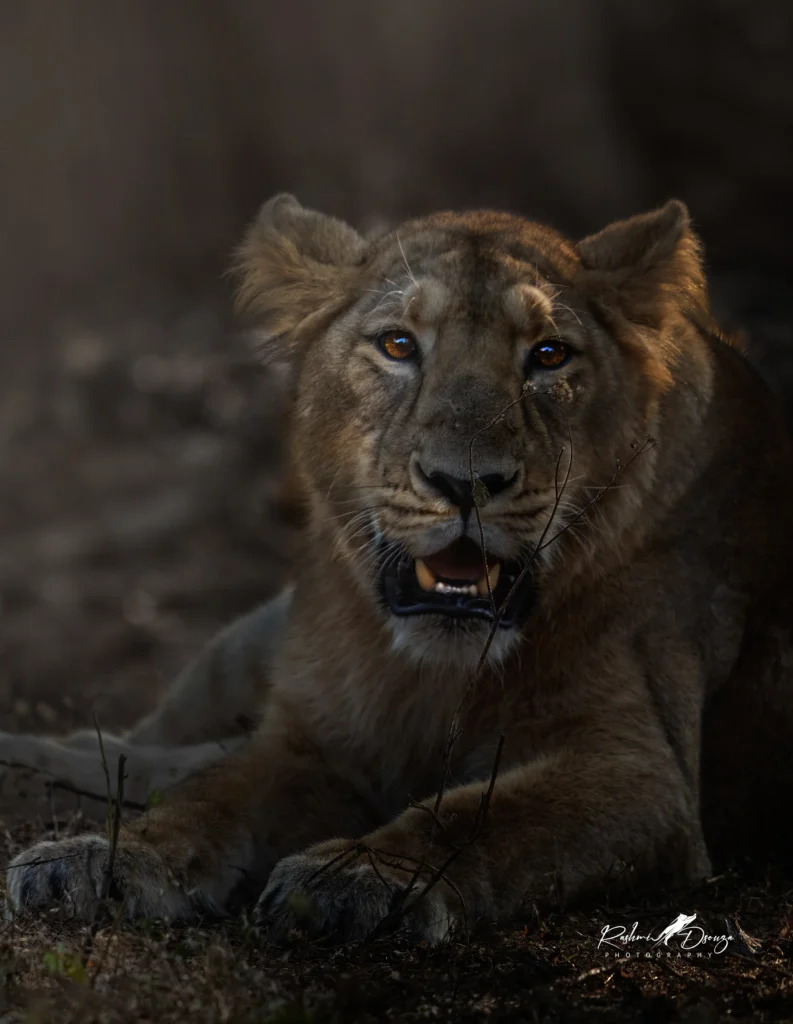
Gir National Park is recognized globally as the primary habitat of the Asiatic lion. While lions are the flagship species and the main draw for visitors, the sanctuary supports a complex predator-prey base. Alongside the lions, the park is home to other significant predators, including the leopard, striped hyena, jungle cat, and jackal.
The prey base sustaining these carnivores includes a healthy population of ungulates. During your safari routes, you are likely to encounter chital, sambar, nilgai, chousingha, and wild boar.
Birdlife and Reptiles
While many travelers focus exclusively on big cats, Gir supports diverse dry forest birdlife and wider Saurashtra fauna, making it a highly relevant destination for general birdwatching and broader wildlife tourism. The ecosystem also sustains reptile populations, notably crocodiles, which inhabit the park’s water bodies.
Photography Tip: Bring a versatile zoom lens (such as a 100-400mm or 150-600mm). The dry landscape often means subjects are partially obscured by brush, and a flexible focal length allows you to capture both large mammals near the track and smaller birdlife in the canopy.
The Role of Habitats and Waterholes
The official safari tracks are specifically designed to cover almost all habitat types of the Gir region. This routing system is important because different species utilize different terrains throughout the day.
To support the wildlife population during dry periods, the Forest Department manages a network of artificial waterholes. These strategically placed water sources anchor the local ecosystem when natural streams dry up, which in turn increases the probability of wildlife sightings along the assigned visitor routes.
Travel Logistics
Sasan Gir serves as the operational headquarters for tourism in the park. Proper logistical planning ensures you arrive with enough time to clear permit checks and settle in before your scheduled safari times.
How to Reach Sasan Gir
Gir is well-connected to major regional hubs within the Saurashtra region. Travelers typically route their journeys through nearby transportation centers, often combining wildlife tourism with the established pilgrimage circuits of the state. Junagadh, Rajkot, and Somnath are the most common gateway cities used to reach the park.
Location and Routing Guide
| Location | Role in Safari Planning | Connecting Relevance |
| Sasan Gir | Safari Headquarters | Location of Sinh Sadan (official permit reception) and the main entry gates. |
| Somnath | Coastal Pilgrimage Hub | Frequently combined with Gir in regional itineraries due to close proximity. |
| Junagadh | Historic City & Transit Gateway | Serves as a major railway and road entry point for travelers heading south to the park. |
| Rajkot | Major Regional Airport | Often used as the primary flight arrival point for domestic travelers exploring the Saurashtra region. |
Where to Stay Near Sasan Gir
When choosing accommodation, proximity to Sinh Sadan in Sasan is the most practical consideration. Because all online permits must be verified at the Reception Counter at Sinh Sadan before your safari, staying in or immediately around Sasan minimizes early morning transit times. The area offers a range of lodging options, from state-run guesthouses to private wildlife lodges, catering to different budgets and comfort levels.
Suggested Itineraries
How you structure your trip depends on whether you are strictly focused on wildlife or combining your visit with regional tourism.
2-Day Sasan Gir Focus
A dedicated two-day itinerary allows you to maximize your time in the forest. Booking multiple safari slots across different times of the day increases your chances of wildlife sightings, as animal movement patterns shift from early morning to late afternoon. This focused approach gives you the necessary time to track the Asiatic lion and observe the dry deciduous ecology without rushing the experience.
3-Day Somnath and Gir Route
Many travelers successfully combine Gir with the nearby coastal pilgrimage hub of Somnath. A three-day plan typically involves dedicating the first day to the historic sites and temples in Somnath or Junagadh, then transferring to Sasan Gir for two days of wildlife tracking. This route balances pilgrimage-and-tourism travel with the distinct wildlife offerings of the Saurashtra region.
Responsible Travel and Safari Etiquette
Viewing Asiatic lions in their only natural habitat requires ethical and responsible behavior.
- Prioritize the Wildlife: Never pressure your forest guide to drive off the assigned 35-kilometer habitat routes or chase animals.
- Manage Noise: Loud conversations and sudden movements startle wildlife, reducing your chances of observing natural behavior.
- Follow Official Guidance: The mandatory forest guides are trained to navigate the ecosystem safely and track effectively. Always defer to their instructions during sightings.
Common Mistakes to Avoid
- Using Unofficial Booking Sites: Assuming any booking site is official is a major risk. The only trust anchor for securing your e-permit is the state-managed Gir Online Permit Booking System.
- Assuming Prices are All-Inclusive: A frequent error is believing the online permit price covers the entire safari. The mandatory guide charges and vehicle hire fees are separate expenses.
- Expecting Guaranteed Lions: Wildlife sightings depend entirely on time, the assigned route, and chance. Never assume lions are guaranteed on the open jungle routes.
- Ignoring Closure Dates: Believing Gir is open all year will ruin your plans. The main safari closes during the monsoon window, typically from 16 June to 15 October.
- Confusing the Safari Products: Do not assume Gir Safari and Devalia are the same. Devalia is a controlled, enclosed park with highly predictable sightings, while the Jungle Safari takes place in the open, unscripted wilderness.
Frequently Asked Questions
What is the official Gir booking website? All permits are issued online through the Forest Department via the official state-managed Gir Online Permit Booking System.
What is the difference between Gir Jungle Safari and Devalia Safari Park? The Gir Jungle Safari offers an unscripted tracking experience on assigned routes within the open national park. Devalia Safari Park is a fenced eco-tourism facility that offers highly predictable sightings via separate bus or gypsy safaris.
Is Gir Jungle Safari open year-round? No, it is not open all year. The main jungle safari closes annually during the monsoon season, typically from 16 June to 15 October.
Are guide and vehicle charges included in the permit price? No. The advance online permit fee is separate from the mandatory forest guide fee and the safari gypsy vehicle hire charge.
Can visitors see Asiatic lions easily in Gir? While it is the primary habitat for the Asiatic lion, sightings in the main sanctuary depend on chance, your specific route, and seasonal conditions. Sighting probabilities increase during the dry summer months when animals concentrate near artificial waterholes. If you want guaranteed, quick sightings, Devalia Safari Park is the better option.
What other animals live in Gir? Alongside lions, the park is home to leopards, striped hyenas, jungle cats, jackals, chital, sambar, nilgai, chousingha, wild boar, and crocodiles.
How many days are ideal for Gir? A 2-day or 3-day itinerary is generally sufficient. Two full days dedicated to Sasan Gir allow for multiple safaris, while a three-day plan provides enough time to combine the park with nearby transit and pilgrimage sites like Somnath or Junagadh.
Conclusion
Visiting Gir National Park in 2026 offers a distinct opportunity to observe the Asiatic lion within its natural habitat. By understanding the seasonal monsoon closures, utilizing only the official state booking portal, and budgeting properly for separate vehicle and guide fees, you can eliminate the most common logistical stress points. Whether you opt for the tracking experience of the main Jungle Safari or the convenient predictability of Devalia Safari Park, careful preparation ensures your time in Sasan Gir is spent focused entirely on the wildlife.
Last updated : September 2026.
Gir National Park : Topics Cluster
- Gir Detailed Guide
- Gir National Park Quick Guide
- Ahmedabad to Gir Travel Guide
- Best Resorts near Gir National Park
- Asiatic lion
- Wildlife in Gujarat
- Biodiversity in Western India
- Wildlife tourism in Gujarat
- Scrub land ecosystem (upcoming)
- Can foreigners book Indian Safari online?
- Park by Park Online Safari Booking Guide
- Best National Parks for Beginners