Discover the biodiversity of the Western Ghats, including endemic wildlife, unique habitats, UNESCO status, conservation challenges, and why this mountain range is vital to India.
Biodiversity of the Western Ghats: Wildlife, Endemic Species, Ecosystems & Conservation Guide
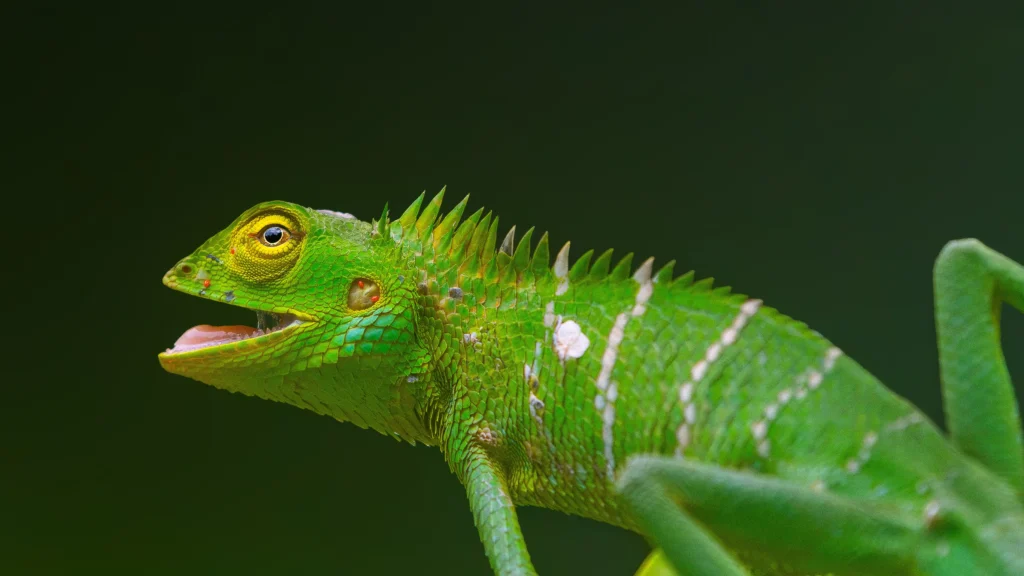
The Western Ghats are among the most biologically important mountain ranges on Earth. Stretching for about 1,600 kilometres along India’s western coast, they influence the southwest monsoon, feed many of peninsular India’s major rivers, and support an extraordinary concentration of plants and animals found nowhere else. Their ecological importance has earned global recognition as a UNESCO World Heritage Site and one of the world’s biodiversity hotspots.
For wildlife enthusiasts, the Western Ghats are known for species such as the lion-tailed macaque, Nilgiri tahr, Malabar giant squirrel, king cobra, and hundreds of endemic frogs, fishes, reptiles, and flowering plants. Yet their significance extends far beyond wildlife. Healthy forests in the Western Ghats help regulate rainfall, protect watersheds, reduce soil erosion, and sustain millions of people through reliable freshwater supplies.
Unlike many travel guides that focus only on national parks or sightseeing, this guide explains the ecological foundations of the Western Ghats—why they support such exceptional biodiversity, the habitats that make this possible, the conservation challenges they face, and why protecting this mountain chain is important for both nature and people.
What Makes the Western Ghats One of the World’s Most Important Biodiversity Hotspots?
A biodiversity hotspot is not simply a place with many species. To qualify, a region must support exceptionally high numbers of endemic species while also facing significant habitat loss. The Western Ghats meet both conditions, making them one of the world’s recognised biodiversity hotspots.
Several factors explain this remarkable diversity:
- An ancient geological history that predates the Himalayas.
- A long mountain chain spanning multiple climate zones.
- Heavy southwest monsoon rainfall.
- Large elevation differences creating varied habitats.
- Geographic barriers that have allowed species to evolve independently over millions of years.
The result is a landscape where evergreen rainforests, cloud forests, montane grasslands, freshwater streams, and unique wetlands exist within relatively short distances of one another. Each habitat supports its own specialised communities of plants and animals.
Why This Matters Beyond Wildlife
The biodiversity of the Western Ghats directly benefits people. Forests regulate water flow, recharge rivers, stabilise soils, store carbon, and influence rainfall across much of southern India. Conserving biodiversity therefore supports agriculture, drinking water supplies, hydroelectric projects, and local livelihoods—not just wildlife conservation.
Field Note: Many visitors associate the Western Ghats mainly with tigers or elephants. In reality, much of the region’s global importance lies in its lesser-known amphibians, freshwater fishes, insects, and plants, many of which occur nowhere else on Earth.
Geography, Climate and Natural History
Where Are the Western Ghats?
The Western Ghats, also known as the Sahyadri Hills, form a nearly continuous mountain chain running parallel to India’s western coastline. They extend through Gujarat, Maharashtra, Goa, Karnataka, Kerala, and Tamil Nadu before ending near the country’s southern tip. Although the range lies relatively close to the Arabian Sea, its elevation creates a major climatic barrier that shapes weather across peninsular India.
Western Ghats at a Glance
| Feature | Details |
| Length | About 1,600 km |
| States | Gujarat, Maharashtra, Goa, Karnataka, Kerala, Tamil Nadu |
| UNESCO Status | World Heritage Site (Serial Property) |
| UNESCO Components | 39 component sites grouped into 7 sub-clusters |
| Global Importance | Biodiversity Hotspot and major watershed for Peninsular India |
An Ancient Mountain Range
Unlike the relatively young Himalayas, the Western Ghats are far older. Their long geological history has allowed species to evolve in isolation over millions of years, contributing to the high levels of endemism seen today. Ancient landscapes also created opportunities for specialised habitats that support many narrowly distributed species.
How the Western Ghats Influence the Monsoon
The Western Ghats play a central role in India’s climate. Moist southwest monsoon winds from the Arabian Sea rise as they encounter the mountains, cooling and releasing rainfall over the western slopes. This process sustains dense forests and supplies water to numerous rivers across southern India. Areas lying in the rain shadow on the eastern side receive considerably less rainfall, creating striking ecological contrasts over relatively short distances.
The Importance of the Palghat Gap
One of the most distinctive features of the mountain chain is the Palghat Gap, a broad natural break between the Nilgiri Hills and the southern Western Ghats. More than a geographical feature, it acts as an important biogeographic barrier.
Many plants and animals show different distributions north and south of this gap, making it a key factor in the evolution of the region’s biodiversity. Understanding the Palghat Gap helps explain why some endemic species occur only in specific parts of the Western Ghats rather than throughout the entire mountain range.
Habitats That Support the Western Ghats’ Extraordinary Biodiversity
The Western Ghats are not covered by a single type of forest. Instead, they contain a mosaic of ecosystems shaped by rainfall, altitude, soil, and temperature. This habitat diversity is one of the main reasons the region supports such a high number of endemic species.
From lowland evergreen forests to mist-covered Shola forests and freshwater streams, each ecosystem provides unique conditions that allow specialised plants and animals to thrive.
Comparison of Major Habitats in the Western Ghats
| Habitat | Where It Occurs | Key Characteristics | Representative Wildlife |
| Tropical evergreen forests | High-rainfall western slopes | Dense multi-layered forests with year-round moisture | Lion-tailed macaque, Malabar giant squirrel, king cobra |
| Moist deciduous forests | Lower rainfall areas | Seasonal leaf fall and more open canopy | Tiger, Asian elephant, gaur, dhole |
| Shola forests | High elevations | Stunted evergreen forests in sheltered valleys | Nilgiri tahr, endemic birds, amphibians |
| Montane grasslands | Above Shola forests | Rolling grass-covered slopes | Nilgiri pipit, grassland specialists |
| Myristica swamps | Waterlogged lowlands | Ancient swamp forests with specialised flora | Amphibians, freshwater organisms, endemic plants |
| Rivers and streams | Throughout the mountain chain | Fast-flowing freshwater ecosystems | Endemic fishes, frogs, dragonflies |
Tropical Evergreen Forests
The evergreen forests of the Western Ghats are among India’s oldest and most species-rich ecosystems. High annual rainfall allows trees to retain their leaves throughout the year, creating dense, layered forests with a humid interior.
These forests contain towering canopy trees, smaller understory vegetation, climbers, epiphytes, mosses, and ferns. Such structural complexity creates numerous ecological niches, allowing many species to coexist.
Many of the Western Ghats’ best-known mammals depend on these forests, including:
- Lion-tailed macaque
- Malabar giant squirrel
- Nilgiri langur
- Leopard
- King cobra
These forests also support hundreds of endemic tree species, reflecting millions of years of relatively stable climatic conditions. UNESCO notes that more than half of the region’s tree species are endemic to the Western Ghats.
Field Note: Evergreen forests can appear quiet during the middle of the day, but early mornings often reveal hornbill calls, primate activity, and the sounds of cicadas and forest birds.
Moist Deciduous Forests
Where rainfall decreases, evergreen forests gradually give way to moist deciduous forests. Unlike evergreen forests, many trees here shed their leaves during the dry season.
Although less dense, these forests support some of India’s largest mammals because the more open vegetation promotes grass growth, providing abundant food for herbivores.
Common wildlife includes:
- Tiger
- Asian elephant
- Gaur
- Sambar deer
- Chital
- Dhole
- Sloth bear in some landscapes
Many of India’s famous tiger reserves within the Western Ghats contain extensive tracts of moist deciduous forest mixed with bamboo and patches of evergreen vegetation.
Shola Forests and Montane Grasslands
One of the defining landscapes of the southern Western Ghats is the Shola–grassland mosaic.
Rather than forming continuous forests, Shola forests occur as compact evergreen patches nestled in valleys and folds of high mountains. The surrounding hilltops are dominated by montane grasslands.
This alternating pattern creates numerous microclimates, allowing species with very specific habitat requirements to survive.
These high-elevation habitats support several endemic species, including:
- Nilgiri tahr
- Nilgiri pipit
- Black-and-orange flycatcher
- White-bellied blue robin
- Numerous endemic frogs
Because these habitats are naturally fragmented, many species have evolved in isolation over long periods, contributing to exceptionally high endemism.
Photography Tip: Shola landscapes are often at their most photogenic during the early morning, when mist settles in the valleys while sunlight gradually illuminates the surrounding grasslands.
Myristica Swamps
Among the least-known ecosystems of the Western Ghats are the Myristica swamps.
These ancient freshwater swamp forests survive only in scattered locations and are considered ecological relics. Permanently waterlogged soils create conditions that support specialised trees, amphibians, invertebrates, and aquatic organisms found in few other habitats.
Although visitors rarely encounter these swamps during conventional wildlife safaris, they are important because they preserve ancient plant communities and contribute significantly to regional biodiversity. Competitor articles often overlook these habitats despite their ecological significance.
Rivers and Freshwater Ecosystems
The rivers originating in the Western Ghats are among the region’s most valuable ecological assets.
Mountain streams, forest rivers, seasonal pools, and wetlands support remarkable freshwater biodiversity, particularly fishes, amphibians, aquatic insects, and crustaceans.
Recent research has highlighted that freshwater ecosystems deserve far greater conservation attention than they have traditionally received. The Western Ghats have been identified as one of the world’s regions with the highest concentrations of threatened freshwater species, emphasising the importance of protecting river systems alongside forests.
Many endemic frogs breed only in fast-flowing mountain streams, while numerous fish species are restricted to individual river basins. This makes freshwater habitats especially vulnerable to pollution, dams, and habitat alteration.
Responsible Tourism Tip: Avoid entering mountain streams or disturbing breeding pools during the monsoon. Many amphibians and freshwater organisms have highly localised populations, and even minor disturbance can affect sensitive breeding habitats.
Wildlife of the Western Ghats
The Western Ghats are home to an exceptional variety of wildlife, but their greatest distinction is not simply the number of species. It is the high level of endemism—species that occur naturally nowhere else on Earth.
Large mammals such as tigers and elephants attract most visitors, yet much of the region’s global conservation value lies in its endemic frogs, freshwater fishes, reptiles, birds, insects, and plants. Many of these species occupy small geographic ranges and depend on specific habitats, making them especially vulnerable to environmental change.
Signature Wildlife of the Western Ghats
| Wildlife Group | Notable Species |
| Mammals | Tiger, Asian elephant, lion-tailed macaque, Nilgiri tahr, Nilgiri langur, Malabar giant squirrel, gaur, dhole, leopard, slender loris |
| Birds | Malabar grey hornbill, Nilgiri flycatcher, Nilgiri wood pigeon, White-bellied blue robin, Black-and-orange flycatcher, Nilgiri pipit |
| Reptiles | King cobra, endemic shieldtails, several endemic lizards |
| Amphibians | Numerous endemic frogs, including many stream-dependent species |
| Freshwater Fish | Many river-specific endemic fishes |
| Invertebrates | Dragonflies, damselflies, tiger beetles, butterflies and other endemic insects |
Iconic Mammals
Tiger
The tiger is the apex predator of the Western Ghats and occurs across several protected landscapes. Healthy tiger populations indicate well-functioning ecosystems with sufficient prey and extensive forest cover.
Many of India’s best-known tiger reserves—including Periyar, Bandipur, Nagarhole, Mudumalai, Anamalai and Kali—form part of the broader Western Ghats landscape.
Asian Elephant
The Western Ghats support one of Asia’s most important elephant landscapes. Large connected forests allow elephants to move seasonally between habitats, making wildlife corridors essential for their long-term survival.
Visitors are far more likely to encounter elephants than tigers during wildlife safaris, particularly in reserves with large herbivore populations.
Lion-tailed Macaque

The lion-tailed macaque is one of the most recognisable endemic mammals of the Western Ghats.
Adapted to life in the rainforest canopy, it spends much of its time feeding on fruits, insects, flowers, and small animals high above the forest floor. Habitat fragmentation has isolated many populations, making the protection of continuous evergreen forests especially important.
Nilgiri Tahr
The Nilgiri tahr is a mountain-dwelling wild goat found mainly in the high-altitude grasslands and rocky slopes of the southern Western Ghats.
Its distribution closely reflects the specialised nature of Shola–grassland ecosystems. Because these habitats occur only in scattered mountain ranges, the Nilgiri tahr has a naturally limited distribution.
Other Important Mammals
The Western Ghats also support:
- Nilgiri langur
- Malabar giant squirrel
- Gaur
- Dhole (Indian wild dog)
- Leopard
- Slender loris
Together, these mammals represent a wide range of ecological roles, from large grazers and predators to arboreal primates and nocturnal insect hunters.
Field Note: While charismatic mammals receive most public attention, they represent only a small fraction of the Western Ghats’ biodiversity. Many smaller species with restricted ranges contribute equally to the region’s global ecological significance.
Endemic Birds
Birdwatchers regard the Western Ghats as one of India’s finest regions for endemic birds.
Different habitats support distinct bird communities. Evergreen forests shelter secretive forest specialists, while Shola forests and montane grasslands provide habitat for high-elevation endemic species.
Notable endemic birds include:
- Nilgiri flycatcher
- Nilgiri wood pigeon
- White-bellied blue robin
- Black-and-orange flycatcher
- Nilgiri pipit
- Malabar grey hornbill
Many of these birds have relatively small distributions, making habitat conservation essential for their long-term survival.
Photography Tip: Early mornings offer the best opportunities for bird photography. Birds are generally most active shortly after sunrise, when forest light is softer and feeding activity is highest.
Amphibians, Reptiles and Freshwater Fish
Although less familiar to most visitors, amphibians, reptiles and freshwater fishes are among the Western Ghats’ greatest conservation treasures.
UNESCO highlights exceptionally high levels of endemism among amphibians, reptiles and freshwater fishes, making these groups central to the region’s global biodiversity importance.
Amphibians
The heavy monsoon rainfall creates ideal breeding conditions for frogs, many of which depend on forest streams or temporary pools.
Numerous species occupy extremely small geographic ranges, sometimes being restricted to a single mountain range or watershed. This makes amphibians particularly sensitive to habitat loss, pollution and climate change.
Reptiles
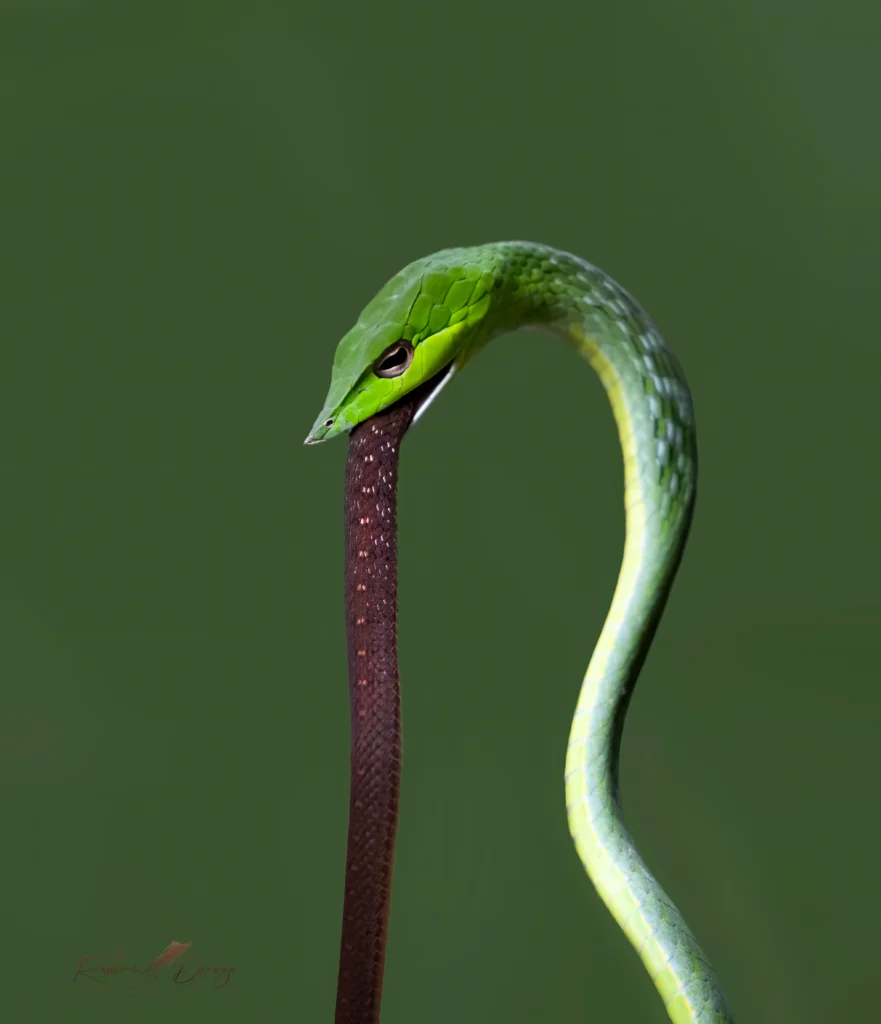
The Western Ghats support a diverse reptile fauna ranging from large predators such as the king cobra to many lesser-known endemic lizards and shieldtail snakes that spend much of their lives underground.
Many reptile species remain poorly known, highlighting the need for continued scientific research.
Freshwater Fish
Mountain rivers flowing through the Western Ghats contain remarkable freshwater diversity.
Unlike many widespread river fishes, numerous species occur only within individual river systems. This high degree of river-specific endemism means that changes to one watershed can affect species found nowhere else.
Recent assessments identifying the Western Ghats as a global priority for threatened freshwater biodiversity further underline the importance of conserving these aquatic ecosystems.
Invertebrates: The Overlooked Majority
Invertebrates account for much of the Western Ghats’ biological diversity, yet they receive relatively little public attention.
Dragonflies, damselflies, butterflies, beetles and numerous other insect groups play essential ecological roles as pollinators, predators and indicators of freshwater health.
A 2026 survey documented around 222 odonate species, including approximately 95 endemic species, reinforcing the Western Ghats’ importance for insect conservation as well as for larger vertebrates.
Why Is Endemism So High?
Several interacting factors have allowed species in the Western Ghats to evolve independently over millions of years:
Ancient Geological History
The mountain range is considerably older than the Himalayas, providing long periods for evolutionary diversification.
Climatic Stability
Persistent monsoon rainfall has supported forests over long timescales, allowing many specialised species to survive.
Diverse Elevation
From lowland rainforests to high mountain grasslands, changing altitude creates numerous ecological niches.
Geographic Isolation
Natural barriers—including deep valleys, river systems and the Palghat Gap—have limited movement between populations, encouraging the evolution of new species.
These factors explain why neighbouring mountains may support closely related but distinct species, particularly among frogs, reptiles, insects and plants.
Expert Tip: When exploring the Western Ghats, focus not only on searching for large mammals. Many of the region’s most scientifically significant species are small, endemic organisms that require careful observation and specialised habitats. Birdwatching walks, guided rainforest trails and night walks often reveal biodiversity that is easily missed on conventional jeep safaris.
Freshwater Biodiversity: The Western Ghats’ Hidden Conservation Story
When people think of the Western Ghats, they usually picture rainforests, elephants, or tigers. However, scientists increasingly recognise that some of the region’s most vulnerable biodiversity lives beneath the surface of its rivers, streams, and wetlands.
The Western Ghats are the source of many of peninsular India’s major river systems. These freshwater habitats support a remarkable diversity of fishes, amphibians, aquatic insects, molluscs, and crustaceans, many of which are found nowhere else. Because many species are restricted to individual watersheds, even small changes to river ecosystems can have lasting conservation consequences.
Why Freshwater Ecosystems Are So Important
Mountain streams flowing through evergreen forests create cool, oxygen-rich habitats that support specialised aquatic life.
Unlike wide lowland rivers, these streams often contain isolated populations that have evolved independently over thousands of years. This isolation has produced exceptionally high levels of freshwater endemism.
These freshwater ecosystems also provide benefits beyond biodiversity by:
- Supplying drinking water to millions of people.
- Supporting agriculture across southern India.
- Recharging groundwater.
- Reducing soil erosion.
- Maintaining river health downstream.
Protecting freshwater habitats therefore benefits both wildlife and human communities.
Recent Findings Highlight Growing Conservation Concerns
Recent scientific assessments have drawn attention to the vulnerability of freshwater biodiversity in the Western Ghats.
A global freshwater assessment published in early 2025 identified the Western Ghats as one of the world’s regions with the highest numbers of threatened freshwater species. Of the 301 assessed freshwater species from the region, 124 were considered at risk of extinction, highlighting the urgent need for improved river conservation.
This finding reinforces an important message: conserving forests alone is not enough. Healthy rivers, streams, wetlands, and headwaters are equally essential for safeguarding the Western Ghats’ biodiversity.
Threats to Western Ghats Biodiversity
Despite its global importance, the Western Ghats face multiple conservation challenges. These threats vary across landscapes, but together they place increasing pressure on habitats and wildlife.
Threats and Their Ecological Impacts
| Threat | Primary Impact |
| Habitat fragmentation | Isolates wildlife populations and reduces genetic exchange |
| Dams and river modification | Alters freshwater habitats and affects aquatic species |
| Mining and quarrying | Degrades forests and increases erosion |
| Pollution | Reduces water quality and harms freshwater organisms |
| Invasive species | Compete with native plants and animals |
| Climate change | Alters rainfall patterns and affects sensitive mountain ecosystems |
Habitat Loss and Fragmentation
Habitat fragmentation remains one of the most significant long-term threats.
Road construction, expanding settlements, agriculture, plantations, and infrastructure can divide once-continuous forests into isolated patches.
Large mammals such as elephants require connected landscapes for seasonal movement, while smaller endemic species may become isolated in increasingly fragmented habitats.
Fragmentation can also reduce genetic diversity and increase conflict between wildlife and people.
Dams, River Modification and Water Extraction
Many rivers originating in the Western Ghats have been modified through dams, reservoirs, and water diversion projects.
Although these developments provide benefits such as irrigation and hydroelectric power, they can also alter natural river flow, change water temperatures, interrupt fish movement, and affect breeding habitats for amphibians and aquatic insects.
Because many freshwater species occur only within individual river systems, such changes may have localised but significant ecological consequences.
Mining and Quarrying
Mining and quarrying can directly alter landscapes through vegetation removal, excavation, dust generation, and increased erosion.
When poorly managed, these activities may fragment habitats, degrade streams, and affect nearby wildlife populations.
The impacts are often greatest where mining occurs close to sensitive forests or headwater catchments.
Climate Change
Mountain ecosystems are particularly sensitive to changing climate.
Altered rainfall patterns, shifting temperatures, and changes in seasonal water availability may affect flowering cycles, breeding seasons, stream flow, and species distributions.
High-elevation species with restricted ranges could face additional pressure because they have limited opportunities to move to cooler habitats.
While the long-term effects continue to be studied, climate change is increasingly recognised as an important conservation concern for the Western Ghats.
Invasive Species
Non-native plants and animals can alter natural ecosystems by competing with indigenous species for space, light, nutrients, and water.
Invasive plants may change forest structure or grassland composition, reducing habitat quality for native wildlife.
Managing invasive species has therefore become an important component of conservation planning in several protected landscapes.
Conservation Efforts Across the Western Ghats
Protecting biodiversity in a landscape that spans six states requires coordinated management involving government agencies, researchers, local communities, and conservation organisations.
Current conservation approaches include:
- Strengthening protected-area management.
- Wildlife habitat restoration.
- Forest fire management.
- Afforestation programmes.
- Project Tiger funding.
- Eco-sensitive area planning.
- Scientific monitoring of threatened species.
Because ecological processes do not follow state boundaries, maintaining landscape connectivity remains one of the most important long-term conservation priorities.
Responsible Tourism Tip: Choose accommodation and tour operators that follow responsible waste management practices, minimise disturbance to wildlife, and employ local naturalists. Supporting conservation-focused tourism helps create economic incentives for protecting forests and wildlife.
Why Conservation Requires More Than Protected Areas
National parks and wildlife sanctuaries form the backbone of conservation, but many species also depend on forests, rivers, plantations, community lands, and wildlife corridors outside formally protected areas.
Conservation therefore involves balancing biodiversity protection with the needs of local communities, sustainable development, and responsible land use.
As recent freshwater research demonstrates, effective conservation must also include rivers, wetlands, and headwater ecosystems—not just forests.
UNESCO World Heritage Status and Protected Areas
The Western Ghats are recognised internationally not only for their scenic landscapes but also for their outstanding ecological value. In 2012, UNESCO inscribed selected parts of the mountain range as a World Heritage Site under natural criteria relating to ongoing ecological processes and biodiversity conservation.
Importantly, the UNESCO designation does not cover the entire Western Ghats. Instead, it protects a serial property comprising 39 component sites grouped into seven sub-clusters, representing the most significant examples of the region’s ecosystems and biodiversity.
Why UNESCO Recognition Matters
The World Heritage inscription recognises that the Western Ghats:
- Support globally important ecological and evolutionary processes.
- Contain exceptionally high levels of endemism.
- Protect habitats for numerous threatened species.
- Represent one of the world’s most significant tropical mountain ecosystems.
While UNESCO status strengthens international recognition, effective conservation still depends on management by Indian government agencies, state forest departments, researchers, conservation organisations, and local communities.
Major Protected Areas of the Western Ghats
The Western Ghats contain numerous national parks, wildlife sanctuaries, conservation reserves, and tiger reserves spread across six states.
Some of the Best-Known Protected Areas
| Protected Area | State | Known For |
| Periyar Tiger Reserve | Kerala | Elephants, tigers, evergreen forests, lake ecosystem |
| Silent Valley National Park | Kerala | Ancient evergreen rainforest and lion-tailed macaque |
| Bandipur Tiger Reserve | Karnataka | Tigers, elephants and large herbivores |
| Nagarhole Tiger Reserve | Karnataka | Large mammals and connected forest landscape |
| Kudremukh National Park | Karnataka | Montane grasslands and evergreen forests |
| Anamalai Tiger Reserve | Tamil Nadu | Diverse habitats from rainforest to grassland |
| Mudumalai Tiger Reserve | Tamil Nadu | Elephant movement corridors and predator populations |
| Bhagwan Mahaveer National Park (Mollem) | Goa | Evergreen forests and endemic wildlife |
Together, these protected landscapes form interconnected conservation networks that allow wildlife to move across state boundaries, particularly wide-ranging species such as elephants, tigers, and dholes.
Decision Guide: If your primary interest is observing large mammals, tiger reserves such as Bandipur, Nagarhole, Mudumalai, Periyar, and Anamalai offer some of the best opportunities. If you are interested in endemic birds, amphibians, or rainforest ecology, destinations such as Silent Valley, Agasthyamalai, and Kudremukh provide a very different experience.
Why the Western Ghats Matter Beyond Wildlife
Although the Western Ghats are celebrated for their biodiversity, their ecological importance extends far beyond conservation.
Water Security
Many major rivers of peninsular India originate in the Western Ghats. These rivers support drinking water supplies, irrigation, industry, and hydropower across several states.
Healthy forests help regulate stream flow, reduce soil erosion, and improve water quality, making biodiversity conservation closely linked to water security.
Climate and Monsoon Regulation
The mountain chain intercepts moisture-laden southwest monsoon winds, influencing rainfall patterns across much of southern India.
Changes to forest cover can affect local hydrology and ecosystem health, reinforcing the importance of protecting natural landscapes.
Livelihoods
Millions of people depend directly or indirectly on the Western Ghats through agriculture, forestry, fisheries, tourism, and ecosystem services.
Conservation therefore involves balancing biodiversity protection with sustainable livelihoods and responsible resource use.
Responsible Wildlife Travel
Visitors can contribute positively to conservation by making informed choices during their trip.
Practical Checklist
✔ Stay on designated nature trails.
✔ Maintain a respectful distance from wildlife.
✔ Never feed wild animals.
✔ Avoid playing recorded bird calls to attract wildlife.
✔ Do not enter streams or wetlands unnecessarily, especially during amphibian breeding seasons.
✔ Carry reusable water bottles and minimise plastic waste.
✔ Hire certified local guides and naturalists.
✔ Support eco-friendly accommodation where possible.
Responsible tourism cannot solve every conservation challenge, but it helps reduce disturbance while supporting local communities that depend on nature-based tourism.
Common Mistakes and Misconceptions
Many misconceptions about the Western Ghats oversimplify a highly complex landscape.
“The Western Ghats are one continuous forest.”
In reality, they consist of many different habitats spread across six states, with varying rainfall, elevation, and conservation priorities.
“Only large mammals are important.”
Much of the region’s global significance comes from endemic frogs, freshwater fishes, reptiles, insects, and plants, many of which have much smaller ranges than elephants or tigers.
“UNESCO protects the entire mountain range.”
The UNESCO World Heritage Site includes selected component areas rather than the whole Western Ghats. Different landscapes remain under different management systems.
“Biodiversity is the same everywhere.”
Species composition changes considerably with altitude, rainfall, habitat type, and geographic barriers such as the Palghat Gap.
Frequently Asked Questions
Why are the Western Ghats considered a biodiversity hotspot?
Because they combine exceptionally high levels of endemic species with significant habitat loss, meeting the internationally recognised criteria for a biodiversity hotspot.
Which states do the Western Ghats pass through?
Gujarat, Maharashtra, Goa, Karnataka, Kerala, and Tamil Nadu.
Why are the Western Ghats older than the Himalayas important?
Their ancient geological history has provided long periods for species to evolve independently, contributing to remarkable endemism.
What is the Palghat Gap?
It is a broad natural break in the mountain chain that acts as an important biogeographic barrier, influencing the distribution and evolution of many species.
What are Shola forests?
Sholas are patches of high-elevation evergreen forest surrounded by montane grasslands, mainly in the southern Western Ghats.
What are Myristica swamps?
These are rare freshwater swamp forests that preserve ancient plant communities and support specialised wildlife.
Which mammals are most closely associated with the Western Ghats?
Lion-tailed macaque, Nilgiri tahr, Nilgiri langur, Malabar giant squirrel, tiger, Asian elephant, gaur, leopard, dhole, and slender loris.
Why is freshwater biodiversity receiving more attention?
Recent assessments show that many freshwater species in the Western Ghats face elevated extinction risks, highlighting rivers and streams as conservation priorities.
How does the Western Ghats influence the Indian monsoon?
The mountains intercept southwest monsoon winds, causing rainfall that sustains forests, rivers, agriculture, and water supplies across southern India.
How can tourists help conserve the Western Ghats?
By following responsible wildlife viewing practices, supporting eco-friendly tourism businesses, reducing waste, and respecting protected area regulations.
Conclusion
The Western Ghats are far more than a mountain range or a collection of wildlife reserves. They are one of the world’s most significant centres of biodiversity, supporting ancient forests, unique ecosystems, and thousands of species, many of which occur nowhere else.
Their forests influence the Indian monsoon, their rivers sustain millions of people, and their varied habitats—from evergreen rainforests and Shola grasslands to Myristica swamps and mountain streams—illustrate how geography and climate can shape life over millions of years.
Yet this biodiversity faces growing pressures from habitat fragmentation, altered river systems, invasive species, and climate change. Recent research highlighting the vulnerability of freshwater ecosystems further demonstrates that effective conservation must protect not only forests but also the rivers and wetlands that sustain them.
For travellers, the Western Ghats offer an opportunity to appreciate one of India’s richest natural landscapes while supporting responsible tourism. For conservationists, they remain a global priority. And for everyone who depends on clean water, stable monsoons, and healthy ecosystems, protecting the Western Ghats is an investment in both biodiversity and human well-being.