
Learn how to become a wildlife photographer with practical advice on skills, gear, ethics, fieldcraft, portfolio building, career options, and the best places to practice.
Introduction
Wildlife photography is one of the most rewarding forms of photography, but it is also one of the most demanding. Success depends far less on owning expensive equipment than on understanding wildlife, developing patience, and learning how to work responsibly in natural habitats. The best wildlife photographers are skilled observers before they are skilled camera operators.
If you’re wondering how to become a wildlife photographer, the answer is straightforward: learn wildlife first, photography second, and upgrade your equipment only as your skills grow. Whether your goal is to photograph birds in a local wetland, tigers in India’s national parks, or eventually build a professional portfolio, the journey begins with observation, practice, and respect for animals.
This guide explains the complete learning path—from developing essential skills and choosing your first equipment to understanding wildlife ethics, building a portfolio, and exploring career opportunities. It is written for beginners but also provides practical guidance for photographers who want to progress beyond casual wildlife photography.
What Does a Wildlife Photographer Actually Do?
Many people imagine wildlife photography as travelling to remote forests and waiting for rare animals to appear. While that certainly happens, most wildlife photographers spend far more time preparing than pressing the shutter.
A typical outing may involve:
- Researching species behaviour before leaving home.
- Reaching a location before sunrise.
- Watching animals quietly for long periods.
- Waiting for natural behaviour instead of forcing interactions.
- Returning home without a single memorable photograph if conditions are unsuitable.
This patience is not wasted time. It is often what separates consistently good wildlife photographs from lucky snapshots.
Wildlife Photography vs Nature Photography vs Conservation Photography
Although these terms are often used interchangeably, they are not identical.
| Type | Primary Focus |
| Wildlife Photography | Wild animals and their natural behaviour. |
| Nature Photography | Landscapes, plants, weather, insects, wildlife and natural environments. |
| Conservation Photography | Images created to educate people, support conservation efforts, and communicate environmental issues. |
Many professional photographers work across all three disciplines, but understanding the distinction helps you choose your own direction as your interests develop.
What Success Looks Like for Beginners
A beginner’s goal should not be photographing rare or elusive species immediately. Instead, focus on building reliable skills that you can apply anywhere.
Good early milestones include:
- Consistently producing sharp images of common birds and animals.
- Learning to predict behaviour before it happens.
- Photographing wildlife without disturbing it.
- Understanding exposure and autofocus well enough to react quickly.
- Creating a small portfolio that shows quality rather than quantity.
By concentrating on these fundamentals, you’ll be prepared for more challenging wildlife encounters when opportunities arise.
Skills You Need Before Buying Expensive Gear
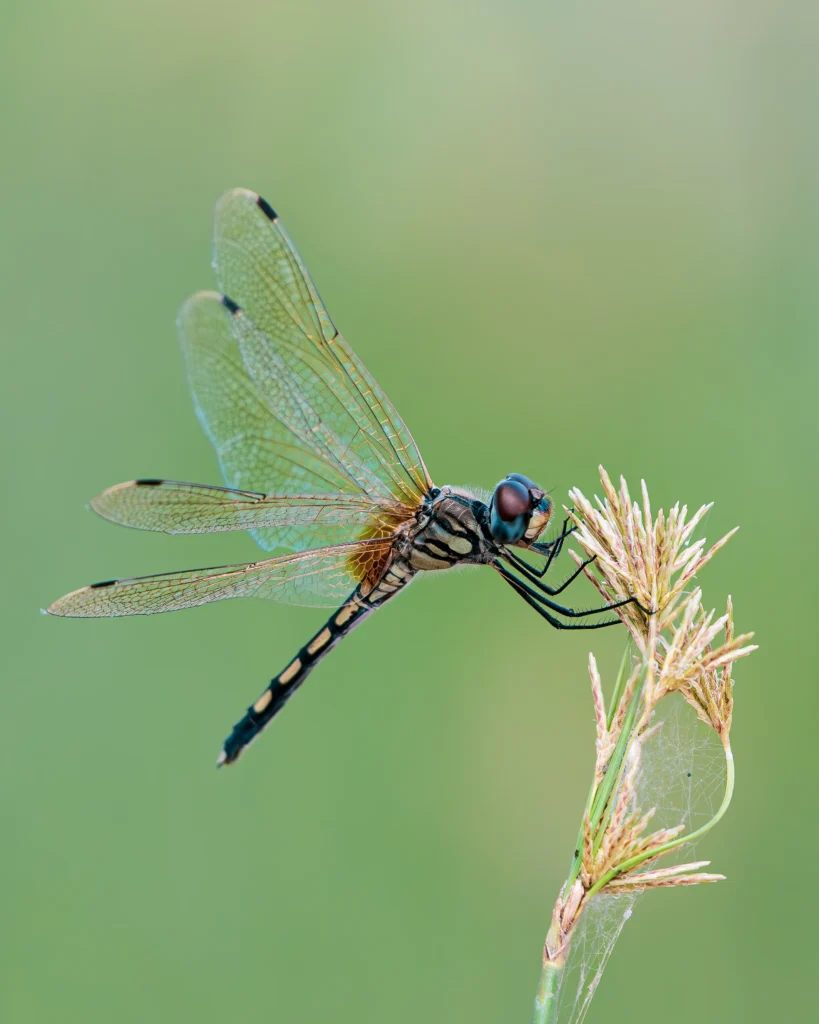
One of the biggest misconceptions in wildlife photography is that better equipment automatically produces better photographs. In reality, experienced photographers often create stronger images with modest equipment because they understand their subjects and know how to anticipate behaviour.
The most valuable skills to develop first are:
- Observation: Learn to notice subtle behavioural cues instead of reacting only after the action has happened.
- Patience: Wildlife rarely follows a schedule. Waiting quietly often produces better opportunities than constantly moving in search of animals.
- Animal Behaviour: Understanding feeding patterns, breeding seasons, territorial behaviour, and daily activity helps you predict photographic opportunities while reducing disturbance.
- Fieldcraft: Move carefully, respect habitat, use natural cover where appropriate, and recognise when an animal is becoming uncomfortable with your presence.
- Camera Fundamentals: Become comfortable with shutter speed, aperture, ISO, autofocus modes, and continuous shooting before investing in expensive upgrades.
These abilities improve every photograph you take, regardless of the camera in your hands, and they remain valuable throughout your photographic journey.
Beginner Gear, Animal Behaviour & Fieldcraft
Best Beginner Gear for Wildlife Photography
Many beginners assume they need an expensive professional camera before they can take good wildlife photographs. In reality, upgrading your skills usually delivers bigger improvements than upgrading your equipment. Start with the best camera you already have, learn its strengths and limitations, and only invest in new gear when you consistently outgrow it.
A sharp, well-composed photograph of a common bird is far more valuable than a poorly exposed image of a rare tiger.
Can You Start With Your Current Camera?
For many people, the answer is yes.
Modern smartphones, entry-level DSLRs, and mirrorless cameras are all capable of producing excellent images under the right conditions. The biggest limitation is usually lens reach rather than image quality.
As your interest grows, your first major upgrade should normally be a telephoto lens rather than a new camera body. A longer lens allows you to photograph wildlife from a safe distance while filling more of the frame, helping both image quality and animal welfare.
Choosing Your First Wildlife Lens
The ideal focal length depends on your subjects.
| Lens | Best For | Advantages | Limitations |
| 70–300 mm | Larger mammals, zoo photography, nearby birds | Affordable, lightweight | Limited reach for small birds |
| 100–400 mm | General wildlife | Versatile, good balance of reach and portability | Higher cost |
| 150–600 mm | Birds and distant wildlife | Excellent reach | Heavier, requires good technique or support |
There is no universally “best” wildlife lens. Bird photographers often need much longer focal lengths than photographers concentrating on elephants, deer, or other large mammals.
Camera Features That Matter Most
Rather than chasing the latest model, look for features that genuinely improve wildlife photography:
- Reliable continuous autofocus
- Fast burst shooting
- Good high-ISO performance
- Weather sealing if you regularly work outdoors
- Comfortable ergonomics for long shooting sessions
Remember that an experienced photographer using an older camera will usually outperform a beginner with the latest flagship model.
Essential Accessories
Beyond the camera and lens, a few accessories make field photography easier.
Consider carrying:
- Spare batteries
- High-speed memory cards
- Lens cleaning cloth
- Rain protection
- Comfortable backpack
- Beanbag for safari vehicles
- Tripod or monopod when appropriate
Avoid carrying unnecessary equipment. Long walks through forests or wetlands quickly teach photographers that every extra kilogram matters.
Photography Tip: A beanbag is often more useful than a tripod during jeep safaris because it provides stable support without restricting movement.
A Sensible Upgrade Roadmap
Instead of purchasing everything at once, upgrade gradually.
A practical progression is:
- Use your current camera.
- Buy a quality telephoto zoom.
- Add spare batteries and memory cards.
- Invest in support equipment.
- Upgrade the camera body only when your existing one limits your photography.
This approach develops skills alongside equipment rather than relying on gear to compensate for inexperience.
Learn Animal Behaviour Before Chasing Rare Species
The best wildlife photographers are usually excellent naturalists.
Understanding why an animal behaves in a certain way helps you anticipate moments instead of reacting after they happen. That means more natural photographs, fewer missed opportunities, and less disturbance to wildlife.
Learn Daily Behaviour Patterns
Every species follows predictable routines.
Some animals are most active shortly after sunrise, while others emerge at dusk or become active during cooler weather.
Instead of searching randomly, spend time learning:
- Feeding behaviour
- Resting locations
- Seasonal movements
- Territorial displays
- Courtship behaviour
- Parenting behaviour
Knowing these patterns helps you position yourself responsibly before the action begins.
Learn to Read Animal Body Language
Wild animals constantly communicate through posture and movement.
A relaxed animal behaves very differently from one that feels threatened.
Signs that may indicate increasing stress include:
- Repeated vigilance
- Sudden freezing
- Alarm calls
- Tail flicking or ear movements
- Repeatedly looking towards people
- Moving away despite continued approach
When you notice these behaviours, increasing your distance is usually the right decision.
Responsible Tourism Tip: If your presence changes an animal’s behaviour, you are probably too close.
Fieldcraft Is a Skill
Fieldcraft refers to the practical techniques used to observe wildlife without causing unnecessary disturbance.
Good fieldcraft includes:
- Moving slowly
- Remaining quiet
- Avoiding sudden movements
- Wearing clothing that blends with the surroundings
- Respecting park regulations
- Allowing wildlife to choose its own direction of movement
Patience is often the most valuable piece of equipment you can carry.
Start Close to Home
You do not need an expensive safari to become a better wildlife photographer.
Many professionals developed their skills by photographing common species close to where they lived.
Excellent practice subjects include:
- Garden birds
- Urban monkeys
- Waterbirds at wetlands
- Butterflies
- Dragonflies
- Squirrels
- Deer in protected parks
Common animals provide endless opportunities to practise autofocus, exposure, composition, and behaviour without the pressure of photographing rare species.
Field Note: Photographing familiar species repeatedly often teaches more than a single expensive safari. Every visit reveals new behaviours, changing light, and different photographic challenges.
Think Like a Naturalist
Instead of asking:
“Where can I find a tiger?”
Ask:
“Why might a tiger choose this route today?”
That small shift in thinking transforms wildlife photography from simply recording animals into understanding them.
It also leads to stronger photographs because images built on behaviour often tell more compelling stories than portraits alone.
Ethical Wildlife Photography, Learning Roadmap & Building Your Portfolio
Ethical Wildlife Photography Rules Every Photographer Should Follow
Technical skills can help you take better photographs, but ethics determine whether those photographs should be taken in the first place. A technically perfect image is never worth causing stress, injury, or lasting changes to an animal’s behaviour. This principle is widely supported by conservation organisations and experienced wildlife photographers.
Ethics should guide every decision you make in the field—from where you stand to whether you press the shutter.
Put Animal Welfare First
The best wildlife encounter is one where the animal continues its natural behaviour because your presence has little or no effect.
Before taking a photograph, ask yourself:
- Has the animal noticed me?
- Has it changed its behaviour because of me?
- Am I preventing it from feeding, resting, hunting, or caring for its young?
- Would stepping back reduce any disturbance?
If the answer to any of these questions is “yes,” creating more distance is usually the right choice.
Responsible Tourism Tip: A missed photograph is always better than a disturbed animal.
Never Feed or Bait Wildlife
Using food, recorded calls, or other methods to attract wildlife may produce dramatic images, but it can also alter natural behaviour and create long-term problems for animals.
Baiting can:
- Encourage dependence on people.
- Increase conflict between wildlife and humans.
- Change hunting or feeding behaviour.
- Place animals in dangerous situations.
- Mislead viewers about natural behaviour.
Similarly, avoid modifying vegetation, moving animals, or manipulating habitats simply to improve a composition. Wildlife photography should document nature, not stage it.
Respect Breeding and Nesting Seasons
Breeding birds, nesting reptiles, and mammals caring for young are particularly vulnerable to disturbance.
Repeated approaches may cause:
- Nest abandonment.
- Interrupted feeding.
- Increased exposure to predators.
- Reduced breeding success.
Many protected areas impose seasonal restrictions around nesting sites or sensitive habitats. Always follow local regulations, even if the subject appears calm.
Be Careful with Drones
Drones have opened new creative possibilities, but they can also cause significant disturbance to wildlife. Even when animals show little visible reaction, research suggests they may still experience stress.
Many national parks prohibit drones entirely or require special permissions. Even where they are permitted, responsible photographers should avoid flying near wildlife unless there is a legitimate conservation or research purpose.
Honest Captions Matter
Ethics extend beyond the field.
If an image was created in captivity, from a hide, using remote cameras, or under managed conditions, your caption should make that clear.
Transparent storytelling builds trust with readers, editors, and conservation organisations.
Ethical vs Unethical Wildlife Photography
| Ethical Practice | Unethical Practice |
| Observing from a respectful distance | Chasing or cornering wildlife |
| Allowing natural behaviour to continue | Provoking reactions for dramatic images |
| Following park rules | Ignoring regulations for a better angle |
| Photographing without altering habitat | Breaking branches or clearing vegetation |
| Honest captions | Misrepresenting captive or staged images as wild |
| Leaving if an animal shows stress | Continuing to photograph despite signs of disturbance |
Step-by-Step Roadmap to Becoming a Wildlife Photographer
Wildlife photography is not mastered in a single safari. It develops gradually through observation, practice, and continual learning.
Step 1: Learn Your Camera Thoroughly
Before spending money on upgrades, become comfortable with:
- Exposure settings
- Autofocus modes
- Continuous shooting
- Exposure compensation
- Back-button focus (if available)
- Basic composition
Operating your camera confidently allows you to concentrate on wildlife rather than menus and buttons.
Step 2: Practise Frequently
Experience comes from repetition.
Photograph common species throughout the year rather than waiting for occasional wildlife holidays.
Each outing teaches something new about:
- Light
- Behaviour
- Timing
- Composition
- Camera handling
Regular practice is far more valuable than occasional intensive trips.
Step 3: Study Wildlife, Not Just Photography
Read field guides.
Watch documentaries.
Attend nature walks.
Speak with naturalists and park guides.
The more you understand wildlife, the better you become at predicting behaviour and creating meaningful images.
Expert Tip: Spend at least as much time learning about your subjects as you spend researching cameras and lenses.
Step 4: Choose an Area of Interest
Trying to photograph every species often slows progress.
Instead, specialise for a while.
Examples include:
- Birds
- Big cats
- Wetland wildlife
- Butterflies
- Raptors
- Reptiles
- Animal behaviour
- Conservation stories
A focused approach helps develop deeper knowledge and a stronger portfolio.
Step 5: Review Your Own Work
After every outing, ask:
- Which images tell a story?
- Which compositions worked?
- Which settings failed?
- Could I have behaved more responsibly?
- What should I practise next?
Improvement comes from honest self-evaluation rather than simply collecting more photographs.
How to Build a Wildlife Photography Portfolio
A portfolio is more than a gallery of your favourite images. It demonstrates your consistency, technical ability, understanding of wildlife, and ethical standards.
Quality matters far more than quantity.
Twenty excellent photographs usually make a stronger impression than two hundred average ones.
Build Around a Theme
Rather than displaying unrelated wildlife photographs, organise your portfolio around subjects or stories.
Examples include:
- Birds of urban wetlands
- Tigers of Central India
- Behavioural sequences
- Mammals of grasslands
- Raptors in flight
- Amphibians during the monsoon
A themed portfolio demonstrates purpose and observation.
Show Behaviour, Not Just Portraits
Portraits are important, but editors and conservation organisations also value photographs that document behaviour.
Look for opportunities to photograph:
- Feeding
- Hunting
- Courtship
- Nest building
- Parenting
- Social interactions
- Territorial displays
Behavioural images often communicate more about a species than a close-up portrait alone.
Edit Conservatively
Post-processing should improve the photograph without changing reality.
Reasonable adjustments include:
- Exposure
- White balance
- Contrast
- Noise reduction
- Cropping
Avoid excessive manipulation that changes colours, removes important elements, or creates misleading scenes.
Build an Online Presence
As your portfolio grows, consider creating:
- A simple photography website
- A carefully curated social media profile
- A blog sharing field experiences
- Species-based galleries
- Conservation stories
Consistency is more valuable than frequent posting.
Share Your Work Professionally
As your photography improves, you can gradually explore:
- Wildlife photography competitions
- Nature magazines
- Conservation organisations
- Local exhibitions
- Educational presentations
- Citizen science initiatives
Recognition usually comes from sustained quality rather than a single spectacular photograph.
Photography Tip: When selecting portfolio images, ask, “Would I still be proud of this photograph five years from now?” If not, leave it out.
Career Paths, Best Places to Practise in India, Common Mistakes, FAQs & Conclusion
Can Wildlife Photography Become a Career?
Yes, but it is rarely a profession with a fixed career path or guaranteed income. Most successful wildlife photographers build their careers gradually, combining photography with teaching, writing, guiding, conservation work, or digital content. Expect to spend several years developing your skills, portfolio, and reputation before wildlife photography becomes a significant source of income.
Rather than asking, “Can I make money from wildlife photography?” a better question is, “How can I create enough value that people are willing to pay for my work?”
Common Career Paths
Freelance Photographer
Freelancers work with magazines, newspapers, tourism boards, NGOs, conservation organisations, and commercial clients.
Success depends on consistently producing high-quality images, meeting deadlines, and understanding clients’ needs.
Stock Photography
Wildlife photographs can be licensed through stock agencies for editorial and commercial use.
Although competition is high, carefully captioned images of less-photographed species or behaviours may have better long-term value than generic animal portraits.
Conservation Storytelling
Many photographers collaborate with conservation organisations to document species, habitats, research projects, or environmental challenges.
This work combines photography with science communication and often requires strong storytelling skills.
Workshops and Tours
Experienced photographers may eventually lead:
- Photography workshops
- Birding tours
- Safari photography trips
- Camera training sessions
Teaching requires both photographic expertise and the ability to work well with people.
Content Creation
Some photographers supplement their income through:
- YouTube channels
- Blogs
- Books
- Online courses
- Social media partnerships
- Educational content
These activities often complement field photography rather than replacing it.
Wildlife Photography Career Paths
| Path | Best For | Main Income Sources |
| Hobbyist | Learning and personal enjoyment | No income expected |
| Freelancer | Independent photographers | Assignments, licensing, editorial work |
| Content Creator | Online educators | YouTube, blogs, courses, sponsorships |
| Conservation Photographer | Science and conservation communication | NGOs, research organisations, grants |
| Workshop Leader | Experienced professionals | Tours, workshops, mentoring |
There is no single “correct” career path. Many professionals combine several of these throughout their careers.
Best Places in India to Practise Wildlife Photography
India offers an exceptional variety of habitats, making it an excellent country for photographers to develop different skills. Rather than focusing only on famous tiger reserves, choose destinations that match the species and photographic techniques you want to learn.
| Destination | Best Known For | Ideal Practice |
| Ranthambore National Park | Tigers | Big cat behaviour, safari photography |
| Jim Corbett National Park | Tigers, elephants, birds | Mammals, landscapes, river habitats |
| Kaziranga National Park | One-horned rhinoceros | Large mammals, grassland photography |
| Keoladeo National Park (Bharatpur) | Resident and migratory birds | Bird photography and behaviour |
| Bandhavgarh National Park | Tigers | Wildlife behaviour and safari skills |
| Tadoba-Andhari Tiger Reserve | Tigers, leopards | Mammal photography |
| Gir National Park | Asiatic lions | Large carnivores |
| Sundarbans National Park | Mangrove ecosystem | Habitat storytelling and boat-based photography |
| Nagarhole & Bandipur National Parks | Elephants, gaur, predators | Forest wildlife |
| Periyar Tiger Reserve | Elephants and birds | Boat-based wildlife photography |
| Hemis National Park | Snow leopards and Himalayan wildlife | High-altitude wildlife photography |
Remember that the “best” destination depends on your learning goals. A wetland full of common birds may teach more about autofocus and behaviour than a single tiger safari.
Field Note: Don’t measure a trip by the rarity of the species you photographed. Measure it by what you learned about wildlife behaviour and your own photography.
Common Mistakes Beginners Make
Nearly every wildlife photographer makes mistakes during the learning process. Recognising them early helps you improve faster.
Buying Too Much Gear Too Soon
Expensive equipment cannot replace observation, patience, or fieldcraft.
Chasing Rare Animals Immediately
Photographing common species repeatedly builds stronger technical skills than waiting for occasional encounters with famous wildlife.
Ignoring Animal Behaviour
Understanding behaviour helps you predict moments while reducing disturbance.
Standing Too Close
If your presence changes an animal’s behaviour, you should increase your distance.
Treating Wildlife Like Models
Wild animals should never be manipulated to improve a photograph.
Focusing Only on Social Media
The goal is not simply collecting likes. Build photographs that tell honest stories and remain meaningful years later.
Keeping Every Photograph
Learning to edit critically is part of becoming a better photographer. Select only your strongest work for your portfolio.
Frequently Asked Questions
Can I become a wildlife photographer without a photography degree?
Yes. Practical experience, fieldcraft, ethical behaviour, and a strong portfolio are generally more important than formal qualifications.
Can I start with an entry-level camera?
Absolutely. Many photographers begin with entry-level cameras or even smartphones before upgrading their equipment.
Which lens should I buy first?
A telephoto zoom is usually the first worthwhile investment because it allows you to photograph wildlife from a respectful distance.
How important is animal behaviour?
It is one of the most important skills you can develop. Understanding behaviour helps you anticipate action and avoid disturbing wildlife.
Is wildlife photography expensive?
It can become expensive over time, but it does not have to be. Many essential skills can be learned with modest equipment and nearby wildlife.
Can wildlife photography become a full-time career?
Yes, but most professionals build multiple income streams rather than relying on image sales alone.
How do I improve quickly?
Photograph common wildlife regularly, review your work honestly, study animal behaviour, and spend time outdoors as often as possible.
What is the most important rule in wildlife photography?
Always put the welfare of the animal before the photograph.
Conclusion
Becoming a wildlife photographer is a gradual process of learning, observing, and improving. Cameras and lenses matter, but they are only tools. The qualities that define successful wildlife photographers—patience, curiosity, fieldcraft, and respect for wildlife—cannot be bought.
Start with the equipment you already own. Learn to recognise animal behaviour. Practise regularly with common species. Build a portfolio that reflects your understanding of nature rather than simply your ability to capture close-up images. Above all, remember that every photograph carries a responsibility to represent wildlife honestly and ethically.
If you continue learning with that mindset, your photographs will do more than document animals—they will tell authentic stories about the natural world while helping to protect it for future generations.
- alarm calls of langurs
- why deer stare
- elephant ear position
- bird tail flicking
Many first-time photographers keep their eye glued to the viewfinder. Experienced photographers spend far more time watching with their naked eyes. Behaviour is easier to predict before the camera comes up.
- feeding routines
- territorial displays
- mating seasons
- alarm calls
- predator-prey interactions
- body language
If a spotted deer repeatedly looks into dense vegetation while giving sharp alarm calls, predators may be nearby. Photographing the deer at that moment often tells a stronger story than waiting only for the tiger to appear.
1. Camera Settings Cheat Sheet
One table.
| Situation | Shutter | Aperture | ISO |
2. Photographing Different Wildlife
Separate advice for
- Birds
- Mammals
- Reptiles
- Butterflies
This targets many long-tail searches.
3. Safari Photography Tips
Especially relevant for WildlifeSafaris.in.
Include advice like:
- shooting from a jeep
- beanbag use
- respecting guide instructions
- positioning in safari vehicles
- avoiding sudden movements
This gives your site a distinctive angle.
4. Choosing Workshops
Readers often ask:
Should I learn from YouTube?
Should I attend a workshop?
How do I choose one?
5. Photography Checklist
Before leaving:
✓ Batteries
✓ Empty memory cards
✓ Rain cover
✓ Lens cloth
✓ Beanbag
✓ Water
✓ Park permits
Field Note: In many Indian tiger reserves, the most interesting photographs are often made before the tiger appears. Alarmed chital, anxious langurs, circling vultures, and fresh pugmarks all help tell the story of the predator’s presence.
Field Note: New photographers often keep changing locations. Experienced photographers frequently stay with one subject, allowing behaviour to unfold naturally over time.