
Plan your visit to Singalila National Park with this detailed guide covering wildlife, trekking routes, permits, best time to visit, accommodation, photography and practical travel tips.
Complete Guide to Singalila National Park
Few protected areas in India combine high-altitude trekking, Himalayan scenery and wildlife as successfully as Singalila National Park. Located along the Singalila Ridge in the Darjeeling district of West Bengal, the park is best known for the Sandakphu–Phalut trek, extensive rhododendron forests and its role as one of India’s most important habitats for the endangered red panda.
Unlike parks where most visitors explore by safari vehicle, Singalila is experienced primarily on foot. Well-established trekking routes connect small mountain settlements, forests, ridgelines and viewpoints overlooking some of the highest peaks in the world. The park also attracts birdwatchers, botanists, wildlife photographers and travellers looking for a quieter Himalayan experience away from busier hill stations.
Whether you are planning your first trek to Sandakphu, hoping to photograph rhododendron blooms, searching for Himalayan birds or simply trying to understand how to visit responsibly, this guide brings together the practical information needed to plan a rewarding visit.
Singalila National Park at a Glance
| Feature | Details |
| State | West Bengal |
| District | Darjeeling |
| Area | Approximately 78 km² |
| Elevation | About 2,400–3,650 m |
| Highest Point | Sandakphu (3,636 m) |
| National Park Status | Declared in 1992 |
| Primary Access Point | Manebhanjan |
| Best Known For | Sandakphu trek, red panda habitat, Himalayan birdlife and rhododendron forests |
Where is Singalila National Park?
Singalila National Park occupies the Singalila Ridge along the western edge of West Bengal, forming part of the international boundary with Nepal while lying close to Sikkim. The park protects a section of the Eastern Himalaya and includes some of the highest accessible landscapes in the state.
Its location places it within two globally significant Himalayan forest ecosystems, supporting a wide variety of temperate broadleaf forests, bamboo thickets, subalpine vegetation and alpine meadows. This diversity of habitats explains why the park is recognised as an important refuge for both Himalayan wildlife and high-altitude plant communities.
Why Visit Singalila National Park?
Visitors come to Singalila for different reasons, and the park offers something distinct for each interest.
For trekkers, it provides one of eastern India’s best-known multi-day Himalayan routes, linking Manebhanjan, Tonglu, Kalipokhri, Sandakphu and Phalut through changing mountain landscapes.
For wildlife enthusiasts, the park protects habitat for species such as the endangered red panda, Himalayan black bear, clouded leopard, yellow-throated marten, Himalayan serow and numerous smaller mammals, although many remain elusive because of the dense forests and rugged terrain.
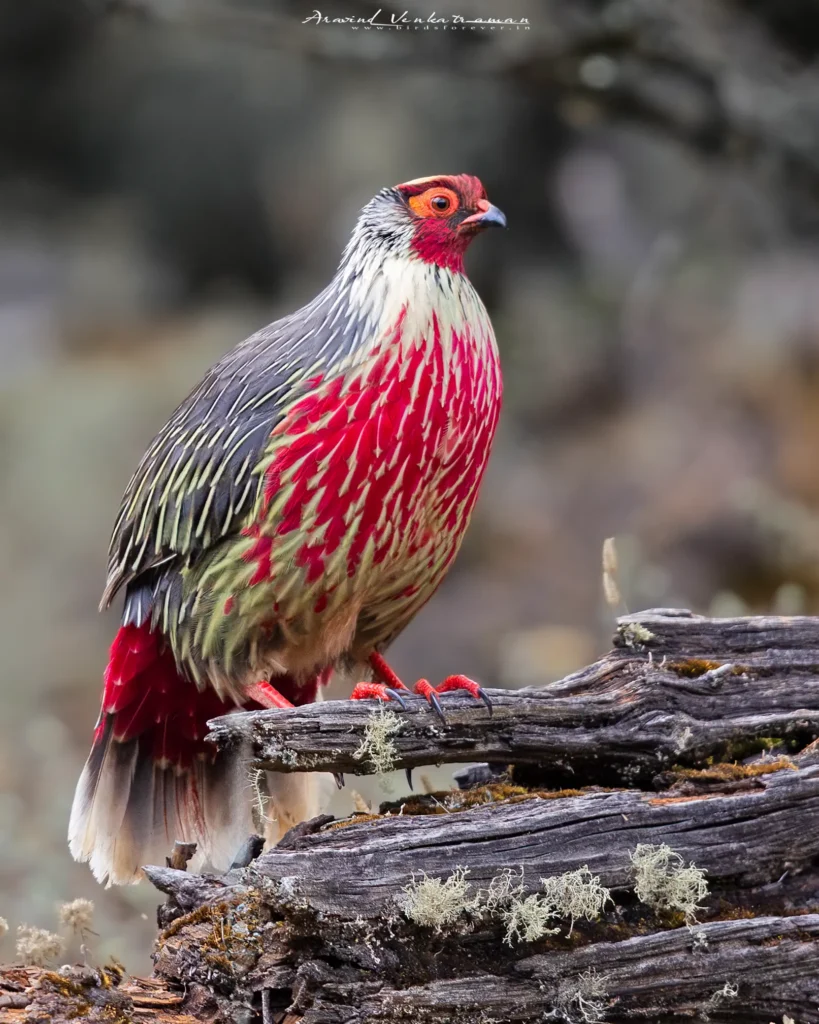
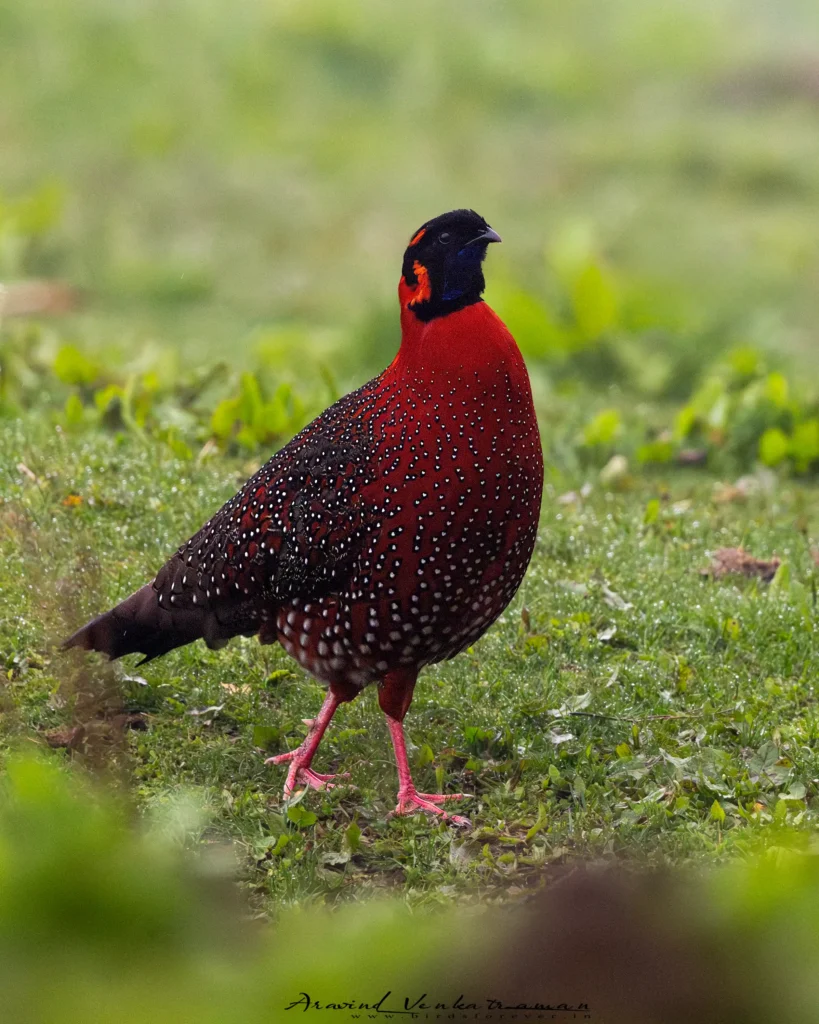
Birdwatchers are drawn by the park’s impressive diversity, with around 350 bird species recorded. Specialities include Blood Pheasant, Satyr Tragopan, Fire-tailed Myzornis, Beautiful Nuthatch and several Himalayan warblers, laughingthrushes and sunbirds.
Botanists and photographers often plan their visits around spring, when rhododendrons, magnolias, orchids and other mountain flowers transform sections of the forest into colourful displays. The park is also known for its diversity of rhododendron species, making it one of India’s most important spring flowering destinations.
Field Note
One of Singalila’s defining characteristics is that the journey itself is the attraction. Rather than concentrating wildlife around a few waterholes or safari tracks, the park rewards visitors who spend several days walking through different elevations and habitats, allowing the landscape to change gradually with every stage of the trek.
Understanding the Landscape
The park stretches across steep Himalayan ridges where altitude changes rapidly over relatively short distances. These elevation gradients create distinct ecological zones, ranging from temperate broadleaf forests to subalpine conifer stands and open alpine vegetation near the highest ridges.
Bamboo thickets provide important habitat for red pandas, while oak, magnolia and rhododendron forests support a wide variety of birds and mammals. Seasonal weather, cloud cover and snowfall further influence the character of the landscape throughout the year, meaning that the experience of visiting in April differs significantly from visiting in November or January.
The combination of altitude, biodiversity and relatively intact forest ecosystems has made Singalila one of the Eastern Himalaya’s most significant protected landscapes, valued both for conservation and for low-impact nature tourism.
Best Time to Visit Singalila National Park
The best time to visit depends on what you hope to experience. Unlike many wildlife parks where animal sightings are the primary objective, Singalila offers different highlights throughout the year, from spring flowers and birdwatching to post-monsoon mountain views and winter landscapes. The park is generally closed during the monsoon, so it is important to check current opening dates before planning your trip.
Spring (March to May)
Spring is widely regarded as one of the finest seasons to visit Singalila. As temperatures rise after winter, the forests come alive with blooming rhododendrons, magnolias, primulas and orchids. The hillsides display changing colours at different elevations, making this the favourite season for landscape photographers and botanists.
Wildlife remains difficult to predict, but pleasant temperatures encourage longer treks and improve opportunities for birdwatching. The combination of flowering forests and generally stable weather makes this the busiest trekking season.
Photography Tip
Carry both a wide-angle lens for sweeping Himalayan landscapes and a telephoto lens for birds and distant wildlife. Spring often combines dramatic mountain views with colourful foreground flowers.
Summer (Late May to Mid-June)
Early summer still offers good trekking conditions, although temperatures become slightly warmer and afternoon clouds become more common. Visitor numbers usually decline after the spring flowering season, making trails quieter.
This period can suit travellers who prefer fewer crowds while still enjoying reasonably favourable weather before the arrival of the monsoon.
Monsoon (Mid-June to Mid-September)
The park is typically closed during much of the monsoon season. Heavy rainfall makes trails slippery, reduces visibility and increases the risk of landslides along mountain roads.
Because closure dates may vary depending on weather and park management decisions, visitors should always confirm the latest information before finalising travel plans.
Expert Tip
Avoid making non-refundable bookings during the monsoon unless you have confirmed that the park is officially open.
Autumn (September to November)
Once the monsoon retreats, Singalila enters another excellent travel season. The air becomes clearer, offering some of the year’s best panoramic views of the Eastern Himalaya.
Trekkers often choose autumn for its comfortable temperatures, relatively dry trails and outstanding visibility from viewpoints such as Sandakphu and Phalut. Birdwatching also improves as many Himalayan species become more active after the rains.
Winter (December to February)
Winter transforms the higher elevations into a very different landscape. Cold temperatures and occasional snowfall create attractive scenery, particularly around Sandakphu and Phalut.
Trekking remains possible, but visitors should be prepared for freezing nights, changing weather and additional clothing requirements. Some accommodation may also operate with limited services during the coldest weeks.
Seasonal Comparison
| Season | Best For | Things to Consider |
| March–May | Rhododendrons, birdwatching, trekking, photography | Most popular season |
| Late May–Mid June | Trekking with fewer visitors | Increasing chance of rain |
| Mid June–Mid September | Generally closed | Heavy rainfall and slippery trails |
| September–November | Clear Himalayan views, trekking, birdwatching | Excellent visibility |
| December–February | Snow, winter photography, peaceful trails | Very cold conditions |
How to Reach Singalila National Park
Most visitors begin their journey from Manebhanjan (also spelled Maneybhanjyang), which serves as the principal gateway to the Sandakphu trekking route and the national park.
Depending on your itinerary, some trekkers also use Rimbik as an exit point after completing longer traverses.
By Air
The nearest airport is Bagdogra Airport, which is well connected with major Indian cities.
From Bagdogra, visitors typically travel by road to Darjeeling or directly to Manebhanjan, depending on their planned itinerary.
By Train
The nearest major railway station is New Jalpaiguri (NJP).
From NJP, taxis and shared vehicles connect travellers to Darjeeling and onward to Manebhanjan. This is the most common route for visitors arriving by rail.
By Road
Road access is available from Darjeeling to Manebhanjan.
The final stretch is mountainous and can be slow, particularly during poor weather. Travellers should allow sufficient travel time rather than planning tight connections with flights or trains.
Main Entry Points
Manebhanjan
Manebhanjan is the primary starting point for most visitors.
From here, trekkers begin the classic Sandakphu route, while non-trekkers can arrange authorised local vehicles where permitted. The village also serves as the main location for completing entry formalities and hiring local guides and porters.
Rimbik
Rimbik commonly serves as the finishing point for longer trekking itineraries, especially those continuing beyond Sandakphu to Phalut.
Many visitors complete their trek here before returning by road to Darjeeling or Siliguri.
Entry Permits, Guides and Park Regulations
Visitors should expect to complete entry formalities before entering the protected area. Permit requirements, entry fees and vehicle regulations are managed by the Forest Department and should always be verified before travel, as they may change over time.
Hiring Local Guides
For most trekking routes, hiring a local guide is either mandatory or strongly recommended.
Beyond helping with navigation, experienced guides can interpret wildlife signs, identify birds and plants, explain local culture and respond more effectively if weather conditions change during the trek. Supporting local guides also contributes directly to community livelihoods around the park.
Porters
Porters are available for multi-day treks and can make longer journeys considerably more comfortable, especially for visitors carrying photography equipment or camping gear.
Responsible Tourism Tip
Singalila’s wildlife is naturally elusive. Avoid playing recorded bird calls, approaching animals too closely or leaving marked trails in search of wildlife. Quiet observation and patience provide a far better experience while reducing disturbance to sensitive Himalayan habitats.
Visitor Planning Checklist
Before leaving for Singalila National Park, make sure you have:
- Confirmed that the park is open.
- Verified the latest permit requirements and entry fees.
- Arranged accommodation in advance, especially during spring and autumn.
- Packed warm layered clothing suitable for high-altitude weather.
- Carried rain protection regardless of season.
- Booked a local guide if required.
- Allowed extra travel time for mountain roads.
- Carried sufficient cash for remote villages where digital payment facilities may be limited.
These simple preparations can make the trek smoother and allow you to spend more time enjoying the park instead of dealing with avoidable logistical issues.
Trekking Routes, Wildlife & Flora
Trekking in Singalila National Park
Unlike most national parks in India, where visitors explore by jeep, Singalila is best experienced on foot. The trekking routes gradually climb through forests, mountain villages, open ridges and alpine landscapes, allowing visitors to appreciate the park’s changing habitats rather than rushing between viewpoints.
The trails vary in length and difficulty, making the park suitable for both experienced trekkers and reasonably fit beginners who prepare well. Some sections can also be accessed by authorised local vehicles, offering an alternative for visitors who cannot undertake multi-day hikes.
Popular Trekking Routes
Manebhanjan to Tonglu
This is one of the shorter trekking options and serves as an introduction to the Singalila landscape.
The route climbs steadily through forests and mountain settlements before reaching Tonglu, where visitors are rewarded with expansive Himalayan views on clear days. It is suitable for those with limited time or anyone wishing to experience high-altitude trekking without completing the full Sandakphu route.
Manebhanjan to Sandakphu
The trek to Sandakphu is the park’s signature experience.
As the highest point in West Bengal at approximately 3,636 metres, Sandakphu offers some of the finest panoramic mountain views in the Eastern Himalaya. On clear mornings, visitors can see Kangchenjunga dominating the skyline, while Everest, Lhotse and Makalu are also visible in the distance.
The journey itself passes through changing vegetation zones, making it equally rewarding for birdwatchers, photographers and nature enthusiasts.
Field Note
Weather changes quickly in the high Himalaya. A viewpoint hidden by cloud in the afternoon may offer crystal-clear mountain views the following morning.
Sandakphu to Phalut
Travellers with additional time often continue beyond Sandakphu to Phalut.
This section is generally quieter than the approach to Sandakphu and passes through relatively undisturbed high-altitude landscapes. Many experienced trekkers consider this stretch among the most scenic parts of the entire route because of its open ridges and uninterrupted Himalayan vistas.
Vehicle-Based Visits
Visitors who cannot undertake long treks may still experience parts of the park using authorised local vehicles on designated routes where permitted.
Although travelling by vehicle provides access to important viewpoints, walking offers significantly greater opportunities to appreciate the park’s forests, birds and changing habitats.
Trek Comparison Guide
| Route | Suitable For | Typical Experience |
| Manebhanjan – Tonglu | Beginners | Short Himalayan trek with mountain views |
| Manebhanjan – Sandakphu | Most visitors | Classic multi-day trek with panoramic viewpoints |
| Sandakphu – Phalut | Experienced trekkers | Longer ridge walk through quieter landscapes |
| Vehicle Route | Non-trekkers | Scenic viewpoints with limited walking |
Wildlife of Singalila National Park
Although the mountain scenery attracts many visitors, Singalila is equally important as a protected wildlife landscape. The park safeguards temperate and subalpine forests that support several rare Himalayan mammals, birds and alpine plant communities.
Wildlife sightings depend heavily on weather, season and patience. Dense forests and rugged terrain mean many species remain difficult to observe even during extended visits.
Red Panda

The red panda is undoubtedly Singalila’s most celebrated mammal.
The park contains one of India’s important habitats for this endangered species, where it occupies cool bamboo-rich forests at higher elevations.
However, visitors should approach their expectations realistically. Seeing a red panda is never guaranteed, and many experienced naturalists complete several visits without a sighting. Quiet trekking, experienced guides and a measure of luck all play important roles.
Expert Tip
Treat a red panda sighting as a bonus rather than the primary goal of your visit. Appreciating the park’s forests, birds and landscapes makes the experience rewarding regardless of wildlife encounters.
Other Mammals
Besides the red panda, Singalila supports several notable Himalayan mammals, including:
- Himalayan Black Bear
- Clouded Leopard
- Leopard
- Himalayan Serow
- Barking Deer
- Yellow-throated Marten
- Pangolin
- Pika
Most of these animals are naturally secretive and are rarely encountered during daytime trekking. Their continued presence nevertheless highlights the ecological importance of the park.
Birds of Singalila
Singalila is recognised as one of eastern India’s premier birdwatching destinations.
Approximately 350 bird species have been recorded, although seasonal diversity varies throughout the year. Birdwatchers visit specifically for several Himalayan specialities that are difficult to observe elsewhere.
Notable species include:
- Blood Pheasant
- Satyr Tragopan
- Kalij Pheasant
- Fire-tailed Myzornis
- Beautiful Nuthatch
- Scarlet Minivet
- Himalayan Griffon
- Various laughingthrushes
- Warblers
- Sunbirds
Different elevations support different bird communities, rewarding visitors who spend several days moving through the park rather than remaining at a single location.
Photography Tip
Early morning generally provides the best light and the highest bird activity. Move slowly, keep conversations quiet and allow birds to approach naturally rather than following them through the forest.
Flora of Singalila National Park
The park’s vegetation changes noticeably with altitude, creating a remarkable variety of Himalayan plant communities within a relatively compact area.
Visitors pass through forests dominated by:
- Rhododendrons
- Oak
- Magnolia
- Bamboo
- Conifers
- Alpine shrubs
- Primulas
- Orchids
This diversity supports the rich wildlife for which Singalila is known while also making the park one of India’s finest mountain botanical destinations.
Rhododendron Season
Spring transforms many sections of Singalila into colourful displays of flowering rhododendrons.
The park is reported to support around 18 rhododendron species, with flowering progressing gradually across elevations as temperatures increase through the season.
For many visitors, these blooms become as memorable as the Himalayan views themselves.
Seasonal Wildflowers
Beyond rhododendrons, visitors may also encounter magnolias, orchids, primulas and numerous alpine flowers depending on the month and elevation.
These seasonal displays attract not only photographers but also butterflies and nectar-feeding birds, adding further life to the mountain forests during spring.
Wildlife Watching Guidelines
Observing wildlife responsibly benefits both visitors and the park.
Keep these principles in mind:
- Remain on designated trails.
- Maintain a respectful distance from wildlife.
- Never feed animals.
- Avoid loud conversations.
- Do not use recorded bird calls.
- Carry binoculars for distant observations.
- Allow animals to behave naturally without interference.
Responsible wildlife watching increases the chances of meaningful encounters while helping preserve Singalila’s fragile mountain ecosystem.
Accommodation, Suggested Itineraries, Photography & Responsible Tourism
Where to Stay When Visiting Singalila National Park
Accommodation in and around Singalila National Park is designed primarily for trekkers rather than luxury travellers. Most visitors stay in small mountain lodges, government accommodation, village homestays or basic guesthouses located along the trekking route.
These accommodations provide an opportunity to experience local hospitality while reducing the need for daily travel in and out of the park. During the popular spring and autumn trekking seasons, advance booking is advisable because accommodation capacity is limited.
Village Lodges and Trekker Accommodation
Places such as Tonglu, Gairibas, Kalipokhri, Sandakphu and Phalut offer simple accommodation suitable for overnight trekkers.
Facilities generally focus on essential comfort rather than luxury. Visitors should expect basic rooms, simple local meals and limited heating at higher elevations. Electricity and mobile connectivity may also vary depending on location and weather.
Homestays
Several villages surrounding the park offer homestays managed by local families.
Choosing a homestay allows visitors to:
- Experience local Himalayan culture.
- Enjoy home-cooked regional food.
- Learn about traditional mountain lifestyles.
- Directly support community-based tourism.
The research brief identifies community participation as an important component of conservation in the region. Responsible tourism provides income that encourages local communities to protect forests and wildlife.
Suggested Itineraries
Two-Day Itinerary
This option is suitable for visitors with limited time.
Day 1
- Arrive at Manebhanjan.
- Begin the trek towards Tonglu or continue further depending on fitness and weather.
- Overnight stay.
Day 2
- Continue towards Sandakphu if time permits.
- Enjoy sunrise mountain views.
- Return by trekking or authorised vehicle where available.
Best For
- Weekend travellers
- First-time visitors
- Short Himalayan trekking experience
Three-Day Itinerary
The classic three-day visit allows more time to appreciate the landscape.
Day 1
Manebhanjan to Tonglu.
Day 2
Tonglu to Sandakphu.
Day 3
Explore nearby viewpoints before returning.
This itinerary offers a more relaxed pace and greater opportunities for birdwatching and photography.
Five-Day Trek
Visitors seeking the complete Singalila experience often continue beyond Sandakphu towards Phalut before exiting through Rimbik.
This longer route allows trekkers to experience a wider range of habitats, quieter trails and additional Himalayan viewpoints while reducing the need to retrace the same path.
Itinerary Comparison
| Itinerary | Best For | Main Highlights |
| 2 Days | Short visit | Tonglu and Sandakphu |
| 3 Days | Most visitors | Sandakphu trek with comfortable pace |
| 5 Days | Experienced trekkers | Sandakphu, Phalut and Rimbik traverse |
Photography Guide
Singalila rewards photographers throughout the year because the subjects constantly change with the seasons.
Landscape photographers are drawn to sunrise views from Sandakphu, where clear weather may reveal Kangchenjunga, Everest, Lhotse and Makalu.
Nature photographers often focus on flowering rhododendrons, mist-covered forests and alpine meadows.
Wildlife photographers generally concentrate on birds rather than mammals, as many mammal species remain highly elusive.
Best Photography Subjects
- Himalayan mountain panoramas
- Rhododendron forests
- High-altitude villages
- Blood Pheasant
- Satyr Tragopan
- Fire-tailed Myzornis
- Forest landscapes
- Misty ridgelines
- Seasonal wildflowers
Photography Tips
- Start walking before sunrise whenever possible.
- Carry spare camera batteries, as cold temperatures reduce battery life.
- Protect equipment from rain and mountain mist.
- Use binoculars to locate birds before raising your camera.
- Avoid disturbing wildlife for photographs.
Safety and Practical Advice
The park’s high elevation makes preparation more important than in many lowland wildlife destinations.
Altitude
Many visitors arrive from the plains and gain altitude quickly.
Walk at a comfortable pace, remain hydrated and allow your body time to adjust, particularly if trekking beyond 3,000 metres.
Weather
Mountain weather changes rapidly.
Visitors should carry:
- Waterproof jacket
- Warm fleece or insulated jacket
- Gloves
- Woollen cap
- Good trekking shoes
- Extra socks
- Sun protection
Layering clothing is generally more effective than carrying one heavy jacket.
Mobile Connectivity
Mobile network coverage can be unreliable in many parts of the park and along trekking routes.
Download offline maps where possible and inform family members about your itinerary before starting longer treks.
Practical Packing Checklist
Before leaving for Singalila, consider packing:
- Trekking backpack
- Water bottle
- Warm clothing
- Waterproof jacket
- Comfortable trekking shoes
- Walking poles (optional)
- Binoculars
- Camera
- Power bank
- Personal medicines
- Sunscreen
- Sunglasses
- Torch or headlamp
- Basic first-aid kit
- Identity documents
Responsible Tourism
Singalila National Park protects fragile Himalayan ecosystems that recover slowly from disturbance. Every visitor can contribute to conservation through responsible behaviour.
Follow Park Regulations
Stay on designated trails, respect forest staff instructions and comply with permit conditions.
Support Local Communities
Hiring local guides, staying in community-operated accommodation and purchasing local products helps ensure tourism benefits residents living around the park. The research brief highlights community-based tourism as an important conservation opportunity.
Leave No Trace
Carry all non-biodegradable waste back with you.
Avoid littering, damaging vegetation or collecting plants as souvenirs.
Respect Wildlife
Observe animals quietly without attempting to attract them for photographs.
Never feed wildlife or use recorded bird calls, as these behaviours can alter natural animal activity.
Decision Guide
Choose Singalila National Park if you want:
- Multi-day Himalayan trekking.
- Excellent mountain scenery.
- Spring rhododendron blooms.
- High-altitude birdwatching.
- A chance—though never a guarantee—of seeing a red panda.
- A slower, nature-focused travel experience rather than traditional jeep safaris.
Visitors primarily seeking frequent large mammal sightings may find that lowland safari destinations offer a different experience. Singalila’s greatest strengths lie in its mountain landscapes, biodiversity and immersive trekking routes.
Common Mistakes, Frequently Asked Questions & Conclusion
Common Mistakes Visitors Make
Good preparation can make the difference between an enjoyable trek and an unnecessarily difficult one. The following are some of the most common mistakes made by first-time visitors.
1. Expecting Guaranteed Red Panda Sightings
Singalila National Park is one of India’s most important habitats for the endangered red panda, but sightings are naturally rare. Dense forests, low animal densities and the species’ secretive behaviour mean that even experienced naturalists may not encounter one.
Instead of focusing on a single species, appreciate the park as a complete Himalayan ecosystem where birds, flowering forests and mountain landscapes are equally rewarding.
2. Underestimating the Altitude
Many visitors arrive directly from the plains and begin trekking without allowing sufficient time to adapt.
Walking steadily, staying hydrated and avoiding unnecessary exertion on the first day can make the trek considerably more comfortable.
3. Carrying Inadequate Clothing
Weather conditions in the Himalaya can change rapidly.
Even during pleasant daytime temperatures, mornings and evenings at higher elevations may become cold. Layered clothing and waterproof protection are essential throughout much of the trekking season.
4. Ignoring Seasonal Closures
The park is generally closed during much of the monsoon because of heavy rainfall and safety concerns.
Always verify the latest opening dates before making travel arrangements.
5. Planning an Overly Ambitious Itinerary
Trying to cover too much distance in too little time reduces opportunities to enjoy the forests, birds and viewpoints that make Singalila special.
A slightly slower itinerary often provides a much richer experience.
6. Disturbing Wildlife
Leaving marked trails, approaching animals closely or using recorded bird calls can disturb wildlife and reduce the quality of the experience for everyone.
Responsible wildlife observation always takes priority over obtaining photographs.
Frequently Asked Questions
Where is Singalila National Park located?
Singalila National Park is located in the Darjeeling district of West Bengal along the Singalila Ridge, bordering Nepal and lying close to Sikkim.
What is Singalila National Park famous for?
The park is known for the Sandakphu–Phalut trek, panoramic Himalayan views, rhododendron forests, high-altitude birdwatching and its importance as habitat for the endangered red panda.
What is the best time to visit?
March to May is ideal for rhododendron blooms and pleasant trekking weather, while September to November offers clear mountain views and excellent trekking conditions.
Is the park open throughout the year?
No. The park is generally closed during much of the monsoon season. Visitors should always confirm current opening dates before travelling.
How do I reach Singalila National Park?
Most visitors travel via Bagdogra Airport or New Jalpaiguri Railway Station before continuing by road to Manebhanjan, the main gateway to the park.
Do I need permits?
Visitors should complete the required entry formalities before entering the protected area. Permit requirements and fees should be confirmed with the Forest Department before travel, as they may change.
Is hiring a guide necessary?
The research brief notes that local guides are required or strongly recommended on trekking routes. Besides helping with navigation, guides also improve wildlife interpretation and contribute to local livelihoods.
Can I visit without trekking?
Yes. Certain sections of the park can be accessed by authorised local vehicles where regulations permit, allowing non-trekkers to experience some of the scenery.
What wildlife can I expect to see?
The park supports red panda, Himalayan black bear, clouded leopard, leopard, Himalayan serow, barking deer, yellow-throated marten and numerous smaller mammals. Birdwatchers may encounter species such as Blood Pheasant, Satyr Tragopan, Fire-tailed Myzornis and Beautiful Nuthatch, although sightings vary by season and luck.
How many bird species occur in the park?
Approximately 350 bird species have been recorded, making Singalila one of India’s leading Himalayan birdwatching destinations.
Are red panda sightings common?
No. Although the park protects important red panda habitat, sightings remain uncommon and should never be expected on every visit.
What should I pack?
Essential items include warm layered clothing, waterproof gear, sturdy trekking shoes, binoculars, personal medicines, a first-aid kit, a reusable water bottle, sun protection and a torch or headlamp.
Is Singalila suitable for families?
Families with older children who enjoy walking and mountain travel may find shorter itineraries enjoyable. Visitors should choose routes appropriate to their fitness levels and prepare for high-altitude conditions.
Is mobile network coverage reliable?
Coverage can be inconsistent in many parts of the park. Download offline maps and share your itinerary before beginning longer treks.
What makes Singalila different from other national parks?
Most Indian national parks are explored by vehicle, whereas Singalila is primarily experienced through trekking. The emphasis is on mountain landscapes, changing habitats, birdlife and immersive nature experiences rather than frequent sightings of large mammals.
Conclusion
Singalila National Park offers one of India’s most distinctive protected-area experiences. Rather than focusing on conventional wildlife safaris, it combines Himalayan trekking, mountain ecology, birdwatching and botanical diversity within a relatively compact landscape.
From the flowering rhododendron forests of spring to the crystal-clear Himalayan views of autumn, every season reveals a different side of the park. The celebrated Sandakphu–Phalut route remains the centrepiece of most visits, but equally memorable experiences can come from listening to Himalayan birds at dawn, walking quietly through bamboo forests or watching clouds drift across distant snow-covered peaks.
Visitors who prepare carefully, travel responsibly and keep realistic expectations about wildlife sightings are rewarded with an experience that is both enriching and memorable. Singalila is best appreciated not as a destination to rush through, but as a landscape to explore at a slower pace—where every stage of the journey contributes to a deeper understanding of the Eastern Himalaya and the remarkable wildlife it supports.
Safari Planning : Topics Cluster
- How to book a wildlife safari in India?
- Park by Park Online Safari Booking Guide
- Tiger Safari India Planning Workbook
- Park by Park Safari Permits Guide
- National Parks Permit Guide – Park by Park Guide
- Tatkal Safari Booking Guide – Last Minute Safari Permits Booking
- Tiger Safari in India Cost
- Indian Wildlife Safari Budget Planner
- Jeep vs Canter Safari
- Best time for Tiger Sightings in India
- How far advanced should you book safari permits?
- Can foreigners book Indian Wildlife Safari online?
- Special Permits Guide for Foreigners and Domestic Visitors
- How to book a Safari Permit online in India? 2026 step by step guide
- Senior Citizens Friendly Safari Planning
- Multi Generation Family Safari Planning
- 50 things to know before your first safari in India